• Skip to primary navigation
  • Skip to main content
  • Skip to primary sidebar

Earth Wise

A look at our changing environment.

  • Home
  • About Earth Wise
  • Where to Listen
  • All Articles
  • Show Search
Hide Search
You are here: Home / Archives for carbohydrates

carbohydrates

Megafires and orchard health

November 1, 2024 By EarthWise Leave a Comment

The frequent and massive megafires in places like Canada and the American west have led to a lot of research on the impact of smoke on humans but there has been less study of the effects of smoke on plant health.  Researchers at the University of California, Davis have found that trees are just as vulnerable as humans are to the harmful effects of long-term exposure to smoke.

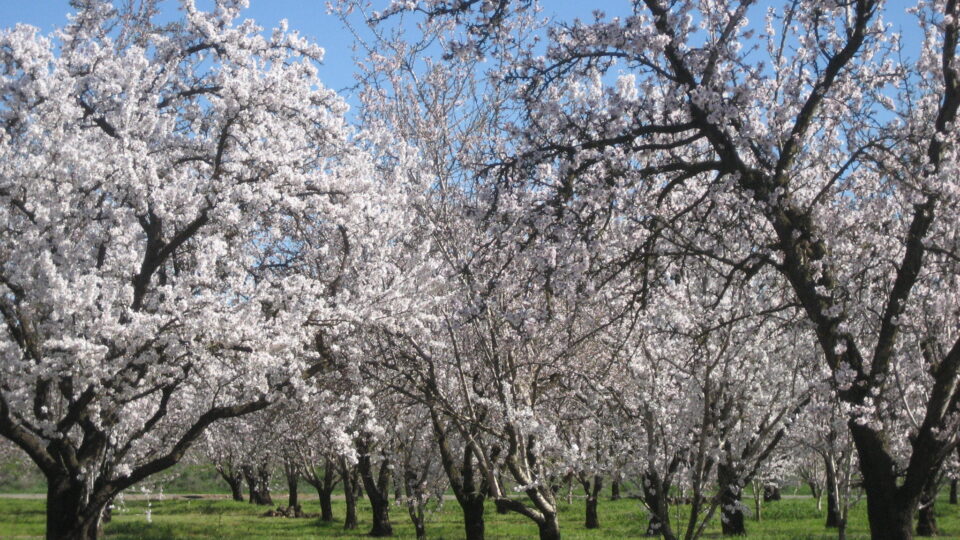
The Davis researchers studied almond, pistachio, and walnut trees at 467 orchard sites in California’s Central Valley from 2018 to 2022.  In 2022, so-called megafires burned more than 4.2 million acres in California, pouring ash and smoke into the sky.  The researchers had been studying how trees store carbohydrates to cope with heat and drought. 

With the onset of the fires, they saw an opportunity to study how smoke affects carbohydrate levels.  Trees use stored carbohydrates to sustain them through winter dormancy and spring growth.  Trees produce carbohydrates via photosynthesis and thick smoke blocks the amount of light reaching the trees.  Beyond that, there are other aspects of wildfire smoke, such as particulate matter and ozone that appear to affect photosynthesis.

The team found that the smoke not only reduced the amount of carbohydrates in trees but also caused losses that continued even after the fires were extinguished.  This led to nut yield decreases of 15% up to 50% in some orchards.  The researchers expected to see some impact on the trees during periods when smoke was really dense but were not expecting the smoke to have such a lingering effect and result in a significant drop in yield.

**********

Web Links

Smoke From Megafires Puts Orchard Trees at Risk

Photo, posted October 1, 2008, courtesy of Suzi Rosenberg via Flickr.

Earth Wise is a production of WAMC Northeast Public Radio
A Sustainable Polymer From Wood | Earth Wise

February 24, 2021 By EarthWise Leave a Comment

A step closer to making plastics more sustainable

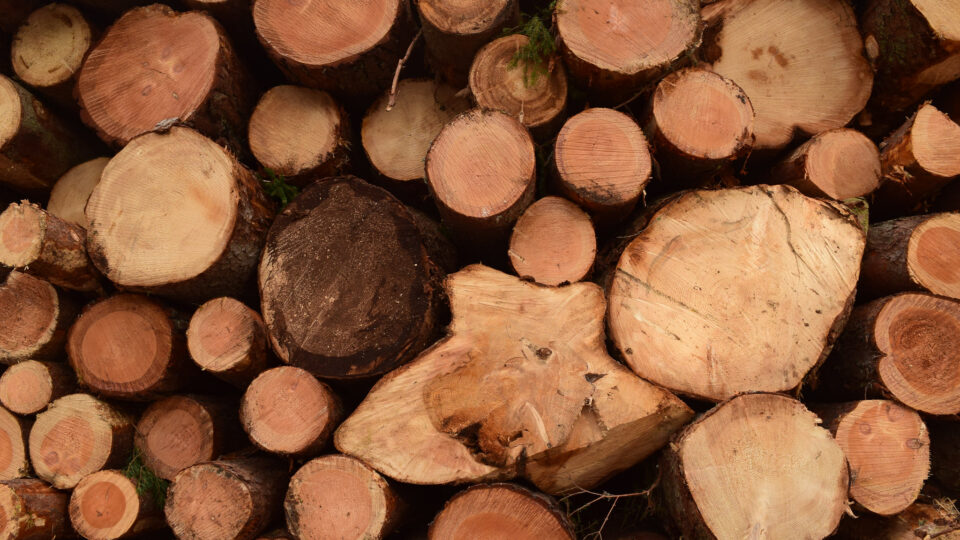
Scientists from the University of Bath in the UK have developed a sustainable polymer using xylose, a sugar found in wood.

The new polymer is a member of the polyether family.  It could be used in a variety of applications, including being a building block for polyurethane, used for example in mattresses and shoe soles. It could also be a bio-derived alternative to polyethylene glycol, a chemical widely used in biomedicine, or in polyethylene oxide, which is sometimes used as an electrolyte in batteries.

Xylose, also known as wood sugar, is one of the most abundant carbohydrates on earth, second only to glucose. Apart from comprising 5-20% of hardwoods, xylose is a major component of straw, corncobs, and many other plant materials.

The new polymer could reduce reliance on crude oil products and its properties can be easily controlled to make the material flexible or crystalline.  Added functionality could be added to it by binding other chemical groups such as fluorescent probes or dyes to the sugar molecule for biological or chemical sensing applications.

Tweaking the physical and chemical properties of bio-derived polymers has previously been a very difficult thing to do.  The Bath researchers discovered that combining two mirror-image chemical forms of xylose results in a stronger and more adaptable material.  They have filed a patent for their technology and are seeking industrial collaborators for further development.

The reliance of plastics and polymers on fossil fuels is a major problem.  Bio-derived polymers, such as this new one, are an important part of the effort to make plastics sustainable.

**********

Web Links

Scientists make sustainable polymer from sugars in wood

Photo, posted January 25, 2017, courtesy of Keith Double via Flickr.

Earth Wise is a production of WAMC Northeast Public Radio.

Maple Syrup And Climate Change

October 11, 2019 By EarthWise Leave a Comment

According to a study recently published in the journal Forest Ecology and Management, scientists are predicting another casualty of climate change: the U.S. maple industry.  By the year 2100, the maple syrup season in the United States may be less productive and arrive one month earlier than it has between 1950 and 2017.

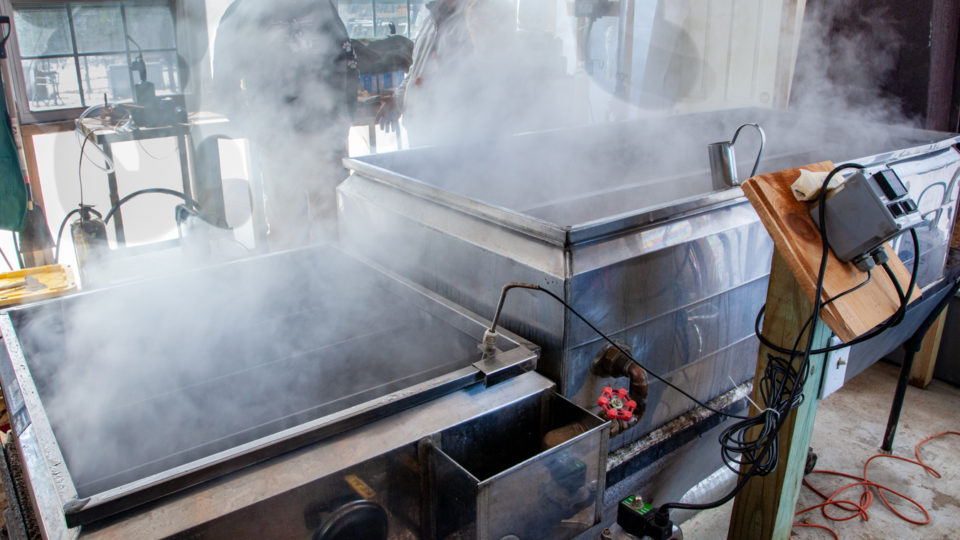
Maple syrup production is impacted by two climate-sensitive factors: sugar content and sap flow.  Sugar content is determined by the previous year’s carbohydrate stores.  Sap flow depends on the freeze/thaw cycle.  Sap begins to flow in sugar maples when winter nights dip below freezing and the days warm above freezing.

The researchers studied six sugar maple stands from Virginia to Quebec, Canada over a six year period.  They created a model that predicted the timing of optimal sap flow based on historical temperature data on freeze/thaw days, actual sap collection from their field work, and monthly climate. 

According to modeling projections, the maple syrup season is expected to be, on average, one month earlier by the end of the century.  States like Indiana and Virginia will barely produce any sap.  New Hampshire and Vermont are likely to be least affected, but are still expected to experience a decrease in production.  In fact, most areas of maple production in the United States are projected to see decreases in production by the year 2100, while areas in northern Ontario and Quebec should see moderate to large increases in production. 

Currently, Canada is responsible for approximately 80% of global maple syrup production while the U.S. produces 20%.  The shifting climate for optimal maple production will leave many scrambling to find the sweet spot. 

**********

Web Links

Climate change study finds that maple syrup season may come earlier

Photo, posted March 24, 2019, courtesy of Paul VanDerWerf via Flickr.

Earth Wise is a production of WAMC Northeast Public Radio.

Plant-Based Jet Fuels

May 9, 2019 By EarthWise Leave a Comment

The global aviation industry uses a whole lot of fuel:  more than 5 million barrels a day.  It is an incredibly energy-intensive industry and almost all of its energy comes from petroleum-based fuels.

While other large energy sectors such as electric power, ground transportation and commercial buildings have well-defined pathways to adopting renewable energy sources, the aviation industry does not have such a straightforward way to make a transition to sustainability.  Electrifying planes using batteries or fuel cells is very challenging for a number of reasons, notably the weight restrictions on aircraft.  So liquid biofuels as replacements for petroleum-based fuels remain the most promising approach.

A new study at the Lawrence Berkeley National Laboratory concludes that sustainable plant-based biofuels could provide a competitive alternative to conventional petroleum fuels if current development and scale-up initiatives are successful.

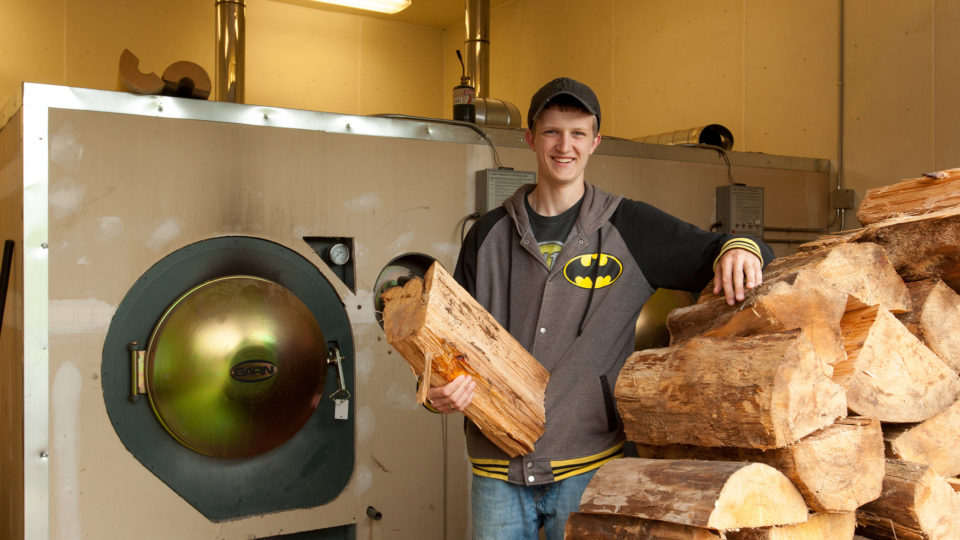
Multidisciplinary teams based at the Department of Energy’s Joint BioEnergy Institute are focused on optimizing each stage of the bio-jet fuel production process.  This includes bioengineering ideal source plants and developing methods for efficiently isolating the carbohydrates in non-food biomass that bacteria can digest and bioconvert into fuel molecules.

The critical issue is cost.  The theoretical cost of bio-jet fuel has come down dramatically in recent years but is still around $16 a gallon.  The cost of standard jet fuel is about $2.50 a gallon.  So, the real challenge is bridging that gap.

Reducing the cost of the fuel could come both from the material and process improvements that are underway as well as by finding ways to turn the leftover lignin residuals from the bioconversion process into valuable chemicals. 

**********

Web Links

Bright Skies for Plant-Based Jet Fuels

Photo, posted March 28, 2009, courtesy of Yasuhiro Chatani via Flickr.

Earth Wise is a production of WAMC Northeast Public Radio.

Renewable Energy From Wood

April 5, 2018 By EarthWise Leave a Comment

https://earthwiseradio.org/wp-content/uploads/2018/04/EW-04-05-18-Renewable-Energy-from-Wood.mp3

Biofuels are fuels produced through contemporary biological processes rather than geological processes such as those involved in the formation of fossil fuels.

[Read more…] about Renewable Energy From Wood

Carbon And The Dark Ocean

January 4, 2018 By EarthWise Leave a Comment

https://earthwiseradio.org/wp-content/uploads/2018/01/EW-01-04-18-Carbon-and-the-Dark-Ocean.mp3

Sunlight entering the water can travel as much as 3,000 feet into the ocean depths under the right conditions, but ordinarily there is no significant light that penetrates beyond about 650 feet down.  That upper 650 feet is called the euphotic or “sunlight” zone and is home to most familiar marine life.  The “dark ocean”, everything below that depth, makes up 90% of the ocean and remarkably little is known about it.

[Read more…] about Carbon And The Dark Ocean

Primary Sidebar

Recent Episodes

  • An uninsurable future
  • Clean energy and jobs
  • Insect declines in remote regions
  • Fossil fuel producing nations ignoring climate goals
  • Trouble for clownfishes

WAMC Northeast Public Radio

WAMC/Northeast Public Radio is a regional public radio network serving parts of seven northeastern states (more...)

Copyright © 2026 ·