• Skip to primary navigation
  • Skip to main content
  • Skip to primary sidebar

Earth Wise

A look at our changing environment.

  • Home
  • About Earth Wise
  • Where to Listen
  • All Articles
  • Show Search
Hide Search
You are here: Home / Archives for blood

blood

An anti-malaria breakthrough

August 26, 2025 By EarthWise Leave a Comment

A technological breakthrough in the battle against malaria

The deadliest animal in the world is the mosquito.  Mosquitos infected 263 million people with malaria in 2023, leading to 600,000 deaths, 80% of which were children.  Malaria is caused by infection from Plasmodium parasites.  The parasites are transmitted to humans from the bite of infected female mosquitos.

Researchers at the University of California San Diego, Johns Hopkins University, UC Berkeley, and the University of Sāo Paulo have developed a new method that genetically blocks mosquitos from transmitting malaria.

The study was published in the journal Nature.  They used gene editing to change a single molecule within mosquitos.  The genetically altered mosquitos can still bite people with malaria and can still acquire parasites from their blood, but the parasites can no longer be spread to other people.  The switching of one specific amino acid known as L224 with a genetic alternative called Q224 prevents malarial parasites from reaching the salivary glands of the mosquito, thereby preventing the spread of infection.  In extensive tests, the researchers found that while the genetic switch disrupted the parasite’s infection capabilities, the mosquitos’ normal growth and reproduction remained unchanged.

The hope is that the replacement of a single amino acid in mosquitoes that prevents them from being infected with malarial parasites is a beneficial trait that can spread throughout a mosquito population.  The researchers believe that the trait can be spread across diverse mosquito species and populations and can pave the way for adaptable, real-world strategies to control malaria.

**********

Web Links

Stealth Genetic Switch in Mosquitoes Halts Malaria Spread

Photo, posted June 20, 2014, courtesy of John Tann via Flickr.

Earth Wise is a production of WAMC Northeast Public Radio

Pollution From Tires | Earth Wise

October 16, 2023 By EarthWise Leave a Comment

A few years ago, researchers investigating massive deaths of coho salmon in West Coast streams discovered that the water contained particles from vehicle tires.  The cause of the fish mortality turned out to be a chemical called 6PPD that is added to tires to prevent cracking and degradation.  The mystery was solved, but so far, the chemical continues to be used by all major tire manufacturers and is found on roads and in waterways around the world.

Worse still, the acute toxicity of 6PPD and the chemicals that it transforms into when exposed to ground-level ozone is only the tip of the tire pollution iceberg.  Tire rubber contains more than 400 chemicals and compounds, many of which are carcinogenic. 

About 2 billion tires are sold across the globe each year and that number is expected to reach 3.4 billion by 2030.  Tires are made from about 20% natural rubber and 24% synthetic rubber, which requires about 4 gallons of petroleum per tire.  Hundreds of other ingredients – including steel, fillers, heavy metals like copper, cadmium, lead, and zinc – make up the rest.

Tire wear particles are emitted continually as vehicles travel.  They range in size from visible pieces of rubber or plastic to microparticles.  Research has shown that a car’s four tires collectively emit half a trillion ultrafine particles per mile driven.  These particles are small enough to be breathed into the lungs and can travel throughout the body and even cross the blood-brain barrier.  Particle pollution from tires exceeds that from tailpipes.

Tire pollution is a huge problem that is just starting to receive the attention it deserves.

**********

Web Links

Road Hazard: Evidence Mounts on Toxic Pollution from Tires

Photo, posted June 22, 2018, courtesy of Tony Webster via Flickr.

Earth Wise is a production of WAMC Northeast Public Radio
Humans And Microplastics | Earth Wise

April 13, 2022 By EarthWise Leave a Comment

Microplastics impact on human health

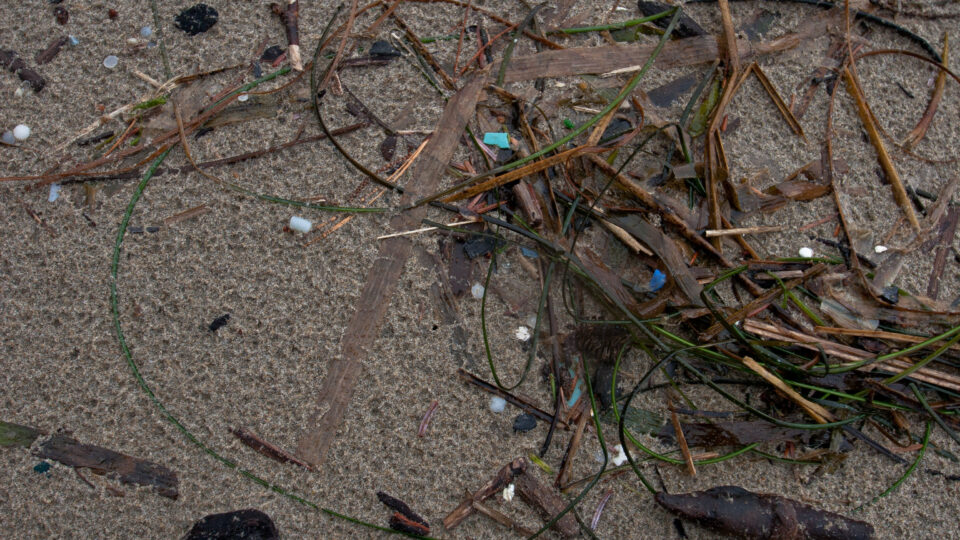
While plastic comes in all different shapes and sizes, those that are less than five millimeters in length are called microplastics.  Primary sources of microplastics include microfibers from clothing, microbeads, and plastic pellets (known as nurdles).  Secondary sources of microplastics come from larger plastic debris, like bottles and bags, that degrades into smaller bits over time. 

Microplastic pollution can be found everywhere on earth, from the top of the tallest mountains to the bottom of the deepest oceans.  Microplastics are in the food we eat, the water we drink, and the air we breathe. 

According to research recently published in the journal Exposure & Health, humans ingest an average of five grams of plastic particles per week. This is roughly equivalent to the weight of a credit card.  The plastic particles are trafficked in via food, such as seafood and salt in particular, as well as water.  In fact, those who rely on plastic bottled water for their drinking needs ingest an additional 1,700 plastic particles each week.   

Microplastics have also been detected in human blood for the first time.  According to new research recently published in the journal Environment International, scientists detected microplastics in nearly 80% of the people they tested. 

Half of the blood samples contained PET plastic, which is commonly used for drinking bottles.  One third of the blood samples contained polystyrene plastic, which is often used for food packaging.  One quarter of the blood samples contained polyethylene plastic, which is used to make things like shopping bags and detergent bottles. 

With plastic production predicted to double by 2040, more research is urgently needed to understand how ingesting microplastics affects human health.

**********

Web Links

Health risk due to micro- and nanoplastics in food

Microplastics found in human blood for first time

Discovery and quantification of plastic particle pollution in human blood

Photo, posted November 3, 2012, courtesy of Laura via Flickr.

Earth Wise is a production of WAMC Northeast Public Radio.

Lead Exposure Remains A Persistent Problem | Earth Wise

October 29, 2020 By EarthWise Leave a Comment

lead exposure remains a global problem

According to a new report from UNICEF and the international nonprofit Pure Earth, a staggering number of children – approximately 800 million or one out of every three globally – may have dangerously high levels of lead in their blood.    

Long-term exposure to lead can cause serious health problems, especially in children.  Children are particularly vulnerable because their early years are characterized by rapid growth and brain development. 

Lead is a powerful neurotoxin that can cause damage even at low levels of exposure.  Lead poisoning can be acute, and can cause all sorts of health issues, including stomach pain, brain damage, and even death.  Because lead accumulates in the body over time, lead poisoning can develop slowly. The most common symptom of lead poisoning is lethargy.  Lead exposure can also contribute to a lower IQ and behavioral problems that can last a lifetime.     

Lead is a naturally occurring element found in small amounts in earth’s crust.  But as a result of human activities, lead can be found in all parts of the environment, including the air, soil, and water. 

According to the report, much of the lead poisoning comes from lead-acid batteries that are not properly recycled.  Water pipes, paint, canned foods, makeup, toys, and even contaminated spices can all be sources of lead exposure.  Lead was also previously added to gasoline and traces of this remain in soil samples today. 

The report found that children in low- or middle-income countries, especially in South Asia and among marginalized groups in general, are most vulnerable to lead poisoning. 

Lead exposure remains a dangerous and persistent problem all around the world. 

**********

Web Links

The Toxic Truth: Children’s Exposure to Lead Pollution Undermines a Generation of Future Potential

800 million children still exposed to lead

Photo, posted February 11, 2017, courtesy of J. Brew via Flickr.

Earth Wise is a production of WAMC Northeast Public Radio.

Chocolate Is Good For The Heart | Earth Wise

August 27, 2020 By EarthWise Leave a Comment

chocolate is healthy

At last a good news story about what we eat, or more specifically, about what we like to eat.   According to research published recently in the European Journal of Preventive Cardiology, eating chocolate at least once a week is linked with a reduced risk of heart disease.

In the past, clinical studies have shown that chocolate is beneficial for both blood pressure and the lining of blood vessels.   The new study suggests that chocolate helps to keep the heart’s blood vessels healthy.

The researchers conducted a combined analysis of studies from the past five decades examining the association between chocolate consumption and coronary artery disease.  The analysis included data from over 300,000 participants who reported their chocolate consumption.  About 14,000 participants in the study ultimately developed coronary heart disease.  Compared with consuming chocolate less than once a week, eating chocolate more than once a week was associated with an 8% decreased risk of coronary heart disease.

Chocolate contains heart-healthy nutrients such as flavonoids, methylxanthines, polyphenols, and steric acid.  These substances may reduce inflammation and increase good (HDL) cholesterol.

The study did not examine whether any particular type of chocolate is more beneficial or whether there is an ideal portion size.  So, while chocolate appears to be promising for reducing the occurrence of coronary heart disease, it will require more research to determine how much and what kind of chocolate could be recommended.

Not to be spoilsports, but the doctors who conducted the study warned against overeating.  Eating large quantities of chocolate products laden with calories, sugar, milk and fat, is not a recommended path to improved health.

**********

Web Links

Chocolate is good for the heart

Photo, posted February 22, 2014, courtesy of Jan David Hanrath via Flickr.

Earth Wise is a production of WAMC Northeast Public Radio.

Destroying Forever Chemicals | Earth Wise

August 11, 2020 By EarthWise Leave a Comment

PFAS, short for poly and perfluoroalkyl substances, have been used in commercial products since the 1940s.  There are more than 4,000 different chemicals in the class.   Some of the most commonly used PFAS chemicals, like PFOS and PFOA, have long half-lives, which has earned them the moniker “forever chemicals.” 

These dangerous chemicals have not been manufactured in the U.S. since the early 2000s, but they can still be found in various imported goods.  PFAS chemicals have been linked to cancer, birth defects, thyroid disease, and liver damage.  These forever chemicals linger in the environment and scientists have found them in the blood of virtually all Americans.

Researchers at Rice University have recently discovered an efficient catalyst for destroying PFAS forever chemicals.  Unexpectedly, the catalyst was actually in the control group in a study they were performing.

The study, published in the journal Environmental Science and Technology Letters, found that boron nitride, acting as a light-activated catalyst, destroyed PFOA at a faster clip than any previously reported photocatalyst.

The catalyst, boron nitride powder, is a commercially available synthetic mineral that is widely used in makeup, skincare products, thermal pastes for cooling computer chips, and various other industrial products.  The discovery began with dozens of failed experiments on a variety of more promising PFAS catalysts.  But along the way, they found that the boron nitride control material repeatedly yielded positive results.

The research has already attracted the attention of industrial partners seeking to develop off-grid water treatment systems that both protect human lives and support sustainable economic development.

**********

Web Links

Boron nitride destroys PFAS ‘forever’ chemicals PFOA, GenX

Photo, posted April 9, 2009, courtesy of Rex Roof via Flickr.

Earth Wise is a production of WAMC Northeast Public Radio.

The United States And Ticks | Earth Wise

July 21, 2020 By EarthWise Leave a Comment

United States tick data is lagging

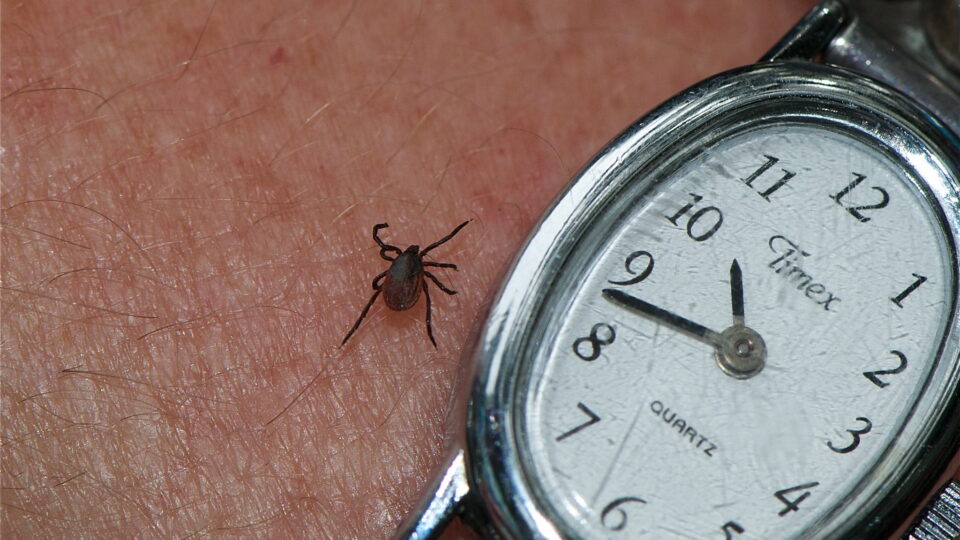
Tiny ticks are a big problem.  Measuring only three to five millimeters in size, ticks are widely distributed around the world.  They are external parasites, feasting on the blood of birds, reptiles, amphibians, and mammals – including humans.

According to estimates from the Centers for Disease Control and Prevention, ticks infect more than 300,000 people with Lyme disease in the United States every year, and the numbers continue to rise.  Other common tick-borne diseases include anaplasmosis, babesiosis, Rocky Mountain Spotted Fever, and powassan encephalitis.

But while the prevalence of tick-borne illnesses has steadily increased in the United States over the past two decades, a new study on tick surveillance and control “has revealed an inconsistent and often under-supported patchwork of programs across the country.”

The study, by university researchers at the CDC’s five Vector-Borne Disease Regional Centers of Excellence, is the first-ever examination of tick management programs in the United States.  The researchers found clear gaps in our public health infrastructure. 

According to the study, which was recently published in the Journal of Medical Entomology, less than 50% of public health and vector-control agencies conduct tick surveillance.  Only 25% test ticks for disease-causing germs.  And only 12% conduct or support tick-control efforts.  Researchers also discovered that the capacity for public tick-control efforts is low, as is the capacity for information and data sharing between agencies on ticks.    

The findings highlight the degree to which tick surveillance and control is lagging in the United States.  According to the research team, greater support for tick-management programs is critical, and they hope their findings will serve as a baseline from which to measure future improvements.  

**********

Web Links

Tick surveillance and control lagging in US

Photo, posted May 4, 2009, courtesy of Jerry Kirkhart via Flickr.

Earth Wise is a production of WAMC Northeast Public Radio.

Air Pollution And Diabetes

August 9, 2018 By EarthWise 3 Comments

https://earthwiseradio.org/wp-content/uploads/2018/08/EW-08-09-18-Air-Pollution-and-Diabetes.mp3

Air pollution is deadly.  Studies have found that fine particulate matter, such as airborne pieces of dust, dirt, smoke, soot, and other microscopic particles can enter our lungs and bloodstream, contributing to major health conditions such as heart disease, stroke, cancer, and kidney disease.

[Read more…] about Air Pollution And Diabetes

Accidentally Saving The Bees

March 7, 2018 By EarthWise Leave a Comment

https://earthwiseradio.org/wp-content/uploads/2018/02/EW-03-07-18-Accidentally-Saving-the-Bees.mp3

There is no shortage of dangers to honey bees, but a parasitic mite known as Verroa destructor is considered to be the greatest threat because it transmits virus diseases which lead to colony death.

[Read more…] about Accidentally Saving The Bees

Chocolate Is Good For Your Brain

August 30, 2017 By EarthWise

https://earthwiseradio.org/wp-content/uploads/2017/08/EW-08-18-17-Chocolate-is-Good-for-Us.mp3

It is always good to learn about more reasons to eat chocolate and Italian researchers have provided us with some impressive facts to digest with our delicious treats.

[Read more…] about Chocolate Is Good For Your Brain

Elephants On The Wing

December 30, 2015 By WAMC WEB

https://earthwiseradio.org/wp-content/uploads/2015/12/EW-12-30-15-Elephants-On-The-Wing.mp3

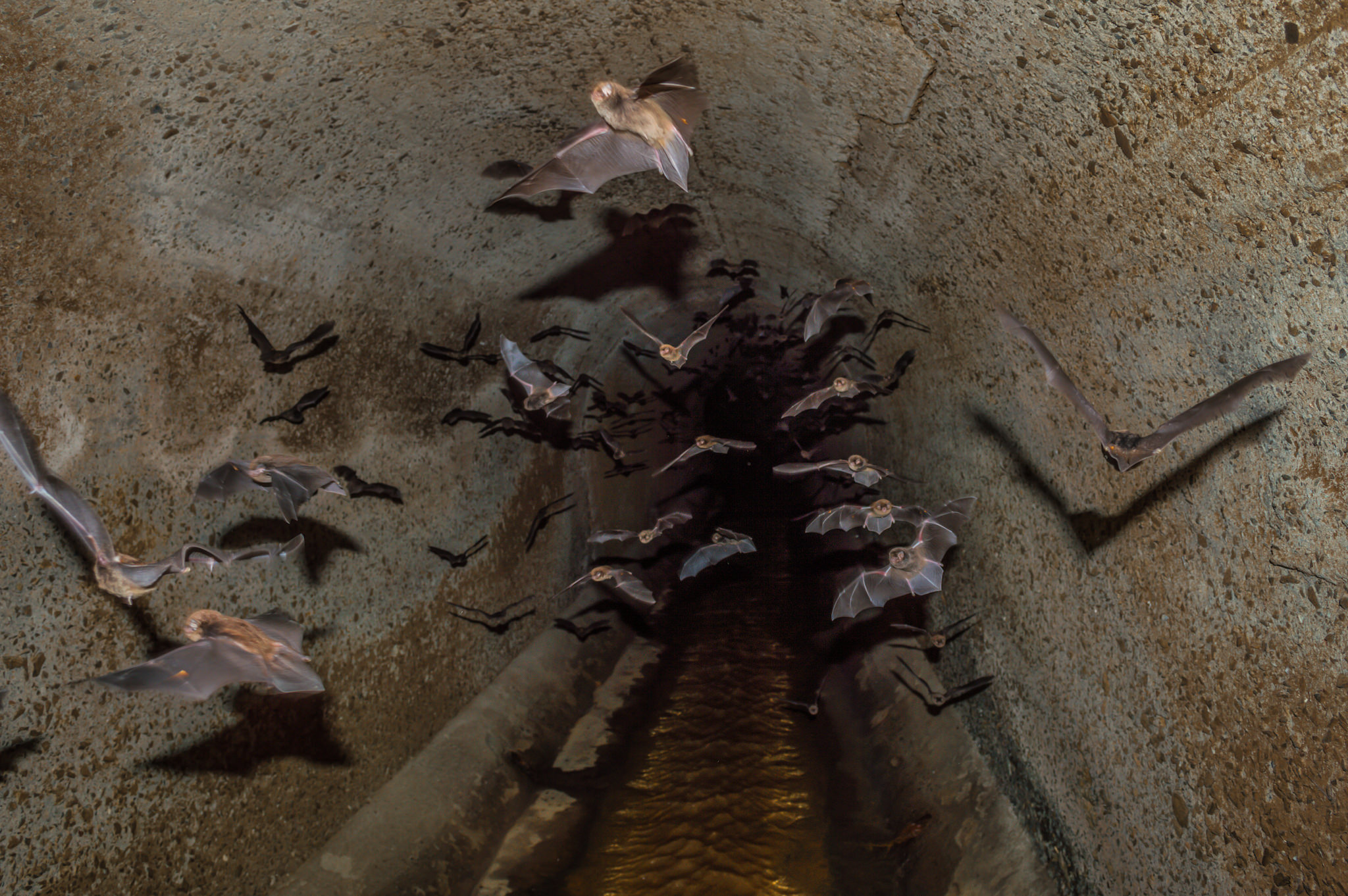
For some, vampire bats conjure up thoughts of Dracula. But two recent studies highlight the intelligence of these misunderstood mammals, with noted animal behaviorist Brock Fenton comparing their social skills to elephants.

[Read more…] about Elephants On The Wing

Primary Sidebar

Recent Episodes

  • An uninsurable future
  • Clean energy and jobs
  • Insect declines in remote regions
  • Fossil fuel producing nations ignoring climate goals
  • Trouble for clownfishes

WAMC Northeast Public Radio

WAMC/Northeast Public Radio is a regional public radio network serving parts of seven northeastern states (more...)

Copyright © 2026 ·