• Skip to primary navigation
  • Skip to main content
  • Skip to primary sidebar

Earth Wise

A look at our changing environment.

  • Home
  • About Earth Wise
  • Where to Listen
  • All Articles
  • Show Search
Hide Search
You are here: Home / Archives for biden administration

biden administration

Lead pipes in Chicago

September 29, 2025 By EarthWise Leave a Comment

Lead pipes were once widely used in plumbing because of the metal’s low melting point and durability.  However, lead exposure can cause developmental problems, cardiovascular issues, and organ damage.  The federal government banned new lead pipes in 1986, but millions of lead service lines remain in service to this day.

Chicago has the highest number of lead water service lines in the nation.  An estimated 412,000 out of 491,000 service lines are at least partly made of lead or contaminated with it.  Chicago has a plan to replace all its lead service lines, put in place in response to a Biden-era EPA mandate, but the work is not expected to be complete until 2076. 

The lengthy timeline will expose many more children and adults to the risk of toxic drinking water, and rising temperatures from the warming climate may exacerbate the risk by causing more lead to leach off of pipes and into water.  Lead is particularly harmful to children and experts emphasize that there is no safe level of lead exposure.

The biggest problem, of course, is financial.  The $15 billion in national lead service line replacement funds from the bipartisan infrastructure law will expire next year.

In Chicago, majority Black and Latino neighborhoods bear the biggest burden of lead pipes.  Some 90% of these areas have lead service lines.  And lead pipes are also common within homes.  Just replacing the private side of home pipes can cost tens of thousands of dollars, far outside the means of most homeowners.

Chicago’s lead pipes are a serious problem.

**********

Web Links

Chicago Has a Huge Lead Pipe Problem—and We Mapped It

Photo, posted March 19, 2015, courtesy of Conal Gallagher via Flickr.

Earth Wise is a production of WAMC Northeast Public Radio
Offshore Wind In Maine | Earth Wise

June 15, 2023 By EarthWise Leave a Comment

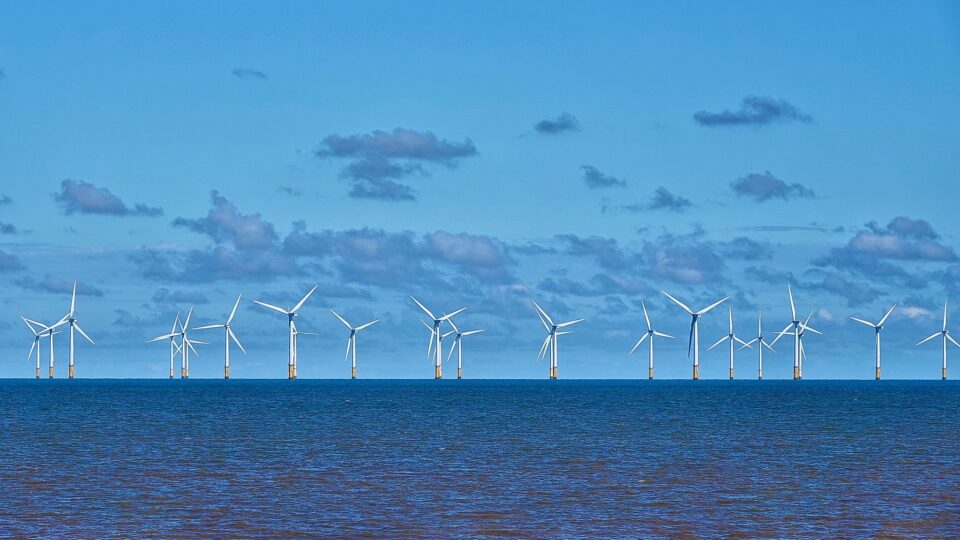
Offshore wind is coming to Maine

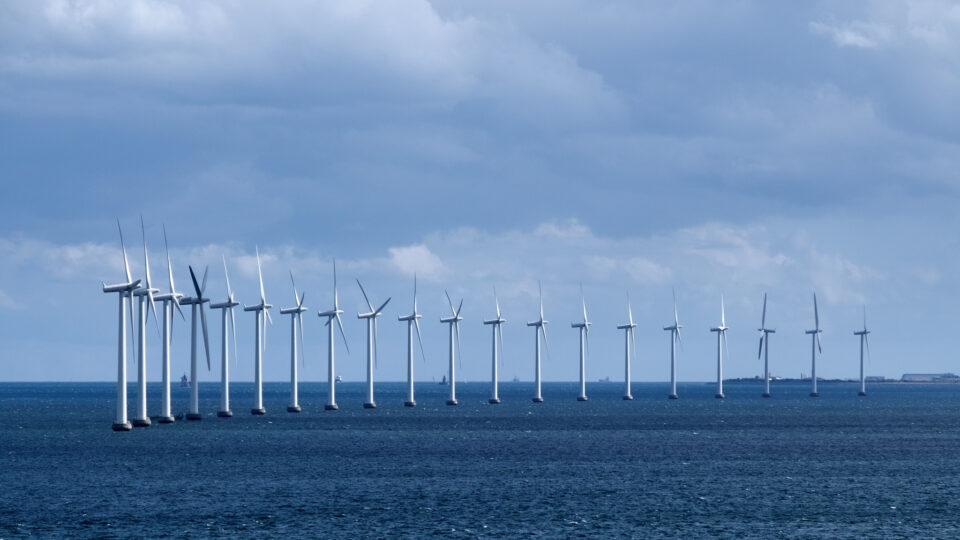
There are currently only two small offshore wind farms operating in the United States, but there are now several more under construction or in the permitting process.  Substantial wind farms are expected to come online over the next five years off the coasts of Virginia, New Jersey, Massachusetts. North Carolina, Delaware, Rhode Island, and New York.   There has been a recent auction for offshore wind sites off the California coast as well.

In April, the Bureau of Ocean Energy Management issued its Gulf of Maine Call for Information and Nominations, inviting public comment and assessing the interest in areas offshore of Maine, New Hampshire, and Massachusetts.  This is the first official step in the lengthy process that leads to offshore wind development in new areas.  Last year, the Department of the Interior defined an area of about 13.7 million acres in the Gulf of Maine that could end up providing energy leases for windfarm development.

The Biden administration has set a goal of deploying 30 gigawatts of offshore wind electricity generation by 2030, which is enough to power more than 10 million homes. It would also create thousands of jobs across manufacturing, shipbuilding, port operations, construction, and other industrial sectors.  Existing offshore wind projects have been structured to develop American-based supply chains for the offshore wind industry.

The European Union currently has over 15 gigawatts of installed offshore wind, has a target of 60 gigawatts by 2030, and 300 gigawatts by 2050.  The EU has five substantial sea basins which have tremendous potential for wind energy generation.  As a result, offshore wind is the centerpiece of the ambitious European Green Deal.

**********

Web Links

U.S. moves to develop offshore wind in the Gulf of Maine

Photo, posted August 31, 2022, courtesy of Nina Ali via Flickr.

Earth Wise is a production of WAMC Northeast Public Radio

Electric Mail Trucks | Earth Wise

January 26, 2023 By EarthWise Leave a Comment

The USPS is electrifying its fleet

The US Postal Service recently announced that it plans to buy at least 66,000 electric vehicles by 2028.  With more than 231,000 total vehicles, the Postal Services operates one of the largest civilian vehicle fleets in the world.

Last February, the Postal Service announced a plan to replace up to 165,000 older mail trucks, many of which are as much as 30 years old.  The gas-powered trucks get an estimated 8.6 miles per gallon when air conditioning is running.  The plan was for only 10% of the new trucks to be electric, citing the high upfront costs of electric vehicles even though they generally make up the difference by saving on fuel and maintenance costs over time. 

Facing strong criticism from the Biden administration, the Postal Service shifted course and in July announced that 40% of the new trucks would be electric. With passage of the Inflation Reduction Act in August, the Postal Service received $3 billion for fleet electrification and has once again changed its plans.  It also announced that it intends to stop buying gas-powered delivery trucks altogether after 2026.

As part of the new plan, the Postal Service plans to upgrade hundreds of facilities across the country to accommodate electric vehicles.  This will include installing chargers and streamlining delivery operations to reduce unnecessary trips.

The Postal Service is no alone in working to clean up its fleets.  FedEx says it plans to completely electrify its pickup and delivery fleet by 2040.  Amazon has ordered 100,000 electric vans from the start-up company Rivian.

Electrifying the postal delivery system makes abundant sense.  Postal routes are predictable and there is ample charging time to meet the power needs of the fleet.

**********

Web Links

Your Mail Truck Is Going Electric

Photo, posted January 18, 2017, courtesy of Rusty Clark via Flickr.

Earth Wise is a production of WAMC Northeast Public Radio.

Cleaning Up Abandoned Wells | Earth Wise      

March 3, 2022 By EarthWise Leave a Comment

Addressing the abandoned oil and gas wells

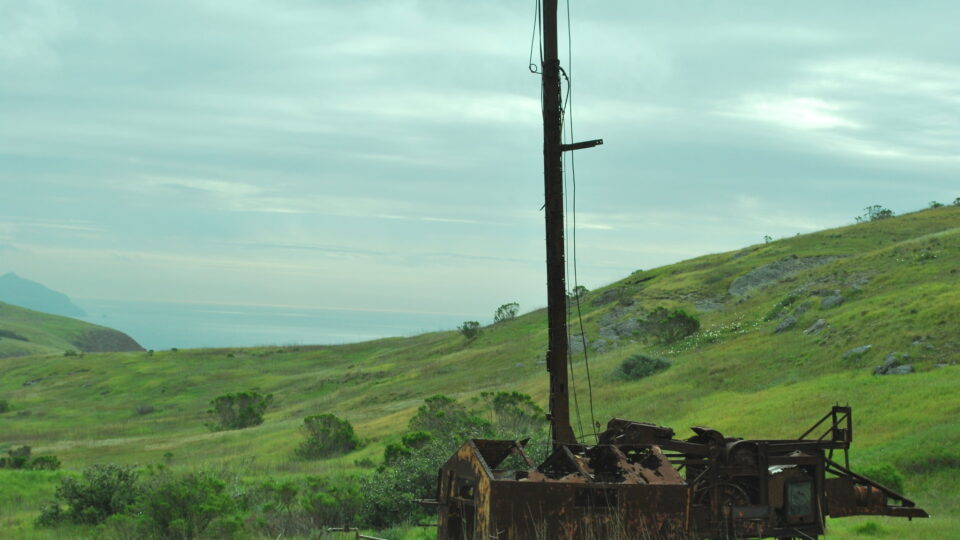
There are 130,000 documented abandoned oil and gas wells in the US, according to the Department of the Interior.  The key word is documented.  According to an EPA study in 2018, the actual number of abandoned wells could be as high as two or three million.  According to an analysis by the Environmental Defense Fund and McGill University, about nine million people in the United States live within a mile of one of these wells.

Some of these wells might be fairly harmless, and others might be quite dangerous.  Wells can emit a variety of gasses, including methane, which is a far stronger greenhouse gas than carbon dioxide.  Leaking wells are a major source of air and groundwater pollution.  Apart from methane, substances such as arsenic can continue to leak from wells even after they are no longer operational.

At the end of January, the Biden Administration announced a series of new actions to tackle methane pollution.  Among these measures is $1.15 billion in funds from the Department of the Interior that states can use to seal up abandoned oil and gas wells.  That funding comes from the Bipartisan Infrastructure Law passed in November, which sets aside $4.7 billion for a federal program dedicated to orphaned wells.

Addressing the largely ignored problem of abandoned wells is important from the standpoint of climate pollution as well as human health.  Efforts to plug the wells will also provide high-paying jobs

Other methane-reduction measures include increased enforcement from the Department of Transportation on reducing pipelines leaks, research funding for limiting methane emissions from beef and dairy farming, and technical assistance from the Department of Energy on well-plugging efforts.

**********

Web Links

Photo, posted March 23, 2011, courtesy of David Stone via Flickr.

Earth Wise is a production of WAMC Northeast Public Radio.

Lower Power Sector Emissions | Earth Wise

September 16, 2021 By EarthWise Leave a Comment

Large decrease in United States power sector emissions

A combination of factors led to emissions from the U.S. power sector dropping 10% between 2019 and 2020, which was the largest one-year drop measured since annual reports first began being published in 1997.

The coronavirus pandemic was certainly a contributing factor, but the drop in emissions is part of a long-term trend being driven by increasing reliance on renewable energy sources, diminishing use of coal, and improving energy efficiency.

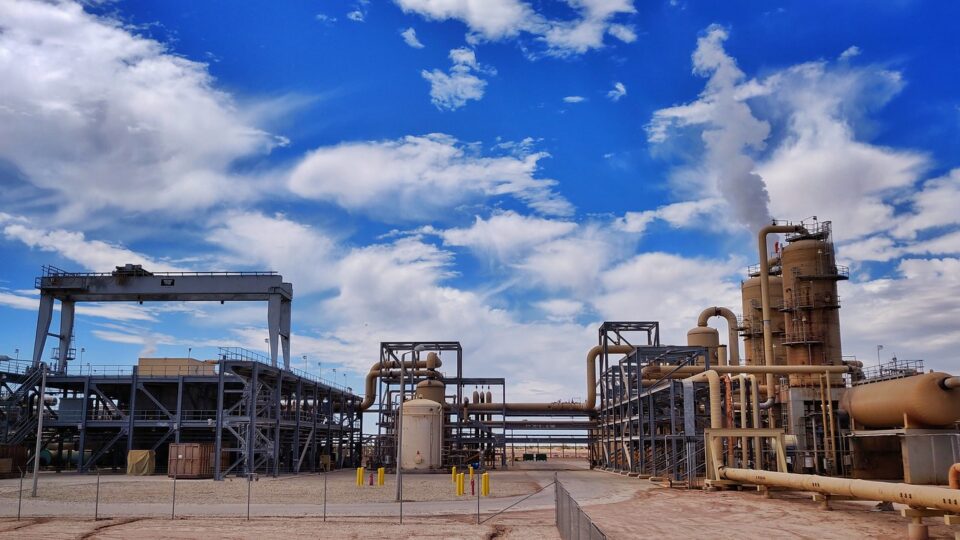
Between 2000 and 2020, power generation from solar, wind, and geothermal generation more than doubled.  Coupled with the declining use of coal power, power sector emissions during that period dropped by 37% even though the U.S. gross domestic product grew by 40% over the same years.   Overall, at this point zero-carbon electricity sources – which include wind, solar, geothermal, hydropower, and nuclear power – provide about 38% of U.S. electricity.

The Biden Administration has set a target of 100% zero-carbon power by the year 2035.  Given that the costs of wind and solar power continue to fall, there are power companies pushing for setting an intermediate goal of 80% clean power by 2030.

According to recent research, the increasingly attractive cost of renewable power along with the job creation associated with it means that reaching at least 90% clean power by the year 2035 could be achieved at no extra cost to consumers.  Being able to separate economic growth from emissions makes it far more likely that the goals of decarbonization can be met without encountering economic resistance. 

**********

Web Links

U.S. Power Sector Sees Biggest One-Year Drop in Emissions in More Than Two Decades

Photo, posted June 30, 2019, courtesy of Stephen Strowes via Flickr.

Earth Wise is a production of WAMC Northeast Public Radio.

Is U.S. Offshore Wind Finally Happening? | Earth Wise

March 26, 2021 By EarthWise Leave a Comment

United States offshore wind is finally happening

Offshore wind capacity has been growing rapidly in recent years, especially in Europe and China.  Globally, there is now more than 30 GW of offshore wind and industry experts predict that there will be well over 200 GW of installed capacity by 2030.

Meanwhile, the U.S. has only two small pilot projects, one with five turbines off Rhode Island and another with two turbines off Virginia.  But after many years of battles with determined opponents, false starts, regulatory struggles, and other hurdles, the U.S. offshore wind industry appears to be poised to take off.

A combination of significant commitments by power companies to purchase offshore wind power, strong support by the Biden administration, and billions of dollars in investments is creating the new-found momentum.

New York, New Jersey, Virginia, Massachusetts, Connecticut, Rhode Island, and Maryland have collectively committed to buying 30 GW of offshore electricity by 2035.  (That’s enough to power roughly 20 million homes).

Among the first major offshore installations to be completed in the next few years in the U.S. will be Vineyard Wind, 15 miles off of Martha’s Vineyard, another wind farm 60 miles east of New York’s Montauk Point, a third fifteen miles off Atlantic City, New Jersey, and a fourth off the Virginia Coast.

Offshore wind projects will create nearly 40,000 jobs just in the New York-New Jersey area over the next ten years.  There is still some opposition from elements of the commercial fishing industry and from some coastal residents.  However, with state and federal governments committed to reducing carbon emissions and rapidly reducing regulatory barriers, and with the price of offshore wind continuing to get lower and lower, most observers agree that the U.S. offshore wind industry is finally on the verge of really getting going.

**********

Web Links

On U.S. East Coast, Has Offshore Wind’s Moment Finally Arrived?

Photo, posted August 9, 2016, courtesy of Lars Plougmann via Flickr.

Earth Wise is a production of WAMC Northeast Public Radio.

Restoring Environmental Rules Will Take Time | Earth Wise

February 17, 2021 By EarthWise Leave a Comment

Restoring Obama-era environmental rules will take time

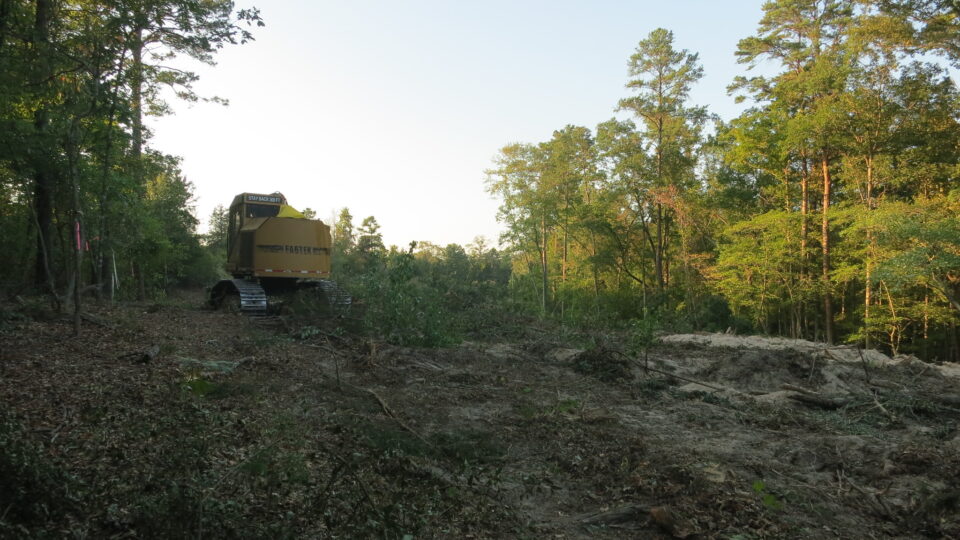
Over the previous four years, the Trump administration weakened or rolled back more than 100 rules and regulations on air, water, public lands, endangered species, and climate change.  The Biden administration has vowed to review these changes and restore the environmental protections that were removed or weakened.

The process of restoring environmental protections generally fall into a few broad categories.  Some changes can happen by executive order.  The President can cancel individual fossil fuel infrastructure projects or reinstate federal protection of specific places.  On his first day in office, President Biden rescinded the construction permit for the Keystone XL pipeline.

The President is also expected to restore federal protection to the Bears Ears and Grand Staircase-Escalante national monuments in Utah, which the Trump administration opened up to mining, logging, and drilling.

However, it could take two years or more to restore Obama-era climate change regulations including limits on emissions, rules on industrial emissions of toxic pollutants such as mercury, and protections on wetlands and waterways.

Reinstating comprehensive regulations on air, water, and climate pollution will take years because the Trump administration, rather than eliminating rules entirely, often replaced them with weaker regulations.  Replacing the weak regulations cannot just happen by executive order.  The process involves scientific and economic analysis, and that takes time.

After four years of shrinking budget and shrinking staff, the Environmental Protection Agency has a lot of catching up to do and will need to prioritize its actions in order to deal with the most damaging consequences of the previous administration.

**********

Web Links

Restoring Environmental Rules Rolled Back by Trump Could Take Years

Photo, posted September 25, 2012, courtesy of Tar Sands Blockade via Flickr.

Earth Wise is a production of WAMC Northeast Public Radio.

Primary Sidebar

Recent Episodes

  • An uninsurable future
  • Clean energy and jobs
  • Insect declines in remote regions
  • Fossil fuel producing nations ignoring climate goals
  • Trouble for clownfishes

WAMC Northeast Public Radio

WAMC/Northeast Public Radio is a regional public radio network serving parts of seven northeastern states (more...)

Copyright © 2026 ·