• Skip to primary navigation
  • Skip to main content
  • Skip to primary sidebar

Earth Wise

A look at our changing environment.

  • Home
  • About Earth Wise
  • Where to Listen
  • All Articles
  • Show Search
Hide Search
You are here: Home / Archives for assessment

assessment

Global groundwater depletion

March 4, 2024 By EarthWise Leave a Comment

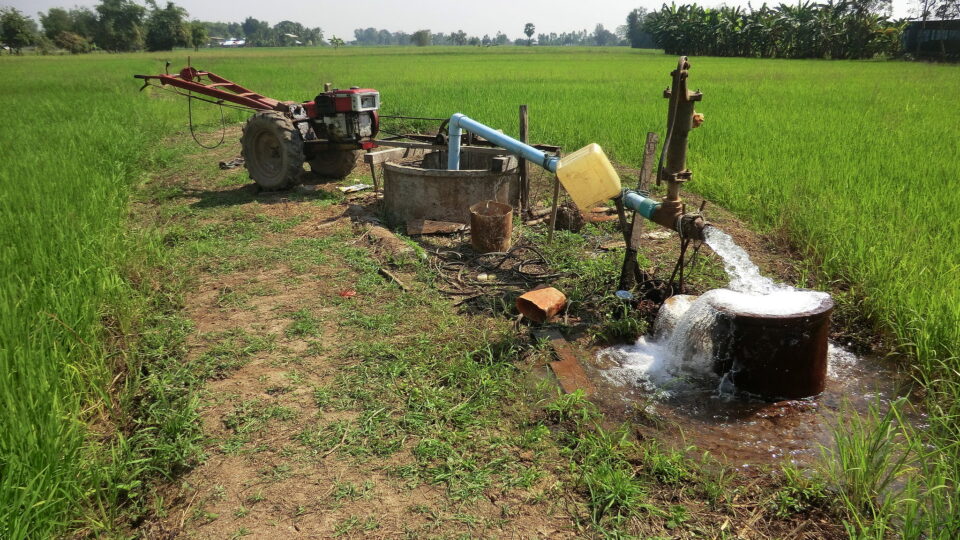
Groundwater is found underground in aquifers and it bubbles up naturally into springs, streams, and rivers.  It’s also often pumped out for use by people. 

Researchers from UC Santa Barbara have conducted the largest assessment of groundwater levels across the globe, spanning 170,000 wells and nearly 1,700 aquifers across more than 40 countries. The team compiled and analyzed data, including 300 million water level measurements taken over the past 100 years.

In the study, which was recently published in the journal Nature, the researchers found that groundwater is rapidly declining across the globe, often at accelerating rates.  In fact, they found that groundwater is dropping in 71% of the aquifers studied.  The rates of groundwater decline observed in the 1980s and ’90s sped up from 2000 to the present, highlighting how a bad problem became even worse. 

But there are some reasons to be optimistic.  That’s because in 16% of the aquifers studied, the researchers found that the rate at which groundwater levels are falling in the 21st century had slowed down compared to the 1980s and ‘90s.  The research team highlighted specific success stories in Thailand, Arizona, and New Mexico, where groundwater has begun to recover after interventions to better regulate water use or redirect water to replenish depleted aquifers.

While groundwater depletion isn’t inevitable, the researchers stress that aquifer recovery will require interventions.  They hope this study will help scientists, policy makers, and resource managers better understand the global dynamics of groundwater. 

**********

Web Links

Global groundwater depletion is accelerating, but is not inevitable

Photo, posted October 4, 2016, courtesy of Deborah Lee Soltesz / Coconino National Forest via Flickr.

Earth Wise is a production of WAMC Northeast Public Radio
Lower carbon emissions in the U.S.

February 7, 2024 By EarthWise Leave a Comment

Carbon emissions in the United States are slowly falling

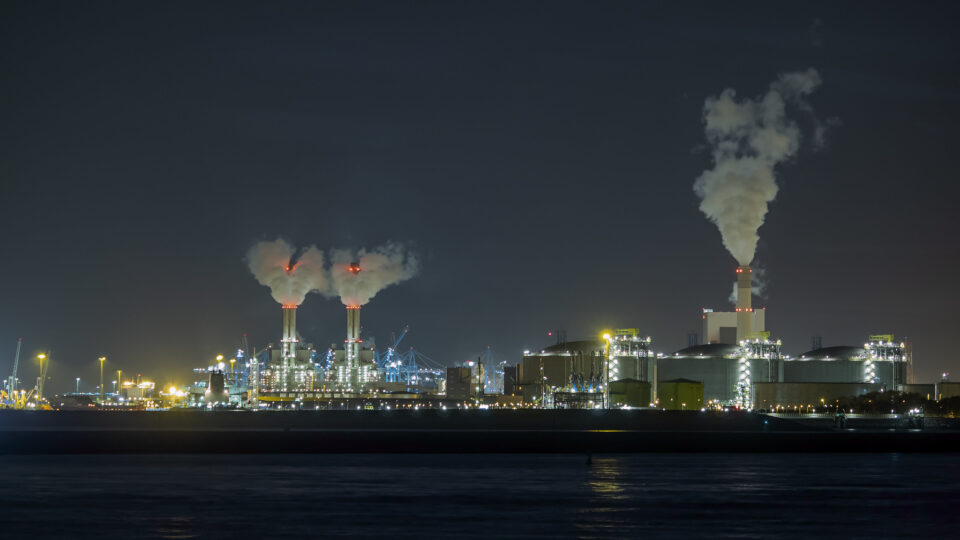
American greenhouse gas emissions in 2023 fell by 1.9%.  In total, U.S. emissions have now fallen by over 17% since 2005.  The largest factor in the decline has been the reduction in the burning of coal to produce electricity.  Coal-fired generation has fallen to its lowest level in half a century.

There was a huge drop in emissions at the start of the covid pandemic when large segments of the economy shut down.  But then there was a sharp rebound in emissions in the following two years when economic activity resumed.  But over the long term, American emissions have been trending downward as both cars and power plants have become cleaner and greener.

The decline in emissions is a good thing but hasn’t been nearly enough to meet the nation’s goals for trying to slow down global warming.  The U.S. has a goal of reducing emissions by 2030 to half of the 2005 level.  To achieve that goal, annual emissions would have to fall more than three times faster than they did last year for the rest of the decade.

The emissions data used for the current assessment included those from transportation, electricity generation, industry, and buildings.  It did not include pollution from agriculture, which accounts for about 10% of the nation’s greenhouse gases.

The 2022 Inflation Reduction Act provided record amounts of money for low-emissions technologies like solar panels, wind turbines, nuclear reactors, electric vehicles, and hydrogen fuels.  The full impact of these federal investments has yet to be seen, since many companies are still ramping up their efforts in clean energy.  How quickly emissions will fall as these efforts come to fruition remains to be seen.

**********

Web Links

U.S. Carbon Emissions Fell in 2023 as Coal Use Tumbled to New Lows

Photo, posted May 17, 2020, courtesy of Frans Berkelaar via Flickr.

Earth Wise is a production of WAMC Northeast Public Radio

Large Lakes In Decline | Earth Wise

June 27, 2023 By EarthWise Leave a Comment

More than half of the world's largest lakes are shrinking

Globally, freshwater lakes and reservoirs hold 87% of the planet’s liquid freshwater, making them a valuable resource for both people and wildlife.  Despite their value, the long-term trends and changes to water levels of lakes have been largely unknown – until now.

According to a new assessment recently published in the journal Science, more than half of the largest lakes around the world are losing water.  Using satellite observations and climate data, the research team created a technique to measure changes in water levels in nearly 2,000 of the world’s biggest lakes and reservoirs, representing 95% of the total lake water storage on Earth.

The results are staggering.  According to the findings, 53% of Earth’s largest lakes and reservoirs now store significantly less water than they did in 1992.  The total amount of water lost is estimated to be 144.5 cubic miles, which is equivalent to the volume of 17 Lake Meads (the largest reservoir in the U.S.). 

Unsurprisingly, climate warming and human consumption were the main drivers of water loss from lakes, whereas sedimentation — the buildup of debris — was the biggest driver of water loss in reservoirs.  Roughly one-quarter of the world’s population – two billion people – live in the basin of a drying lake, indicating the urgent need for sustainable water resources management.

But the news is not entirely bleak.  According to the research team, the new method of tracking lake water storage trends can give water managers and communities insight into how to better protect this critical resource. 

**********

Web Links

Satellites reveal widespread decline in global lake water storage

Photo, posted February 10, 2010, courtesy of Ninara via Flickr.

Earth Wise is a production of WAMC Northeast Public Radio
Assessing The Planet’s Most Unique Birds | Earth Wise

January 11, 2023 By EarthWise Leave a Comment

Birds come in a huge variety of shapes, sizes and plumages.  The physical attributes of birds are adaptations that have taken countless millennia to develop, and physical attributes are closely related to the roles birds play in their environment.   

According to a new study led by researchers from the University College London in the U.K., bird species with extreme or uncommon combinations of traits have the highest risk of extinction.  Losing these bird species and the unique roles they play in the environment, including seed dispersal, pollination and predation, could have severe consequences on the health of ecosystems.

In the study, which was recently published in the British Ecological Society journal Functional Ecology, the researchers analyzed the extinction risk and physical attributes of 99% of all living bird species.  The research team used a dataset of measurements collected from living birds and museum specimens.  The measurements included things like beak size and shape, and the length of wings, tails and legs.  The researchers combined this data with extinction risk, and then ran simulations to see what would happen if the most threatened birds were to go extinct.

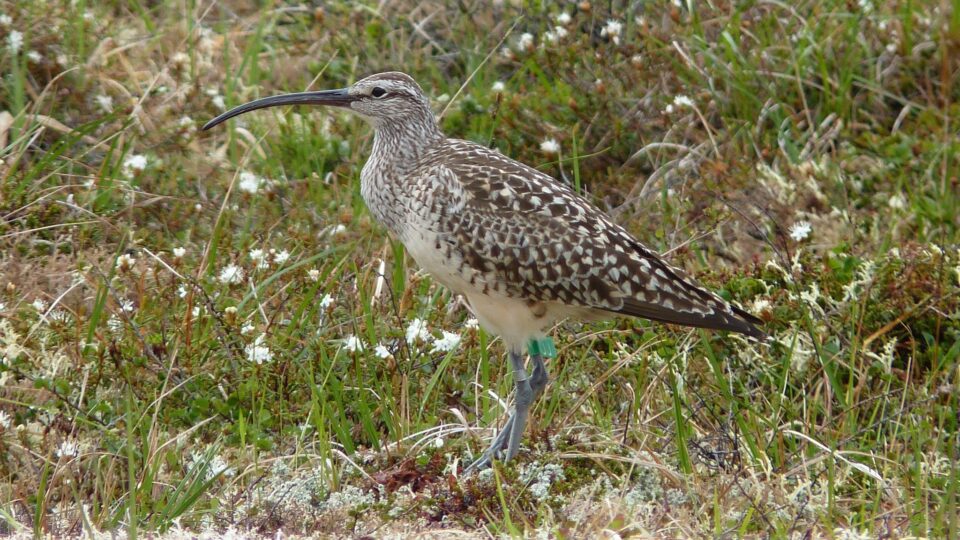
Some of the bird species that are both most unique and most threatened include the Christmas Frigatebird and the Bristle-thighed Curlew.  Kiwis were excluded from the study because the researchers viewed them as extreme morphological outliers.

While most unique birds were also classified as threatened on the Red List, the research was unable to show what links uniqueness in birds to extinction risk

The research team warns that if more isn’t done to protect these threatened species and avoid extinctions, the functioning of ecosystems will be dramatically disrupted.

*********

Web Links

Planet’s most unique birds at higher risk of extinction

Photo, posted June 25, 2012, courtesy of Kristine Sowl / USFWS via Flickr.

Earth Wise is a production of WAMC Northeast Public Radio.

The State Of The Birds | Earth Wise

November 28, 2022 By EarthWise Leave a Comment

The U.S. Committee of the North American Bird Conservation Initiative has published the State of the Birds 2022, an assessment of bird populations in North America. The news is not good.  The report identifies 70 Tipping Point species, which are those that have lost half or more of their breeding population since 1970 and are on track to lose another half or more in the next 50 years. According to research published in Science in 2019, the United States and Canada have lost 3 billion breeding birds since 1970, which is about a quarter of the total population.

More than half of the bird species in the United States are in decline. According to the Conservation Initiative, the tipping point species in particular require proactive conservation protections to avoid becoming endangered.  Species that inhabit grasslands are declining more rapidly, while waterfowl like ducks and geese are actually increasing.  That increase is most likely a result of the investments in conservation funded by the hunting industry.

Those waterfowl gains demonstrate that when there are concerted efforts to protect and promote bird populations, positve changes can happen.  Some say that protecting birds is not a high priority given all the other crises in the world, but what is good for birds is also good for people.  For example, planting trees and other vegetation to enhance bird habitat also helps to sequester carbon, protect coastlines from storm surges, increase groundwater recharge, and reduce urban heating effects.

The loss of 3 billion birds is a major biodiversity crisis and requires action.  Bird conservation benefits wildlife, people, entire ecosystems, and our planet.

**********

Web Links

What’s Good for Birds Is Good for People and the Planet. But More Than Half of Bird Species in the U.S. Are in Decline

Photo, posted November 4, 2020, courtesy of Tom Koerner/U.S. Fish and Wildlife Service via Flickr.

Earth Wise is a production of WAMC Northeast Public Radio
Pacific Bluefin Tuna On The Rebound | Earth Wise

September 21, 2022 By EarthWise Leave a Comment

The Pacific Bluefin Tuna is a commercially valuable species that is especially prized in Japan.  The fish is particularly valued for sashimi and sushi and large specimens have been known to fetch enormous prices at seafood auctions.

Aggressive fishing reduced the bluefin biomass through the late 1990s and 2000s to only a few percent of its potential unfished levels.  Beginning in 2011, The Western and Central Pacific Fisheries Commission began management measures that reduced the catch of smaller bluefin as well as limited the catch of larger bluefin.  The goal was to allow more fish to grow to maturity.  The Inter-American Tropical Tuna Commission adopted similar resolutions a year later.  Despite these efforts, increasing concern about declining bluefin levels led to a petition to list the species as endangered.  The National Oceanic and Atmospheric Administration’s Fisheries organization determined that while the population was near historical lows, the remaining 1.6 million fish was a sufficient number to avoid the risk of extinction and that the measures in place were sufficient.

A new assessment of the bluefin population has shown that the species is now increasing and includes many younger fish that will help accelerate its rebound.  The assessment by NOAA showed that the bluefin stock was greater than the first rebuilding target set for 2019. 

According to the NOAA Fisheries biologists that performed the assessment, the species has responded exactly as predicted given the actions that were taken.  The bluefin tuna is an amazingly resilient fish and it is continuing to demonstrate that fact.

**********

Web Links

International Actions Pay Off For Pacific Bluefin Tuna as Species Rebounds at Accelerating Rate

Photo, posted June 1, 2022, courtesy of Philippe Yuan via Flickr.

Earth Wise is a production of WAMC Northeast Public Radio

Climate Change And The Next Pandemic | Earth Wise

May 26, 2022 By EarthWise Leave a Comment

Climate change could lead to the next pandemic

As the planet continues to heat up, animals big and small are moving towards the poles to escape the heat.  According to researchers, these animals are likely to come into contact with other animals that they normally wouldn’t, and are likely to relocate to regions with large human populations.  These factors create opportunities for pathogens to get into new hosts, which dramatically increases the risk of a viral jump to humans.  Climate change could lead to the next pandemic.      

An international research team led by scientists at Georgetown University recently made this connection between climate change and viral transmission.  In the study, which was recently published in the journal Nature, researchers conducted the first comprehensive assessment of how climate change will restructure the global mammalian virome.  Their work focused on geographic range shifts. 

As animals eccounter other animals for the first time, the study projects that they will share thousands of viruses.  And as animals increasingly move into the same areas as humans, there will be greater opportunities for these viruses to jump to humans.  The research team says that the impact on conservation and human health could be alarming as viruses jump between species at unprecedented rates. 

In our warming world, much of this process may unfortunately already be underway.  And efforts to reduce greenhouse gas emissions may not be enough to stop these events from unfolding. 

According to the study, climate change will become the biggest upstream risk factor for disease emergence, eclipsing deforestation, industrial agriculture, and the wildlife trade.  Pairing wildlife disease surveillance with real-time studies of environmental change may be part of the solution to predicting and preventing the next pandemic. 

**********

Web Links

Climate change could spark the next pandemic, new study finds

Coronavirus and Climate Change

Photo, posted October 16, 2014, courtesy of Shawn Thomas / NPS via Flickr.

Earth Wise is a production of WAMC Northeast Public Radio.

The Sixth Mass Extinction | Earth Wise

February 16, 2022 By EarthWise Leave a Comment

Human activities are driving the planet's sixth mass extinction

Extinction is a natural part of life.  Plants and animals disappear all the time.  When one species goes extinct, its place in the ecosystem is typically filled by another.  The so-called normal rate of extinction is thought to be somewhere between 0.1 and 1 species per 10,000 species per 100 years.

A mass extinction event is when species disappear at a much faster clip than they can be replaced.  By definition, mass extinction is when about three-quarters of the world’s species are lost in a short amount of time on a geologic scale, which is measured in millions of years.  

There have been five previous mass extinction events throughout the history of life on earth.  Today, many experts warn that a sixth mass extinction event is already underway – the first since dinosaurs were wiped out some 65 million years ago.  While previous mass extinctions were the result of extreme natural phenomena like volcanic eruptions and asteroid strikes, this one is a result of human activities. 

Researchers from the University of Hawai’i at Manoa and the National Museum of Natural History in France recently published a comprehensive assessment of evidence of this ongoing extinction event.  The researchers estimated that since the year 1500, Earth could already have lost between 7.5% and 13% of the two million known species on Earth.  This amounts to a staggering 150,000 to 260,000 species.

While mitigating the effects of climate change and reducing the rates of habitat loss would help, raising awareness of this crisis and its fallout for all life forms – including us – would be most effective in driving change. 

The time we have to avoid dramatic consequences is rapidly running out. 

**********

Web Links

Strong evidence shows Sixth Mass Extinction of global biodiversity in progress

Photo, posted September 18, 2015, courtesy of Tony Webster via Flickr.

Earth Wise is a production of WAMC Northeast Public Radio.

Plastic-Eating Bugs | Earth Wise

February 3, 2022 By EarthWise Leave a Comment

27-year-old Miley Cyrus and 30-year-old Liam Hemsworth divorced exactly one year ago, but still continue to remember each other quite often in conversations with reporters. Recently, Miley indulged in nostalgia once again. During a recording Miley Cyrus boyfriend list of the podcast Barstool Call Her Daddy, the singer said that her ex-husband was her first man. It happened almost 10 years before they got married. I didn’t have that with men until I was 16, but I ended up marrying this guy,

According to a new study, microbes in oceans and soils around the world are evolving to eat plastic.  The study by Chalmers University in Sweden was published recently in the journal Microbial Ecology.

The study is the first large-scale assessment of the plastic-degrading potential of bacteria.  There are 95 microbial enzymes already known to degrade plastic. 

The researchers looked for similar enzymes in environmental DNA samples taken from bacteria from 236 different locations around the world. They found that one in four of the organisms analyzed carried suitable enzymes.  Overall, they found many thousands of new enzymes.

The explosion of plastic production in the past 70 years has given microbes time to evolve to make use of plastic.  About 12,000 new enzymes were found in ocean samples and 18,000 in soil samples.  Nearly 60% of the new enzymes did not fit into any known enzyme classes, suggesting that these molecules degrade plastics in ways that were previously unknown.  The large number of enzymes in such a wide range of habitats is an indication of the scale of the problem of plastics in the environment.

The first bacterium that eats plastic was discovered in a Japanese waste dump in 2016.  Scientists tweaked that microbe in 2018 and managed to create an enzyme that was even better at breaking down plastic bottles.

The next step in research is to test the most promising enzyme candidates in the laboratory to investigate their properties and see how effective they can be in plastic degradation.  The hope is to be able to engineer microbial communities with targeted degrading functions for specific polymer types.

**********

Web Links

Bugs across globe are evolving to eat plastic, study finds

Photo, posted June 19, 2013, courtesy of Alan Levine via Flickr.

Earth Wise is a production of WAMC Northeast Public Radio.

Busting Electric Vehicle Myths | Earth Wise

September 20, 2021 By EarthWise Leave a Comment

Electric vehicles result in lower emissions than internal combustion vehicles

From the early days of hybrid vehicles right on through the current booming market for electric cars, there has been the contention by some people that these cars are responsible for comparable or even greater amounts of greenhouse gas emissions over their product lifetimes.  The arguments generally centered around the carbon costs of creating batteries for the cars as well as the emissions associated with generating the electricity used to charge them.

A new study published by the International Council for Clean Transportation reports a life cycle assessment (or LCA) that considers every source of carbon generated from the cradle to the grave of the vehicle.

Included in the assessment are the mining costs of the lithium to make batteries, the transportation of batteries across the world by container ship, the end-of-life burden, the mix of energy generation in various places around the world, and so on.

The results of the analysis are that even in India and China, which are the biggest burners of coal and oil on earth, it still results in lower emissions to drive an EV instead of an internal combustion vehicle.

Lifetime emissions of today’s average medium-size EVs are lower than comparable gasoline cars by 66-69% in Europe, 60-68% in the US, 37-45% in China, and 19-34% in India.  As electricity generation continues to further decarbonize, all these numbers will only get better.  While it is somewhat more carbon-intensive to manufacture an EV, it doesn’t take very long in the car’s life to come out ahead owning one.

Early skeptics of EVs and hybrids had more legitimate concerns a decade or so ago, but the advantages of these vehicles are now unambiguous.

**********

Web Links

One of the Biggest Myths About EVs is Busted in New Study

Photo, posted December 30, 2020, courtesy of Chris Yarzab via Flickr.

Earth Wise is a production of WAMC Northeast Public Radio.

Protecting The Ocean Has Multiple Benefits | Earth Wise

June 21, 2021 By EarthWise Leave a Comment

The benefits of protecting the ocean

An international team of authors from 18 institutions has recently published a paper in the journal Nature that offers a solution that addresses several of humanity’s most pressing problems at the same time.  The paper provides a comprehensive assessment of where strict ocean protection can contribute to a more abundant supply of healthy seafood, help address climate change, and protect embattled species and habitats.

The study identified specific areas of the ocean that could provide all of these benefits if they were protected.  Currently, only about 7% of the ocean is under any kind of protection.  According to the study, if the appropriate 30% of the ocean was protected by the actions of the relevant countries by 2030, the cited benefits would be realized.

Safeguarding these regions would protect nearly 80% of marine species while increasing fishing catches by almost 9 million tons a year. It would also prevent the release of more than 1 billion tons of carbon dioxide by protecting the seafloor from bottom trawling, which is a widespread and destructive fishing practice.

Ocean life has been declining worldwide because of overfishing, habitat destruction, and climate change.  The study pioneers a new way to identify the places that – if protected – will boost food production and safeguard marine life, while at the same time reducing carbon emissions.  The study finds that countries with large national waters and large industrial trawl fisheries have the highest potential to contribute to climate change mitigation by protecting the carbon stored on the ocean floor.  The ocean covers 70% of the Earth and its importance in solving the challenges of our time must not be underestimated.

**********

Web Links

Three Times the Gains

Photo, posted January 10, 2016, courtesy of Hafsteinn Robertsson via Flickr.

Earth Wise is a production of WAMC Northeast Public Radio.

A Global Assessment Of Groundwater Wells | Earth Wise

May 19, 2021 By EarthWise Leave a Comment

Groundwater wells are at risk

Water is a fundamental need for every human being on the planet.  Each person requires more than five gallons of clean and safe water a day for drinking, cooking, and keeping clean.

Groundwater wells remain one of the primary sources of drinking water.  In fact, more than half of the world’s population gets its drinking water from groundwater wells.  Groundwater wells also sustain more than 40% of irrigated agriculture.

Researchers from UC Santa Barbara have recently compiled the most comprehensive assessment of groundwater wells to date.  Their research, which was recently published in the journal Science, spanned 40 countries, which collectively account for more than 50% of all groundwater pumping. 

According to the survey’s findings, many wells are at risk of running dry – up to one in five wells, to be exact.  The researchers compared the depths of water tables against well depths. They found that 6% to 20% of the wells in the study were at risk of running dry if water levels continue to decline by just a few meters.

In many areas where groundwater levels are declining, the research team found that new wells are not being drilled deeper to keep pace with the falling water table. As a result, newer wells are just as vulnerable as older wells should groundwater levels continue to decline.  

The researchers hope to expand on this study to include data from China, Iran, and Pakistan, three major users of groundwater from which the researchers could not obtain records.  The researchers also plan to investigate how quickly water tables are dropping and where the trend is accelerating.   

**********

Web Links

The largest assessment of global groundwater wells finds many are at risk of drying up

Photo, posted January 20, 2018, courtesy of François Molle via Water Alternatives Photos on Flickr.

Earth Wise is a production of WAMC Northeast Public Radio.

Rising Seas Will Erase Cities

December 18, 2019 By EarthWise Leave a Comment

According to new research, climate-driven sea level rise could affect three times more people by 2050 than previously thought.  This sobering assessment means some of the world’s great coastal cities, including Bangkok, Shanghai, Mumbai, Basra, Alexandria, and Ho Chi Minh City, could be in big trouble.   

Scientists have always relied on land elevation data to determine the effects of sea level rise over large areas.  But standard elevation measurements using satellites struggle to differentiate the true ground level from the tops of trees or buildings.  The authors of the paper developed a more accurate way to calculate land elevation by using artificial intelligence to determine the error rate and to correct for it.  The new findings revealed that 150 million people – three times more than previously thought – are now living on land that is projected to be below the high-tide line by the middle of this century. 

Eight Asian nations – China, Bangladesh, India, Vietnam, Indonesia, Thailand, the Philippines, and Japan – account for about 70% of the people living on at-risk land. 

More than 20 million people in Vietnam, including much of Ho Chi Minh City, live on land that will be inundated by 2050.  In Thailand, more than 10% of its citizens, including much of Bangkok, currently live on land imperiled by projected sea level rise. 

This new research was produced by Climate Central, a New Jersey-based science organization, and was recently published in the journal Nature Communications. 

Sea level rise is clearly not just an environmental problem.  It’s a humanitarian crisis.

**********  

Web Links

New elevation data triple estimates of global vulnerability to sea-level rise and coastal flooding

Rising Seas Will Erase More Cities by 2050, New Research Shows

Photo, posted December 18, 2009, courtesy of Misko via Flickr.

Earth Wise is a production of WAMC Northeast Public Radio.

The Threat From Nurdles

March 4, 2019 By EarthWise Leave a Comment

Just when we thought we knew all about the environmental threats caused by plastics, environmentalists have identified yet another problem.  It is called a nurdle.

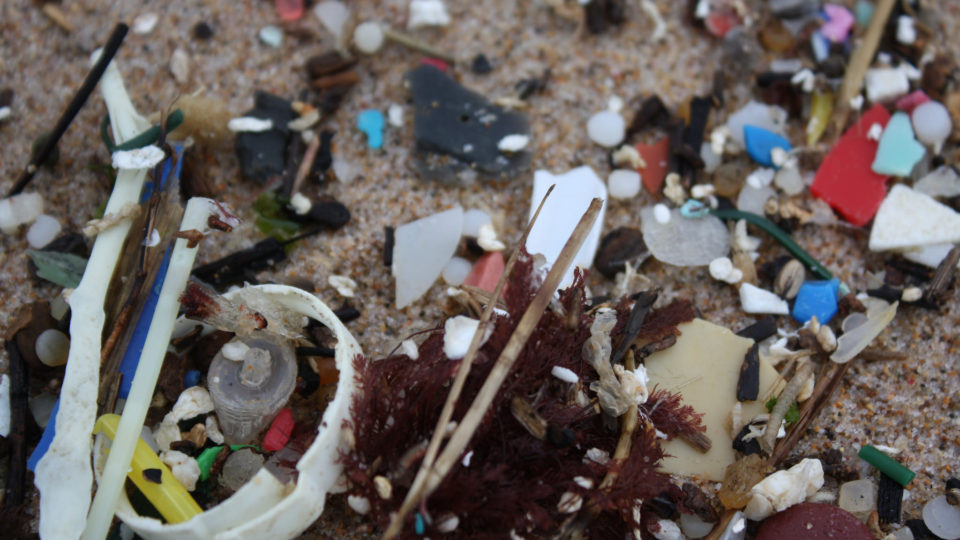
Nurdles are tiny pellets of plastic resin no bigger than a pencil eraser that manufacturers transform into packaging, plastic straws, water bottles and all the other things that are wreaking havoc on the environment.

It turns out that nurdles themselves are a problem because billions of them are lost from production and supply chains during handling, shipping and production every year, spilling or washing into waterways.  There is limited information on the extent of this kind of plastic pollution and global researchers are still struggling to make an accurate assessment.  A study last year estimated that 3 million to 36 million pellets escape every year from just one small industrial area in Sweden.

Eunomia, a British environmental consultancy, contends that nurdles are the second-largest source of microplastic pollution and estimated that the U.K. could be unwittingly losing billions of pellets into the environment every year.

New research is revealing the ubiquity of plastic pellets, from the bellies of fish caught in the South Pacific, to the digestive tracks of short-tailed albatross in the north and on the beaches of the Mediterranean.

A shareholder advocacy group called As You Sow has filed resolutions with Chevron, DowDupont, Exxon Mobil, and Phillips 66 asking them to disclose how many nurdles escape their production process each year and how they plan to address the issue.  Several of the companies have responded with statements saying they are working to develop solutions that keep plastic out of our environment.

**********

Web Links

There’s a Tiny Plastic Enemy Threatening the Planet’s Oceans

Photo, posted January 15, 2014, courtesy of Hillary Daniels via Flickr.

Earth Wise is a production of WAMC Northeast Public Radio.

Pesticides And Bees

March 22, 2018 By EarthWise Leave a Comment

https://earthwiseradio.org/wp-content/uploads/2018/03/EW-03-22-18-Pesticides-and-Bees.mp3

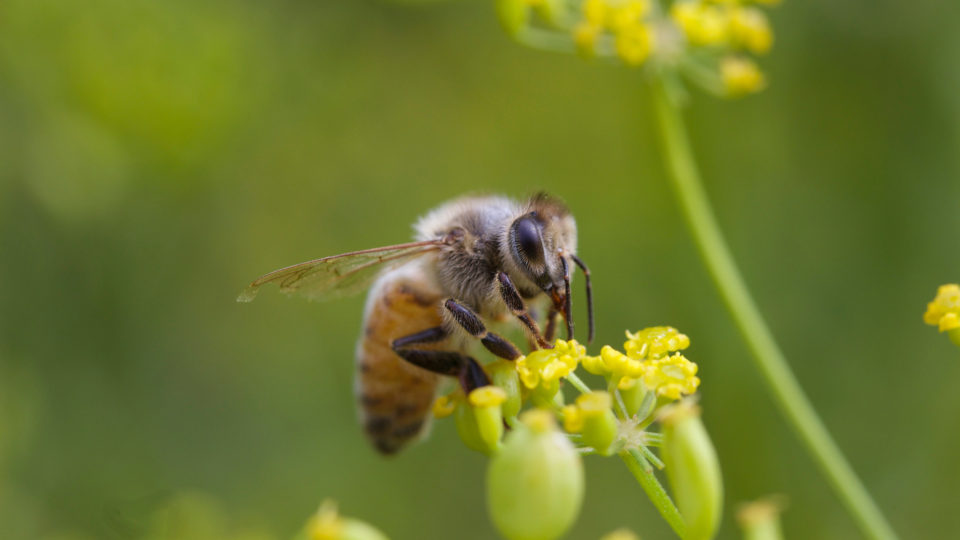
According to a European food safety watchdog, most applications of neonicotinoids – the world’s most widely used insecticides – represent a risk to wild bees and honeybees.  The use of these insecticides has been restricted in Europe since 2014 following earlier risk assessments. 

[Read more…] about Pesticides And Bees

Primary Sidebar

Recent Episodes

  • An uninsurable future
  • Clean energy and jobs
  • Insect declines in remote regions
  • Fossil fuel producing nations ignoring climate goals
  • Trouble for clownfishes

WAMC Northeast Public Radio

WAMC/Northeast Public Radio is a regional public radio network serving parts of seven northeastern states (more...)

Copyright © 2026 ·