• Skip to primary navigation
  • Skip to main content
  • Skip to primary sidebar

Earth Wise

A look at our changing environment.

  • Home
  • About Earth Wise
  • Where to Listen
  • All Articles
  • Show Search
Hide Search
You are here: Home / Archives for arctic amplification

arctic amplification

Vanishing Arctic Lakes | Earth Wise

September 28, 2022 By EarthWise Leave a Comment

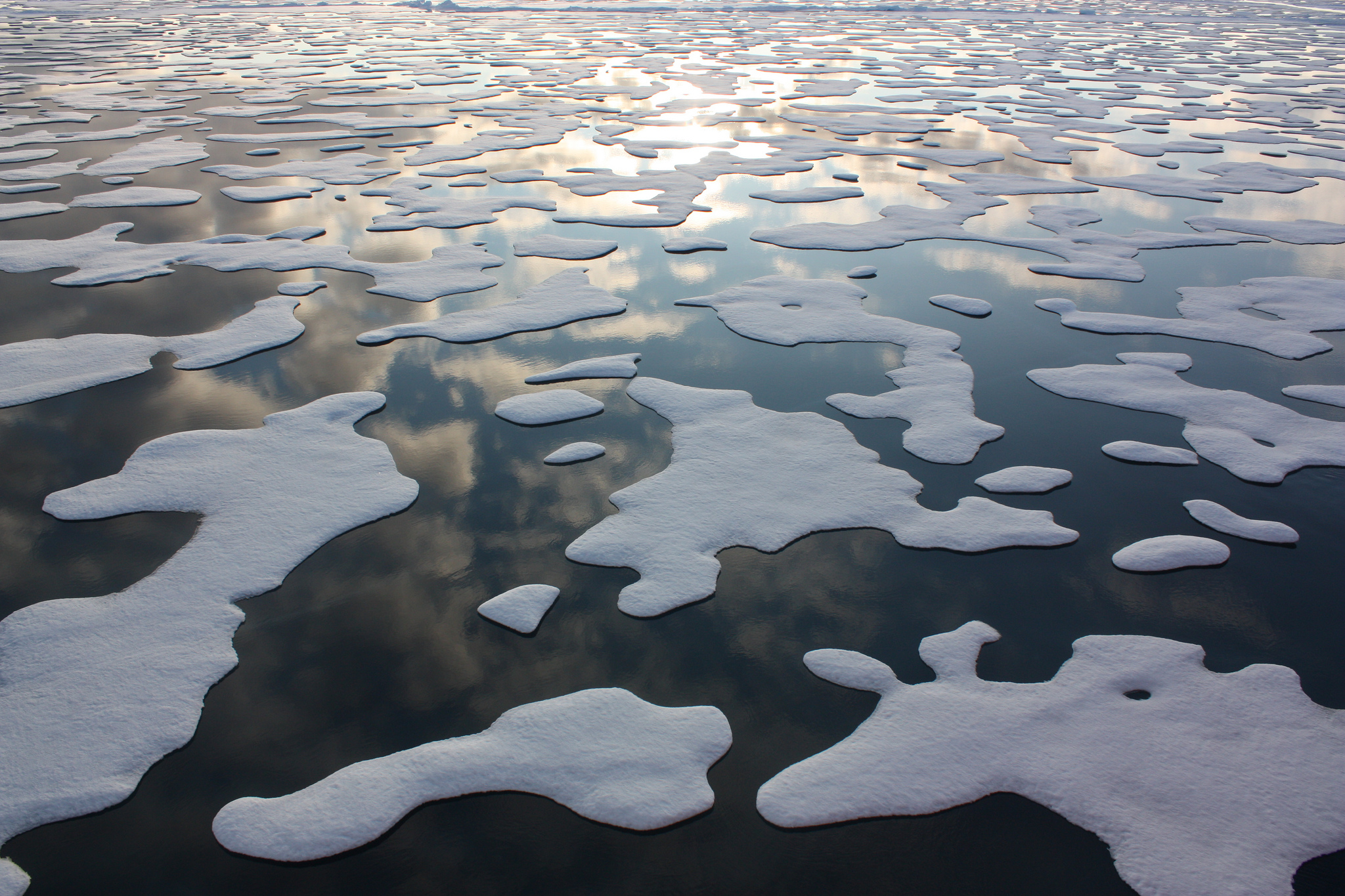
Lakes in the Arctic are vanishing

In recent decades, the warming in the Arctic has been much faster than in the rest of the world.  The phenomenon is known as Arctic amplification.  A study by the Finnish Meteorological Institute published in August in Communications Earth & Environment determined that during the past 43 years, the Arctic has been warming nearly four times faster than the rest of the globe.  The result of this amplified warming has been that glaciers are collapsing, wildlife is struggling, and habitats continue to disappear at a record pace.

Research published by the University of Florida has identified a new threat associated with Arctic amplification: lakes in the Arctic are drying up.

Over the past 20 years, many Arctic lakes have shrunk or dried up completely across the entire pan-Arctic region, which spans the northern parts of Canada, Russia, Greenland, Scandinavia, and Alaska.

Arctic lakes are essential elements of the Arctic ecosystem and for the indigenous communities that live in the region.  They provide a critical source of fresh water for those communities and local industries. 

The rapid decline of Arctic lakes is unexpected.  Earlier predictions were that climate change would first actually expand lakes in the region as ground ice melted.  Lakes drying out was not expected until much later in this century or even in the 22nd century.  Instead, it appears that thawing permafrost may drain lakes and overwhelm the expansion effect caused by melting ice.  The theory is that thawing permafrost decreases lake area by creating drainage channels and increasing soil erosion.

The finding suggest that permafrost thawing is occurring faster than anticipated, which presents many additional problems.

**********

Web Links

As the climate crisis intensifies, lakes across the Arctic are vanishing

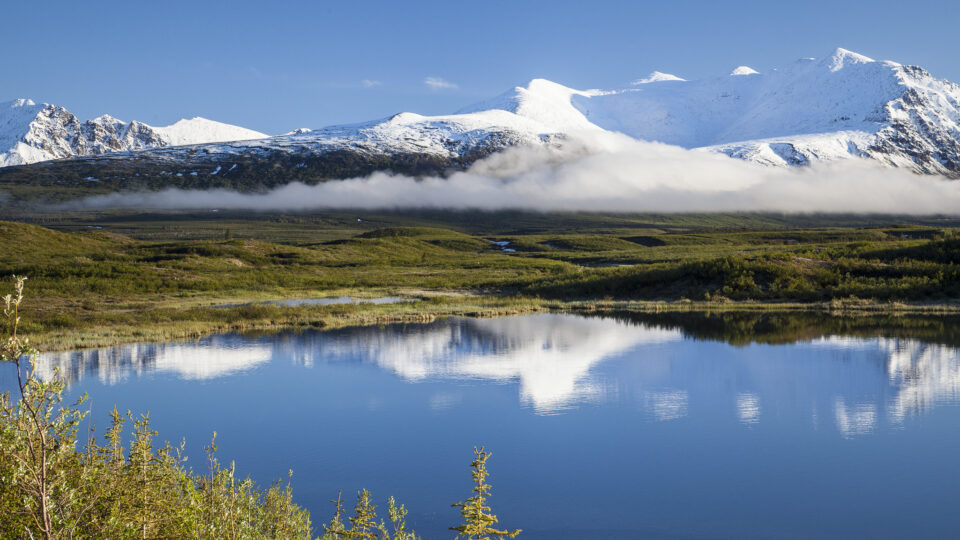
Photo, posted June 20, 2014, courtesy of Bob Wick / Bureau of Land Management via Flickr.

Earth Wise is a production of WAMC Northeast Public Radio
Alaska Is Getting Wetter | Earth Wise

August 31, 2020 By EarthWise Leave a Comment

alaska is getting wetter

Siberia has been in the news for record-setting heat waves and wildfires, but it is not the only northern region experiencing unusual weather.   Alaska, apart from setting its own warm weather records, is experiencing the rainiest five years in its century-long meteorological record.

Extreme weather in the Arctic is being driven by an aspect of climate change called Arctic amplification, which leads to temperatures rising faster than the global average.  The physical basis of Arctic amplification is well understood, but its effects over time are much less predictable.

The past five years included two summers with average precipitation, one that was a little drier than usual, and two of the wettest summers on record.    Researchers have taken measurements of how far below the surface permafrost has thawed by the end of summer over a wide range of Alaskan environments.

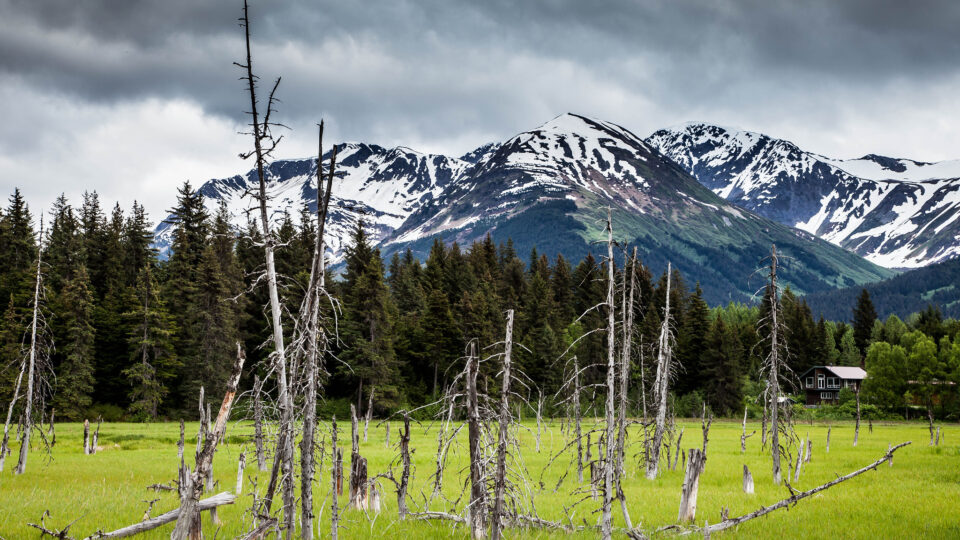
About 85% of Alaska sits upon permafrost and the increasing rainfall over the past five years is leading to a deeper thaw of permafrost across the state.  The wettest summer on record was 2014 and permafrost didn’t freeze back to previous levels even when the next couple of summers were relatively drier.

The study demonstrated how different types of land cover govern relationships between summer rainfall and permafrost thaw.  As Alaska becomes warmer and wetter, the vegetation cover is projected to change, and the increasing occurrence of wildfires will disturb larger areas of the landscape.  These conditions are likely to lead to a feedback loop driving more and more permafrost thawing.

Fundamental changes to Alaskan ecosystems are occurring on an unprecedented timescale – not gradually over decades or lifetimes, but over mere months or years.

**********

Web Links

Alaska is getting wetter. That’s bad news for permafrost and the climate.

Photo, posted June 10, 2011, courtesy of Peter Rintels via Flickr.

Earth Wise is a production of WAMC Northeast Public Radio.

Record Siberian Heat | Earth Wise

July 24, 2020 By EarthWise Leave a Comment

Record temperatures recorded in Siberia

Siberia has been experiencing unprecedented high temperatures in recent months.  May was the hottest May on record and temperatures in Siberia have stayed well above average for the past year.

On June 20, temperatures in the small Siberian town of Verkhoyansk hit 100.4 degrees Fahrenheit, which is a record-high temperature in one of the fastest-warming places in the world.  Average high temperatures in June reach 68 degrees.  Verkhoyansk sits on the Yana River in the Arctic Circle and, during the winter, is one of the world’s coldest towns.  In 1892, its temperature dropped to -90 degrees Fahrenheit.  And now there is hundred-degree heat above the Arctic Circle.

Siberia tends to experience large temperature swings month-to-month and year-to year.  But it is very unusual for temperatures to stay well over average over an extended period of time as they have for the past year.  According to climate scientists, the kind of temperature swings seen recently would only happen once in 100,000 years if it were not for climate change.

Siberia has seen raging wildfires and structural damage from thawing permafrost as its temperatures have stayed warmer than normal.  The prolonged Siberian heatwave is an alarming situation.

The Arctic is warming twice as fast as the rest of the Earth because of a process known as Arctic amplification.  The acceleration of the Arctic ice melt leads to a seasonal snow cover that isn’t as white.  It therefore absorbs more sunlight, which then leads to more warming.

The amplified warming of the Arctic with its increased melting of ice leads to higher sea levels, and not just in the Arctic Ocean.  With less Arctic ice to reflect sunlight, the world’s oceans continue to warm. 

**********

Web Links

Temperatures in an Arctic Siberian town hit 100 degrees, a new high

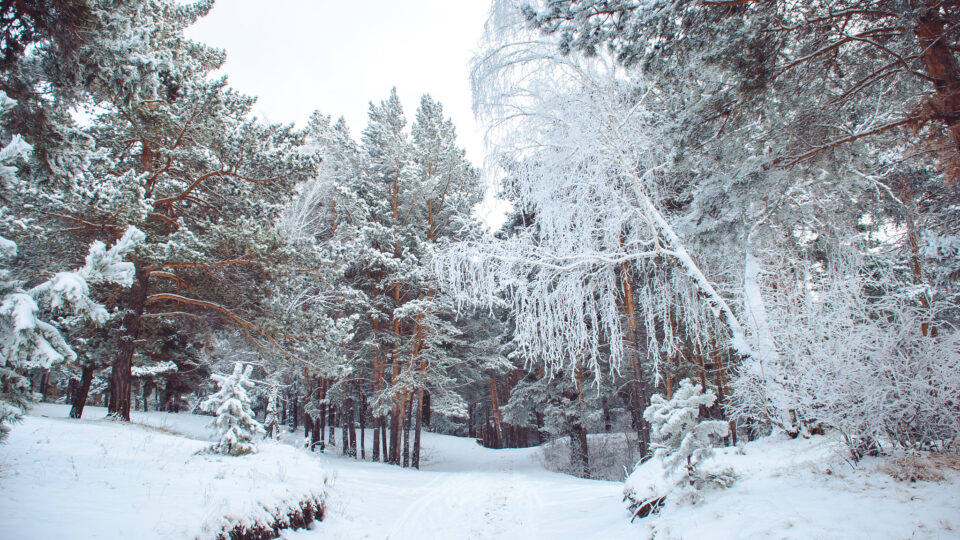
Photo, posted December 7, 2014, courtesy of Olga Dudenko via Flickr.

Earth Wise is a production of WAMC Northeast Public Radio.

The Arctic Is Getting Crazy

February 10, 2017 By EarthWise

https://earthwiseradio.org/wp-content/uploads/2017/02/EW-02-10-17-The-Arctic-is-Getting-Crazy.mp3

Unprecedented things have been happening with the weather up in the Arctic in recent times.   In fact, during the past year, the climate in the Arctic has at times bordered on the absurd.

[Read more…] about The Arctic Is Getting Crazy

Primary Sidebar

Recent Episodes

  • An uninsurable future
  • Clean energy and jobs
  • Insect declines in remote regions
  • Fossil fuel producing nations ignoring climate goals
  • Trouble for clownfishes

WAMC Northeast Public Radio

WAMC/Northeast Public Radio is a regional public radio network serving parts of seven northeastern states (more...)

Copyright © 2025 ·