• Skip to primary navigation
  • Skip to main content
  • Skip to primary sidebar

Earth Wise

A look at our changing environment.

  • Home
  • About Earth Wise
  • Where to Listen
  • All Articles
  • Show Search
Hide Search
You are here: Home / Archives for ambitious

ambitious

The demise of American offshore wind

August 18, 2025 By EarthWise Leave a Comment

The demise of offshore wind power in the United States

Europe has 37 gigawatts of offshore wind capacity. China is catching up rapidly.  Across the globe, offshore wind is an increasingly important source of clean, renewable power.  The United States had previously set ambitious goals to join the international effort.  But in the aftermath of the 2024 election, offshore wind in the US is basically dead in the water, pun intended.

The Bureau of Ocean Energy Management announced at the end of July that it is rescinding all designated Wind Energy Areas on the U.S. Outer Continental Shelf, effectively ending all offshore wind development across the Gulf of Mexico, the Gulf of Maine, the New York Bight, California, Oregon, and the Central Atlantic.  Additional policy measures announced by the Department of the Interior ended special treatment for what it called “unreliable energy sources, such as wind.” 

The two significant offshore wind projects underway in the US are both under serious attack by the administration and by newly emboldened special interests.  Vineyard Wind in Massachusetts, with 17 turbines already in operation, is under assault by tourist town forces and fishing groups.  Empire Wind, in New York, which resumed construction after efforts by Governor Kathy Hochul, is under pressure by various special interest groups that are urging President Trump to halt the project.

The current administration has very public and very pronounced antipathy towards wind power in general and towards offshore wind in particular.  And this has brought to a rapid halt billions of dollars in investments and will eliminate tens of thousands of jobs.

**********

Web Links

US offshore wind, long ‘dead,’ now really dead

Photo, posted September 15, 2016, courtesy of Lars Plougmann via Flickr.

Earth Wise is a production of WAMC Northeast Public Radio

Big Tech and emissions

September 23, 2024 By EarthWise Leave a Comment

Most of the well-known largest technology companies have established ambitious clean energy goals.  They are on record for achieving net-zero emissions for all their operations and supply chains in many cases by 2030.  As a result, they have been investing heavily in renewable energy in various ways.  Despite these lofty goals and sincere efforts, many of them are struggling to reduce emissions.  The reason is simple:  big data.

A good example is Google, which started investing in renewable energy in 2010 and since 2017 has been purchasing renewable energy on an annual basis to match the electricity consumption of its global operations. However, Google’s greenhouse gas emissions have increased nearly 48% since 2019.  This is primarily a result of data center energy consumption.

The expanding use of artificial intelligence technology is consuming large amounts of electricity.  For example, a single ChatGPT query uses nearly 10 times as much electrical energy as a traditional Google search.

Google is by no means unique in having this problem.  Microsoft’s carbon emissions have risen by nearly 30% since 2020.  Amazon is struggling to reach net-zero across its operations by 2040.

All of these companies are entering into large power agreements with renewable energy companies all across the country.  The AI arms race for more and more computational power is driving a race to install more and more large-scale renewable energy.   Power purchase agreements for solar power, wind power, and even geothermal power are becoming a major activity for most of the largest tech companies.

**********

Web Links

Can Google gobble up enough renewables?

Photo, posted February 12, 2023, courtesy of Geoff Henson via Flickr.

Earth Wise is a production of WAMC Northeast Public Radio
Floating cities

June 6, 2024 By EarthWise Leave a Comment

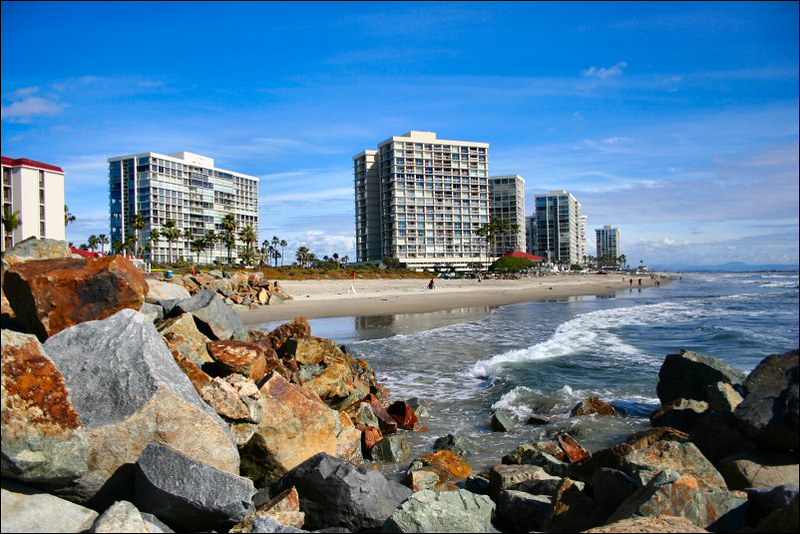
About 40% of the world‘s population lives in coastal regions.  People really like ocean-front property.  But worldwide, rising sea levels mean that more and more people want to live on land that may someday be swallowed up by the sea.

One possible solution to the problem is to build cities on top of the water.  It sounds pretty futuristic and impractical, but it is starting to happen.  There have long been floating communities in places like the Netherlands, but these are for the most part clusters of houseboats moored close together.

But there are far more ambitious projects underway.  The Maldives Floating City, already under construction, will eventually have 5,000 houses located in a lagoon that is a 15-minute boat ride from the capital city of Male.  The housing units will be tethered to the lagoon floor and linked together. 

A new project, located off Busan, South Korea, will combine high and low technology to create a large-scale, on-water town, that can house more than 10,000 people.

The town will be built on enormous concrete platforms suspended on the water.  The platforms float because they are rounded hexagonal boxes that are buoyed up by Archimedes’’ principle.  They can’t sink.  Such structures will attract marine life, providing places for oysters and mussels, for example, to grow. 

The initial development will cover 15 acres and the infrastructure will handle power, water, waste, and even some food.  The goal is even to produce enough energy to provide some to the nearby community.  A bridge will link the community to the land.

The project is scheduled to be completed in 2028.  Future expansion could end up housing 150,000 people.

Floating cities could soon no longer be exotic or futuristic.

**********

Web Links

Are Floating Cities the Solution to Rising Seas?

Photo, posted June 5, 2012, courtesy of Raymond Bucko via Flickr.

Earth Wise is a production of WAMC Northeast Public Radio

Renewables In China | Earth Wise

July 28, 2023 By EarthWise Leave a Comment

A couple of years ago, China set an ambitious goal for renewable energy capacity – which includes wind, solar, hydroelectric, and nuclear power – for it to exceed fossil fuel capacity by 2025.  According to a recent report by Reuters, China has hit this goal two years ahead of schedule.  Renewables now make up 50.9% of the country’s power capacity.

The rapid growth in renewable capacity has largely been driven by investments in wind and solar megaprojects in the sparsely populated west of the country that export power to the manufacturing centers in the east.  China’s most recent 5-year plan calls for 570 gigawatts of wind and solar power to be installed over that period, which more than doubles its installed capacity.  The plan makes use of what it called “clean energy bases”, which utilize sandy and rocky deserts, other types of barren lands, and wastelands left behind by coal mining.  The largest clean energy bases make use of vast deserts in Inner Mongolia and Gansu.

One cautionary note is that power capacity refers to the maximum amount of electricity that a power plant can produce under ideal conditions.  Thus, for example, it refers to how much electricity a solar farm can generate at noon on a cloudless day.  So, the new figures from China don’t necessarily reveal how much electricity China is actually drawing from renewables.  In reality, China still gets a great deal of its power from coal.

China is the world’s largest emitter of carbon dioxide – more than twice as much as the United States, albeit from nearly 4 times the population.  The rapid growth of renewables is at least moving that country in the right direction.

**********

Web Links

Fossil Fuels Now Account for Less Than Half of China’s Power Capacity

Photo, posted December 2, 2015, courtesy of IBM via Flickr.

Earth Wise is a production of WAMC Northeast Public Radio
Offshore Wind In The Gulf Of Mexico | Earth Wise

April 4, 2023 By EarthWise Leave a Comment

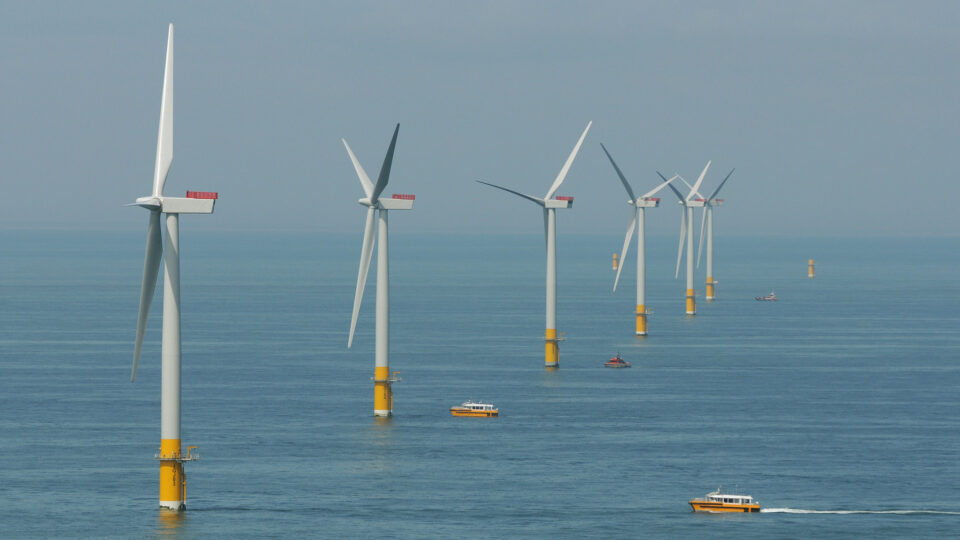
The U.S. pursuing offshore wind development in the Gulf of Mexico

The US has a goal of deploying 30 GW of offshore wind energy capacity by 2030.  This is an ambitious goal given that the current installed offshore wind capacity in the US is a total of seven turbines capable of generating just 42 megawatts of power.  So, there is a long way to go in a relatively short amount of time.

Since 2021, the Bureau of Ocean Energy Management, a division of the Department of the Interior, has held three offshore wind lease auctions, which grant rights to developers to install offshore wind in specific marine areas.  The first two auctions involve sites in the northeast, including areas in New York.  The third auction, held last December, offered sites off the California Coast – the first US sites in the Pacific.

In February, the Department of the Interior proposed a new offshore wind lease sale in the Gulf of Mexico.  It identified a 102,480-acre area off the coast of Louisiana, and two similar-sized areas offshore from Galveston, Texas.

The proposal is now in a 60-day period of seeking public comments before deciding whether to move ahead with the sale.  As was the case for the other lease auctions, there would stipulations associated with accepted bids including efforts to build up domestic industry for the supply chain and labor force.  There would also be requirements to establish and contribute to a fisheries compensatory mitigation fund to address any potential negative impacts to the fishing industry.

About two-thirds of offshore wind resources in the US are located in deep-water areas that will require floating platforms.  A federal program called Floating Offshore Wind Shot has the goal of developing cost-effective technology for this purpose.

**********

Web Links

Gulf of Mexico may be next up for offshore wind leases

Photo, posted May 13, 2011, courtesy of the Department of Energy and Climate Change via Flickr.

Earth Wise is a production of WAMC Northeast Public Radio
Renewables’ Growing Share | Earth Wise

March 15, 2023 By EarthWise Leave a Comment

Not long ago, many states across the country were setting goals to obtain 20% of their electricity from renewable sources. For a few states, like New York and Washington, ample amounts of hydropower made 20% an easy target.  But for many others, 20% seemed like a very ambitious objective.

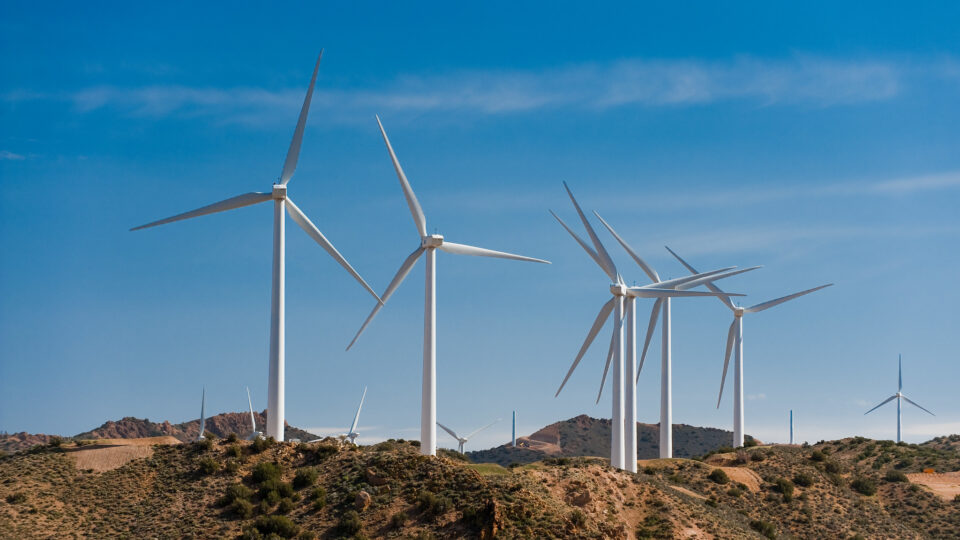
Things have certainly changed.  According to the latest monthly Short Term Energy Outlook, a report from the federal government, the combination of wind, solar, and other renewable sources will exceed one-quarter of the country’s generation by 2024.

Renewables are already at 24% of U.S. electricity generation and are expected to rise to 26% by next year.  Coal, which used to be the largest source of electricity, will continue to drop from its current 18% to 17% by next year.  Overall, renewables passed coal for the first full year in 2020.  Coal staged a bit of a comeback in 2021, but has once again resumed its decline.  Many coal-fired power plants continue to close, and there are not new ones being built because of diminishing economic benefits as well as concerns about emissions.

The largest source of electricity generation continues to be natural gas at 38%, but that number is also expected to slowly decrease over time. The growth in renewable energy is coming from wind and solar power.  Two-thirds of that growth is from solar and one-third is from wind. 

Together, wind and solar power will add up to 18% of the country’s electricity supply.  The government still tracks them lumped together as renewables, but both are so large and growing so quickly that the Energy Information Agency is likely to soon start tracking them as separate categories.

**********

Web Links

Renewables Projected to Soon Be One-Fourth of US Electricity Generation. Really Soon

Photo, posted April 18, 2011, courtesy of Allan Der via Flickr.

Earth Wise is a production of WAMC Northeast Public Radio
Solar Power In Australia | Earth Wise

October 13, 2021 By EarthWise Leave a Comment

Solar power generation increasing in Australia

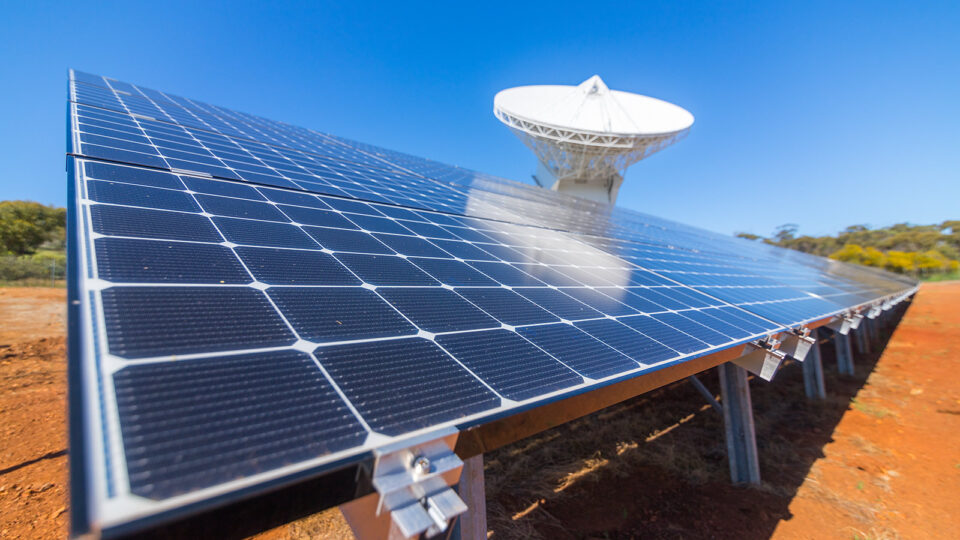
Historically, the electricity sector in Australia has been dominated by coal-fired power stations.  Even now, coal accounts for about 60% of Australia’s electricity generation.  But since 2005, wind power and rooftop solar have led to a fast-growing share of renewable energy in total electricity generation.

Australia is the second-largest exporter of coal in the world and has proven reserves equivalent to over 1,200 times its annual consumption.  Australia is home to four of the world’s ten biggest coal mines.  But despite this abundant resource, the country is increasing its use of renewable energy.

For just a few minutes on a sunny Sunday afternoon in August, more than half of Australia’s electricity came from solar power.  Low demand and sunny skies resulted in the contribution from coal dropping to a record low of 9,315 MW while solar power provided 9,427 MW.

In 2020, 24% of Australia’s electricity came from renewable energy, up from 21% the year before.  The increase was driven by a boom in solar installation.

Australia is still a long way from meeting its commitments under the Paris Climate Change agreement.  The country ultimately needs 51 GW of new renewable energy generation by 2042 but only 3 GW of new wind and solar projects have been committed to date.

Overall, Australia has promised what has been described as the fastest energy transition in the world.  It is all very ambitious, but Australia has a lot of work to do.

**********

Web Links

Solar power in Australia outstrips coal-fired electricity for first time

Photo, posted November 30, 2017, courtesy of D. O’Donnell / European Space Agency via Flickr.

Earth Wise is a production of WAMC Northeast Public Radio.

Paving With Plastic | Earth Wise

March 25, 2021 By EarthWise Leave a Comment

Using plastic waste as pavement

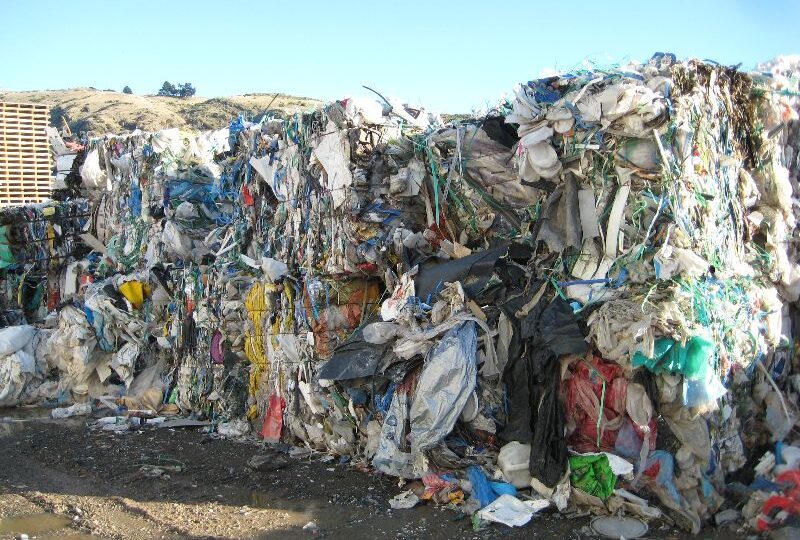
The country of Ghana has an ambitious plan to recycle and reuse as much plastic waste as it produces each year (which is over a million tons) by 2030.  As part of this plan, they have started to pave roads in Accra, the capital city, with asphalt containing a slurry of used plastics – shredded and melted bags, bottles, and snack wraps.  Only a quarter of Ghana’s roads are currently paved, so waste plastic has many opportunities for use in paving.

Plastic roads first appeared in India two decades ago.  There are now over 60,000 miles of them in that country.  Several countries have only recently built their first plastic roads including South Africa, Vietnam, Mexico, the Philippines, and the United States.

Studies have shown that roads containing waste plastic have the potential to perform as well or better than traditional roads.  They can last longer, can tolerate wide temperature swings better, are stronger and more durable, and are more resistant to water damage, cracking, and potholes.

Ordinarily, asphalt for roads consists of 90 to 95% aggregate – typically some mixture of gravel, sand, and limestone – and 5 to 10% bitumen, which is a black gooey substance extracted from crude oil that binds the aggregate together.  Plastic-enhanced roads replace varying amounts of the bitumen (often as little as 4-10%, but sometimes much more), with plastic that is actually a stronger binding agent.

Plastic roads reduce the amount of bitumen in roads, thereby reducing carbon emissions.  The plastics are not heated enough to release gases and the roads do not appear to shed microplastics.  Plastic roads will not solve the world’s plastic waste problem, but they can help by diverting lots of plastic from landfills.

**********

Web Links

How Paving with Plastic Could Make a Dent in the Global Waste Problem

Photo, posted June 4, 2010, courtesy of Sustainable Initiatives Fund Trust via Flickr.

Earth Wise is a production of WAMC Northeast Public Radio.

Companies Promise Climate Action | Earth Wise

March 30, 2020 By EarthWise Leave a Comment

Companies scramble to achieve climate promises

A growing number of major corporations are making promises on climate and the promises are getting more ambitious and for faster action.  More companies are disclosing their carbon emissions and more of those companies have emissions reduction targets. 

There has also been an acceleration in the rate at which companies set so-called science-based targets, which are specific, measurable carbon reduction goals that align the company with the Paris Agreement.  Among the hundreds of companies with such targets are Coca-Cola, Nike, Best Buy, Walmart, and Hilton Hotels.  According to one analysis, the number of Fortune 500 companies with concrete, ambitious carbon targets quadrupled in the past four year to 23%.

Environmental advocates have been pressuring companies for decades, but companies seem to be far more proactive now despite the fact that the U.S. government has largely dropped the ball on climate issues.

The reasons include the fact that the effects of climate change are becoming clearer to companies.  Wildfires, rising sea levels, droughts and other aspects of the crisis both make headlines and affect business operations.

Meanwhile, solar and wind energy have gotten significantly cheaper, making it more attractive for companies to shift away from fossil fuels.

At the same time, investors are increasingly asking companies to act on climate issues.  Consumers, employees, and the general public are increasingly demanding action and even children are adding to the pressure to act.

Making these commitments is one thing; following through on them and sticking to them is another.  There are real concerns that there is a great deal of green-washing going on among companies trying to project a favorable image.  In any case, if companies really want to lead on climate, they need to put their money where their mouths are.

**********

Web Links

Better Late Than Never? Big Companies Scramble To Make Lofty Climate Promises

Photo, posted June 22, 2016, courtesy of Mike Mozart via Flickr.

Earth Wise is a production of WAMC Northeast Public Radio.

Installing Solar Panels

September 13, 2016 By WAMC WEB

https://earthwiseradio.org/wp-content/uploads/2016/08/EW-09-13-16-Half-A-Billion-Solar-Panels.mp3

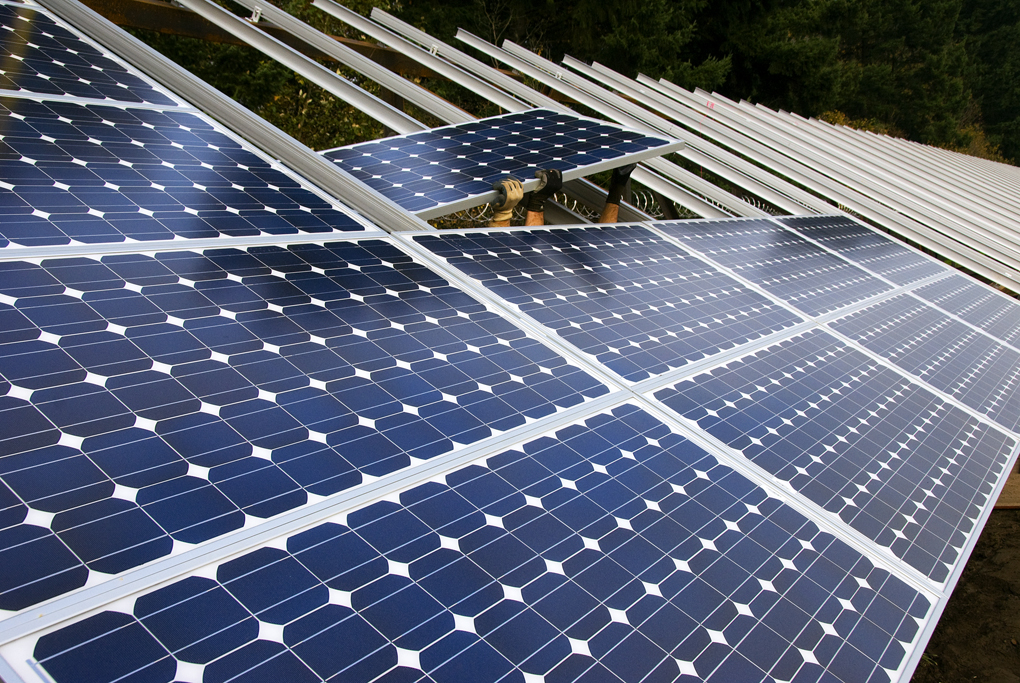
Part of Hillary Clinton’s proposed energy plan is a pledge that half a billion additional solar panels will be installed by the end of her first term if she is elected President this year.  This number sounds wildly ambitious.  It is even realistic?

[Read more…] about Installing Solar Panels

The First U.S. Solar Roadway

July 26, 2016 By WAMC WEB

https://earthwiseradio.org/wp-content/uploads/2016/07/EW-07-26-16-The-First-U.S.-Solar-Roadway.mp3

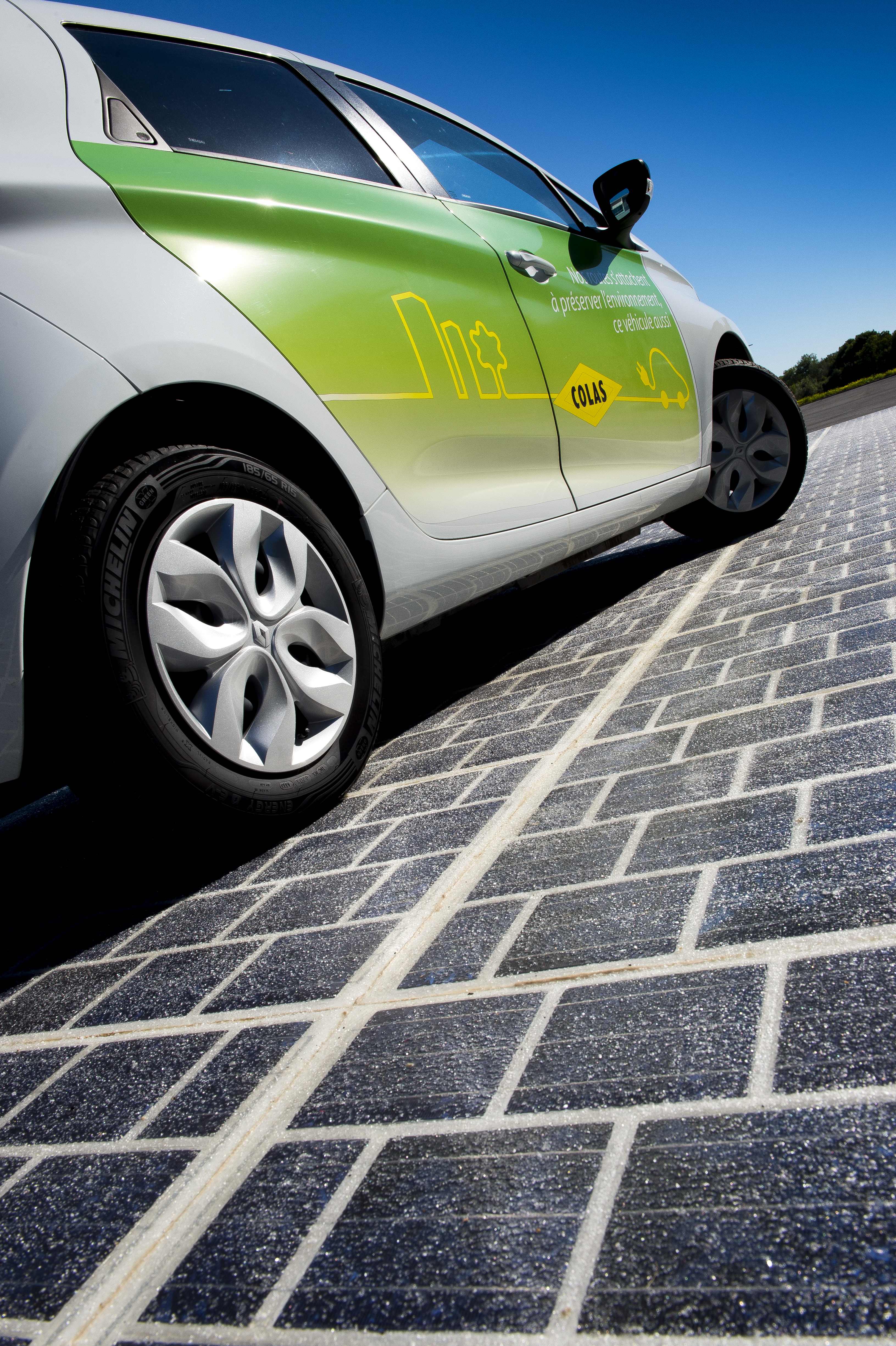
The first solar roadway in the US will be installed this year at the Historic Route 66 welcome center in Conway, Missouri.  The installation will use hexagonal solar panels developed by Idaho-based start-up company Solar Roadways.  The initial trial installation will use the panels to cover a sidewalk in the Route 66 center rest area and will only cover a few hundred square feet.  The modular building blocks are hexagonal panels of a little less than 5 square feet in area that each generate 48 watts of electrical power.

[Read more…] about The First U.S. Solar Roadway

Primary Sidebar

Recent Episodes

  • An uninsurable future
  • Clean energy and jobs
  • Insect declines in remote regions
  • Fossil fuel producing nations ignoring climate goals
  • Trouble for clownfishes

WAMC Northeast Public Radio

WAMC/Northeast Public Radio is a regional public radio network serving parts of seven northeastern states (more...)

Copyright © 2026 ·