• Skip to primary navigation
  • Skip to main content
  • Skip to primary sidebar

Earth Wise

A look at our changing environment.

  • Home
  • About Earth Wise
  • Where to Listen
  • All Articles
  • Show Search
Hide Search
You are here: Home / Archives for amazon basin

amazon basin

South American drought

November 13, 2024 By EarthWise Leave a Comment

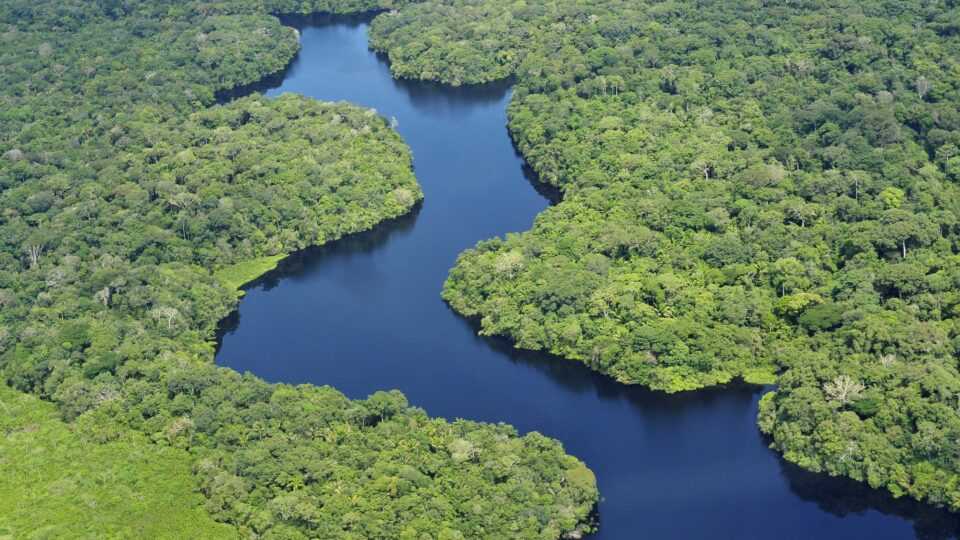
Vast areas of South America have been gripped in drought conditions for months.  Rivers in the Amazon basin fell to record-low levels in October.  The drought has amplified wildfires, parched crops, disrupted transportation networks, and interrupted hydroelectric power generation in parts of Brazil, Bolivia, Colombia, Ecuador, Peru, and Venezuela.

The drought is related to the impact of the El Niño that was present for the latter part of 2023 and the first half of this year.  El Niño typically shifts rainfall patterns in such a way that there is reduced rainfall in the Amazon.  This is especially true during the dry season months of July, August, and September.

Forecasts earlier in the year warned that there would be extreme fire conditions during the dry season.  Indeed, the Pantanal region that spans parts of southern Brazil, Paraguay, and Bolivia has experienced one of its worst fire seasons in decades.  The lack of rainfall, low soil moisture, and drawdowns of groundwater helped to amplify fires and caused them to spread faster and farther.

The drought has strained power supplies in Brazil and Ecuador because hydroelectric power stations are producing less electricity.   Snarled transportation networks with impassible rivers have left some communities struggling to get supplies. 

Brazil’s National Center for Monitoring and Early Warning of Natural Disasters has called the current drought the most intense and widespread Brazil has ever experienced.  Late October saw 293 Brazilian municipalities facing extreme drought.

**********

Web Links

Intense, Widespread Drought Grips South America

Photo, posted August 13, 2010, courtesy of Colm Britton via Flickr.

Earth Wise is a production of WAMC Northeast Public Radio
Tree Diversity | Earth Wise

March 4, 2022 By EarthWise Leave a Comment

Scientists estimate the number of tree species on earth

Scientists have estimated that there are more than 8 million species of plants and animals in existence.  Amazingly, only about 1.2 million of them have been identified and described so far and most of those are actually insects.  Millions of other organisms have yet to be discovered.

One would imagine that most of these unknown species are tiny things that are hard to spot or encounter.  But our ignorance of species even applies to trees, which are pretty easy to spot if you encounter them.

A new study involving more than 100 scientists across the globe has produced an estimate of the number of tree species on the Earth.  The new global estimate is that there are 73,000 tree species, which is about 14% more than previously thought.  Based on a combination of data from two global datasets, the study yielded a total of 64,100 documented tree species worldwide.  The researchers then used novel statistical methods to estimate the total number of unique tree species at biome, continental, and global scales, which includes species yet to be discovered and described by scientists.  Therefore, the estimate predicts that there are likely to be over 9,000 tree species still to be found.

Roughly 40% of the undiscovered tree species are likely to be in South America, which is the continent with the highest number of rare tree species and the highest number of continentally endemic tree species – meaning those found only on that continent.  Hot spots of undiscovered tree species are likely the tropical and subtropical moist forests of the Amazon basin and the Andes-Amazon interface.

Extensive knowledge of tree richness and diversity is key to preserving the stability and functioning of ecosystems.

**********

Web Links

Number of Earth’s tree species estimated to be 14% higher than currently known, with some 9,200 species yet to be discovered

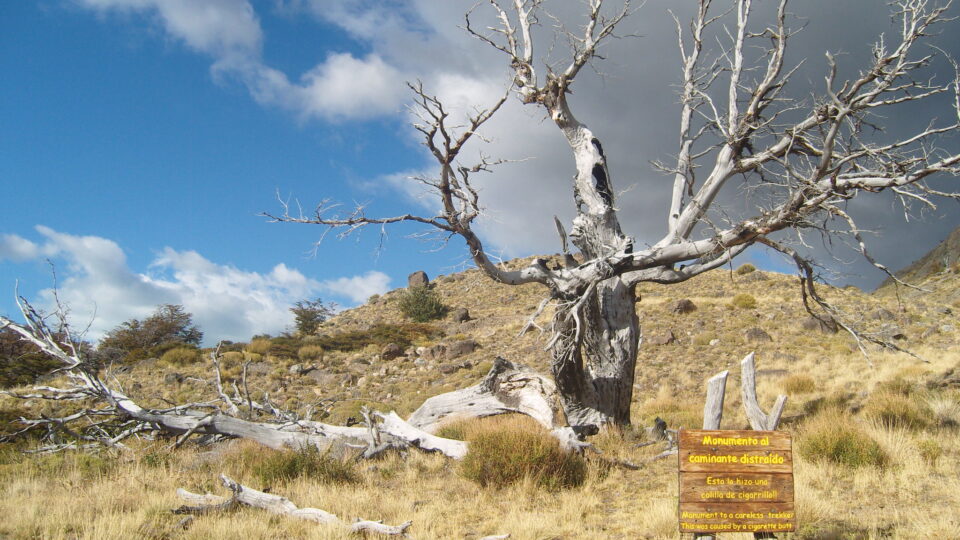
Photo, posted November 5, 2017, courtesy of Deensel via Flickr.

Earth Wise is a production of WAMC Northeast Public Radio.

Manatees And Pollution | Earth Wise

November 11, 2021 By EarthWise Leave a Comment

Pollution wreaking havoc on Florida manatees

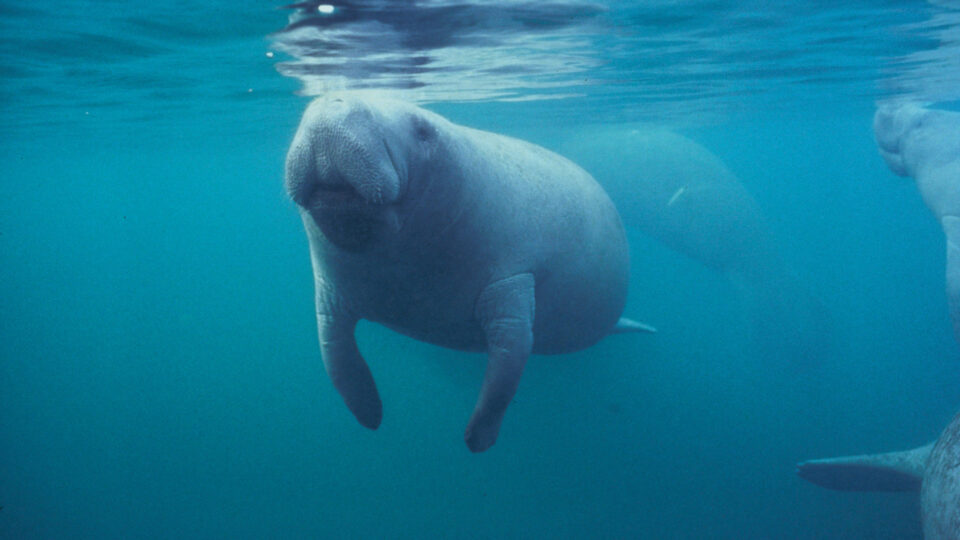
Manatees are large, gentle, and curious marine mammals measuring up to 13 feet long and weighing up to 3,300 lbs.  There are three living species of manatees:  The Amazonian Manatee, the West African Manatee, and the West Indian Manatee, which is commonly found in Florida and the Gulf Coast.  Manatees inhabit the shallow, marshy coastal areas and rivers of the Caribbean Sea, the Gulf of Mexico, the Atlantic coast, the Amazon basin, and West Africa. 

The West Indian Manatee, which includes the Florida Manatee, is protected under the Endangered Species Act.  Today, the range-wide population is estimated to be at least 13,000 manatees, with more than 6,500 in the southeastern United States and Puerto Rico.

In Florida, an uptick in nutrient loading from nonpoint sources is triggering algal blooms in Indian River Lagoon and neighboring areas.  These algal blooms have decimated seagrass, manatees’ primary food source. 

As a result , manatees have starved to death by the hundreds along Florida’s east coast.  The state has recorded 974 manatee deaths in 2021, shattering previous annual all-time highs with still approximately two months to go.  Manatees, which need to eat between 100-200 pounds of seagrass daily, are now eating the seagrass roots, which permanently kills the aquatic plants.

Efforts are being made to replant seagrass and to restore clam and oyster beds so that the mollusks can help clean the water.  But manatees face a myriad of additional threats, including collisions with boats and ships, temperature changes, disease, and crocodile predation.

********** 

Web Links

Florida lawmakers hear Fish & Wildlife agency response to manatee death ‘catastrophe’

West Indian manatee

Preliminary 2021 Manatee Mortality Table by County

Photo, posted May 7, 2010, courtesy of Jim Reid/USFWS via Flickr.

Earth Wise is a production of WAMC Northeast Public Radio.

Saharan Dust And The Amazon | Earth Wise

October 23, 2020 By EarthWise Leave a Comment

Saharan dust and the amazon

We talk about globalization primarily in the context of how human activities connect up distant parts of the world.  But there are natural processes that are global in scope as well.  One of these is the transportation of mineral-rich dust from the Sahara Desert in North Africa to the Amazon Basin in South America.

Every year, this dust is lifted into the atmosphere by winds and carried on a 5,000-mile journey across the North Atlantic.  It turns out that this dust plays a critical role in the Amazon basin ecosystem.  The Amazon Basin in turn plays a major role in global climate.  Its trees and plants remove huge quantities of carbon dioxide from the atmosphere and stores the carbon in vegetation.

The transcontinental journey of dust is important because of what is in the dust.  The dust picked up from ancient lake beds in Chad comes from rock minerals formed by dead microorganisms and is loaded with phosphorus.  Phosphorus is an essential nutrient for plant growth and is in short supply in Amazonian soils.  Local nutrients like phosphorus in the Amazon mostly come from fallen, decomposing leaves and organic matter but tend to be washed away by rainfall into streams and rivers. 

Studies have shown that the phosphorus that reaches Amazon soils from Saharan dust is essential to replace the amounts lost to rain and flooding.

Recent research has found that the quantities of dust transported to South America are inversely linked to rainfall in North Africa and is likely to be affected by climate change.  Changes in dust transport could affect plant growth in the Amazon and the amount of CO2 removed from the atmosphere.  The forces that affect the climate are truly global in nature.

**********

Web Links

Study quantifies Saharan dust reaching Amazon

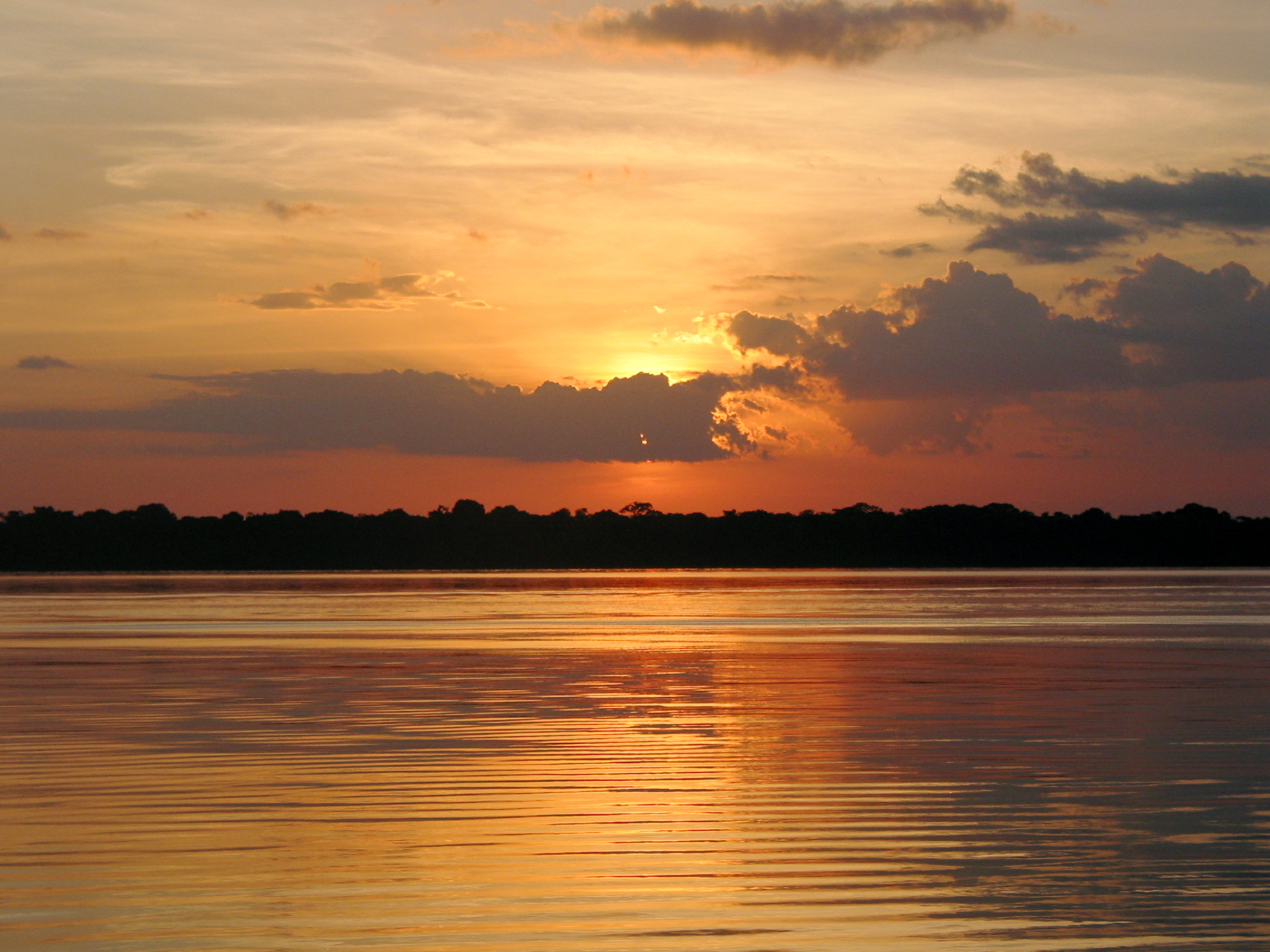
Photo, posted April 19, 2011, courtesy of CIAT via Flickr. Photo credit: ©2011CIAT/NeilPalmer.

Earth Wise is a production of WAMC Northeast Public Radio.

Amazon In Peril

August 18, 2016 By WAMC WEB

https://earthwiseradio.org/wp-content/uploads/2016/07/EW-08-18-16-Amazon-in-Peril.mp3

A constitutional amendment being discussed in the Brazilian Senate threatens to set back decades of conservation efforts in the Amazon.

[Read more…] about Amazon In Peril

Primary Sidebar

Recent Episodes

  • An uninsurable future
  • Clean energy and jobs
  • Insect declines in remote regions
  • Fossil fuel producing nations ignoring climate goals
  • Trouble for clownfishes

WAMC Northeast Public Radio

WAMC/Northeast Public Radio is a regional public radio network serving parts of seven northeastern states (more...)

Copyright © 2026 ·