• Skip to primary navigation
  • Skip to main content
  • Skip to primary sidebar

Earth Wise

A look at our changing environment.

  • Home
  • About Earth Wise
  • Where to Listen
  • All Articles
  • Show Search
Hide Search
You are here: Home / Archives for zika

zika

More mosquitoes in a warming climate

January 26, 2024 By EarthWise Leave a Comment

More mosquitoes likely as the climate warms

Over millions of years, Earth’s climate has warmed up and cooled down many times. However, today the planet is warming much faster than it ever has over human history.  According to scientists, the warming is primarily the result of increased anthropogenic greenhouse gas emissions.  In fact, human activities are responsible for nearly all of the increase in atmospheric greenhouse gas emissions over the last 150 years. 

According to a new study published in the journal Ecology, the warming climate may soon mean more mosquitoes.  A research team, led by scientists from Virginia Commonwealth University, found that rising temperatures, often linked to climate change, can make predators of mosquito larvae less effective at controlling mosquito populations.  According to researchers, these warmer temperatures accelerate the development time of larvae, which leads to a smaller window of time in which predators like dragonflies could eat them.  As a result, twice as many mosquito larvae could make it to adulthood in the study area. 

Predators help stabilize ecosystems and food webs.  The study looked at predator-prey interactions between dragonfly nymphs and mosquito larvae.  In the study of Belle Isle along the James River in Richmond, Virginia, the research team found that warmer pools had more aquatic rock pool mosquito larvae – even when their predators that naturally control the populations were present.

While this species of mosquito is not an important disease vector, the researchers emphasize that these findings likely apply to other mosquito species that do act as vectors for diseases, such as West Nile or Zika virus.

The changing climate is creating the perfect environment for mosquitoes to thrive. 

**********

Web Links

Hotter weather caused by climate change could mean more mosquitos, according to VCU-led study

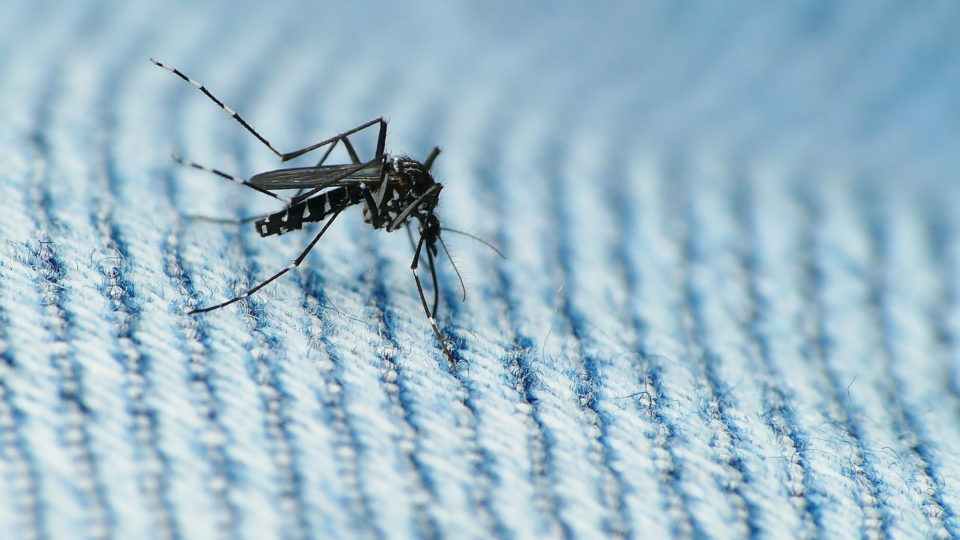
Photo, posted June 20, 2014, courtesy of John Tann via Flickr.

Earth Wise is a production of WAMC Northeast Public Radio
The Cost Of Invasive Species | Earth Wise

September 27, 2023 By EarthWise Leave a Comment

According to a new report published by the Intergovernmental Science-Policy Platform on Biodiversity and Ecosystem Services for the United Nations, invasive species introduced to new ecosystems around the world are causing more than $423 billion in estimated losses to the global economy every year.  These economic costs are incurred by harming nature, damaging food systems, and threatening human health.

According to the report, these costs have at least quadrupled every decade since 1970 and the estimates are actually conservative because it’s difficult to account for all of the effects of invasive species.

The report estimates that humans have intentionally or unintentionally introduced more than 37,000 species to places outside their natural ranges.  More than 3,500 of them are considered invasive because they are harmful to their new ecosystems.  Invasive nonnative species were a major factor in 60% of known extinctions of plants and animals.

Some species are relocated deliberately by the wildlife trade and international shipping.  Other plants and animals end up hitching a ride with ordinary travelers as they move about by car, boat, plane, or train. 

Invasions can damage human health.  Mosquitos that transmit diseases like malaria, dengue fever, and the Zika virus have become invasive around the world. The wildfires in Hawaii this summer were fueled by invasive nonnative grasses in a warming climate. 

Nearly every country in the world has agreed to participate in a sweeping agreement to preserve biodiversity and reduce invasive species.  It is an essential global goal.

**********

Web Links

Invasive Species Are Costing the Global Economy Billions, Study Finds

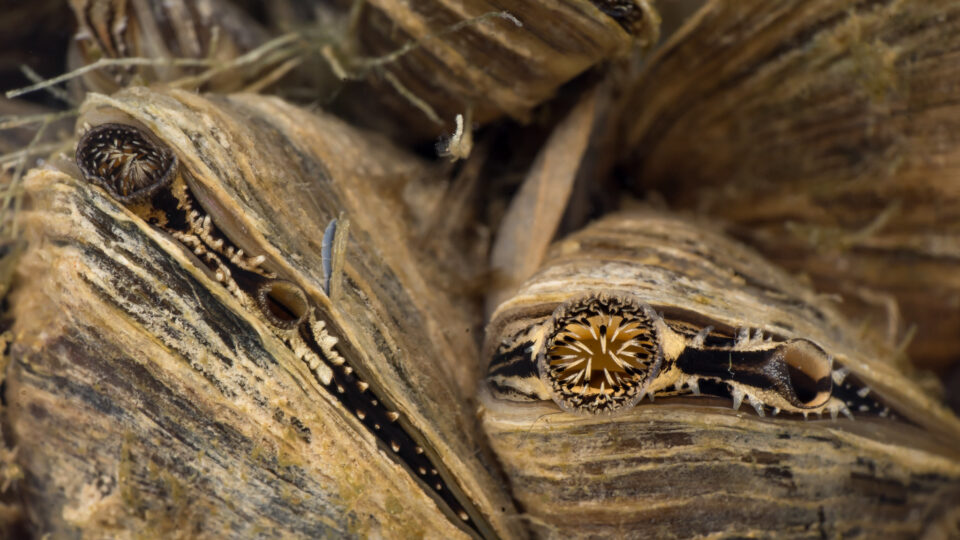
Photo, posted June 2, 2022, courtesy of Sam Stukel (USFWS) via Flickr.

Earth Wise is a production of WAMC Northeast Public Radio
Engineering Mosquitoes | Earth Wise

February 21, 2020 By EarthWise Leave a Comment

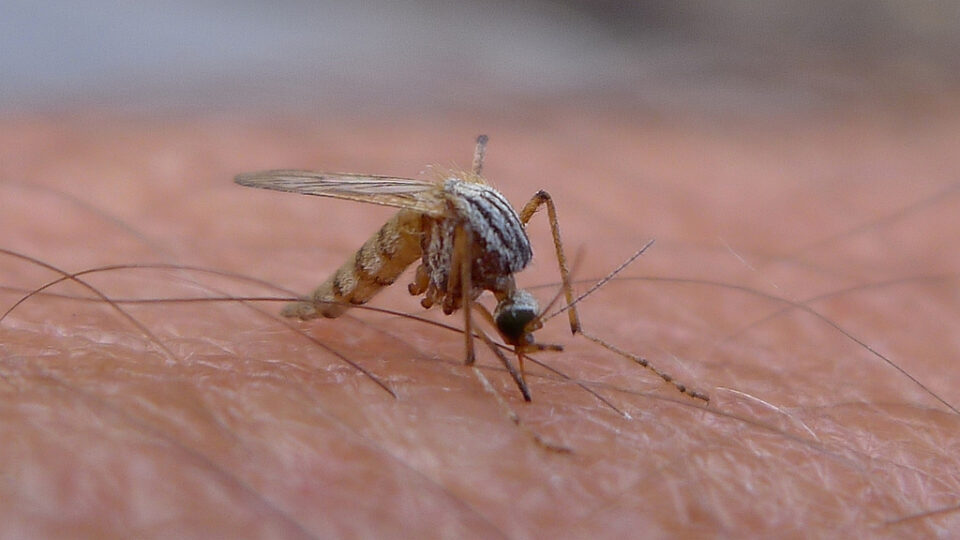
Engineering mosquitoes to repel disease

Tropical regions grapple with the spread of diseases – such as dengue, yellow fever, zika, chikungunya, and malaria – by mosquitoes.  A fairly successful strategy has been the Sterile Insect Technique, which is essentially insect birth control. The process involves rearing large quantities of sterilized male mosquitoes in dedicated facilities, and then releasing them to mate with females in the wild. As they do not produce any offspring, the insect population declines over time.

A problem with this approach is that while mosquitoes create health problems for people, they also play important roles in various ecosystems, such as providing food for bats and other animals.  Eliminating mosquito populations on a large scale can trigger major changes in ecosystems.

Recently, an international team of scientists has synthetically engineered mosquitoes that halt the transmission of the dengue virus.  They genetically engineered mosquitoes with an antibody “cargo” that gets expressed in the female mosquitoes that spread the dengue virus.  Once the female mosquito takes in blood, the antibody is activated which hinders the replication of the virus and prevents its dissemination throughout the mosquito, thereby preventing its transmission to humans. Essentially, what the researchers have done is transfer genes from the human immune system to confer immunity to mosquitoes.  The researchers are testing methods to neutralize mosquitoes against other viruses they spread.

This opens up a whole new approach to interrupt mosquito-borne human diseases.  Mosquitoes are among the deadliest killers on the planet because they are the messengers that transmit deadly diseases.  Until now, the only real solution has been to kill the messenger.  The new approach may be a better way to deal with a serious problem.

**********

Web Links

Mosquitoes engineered to repel dengue virus

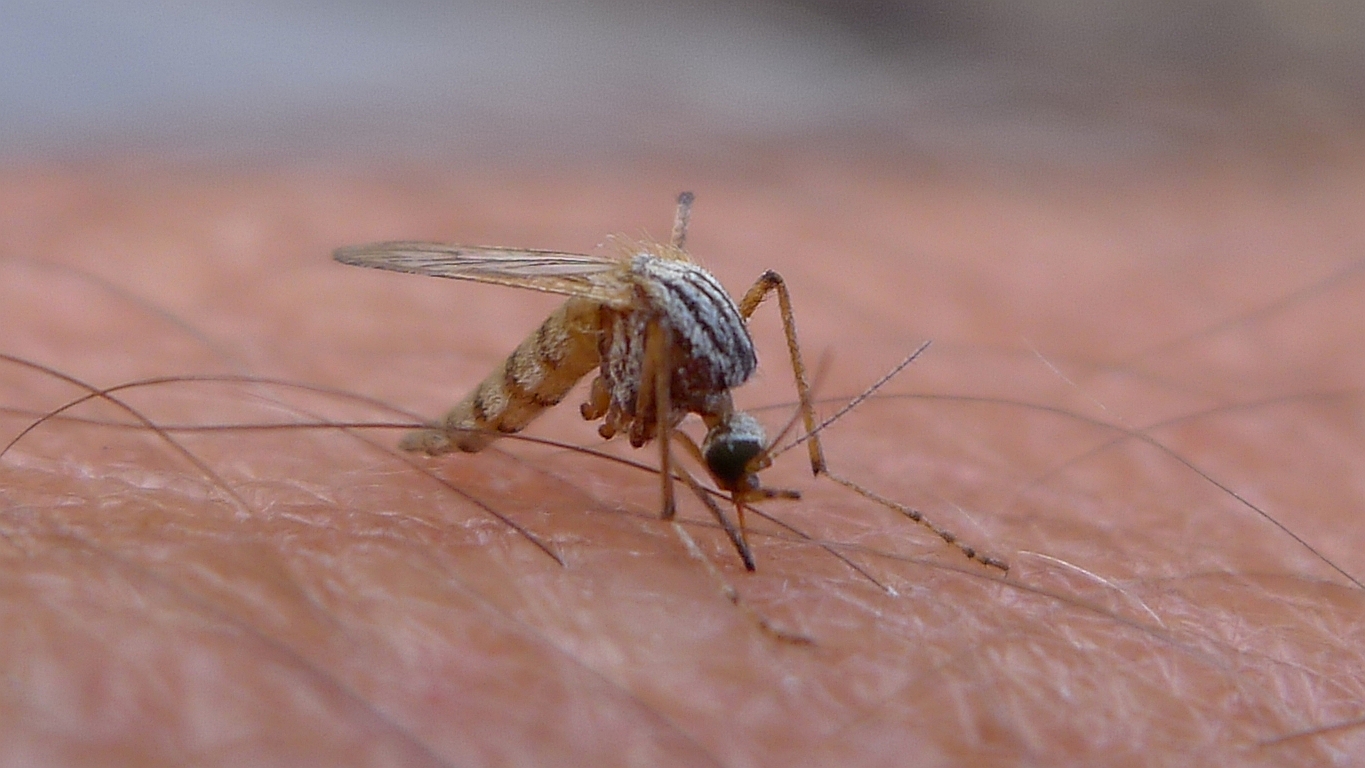
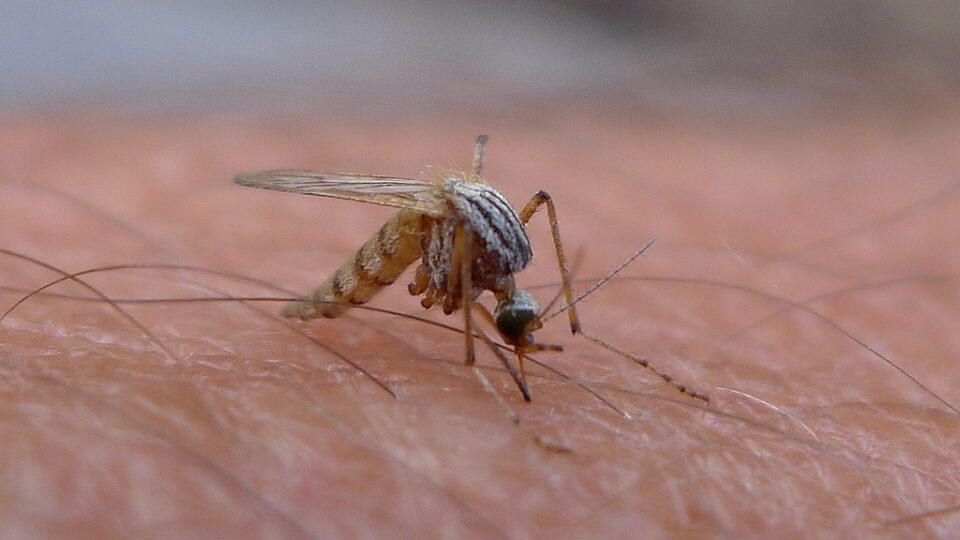
Photo, posted June 20, 2014, courtesy of Flickr.

Earth Wise is a production of WAMC Northeast Public Radio.

Zika Insecticides And Honeybees

November 30, 2018 By EarthWise Leave a Comment

https://earthwiseradio.org/wp-content/uploads/2018/11/EW-11-30-18-Zika-Insecticides-and-Honeybees.mp3

Honeybees, which play a critical role in agriculture by pollinating crops, are not native to the United States.  Beekeepers manage most honeybee colonies and they move the bees around to support farmers.        

[Read more…] about Zika Insecticides And Honeybees

Social And Ecological Underpinnings Of Infectious Disease

April 1, 2016 By WAMC WEB

https://earthwiseradio.org/wp-content/uploads/2016/03/EW-04-01-16-Disease.mp3

When it comes to addressing infectious disease, we have a short attention span. Forces are mobilized when we’ve crossed a tipping point, and demobilized when the immediate threat has passed. In the case of Zika, the World Health Organization declared a public health emergency based on a strong association between Zika infection and microcephaly in newborns and a spike in Guillain-Barré syndrome. 

[Read more…] about Social And Ecological Underpinnings Of Infectious Disease

Are Mosquitoes Necessary?

March 1, 2016 By WAMC WEB

https://earthwiseradio.org/wp-content/uploads/2016/02/EW-03-01-16-Are-Mosquitoes-Necessary.mp3

The Zika virus epidemic is yet another disease transmitted by mosquitoes.  Those tiny insects are responsible for spreading many of the world’s worst diseases such as malaria, dengue fever and yellow fever.   According to the World Health Organization, over 400,000 people worldwide died from malaria in 2015.

[Read more…] about Are Mosquitoes Necessary?

Primary Sidebar

Recent Episodes

  • An uninsurable future
  • Clean energy and jobs
  • Insect declines in remote regions
  • Fossil fuel producing nations ignoring climate goals
  • Trouble for clownfishes

WAMC Northeast Public Radio

WAMC/Northeast Public Radio is a regional public radio network serving parts of seven northeastern states (more...)

Copyright © 2026 ·