• Skip to primary navigation
  • Skip to main content
  • Skip to primary sidebar

Earth Wise

A look at our changing environment.

  • Home
  • About Earth Wise
  • Where to Listen
  • All Articles
  • Show Search
Hide Search
You are here: Home / Archives for wind

wind

More wind power than coal power

September 12, 2024 By EarthWise Leave a Comment

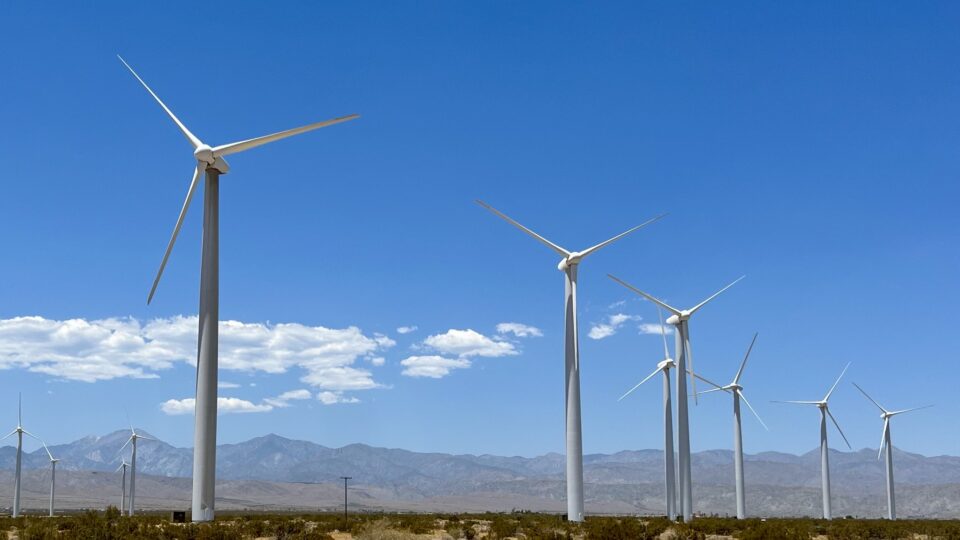
Wind power is starting to beat out coal in the United States

The U.S. used to get more of its electricity from burning coal than by any other means.  It wasn’t all that long ago; coal produced 51% of our electricity in 2001. But as of 2022, it was less than 20%.

In March and April, the U.S. generated more electricity from wind power than from coal.  This was the first time that wind outstripped coal for two consecutive months.

This crossover between wind and coal power is just another milestone in the energy transition to renewable energy sources.  Renewables collectively produce more electricity than coal and their share is steadily growing.  The explosive growth in renewable energy is primarily the result of three factors:  federal tax credits, state energy mandates away from fossil fuels, and, most importantly, shifts in the economics of energy.  Breakthroughs in technology and economies of scale have lowered the cost of building new wind turbines, solar panels, and battery storage. 

Coal plants have retired at a rapid pace over the past 25 years.  During that time, natural gas capacity has nearly tripled.   Gas began to replace coal starting around 2005 when the fracking boom led to the availability of large quantities of cheap natural gas. Because of this, fossil fuels are still the largest source of electricity generation in the U.S., but that is not likely to be the case for very long.

Analysts expect that wind energy will grow to provide about 35% of the country’s electricity by 2050.  The Department of Energy predicts that solar power will produce 45% of U.S. electricity by that year.

**********

Web Links

Wind Beat Coal Two Months in a Row for U.S. Electricity Generation

Photo, posted August 5, 2024, courtesy of Samir Luther via Flickr.

Earth Wise is a production of WAMC Northeast Public Radio
Expanding solar and wind in the U.S.

August 20, 2024 By EarthWise Leave a Comment

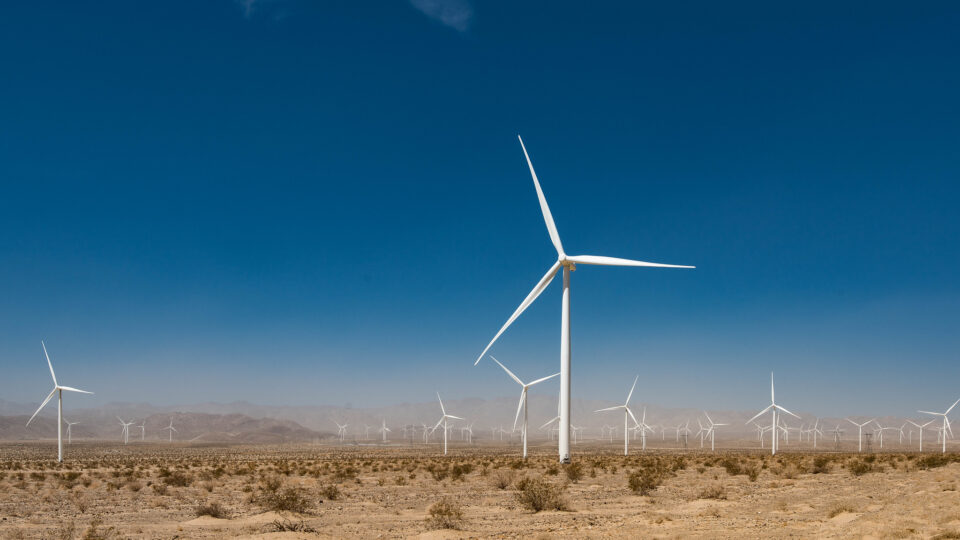
Solar and wind power are expanding in the United States

According to new data from the Federal Energy Regulatory Commission, solar and wind now make up more than 20% of the total US electrical generating capacity.  Adding up all renewable energy sources – which also include biomass, geothermal, and hydropower – renewable energy is now nearly 30% of the total electrical generating capacity in this country.

During the first five months of 2024, 10.669 gigawatts of solar and 2.095 gigawatts of wind power came online.  There were also 212 megawatts of hydropower and 3 megawatts of biomass added to generating capacity.  All told, renewables constituted 89.91% of new generating capacity added this year.  This does not include 1.1 gigawatts of nuclear power added at the Vogtle-4 reactor in Georgia. 

Solar power is booming.  The amount added this year was more than double the amount added over the same period last year.  Solar has been the largest source of new generating capacity for nine months straight.  Wind was the second largest.

About one-third of US solar capacity is in the form of small-scale – that is, rooftop – solar.  The statistics quoted in this report do not take that into account.  If it was included, solar plus wind would be closer to 25% of the US total.

Predictions are that over the next three years, nearly 90 gigawatts of additional solar power will be added to the grid as well as 23 gigawatts of wind power.  Over that period, coal, natural gas, and oil are projected to shrink by more than 20 gigawatts.

**********

Web Links

Solar and wind now make up more than 20% of US electrical generating capacity

Photo, posted October 28, 2016, courtesy of Daxis via Flickr.

Earth Wise is a production of WAMC Northeast Public Radio
Geological thermal energy storage

August 7, 2024 By EarthWise Leave a Comment

The electricity grid is increasingly using solar and wind power.  Depending on those two sources requires the ability to store energy to have on hand when the sun isn’t shining and the wind isn’t blowing.   Energy needs to be stored away to be used hours, days, or even weeks after it is produced.

Energy storage is booming.  California has increased its energy storage capacity tenfold in recent times.  One day in April, storage batteries were the largest source of electricity in the state for a period of two hours.  But batteries are not the only way to store energy.  There are chemical, electrochemical, mechanical, and thermal methods that each has potential advantages and unique features.

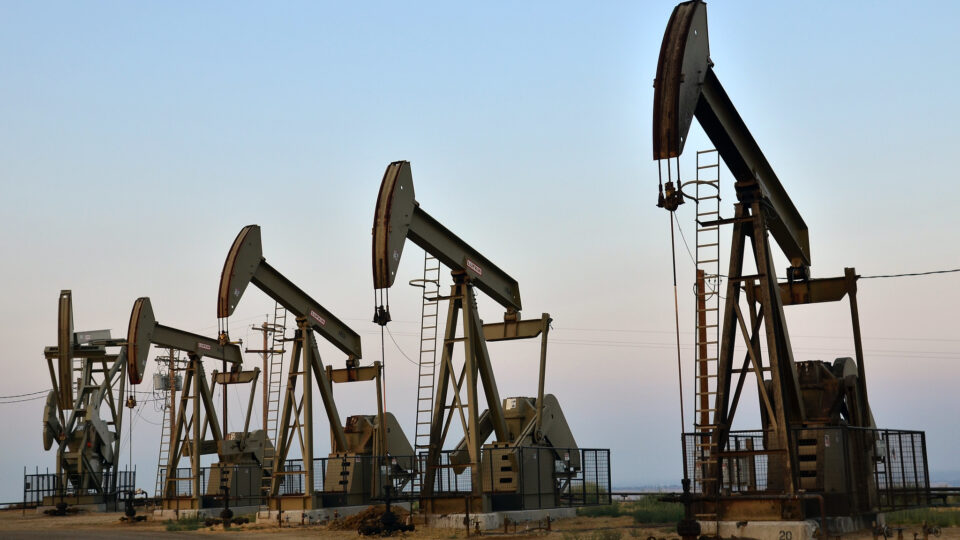
A project in Kern County, California, is making use of an abandoned oil field to create a long-term energy storage installation.  The plan is to retrofit depleted oil wells to store concentrated solar energy in superheated groundwater for long periods of time.  The stored heat can then be used to drive turbines when electricity is needed.

Some 1,200 feet below the surface of the oil field are pockets of permeable sandstone that have been emptied of the oil they previously contained.   An array of parabolic mirrors will gather solar energy that will heat silicon oil in an underground loop to 700 degrees Fahrenheit.  The oil pipeline will heat up groundwater down below.  When electricity is needed, the heated groundwater will be brought to the surface to operate turbines.

There is no new technology involved.  The individual aspects have never all been combined before, but the likelihood of success is high.  There are lots of depleted oil fields that could be used this way in the future.

**********

Web Links

Can a California Oilfield Be Retrofitted to Store Solar Energy?

Photo, posted July 18, 2017, courtesy of John Ciccarelli / BLM via Flickr.

Earth Wise is a production of WAMC Northeast Public Radio
Much more energy storage for New York

August 2, 2024 By EarthWise Leave a Comment

As solar and wind power play an ever-growing role in the electricity grid, the need for energy storage also grows.  Even if sun and wind can provide more energy than is needed at a particular time, they can’t provide it at all times.  The ability to store excess energy waiting in reserve for when the sun and wind are not providing it is essential to avoid the need for burning fossil fuels to take up the slack.

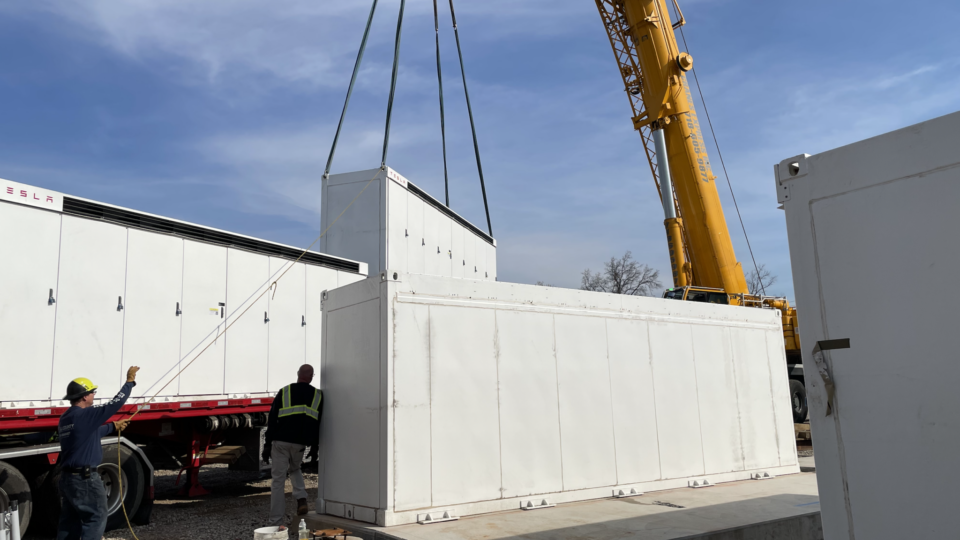
The New York State Public Service Commission has announced that it has approved a new framework for the state to have in place a nation-leading six gigawatts of energy storage by 2030.  This represents at least 20% of the peak electricity load of New York State.

An extensive set of recommendations to expand New York’s energy storage programs describe cost-effective ways to unlock the rapid growth of renewable energy across the state as well as to bolster the reliability of the grid.  The buildout of storage deployment is estimated to reduce projected future statewide electric system costs by nearly $2 billion.  New York has previously established goals to generate 70% of its electricity from renewable sources by 2030 and 100% zero-emission electricity by 2040.

The new roadmap includes programs to procure an additional 4.7 gigawatts of new energy storage projects across large-scale, retail, and residential energy storage sectors across the state.  These future procurements, when combined with the 1.3 gigawatts already being procured or under contract, will allow the State to achieve the 6-gigawatt goal by 2030.

Energy storage plays a critical role in decarbonizing the grid, reducing electricity system costs, and improving the reliability of the electricity system.

**********

Web Links

New York approves plan to add six gigawatts of energy storage by 2030

Photo courtesy of NineDot Energy.

Earth Wise is a production of WAMC Northeast Public Radio
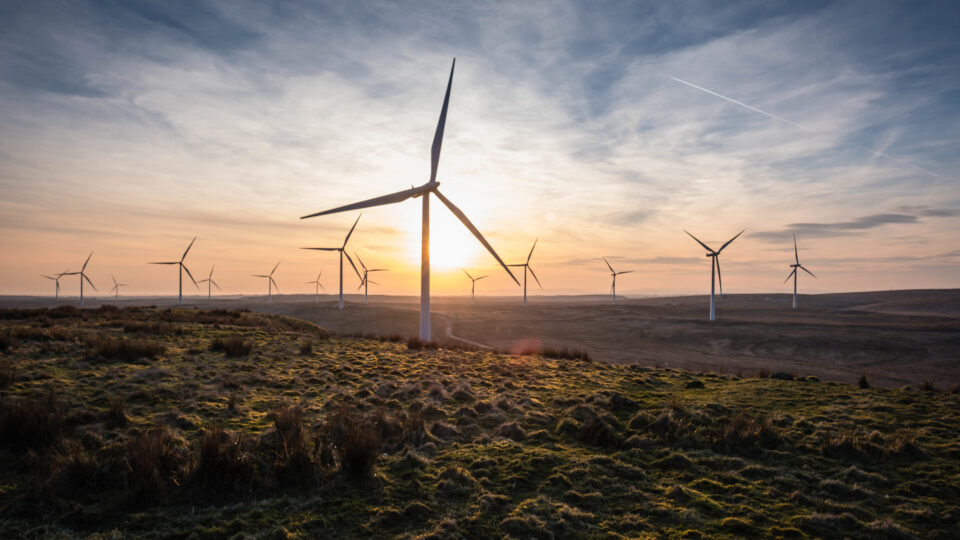
The carbon cost of wind farms

July 31, 2024 By EarthWise Leave a Comment

Reviewing the carbon cost of wind farms

Opponents of electric vehicles and renewable energy often try to make arguments to the effect that the carbon footprint associated with producing electric cars, solar panels, and wind turbines negates their advantages over legacy technologies that involve burning fossil fuels.  These arguments have been soundly refuted for the case of electric vehicles but there have been fewer studies related to other green technologies.

A new peer-reviewed study by engineers at the Te Herenga Waka Victoria University in Wellington, New Zealand, has analyzed the carbon emissions associated with wind farm operation.

The main result is that after operating for less than two years, a wind farm can offset the carbon emissions generated across its entire 30-year lifespan.   The study takes into account everything from the manufacturing of individual turbine parts, to transporting them and installing them into place, to decommissioning the entire wind farm at its life’s end.  The environmental impacts of the installation and transportation phases are important, accounting for about 10% of the overall emissions.

The decommissioning phase is also important.  The study recommended the development of a recycling process for end-of-life turbine blades.  Currently, such blades are disposed of in landfills, but a recycling process could reduce emissions.

The manufacturing of wind turbines is the primary contributor to the carbon and energy consumption footprints and continues to be the subject of efforts to be improved.

There are other aspects of wind farms that are subject to criticism including physical impacts on the local environment and various social, wildlife and economic impacts.  But with respect to carbon emissions, wind farms are a winning strategy.

**********

Web Links

Wind Farms can Offset Their Emissions Within Two Years, New Study Shows

Photo, posted April 2, 2017, courtesy of Ian Dick via Flickr.

Earth Wise is a production of WAMC Northeast Public Radio
Minerals from seawater

June 27, 2024 By EarthWise Leave a Comment

Using the minerals from desalination plants

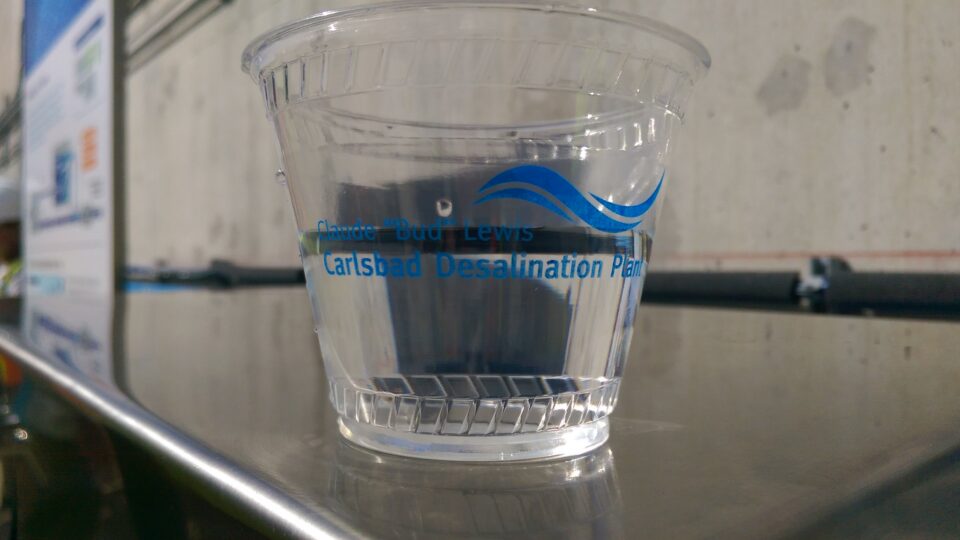
There are about 18,000 desalination plants around the world that take in 23 trillion gallons of water each year.  The plants produce more than 37 billion gallons of brine – enough to fill 50,000 Olympic-size swimming pools – every day.  Disposing of this brine is an ongoing challenge.  Dumping it into the ocean can damage marine ecosystems.  Inland desalination plants either bury this waste or inject it into wells, adding further cost and complexity to the already expensive process of desalination.

According to researchers at Oregon State University, this waste brine contains large amounts of copper, zinc, magnesium, lithium, and other valuable metals.  A company in Oakland, California called Magrathea Metals has started producing modest amounts of magnesium from waste brine in its pilot projects.  With support from the U.S. Defense Department, it is building a larger-scale facility to produce hundreds of tons of the metal over two to four years. 

Most of the world’s magnesium supply comes from China, where producing it requires burning lots of coal and utilizing lots of labor.  Magrathea’s brine mining makes use of off-peak wind and solar energy and is much less labor intensive.

No large-scale brine mining operations currently exist and when there are some, they might end up having negative environmental impacts.  But in principle, the process should produce valuable metals without the massive land disturbance, acid-mine drainage, and other pollution associated with traditional mining.  Brine mining could turn a growing waste problem into a valuable resource.

**********

Web Links

In Seawater, Researchers See an Untapped Bounty of Critical Metals

Photo, posted February 18, 2017, courtesy of Jacob Vanderheyden via Flickr.

Earth Wise is a production of WAMC Northeast Public Radio
California renewable energy

June 12, 2024 By EarthWise Leave a Comment

Renewable energy in California exceeding 100% of energy demand

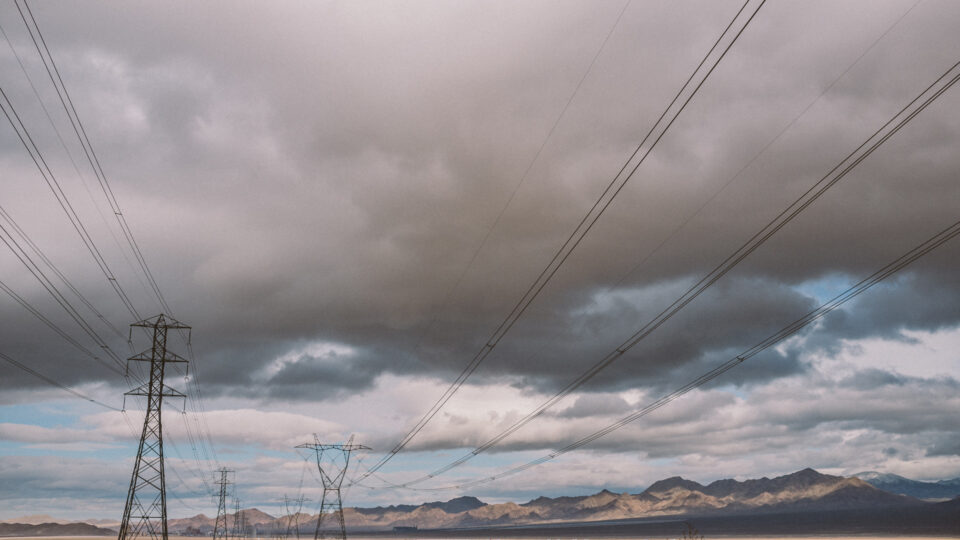
California has aggressively pursued the use of renewable energy, particularly solar and wind power.  Last year, renewables supplied 54% of the state’s electricity needs.  This year, California has been achieving some remarkable milestones with its renewable energy.

As of May 26th, California had produced more than 100% of its electricity demand with wind, solar, and hydropower for parts of 51 straight days and 75 out of 81 days.  On May 25th, California’s grid ran entirely on renewable energy for 10.1 straight hours and renewables provided 83% of the state’s electricity for the entire 24-hour period.  California uses more electricity than any other state apart than Texas, which uses more than half its energy for operating refineries and petrochemical plants.

Excess power in California is either exported to other states or is used to charge up the state’s growing arrays of energy storage batteries.  California has the largest grid-connected battery storage facility in the world, located in Kern County.  The facility can store nearly 3,300 megawatt-hours of energy.

The ability to produce more power than the state needs occurs during the day when the sun is shining, and when many people are not at home.  At night, demand goes up and solar power is not available.  But as the quantity of energy storage available continues to grow along with additional solar installations, California will ultimately be able to wean off of the gas-fueled power plants it predominantly uses at night.

According to some experts, California may operate entirely on renewables and battery storage as soon as 2035. 

**********

Web Links

California exceeds 100% of energy demand with renewables over a record 30 days

Photo, posted January 11, 2016, courtesy of Jared Eberhardt via Flickr.

Earth Wise is a production of WAMC Northeast Public Radio

Gravity storage on the grid

June 4, 2024 By EarthWise Leave a Comment

For the past several years, the Swiss-based company Energy Vault has been developing an energy storage system based on the principle of using mechanical devices to lift heavy concrete blocks into stacks using power generated by wind turbines or other renewable sources.  When energy is needed, the blocks are lowered back to the ground, spinning generators in the process.

The principle of storing energy in the form of gravitational potential energy is the most widely used form of energy storage in existence but usually works by pumping water into a reservoir at higher elevation and then letting the water come back down when energy is needed.

Energy Vault has built a grid-scale 100 MWh gravity storage system in Rudong China.  It has now been successfully tested with charging and discharging and has been commissioned. Pending final provincial and state approvals, it will be the world’ first commercial, utility-scale non-pumped hydro gravity energy storage system.

The Rudong project teamed Energy Vault with environmental management company CTNY and Atlas Renewable.  Energy Vault has extended its license agreement with Atlas Renewable to 15 years.  CTNY has announced plans for eight additional deployments of the Energy Vault gravity storage system across China, representing more than 3.7 GWh of energy storage.

Energy Vault’s technology has attracted a fair amount of skepticism from parts of the energy community based on the environmental burdens of concrete as well as durability issues.  It appears the technology will have significant real-world testing in China, which should provide unambiguous answers to everyone’s questions.

**********

Web Links

Energy Vault Announces Successful Testing and Commissioning of First EVx 100 MWh Gravity Energy Storage System by China Tianying, Extension of Atlas Renewable Licensing Agreement to 15 Years

Photo, posted December 21, 2018, courtesy of Nancy Winfrey via Flickr.

Earth Wise is a production of WAMC Northeast Public Radio
Offshore wind and the wake effect

May 28, 2024 By EarthWise Leave a Comment

Electricity demand in the U.S. continues to grow and, in the summer, homes and businesses crank up their air conditioning which drives demand even further.  Many East Coast cities are banking on offshore wind projects that are underway in the Atlantic Ocean to help meet that growing demand.  The first offshore turbines are now producing power off the coasts of Massachusetts and New York.

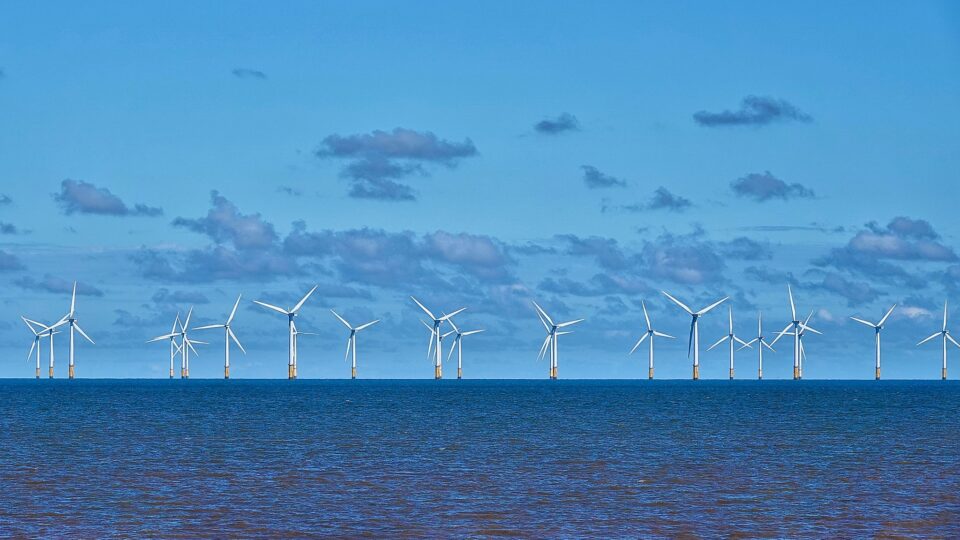
Electric power utilities need to know how much power they can get from offshore wind farms, and this is not that easy to predict.  Wind is variable, so there is some built-in uncertainty.  But there is also a phenomenon known as the wake effect to contend with.

When wind passes through a series of giant turbines, the ones in front extract some energy from the wind and, as a result, the wind slows down and becomes more turbulent behind the turbines.  So, the downstream turbines get slower wind and may produce less power.

A study by the University of Colorado has modeled this phenomenon for planned wind farms in the Atlantic Coast region and has found that power output could be reduced by over 30%.  Researchers are installing weather monitors and radar sensors in islands off the New England coast to better understand the behavior of the wind in the area and improve prediction models.

The New England grid covers Connecticut, Maine, Massachusetts, New Hampshire, Rhode Island, and Vermont. Even with the wake effect, offshore wind is predicted to be able to provide 60% of the electricity needs of the grid, but it is important to be able to accurately predict what it can produce.

**********

Web Link

How much energy can offshore wind farms in the US produce? New study sheds light

Photo, posted August 31, 2022, courtesy of Nina Ali via Flickr.

Earth Wise is a production of WAMC Northeast Public Radio
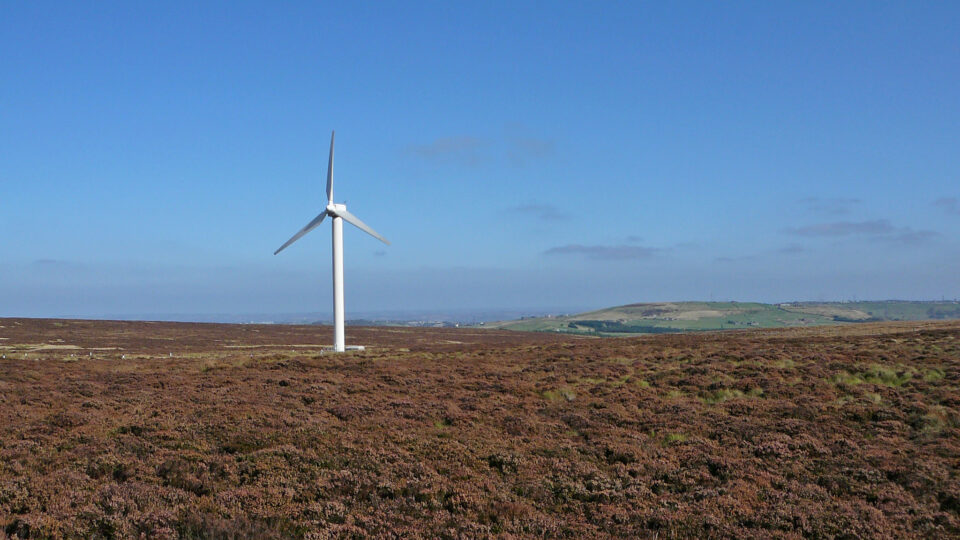
Wind farms and land use

May 20, 2024 By EarthWise Leave a Comment

Analyzing wind power and land use

Wind power has become one of the most affordable ways to generate electricity as well as being renewable and not contributing to global warming.  But there has been the perception that wind farms require a lot of land compared with fossil fuel power plants. This issue of land use has made decision-makers reluctant to invest in wind energy in many instances.

A new study by McGill University in Montreal looked at this issue and has found that land use for wind power is far more efficient than previously thought.  The study combined data from geographic information systems with machine learning models to assess land usage associated with nearly 16,000 wind turbines in the western U.S.

The study assessed the land use of 320 wind farms.  They found that wind power infrastructure (mostly the turbines themselves and the roads that lead to them) typically only uses 5% of the land area of a wind farm.  If the wind farm is sited in locations with existing infrastructure, such as on agricultural land, then it can be as much as seven times more land-efficient – meaning the amount energy produced in a given area of land impacted by the infrastructure – than a wind farm that is developed on unused land.

Previous studies of wind farm land usage assumed that all of the land where the wind farm was located was devoted to energy generation.  In reality, most of land in question is often used for other purposes, such as agriculture.

The methods developed by the researchers are potentially useable for future assessments of various energy technologies in terms of their environmental sustainability.

**********

Web Links

Clearing the air: wind farms more land efficient than previously thought

Photo, posted September 29, 2009, courtesy of Tim Green via Flickr.

Earth Wise is a production of WAMC Northeast Public Radio
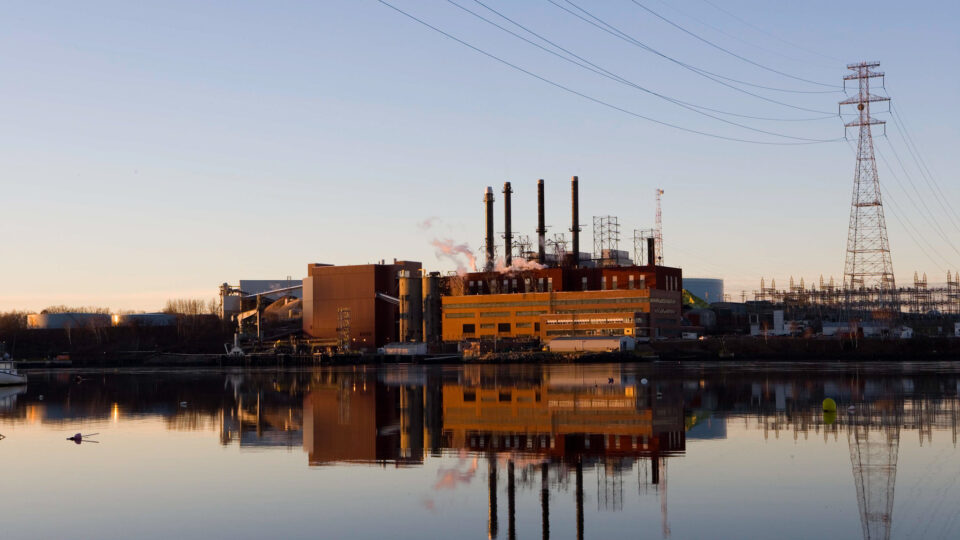
The end of coal in New England

May 3, 2024 By EarthWise Leave a Comment

Photo, posted October 14, 2015, courtesy of Eversource NH via Flickr.

The last two coal-fired power plants in New England are scheduled to close by 2025 and 2028.  The New Hampshire-based plants are operated by Granite Shore Power.  The Schiller Station plant began operations in 1949 and the Merrimack Station was built in the 1960s.

Granite Shore Power has come to an agreement with the Environmental Protection Agency as part of a settlement of lawsuits by the Conservation Law Foundation and the Sierra Club.  The two power plants were the subject of a five-year legal battle waged by clean energy advocates

Granite Shore Power intends to turn both of the sites into renewable energy parks.  The plants will be converted into solar farms and battery units that can be used to store electricity generated by offshore wind turbines along the Atlantic Coast.  Granite Shore Power bought the two power plants in 2018 with the intention of transitioning the coal generation systems into less polluting operations.

The battery storage system at the Schiller Station site in Portsmouth will be named the Jacona II in honor of a self-propelled floating power barge that brought power to parts of Maine and New Hampshire between 1919 and 1930.

Coal use has dropped dramatically in the United States in recent years as natural gas and renewable sources like wind and solar have become less expensive.  As of last year, coal only produced about 17% of American electricity and its use continues to decline. 

Coal is the dirtiest fossil fuel.  In 2021, when it generated less than a quarter of the electricity produced in the US, it accounted for 59% of carbon emissions from electricity generation.

**********

Web Links

The Last Coal-Fired Power Plants in New England Are to Close

Photo, posted October 14, 2015, courtesy of Eversource NH via Flickr.

Earth Wise is a production of WAMC Northeast Public Radio

The world’s largest energy plant

April 19, 2024 By EarthWise Leave a Comment

The largest energy plant in the world is being built in India.  In an area of barren desert in western India near the Pakistani border, Adani Green Energy Limited (or AGEL) is building a sprawling solar and wind power plant that will cover more than 200 square miles.  It will be five times the size of Paris and will produce enough electricity to power 16 million homes.

The Khavda Renewable Energy Park will cost about $20 billion to build and will take about five years to complete.

The success of the plant is critical to India’s efforts to reduce pollution and meet its climate goals.  India is the world’s third-largest energy consuming country.  Even though its energy use and emissions per person are less than half the global average, its enormous population offsets that advantage and its expanding economy and ongoing modernization are driving rapid growth of energy demand.  Energy demand has doubled since 2000 and 80% is still being met by coal, oil, and solid biomass.  India uses massive amounts of coal, and, in fact, the Adani Group of companies is India’s biggest coal importer and a leading miner of the fossil fuel.   Adani represents two sides of the coin.

More than 600 million people in India will be coming into middle and upper income over the next 10 to 15 years and they will have increasing energy needs.  India is in a race to develop clean energy capacity.  If it simply follows the torturous path that China, Europe, and US all have done, the prospects for the global climate are bleak.

Building the world’s largest clean energy plant is just a first small step in the necessary direction.

**********

Web Links

A coal billionaire is building the world’s biggest clean energy plant and it’s five times the size of Paris

Photo, posted February 25, 2010, courtesy of Bhavin Toprani via Flickr.

Earth Wise is a production of WAMC Northeast Public Radio
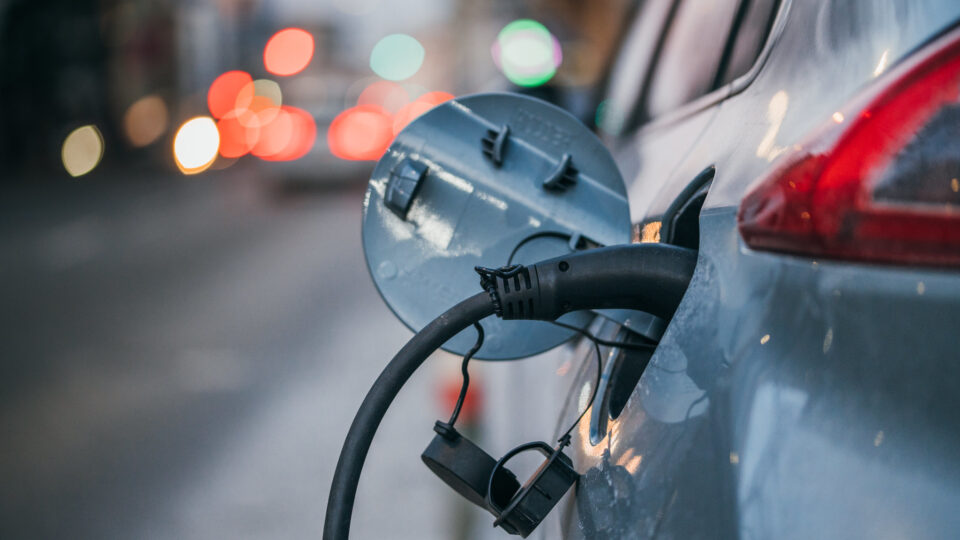
Lithium in Arkansas

April 11, 2024 By EarthWise Leave a Comment

New method being explored to tap lithium deposits in Arkansas

There are more and more electric cars on the road and utilities are installing record amounts of battery storage to back up solar and wind power generation.  Both of these things currently use lithium-ion batteries so the need for them keeps growing.

There is actually plenty of lithium in the world.  Sources of more than 100 million tons have been identified, which is enough to meet the projected needs for decades.  But lithium is not easy, cheap, or environmentally friendly to extract.  It is either blasted out of rocks that are then roasted at 2000-degree temperatures, or it is extracted from brine in places like the high Andes where it leaves behind toxic residues.  Ramping up lithium production could greatly diminish the environmental benefits derived from green technologies.

A technique called direct lithium extraction, or DLE, may be a possible solution.  The lithium is pulled out of brine while leaving other dissolved compounds behind.  It is being tested in many places around the world and appears to offer the lowest negative impacts of available extraction technologies.

The Salton Sea area in California has rich deposits of lithium and is a good candidate for DLE.  But conditions may be even better in Arkansas whose Smackover Formation is a brine-rich expanse of limestone. 

The area was a productive oil field a hundred years ago and then undertook brine-processing in the 1950s to extract bromine.  So, the area already has industrial infrastructure and no new land would need to be cleared.

The former oil fields of Arkansas may become an important domestic source of lithium.

**********

Web Links

In Rush for Lithium, Miners Turn to the Oil Fields of Arkansas

Photo, posted February 26, 2021, courtesy of Ivan Radic via Flickr.

Earth Wise is a production of WAMC Northeast Public Radio
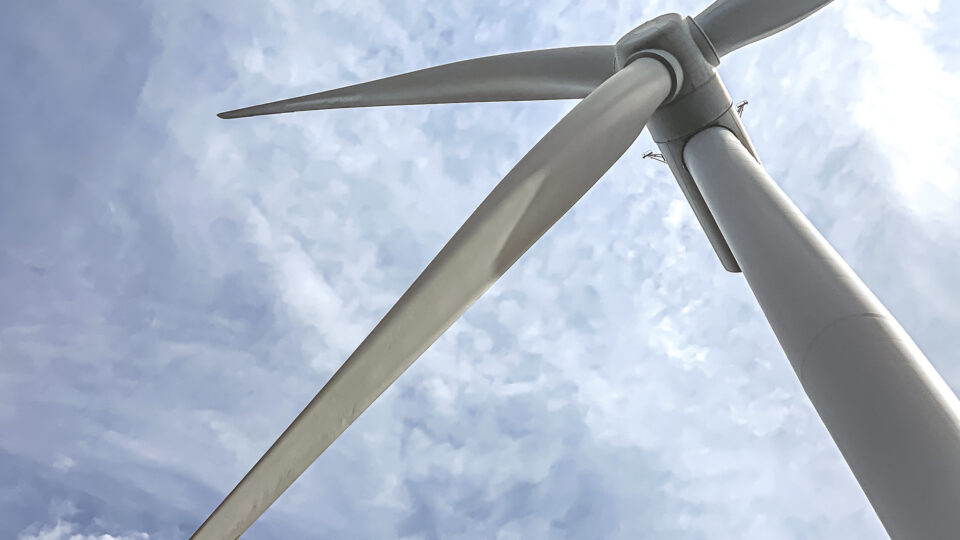
Progress on offshore wind in New York

April 1, 2024 By EarthWise Leave a Comment

New York has now conditionally awarded two offshore wind projects that will move towards operation in 2026.  The projects, totaling more than 1,700 megawatts of power, will be the largest power generation projects in New York state in more than 35 years.  It is an important milestone toward achieving the state’s goal of developing 9,000 megawatts of offshore wind by 2035.

Empire Wind I, located 15 miles southeast of Long Island, and Sunrise Wind, located more than 30 miles east of the eastern point of Long Island, have already completed most federal and state permitting requirements.  Empire Wind I received final approval of their Construction and Operation Plan from the Bureau of Ocean Energy Management in late February.

Both projects are expected to ramp up construction activity this year.  Previous awards by NYSERDA for the projects in 2019 included contract provisions for specific economic benefits to New York communities and commitments for purchasing iron and steel from American sources.   Empire Wind I is being developed by Equinor, an international energy company headquartered in Norway.  Sunrise Wind, originally a joint project by Ørsted and Eversource, is now solely being developed by Ørsted, a global energy company based in Denmark.

Following successful execution of the contracts for the two projects, NYSERDA payments under these awards will only begin once the projects have obtained all required permits and approvals, the construction has been completed, and the projects begin delivering clean energy to New York.

**********

Web Links

New York selects Empire Wind I and Sunrise Wind offshore projects

Photo, posted June 14, 2022, courtesy of Lissa Eng / BOEM via Flickr.

Earth Wise is a production of WAMC Northeast Public Radio
A surprising drop in renewable power

March 28, 2024 By EarthWise Leave a Comment

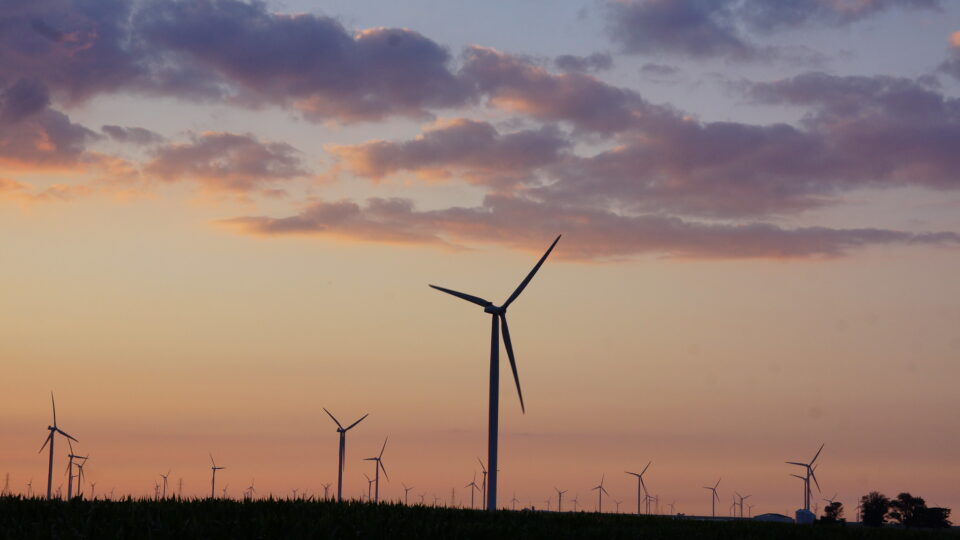
Renewable power generation dropped in 2023

Renewable power – which includes wind farms, solar farms, and hydroelectric dams – constitutes over 21% of the country’s utility-scale electricity generation, behind only natural gas power plants at 43%.  Nuclear power provides nearly 19% of our electricity and coal, which is gradually diminishing, is at 16%.

Both solar and wind power capacity have been growing rapidly in recent years and will be providing an increasing percentage of our electricity.  That being said, it turns out that utility-scale renewable electricity generation actually decreased slightly in 2023 as a result of weather-related issues.

Utility-scale renewables generated about 894,000 gigawatt hours of energy last year, which was 0.8% less than the record amount generated in 2022.

The reasons?  The biggest factor was slower wind speeds in the Midwest during the warmer weather months.  In 2023, there were fewer warm fronts and cold fronts passing through the region.  The passage of fronts is often associated with wind and precipitation. 

The other factor affecting renewable generation was a 5.9% drop in hydropower in 2023.  The main reason for the decrease was a drop in water levels at many hydroelectric dams in areas experiencing drought.

Experts explain that there is no reason to overreact to a one-year blip in renewables generation.  All three major sources of power – sun, wind, and hydroelectric – are tied to natural forces and all of them fluctuate over time.  Putting aside minor variations year-over-year, renewable electricity is on pace to more than double by the end of this decade.

**********

Web Links

Federal Data Reveals a Surprising Drop in Renewable Power in 2023, as Slow Winds and Drought Took a Toll

Photo, posted July 5, 2014, courtesy of Patrick Finnegan via Flickr.

Earth Wise is a production of WAMC Northeast Public Radio
Record renewable energy in Scotland

March 1, 2024 By EarthWise Leave a Comment

Record renewable energy in Scotland

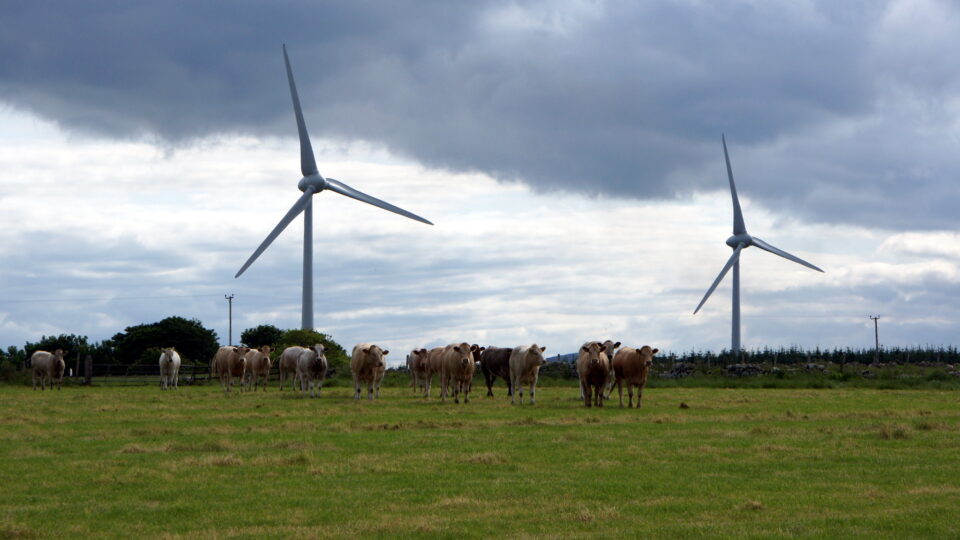
The Scottish government recently announced that in 2022, renewable technologies in that country produced the equivalent of 113% of Scotland’s electricity consumption.

Fossil fuels still supplied electricity in Scotland, helping to fill in gaps in renewable power, but the government figures showed that the growing amount of Scottish renewable generation can easily generate more power than the country uses.  Scotland has seen significant growth in wind power as well as a small drop in overall electricity consumption.

Scotland, with a population of only 5.5 million, aims to produce enough renewable power to both meet its own demand and export clean electricity to other countries.  The U.K. is the obvious potential customer, but it will need to upgrade its national power grid and develop enough capacity to store up surplus wind and solar power.

The U.K. itself is drawing less power from natural gas and coal than it has at any point in the last 66 years.  Fossil fuels supplied only 33% of British electricity in 2023 while renewables supplied 43%. 

Fossil power use in Britain peaked in 2008.  Since then, power from natural gas has fallen nearly in half while coal power has dropped by 97%.  The U.K. has aggressive decarbonization goals in place, but the current Conservative government under Prime Minister Sunak has recently set about weakening British climate policy.

Meanwhile, the Scottish government is talking about becoming a global renewables powerhouse and is making investments aimed at achieving it.

**********

Web Links

Record renewable energy output

Photo, posted July 21, 2010, courtesy of Martin Abegglen via Flickr.

Earth Wise is a production of WAMC Northeast Public Radio
Fusion energy

February 29, 2024 By EarthWise Leave a Comment

Nuclear fusion is the process that powers the sun.  Two atoms of hydrogen unite to form one helium atom and release energy in the process.  Hydrogen bombs work in this way and since their development in the 1950s, scientists have sought a way to use fusion to generate electricity.  Many scientists believe that the key to a fully decarbonized future is a combination of solar, wind, and fusion power.

Nuclear fusion does not involve radioactivity and thus does not have the dangers associated with the nuclear fission used in existing power plants.  Over the decades, billions of dollars have gone into fusion research, but the challenges faced in peacefully triggering a fusion reaction have made success always seem to be extremely far off in the future.

The world’s largest fusion project – the International Thermonuclear Experimental Reactor or ITER – was initiated in 1985.  The project involves 35 countries, and the reactor, still under construction in France, has yet to deliver any tangible results.

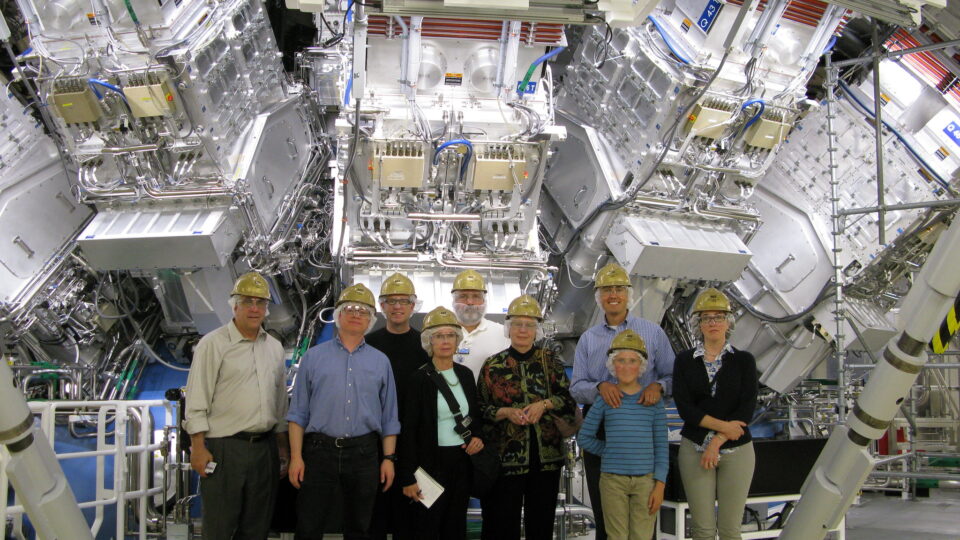
In the past couple of years, there have been important demonstrations of new and different ways to create nuclear fusion.  A system using laser fusion achieved fusion ignition, in which a reaction briefly became self-sustaining.  A system using magnetic confinement fusion produced a plasma that generated 11 megawatts of power for a world-record five seconds.

There are more than 30 companies competing in the race to deliver fusion energy.  Governments and private investors are funding efforts around the world.  Whether any of them will succeed remains to be seen.  The challenges are immense but so are the potential rewards.

**********

Web Links

Will Tech Breakthroughs Bring Fusion Energy Closer to Reality?

Photo, posted July 31, 2010, courtesy of Steve Jurvetson via Flickr.

Earth Wise is a production of WAMC Northeast Public Radio
A giant underground battery

February 5, 2024 By EarthWise Leave a Comment

Building a giant underground battery

Two up-and-coming energy technologies are coming together near a tiny town in central Utah.  Outside of the town of Delta, population 3,600, two caverns, each as deep as the Empire State Building, are being created from an underground salt formation to be used to store hydrogen gas.  The gas will be used as a fuel in a new electricity generation plant.

The plant will replace an aging local coal-fired power plant.  The new plant will burn a mixture of natural gas and hydrogen – green hydrogen produced without emitting greenhouse gases. To produce the hydrogen, the facility will operate 40 giant electrolyzers that will use excess solar and wind power generated at times of low demand to split water molecules into hydrogen and oxygen.

The caverns were created by a process called solution mining in which high-pressure water is pumped down into salt deposits that are dissolved. The resulting caverns are 200 feet in diameter and 1,200 deep and lie 3,000 to 4,000 feet below the surface.  Hydrogen cannot escape through the thick salt layers.

The amount of energy that can be stored in the form of hydrogen fuel in these caverns is massive – far more than all the battery storage installed in the U.S. to date.  Chevron has a majority stake in one of the projects and will supply the natural gas.  The facility is expected to go online in 2025.

While this will produce far fewer emissions than existing coal plants, it is not carbon-free.  Currently, turbine technology cannot operate with pure hydrogen fuel.  The Delta plant will run on only 30% hydrogen.  The hope is that turbine technology will improve in the future and permit operation on pure hydrogen.

**********

Web Links

A Huge Underground Battery Is Coming to a Tiny Utah Town

Photo, posted September 9, 2013, courtesy of Scott via Flickr.

Earth Wise is a production of WAMC Northeast Public Radio
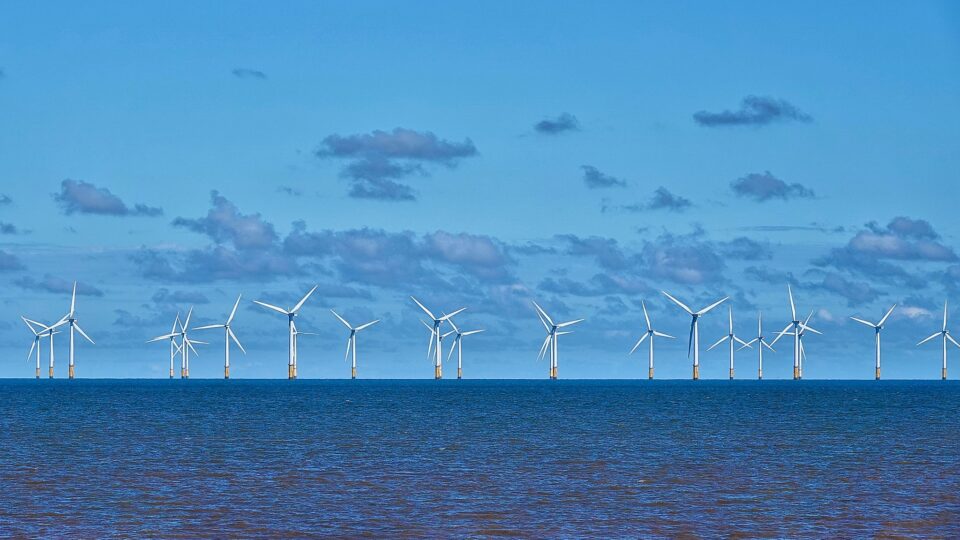
Offshore wind in Massachusetts

February 1, 2024 By EarthWise Leave a Comment

Offshore wind power in the United States at last

On January 2nd, the first large offshore wind farm in New England started producing electricity when its first turbine came online.  The Vineyard Wind project, located off the coast of Martha’s Vineyard, will by the end of the year have a total of 62 turbines with a capacity of 800 megawatts, enough electricity to power 400,000 homes.

Power finally flowing from Vineyard Wind is an important milestone for an industry that has struggled to get going.  It is the second utility-scale offshore wind farm in the U.S. to begin generating electricity.  The South Fork Wind project off the coast of New York began producing power in December.  That project will eventually produce 132 megawatts of electric power.

The offshore wind industry in the U.S. has faced some difficulties in recent times.  A combination of rising costs, high interest rates, supply chain delays, and incidents of local opposition have created headwinds.  Developers for several large planned windfarms in the northeast have terminated contracts because of inflation and high interest rates.  The second phase of Empire Wind, located southeast of Long Island, has been at least temporarily shelved awaiting more favorable contract terms.

To fight climate change, many Eastern states are hoping to install dozens of large wind farms in the Atlantic that can generate electricity without emitting greenhouse gases.  But as a result of the recent project cancellations, analysts are now projecting that U.S. offshore wind capacity in 2030 will likely be about a third less than previously predicted.

So far, the United States remains far behind Europe, which has already installed more than 32,000 megawatts of wind capacity in its waters.

**********

Web Links

Massachusetts Switches On Its First Large Offshore Wind Farm

Photo, posted August 31, 2022, courtesy of Nina Ali via Flickr.

Earth Wise is a production of WAMC Northeast Public Radio
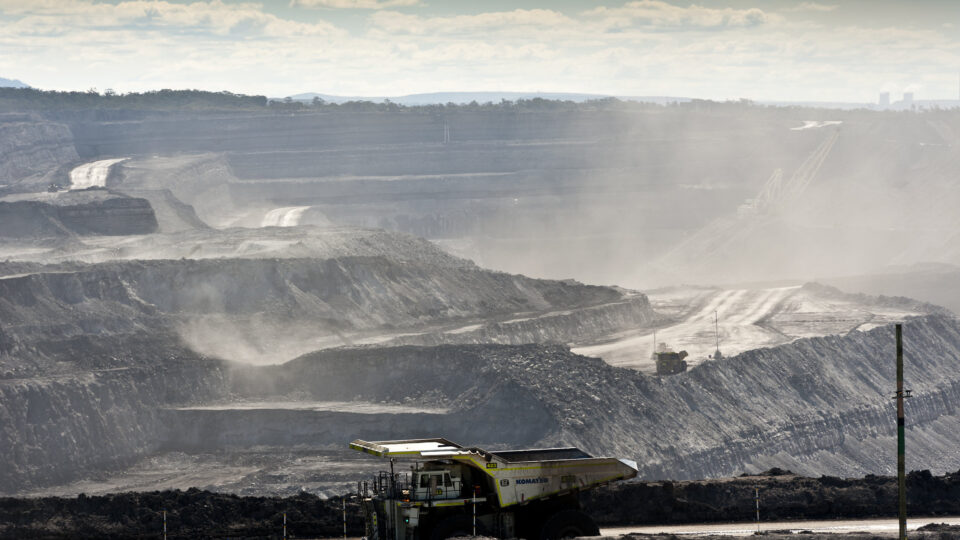
The slow decline of coal

January 25, 2024 By EarthWise Leave a Comment

Despite the fact that coal is the dirtiest and most climate-harmful energy source we have, the global demand for it hit a record high in 2023. The demand for coal grew by 1.4% worldwide, according to an analysis by the International Energy Agency.

Coal use grew by 5% in China and 8% in India.  The two countries are the world’s largest producers and consumers of coal.  Meanwhile, coal use in the U.S. and the European Union fell by 20%.

Despite this discouraging news, the IEA forecasts that coal use will decline over the next two years.  There have been declines in coal demand a few times before, but they were driven by unusual events such as the collapse of the Soviet Union and the Covid-19 crisis.  But the IEA says that the forthcoming decline is different.  It will be driven by the formidable and sustained expansion of clean energy technologies.

According to the IEA, global coal demand will fall by 2.3% by 2026 even in the absence of new policies to curb coal use.  Forces at play will be increased hydropower in China as it recovers from drought and puts new wind and solar projects online.  China is responsible for more than half of global coal demand, but it is also responsible for more than half of the planned renewable power projects coming online over the next three years.  Experts believe that with these forthcoming projects, Chinese emissions may have peaked in 2023.

The projected drop in coal demand is still far short of what is required for the world to avoid catastrophic warming.  Much greater efforts are needed to meet international climate targets.

**********

Web Links

After a Record 2023, Coal Headed for Decline, Analysts Say

Photo, posted August 25, 2015, courtesy of Jeremy Buckingham via Flickr.

Earth Wise is a production of WAMC Northeast Public Radio

  • « Go to Previous Page
  • Page 1
  • Page 2
  • Page 3
  • Page 4
  • Interim pages omitted …
  • Page 13
  • Go to Next Page »

Primary Sidebar

Recent Episodes

  • An uninsurable future
  • Clean energy and jobs
  • Insect declines in remote regions
  • Fossil fuel producing nations ignoring climate goals
  • Trouble for clownfishes

WAMC Northeast Public Radio

WAMC/Northeast Public Radio is a regional public radio network serving parts of seven northeastern states (more...)

Copyright © 2026 ·