wind
Is Coal Coming Back?
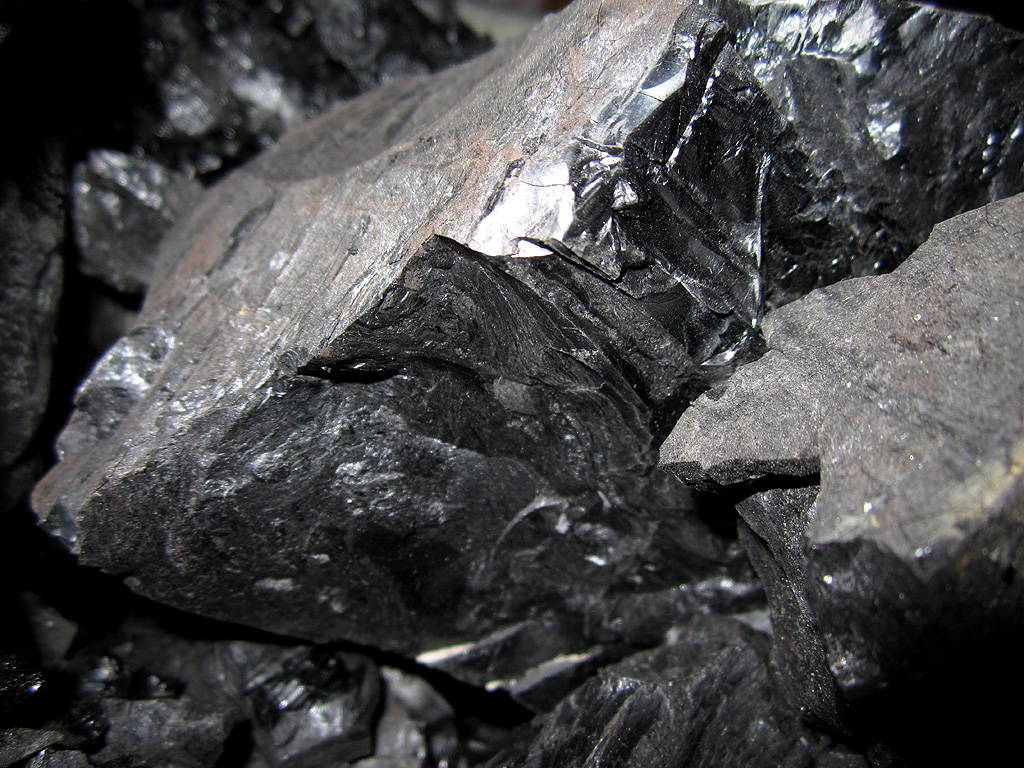
The new administration has promised to revitalize the coal industry in the U.S. A major part of this plan is to eliminate various regulations that hamper that industry. But the truth is that coal has lost ground for far more important reasons than regulation.
Storing Energy In An Old Mine
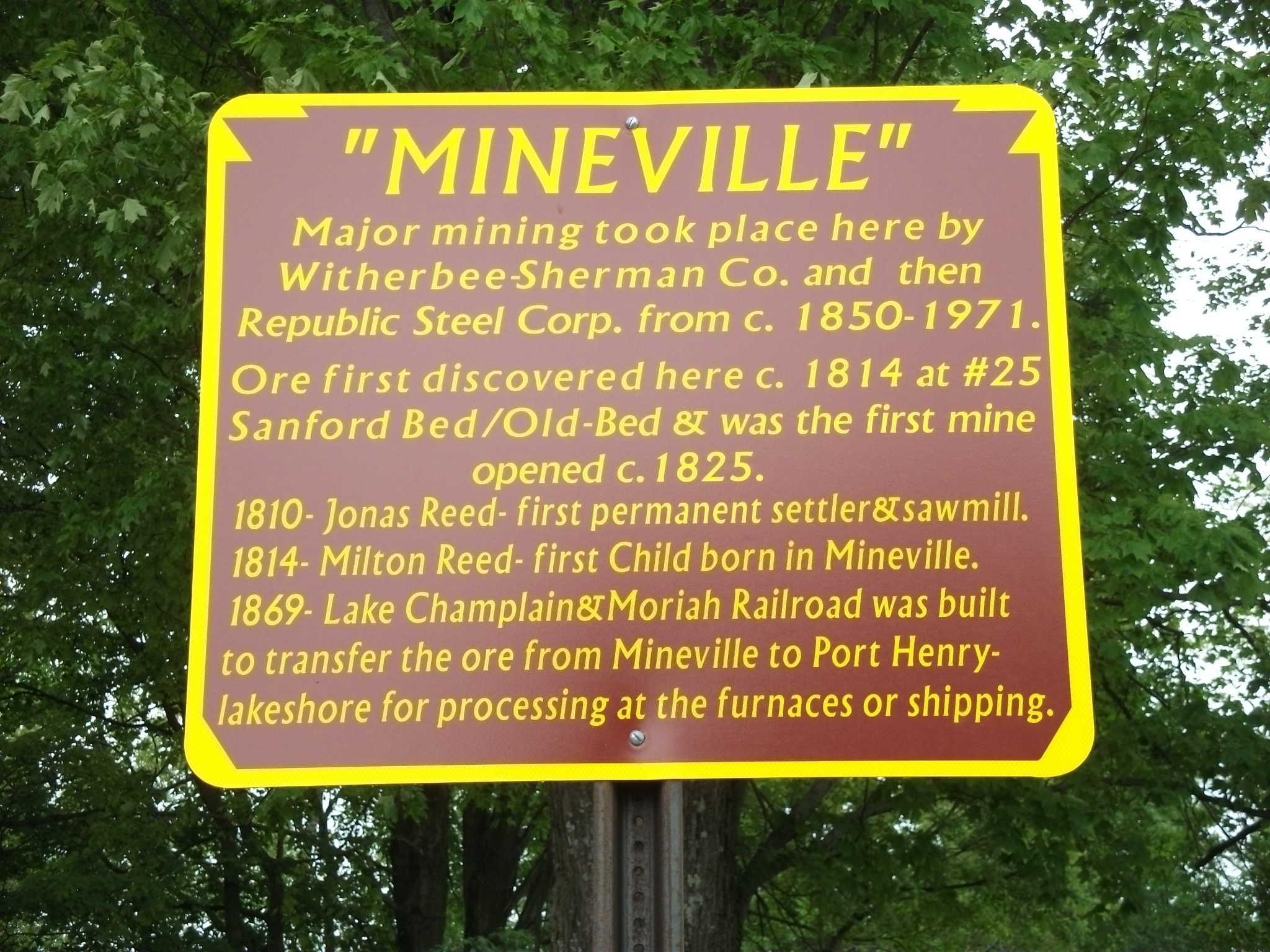
An abandoned, centuries-old iron mine in the Adirondacks about 100 miles north of Albany, New York may become the site of a new hydroelectric energy storage system. The mine in the tiny hamlet of Mineville near Moriah, New York contributed iron for the first naval battle of the Revolutionary War that took place on Lake Champlain. The mine hasn’t been used in over 45 years.
Giant Wind Turbines
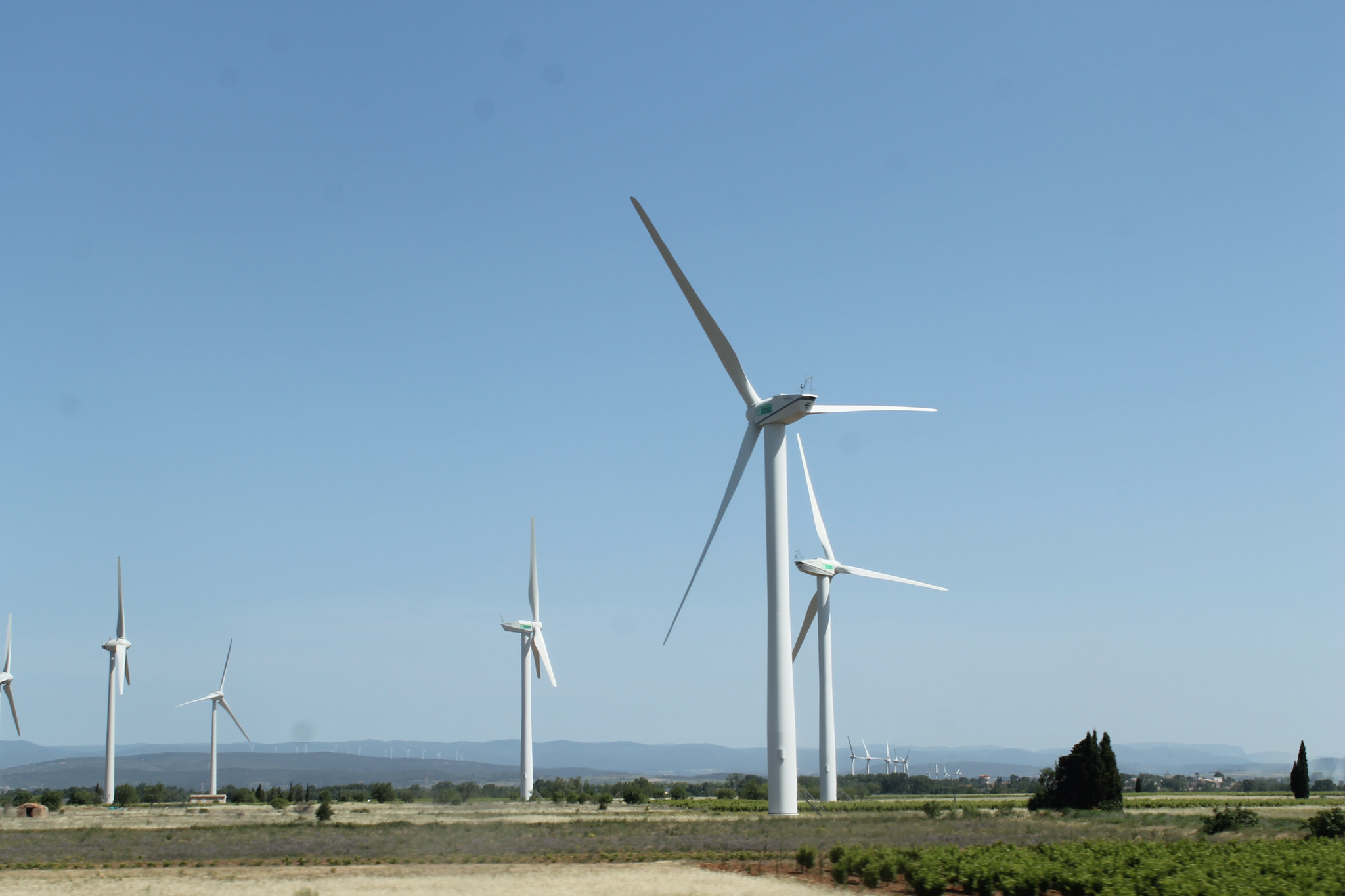
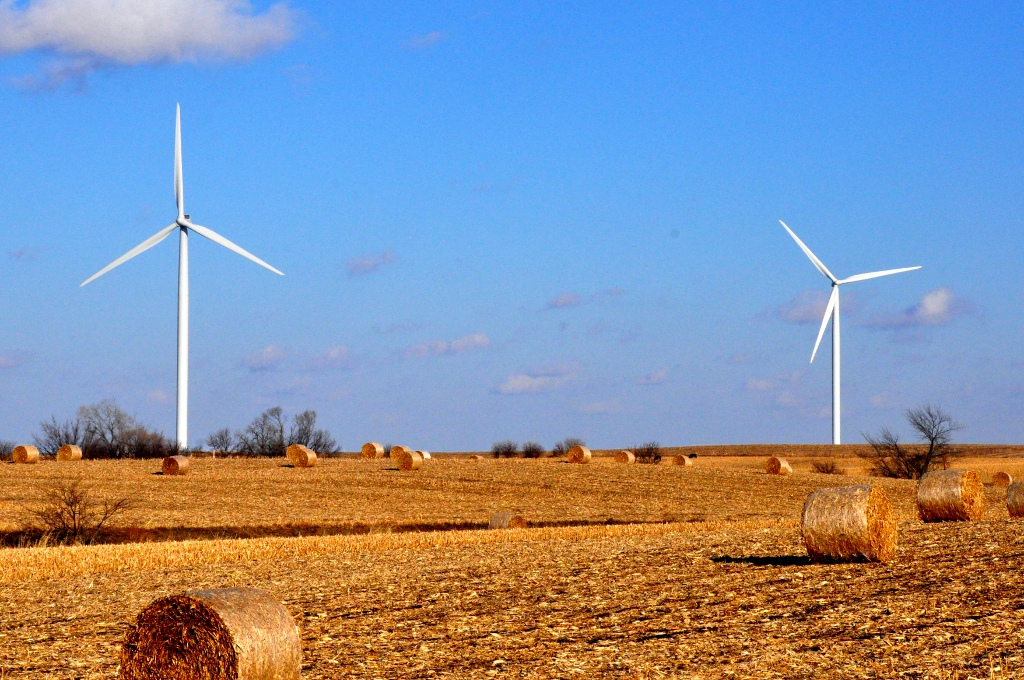
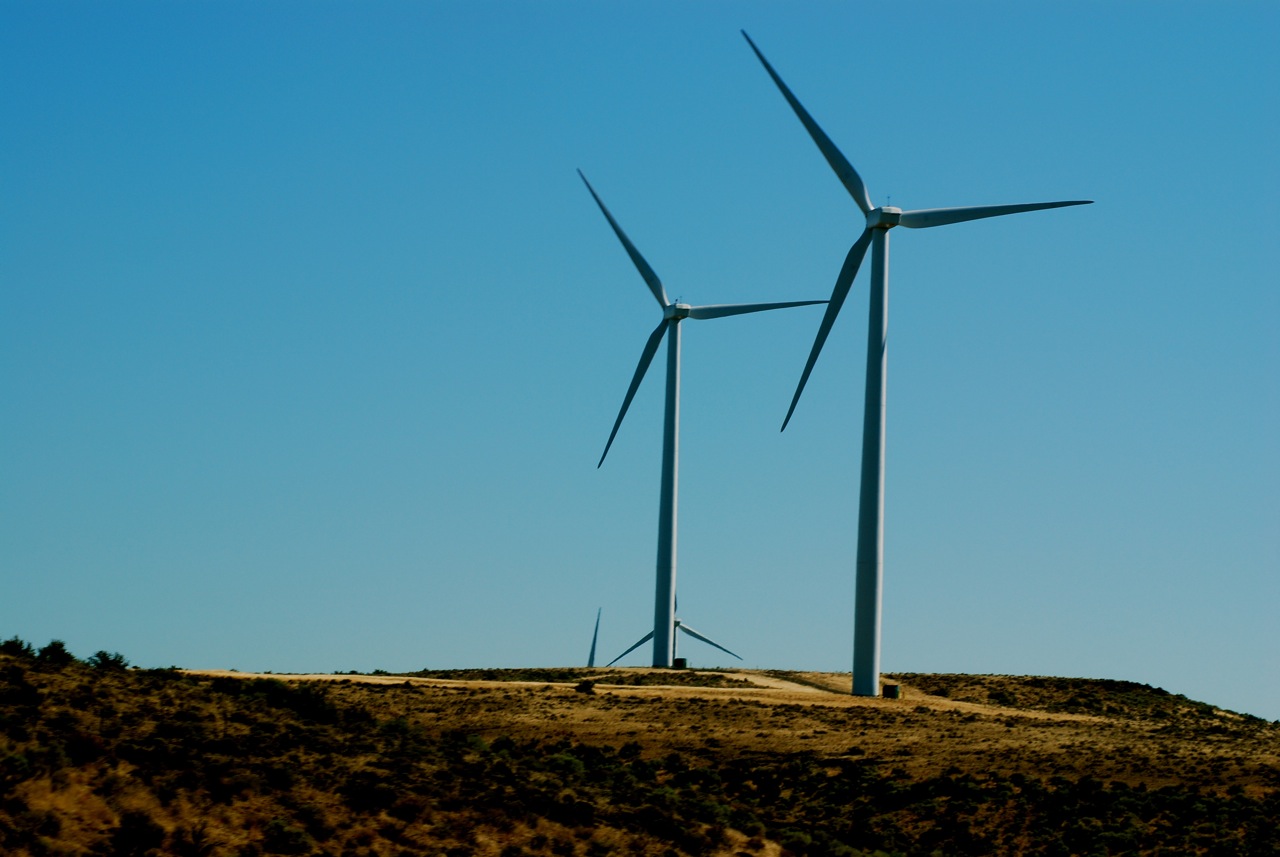
Wind turbines have been getting bigger and bigger over the years. The reason is that bigger blades produce more power and give much more bang for the buck. A big part of the plummeting price of wind power is the increasing amount of power produced by each turbine.
China As Climate Leader
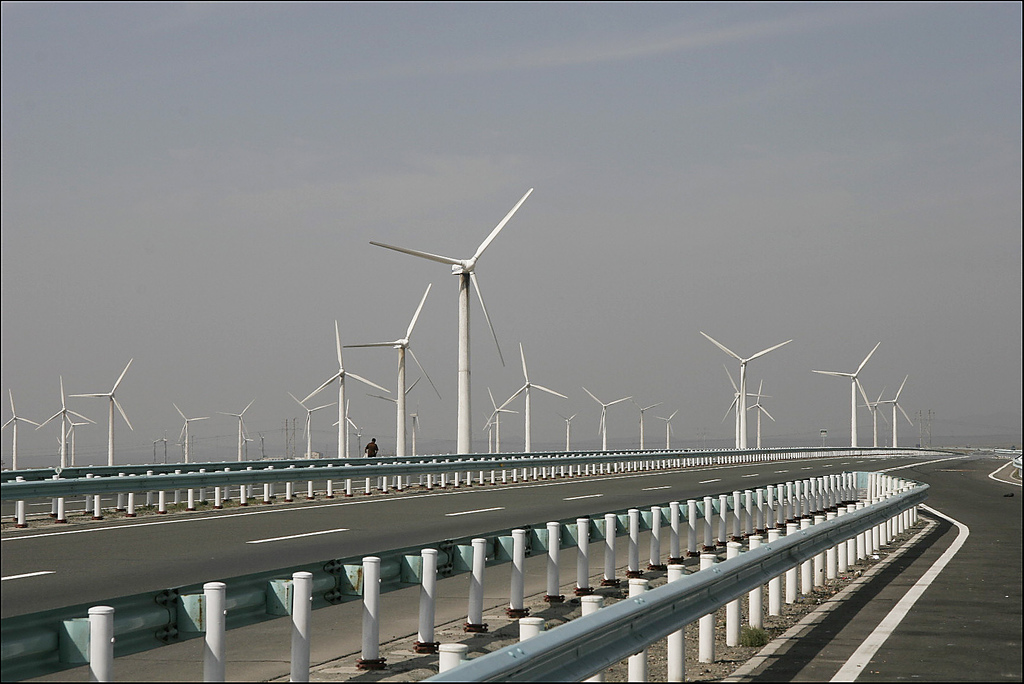
China and the United States today produce nearly half of the world’s carbon emissions, so the fight against global climate change depends greatly upon what actions the two countries take. China has undergone a dramatic transformation over the past twenty years from a largely rural society to one that is far more urbanized and far more energy intensive. In 1997, when the Kyoto Protocol on climate was negotiated, China was only responsible for 14% of global CO2 emissions. It then surpassed the US on that front in less than 10 years and now accounts for nearly 30% of the world’s emissions.
Floating Wind
Offshore wind power can supply a significant amount of energy to our hungry grid. In many places in Europe, it is doing just that. Here in US, it is just starting to be used in some places in the Northeast, with the first small offshore wind farm coming on line off the coast of Rhode Island.
Offshore Wind In Europe
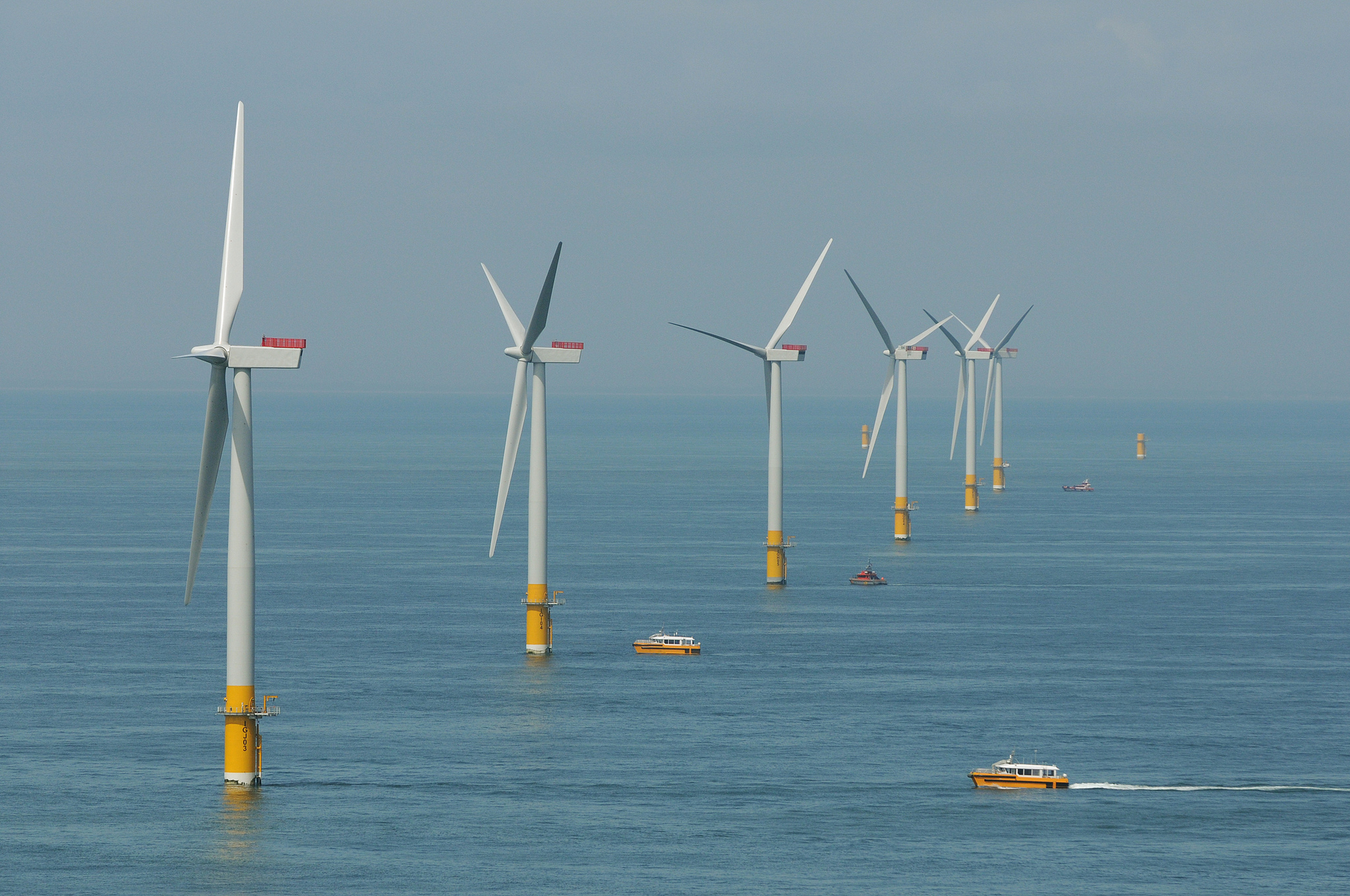
The U.S. has just turned on its first offshore wind farm off the coast of Rhode Island. In the meantime, offshore wind continues to grow by leaps and bounds in Europe. Wind energy in the European Union accounts for 12% of its electricity supply. Until 2011, offshore wind comprised only 5-10% of the newly-installed wind energy capacity; now it about one third of the new installations.
Renewable Energy As Art
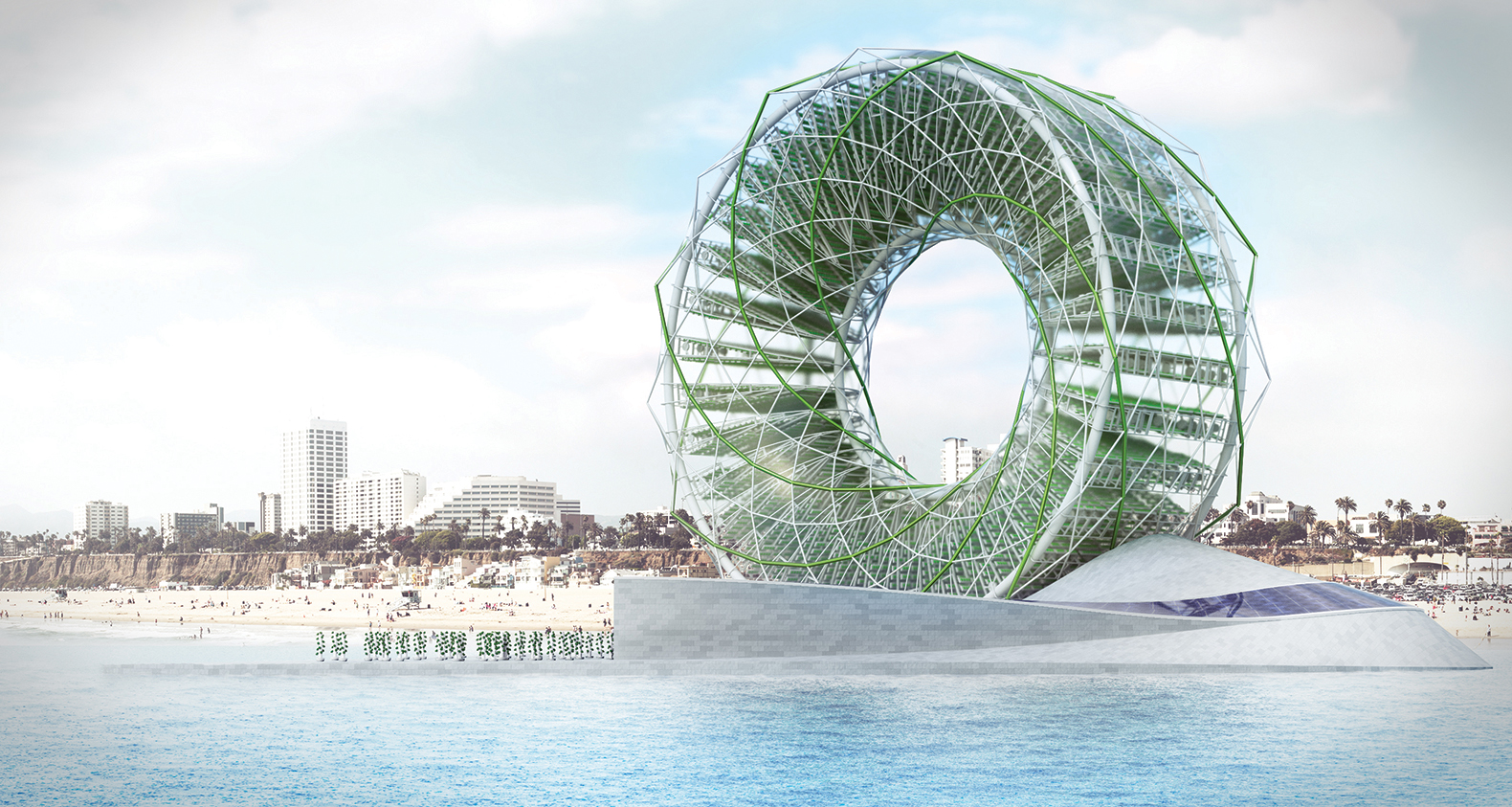
When we think about the visual impact of energy plants, we usually envision ugly smokestacks belching out toxic fumes. Of course, many people also consider wind turbines to be eyesores and even solar panels are often viewed unfavorably from an aesthetic point of view.
Kite Power
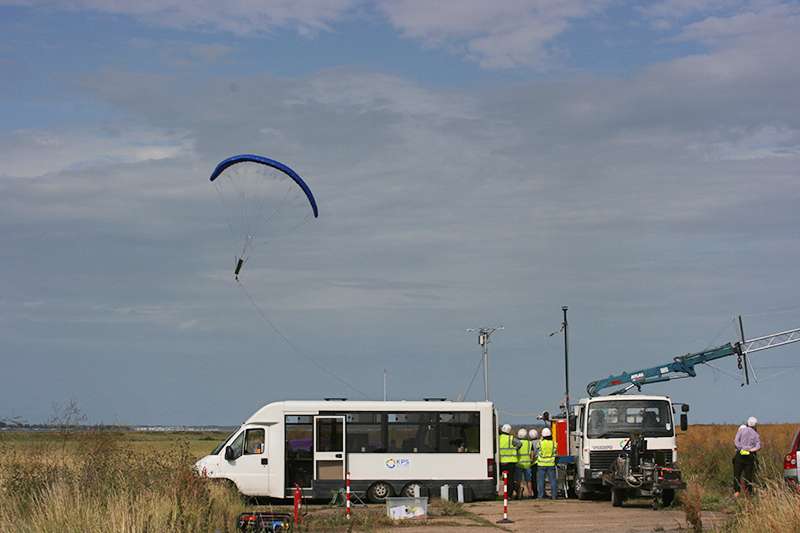
Wind power is a growing contributor to the energy grid but it has its limitations. Wind turbines need to be located in windy places and the structures are big, get in the way of things, and are rather costly.
A Blueprint For Offshore Wind In N.Y.
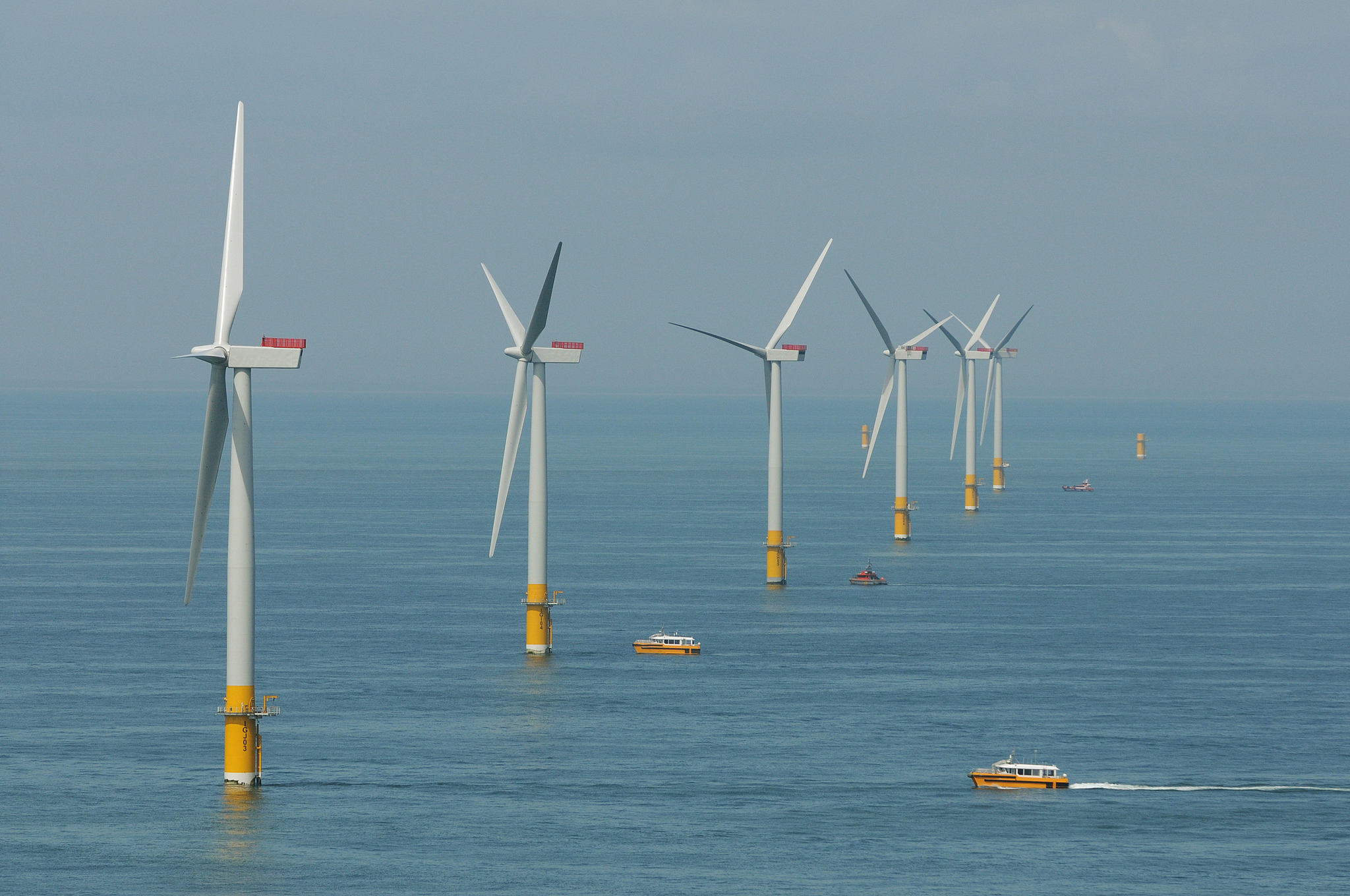
The Cuomo Administration recently released the New York State Offshore Wind Blueprint, a plan to advance the development of offshore wind along New York’s coastline.
The Economics Of Renewable Energy
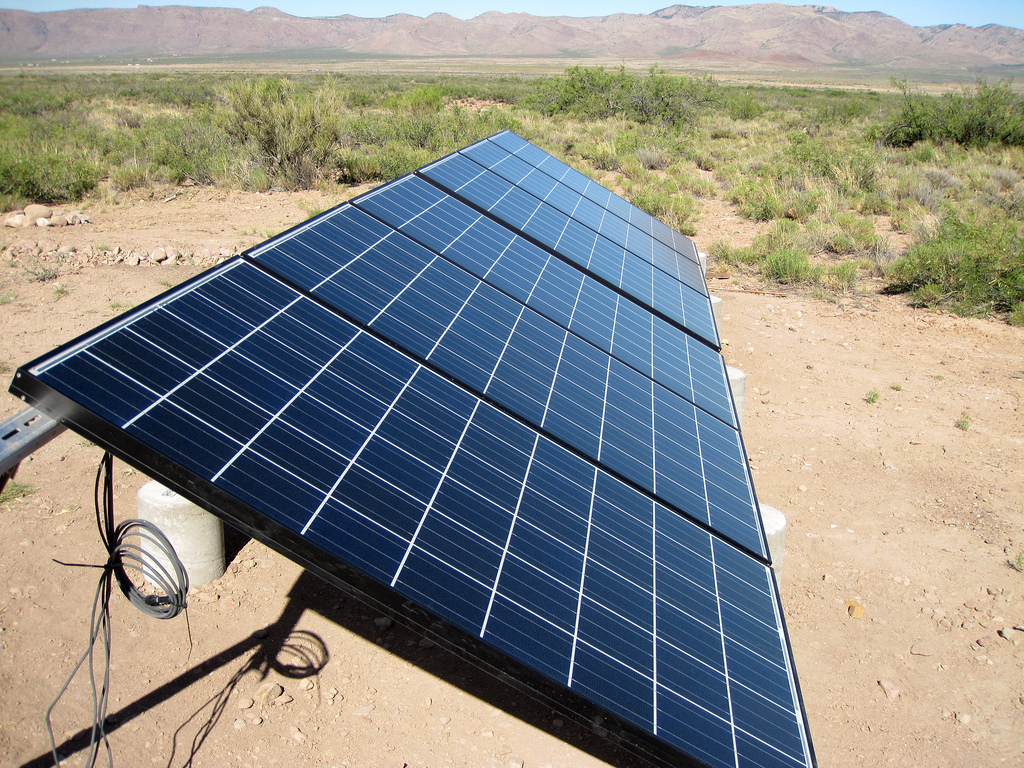
Very few people are against the use of renewable energy sources like solar and wind power in principle. It is hard to argue against generating power from resources that are free and plentiful. The main knock against renewable power sources has been that they cost too much compared with conventional, fossil-fuel technologies.
Wave Energy In The United States
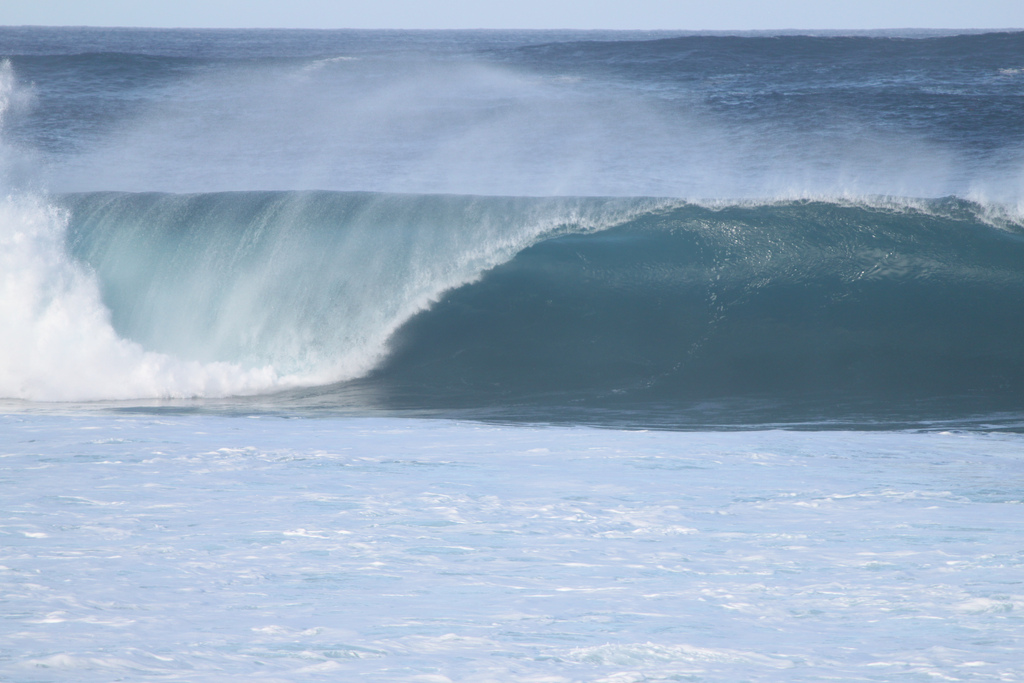
By some estimates, America’s oceans could provide enough electric power to meet a quarter of the country’s energy needs. Despite this, until recently the contribution to the U.S. electric grid from marine energy has been exactly zero.
Offshore Wind At Last
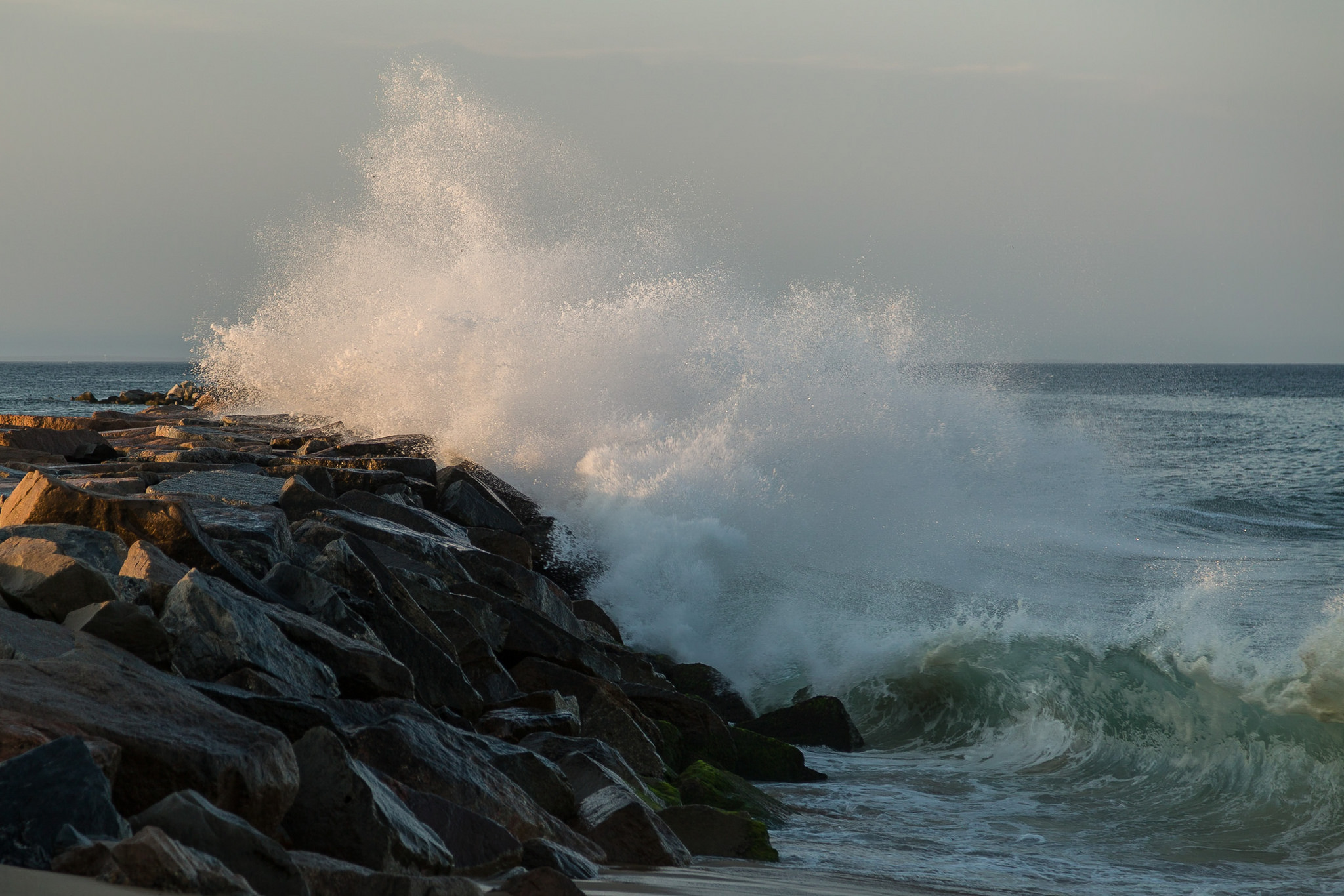
Europe has embraced offshore wind power as a major contributor to its electricity needs for a long time. As of June, there was a total of 3,344 offshore wind turbines with a combined capacity of over 11.5 gigawatts of power connected in European waters in 82 wind farms located in 11 different countries and providing power to millions of people.
Disruptive Light Bulb Technology
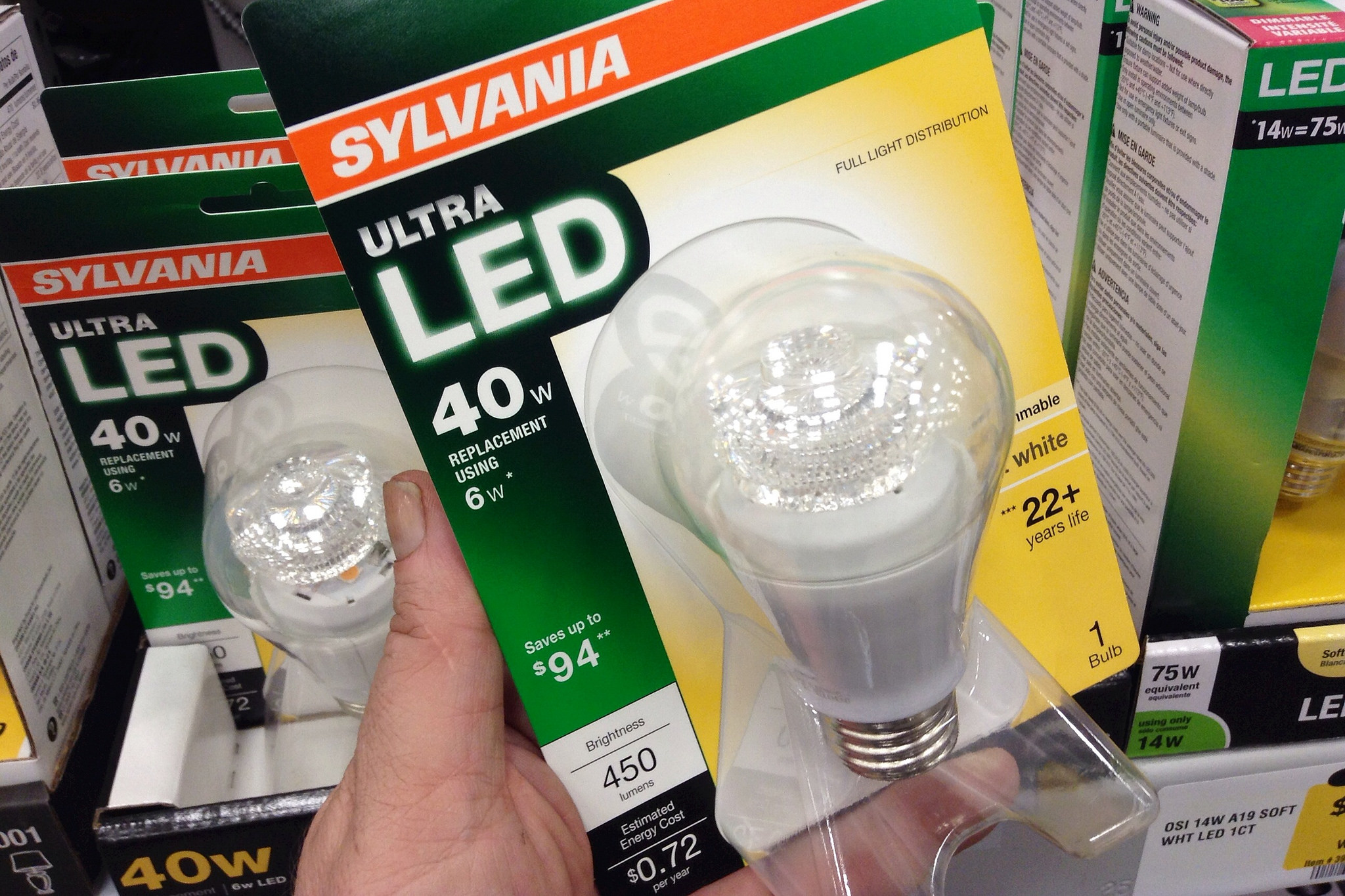
Investment companies like to talk about the disruptive nature of technologies and how they change industries while simultaneously changing our lives. The growing emphasis on a low-carbon economy has spotlighted a number of technologies as being disruptive in their industry sectors. One hears this frequently when discussing wind and solar power. Clearly, these two technologies are changing the face of the utility industry, but at least at present, they still represent a fairly small fraction of the overall business.
Virtual Power Plants
The traditional model of the electricity grid is one where centralized large power plants send power through transmission lines to substations and then on to homes and businesses. As localized renewable energy sources, energy storage systems, and efficiency systems proliferate throughout the system, a new concept is emerging: that of the virtual power plant.
Energy Intensity

Every stage of civilization is characterized by its use of energy. From burning wood to steam engines to our electrified society, energy is behind everything we do. Over time, human society has become increasingly energy intensive. As our standards of living have improved and as we overcome the effects of weather – either cold or warm – it takes more and more energy to live the lives we lead.
Solar Power 24/7
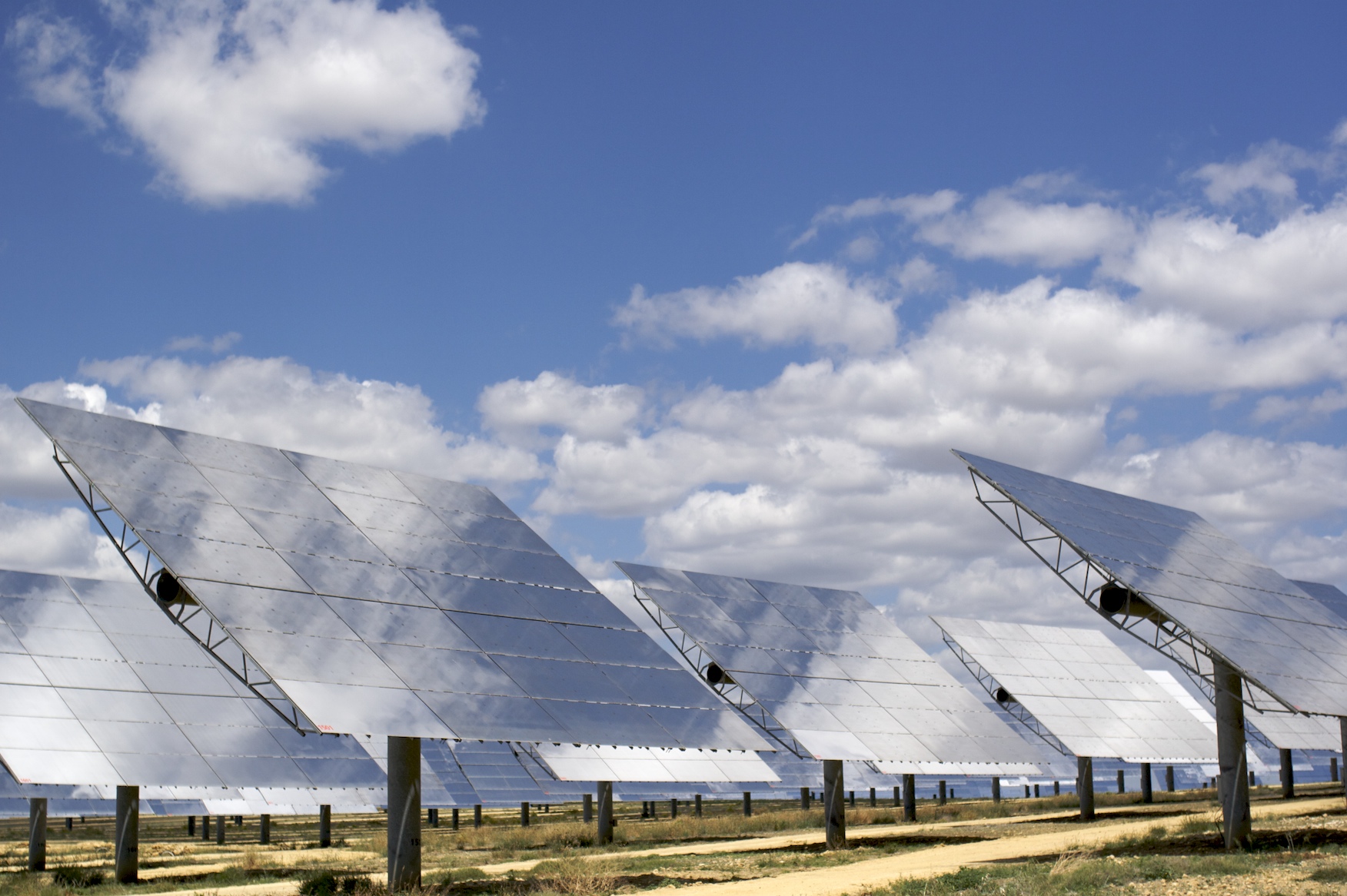
The biggest challenge facing both solar and wind power sources is that they don’t produce power around the clock; they only work when the sun is shining or the wind is blowing. As a result, they don’t quite measure up to the requirement for power on demand.