• Skip to primary navigation
  • Skip to main content
  • Skip to primary sidebar

Earth Wise

A look at our changing environment.

  • Home
  • About Earth Wise
  • Where to Listen
  • All Articles
  • Show Search
Hide Search
You are here: Home / Archives for wetland

wetland

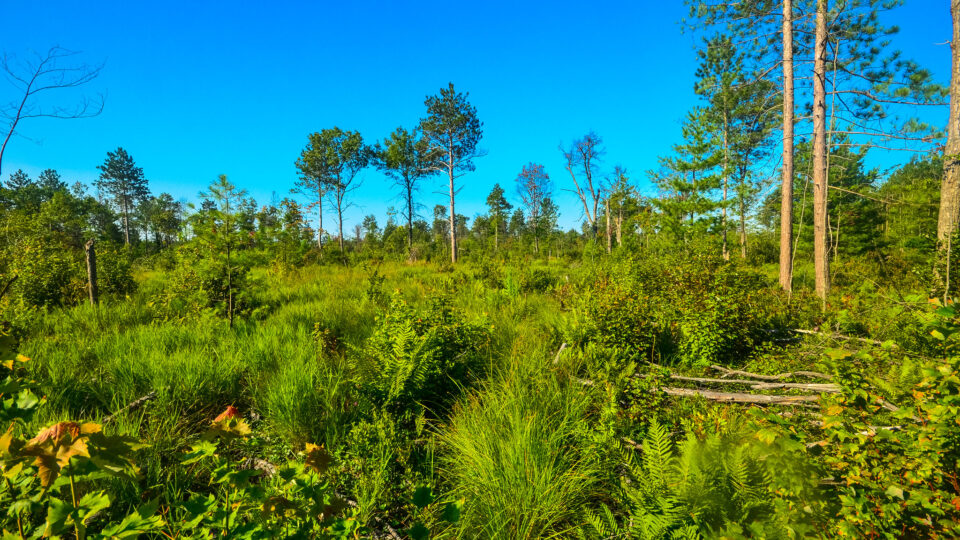
Finding peatlands

May 15, 2025 By EarthWise Leave a Comment

Peatlands are a special kind of wetland that have enormous potential for helping to mitigate climate change.  They are great at capturing carbon because their constantly soggy soils deprive decomposer organisms of the oxygen they need to break down dead plants.  Living plants absorb carbon dioxide from the atmosphere and incorporate the carbon into their tissues.  When plants die, decomposers like bacteria digest the plant matter and release the carbon dioxide back into the atmosphere.

Researchers from the University of California Santa Cruz found that the average per-area carbon densities in peatlands in Colombia are four to ten times higher than those in the Amazon rainforest.  This agrees with other studies around the world.  On a global scale, peatlands cover only 3% of land areas but store more carbon than all the world’s trees.  Peatlands are unsung heroes helping to reduce the impact of fossil fuel emissions.

Peatlands can only store carbon if they remain constantly wet.  When they are drained for agriculture or other development, decomposer organisms get back to work digesting organic matter and releasing carbon dioxide back into the atmosphere.

A major challenge in protecting peatland is finding them.  They are often hard to distinguish from other types of wetlands. 

The Santa Cruz researchers have been identifying and locating peatlands in Colombia, where decades of civil war had made many parts of the country inaccessible for research.  Finding and protecting peatlands there and in many other places around the world is an important task in the battle against climate change.

**********

Web Links

Colombia’s peatlands could be a crucial tool to fight climate change. But first we have to find them.

Photo, posted January 2, 2018, courtesy of Roni Ziade / U.S. Forest Service via Flickr.

Earth Wise is a production of WAMC Northeast Public Radio
Beaver Believers | Earth Wise

August 18, 2023 By EarthWise Leave a Comment

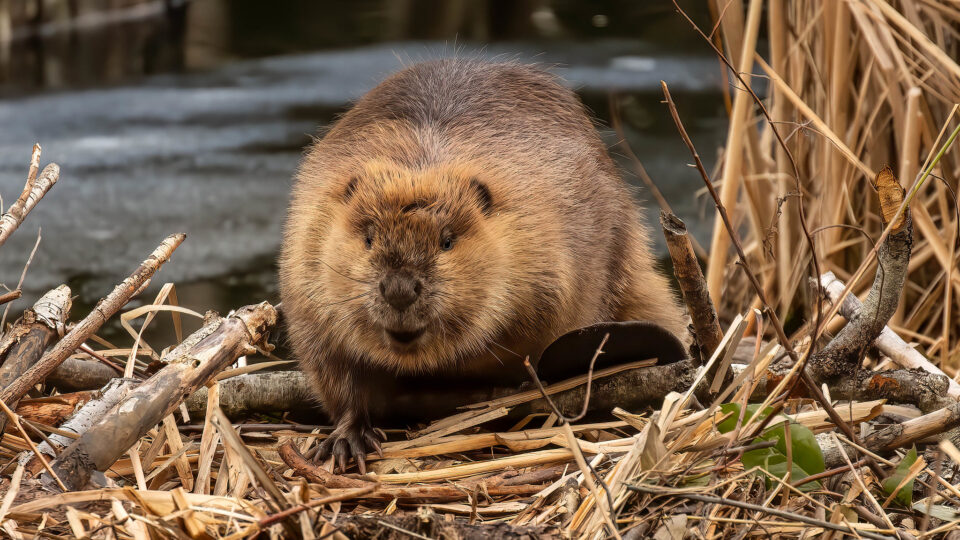
Believing in beavers as ecosystem engineers

Beavers are ecosystem engineers based on their ability to construct dams and create ponds.  By doing so, they create wetland habitat for other species.  They create biodiversity by allowing plant species to emerge in new places as they clear out existing trees and other plants.  Beavers improve water quality and their dams store water during droughts.  Their handiwork minimizes flood risk and mitigates flooding impacts.

Before beavers were widely trapped, there were beaver dams just about everywhere in the American west.  Now beaver rewilding is trying to restore many western ecosystems. In places like Idaho, ranchers have gone from seeing beavers as a nuisance to actually recruiting them onto their land.  One cattle rancher began stream restoration on his land with beaver rewilding in 2014.  By 2022, he was a firm “beaver believer”.  There are now over 200 beaver dams along Birch Creek near Preston, Idaho, and the stream now flows 40 days longer into the year.

NASA has established a team to investigate the extent to which beavers can have an outsized and positive impact on local ecosystems.  The team is using NASA’s Earth Observation satellites to observe the effects beavers are having.  Satellites can collect data from large areas and can pass over the same areas regularly and across seasons.  The goal is to support people on the ground who are implementing beaver rewilding efforts to increase water availability and to increase habits for fish and other species.  NASA’s project will run through 2025 and it plans to expand it to other states with similar terrain and water management strategies.

**********

Web Links

Researchers Become “Beaver Believers” After Measuring the Impacts of Rewilding

Photo, posted February 23, 2021, courtesy of Deborah Freeman via Flickr.

Earth Wise is a production of WAMC Northeast Public Radio
Beavers As Climate Change Fighters | Earth Wise

October 25, 2022 By EarthWise Leave a Comment

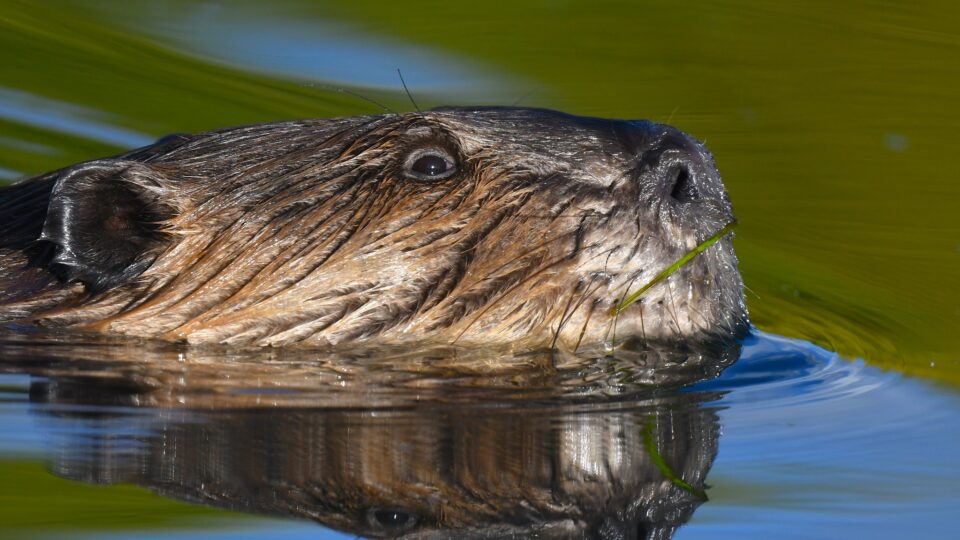
California is fighting the effects of climate change on multiple fronts.  The state has been grappling with relentless drought, record heat waves, and persistent wildfires.  The California Department of Fish and Wildlife is enlisting the help of beavers in its battle against climate change.

The state has created a beaver restoration unit charged with developing methods for nature-based restoration solutions involving beavers as well as artificial beaver dams. The agency plans to spend at least $3 million over the next two years to oversee a restoration program for the North American beaver.

A 2020 study showed that beaver-dammed corridors were relatively unharmed by wildfires compared with other areas that lacked beaver damming.  The study highlighted the differences between two adjacent corridors – one without a beaver population with a landscape scarred by a recent wildfire and another with beavers that remained a lush wetland after a fire.   The differences in burn severity, air temperature, humidity, and soil moisture between the beaver complex and the adjacent landscape were huge. 

From the 1920s through the 1950s, California actively exported beavers to other parts of the state and country so they could build dams in eroded areas where beaver dams could help evenly distribute water.  Now, the state wants to reintroduce beavers into watersheds where they once flourished.

The Department of Fish and Wildlife’s proposal to the California Legislature called beavers an important keystone species that can be used to combat climate change.   The state has spent enormous amounts of money on wildfire measures with minimal results.  Now they are going to see if beavers can make a difference.

**********

Web Links

California says the beaver can be superhero in fighting climate change

Photo, posted September 19, 2021, courtesy of Larry Lamsa via Flickr.

Earth Wise is a production of WAMC Northeast Public Radio
Snakes Near A Plane | Earth Wise

September 15, 2021 By EarthWise Leave a Comment

San Francisco International Airport is the seventh-busiest airport in the United States.  In a typical year, approximately 55 million people pass through SFO on their way to destinations throughout North America and beyond.

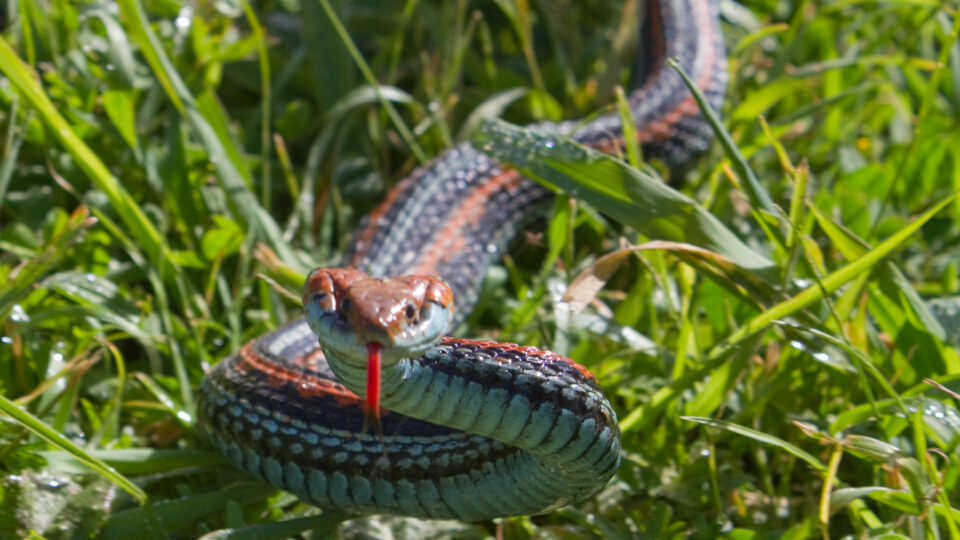
At some point during their journey to or from the terminals at SFO, each one of those people will pass by a seemingly unremarkable 180-acre parcel of land.  Surrounded by highways and train tracks, the soggy and overgrown vacant lot isn’t just home to rows of power lines.  It’s also home to the world’s largest population of the beautiful and highly endangered San Francisco garter snake.   

According to a recent study conducted by the U.S. Geological Survey, there are approximately 1,300 San Francisco garter snakes at SFO’s West of Bayshore property – the greatest concentration of these snakes ever recorded.

Conservationists have long known that the San Francisco garter snake was in trouble.  In fact, it landed on the U.S. Fish and Wildlife Service’s very first endangered species list, which was published in 1967.  Over the years, agricultural, commercial, and urban development have destroyed much of its wetland habitat, as well as much of its primary food source, the California red-legged frog.  The snakes have also been a popular target for poachers and collectors.

Since 2008, SFO has been working with the USFWS on a recovery strategy for the species.  Together, they’ve made enhancements to the West of Bayshore habitat, including building rainfed ponds and deepening existing wetlands.  They have also added fences to protect habitat and prevent illegal collection.

But low population counts at other locations means the recovery for the San Francisco garter snake is far from over. 

************

Web Links

Combining genetic and demographic monitoring better informs conservation of an endangered urban snake

A San Francisco Airport Site Is Crawling With Snakes—And That’s a Good Thing

Photo, posted April 16, 2011, courtesy of Brian Gratwicke via Flickr.

Earth Wise is a production of WAMC Northeast Public Radio.

Peatlands And Greenhouse Gas Emissions | Earth Wise

July 21, 2021 By EarthWise Leave a Comment

Peatlands play a significant role in greenhouse gas emissions

As the world seeks to reduce the greenhouse gas emissions that have been warming the climate, most of the focus has been on the primary contributors to the problem, such as the burning of fossil fuels.  But there are many smaller contributors to greenhouse gas emissions that individually play only a minor role but collectively add up to significant amounts.  One of these is the emissions from peatlands.

Peatlands are a type of wetland that occur in almost every country on Earth, covering 3% of the global land surface.  They are terrestrial ecosystems in which waterlogged conditions prevent plant material from fully decomposing.  As a result, the production of organic matter exceeds its decomposition, which results in a net accumulation of peat.  Peatlands are, in fact, the largest natural terrestrial carbon store, storing more over 700 billion tons of carbon, more than all other types of vegetation combined.

Human activity, such as creating drainage in peatlands for agriculture and forest plantation, results in the release of over 1.6 billion tons of CO2 into the atmosphere each year. This constitutes 3% of all global greenhouse gas emissions caused by human activities.

Large numbers of people rely on peatlands for their livelihoods, so it is not reasonable for these emission-generating activities to be greatly curtailed.  But researchers at the University of Leicester in the UK analyzed the potential effects of cutting the current drainage depths in croplands and grasslands on peat in half and showed that this could reduce CO2 emissions by more than 500 million tons a year. This equates to one percent of all greenhouse gas emissions caused by human activities.

There are numerous opportunities to reduce emissions a little bit at a time.

**********

Web Links

Better peatland management could cut half a billion tonnes of carbon

Photo, posted August 17, 2013, courtesy of Joshua Mayer via Flickr.

Earth Wise is a production of WAMC Northeast Public Radio.

Primary Sidebar

Recent Episodes

  • An uninsurable future
  • Clean energy and jobs
  • Insect declines in remote regions
  • Fossil fuel producing nations ignoring climate goals
  • Trouble for clownfishes

WAMC Northeast Public Radio

WAMC/Northeast Public Radio is a regional public radio network serving parts of seven northeastern states (more...)

Copyright © 2025 ·