• Skip to primary navigation
  • Skip to main content
  • Skip to primary sidebar

Earth Wise

A look at our changing environment.

  • Home
  • About Earth Wise
  • Where to Listen
  • All Articles
  • Show Search
Hide Search
You are here: Home / Archives for United States

United States

Wireless car charging

April 17, 2024 By EarthWise Leave a Comment

Wireless car charging is being developed

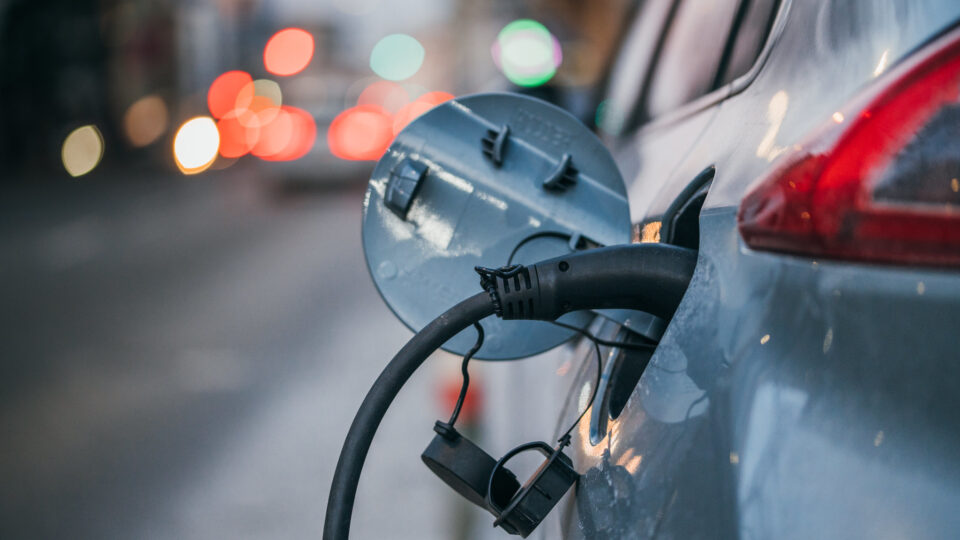
It’s increasingly common to see cars hooked up to charging cables in shopping centers, rest stops, and dedicated charging stations.  Charging electric cars is easy to do, just like charging phones and laptop computers.  These days, it is pretty common to charge phones without using any charging cable at all because of the availability of wireless charging technology.  The same thing may well happen with electric cars.

A team of researchers at Oak Ridge National Laboratory has successfully demonstrated wireless charging of electric cars with high efficiency and fairly fast charging speed.

The patented system was used to charge up a Hyundai Kona EV using electromagnetic fields, which is essentially how phone chargers work.  The technology makes use of a polyphase electromagnetic coupling coil, which is lightweight and small.  Rotating magnetic fields generated in the coil’s windings boost the power available.  The system provided 100-kW of power with 96% efficiency.  That isn’t as powerful as the fastest high-speed charging stations, but it is considerably more than any home charging solution can provide.  For many vehicles, such a charger could provide 50% battery capacity in less than 20 minutes.

Battery technology continues to improve leading to larger capacity, faster charging, longer battery life, and lower cost.  At some point, charging up an electric car will take no more time than pumping gas.

The Oak Ridge researchers consider this development to be a breakthrough achievement that could open the door to fast and efficient wireless charging for electric passenger vehicles.  One could imagine having the ability to drive up to a charging spot and charging up the battery without even getting out of the car. 

**********

Web Links

Charging up the commute

Photo, posted July 12, 2021, courtesy of Chris Yarzab via Flickr.

Earth Wise is a production of WAMC Northeast Public Radio
Sequoias in Britain

April 16, 2024 By EarthWise Leave a Comment

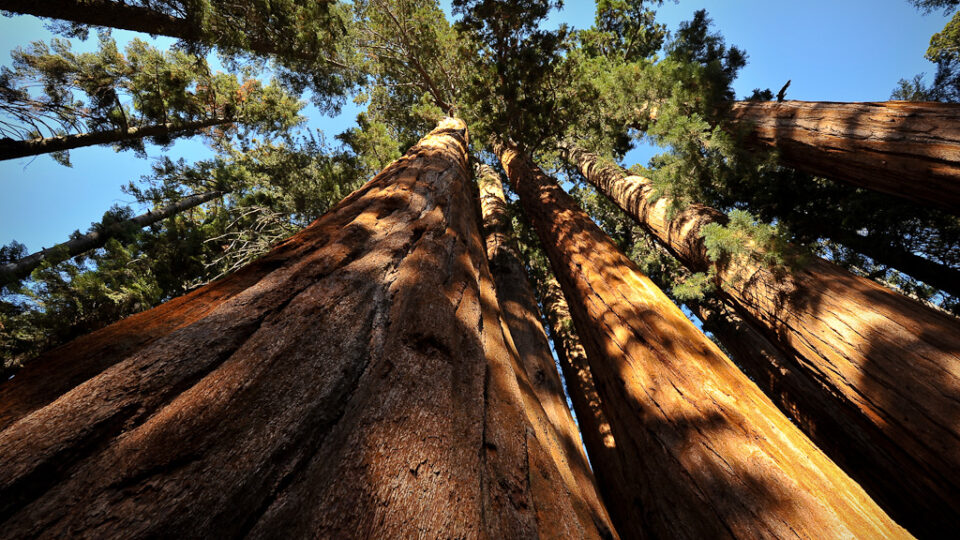
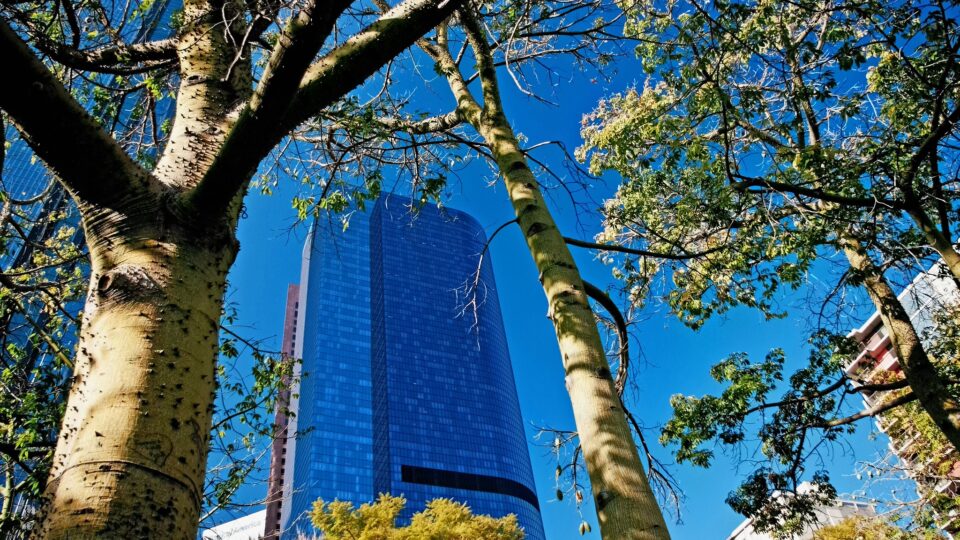
Giant sequoias are the most massive trees on earth.  They can grow as tall as nearly 300 feet and have trunk diameters from 20 to 26 feet.  They are also among the oldest living organisms on Earth; some of them are well over 3,000 years old.  The trees are native to the western slopes of the Sierra Nevada mountain range in California.

Lengthy droughts and wildfires have been pushing giant sequoias in California into decline.  Up to 20% of all large giant sequoias in California died in wildfires in 2020 and 2021.  There are estimated to be only about 80,000 remaining in the native groves in the Sierra Nevada.  These old-growth forests are very much in jeopardy and represent rare ecosystems of considerable ecological and historical value.

Giant sequoias have been planted in many places around the world.  They were introduced to country estates in Britain during the 19th century.  They were seen as symbols of wealth and power.  Over time, they have been widely planted in parks and woodlands.   As a result, there are now half a million giant sequoias growing in Britain and they are thriving there.

The British sequoias are rather young by sequoia standards, so they are relatively squat in stature.  The tallest of them measures about 180 feet.  But recent research, published in the journal Royal Society Science, found that in Britain’s cool and mild climate, the trees are growing nearly as fast as they do in California. 

The British sequoias are probably more important for their aesthetic and historical interest than their impact on the environment, but it is good to know they are there.

**********

Web Links

Under Threat in Their Native California, Giant Sequoias Are Thriving in Britain

Photo, posted November 4, 2010, courtesy of John Buie via Flickr.

Earth Wise is a production of WAMC Northeast Public Radio

The health impacts of gas venting and flaring

April 15, 2024 By EarthWise Leave a Comment

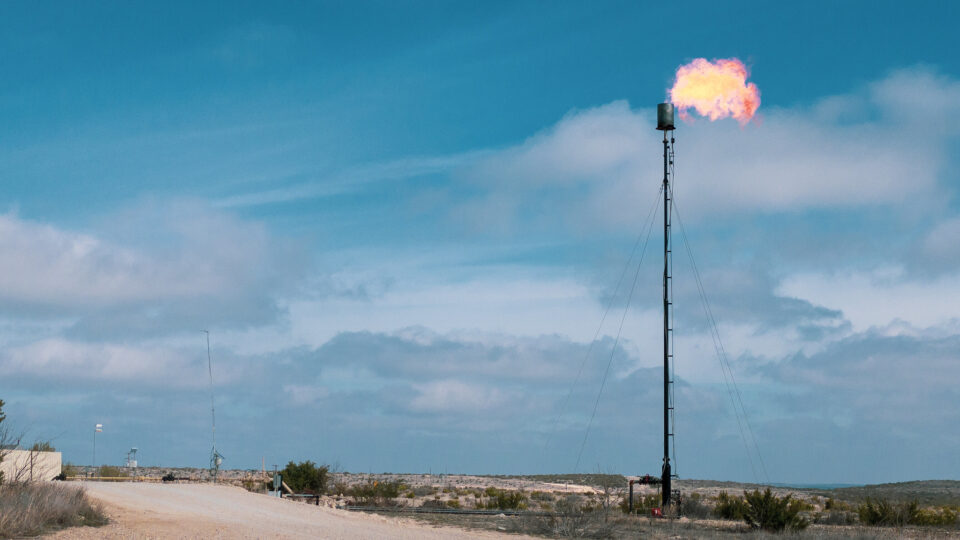
Oil and gas producers around the world use venting and flaring to remove excess natural gas in crude oil production.  Flaring is the process of burning excess natural gas at the production well using a flare to ignite the methane and other components in the gas, while venting is the direct release of natural gas into the atmosphere. 

Both practices are major sources of greenhouse gas emissions contributing to global warming.   Venting and flaring release carbon dioxide and methane – two major greenhouse gases. 

The practices contribute to air pollution in surrounding and downwind communities, resulting in increased risk of hospitalizations, emergency room visits, worsening asthma, and even premature death.  In fact, according to a new study recently published in the journal GeoHealth, pollution from oil and gas venting and flaring results in $7.4 billion in health damages, more than 700 premature deaths, and 73,000 asthma exacerbations among children in the United States annually. 

The study, which was led by researchers at the University of North Carolina, Boston University, and the Environmental Defense Fund, also found that emissions are underreported, and controlling emissions would be profitable for operators and would significantly improve public health.

The research team found that Texas, Pennsylvania, and Colorado had the highest health burdens in this analysis, accounting for 45% of the premature deaths. 

The researchers hope their findings will help improve air quality and human health by reducing emissions from venting and flaring. 

**********

Web Links

New study quantifies health impacts from oil and gas flaring in U.S. 

Photo, posted June 20, 2020, courtesy of Jonathan Cutrer via Flickr.

Earth Wise is a production of WAMC Northeast Public Radio

Skiing and climate change

April 12, 2024 By EarthWise Leave a Comment

Climate change threatens the future of skiing

According to the National Oceanic and Atmospheric Administration, anthropogenic climate change resulting in higher average temperatures has caused a global decline in snowfall.  Less snow threatens to reinforce global warming, and to disrupt food, water, and livelihoods for billions of people.  

According to a new study recently published in the journal PLOS ONE, annual snow cover days in all major skiing regions are projected to decrease dramatically as a result of climate change.  In the study, the research team from the University of Bayreuth in Germany examined the impact of climate change on annual natural snow cover in seven major skiing regions.  Using the public climate database CHELSA, the researchers predicted annual snow cover days for each ski area for 2011-2040, 2041-2070, and 2071-2100 under low, high, and very high carbon emissions scenarios.

Under the high emissions scenario, 13% of ski areas are predicted to lose all natural snow cover by 2071-2100 relative to their historic baselines.  By 2071-2100, average annual snow cover days were predicted to decline by 78% in the Australian Alps, 51% in the Southern Alps, 50% in the Japanese Alps, 43% in the Andes, 42% in the European Alps, 37% in the Appalachians, and 23% in the the Rocky Mountains – all declines relative to their historic baselines.

The future losses of natural snow cover in ski areas around the world will be significant if global emissions continue unchecked.

**********

Web Links

The future is likely less skiable, thanks to climate change

New maps show where snowfall is disappearing

Photo, posted April 14, 2006, courtesy of Kallu via Flickr.

Earth Wise is a production of WAMC Northeast Public Radio

Lithium in Arkansas

April 11, 2024 By EarthWise Leave a Comment

New method being explored to tap lithium deposits in Arkansas

There are more and more electric cars on the road and utilities are installing record amounts of battery storage to back up solar and wind power generation.  Both of these things currently use lithium-ion batteries so the need for them keeps growing.

There is actually plenty of lithium in the world.  Sources of more than 100 million tons have been identified, which is enough to meet the projected needs for decades.  But lithium is not easy, cheap, or environmentally friendly to extract.  It is either blasted out of rocks that are then roasted at 2000-degree temperatures, or it is extracted from brine in places like the high Andes where it leaves behind toxic residues.  Ramping up lithium production could greatly diminish the environmental benefits derived from green technologies.

A technique called direct lithium extraction, or DLE, may be a possible solution.  The lithium is pulled out of brine while leaving other dissolved compounds behind.  It is being tested in many places around the world and appears to offer the lowest negative impacts of available extraction technologies.

The Salton Sea area in California has rich deposits of lithium and is a good candidate for DLE.  But conditions may be even better in Arkansas whose Smackover Formation is a brine-rich expanse of limestone. 

The area was a productive oil field a hundred years ago and then undertook brine-processing in the 1950s to extract bromine.  So, the area already has industrial infrastructure and no new land would need to be cleared.

The former oil fields of Arkansas may become an important domestic source of lithium.

**********

Web Links

In Rush for Lithium, Miners Turn to the Oil Fields of Arkansas

Photo, posted February 26, 2021, courtesy of Ivan Radic via Flickr.

Earth Wise is a production of WAMC Northeast Public Radio

Biodegradable microplastics

April 10, 2024 By EarthWise Leave a Comment

Researchers are developing biodegradable microplastics

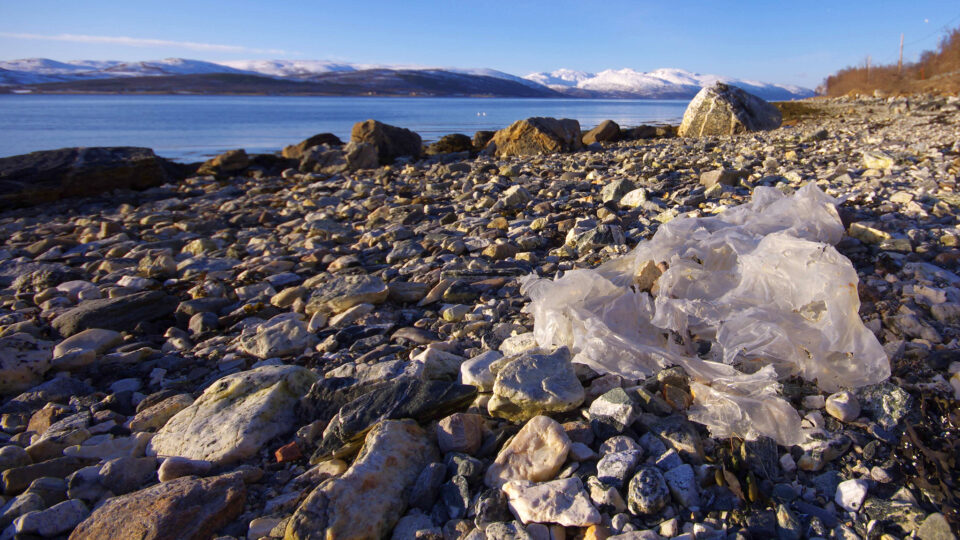
Ordinary plastics are not biodegradable, but they are also not indestructible.  Plastics in the environment can break down into tiny fragments – microplastics – and those, unfortunately, are nearly indestructible.  Microplastics have been documented in the oceans and in soil virtually everywhere on Earth including remote frozen wastelands and on top of high mountains.  More recently, they have been found in our own arteries, lungs, and even in placentas.  Microplastic pollution is a very serious problem.

There is considerable ongoing effort to develop biodegradable plastics from non-petroleum sources.  There has been progress but it has not necessarily been aimed at creating bioplastics that do not create microplastic when they break down.

Researchers at the University of California San Diego have developed algae-based polymers that they have shown to degrade when composted.  Recently, in work published in the journal Nature Scientific Reports, they have shown that even fine microparticles of their bioplastic are digested by microbes when placed in a compost.  What remains are the starting plant materials from which the plastic was made.  Products made from this sort of plastic would not only be sustainable beyond their useful lifetime but would also not represent a potential danger to human life.

Creating this eco-friendly alternative to petroleum-based plastic is only the first step toward creating a viable replacement for existing plastics.  It is necessary to be able to use the new material on existing manufacturing equipment and for it to have the same mechanical and thermal properties as the materials it is replacing.  But the researchers are optimistic that this could be a potential solution to an increasingly serious problem.

**********

Web Links

Say Hello to Biodegradable Microplastics

Photo, posted January 17, 2018, courtesy of Bo Eide via Flickr.

Earth Wise is a production of WAMC Northeast Public Radio

An ice-free Arctic

April 9, 2024 By EarthWise Leave a Comment

A future ice-free Arctic is very likely as the climate warms

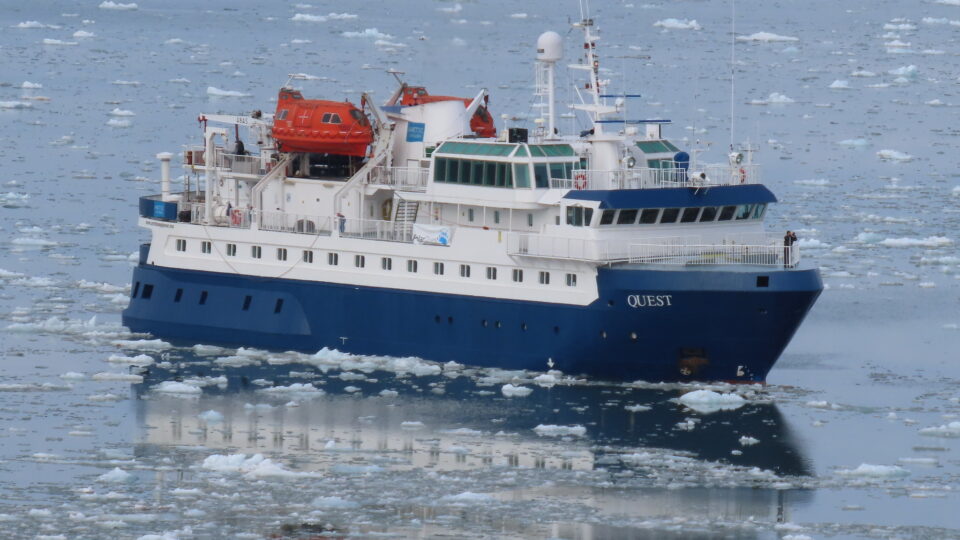
According to a new study by Colorado University, Boulder, the Arctic could see summer days with practically no sea ice as soon as sometime in the next few years.  Earlier predictions for when the first ice-free day in the Arctic could occur were sometime well into the 2030s.

By mid-century, the Arctic is likely to see an entire month without floating sea ice.  This would likely be in September, when ice coverage is at its minimum.  By the end of the century, the ice-free season could last for many months during the year.

Technically, an ice-free Arctic does not mean zero ice in the water.  The working definition is less than 386,000 square miles of ice, which represents less than 20% of what the minimum ice coverage was in the 1980s. In recent years, the coverage has been about 1.25 million square miles.

Sea ice coverage is a big deal because many Arctic animals rely on sea ice for survival, including seals and polar bears.  With warmer ocean water, invasive fish species could move into the Arctic Ocean, upsetting local ecosystems.  Sea ice loss also is a risk for coastal communities because the ice buffers the impact of ocean waves on the coastal land.  As the ice retreats, ocean waves would get bigger, eroding the coasts.

At this point, an ice-free Arctic is basically inevitable, but its annual duration will depend on society’s efforts to reduce carbon emissions.  Lengthy periods of minimal sea ice would transform the Arctic into a completely different environment with global effects that are mostly highly undesirable.  However, Arctic sea ice is resilient and could return fairly quickly if the atmosphere cools down.

**********

Web Links

The Arctic could become ‘ice-free’ within a decade

Photo, posted July 9, 2022, courtesy of Reiner Ehlers via Flickr.

Earth Wise is a production of WAMC Northeast Public Radio

Canadian zombie fires

April 8, 2024 By EarthWise Leave a Comment

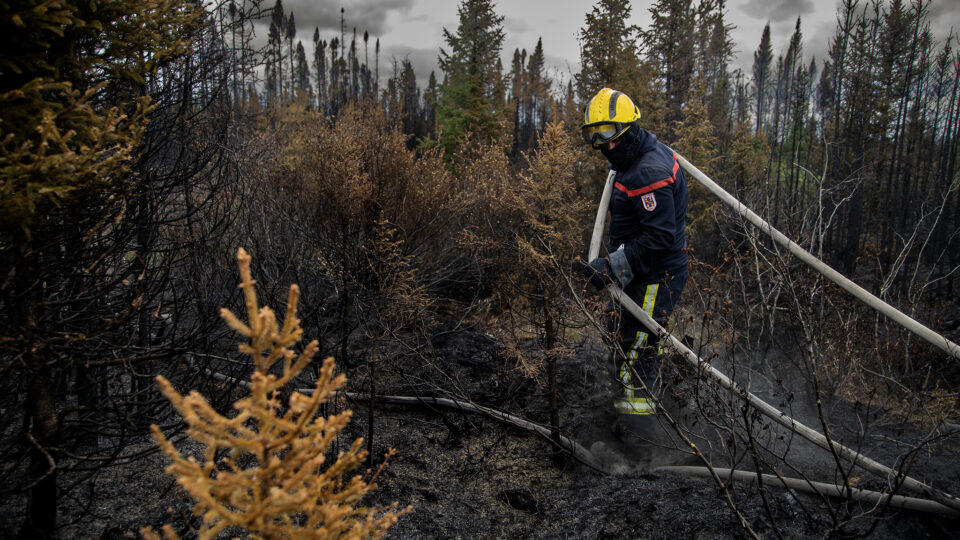
Canada’s 2023 wildfire season was the most destructive ever recorded.  Over 6,000 fires burned nearly 71,000 square miles of land from the West Coast to the Atlantic provinces.  The burned areas are roughly the size of the entire country of Finland and represent almost triple the amount burned in the previous year, which itself was a lot. Smoke from Canadian fires, particularly those in Quebec, blanketed many cities in the United States and made its way as far south as Florida.

An alarming aspect of the Canadian fire season is that it didn’t ever really end.  Late in the winter, 149 active wildfires are still burning across Canada.  92 are in British Columbia, 56 in Alberta, and one in New Brunswick.  In these places, the wildfire season is yearlong.

These overwintering fires have come to be known as zombie fires.  They burn slowly below the surface during the winter.  Many areas in the north contain porous peat and moss ground cover and these act as underground fuel for smoldering fires.

Wildfires have become more prevalent in Canada because the changing climate has brought about increases in the hot, dry, and gusty conditions that lead to drought.

Many of the zombie fires don’t pose an increased threat of triggering wildfires in the spring because they are in places that are already so charred that there is nothing left to burn.  But others are in drought areas that are basically tinder boxes ready to burst into flame once spring arrives.

Overall, Canadian government officials are warning that this year’s wildfire season is likely to be even worse than last year’s, particularly in the Western provinces of British Columbia and Alberta.

**********

Web Links

As ‘Zombie Fires’ Smolder, Canada Braces for Another Season of Flames

Photo, posted June 30, 2023, courtesy of P. McCabe / EU via Flickr.

Earth Wise is a production of WAMC Northeast Public Radio

Energy efficient cows

April 5, 2024 By EarthWise Leave a Comment

Livestock production – primarily cows – produce nearly 15% of global greenhouse gas emissions, mostly in the form of methane emitted by burping caused by the way they process food.  A single cow produces roughly 200 pounds of methane gas per year and there are 1.5 billion heads of cattle in the world.

Researchers at Penn State University have found that supplementing the feed of high-producing dairy cows with the botanical extract capsicum oleoresin – a substance obtained from chili peppers – or a combination of that extract and clove oil resulted in the animals using feed energy more efficiently. 

Adding these substances – which are commonly called essential oils – to the cattle’s feed results in improved efficiency of energy utilization.  It is known that botanicals have the potential to modify fermentation in the cow’s largest stomach – called the rumen.

There have been previous studies for many years adding substances to dairy cow feed – such as seaweed, garlic, and oregano – in an effort to improve milk production and reduce environmental emissions from dairy farms.

The Penn State study was actually not specifically aimed at methane reduction but rather to better use the available energy from the feed to gain body weight.  However, the researchers found that the yield and intensity of methane from the cows in the study were decreased by 11% by the combination of capsicum oleoresin and clove oil.

Botanicals have shown a wide range of anti-microbial properties against bacteria, protozoa, and fungi, as well as being potential rumen modifiers in cattle.  The new study represents an interesting approach to improve the metabolism of dairy cows.

**********

Web Links

Dairy cows fed botanicals-supplemented diets use energy more efficiently

Photo, posted April 9, 2012, courtesy of Aimee Brown / OSU via Flickr.

Earth Wise is a production of WAMC Northeast Public Radio

Who’s driving electric?

April 3, 2024 By EarthWise Leave a Comment

Who's adopting electric vehicles?

Electric cars are growing in popularity around the world and are expected to represent 20% of new car sales this year.  In some places, they have a much bigger share:  38% in China and a whopping 82% in Norway.  Here in the U.S., things are more complicated.

Last year, EVs represented 8.5% of U.S. new car sales while hybrids accounted for an additional 10%.  But enthusiasm for plug-in vehicles was by no means universal or consistent across the country or across various segments of the population.

Overall, the West Coast, and especially California, dominated the electric vehicle market.  Electric vehicles accounted for more than 30% of new car sales in the San Francisco Bay Area.  In Los Angeles, the number was close to 25%.

A number of metro areas elsewhere also had strong EV sales, including Denver, Las Vegas, Washington DC, Austin, and Phoenix.  New York City had almost 10% EV registrations. 

Americans buying electric cars so far tend to be richer, younger, and more likely to live in urban areas than the average person and are often motivated by environmental concerns.  Meanwhile, about half of American adults say they are not likely to consider purchasing an EV as their next car and that figure rises to 70% for Republicans.

Lack of interest in EVs is often based on concerns about the availability of sufficient charging options or high EV prices, although those are dropping.  There is also concern about EV efficiency in colder climates, although the Norwegians clearly don’t find it to be a problem.

**********

Web Links

Electric Vehicles

Photo, posted October 18, 2021, courtesy of Chris Yarzab via Flickr.

Earth Wise is a production of WAMC Northeast Public Radio
Cyber protection for apple orchards

April 2, 2024 By EarthWise Leave a Comment

How best to protect apple orchards as weather changes

Spring frosts represent a real danger for apple orchards.  The changing climate has brought about periods of unusually warm weather at times early in the year that have caused trees and other flowering plants to bloom early.  For apple growers, this has made their orchards more susceptible to the damaging effects of extreme cold events.

Apple growers attempt to prevent this damage by heating the canopies of their orchards, but these efforts tend to be inefficient.  Applying heat is one of the most effective methods to prevent apple flower bud damage, but it is difficult to determine when and where to apply heat in orchards.

Researchers at Penn State University have developed a frost-protection cyber-physical system that autonomously makes heating decisions based on real-time temperature and wind-direction data.  Their system includes a temperature-sensing device, a propane-fueled heater that adjusts the direction where it provides heat, and an unmanned ground vehicle that moves the system through an apple orchard.

The results of tests of the system were published in the journal Computers and Electronics in Agriculture, and the findings show that it greatly reduced damage to apple tree buds in tests conducted at low temperatures, doubling or tripling the amount of time that trees were protected.

The equipment used for the study mostly consisted of off-the-shelf parts and cost about $5,000, most of which was for the vehicle.   The researchers envision that even a very large orchard could be protected by multiple units guided by an aerial drone monitoring canopy temperatures. Further research will aim to bring the technology to point where it can enter the marketplace and be available to apple growers.

**********

Web Links

Cyber-physical heating system may protect apple blossoms in orchards

Photo, posted September 6, 2017, courtesy of Sue Thompson via Flickr.

Earth Wise is a production of WAMC Northeast Public Radio

Progress on offshore wind in New York

April 1, 2024 By EarthWise Leave a Comment

New York has now conditionally awarded two offshore wind projects that will move towards operation in 2026.  The projects, totaling more than 1,700 megawatts of power, will be the largest power generation projects in New York state in more than 35 years.  It is an important milestone toward achieving the state’s goal of developing 9,000 megawatts of offshore wind by 2035.

Empire Wind I, located 15 miles southeast of Long Island, and Sunrise Wind, located more than 30 miles east of the eastern point of Long Island, have already completed most federal and state permitting requirements.  Empire Wind I received final approval of their Construction and Operation Plan from the Bureau of Ocean Energy Management in late February.

Both projects are expected to ramp up construction activity this year.  Previous awards by NYSERDA for the projects in 2019 included contract provisions for specific economic benefits to New York communities and commitments for purchasing iron and steel from American sources.   Empire Wind I is being developed by Equinor, an international energy company headquartered in Norway.  Sunrise Wind, originally a joint project by Ørsted and Eversource, is now solely being developed by Ørsted, a global energy company based in Denmark.

Following successful execution of the contracts for the two projects, NYSERDA payments under these awards will only begin once the projects have obtained all required permits and approvals, the construction has been completed, and the projects begin delivering clean energy to New York.

**********

Web Links

New York selects Empire Wind I and Sunrise Wind offshore projects

Photo, posted June 14, 2022, courtesy of Lissa Eng / BOEM via Flickr.

Earth Wise is a production of WAMC Northeast Public Radio
The carbon footprint of urban agriculture

March 22, 2024 By EarthWise Leave a Comment

Urban agriculture – essentially farming within a city – has become increasingly popular worldwide.  It is intended to make cities and urban food systems more sustainable.  There are social and nutritional benefits to urban agriculture, but its carbon footprint has not been widely studied.

There are high-tech, energy-intensive forms of urban agriculture, such as vertical farms and rooftop greenhouses.  But most urban farms are decidedly low-tech such as individual gardens managed by single farmers and community gardens managed by small groups of people.

A comprehensive international study led by the University of Michigan calculated the greenhouse gas emissions associated with the materials and activities of urban farms over their operating lives.  The emissions, expressed in the quantity of carbon dioxide equivalents produced per serving of food, were then compared to those of foods raised by conventional agriculture.

On average, food produced through urban agriculture emitted six times higher amounts of CO2 per serving than conventionally grown produce.

The study went on to recommend best practices crucial to making low-tech urban agriculture more carbon-competitive with conventional agriculture.  These include making use of infrastructure for more extended periods of time, making use of urban waste, and maximizing social and health benefits. 

Urban agriculture offers a variety of social, nutritional, and place-based environmental benefits and has its place in future sustainable cities.  It is important to implement it in ways that are most beneficial.

**********

Web Links

Study finds that urban agriculture must be carefully planned to have climate benefits

Photo, posted July 27, 2016, courtesy of Sandra Cohen-Rose and Colin Rose via Flickr.

Earth Wise is a production of WAMC Northeast Public Radio
Sponging up a river

March 20, 2024 By EarthWise Leave a Comment

During the first week of February, an atmospheric river dumped enormous amounts of rain on Southern California.  Over the course of four days, Los Angeles received 9 inches of rain.  The average annual rainfall in the city is only 14 inches.

But Los Angeles was not the site of a flooding disaster because the city has spent years preparing for this type of deluge by becoming a “sponge city.”   By installing lots of green spaces and shallow basins with porous soil, Los Angeles was able to soak up 8.6 billion gallons of water during the storm, enough to meet the water needs of 100,000 people for a year.

Cities covered with impermeable concrete sidewalks and paved areas make storm-related flooding worse because they are unable to absorb water.  Instead, the water flows into drains and overwhelms infrastructure.

Natural materials like dirt and plants take in water from storms and can filter it into underground aquifer that cities can then tap into, especially during droughts.  Adding green spaces to cities has many other benefits beyond the ability to absorb large amounts of rainwater.

The so-called sponge-city movement is catching on in many other places.  Philadelphia is revamping its water systems in a 25-year project that includes green spaces to absorb stormwater runoff.  In China, the government has spent more than a decade adding spongy elements to dozens of cities around the country.

Sponge cities are part of a broader effort to combine modern engineering techniques with natural systems.  This is known as green-gray infrastructure.  Nature knows what it is doing when it comes to flood control as well as to pollution control.

**********

Web Links

‘Spongy’ LA Soaked Up Tons of Water From Atmospheric River

Photo, posted December 28, 2011, courtesy of Ron Reiring via Flickr.

Earth Wise is a production of WAMC Northeast Public Radio
Hybrid beef rice

March 19, 2024 By EarthWise Leave a Comment

There is growing interest in innovative and more environmentally friendly ways to provide protein in our diets.  We’ve heard a great deal about lab-grown or cultured meats and about protein derived from insects. Whether either of these things achieves mainstream acceptance remains to be seen.

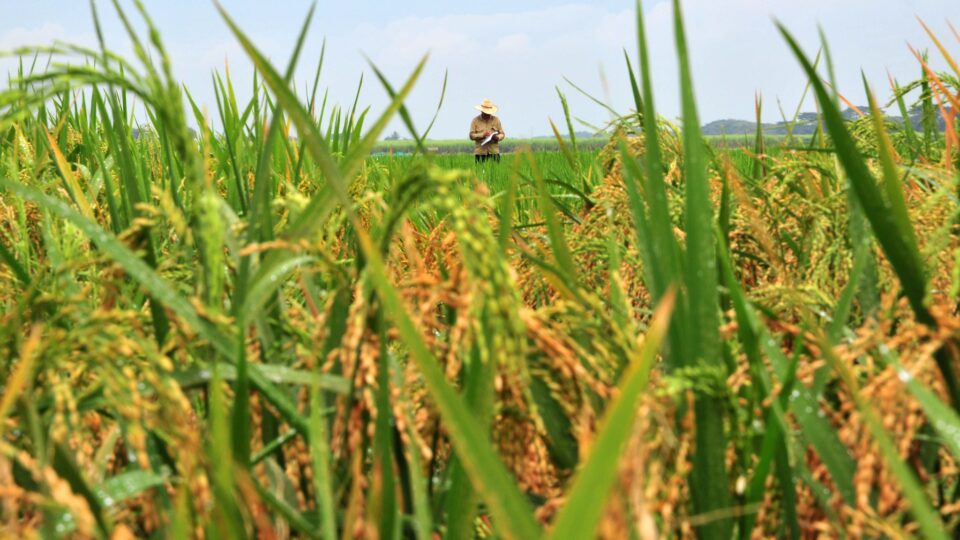
Scientists at Yonsei University in South Korea have developed a method for creating cultured beef rice – truly a hybrid food.  The method, described in the journal Matter, results in a nutritious and flavorful food that could be more affordable and have a smaller carbon footprint than current protein sources.

The researchers took rice grains – which are porous and have organized structures – and seeded them with beef muscle and stem cells and allowed them to culture for 9 to 11 days.  The harvested final product is a cell-cultured beef rice.

The hybrid beef rice was steamed and subjected to various food industry analyses, including nutritional value, odor, and texture.  The hybrid rice has 8% more protein and 7% more fat than regular rice.  It was somewhat firmer and more brittle than ordinary rice.  Hybrid rice with higher muscle content had beef- and almond-related odor compounds, while those with higher fat content had compounds corresponding to cream, butter, and coconut oil.

The hybrid rice has low food safety risks and a relatively easy production process.  If commercialized, the hybrid rice would be far less expensive than beef.  The researchers are optimistic that it can be commercialized.  They are continuing to work on the processing, hoping to further boost the nutritional value.  Like other unconventional foods under development, the biggest question is ultimately whether people will want to eat it.

**********

Web Links

By growing animal cells in rice grains, scientists dish up hybrid food

Photo, posted January 26, 2010, courtesy of CIAT / Neil Palmer via Flickr.

Earth Wise is a production of WAMC Northeast Public Radio
Golf courses gone wild

March 18, 2024 By EarthWise Leave a Comment

Rewilding golf courses is catching on

Golf courses are a significant burden on the environment.  The US has 16,000 golf courses which use 1.5 billion gallons of water a day and are treated with 100,000 tons of nitrogen, phosphorus, and potassium each year.  In recent years, the golf industry has taken steps to lighten its environmental toll by using less water, introducing pollinator-friendly plants, and decreasing pesticide and fertilizer use.  The US has more golf courses than any other country, accounting for 42% of all courses worldwide.

There is really an oversupply of golf courses and, as a result, more golf courses have closed than have opened since 2006.  Most closed golf courses end up in the hands of commercial or residential developers, but some of them are allowed to return to nature.

For this to happen, there has to be a willing seller and, more importantly, a conservation-minded buyer who can afford both to purchase the land and to restore it to a natural state.  There have been 28 former golf courses transformed into public green spaces between 2010 and the end of 2022.  But that number seems to be growing.

In 2023, the former Cedar View Golf Course on the eastern shore of Cayuga Lake in upstate New York was bought by the Finger Lakes Land Trust.  In California, places like Santa Barbara, Marin County, and even Palm Springs have all undertaken the transformation of former golf courses into public parklands.

Rewilding a golf course is undoubtedly a disappointment to local golfers, but it can bring big benefits to animals, plants, and people. 

**********

Web Links

After Shutting Down, These Golf Courses Went Wild

Photo, posted October 19, 2016, courtesy of Cabo Girao via Flickr.

Earth Wise is a production of WAMC Northeast Public Radio
A lake in Death Valley

March 14, 2024 By EarthWise Leave a Comment

A lake has formed in Death Valley

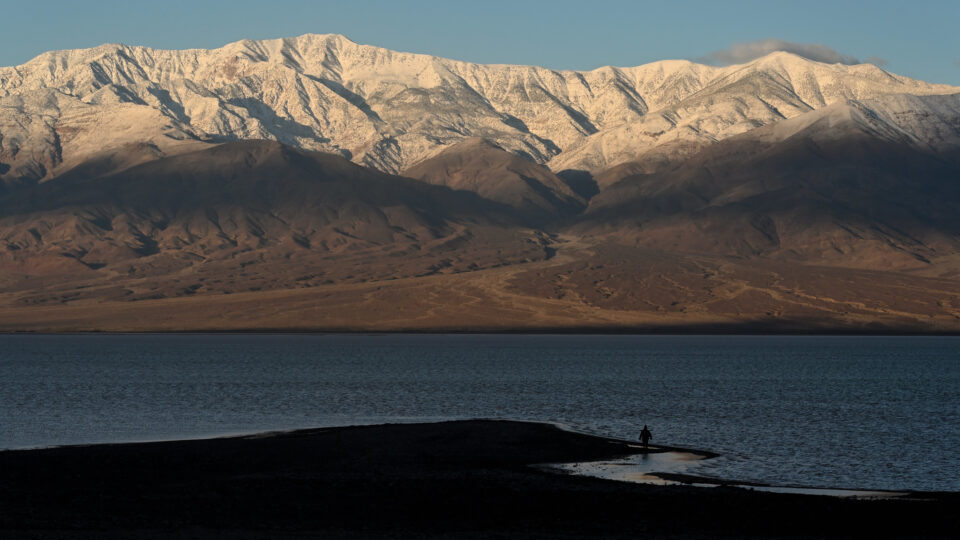
Death Valley in California is the driest place in North America, averaging only 2 inches of rain each year.  Badwater Basin in Death Valley is the lowest point in North America with a depth of 282 feet below sea level.  Currently, Badwater Basin is the site of an ephemeral lake called Lake Manley.

The lake formed again last August after Hurricane Hilary drenched the California desert.  Water levels in the lake dropped throughout the fall, but it never quite dried up.  But then the relentless rains of early February filled the lake once again.

Water that gathers in Badwater Basin usually evaporates faster than it can be replenished, leaving the lakebed dry.  But between the hurricane and the February storm, nearly 4 inches of rain have fallen, and the lake has stayed alive.  There is a river that feeds the lake – the Amargosa – that is really flowing in the aftermath of the storms.

The lake is nearly 7 miles long and 4 miles wide, but the water is only about a foot deep.  This is not the first time it has formed but it is an unusual occurrence.  It formed in 2005, but only lasted about a week.  Death Valley National Park officials expected that the lake would be gone by October, but it persisted into the new year which then brought the atmospheric river-driven California rainstorms.

At this point, it is unclear how long the lake in the driest place in America will be around.  While it is there, visitors to the national park can enjoy beautiful views of the nearby mountains reflected in its waters.

**********

Web Links

Deep in Death Valley, a Sprawling Lake Takes Form

Photo, posted February 19, 2024, courtesy of Tom Hilton via Flickr.

Earth Wise is a production of WAMC Northeast Public Radio

AI’s Environmental Footprint

March 13, 2024 By EarthWise Leave a Comment

AI is leaving a massive environmental footprint

Artificial intelligence is everywhere these days.  Some say it is the biggest development since the discovery of fire.  There is a lot of hype regarding AI, and it will be a while before the hype is sorted out from the reality.  But one thing that is certain is that AI is resource-intensive and has a large environmental footprint.

AI use directly produces carbon emissions from its consumption of non-renewable electricity and is also responsible for the consumption of billions of gallons of fresh water.

Various forms of AI run on many types of devices, but the kind of AI we hear about the most – such as ChatGPT – requires specialized computer equipment that runs in large cloud data centers.  There are roughly 10,000 such centers worldwide and more are under construction.  Estimates are that electricity consumption from data centers will double between 2022 and 2026 to a total of 1,000 terawatts, roughly as much electricity as all of Japan uses.

These estimates include all data center activities, not just AI.  Most operators of data centers don’t reveal what percentage of their energy use comes from AI.  One exception is Google, which says machine learning accounts for about 15% of its data center energy use.

Data centers also consume a great deal of water to cool delicate electronics.  In 2022, Google’s data centers consumed about 5 billion gallons of fresh water.

AI has the potential to improve the efficiency of systems, improve climate models, and perhaps help develop new ways to help reduce humanity’s environmental footprint.  But at the moment, it represents an increasing burden on the environment that cannot just be ignored.

**********

Web Links

As Use of A.I. Soars, So Does the Energy and Water It Requires

Photo, posted January 23, 2023, courtesy of Aileen Devlin / Jefferson Lab via Flickr.

Earth Wise is a production of WAMC Northeast Public Radio
The East Coast is sinking

March 11, 2024 By EarthWise Leave a Comment

Most of the world’s largest cities are located in coastal regions and coastal regions are on the front lines of the climate crisis.  Human populations continue to migrate towards low-elevation coastal areas at the same time that sea level rise is accelerating.  Coastal communities worldwide are increasingly vulnerable to the dangers of flooding and erosion.  With these hazards occupying a great deal of attention, there has been less attention paid to the dangers of land subsidence.

A recent study by researchers at Virginia Tech and the US Geological Survey using satellite data shows that parts of America’s east coast are sinking, and the culprit is the withdrawal of too much water from the aquifers beneath these coastal areas.

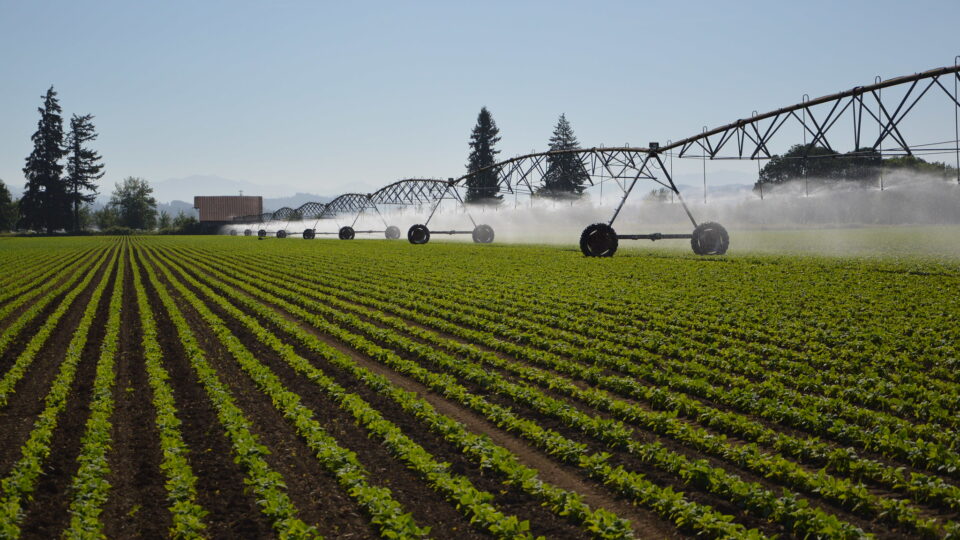
A series of overlapping aquifers extends all the way from New Jersey to Florida along the coast, providing a reliable source of water for drinking, irrigation, and industrial uses.  Even though these areas get regular rainfall, the deeper aquifers can take hundreds or even thousands of years to refill once water is pumped out.  Once water is removed, soils can compress and collapse, causing the land surface to sink.

Cities that were built on drained marshland or on fill soil are especially vulnerable to compaction. 

Seal level rise is slow, but it is insidious and continuous.  Add land subsidence to the mix and effects multiply.  Places like Boston, New York, Washington DC, Roanoke, Savannah, Jacksonville, and Miami, among others, all are increasingly vulnerable to these coastal hazards.  The combined effects of sea level rise and subsidence may even triple the prospects for flooding areas over the next few decades.

**********

Web Links

As Aquifers Are Depleted, Areas Along The East Coast Of The US Are Sinking

Photo, posted August 7, 2015, courtesy of Tracy Robillard / NRCS Oregon via Flickr.

Earth Wise is a production of WAMC Northeast Public Radio
Little ice on the Great Lakes

March 8, 2024 By EarthWise Leave a Comment

Great Lakes missing lots of ice

In an average year, the Great Lakes end up about 40% covered in ice.  But this is not an average year.  2023 was the warmest year on record and, in fact, the global temperature was more than 1.5 degrees above the pre-industrial average for the full year.  That hasn’t happened before.  As a result of the record-breaking warmth, as of mid-February, the average ice cover on the Great Lakes was only 5.9%.

Lake Erie and Lake Ontario tied their records for the lowest ice cover, which has been tracked since 1973.  Lake Huron, Lake Michigan, and Lake Superior are at historic lows.  Some parts of the Great Lakes have experienced the winter without any ice cover.

The warming air temperatures have led to rapid ice loss and warming summer temperatures.  According to experts, if the planet continues to warm, more than 200,000 lakes may no longer freeze every winter and 5,700 lakes may permanently lose ice cover by the end of the century.

Studying the Great Lakes is important because their ice melt can be a significant indicator of the progress of global warming.  Decreasing ice cover can affect hydropower generation, commercial shipping and fishing, and have environmental impacts such as the development of plankton blooms.

Since the 1970s, there has been a 5% decline in Great Lakes ice cover per decade.  Unfrozen lakes bring more rain than snow which has environmental, cultural, and societal impacts.  The Great Lakes hold 21% of the world’s freshwater supply and over 30 million people depend on them for drinking water.  They are also linked to over $3 trillion in gross domestic product.

**********

Web Links

Great Lakes Winter Ice Cover Averaging Just 5.9%: NOAA

Photo, posted November 7, 2007, courtesy of Jim Sorbie via Flickr.

Earth Wise is a production of WAMC Northeast Public Radio
  • « Go to Previous Page
  • Page 1
  • Interim pages omitted …
  • Page 15
  • Page 16
  • Page 17
  • Page 18
  • Page 19
  • Interim pages omitted …
  • Page 49
  • Go to Next Page »

Primary Sidebar

Recent Episodes

  • An uninsurable future
  • Clean energy and jobs
  • Insect declines in remote regions
  • Fossil fuel producing nations ignoring climate goals
  • Trouble for clownfishes

WAMC Northeast Public Radio
WAMC/Northeast Public Radio is a regional public radio network serving parts of seven northeastern states (more...)
Copyright © 2026 ·