• Skip to primary navigation
  • Skip to main content
  • Skip to primary sidebar

Earth Wise

A look at our changing environment.

  • Home
  • About Earth Wise
  • Where to Listen
  • All Articles
  • Show Search
Hide Search
You are here: Home / Archives for sustainable agriculture

sustainable agriculture

Superfood for honeybees

October 3, 2025 By EarthWise Leave a Comment

Honeybee populations have been declining for a combination of interacting factors.  There is the parasitic Varroa mite that spreads disease; there is widespread exposure to pesticides; there is diminishing natural forage and nesting habitats as land is developed; and there is climate change.  

Researchers at Oxford University looked at the impact of climate change and land use changes on the floral diversity honeybees need to thrive.  Pollen, which forms much of their diet, contains specific lipids called sterols that are necessary for the bees’ development.  But there is increasingly too little of the pollen they need.

Many beekeepers feed artificial pollen substitutes to their bees, but these commercial substitutes lack the necessary sterol compounds, making them nutritionally incomplete.

The Oxford researchers, along with several collaborators, succeeded in engineering a specific yeast species that produces a precise mixture of six key sterols that bees need.  This mixture was incorporated into diets fed to bees over a three-month trial in which the bees were kept in enclosed greenhouses and fed only the treatment diet.

Colonies fed with the treatment diet reared up to 15 times more larvae compared with control diets.  The sterol profile of larvae fed the engineered yeast matched that found in naturally foraged colonies, showing that the bees selectively transfer only the biologically important sterols to their young.

Further large-scale trials are needed to assess the long-term impacts on colony health and reproduction.  Potentially, the supplement could be available to beekeepers within two years.

**********

Web Links

Saving bees with ‘superfoods’: new engineered supplement found to boost colony reproduction

Photo, posted August 5, 2012, courtesy of Jennifer C. via Flickr.

Earth Wise is a production of WAMC Northeast Public Radio

Nature: An important climate ally

June 10, 2025 By EarthWise Leave a Comment

Nature is often seen as a victim of climate change, but it’s also one of the most powerful tools we have to fight it. Natural ecosystems, such as forests, wetlands, grasslands, oceans, and soils, absorb and store massive amounts of carbon dioxide. These ecosystems not only help reduce the concentration of greenhouse gases in the atmosphere, but they also regulate temperatures and provide buffers against extreme weather.

One of the most effective strategies for mitigating climate change is simply protecting and restoring these natural areas. For example, mangrove forests – those coastal wetlands filled with tangled, salt-tolerant trees – sequester carbon at high rates and help protect coastal communities from storm surges and rising seas.  Peatlands – another type of wetland – store more carbon than all the world’s forests combined – despite only covering 3% of Earth’s land surface.  Global restoration efforts are underway, from replanting mangroves in Southeast Asia to rewetting degraded peatlands in Europe.

Creating urban green spaces like parks and community gardens, restoring forests through native tree plantings, and adopting sustainable agricultural practices like cover cropping and agroforestry are all proven to be low-cost, high-impact climate solutions. 

While nature-based solutions are gaining recognition, they remain critically underfunded, according to a recent United Nations report.  Closing this gap is essential to unlocking nature’s  full climate potential.

Investing in nature isn’t just about preserving Earth’s natural beauty.  It’s a practical strategy for building a more resilient and sustainable future.

**********

Web Links

Mangrove forests and rising seas

Financing Nature-based Solutions for a better future

Finding peatlands

The Importance Of Urban Green Spaces

Photo, posted October 23, 2011, courtesy of the Everglades National Park / NPS via Flickr.

Earth Wise is a production of WAMC Northeast Public Radio
Using Rye To Grow Edamame

April 17, 2018 By EarthWise Leave a Comment

https://earthwiseradio.org/wp-content/uploads/2018/04/EW-04-17-18-Using-Rye-to-Grow-Edamame.mp3

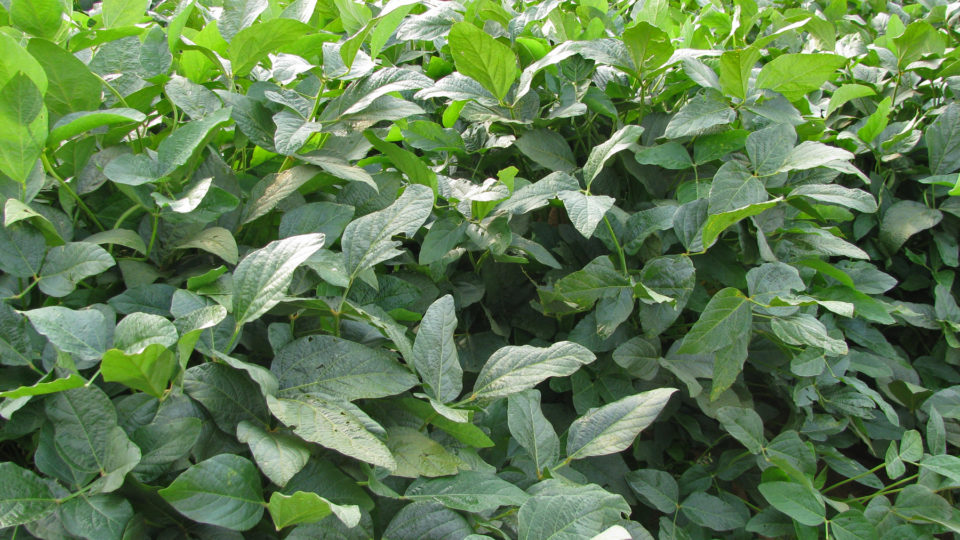
Herbicide-resistant weeds are becoming a more and more common problem for farmers growing grain and vegetable crops.  As a result, the farmers are looking for alternatives to herbicides to control weeds.   One promising approach is the use of cover crops, which are planted in the off season to protect the soil.  Thick cover crop growth can often compete well with weeds during the cover crop growth period, and can prevent most germinated weed seeds from completing their life cycle and reproducing.

[Read more…] about Using Rye To Grow Edamame

Small Grains In Corn Country

January 31, 2018 By EarthWise Leave a Comment

https://earthwiseradio.org/wp-content/uploads/2017/12/EW-01-31-18-Small-Grains-in-Corn-Country.mp3

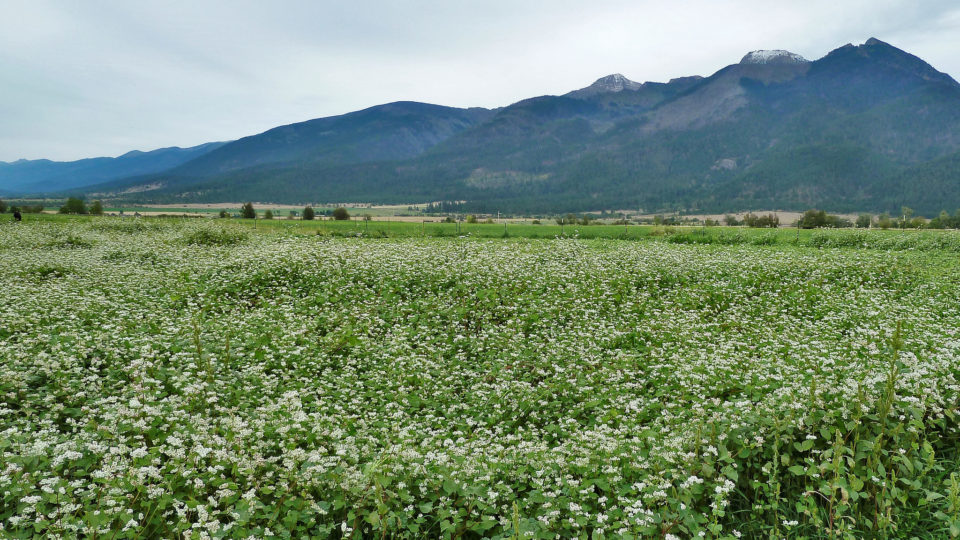
Large portions of the Midwest are called the Corn Belt and for good reason.  Overall, about 90 million acres or 140,000 square miles of the United States are planted with corn and about half of that is in Iowa, Illinois, Nebraska and Minnesota.  In most of the Corn Belt, the corn is planted in rotation with soybeans.  Both are warm weather crops and the soil is left barren for nearly half of the year when the two crops are out of season.

[Read more…] about Small Grains In Corn Country

The Tiny Country That Feeds The World

October 3, 2017 By EarthWise Leave a Comment

https://earthwiseradio.org/wp-content/uploads/2017/10/EW-10-03-17-The-Tiny-Country-that-Feeds-the-World.mp3

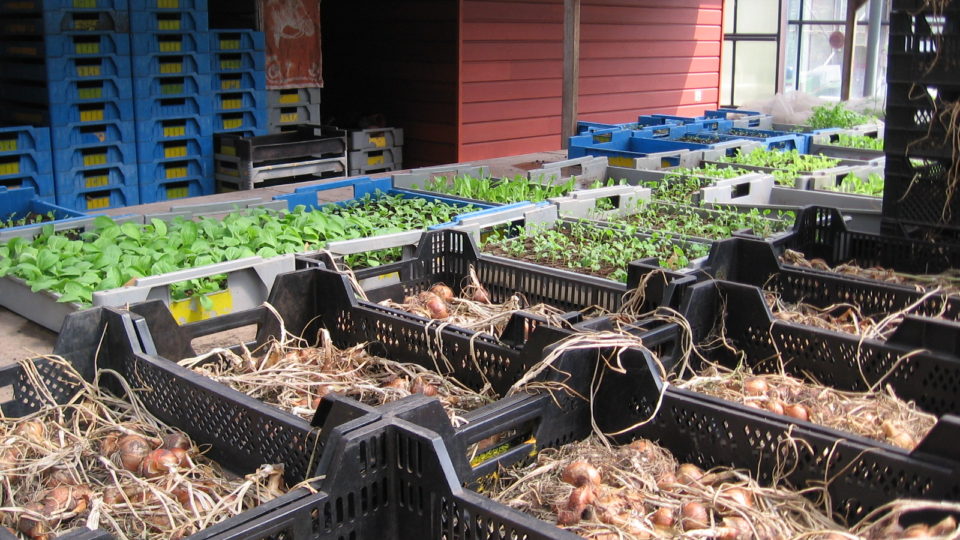
The Netherlands is a small, densely populated country with more than 1,300 inhabitants per square mile.  It lacks almost every resource one associates with large-scale agriculture.  Nevertheless, it is the number two exporter of food in the world, second only to the United States, which is almost 300 times bigger.  The Dutch lead the world in exporting tomatoes, potatoes and onions and produce many other crops as well. 

[Read more…] about The Tiny Country That Feeds The World

Primary Sidebar

Recent Episodes

  • An uninsurable future
  • Clean energy and jobs
  • Insect declines in remote regions
  • Fossil fuel producing nations ignoring climate goals
  • Trouble for clownfishes

WAMC Northeast Public Radio

WAMC/Northeast Public Radio is a regional public radio network serving parts of seven northeastern states (more...)

Copyright © 2026 ·