• Skip to primary navigation
  • Skip to main content
  • Skip to primary sidebar

Earth Wise

A look at our changing environment.

  • Home
  • About Earth Wise
  • Where to Listen
  • All Articles
  • Show Search
Hide Search
You are here: Home / Archives for supply chains

supply chains

Big Tech and emissions

September 23, 2024 By EarthWise Leave a Comment

Most of the well-known largest technology companies have established ambitious clean energy goals.  They are on record for achieving net-zero emissions for all their operations and supply chains in many cases by 2030.  As a result, they have been investing heavily in renewable energy in various ways.  Despite these lofty goals and sincere efforts, many of them are struggling to reduce emissions.  The reason is simple:  big data.

A good example is Google, which started investing in renewable energy in 2010 and since 2017 has been purchasing renewable energy on an annual basis to match the electricity consumption of its global operations. However, Google’s greenhouse gas emissions have increased nearly 48% since 2019.  This is primarily a result of data center energy consumption.

The expanding use of artificial intelligence technology is consuming large amounts of electricity.  For example, a single ChatGPT query uses nearly 10 times as much electrical energy as a traditional Google search.

Google is by no means unique in having this problem.  Microsoft’s carbon emissions have risen by nearly 30% since 2020.  Amazon is struggling to reach net-zero across its operations by 2040.

All of these companies are entering into large power agreements with renewable energy companies all across the country.  The AI arms race for more and more computational power is driving a race to install more and more large-scale renewable energy.   Power purchase agreements for solar power, wind power, and even geothermal power are becoming a major activity for most of the largest tech companies.

**********

Web Links

Can Google gobble up enough renewables?

Photo, posted February 12, 2023, courtesy of Geoff Henson via Flickr.

Earth Wise is a production of WAMC Northeast Public Radio
Clean energy investment at record levels

July 26, 2024 By EarthWise Leave a Comment

According to a new study by the International Energy Agency, global clean energy investment will be nearly twice that of fossil fuels this year.  The surging funding for clean energy is being driven by a combination of lower costs for renewable energy and by improving supply chains.

In 2024, the world’s investments in energy are expected to surpass $3 trillion dollars for the first time.  About $2 trillion of that will be directed at green technologies that include renewable power sources, grids, and energy storage; electric vehicles; low-emission fuels; nuclear power; and heat pumps and efficiency improvements.  The remaining amount of just over $1 trillion will fund oil, gas, and oil projects.

The record growth in clean energy investments is taking place in spite of challenging economic conditions related to high interest rates, which demonstrates the momentum behind the global energy transition.

The IEA report does caution that there are big imbalances and shortages in energy investment in various places around the world.  For example, there is a low amount of green energy spending in developing and emerging economies outside of China.  Countries like Brazil and India are leading the way for this sector by having investments in excess of $300 billion.

More money is currently going into solar power development than all other electricity generation technologies combined.  In 2024, solar photovoltaic power investment is set to grow to $500 billion as the falling price of solar modules spurs new investments.

The largest renewable investments will come from China at $675 billion, followed by Europe and the U.S. at $370 billion and $315 billion, respectively.

**********

Web Links

Global Clean Energy Investment Will Nearly Double That of Fossil Fuels in 2024: IEA Report

Photo, posted October 2, 2015, courtesy of John Englart via Flickr.

Earth Wise is a production of WAMC Northeast Public Radio
Offshore Wind In Maine | Earth Wise

June 15, 2023 By EarthWise Leave a Comment

Offshore wind is coming to Maine

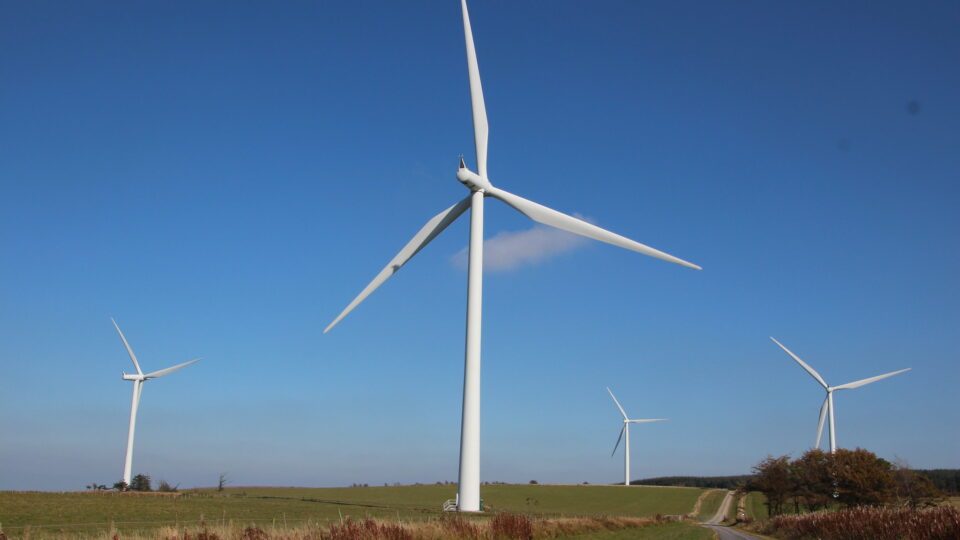
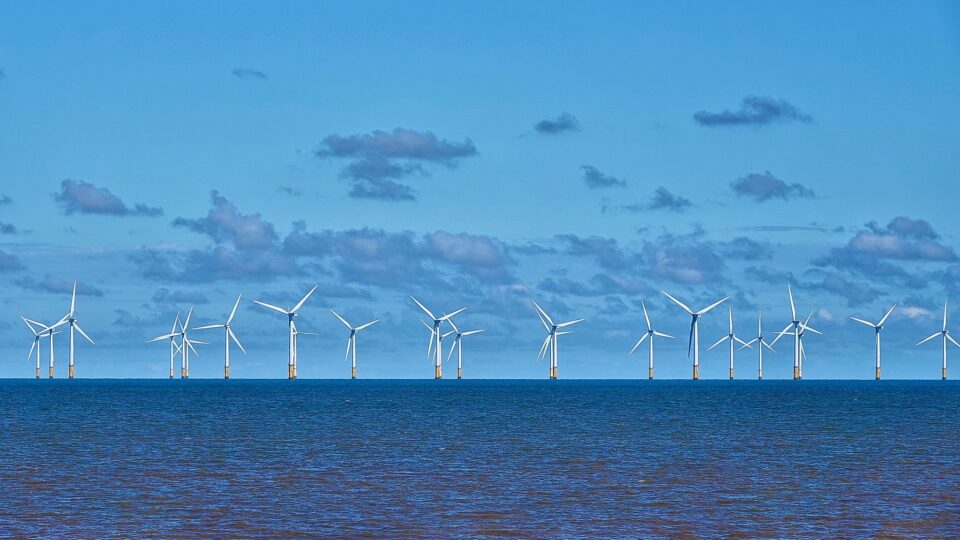
There are currently only two small offshore wind farms operating in the United States, but there are now several more under construction or in the permitting process.  Substantial wind farms are expected to come online over the next five years off the coasts of Virginia, New Jersey, Massachusetts. North Carolina, Delaware, Rhode Island, and New York.   There has been a recent auction for offshore wind sites off the California coast as well.

In April, the Bureau of Ocean Energy Management issued its Gulf of Maine Call for Information and Nominations, inviting public comment and assessing the interest in areas offshore of Maine, New Hampshire, and Massachusetts.  This is the first official step in the lengthy process that leads to offshore wind development in new areas.  Last year, the Department of the Interior defined an area of about 13.7 million acres in the Gulf of Maine that could end up providing energy leases for windfarm development.

The Biden administration has set a goal of deploying 30 gigawatts of offshore wind electricity generation by 2030, which is enough to power more than 10 million homes. It would also create thousands of jobs across manufacturing, shipbuilding, port operations, construction, and other industrial sectors.  Existing offshore wind projects have been structured to develop American-based supply chains for the offshore wind industry.

The European Union currently has over 15 gigawatts of installed offshore wind, has a target of 60 gigawatts by 2030, and 300 gigawatts by 2050.  The EU has five substantial sea basins which have tremendous potential for wind energy generation.  As a result, offshore wind is the centerpiece of the ambitious European Green Deal.

**********

Web Links

U.S. moves to develop offshore wind in the Gulf of Maine

Photo, posted August 31, 2022, courtesy of Nina Ali via Flickr.

Earth Wise is a production of WAMC Northeast Public Radio

Chocolate And Deforestation | Earth Wise

February 14, 2023 By EarthWise Leave a Comment

The world consumes 7.5 million tons of chocolate a year.   Americans spend an average of $145 a year per capita on chocolate.  And we are not even the world leaders.  The Swiss eat an average of 22 pounds per person and the overall European chocolate market is the world’s largest.

A market valued over $100 billion a year is bound to have its issues for the environment, human rights, and other social issues, and chocolate is no exception.  The global cacao industry grapples with problems with child labor, poverty, deforestation, sustainability and other environmental issues.  The response of companies across the industry varies greatly. A website called chocolatescorecard.com keeps track of how many in the industry are doing.

Recently, lawmakers in the European Union have been putting together a landmark legislative package that addresses deforestation risks in the supply chains of a number of commodities including cattle, timber, rubber, soy, palm oil, and cacao. The proposed law restricts companies that import cacao and sell chocolate to import only what doesn’t destroy or degrade forests. 

Voluntary promises by big chocolate makers to save forests in major cacao-producing countries (like Ivory Coast, Ghana, Indonesia, and Nigeria) are difficult to keep.  Farmers sell to brokers who sell to trading companies that then sell to chocolate makers.  Tracing the origins of chocolate is difficult.  Ultimately, fairly compensating farmers is the only way they are likely comply with deforestation regulations and there are unfortunately many pockets to fill before that is likely to happen.

It is up to consumers to encourage companies to do the right thing by making their buying choices appropriately.

**********

Web Links

The Forest in Your Chocolate

The Chocolate Scorecard

Photo, posted January 12, 2010, courtesy of Lee McCoy via Flickr.

Earth Wise is a production of WAMC Northeast Public Radio
Deforestation-Free Pledges | Earth Wise

December 12, 2022 By EarthWise Leave a Comment

Deforestation pledges are not enough

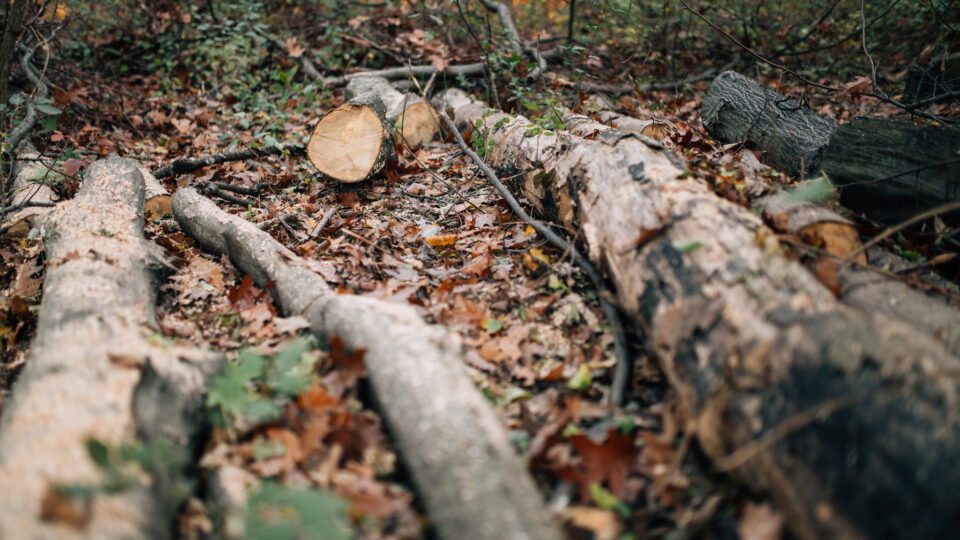
Deforestation is the purposeful clearing of forested land. Forests are cut down to make space for animal grazing, agriculture, and to obtain wood for fuel, manufacturing, and construction. Deforestation has greatly altered landscapes around the world and continues to do so today. 

Deforestation is the second largest contributor to global greenhouse gas emissions, trailing only fossil fuel use. Deforestation can lead to all sorts of problems, including biodiversity loss, soil erosion, desertification, and flooding.  Deforestation also threatens peoples’ livelihoods and increases inequality and conflict.

As a result, many companies around the world have made pledges to remove deforestation from their supply chains.  In fact, more than 94 companies had adopted zero-deforestation commitments by 2021.  But while these companies are talking the talk, they don’t seem to be walking the walk. 

According to a new study recently published in the journal Environmental Research Letters, companies’ deforestation-free supply chain pledges have barely impacted forest clearance in the Amazon. 

The research team from the University of Cambridge, Boston University, ETH Zurich, and New York University found corporate pledges to not purchase soybeans grown on land deforested after 2006 have only reduced tree clearance in the Brazilian Amazon by 1.6% between 2006 and 2015.  The researchers found that if these pledges had been implemented, the current levels of deforestation in Brazil could be reduced by approximately 40%.  

According to the research team, the findings of the study indicate that private sector efforts are not enough to stop deforestation. Political leadership will also be vital to forest conservation efforts.

**********

Web Links

Companies’ ‘deforestation-free’ supply chain pledges have barely impacted forest clearance in the Amazon, researchers say

Photo, posted November 18, 2020, courtesy of Ivan Radic via Flickr.

Earth Wise is a production of WAMC Northeast Public Radio
California Offshore Wind | Earth Wise

November 16, 2022 By EarthWise Leave a Comment

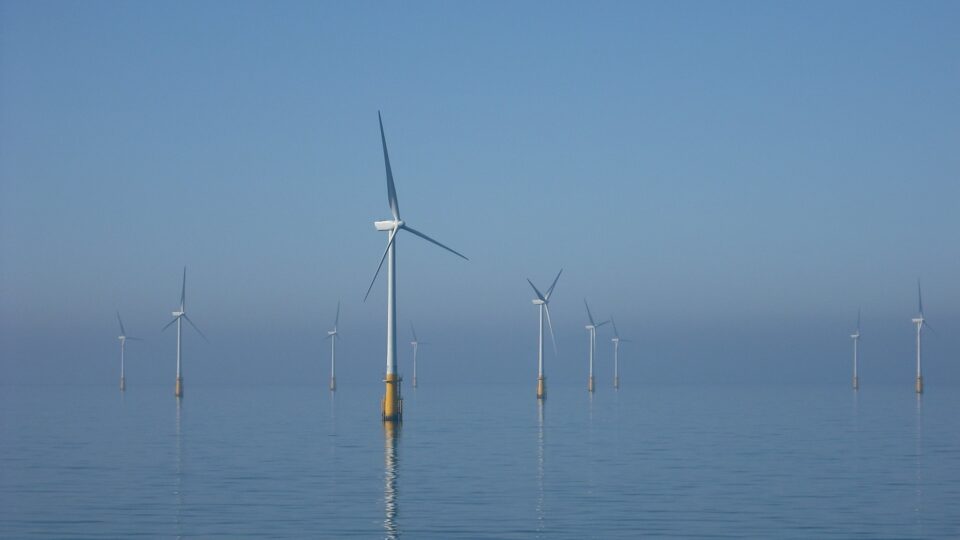
California has tremendous potential offshore wind resources.  The state set a preliminary target of 15 GW of offshore wind by 2045 earlier this year and may increase that number to 25 GW.  But installing offshore wind on the West Coast is much more challenging than it is on the East Coast.  The reason is that the ocean floor drops off rapidly on the Pacific Coast and it is simply not practical to attach wind turbines to the sea bottom.  Instead, floating turbine technology will be required.  That is more complicated and more expensive.

Despite the challenges, offshore wind in California is moving forward.  The federal Bureau of Ocean Energy Management announced that the auction for rights to develop waters off central and northern California will be held on December 6.  This will be the first wind auction ever along the U.S. Pacific Coast.

The auction will include three lease areas in the Morro Bay Wind Energy Area and two proposed areas in the Humboldt Wind Energy Area.  Combined, the two areas cover over 370,000 acres and could potentially host over 4.5 GW of wind generating capacity.  The projects developed in these areas are likely to become the first floating offshore wind projects in operation in the U.S.

Apart from the challenges of building floating wind installations, there will be the issue of the electric grid in the proposed regions being able to support the added generation from the wind farms.  Substantial grid upgrades will be needed to accommodate all the power coming from the offshore facilities.  In addition, California offshore wind projects will need to jump-start new supply chains in the U.S.

**********

Web Links

Date is set for California offshore wind lease auction

Photo, posted March 24, 2016, courtesy of Andy Dingley / TEIA via Flickr.

Earth Wise is a production of WAMC Northeast Public Radio

Meal Kits And The Environment

June 11, 2019 By EarthWise Leave a Comment

Meal kit services have become extremely popular in recent years.  These are companies that deliver a box of pre-portioned ingredients and a chef-created recipe to your door to make home-cooked meals easy and practical for busy people.  Leading companies like Blue Apron, HelloFresh, and Plated have been joined by dozens of others competing in the meal kit market.  As of last year, annual sales for these things were over $3 billion and growing at more than a 20% annual rate.

A major rap against meal kits has been their environmental impact, mostly centered around the amount of packaging waste they generate.  While there is most certainly lots of packaging waste associated with meal kits, it turns out that their overall carbon footprint is actually rather good compared with conventional ways to make homecooked meals.

A study from the University of Michigan looked at the cradle-to-grave impact of meal kits, taking into account every major step in the lifetime of the food ingredients and the packaging – agricultural production, packaging production, distribution, supply chain losses, consumption, and waste generation.

Surprisingly, meal kits have a much lower overall carbon footprint than the same meals made from ingredients purchased at the grocery store – even including their packaging.  The main reason is that pre-portioned ingredients and a streamlined supply chain lower overall food losses and waste for meal kits compared to store-bought meals.  Pre-portioning simply results in fewer ingredients that end up being wasted.  Meal kits also have radically different supply chain structures than foods sold in supermarkets.

Whether the economics and culinary aspects of meals kits are advantageous for many people is an open question, but apparently from an environmental perspective, they are just fine.

**********

Web Links

Climate change has worsened global economic inequality

Photo, posted June 11, 2018, courtesy of Marco Verch via Flickr.

Earth Wise is a production of WAMC Northeast Public Radio.

The Threat From Nurdles

March 4, 2019 By EarthWise Leave a Comment

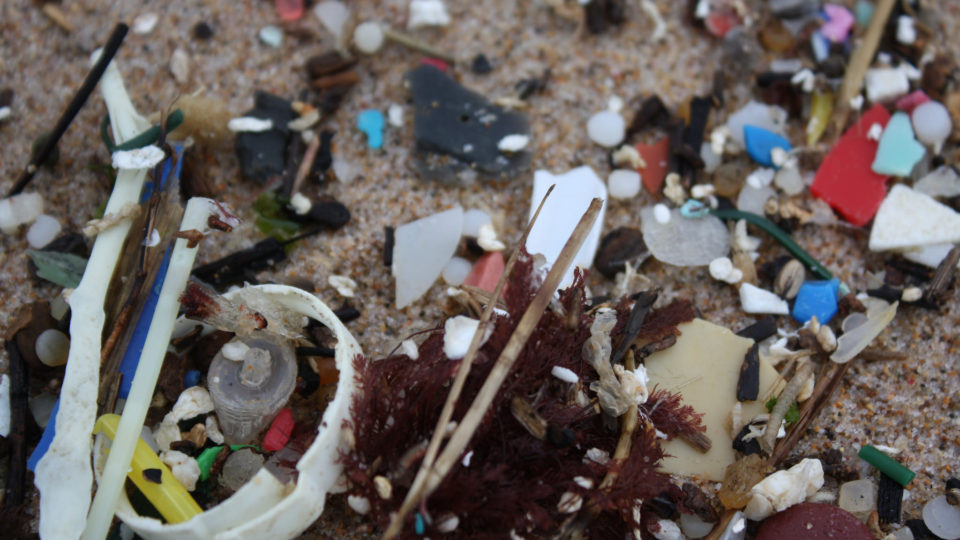
Just when we thought we knew all about the environmental threats caused by plastics, environmentalists have identified yet another problem.  It is called a nurdle.

Nurdles are tiny pellets of plastic resin no bigger than a pencil eraser that manufacturers transform into packaging, plastic straws, water bottles and all the other things that are wreaking havoc on the environment.

It turns out that nurdles themselves are a problem because billions of them are lost from production and supply chains during handling, shipping and production every year, spilling or washing into waterways.  There is limited information on the extent of this kind of plastic pollution and global researchers are still struggling to make an accurate assessment.  A study last year estimated that 3 million to 36 million pellets escape every year from just one small industrial area in Sweden.

Eunomia, a British environmental consultancy, contends that nurdles are the second-largest source of microplastic pollution and estimated that the U.K. could be unwittingly losing billions of pellets into the environment every year.

New research is revealing the ubiquity of plastic pellets, from the bellies of fish caught in the South Pacific, to the digestive tracks of short-tailed albatross in the north and on the beaches of the Mediterranean.

A shareholder advocacy group called As You Sow has filed resolutions with Chevron, DowDupont, Exxon Mobil, and Phillips 66 asking them to disclose how many nurdles escape their production process each year and how they plan to address the issue.  Several of the companies have responded with statements saying they are working to develop solutions that keep plastic out of our environment.

**********

Web Links

There’s a Tiny Plastic Enemy Threatening the Planet’s Oceans

Photo, posted January 15, 2014, courtesy of Hillary Daniels via Flickr.

Earth Wise is a production of WAMC Northeast Public Radio.

Deforestation-Free Palm Oil

July 10, 2018 By EarthWise Leave a Comment

https://earthwiseradio.org/wp-content/uploads/2018/07/EW-07-10-18-Deforestation-Free-Palm-Oil.mp3

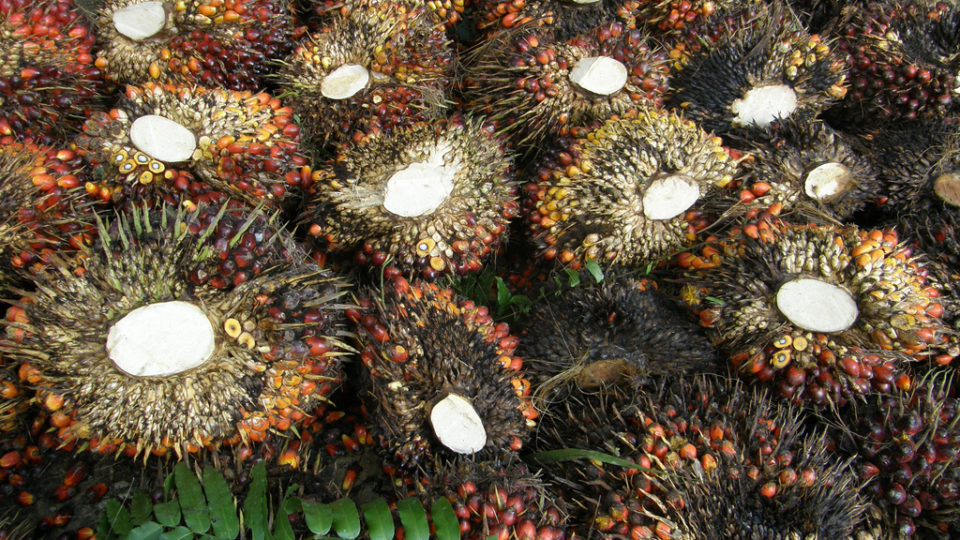
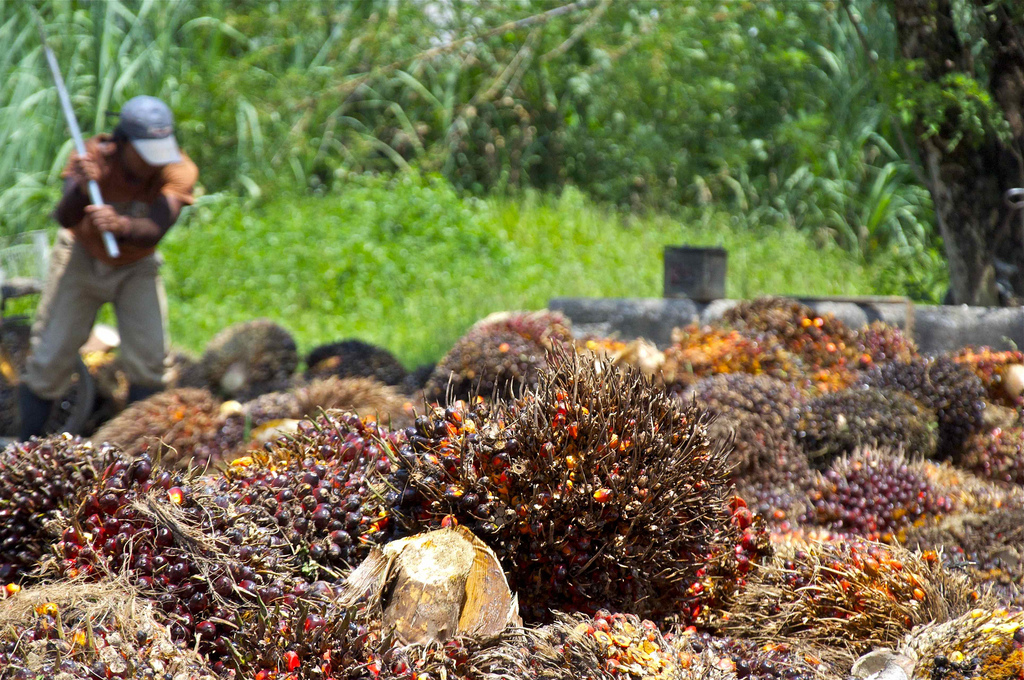
Few of us cook with palm oil or have ever even seen the stuff.  Nevertheless, 50% of all packaged grocery items – everything from ice cream and pizza to detergents and cosmetics – include it as an ingredient.  The global market for palm oil was $65 billion in 2015, and that number was projected to grow by more than 7% each year through 2021.

[Read more…] about Deforestation-Free Palm Oil

Palm Oil Progress

July 21, 2017 By EarthWise

https://earthwiseradio.org/wp-content/uploads/2017/07/EW-07-21-17-Palm-Oil-Progress.mp3

According to the Roundtable on Sustainable Palm Oil or RSPO, almost 12 million tons, or 21% of the global supply of palm oil, is now certified as responsible and sustainable.  The massive expansion of palm oil plantations has been one of the primary causes of global deforestation.  This has been especially the case in Borneo, where 85% of global palm oil production takes place.

[Read more…] about Palm Oil Progress

Primary Sidebar

Recent Episodes

  • An uninsurable future
  • Clean energy and jobs
  • Insect declines in remote regions
  • Fossil fuel producing nations ignoring climate goals
  • Trouble for clownfishes

WAMC Northeast Public Radio

WAMC/Northeast Public Radio is a regional public radio network serving parts of seven northeastern states (more...)

Copyright © 2026 ·