• Skip to primary navigation
  • Skip to main content
  • Skip to primary sidebar

Earth Wise

A look at our changing environment.

  • Home
  • About Earth Wise
  • Where to Listen
  • All Articles
  • Show Search
Hide Search
You are here: Home / Archives for sugarcane

sugarcane

Plastic from food waste

April 9, 2025 By EarthWise Leave a Comment

Creating bioplastics from food waste

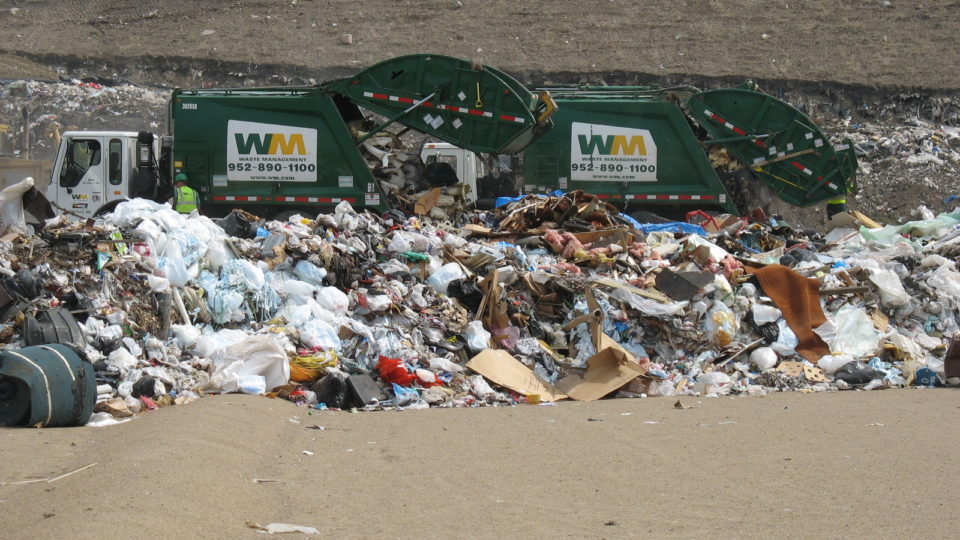
Plastic waste management is a complicated business.  Most methods of recycling or breaking down plastic are costly and harmful to the environment.  The most common biodegradable alternatives – like paper straws – are less than ideal replacements.

There are many approaches to creating biodegradable plastics using feedstocks like seaweed, sugarcane, and other plant matter.  However, the resulting plastics often fall short compared with conventional petroleum-based plastics.

One type of bioplastic that is gaining popularity is polyhydroxyalkanoates, or PHA.  PHA is a plastic produced by microorganisms.  It is fully compostable or biodegradable but in other ways but looks, feels, and functions like regular plastic but without the environmental drawbacks.

PHA can be made using bacterial fermentation of a variety of feedstocks such as vegetable oils, sugars, starches, and even methane and wastewater.

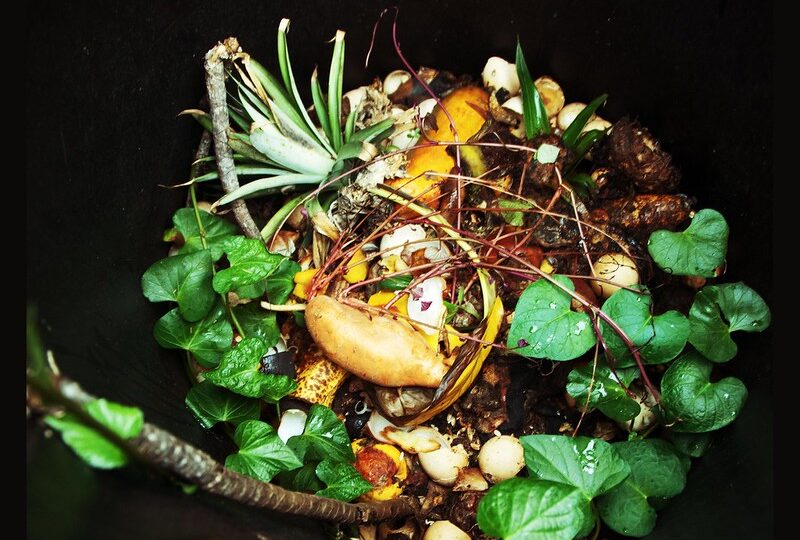
Researchers at a startup from the University of Waterloo in Canada called MetaCycler BioInnovations have developed a process for producing PHA based on bacteria that has been engineered to convert waste from milk and cheese production.  This solution upcycles waste from the dairy industry into cost-effective, sustainable bio-based plastics. 

PHAs can be tailored to have a wide range of properties ranging from being rigid and tough to being quite flexible.  Therefore, they can be suitable for many applications including packaging, agricultural films, and consumer goods. 

The Waterloo technology is a way to tackle the problems of both food waste and plastic pollution with one solution.

**********

Web Links

Turning food waste into a new bioplastic

Photo, posted December 10, 2017, courtesy of Leonard J Matthews via Flickr.

Earth Wise is a production of WAMC Northeast Public Radio

Engineering plants to consume more carbon dioxide

January 23, 2025 By EarthWise Leave a Comment

The most abundant protein on the planet is an enzyme called ribulose-1,5-bisphosphate carboxylase/oxygenase, better known as RuBisCO.  Its critical role in photosynthesis makes life as we know it on earth possible.  What it does is convert carbon dioxide from the atmosphere into the organic matter contained in plants.

Getting plants to take up more carbon dioxide from the atmosphere is a key strategy for mitigating climate change.  Planting lots of trees is one way to do it.  Another is to get individual plants to capture more carbon dioxide.

Scientists at the University of Illinois have focused on getting plants to produce more RuBisCO which allows them to grow faster, consuming more carbon dioxide in the process.

Some plants are better than others at taking advantage of the earth’s rising carbon dioxide levels.  Among these are food crops like corn, sugarcane, and sorghum.  Such plants’ growth is not primarily limited by how much carbon dioxide is in the atmosphere but rather by how much RuBisCO is in their leaves.  The Illinois scientists tweaked genes in corn and sorghum to produce plants containing more RuBisCO.  Laboratory experiments on corn demonstrated faster corn growth.  Recent outdoor field experiments on sorghum demonstrated a 16% boost in its growth rate. 

Improving photosynthesis in this way is not only a potential strategy for increasing plants’ ability to combat climate change.  It is also a way to cope with the world’s increasing demand for food by producing crops that can grow larger and more quickly.

**********

Web Links

Scientists Engineer Crops to Consume More Carbon Dioxide

Photo, posted April 12, 2016, courtesy of K-State Research and Extension via Flickr.

Earth Wise is a production of WAMC Northeast Public Radio
Accelerating Sugarcane Growth

September 21, 2018 By EarthWise Leave a Comment

https://earthwiseradio.org/wp-content/uploads/2018/09/EW-09-21-18-Accelerating-Sugarcane-Growth.mp3

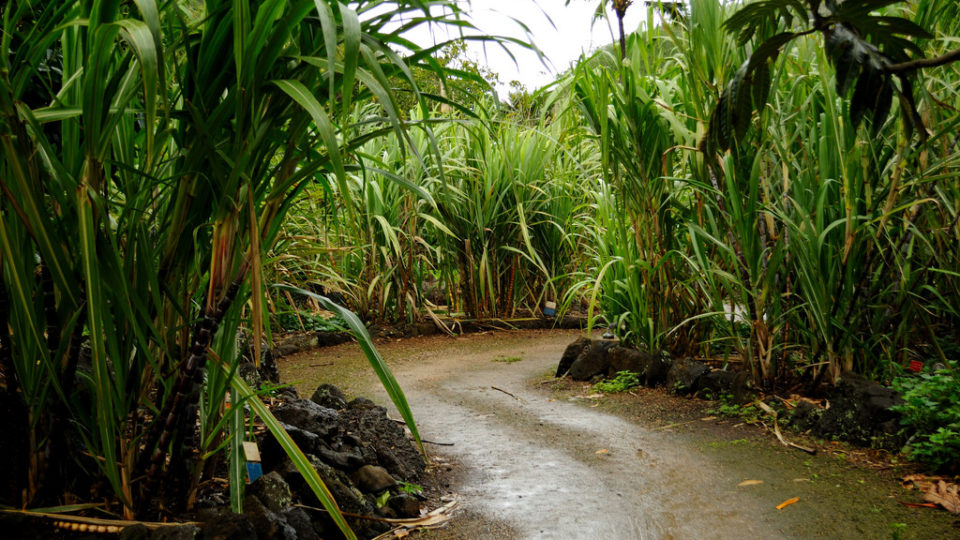
Brazil is the world’s second largest producer of ethanol fuel behind the United States.  More than that, it has the first sustainable biofuel economy, which is based on sugarcane ethanol, not corn ethanol.  It is sustainable because of Brazil’s advanced agri-industrial technology and its enormous amount of arable land.   Furthermore, producing sugarcane ethanol is far more energy-efficient than corn ethanol. It actually makes energy sense to produce it.

[Read more…] about Accelerating Sugarcane Growth

Mass Production Of Biodegradable Plastic  

October 17, 2017 By EarthWise 1 Comment

https://earthwiseradio.org/wp-content/uploads/2017/10/EW-10-17-17-Mass-Production-of-Biodegradable-Plastic.mp3

Plastic pollution is a major problem for the world’s oceans and non-biodegradable plastics continue to fill the planet’s landfills and litter the landscape.   There are many approaches to making plant-derived, biodegradable plastics but most of these materials do not offer the resistance to heat and moisture that is characteristic of petroleum-based plastics.

[Read more…] about Mass Production Of Biodegradable Plastic  

Primary Sidebar

Recent Episodes

  • An uninsurable future
  • Clean energy and jobs
  • Insect declines in remote regions
  • Fossil fuel producing nations ignoring climate goals
  • Trouble for clownfishes

WAMC Northeast Public Radio

WAMC/Northeast Public Radio is a regional public radio network serving parts of seven northeastern states (more...)

Copyright © 2026 ·