• Skip to primary navigation
  • Skip to main content
  • Skip to primary sidebar

Earth Wise

A look at our changing environment.

  • Home
  • About Earth Wise
  • Where to Listen
  • All Articles
  • Show Search
Hide Search
You are here: Home / Archives for streetlights

streetlights

Not Such Climate Champions | Earth Wise

April 5, 2021 By EarthWise Leave a Comment

Problems with the Paris Climate Accord

The goal of the Paris Climate Accord is to limit warming to below 2 degrees Celsius and if possible to stay as close as close to 1.5 degrees above pre-industrial levels.  Nations around the world have made commitments to drastically reduce their carbon dioxide emissions from the use of fossil fuels that are in large part responsible for the rising temperatures.

There are a number of countries that proudly claim to be leading the world in the fight against climate change but who are actually still a major part of the problem.  Among these are Norway, the UK, and Canada.

Norway powers its streetlamps with renewables, runs its public transportation system entirely by renewable energy, and leads the world in the adoption of electric cars.  Both the UK and Canada have set ambitious targets for emissions reductions leading to zero net emissions by 2050. 

The problem is that under the Paris Agreement, each country is only responsible for the greenhouse gas emissions produced within its territory.  That means that the UK, Canada, and Norway (like many other countries) don’t need to worry about the emissions caused by the burning of their oil, gas, and coal in other places around the world.

Norway’s annual domestic emissions reached about 53 million tons in 2017 according to its government.  The emissions from the oil and gas Norway sold abroad reached roughly 470 million tons in 2017.  Canada has huge proven oil reserves it is exploiting.

Canada, Norway, and the UK all plan to keep producing fossil fuels, investing in new fossil fuel projects, and explorations.  As long as this continues, these countries are not really climate champions; they are climate hypocrites.

**********

Web Links

Norway, the UK and Canada are not climate champions. They are climate hypocrites

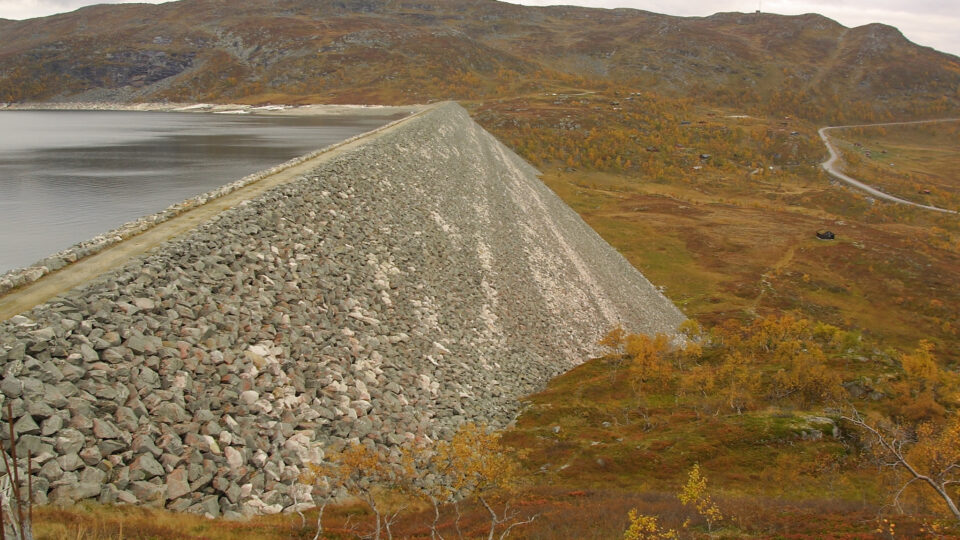
Photo, posted September 4, 2008, courtesy of Statkraft via Flickr.

Earth Wise is a production of WAMC Northeast Public Radio.

Artificial Light And Nature | Earth Wise

December 4, 2020 By EarthWise Leave a Comment

Light pollution has far reaching consequences

Most of us are familiar with air pollution, water pollution, soil pollution, and noise pollution.  But it turns out that light can also be a pollutant as well. 

Light pollution is a consequence of industrial civilization.  Sources of light pollution include building interior and exterior lighting, advertising billboards, factories, commercial properties, streetlights, and sporting venues.      

According to findings in a new report from the University of Exeter, artificial nighttime lighting has a wide range of effects across the natural world and should be limited wherever possible.  The research team analyzed more than 100 studies and found that artificial lighting has widespread impacts on both animals and plants. 

In the study, which was funded by the Natural Environment Research Council in the U.K., researchers consistently found changes to animals’ bodies and behavior as a result of artificial lighting.  In particular, levels of the sleep cycle-regulating hormone melatonin were reduced by exposure to artificial lighting at night in all animal species studied. 

Exposure to artificial nighttime lighting also affected the timing of animals’ activities.  For rodents, which are largely nocturnal, the duration of activity was often reduced by exposure to nighttime lighting.  On the other hand, for diurnal birds, exposure to nighttime lighting led to an extension of the duration of their activities.  

Previous studies have found other wide-ranging impacts of nighttime lighting, from reducing pollination by insects to trees budding earlier in spring.  

Artificial nighttime lighting is human driven and very disruptive to the natural world.  While there’s no off switch for the planet, we could reduce the amount of light pollution drastically with no impact on our lives. 

**********

Web Links

Artificial night lighting has widespread impacts on nature

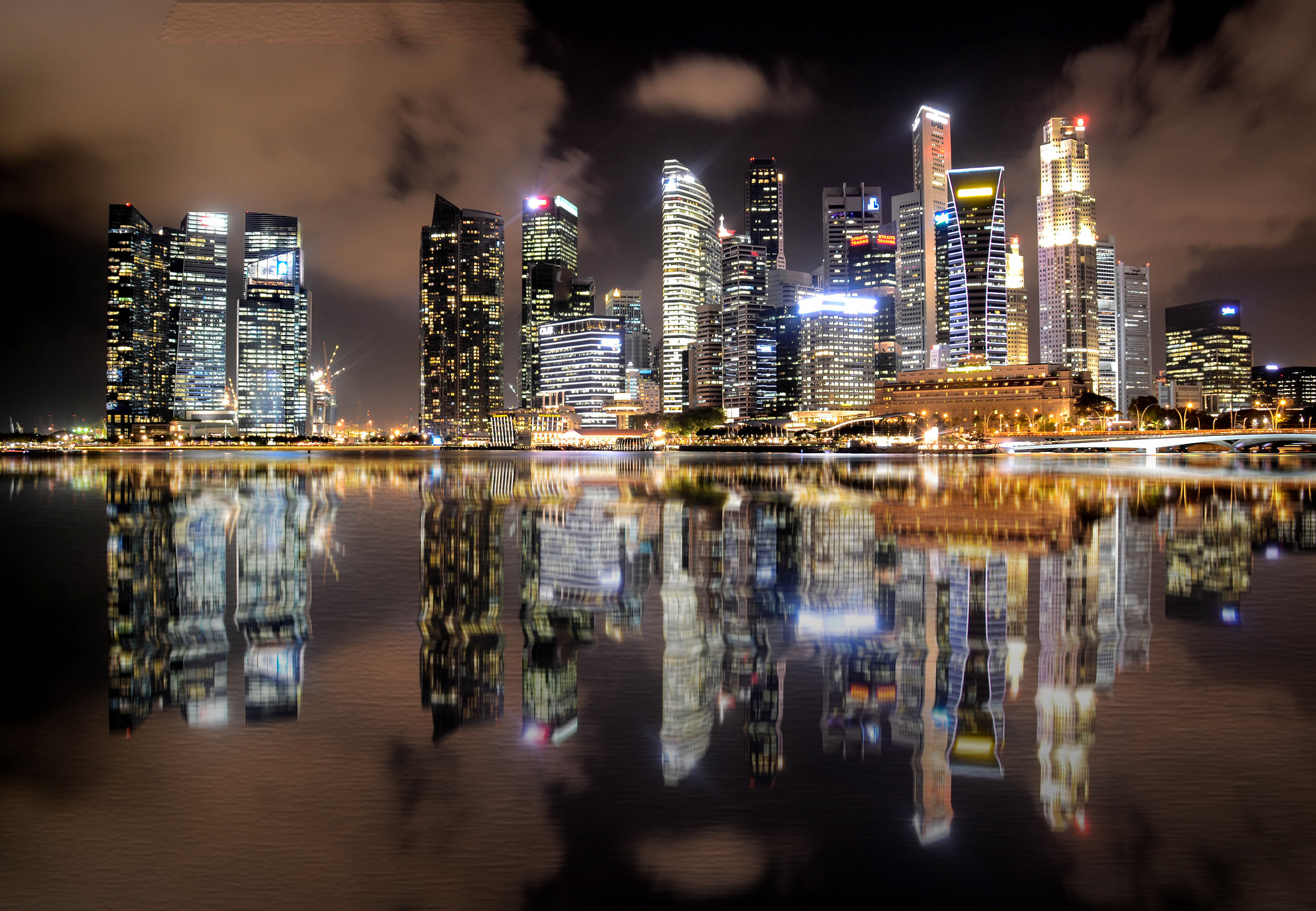
Photo, posted July 29, 2017, courtesy of spacedust2019 via Flickr.

Earth Wise is a production of WAMC Northeast Public Radio.
Tough Times For Fireflies | Earth Wise

March 11, 2020 By EarthWise Leave a Comment

Fireflies facing extinction

Fireflies or lightning bugs are soft-bellied beetles known widely for their use of bioluminescence – the biochemical emission of light – to communicate and to attract mates.  There are more than 2,000 species of these beetles globally.  They can be found in temperate and tropical climates, like marshes or wet, wooded areas, all throughout the world.   

But if you are seeing fewer fireflies each summer, you’re not alone.  Like many insects, firefly populations are under duress from threats like pesticides, pollution, and habitat loss.  But fireflies are also facing another threat unique to luminous bugs: light pollution.  Light pollution is making it harder for fireflies to reproduce because the artificial light is outshining their mating signals. 

Male fireflies light up to signal availability and female fireflies respond with patterned flashes to indicate they’re interested.  But artificial bright light from things like billboards, streetlights, buildings, and homes, is interfering with the fireflies reproduction communications. 

The study, by researchers at Tufts University and the IUCN, warned that these threats facing fireflies could lead them globally to extinction. 

The researchers also point to habitat loss as another major threat to fireflies.  Firefly populations are especially vulnerable because they need special conditions to complete their life cycle.  Mangrove forests and marshes around the world are being removed in favor of cash crops like palm oil.   

Insects like fireflies are crucial components of many ecosystems where they perform important functions, like aerating soil, pollinating plants, and controlling pests.  Firefly larvae feed on snails, slugs and mites, and many fireflies are effective pollinators. 

We can’t afford for fireflies to go dark. 

**********

Web Links

A Global Perspective on Firefly Extinction Threats

Fireflies Have a Mating Problem: The Lights Are Always On

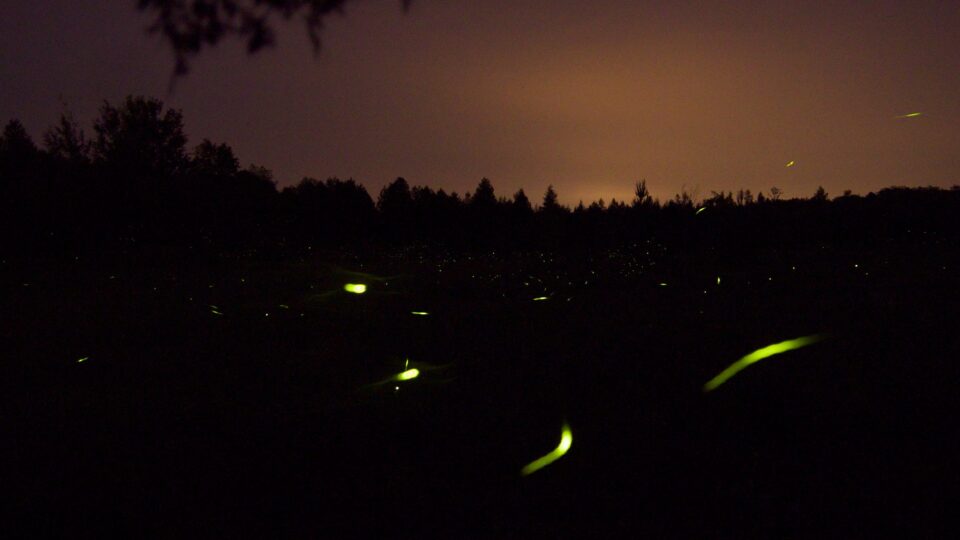
Photo, posted June 5, 2010, courtesy of Matt MacGillivray via Flickr.

Earth Wise is a production of WAMC Northeast Public Radio.
New Places For Solar Cells

October 5, 2017 By EarthWise Leave a Comment

https://earthwiseradio.org/wp-content/uploads/2017/10/EW-10-05-17-New-Places-for-Solar-Cells.mp3

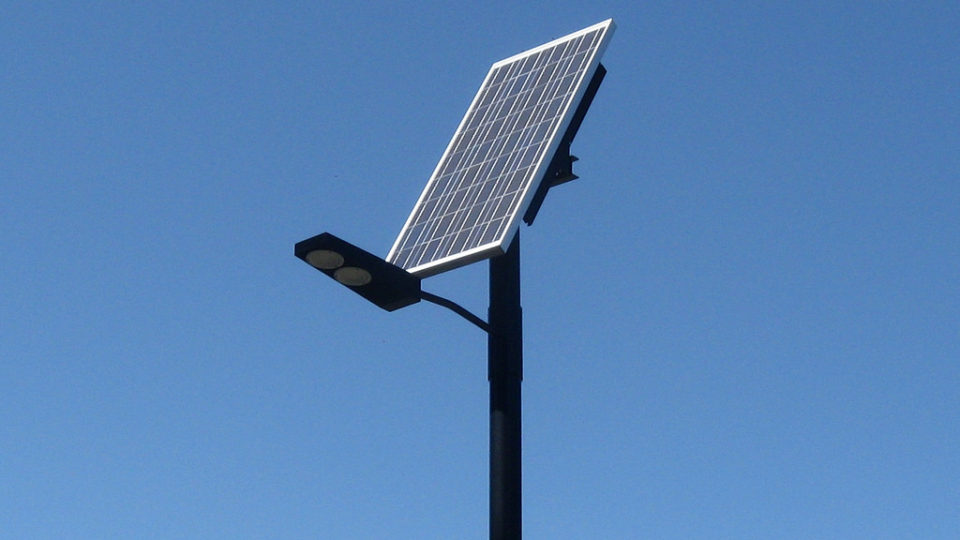
Solar panels are on more than a million rooftops in the United States, so they are getting to be a pretty common sight.   We also see them along our highways powering lights and signs and emergency call boxes.  As it gets cheaper and more common, solar technology is starting to show up in more unusual ways.

[Read more…] about New Places For Solar Cells

Outdoor Lights Dim Nature

August 8, 2016 By WAMC WEB

https://earthwiseradio.org/wp-content/uploads/2016/08/EW-08-08-16-Night-Lights.mp3

At night our planet is now bathed in artificial light, ranging from streetlights and floodlights to burning gas flares in oil fields. There are few places that are truly dark at night. 

[Read more…] about Outdoor Lights Dim Nature

Primary Sidebar

Recent Episodes

  • An uninsurable future
  • Clean energy and jobs
  • Insect declines in remote regions
  • Fossil fuel producing nations ignoring climate goals
  • Trouble for clownfishes

WAMC Northeast Public Radio

WAMC/Northeast Public Radio is a regional public radio network serving parts of seven northeastern states (more...)

Copyright © 2026 ·