• Skip to primary navigation
  • Skip to main content
  • Skip to primary sidebar

Earth Wise

A look at our changing environment.

  • Home
  • About Earth Wise
  • Where to Listen
  • All Articles
  • Show Search
Hide Search
You are here: Home / Archives for squirrels

squirrels

Cleaning the grid can create messes

January 9, 2024 By EarthWise Leave a Comment

Renewables can create messes in the grid

The electric grid is increasingly embracing renewable energy sources like solar and wind power as well as the energy storage systems that support them.  These generation sources differ from traditional sources in that they produce direct current electricity rather than alternating current electricity.  Our power grid runs on alternating current.  Traditional generators produce alternating current that synchronizes with the grid.  Wind and solar power connect to the grid using electronic power converters called inverters that produce the required alternating current. 

All of this technical detail is something we don’t pay much attention to, except that the current state of inverter technology can lead to some problems that don’t exist with a fully synchronous power system. 

The electric grid frequently experiences disruptive events like trees falling on powerlines, squirrels shorting out substation equipment, and so on.  These things normally don’t cause widespread trouble, although there have been notable exceptions such as the massive Northeast blackout of 2003 triggered by an overloaded transmission line drooping onto foliage.

The issue with inverters is that they can shut down in the presence of certain disturbances to the grid.  This has happened on a number of occasions and has exposed vulnerabilities that need to be addressed by the industry.  Inverter-based resources currently constitute only a relatively small fraction of the grid, but that fraction is growing steadily and can have an increasingly widespread impact.  The grid was built predominantly for synchronous generation, and it must be adapted and improved to assure the reliability that is required and expected.  It is an issue that can’t be ignored.

**********

Web Links

Renewables are cleaning the grid. They’re also messing it up

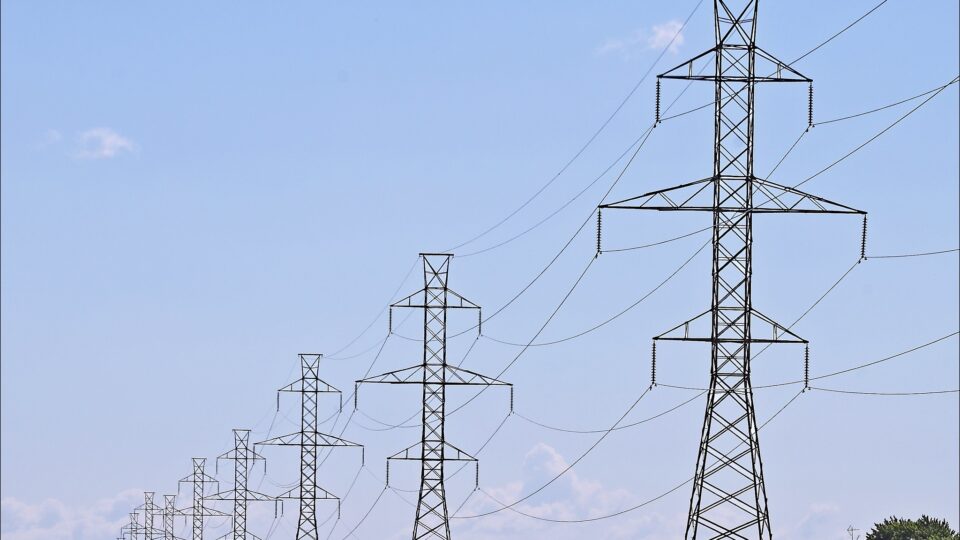
Photo, posted July 5, 2017, courtesy of Sue Thompson via Flickr.

Earth Wise is a production of WAMC Northeast Public Radio
Climbing To Escape The Heat | Earth Wise

March 18, 2021 By EarthWise Leave a Comment

Many mammals are climbing to escape the heat

Colorado has warmed by nearly 3.5 degrees Fahrenheit since the 1980s because of human-caused climate change.   As a result, many mammal species have shifted uphill to escape the heat.

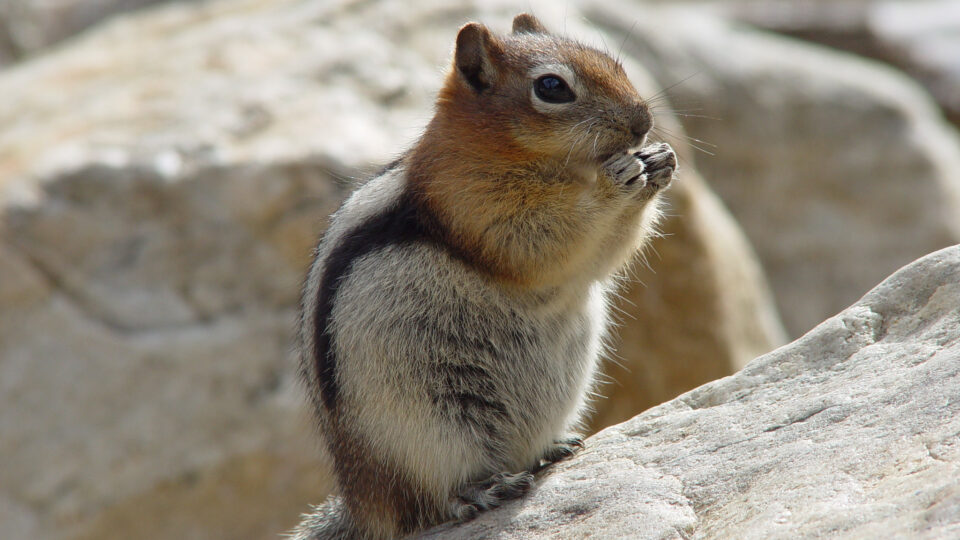
The golden-mantled ground squirrel is a popular sight among tourists in the Rocky Mountains.  It is one of the most photographed animals there as they pose on rocks near roadsides and in campgrounds.  According to University of Colorado research recently published in the journal Ecology, these squirrels have shifted their range upward by 659 feet.  The new study looked at the ground squirrels along with 46 other small mammals.  On average, these animals have shifted their range upward by more than 400 feet since the 1980s.

The researchers visited multiple sites in Colorado’s Front Range and San Juan mountains over the course of several years to collect records of the current ranges of these 47 animals. They then compared the findings from their surveys to over 4,000 historic records from collections dating back to the 1980s.

The researchers expected to see some changes, but not of the magnitude they observed.  For example, before 1980, the pygmy shrew was never detected above about 9,800 feet in elevation.  Today, its maximum extent is more than 11,800 feet.

Montane mammals – which are those who already live at higher elevations – have moved up an additional 1,100 feet on average.  If this trend continues, some animals and even entire communities may be pushed to the tops of mountains with nowhere else to go.  According to the researchers, the study paints a stark picture of a mountain range in crisis.

**********

Web Links

Small mammals climb higher to flee warming temperatures in the Rockies

Photo, posted September 6, 2002, courtesy of Franco Folini via Flickr.

Earth Wise is a production of WAMC Northeast Public Radio.

Pollinators With Backbones

May 25, 2018 By EarthWise Leave a Comment

https://earthwiseradio.org/wp-content/uploads/2018/05/EW-05-25-18-Pollinators-with-Backbones.mp3

There is a great deal of concern about the status of pollinators like bees and butterflies.  They play a crucial role for many important food crops.  But it turns out that lizards, mice, bats and other vertebrates are important pollinators too.

[Read more…] about Pollinators With Backbones

Feast Before The Famine

December 7, 2015 By WAMC WEB

https://earthwiseradio.org/wp-content/uploads/2015/12/EW-12-07-15-Feast-Before-Famine.mp3

New York’s Hudson Valley is experiencing a “mast year.” Mast refers to the seeds of woody plants that are eaten by wildlife. “Soft mast” has seeds surrounded by fleshy pulp, and includes berries and fruits. “Hard mast” has seeds protected by an outer coat, such as acorns and hickory nuts.

[Read more…] about Feast Before The Famine

Acorns And Lyme Disease

November 20, 2015 By WAMC WEB

In New York’s Hudson Valley, it’s hard to go outside without stepping on an acorn. Oaks have ‘boom and bust’ acorn production cycles. In lean years, trees produce a handful of nuts. In boom years, acorns seem to rain down from the sky. We are currently experiencing an acorn bumper-crop, or what ecologists call a ‘mast’ year.

In some forests, there can be more than 100 acorns per square meter.  This is welcome news to animals like mice, chipmunks, and squirrels. They can gorge on the bounty and stock their larders. Acorn caches help wildlife avoid predators and survive the lean months of winter. They even give well-fed rodents a jump-start on the breeding season.

For this reason, acorn “mast” years are also harbingers of future Lyme disease risk. In the summer following acorn booms, white-footed mouse numbers explode. In New York’s Hudson Valley, these mice play a major role in infecting blacklegged ticks with the agents that cause Lyme disease, Babesiosis, and Anaplasmosis.

Cary Institute disease ecologist Rick Ostfeld explains.

“The ticks that are emerging as larvae in August  – just as the mice and chipmunks are reaching their population peaks – they have tons of excellent hosts to feed from.  They survive well and they get infected with tick-borne pathogens.  And that means that two years following a good acorn crop we see high abundance of infected ticks, which represents a risk of human exposure to tick borne disease.”

Predictions are based on 20 years of field studies that have confirmed the relationship among acorn mast years, mouse outbreaks, and the prevalence of infected ticks. Mark your calendars – 2017 will likely be a bad year for Lyme disease.

**********


Web Extra

Full interview with Rick Ostfeld, a disease ecologist at the Cary Institute of Ecosystem Studies 

https://earthwiseradio.org/wp-content/uploads/2015/11/Ostfeld_full_web.mp3


Web Links

The acorn connections, with Dr. Rick Ostfeld: ticks, gypsy moths, songbirds and more

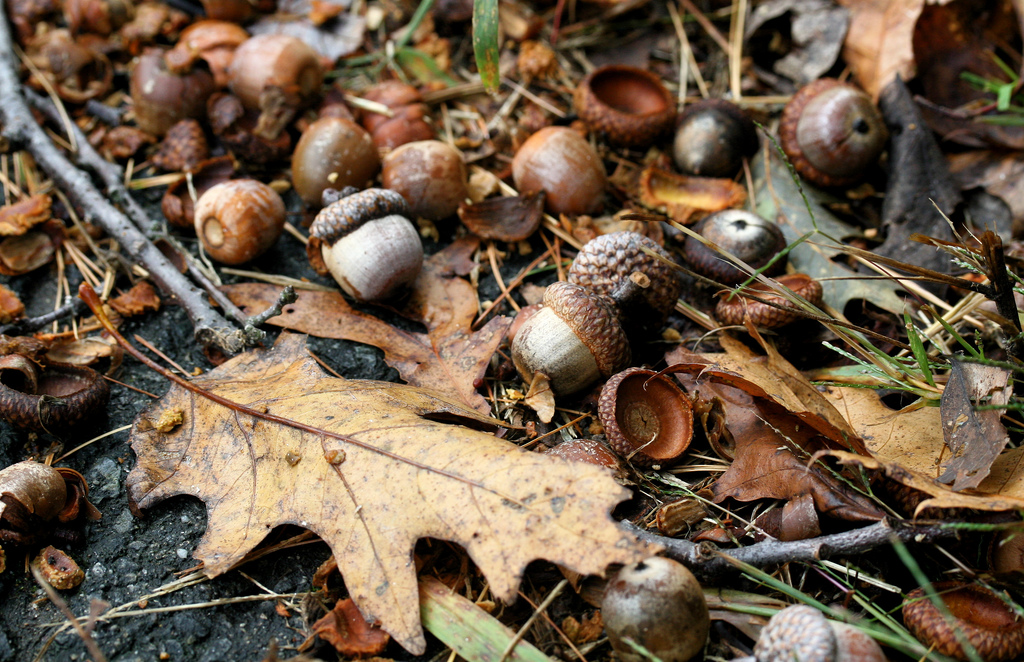
Photo, posted August 16, 2012, courtesy of Rabiem22 via Flickr.

EW Extra: Interview With Rick Ostfeld

XXXXXXXXX

Primary Sidebar

Recent Episodes

  • An uninsurable future
  • Clean energy and jobs
  • Insect declines in remote regions
  • Fossil fuel producing nations ignoring climate goals
  • Trouble for clownfishes

WAMC Northeast Public Radio

WAMC/Northeast Public Radio is a regional public radio network serving parts of seven northeastern states (more...)

Copyright © 2026 ·