• Skip to primary navigation
  • Skip to main content
  • Skip to primary sidebar

Earth Wise

A look at our changing environment.

  • Home
  • About Earth Wise
  • Where to Listen
  • All Articles
  • Show Search
Hide Search
You are here: Home / Archives for solar

solar

The last coal plant in Britain

October 31, 2024 By EarthWise Leave a Comment

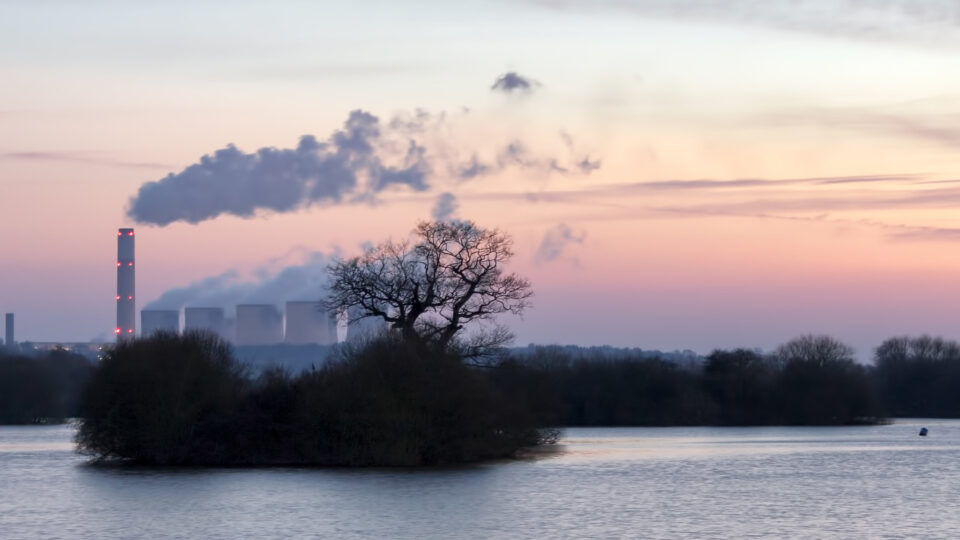
The last coal plant in Britain has closed

The Industrial Revolution, which basically got underway in the mid-19th century, was largely enabled by coal, which fueled iron manufacturing, railroads, steam engines, and more.  Most of these things got their start in Britain, which inspired the rest of the world to follow suit.

The world’s first coal-burning power plant began producing electricity at the Holborn Viaduct in London in 1882.  This September, Britain – the birthplace of coal power – shut down its last coal-burning power station when the 2,000-megawatt Ratcliffe-on-Soar facility ceased operations.  Uniper, the company that operated the plant, will be converting the 750-acre site to a low-carbon energy hub.

Shutting down coal plants is not a simple matter, as they are the lifeblood of entire towns and regions where they are located.  Finding fair transitions for workers is an uphill battle that has to take place in many locations.

Coal is the dirtiest fossil fuel, producing more greenhouse gas than others, but historically was the cheapest and most abundant source of power in many countries.  In recent decades, it has been replaced by gas, nuclear power, and most recently, renewables like wind and solar.

The coal era has ended in much of the world. The United States still gets 16% of its electricity from coal, but that number keeps getting smaller.  Unfortunately, the great majority of coal use is in the world’s two most populous countries:  India and China.  Both are adding renewable energy sources, but both have rapidly climbing energy demand.  China’s coal consumption is expected to peak this year and flatten out.  But there is still work to be done to bring an end to coal power.

**********

Web Links

Britain Shuts Down Last Coal Plant, ‘Turning Its Back on Coal Forever’

Photo, posted March 13, 2016, courtesy of Arran Bee via Flickr.

Earth Wise is a production of WAMC Northeast Public Radio
Solar energy on federal land

October 15, 2024 By EarthWise Leave a Comment

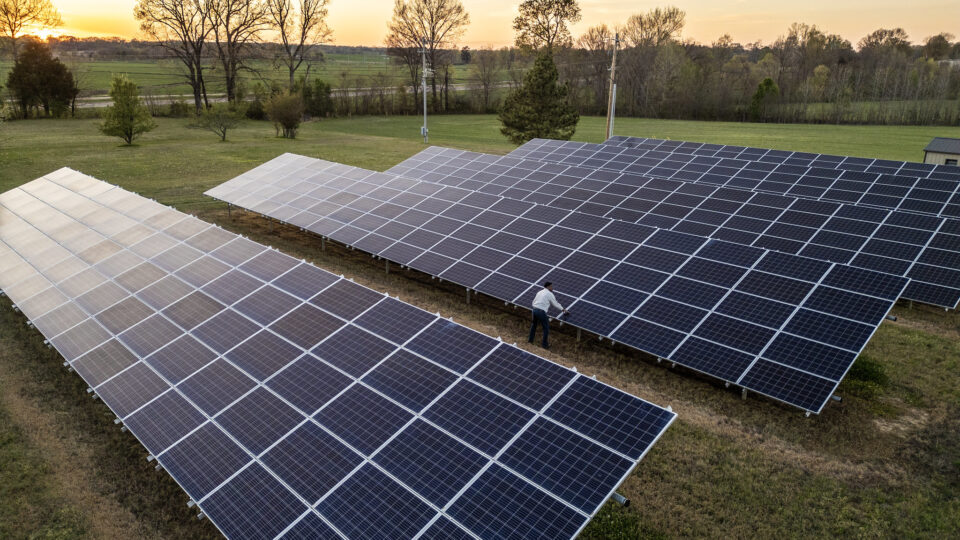
Officials at the federal Bureau of Land Management announced late in August that they had finalized a plan to add Oregon, Idaho, Montana, Washington, and Wyoming to the Western Solar Plan, which started during the Obama era.   The plan, created in 2012, provides permitting for solar projects on federal land.  The original plan included Arizona, California, Colorado, Nevada, New Mexico, and Utah.

The Western Solar Plan is a major expansion for clean energy production in the Bureau of Land Management’s land leasing portfolio.  For decades, the BLM has leased tens of millions of acres of federal land to fossil fuel companies for oil, coal, and natural gas exploration and production.

The new addition includes 1.1 million acres of land in Oregon, an area larger than the entire state of Rhode Island.  The land selected is deemed to be of low risk for any adverse environmental effects from solar installation, and the plots of land are all within 15 miles of existing or planned electrical transmission lines.  A little over 50% of Oregon’s land is owned by the federal government and is managed primarily by the Bureau of Land Management and the U.S. Forest Service.

The publication of the finalized plan at the end of August initiated a 30-day period for any participants in the initial planning to voice objections.  The governors of the 5 new states are reviewing the plan.  Final approval and adoption are expected later this year.

Western states need to expand solar and other clean energy production to meet their climate goals and federal lands will have to play an important role.

**********

Web Links

Plan would make 1 million acres of federal land in Oregon available for solar energy projects

Photo, posted May 20, 2024, courtesy of the U.S. Department of Agriculture via Flickr.

Earth Wise is a production of WAMC Northeast Public Radio
Trends in rooftop solar

October 8, 2024 By EarthWise Leave a Comment

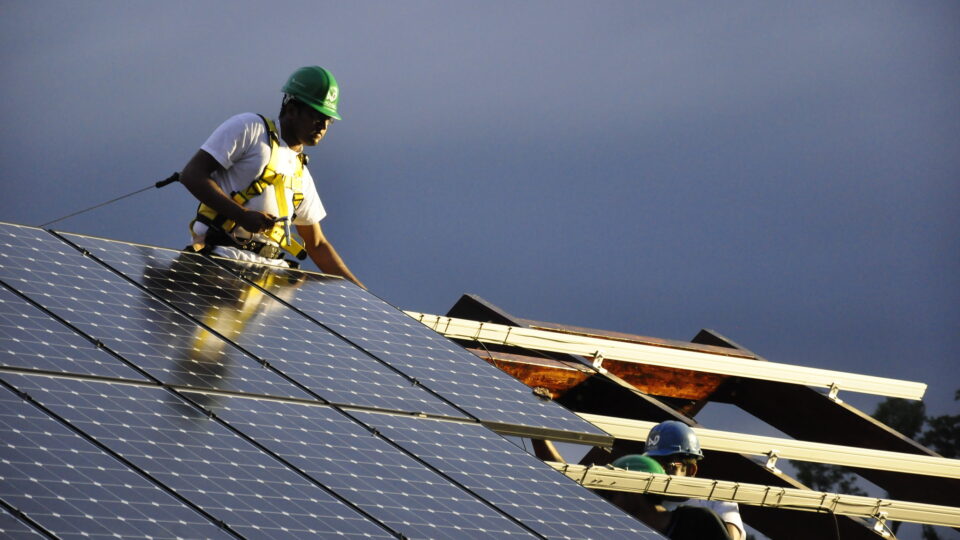
Rooftop solar power in the United States has increased by a factor of ten over the past decade and the majority of that growth has been in the past six or seven years.  At this point, about 7% of American homes have solar panels on their roofs – about 5 million in total. 

Rooftop solar really began experiencing widespread use about 20 years ago.  Over that time period, the amount of electricity that panels are able to produce has grown substantially and the cost of solar power systems has dropped dramatically.

Twenty years ago, the median sized residential solar system generated 2.4 kilowatts of power.  In 2023, the median size was 7.4 kilowatts.  Roofs haven’t gotten bigger; solar panels have gotten better.

More importantly, 20 years ago, the average cost of installing solar power was $12 a watt. In 2023, the cost was $4.20 a watt.

Americans in fact pay considerably more for solar power than citizens in many other countries.  The reason is not the price of the equipment; it is so-called soft costs.  These include labor, financing, and permitting. Driving down soft costs is complicated and difficult. For one thing, it is important for solar industry jobs to have high pay and good benefits.

The cost of solar also varies significantly by state.  California is the leading state for solar power and its median solar cost is the $4.20 a watt, the same as the national average.  Nevada has the lowest cost at $3.40 a watt and Utah has the highest at $5.20 a watt.

**********

Web Links

Bigger and Less Expensive: A Snapshot of U.S. Rooftop Solar Power and How It’s Changed

Photo, posted September 18, 2011, courtesy of Team Massachusetts 4D Home via Flickr.

Earth Wise is a production of WAMC Northeast Public Radio
Solar grazing

September 16, 2024 By EarthWise Leave a Comment

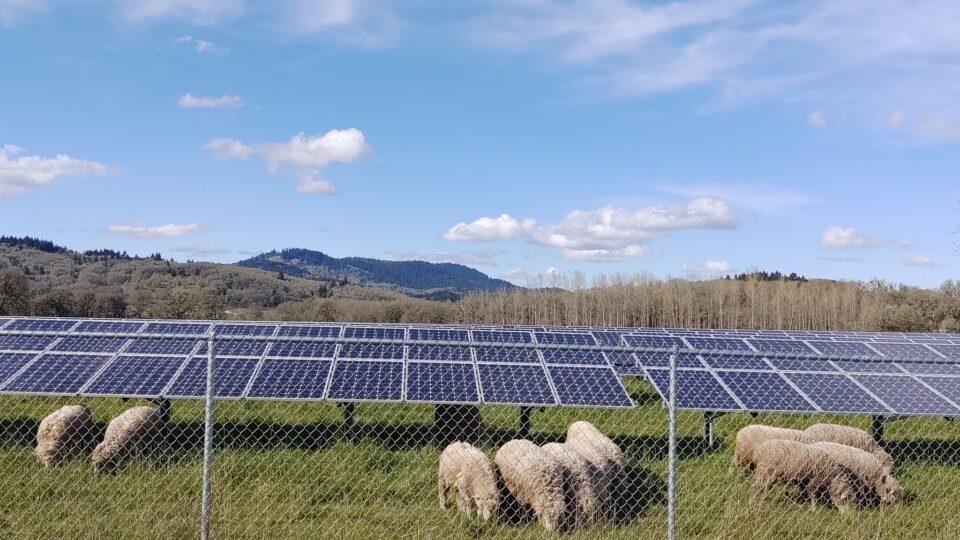
Agrivoltaics is the combination of solar power generation with agriculture.  Generally, this has involved growing crops under and around solar panels harvesting both food and electricity.  More recently, there has been increasing interest in grazing animals to manage lands used for solar power.

Enel North America, a large operator of solar farms and utility-scale battery storage facilities in Texas, has announced a partnership with Texas Solar Sheep Company to deploy more than 6,000 sheep to chow down on the greenery on eight large Texas solar sites.  This is the largest known solar grazing agreement executed in the United States

Texas Solar Sheep’s flocks will graze on more than 10,000 acres of land being used for solar generation, an area roughly ¾ the size of Manhattan.  Most of these sites are situated in areas with high rainfall and long growing seasons. 

The American Solar Grazing Association, an organization with 950 members across 45 states, facilitates research, provides education, and develops best practices in support of a unique population of shepherds and solar developers.  Their recent survey estimates that 100,000 acres of U.S. solar sites are currently being chewed on by sheep.  Texas has the most installed utility-scale solar power in the country.

According to Enel, its existing solar grazing program has demonstrated substantial improvements in soil health by the additional of organic matter to the soil.  Managing vegetation with sheep is also better for pollinators because sheep don’t cut down all plants the way mowing does.

**********

Web Links

No more sheepless nights: Enel inks largest solar grazing contract

Photo, posted April 7, 2020, courtesy of Sean Nealon / Oregon State University via Flickr.

Earth Wise is a production of WAMC Northeast Public Radio
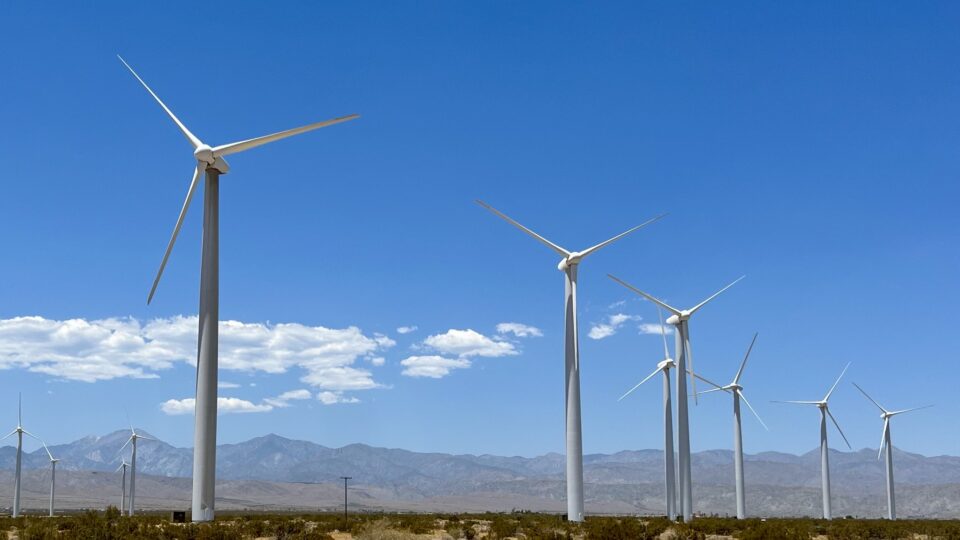
More wind power than coal power

September 12, 2024 By EarthWise Leave a Comment

Wind power is starting to beat out coal in the United States

The U.S. used to get more of its electricity from burning coal than by any other means.  It wasn’t all that long ago; coal produced 51% of our electricity in 2001. But as of 2022, it was less than 20%.

In March and April, the U.S. generated more electricity from wind power than from coal.  This was the first time that wind outstripped coal for two consecutive months.

This crossover between wind and coal power is just another milestone in the energy transition to renewable energy sources.  Renewables collectively produce more electricity than coal and their share is steadily growing.  The explosive growth in renewable energy is primarily the result of three factors:  federal tax credits, state energy mandates away from fossil fuels, and, most importantly, shifts in the economics of energy.  Breakthroughs in technology and economies of scale have lowered the cost of building new wind turbines, solar panels, and battery storage. 

Coal plants have retired at a rapid pace over the past 25 years.  During that time, natural gas capacity has nearly tripled.   Gas began to replace coal starting around 2005 when the fracking boom led to the availability of large quantities of cheap natural gas. Because of this, fossil fuels are still the largest source of electricity generation in the U.S., but that is not likely to be the case for very long.

Analysts expect that wind energy will grow to provide about 35% of the country’s electricity by 2050.  The Department of Energy predicts that solar power will produce 45% of U.S. electricity by that year.

**********

Web Links

Wind Beat Coal Two Months in a Row for U.S. Electricity Generation

Photo, posted August 5, 2024, courtesy of Samir Luther via Flickr.

Earth Wise is a production of WAMC Northeast Public Radio
A giant solar plus storage facility

August 23, 2024 By EarthWise Leave a Comment

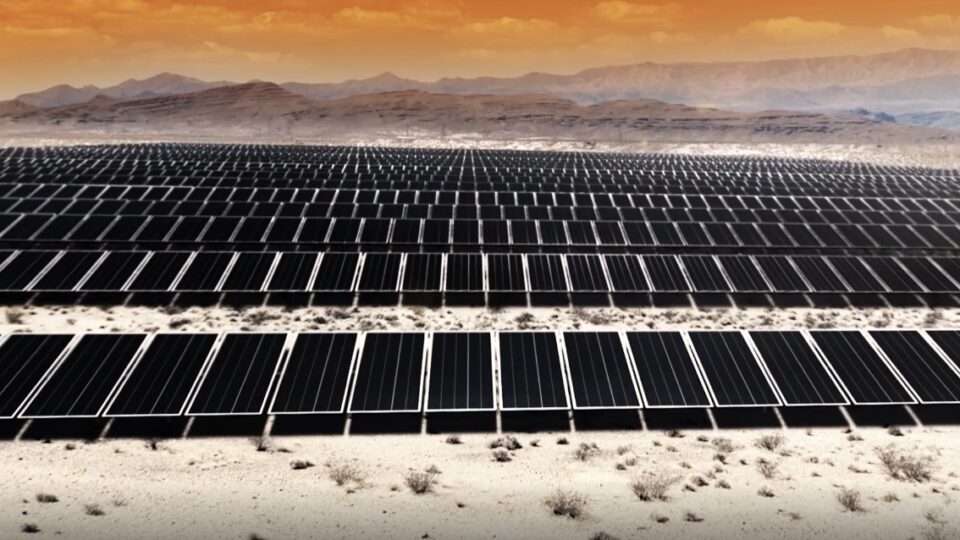
A massive solar and battery storage project is now operational

One of the country’s largest co-located solar and battery energy storage projects is now fully operational.  The Gemini Solar+Storage project is located in Clark County, Nevada, about 30 minutes outside of Las Vegas.

The project’s 1.8 million solar panels can generate up to 690 megawatts of electricity, which is enough to supply about 10% of Nevada’s peak demand.  The facility is co-located with 380 megawatts of 4-hour battery storage, which is enough to supply Nevadans with 1,400 MWh of power after sundown.

The project makes use of a unique storage configuration that allows the storage system to be charged directly from the solar panels, resulting in increased efficiency and maximizing the capture and storage of solar energy.

The project has minimized the environmental impacts to the nearly 5,000-acre site.  Primergy, the project developer, took measures to leave vegetation in place, installed solar panels to follow the ground’s natural contours, and reduced the overall footprint by more than 20% through careful design.  The project created 1,300 union and prevailing wage jobs and contributed $483 million to Nevada’s economy.

Solar facilities are increasingly co-located with battery storage plants.  There is a huge project in Kern County California that includes 1.9 million solar panels capable of generating 875 megawatts of solar power and storing 3,287 megawatt-hours of energy.  The deserts of the southwest are prime locations for such facilities.

**********

Web Links

The house always wins: Massive Gemini solar + storage outside of Las Vegas reaches commercial operations

Photo courtesy of Quinbrook Infrastructure Partners.

Earth Wise is a production of WAMC Northeast Public Radio
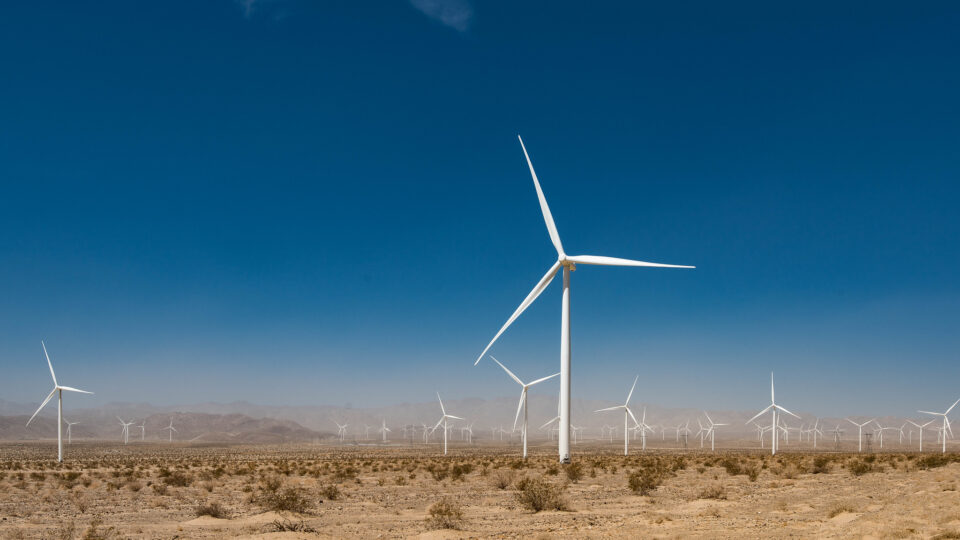
Expanding solar and wind in the U.S.

August 20, 2024 By EarthWise Leave a Comment

Solar and wind power are expanding in the United States

According to new data from the Federal Energy Regulatory Commission, solar and wind now make up more than 20% of the total US electrical generating capacity.  Adding up all renewable energy sources – which also include biomass, geothermal, and hydropower – renewable energy is now nearly 30% of the total electrical generating capacity in this country.

During the first five months of 2024, 10.669 gigawatts of solar and 2.095 gigawatts of wind power came online.  There were also 212 megawatts of hydropower and 3 megawatts of biomass added to generating capacity.  All told, renewables constituted 89.91% of new generating capacity added this year.  This does not include 1.1 gigawatts of nuclear power added at the Vogtle-4 reactor in Georgia. 

Solar power is booming.  The amount added this year was more than double the amount added over the same period last year.  Solar has been the largest source of new generating capacity for nine months straight.  Wind was the second largest.

About one-third of US solar capacity is in the form of small-scale – that is, rooftop – solar.  The statistics quoted in this report do not take that into account.  If it was included, solar plus wind would be closer to 25% of the US total.

Predictions are that over the next three years, nearly 90 gigawatts of additional solar power will be added to the grid as well as 23 gigawatts of wind power.  Over that period, coal, natural gas, and oil are projected to shrink by more than 20 gigawatts.

**********

Web Links

Solar and wind now make up more than 20% of US electrical generating capacity

Photo, posted October 28, 2016, courtesy of Daxis via Flickr.

Earth Wise is a production of WAMC Northeast Public Radio
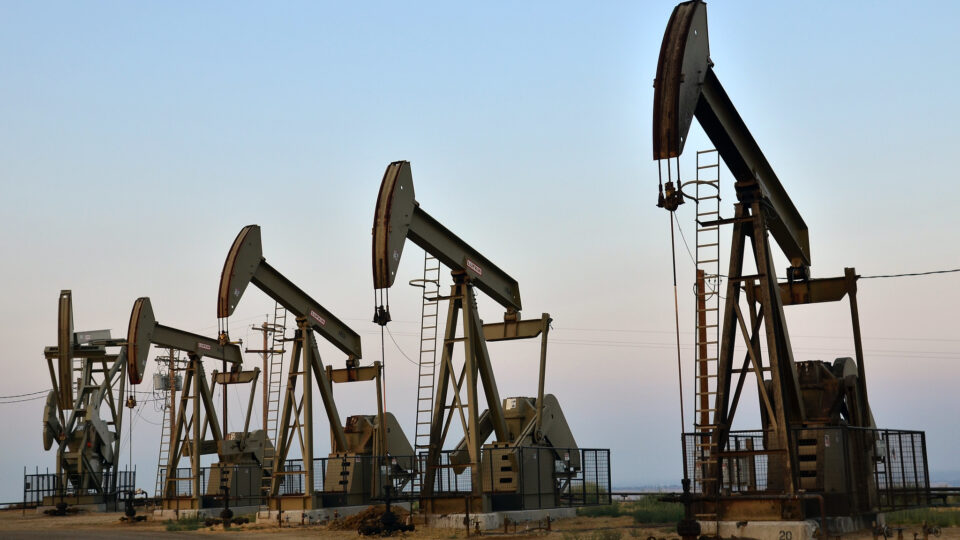
Geological thermal energy storage

August 7, 2024 By EarthWise Leave a Comment

The electricity grid is increasingly using solar and wind power.  Depending on those two sources requires the ability to store energy to have on hand when the sun isn’t shining and the wind isn’t blowing.   Energy needs to be stored away to be used hours, days, or even weeks after it is produced.

Energy storage is booming.  California has increased its energy storage capacity tenfold in recent times.  One day in April, storage batteries were the largest source of electricity in the state for a period of two hours.  But batteries are not the only way to store energy.  There are chemical, electrochemical, mechanical, and thermal methods that each has potential advantages and unique features.

A project in Kern County, California, is making use of an abandoned oil field to create a long-term energy storage installation.  The plan is to retrofit depleted oil wells to store concentrated solar energy in superheated groundwater for long periods of time.  The stored heat can then be used to drive turbines when electricity is needed.

Some 1,200 feet below the surface of the oil field are pockets of permeable sandstone that have been emptied of the oil they previously contained.   An array of parabolic mirrors will gather solar energy that will heat silicon oil in an underground loop to 700 degrees Fahrenheit.  The oil pipeline will heat up groundwater down below.  When electricity is needed, the heated groundwater will be brought to the surface to operate turbines.

There is no new technology involved.  The individual aspects have never all been combined before, but the likelihood of success is high.  There are lots of depleted oil fields that could be used this way in the future.

**********

Web Links

Can a California Oilfield Be Retrofitted to Store Solar Energy?

Photo, posted July 18, 2017, courtesy of John Ciccarelli / BLM via Flickr.

Earth Wise is a production of WAMC Northeast Public Radio
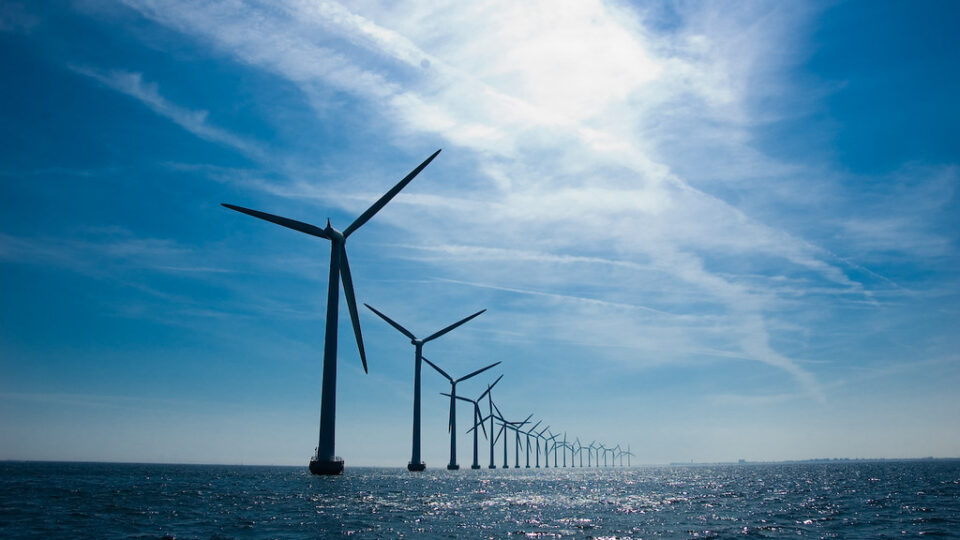
Wind farms and sea farms

August 5, 2024 By EarthWise Leave a Comment

There has been increasing use of agriculture coexisting with solar farms.  This dual use of land is a win-win situation.  Recently, Danish researchers have been investigating the potential for farming marine products at offshore wind farms.

Scandinavia’s largest wind farm, Kriegers Flak, is the site of a four-year-old project in which long lines are stretched between the wind farm’s pylons and are used to grow mussels and seaweed.  With the first harvest that has taken place after 18 months, it is showing signs of early success.

Seaweed and mussels are low trophic aquaculture crops.  That means that that they don’t need to be fed or fertilized.  They take up nutrients from the sea and produce healthy foods.

The 328-foot lines spread between the turbines can be used to grow substantial quantities of the underwater seafood.  According to modeling by Aarhus University – the institution conducting the study – using just a tenth of Denmark’s wind park area could produce tons of seafood annually while using only the naturally-available resources.  This form of aquaculture captures emissions instead of producing them.

Researchers say that it is time to develop guidelines to encourage companies to plan for multiple uses of the ocean because countries are ramping up production of clean energy from offshore wind farms.  Denmark was the first country in the world to install a commercial offshore wind park in 1991.  Over 30 years later, nearly half of the country’s electricity comes from wind turbines.

The benefits of such sea farms combined with offshore wind farms go beyond food production and clean energy production.  They also help improve water quality and capture carbon.  It is another win-win situation.

**********

Web Links

Beneath offshore wind turbines, researchers grow seafood and seaweed

Photo, posted August 5, 2007, courtesy of Andreas Klinke Johannsen via Flickr.

Earth Wise is a production of WAMC Northeast Public Radio
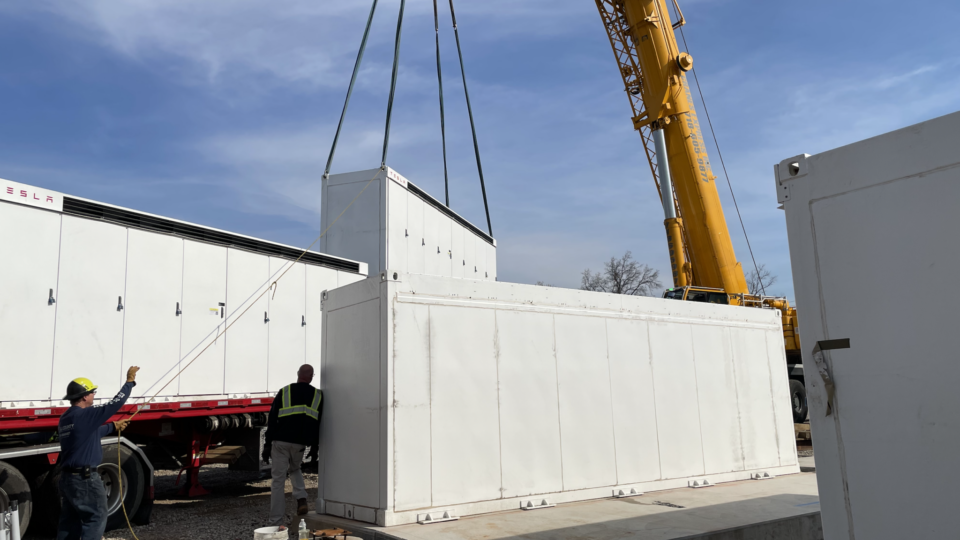
Much more energy storage for New York

August 2, 2024 By EarthWise Leave a Comment

As solar and wind power play an ever-growing role in the electricity grid, the need for energy storage also grows.  Even if sun and wind can provide more energy than is needed at a particular time, they can’t provide it at all times.  The ability to store excess energy waiting in reserve for when the sun and wind are not providing it is essential to avoid the need for burning fossil fuels to take up the slack.

The New York State Public Service Commission has announced that it has approved a new framework for the state to have in place a nation-leading six gigawatts of energy storage by 2030.  This represents at least 20% of the peak electricity load of New York State.

An extensive set of recommendations to expand New York’s energy storage programs describe cost-effective ways to unlock the rapid growth of renewable energy across the state as well as to bolster the reliability of the grid.  The buildout of storage deployment is estimated to reduce projected future statewide electric system costs by nearly $2 billion.  New York has previously established goals to generate 70% of its electricity from renewable sources by 2030 and 100% zero-emission electricity by 2040.

The new roadmap includes programs to procure an additional 4.7 gigawatts of new energy storage projects across large-scale, retail, and residential energy storage sectors across the state.  These future procurements, when combined with the 1.3 gigawatts already being procured or under contract, will allow the State to achieve the 6-gigawatt goal by 2030.

Energy storage plays a critical role in decarbonizing the grid, reducing electricity system costs, and improving the reliability of the electricity system.

**********

Web Links

New York approves plan to add six gigawatts of energy storage by 2030

Photo courtesy of NineDot Energy.

Earth Wise is a production of WAMC Northeast Public Radio
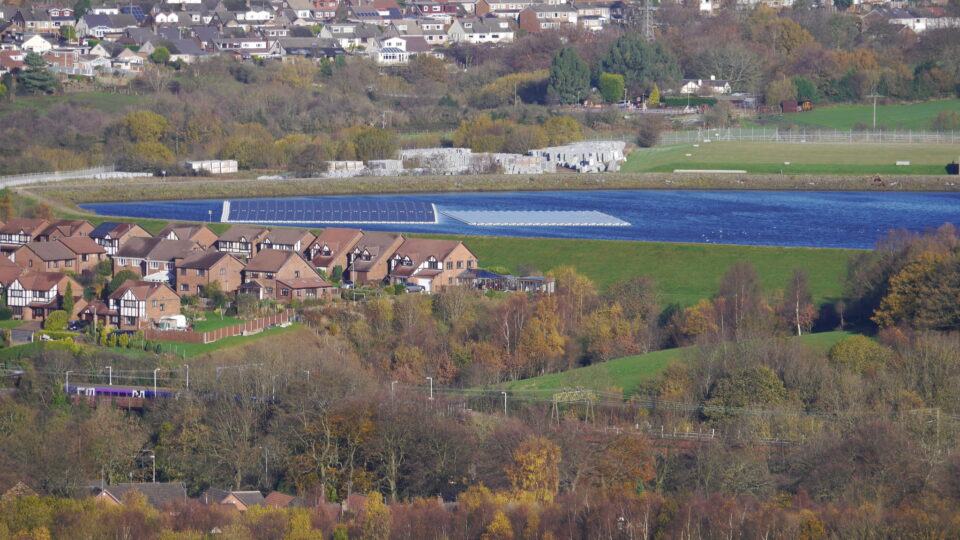
Potential for floating solar

July 16, 2024 By EarthWise Leave a Comment

As installations of utility-scale solar power continue to expand around the world, there is the issue of where to put them.  They do take up considerable amounts of space and, in many places, available land is at a premium.

An alternative to taking up available land with solar panels is to deploy them on the surfaces of lakes and reservoirs.  A study by researchers at Bangor and Lancaster Universities in the UK calculated the potential electrical output for floating photovoltaic installation on nearly 68,000 lakes and reservoirs around the world.  The lakes and reservoirs selected were no more than 6 miles from a population center, were not in a protected area, and didn’t dry up and didn’t freeze for more than six months each year.  The calculations were based on covering just 10% of the surface area of the bodies of water.

The calculations were evaluated country-by-country.  Five countries could meet their entire electricity needs by floating installations including Papua New Guinea, Ethiopia, and Rwanda.  Many countries, mostly in Africa, South America, and Central Asia, could get between 40% and 70% of their electricity this way.  Most European countries could only meet a few percent of their electricity needs from floating solar, but even that could be significant. 

There are other benefits to floating solar apart from freeing up land.  The panels stay cooler, making them more efficient, and reservoirs lose less water through evaporation and the growth of algal blooms is reduced because there is less light reaching the water.

**********

Web Links

Some countries could meet their total electricity needs from floating solar panels, research shows

Photo, posted November 25, 2015, courtesy of Smabs Sputzer via Flickr.

Earth Wise is a production of WAMC Northeast Public Radio

Research on solar geoengineering

July 12, 2024 By EarthWise Leave a Comment

Ideas for potential technologies that could artificially cool the planet as a countermeasure against global warming have been considered radical and dangerous for a long time.  But as climate change continues to become increasingly apparent, ideas like solar geoengineering are gaining increasing attention.

Most environmental organizations are at best skeptical about such ideas and oppose them.  Their opposition is in part based on the assertion that there are no quick fixes for climate change and that not addressing its root causes is a dangerous path to take.  But an even greater concern is that intentionally manipulating global temperatures is likely to have a host of unintended consequences that could prove disastrous.

One of the world’s largest environmental organizations, the Environmental Defense Fund, has decided to fund research into solar geoengineering.  The EDF cautions that is in not in favor of deploying such technology.  Its position is that the discussion about ways to cool the planet is not going away and cannot be ignored.  The lack of proper research can promote unfounded optimism about such technology  So, they are going to fund research that can provide information based on solid, well-formulated science.

A major focus will be what other effects technologies like cloud brightening and injecting aerosols into the atmosphere might have apart from providing cooling. 

The EDF’s own position is that deliberate climate interventions present serious ecological, moral, and geopolitical concerns.  However, they believe that policymakers need to be informed by the most accurate information possible.

**********

Web Links

Environmental Group to Study Effects of Artificially Cooling Earth

Photo, posted February 3, 2008, courtesy of Camilla Cannarsa via Flickr.

Earth Wise is a production of WAMC Northeast Public Radio

Industrial heat and solar power

July 2, 2024 By EarthWise Leave a Comment

Generating industrial heat and power from renewable energy

Many industrial processes require extremely high temperatures, typically more than 1,800 degrees Fahrenheit.  This heat is generally produced by burning fossil fuels – either coal or natural gas – which emits large amounts of greenhouse gases. This level of heat cannot be economically produced using renewable electricity.  As a consequence, decarbonizing these industrial processes is very difficult.

Researchers at ETH Zurich in Switzerland have recently demonstrated a new method of obtaining high-temperature heat based on solar radiation.  They have engineered a device called a thermal trap.  It consists of a quartz rod coupled to a ceramic absorber that can efficiently absorb sunlight and convert it to heat.

In laboratory-scale experiments, they exposed a foot-long quartz rod to artificial light 135 times more intensive than sunlight and were able to produce temperatures as high as 1,900 degrees.  The artificial light source was needed to mimic the effects of concentrated solar energy plants that typically make use of large numbers of mirrors to direct intense solar energy onto a small area.

There are already concentrated solar power plants that operate at temperatures as high as 1,100 degrees and use the heat to operate turbines to generate electricity.  These plants lose efficiency at higher temperatures because of radiative heat losses.  The Zurich thermal trap minimizes these losses and permits higher temperature operation.

The hope is that at a large scale, the new approach may make it possible to use solar energy to decarbonize energy-intensive industrial processes.

**********

Web Links

Using solar energy to generate heat at high temperatures

Photo courtesy of ETH Zurich / Emiliano Casati.

Earth Wise is a production of WAMC Northeast Public Radio
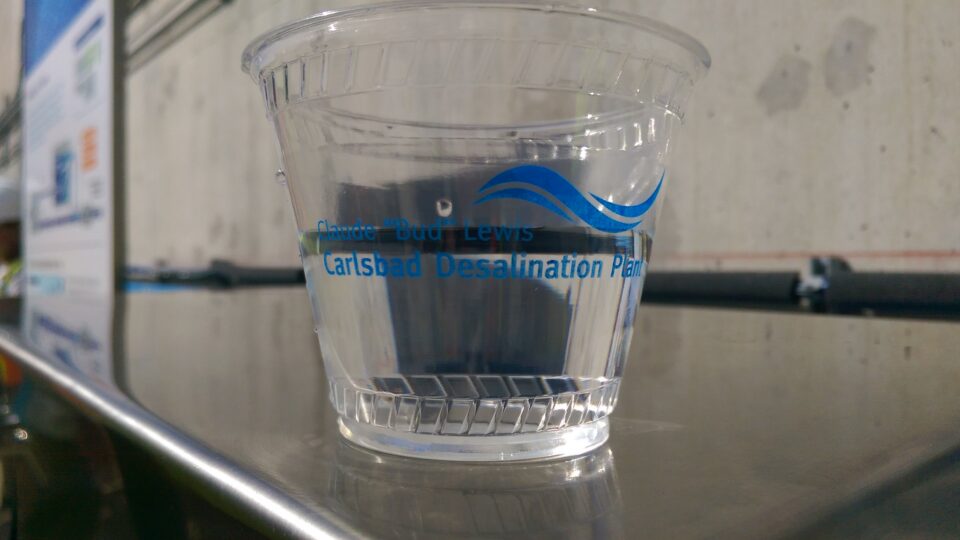
Minerals from seawater

June 27, 2024 By EarthWise Leave a Comment

Using the minerals from desalination plants

There are about 18,000 desalination plants around the world that take in 23 trillion gallons of water each year.  The plants produce more than 37 billion gallons of brine – enough to fill 50,000 Olympic-size swimming pools – every day.  Disposing of this brine is an ongoing challenge.  Dumping it into the ocean can damage marine ecosystems.  Inland desalination plants either bury this waste or inject it into wells, adding further cost and complexity to the already expensive process of desalination.

According to researchers at Oregon State University, this waste brine contains large amounts of copper, zinc, magnesium, lithium, and other valuable metals.  A company in Oakland, California called Magrathea Metals has started producing modest amounts of magnesium from waste brine in its pilot projects.  With support from the U.S. Defense Department, it is building a larger-scale facility to produce hundreds of tons of the metal over two to four years. 

Most of the world’s magnesium supply comes from China, where producing it requires burning lots of coal and utilizing lots of labor.  Magrathea’s brine mining makes use of off-peak wind and solar energy and is much less labor intensive.

No large-scale brine mining operations currently exist and when there are some, they might end up having negative environmental impacts.  But in principle, the process should produce valuable metals without the massive land disturbance, acid-mine drainage, and other pollution associated with traditional mining.  Brine mining could turn a growing waste problem into a valuable resource.

**********

Web Links

In Seawater, Researchers See an Untapped Bounty of Critical Metals

Photo, posted February 18, 2017, courtesy of Jacob Vanderheyden via Flickr.

Earth Wise is a production of WAMC Northeast Public Radio

Cloud brightening

June 17, 2024 By EarthWise Leave a Comment

Solar geoengineering is a type of climate intervention:  deliberate actions designed to affect the climate.  There are several ways to try to reduce the amount of sunlight reaching the surface of the earth and all of them are controversial.  Perhaps the least controversial approach is cloud brightening.

The idea is based on something called the Twomey effect, which is that large numbers of small droplets in the atmosphere reflect more sunlight than small numbers of large droplets.  Spraying vast quantities of minuscule aerosols into the sky, thereby forming many small droplets, could change the reflective properties of clouds.  If clouds are more reflective, then less sunlight reaches the surface, and the temperature goes down.

This form of geoengineering is thought to be less risky because it can be performed on a localized basis and can use relatively benign materials such as sea salt. 

In early April, scientists from the University of Washington started testing a device that sprays tiny sea-salt particles into the air from the deck of a decommissioned aircraft carrier in Alameda, California.  The test was simply to see whether the machine propelled a mist of suitable size.

Within two weeks, Alameda officials ordered a stop to the experiment, citing potential health and environmental risks.  After a month-long investigation, Alameda ruled that the experiment does not generate a measurable risk to health, wildlife, or the environment.

But before more ambitious experiments take place, there are potential side effects of cloud brightening that need to be studied.  It may turn out to be a useful tool in fighting global warming, but in any case, such technology should not be viewed as a substitute for moving away from fossil fuels.

**********

Web Links

A Test of Cloud-Brightening Machines Poses No Health Risk, Officials Say

Photo, posted September 8, 2011, courtesy of Justin Ladia via Flickr.

Earth Wise is a production of WAMC Northeast Public Radio
Around-the-clock clean energy

June 14, 2024 By EarthWise Leave a Comment

Using solar and wind power can go a long way toward replacing fossil fuel-generated electricity, particularly with the addition of battery energy storage.  But because of the intermittent nature of both sun and wind, other sources are still needed.  There is also the need for ways to produce high temperature for industrial processes.  Complete decarbonization will require a host of complementary technologies.

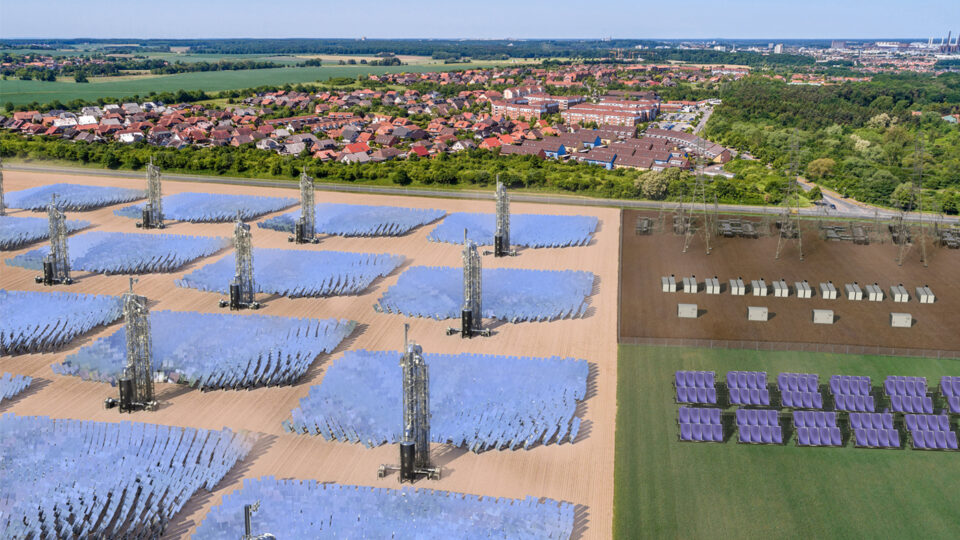
A spinout company from MIT called 247Solar is building high-temperature concentrated solar power systems that make use of overnight thermal energy storage to provide electric power around the clock as well as industrial-grade heat.

The system uses a field of sun-tracking mirrors to reflect sunlight to the top of a central tower.  A proprietary solar receiver heats air to over 1,800 degrees Fahrenheit.  The heated air drives turbines that generate 400 kilowatts of electricity and produces 600 kilowatts of heat.  Some of the hot air is routed through a long-duration thermal energy storage system and the stored heat is then used to drive the turbines when the sun isn’t shining.  The unique part of the technology is not the concentrated solar power; it is the solar receiver.

The modular systems can be used as standalone microgrids for communities, or to provide power in remote places.  They can also be used in conjunction with conventional wind and solar farms to enable around-the-clock renewable power.

The first deployment will be with a large utility in India.  If it is successful, 247Solar hopes to scale up rapidly with other utilities, companies, and communities around the globe.

**********

Web Links

Offering clean energy around the clock

Photo credit: 247Solar.

Earth Wise is a production of WAMC Northeast Public Radio
California renewable energy

June 12, 2024 By EarthWise Leave a Comment

Renewable energy in California exceeding 100% of energy demand

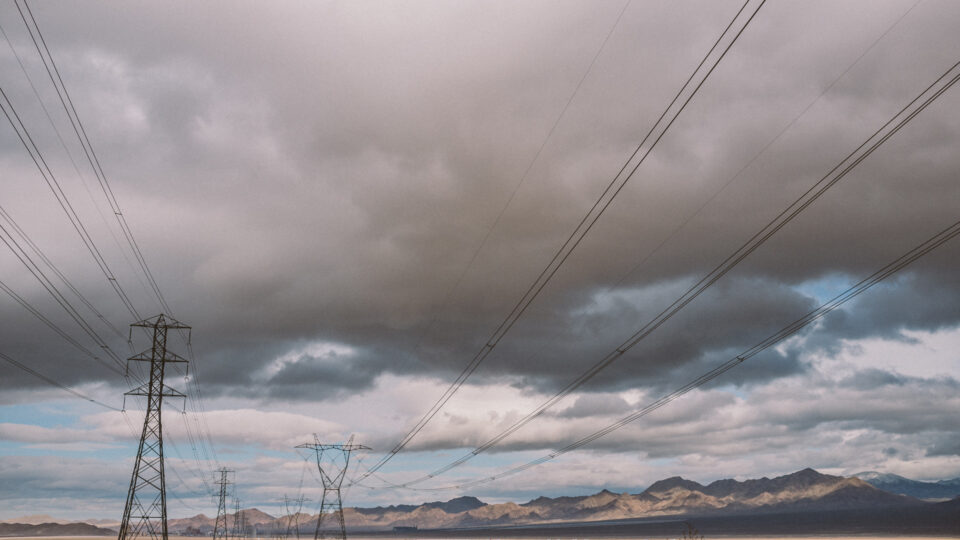
California has aggressively pursued the use of renewable energy, particularly solar and wind power.  Last year, renewables supplied 54% of the state’s electricity needs.  This year, California has been achieving some remarkable milestones with its renewable energy.

As of May 26th, California had produced more than 100% of its electricity demand with wind, solar, and hydropower for parts of 51 straight days and 75 out of 81 days.  On May 25th, California’s grid ran entirely on renewable energy for 10.1 straight hours and renewables provided 83% of the state’s electricity for the entire 24-hour period.  California uses more electricity than any other state apart than Texas, which uses more than half its energy for operating refineries and petrochemical plants.

Excess power in California is either exported to other states or is used to charge up the state’s growing arrays of energy storage batteries.  California has the largest grid-connected battery storage facility in the world, located in Kern County.  The facility can store nearly 3,300 megawatt-hours of energy.

The ability to produce more power than the state needs occurs during the day when the sun is shining, and when many people are not at home.  At night, demand goes up and solar power is not available.  But as the quantity of energy storage available continues to grow along with additional solar installations, California will ultimately be able to wean off of the gas-fueled power plants it predominantly uses at night.

According to some experts, California may operate entirely on renewables and battery storage as soon as 2035. 

**********

Web Links

California exceeds 100% of energy demand with renewables over a record 30 days

Photo, posted January 11, 2016, courtesy of Jared Eberhardt via Flickr.

Earth Wise is a production of WAMC Northeast Public Radio
The end of coal in New England

May 3, 2024 By EarthWise Leave a Comment

Photo, posted October 14, 2015, courtesy of Eversource NH via Flickr.

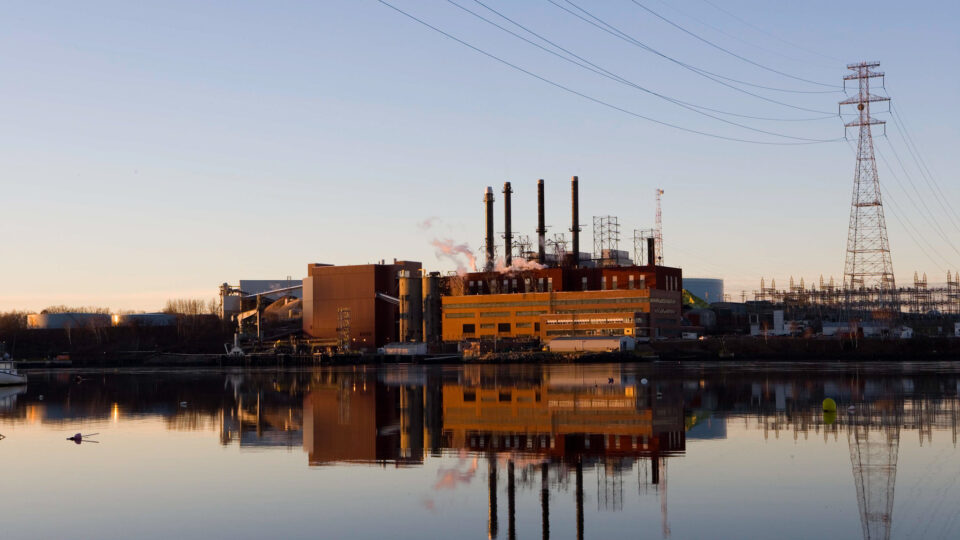
The last two coal-fired power plants in New England are scheduled to close by 2025 and 2028.  The New Hampshire-based plants are operated by Granite Shore Power.  The Schiller Station plant began operations in 1949 and the Merrimack Station was built in the 1960s.

Granite Shore Power has come to an agreement with the Environmental Protection Agency as part of a settlement of lawsuits by the Conservation Law Foundation and the Sierra Club.  The two power plants were the subject of a five-year legal battle waged by clean energy advocates

Granite Shore Power intends to turn both of the sites into renewable energy parks.  The plants will be converted into solar farms and battery units that can be used to store electricity generated by offshore wind turbines along the Atlantic Coast.  Granite Shore Power bought the two power plants in 2018 with the intention of transitioning the coal generation systems into less polluting operations.

The battery storage system at the Schiller Station site in Portsmouth will be named the Jacona II in honor of a self-propelled floating power barge that brought power to parts of Maine and New Hampshire between 1919 and 1930.

Coal use has dropped dramatically in the United States in recent years as natural gas and renewable sources like wind and solar have become less expensive.  As of last year, coal only produced about 17% of American electricity and its use continues to decline. 

Coal is the dirtiest fossil fuel.  In 2021, when it generated less than a quarter of the electricity produced in the US, it accounted for 59% of carbon emissions from electricity generation.

**********

Web Links

The Last Coal-Fired Power Plants in New England Are to Close

Photo, posted October 14, 2015, courtesy of Eversource NH via Flickr.

Earth Wise is a production of WAMC Northeast Public Radio

The world’s largest energy plant

April 19, 2024 By EarthWise Leave a Comment

The largest energy plant in the world is being built in India.  In an area of barren desert in western India near the Pakistani border, Adani Green Energy Limited (or AGEL) is building a sprawling solar and wind power plant that will cover more than 200 square miles.  It will be five times the size of Paris and will produce enough electricity to power 16 million homes.

The Khavda Renewable Energy Park will cost about $20 billion to build and will take about five years to complete.

The success of the plant is critical to India’s efforts to reduce pollution and meet its climate goals.  India is the world’s third-largest energy consuming country.  Even though its energy use and emissions per person are less than half the global average, its enormous population offsets that advantage and its expanding economy and ongoing modernization are driving rapid growth of energy demand.  Energy demand has doubled since 2000 and 80% is still being met by coal, oil, and solid biomass.  India uses massive amounts of coal, and, in fact, the Adani Group of companies is India’s biggest coal importer and a leading miner of the fossil fuel.   Adani represents two sides of the coin.

More than 600 million people in India will be coming into middle and upper income over the next 10 to 15 years and they will have increasing energy needs.  India is in a race to develop clean energy capacity.  If it simply follows the torturous path that China, Europe, and US all have done, the prospects for the global climate are bleak.

Building the world’s largest clean energy plant is just a first small step in the necessary direction.

**********

Web Links

A coal billionaire is building the world’s biggest clean energy plant and it’s five times the size of Paris

Photo, posted February 25, 2010, courtesy of Bhavin Toprani via Flickr.

Earth Wise is a production of WAMC Northeast Public Radio
A surprising drop in renewable power

March 28, 2024 By EarthWise Leave a Comment

Renewable power generation dropped in 2023

Renewable power – which includes wind farms, solar farms, and hydroelectric dams – constitutes over 21% of the country’s utility-scale electricity generation, behind only natural gas power plants at 43%.  Nuclear power provides nearly 19% of our electricity and coal, which is gradually diminishing, is at 16%.

Both solar and wind power capacity have been growing rapidly in recent years and will be providing an increasing percentage of our electricity.  That being said, it turns out that utility-scale renewable electricity generation actually decreased slightly in 2023 as a result of weather-related issues.

Utility-scale renewables generated about 894,000 gigawatt hours of energy last year, which was 0.8% less than the record amount generated in 2022.

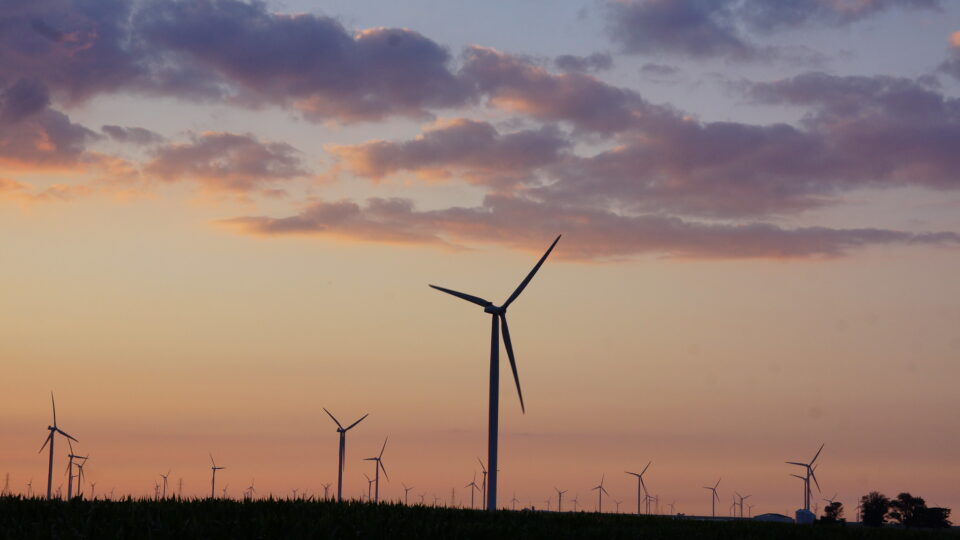
The reasons?  The biggest factor was slower wind speeds in the Midwest during the warmer weather months.  In 2023, there were fewer warm fronts and cold fronts passing through the region.  The passage of fronts is often associated with wind and precipitation. 

The other factor affecting renewable generation was a 5.9% drop in hydropower in 2023.  The main reason for the decrease was a drop in water levels at many hydroelectric dams in areas experiencing drought.

Experts explain that there is no reason to overreact to a one-year blip in renewables generation.  All three major sources of power – sun, wind, and hydroelectric – are tied to natural forces and all of them fluctuate over time.  Putting aside minor variations year-over-year, renewable electricity is on pace to more than double by the end of this decade.

**********

Web Links

Federal Data Reveals a Surprising Drop in Renewable Power in 2023, as Slow Winds and Drought Took a Toll

Photo, posted July 5, 2014, courtesy of Patrick Finnegan via Flickr.

Earth Wise is a production of WAMC Northeast Public Radio

  • « Go to Previous Page
  • Page 1
  • Page 2
  • Page 3
  • Page 4
  • Interim pages omitted …
  • Page 17
  • Go to Next Page »

Primary Sidebar

Recent Episodes

  • An uninsurable future
  • Clean energy and jobs
  • Insect declines in remote regions
  • Fossil fuel producing nations ignoring climate goals
  • Trouble for clownfishes

WAMC Northeast Public Radio

WAMC/Northeast Public Radio is a regional public radio network serving parts of seven northeastern states (more...)

Copyright © 2026 ·