• Skip to primary navigation
  • Skip to main content
  • Skip to primary sidebar

Earth Wise

A look at our changing environment.

  • Home
  • About Earth Wise
  • Where to Listen
  • All Articles
  • Show Search
Hide Search
You are here: Home / Archives for smell

smell

Getting Rid Of Hydrogen Sulfide | Earth Wise

December 20, 2022 By EarthWise Leave a Comment

Hydrogen sulfide gas produces the characteristic smell of rotten eggs, sewers, stockyards, and landfills.  The petroleum industry produces thousands of tons of the stuff each year as a byproduct of the processes that remove sulfur from petroleum, natural gas, coal, and other products.  The industry faces substantial fines for emitting hydrogen sulfide, but remediation is expensive.

Researchers at Rice University have developed a method for turning hydrogen sulfide into hydrogen gas and sulfur in a single step.  Called plasmonic photocatalysis, it not only gets rid of an undesirable substance, it does so by producing valuable byproducts.

The established way of getting rid of hydrogen sulfide is called the Claus process.  It requires multiple steps, including some that require combustion chambers heated to 1,500 degrees Fahrenheit.  The end product is sulfur and water.

The Rice University process gets all of its energy from light.  A surface of grains of silicon dioxide is dotted with tiny gold nanoparticles.  These particles interact strongly with a specific wavelength of visible light and cause plasmonic reactions that create short-lived, high-energy electrons that drive the catalysis of hydrogen sulfide.  Given that the process requires only visible light and no external heating, it should be relatively straightforward to scale up using solar energy or very efficient LED lamps.

The new hydrogen sulfide remediation technology has been licensed by a Houston-based startup company with more than 60 employees whose founders include some of the Rice researchers.  The process may end up being efficient enough and cheap enough for cleaning up non-industrial sources of hydrogen sulfide such as sewers and animal waste.

**********

Web Links

New catalyst can turn smelly hydrogen sulfide into a cash cow

Photo, posted July 8, 2021, courtesy of Doug Letterman via Flickr.

Earth Wise is a production of WAMC Northeast Public Radio

A Sensor For Spoiled Milk

June 20, 2019 By EarthWise Leave a Comment

A new sensor technology developed at Washington State University may eventually make expiration dates on milk a thing of the past.  The sensor essentially can ‘smell’ whether milk is still good or has gone bad.

The sensor consists of chemically coated nanoparticles that react to the gas produced when bacterial growth on milk has taken place.  When such bacteria grow, they produce a volatile compound that doesn’t smell good.  So, when we open a carton of milk that has begun to spoil, our noses tell us so immediately.

The new sensor does not have to be in contact with the milk.  It detects the volatile gases produced by the bacteria and it changes color. So far, it has only been demonstrated in a controlled lab environment.

To really be useful, the sensor would ideally be able to show how long the milk has before it spoils.  Currently, it only shows whether it is ok or already spoiled. The researchers are working on the enhanced version of the sensor.

The researchers envision working with the dairy industry to integrate the sensor technology into a milk bottle’s plastic cap so that consumers can easily see how much longer the milk will stay fresh.  Current expiration dates on milk are based on best-case scenarios. They are only accurate if the milk has been stored at the correct temperature the entire time.  Unfortunately, milk can inadvertently spend time above refrigerator temperature during shipment or transportation home from the store.  If the new sensor technology can be successfully developed, it will be possible to know for sure whether that bottle of milk is good.

**********

Web Links

Sensor can detect spoiled milk before opening

Photo, posted March 8, 2011, courtesy of Roxanne Ready via Flickr.

Earth Wise is a production of WAMC Northeast Public Radio.

Fish And Their Sense Of Smell

September 4, 2018 By EarthWise Leave a Comment

https://earthwiseradio.org/wp-content/uploads/2018/08/EW-09-04-18-Fish-And-Their-Sense-Of-Smell.mp3

We use our sense of smell for all sorts of things, like locating food and habitat, avoiding danger, and so on.  Fish do as well.  But instead of smelling scent molecules in the air like humans do, fish use their nostrils to sense chemicals suspended in water.  

[Read more…] about Fish And Their Sense Of Smell

Why Do Animals Eat Ocean Plastic?

November 21, 2016 By WAMC WEB

https://earthwiseradio.org/wp-content/uploads/2016/11/EW-11-21-16-Ocean-Plastic-and-Animals.mp3

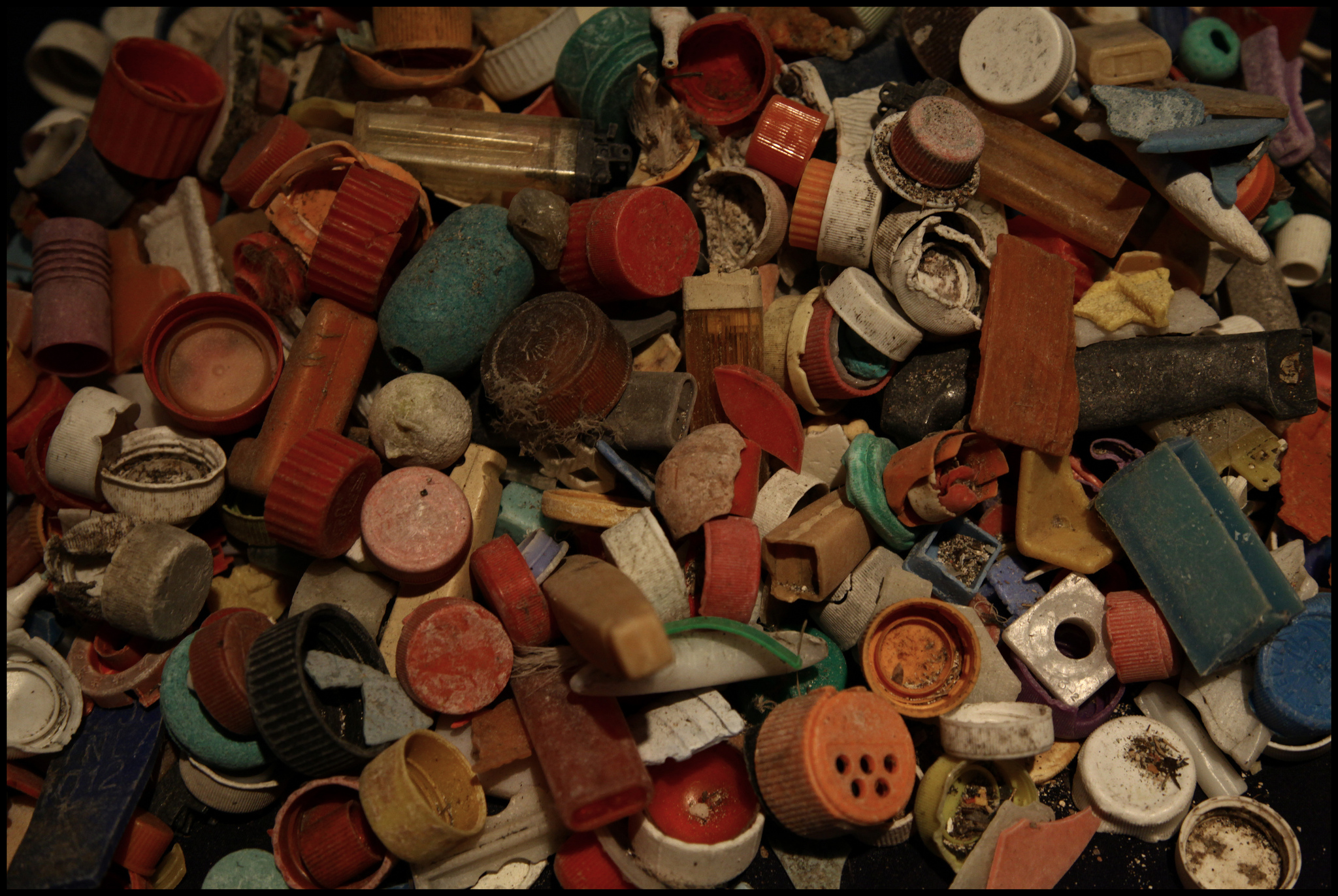
It’s no secret that there is a lot of plastic debris in our oceans.  In fact, scientists estimate that there is more than 165 million tons of plastic trash swirling about in our oceans today, with an additional 8.8 million tons flowing in every year.  And as the oceans swell with plastic litter, hundreds of marine species are ingesting the stuff – often with dire consequences.

[Read more…] about Why Do Animals Eat Ocean Plastic?

Elephants On The Wing

December 30, 2015 By WAMC WEB

https://earthwiseradio.org/wp-content/uploads/2015/12/EW-12-30-15-Elephants-On-The-Wing.mp3

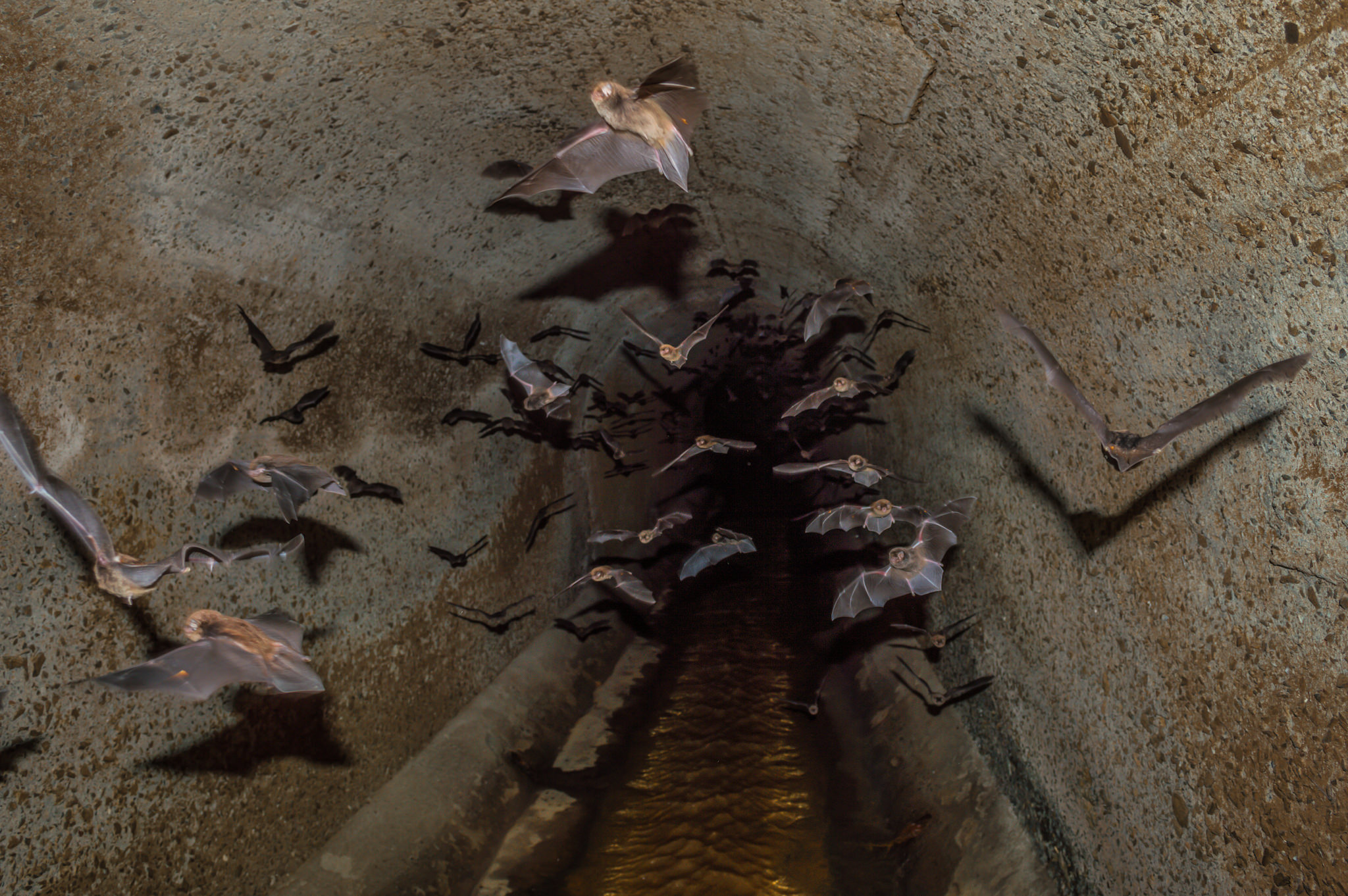
For some, vampire bats conjure up thoughts of Dracula. But two recent studies highlight the intelligence of these misunderstood mammals, with noted animal behaviorist Brock Fenton comparing their social skills to elephants.

[Read more…] about Elephants On The Wing

Primary Sidebar

Recent Episodes

  • An uninsurable future
  • Clean energy and jobs
  • Insect declines in remote regions
  • Fossil fuel producing nations ignoring climate goals
  • Trouble for clownfishes

WAMC Northeast Public Radio

WAMC/Northeast Public Radio is a regional public radio network serving parts of seven northeastern states (more...)

Copyright © 2026 ·