• Skip to primary navigation
  • Skip to main content
  • Skip to primary sidebar

Earth Wise

A look at our changing environment.

  • Home
  • About Earth Wise
  • Where to Listen
  • All Articles
  • Show Search
Hide Search
You are here: Home / Archives for seychelles

seychelles

The Cost of Cleaning Up Ocean Plastic | Earth Wise

October 7, 2020 By EarthWise Leave a Comment

Cleaning up ocean plastic carries a large price tag

Small island developing states increasingly find themselves with large amounts of plastic waste.  A recent study looked at the financial cost for removing it.

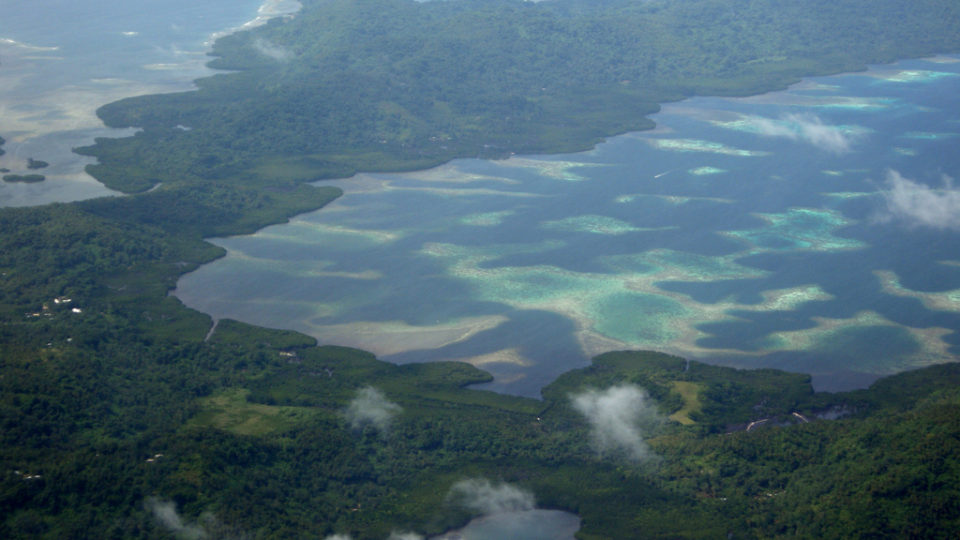
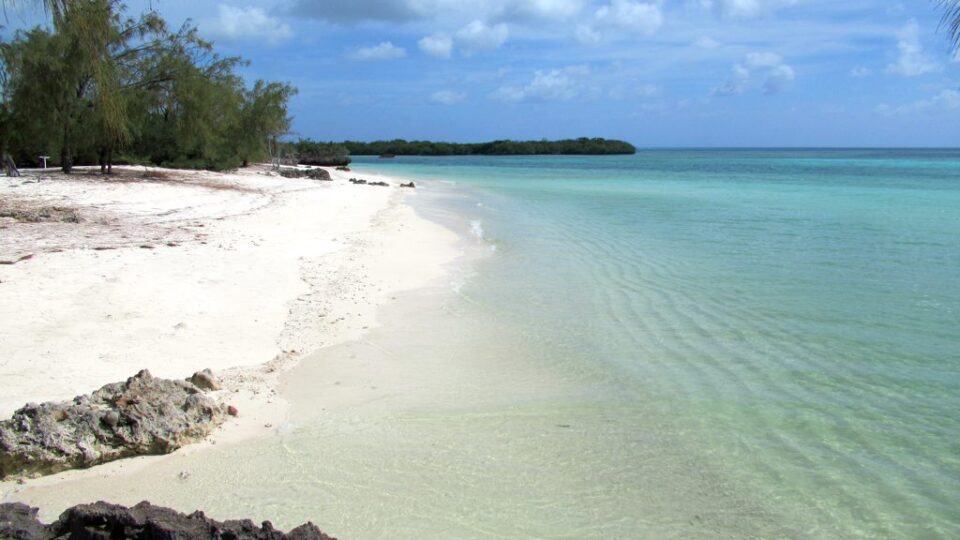
Aldabra Atoll is a UNESCO World Heritage Site in the Seychelles.  It is the world’s second-largest coral atoll and is the home of 307 species of animals and plants, including the largest population of giant tortoises in the world.  Aldabra has been called one of the wonders of the world and one of the crown jewels of the Indian Ocean.

Last year, a team from the University of Oxford and the Seychelles Island Foundation, spent five weeks removing litter that had washed up on Aldabra’s shores.  In total, they removed 25 tons of plastic litter which, to their surprise, was dominated by waste from the fishing industry.  The researchers now estimate that over 500 tons of litter remain on the island, 83% of which consists of buoys, ropes, nets, and, of all things, over 300,000 individual flipflops.  This is the largest accumulation of plastic waste reported for any single island in the world.

According to the study, the cost to clean up the entire island would be nearly $5 million, requiring 18,000 person-hours of labor.  A project of this magnitude is beyond the capacity of non-profit organizations like the Seychelles Islands Foundation.

The plastic pollution in Aldabra is related to the fishing industry in Seychelles, which provides tuna to high-income markets around the world.  The research highlights how even remote highly protected island ecosystems are impacted by global pollution and how difficult and costly it is to remedy.

**********

Web Links

Millions of dollars to clean up tuna nets and flip flops from island state

Photo, posted December 27, 2016, courtesy of David Stanley via Flickr.

Earth Wise is a production of WAMC Northeast Public Radio.
A Giant Marine Preserve | Earth Wise

May 4, 2020 By EarthWise Leave a Comment

Creating A Giant Marine Preserve

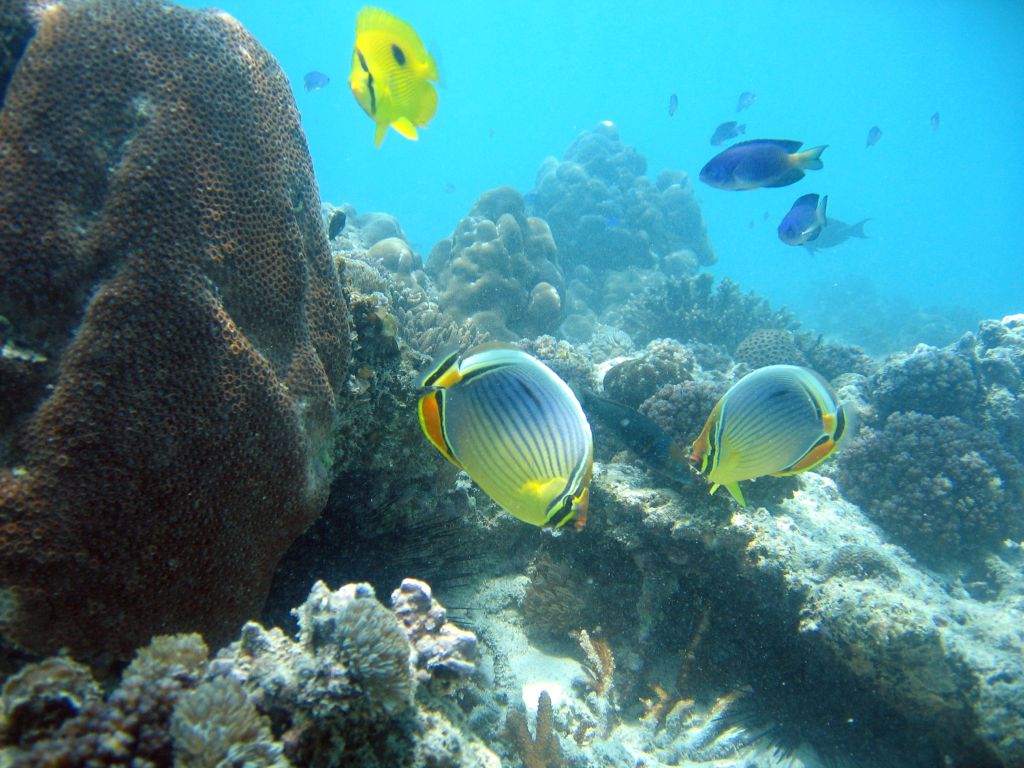
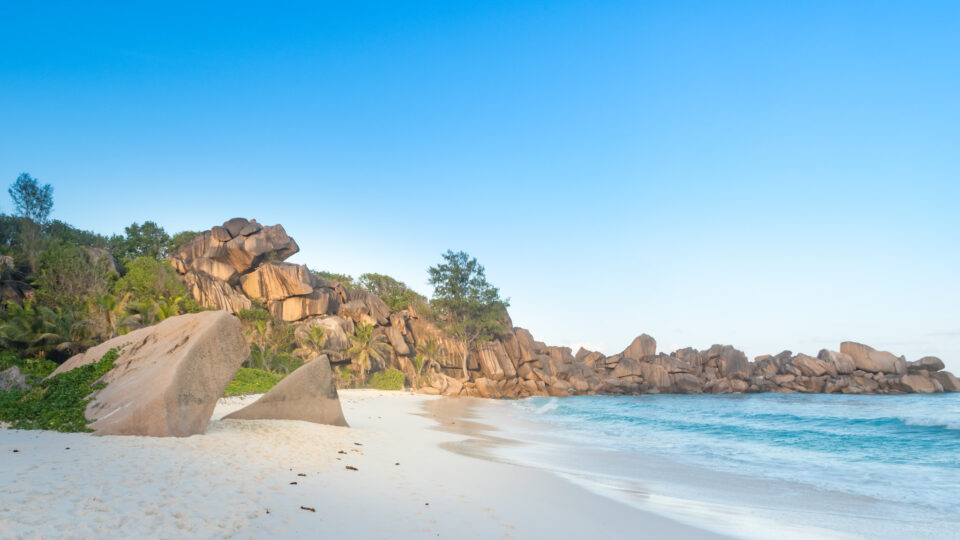
The Seychelles islands are located east of Kenya, near the equator.  Its beautiful beaches, virgin jungles, thriving coral reefs, and UNESCO-listed nature reserves are among the many attractions of the archipelago’s 115 islands.  The larger inner islands are quite developed for tourists, studded with many luxurious five-star resorts.  The natural wonders of the Seychelles are clearly its prime asset.

Given this, the Seychelles have now established 154,000 square miles of marine protected areas, fulfilling a pledge to protect nearly a third of its vast territorial waters.  This is an area twice the size of Great Britain.

About half of the newly protected areas will be “no-take zones” in which economic activity such as fishing and mining will be prohibited.  Only limited economic activities will be permitted in the other half of the protected areas.

The President of the Seychelles signed the decree establishing the marine reserve in mid-March.  The reserve will help protect the nation’s fisheries resources and safeguard a host of species including endangered sea turtles, sharks, and the Indian Ocean’s last remaining population of dugongs, which are marine mammals similar to manatees.

The funding for managing and protecting the new marine reserves will come from what is termed a debt-for-nature deal.  It is an agreement that was worked out with the help of The Nature Conservancy that allows the country to restructure nearly $22 million in foreign debt in exchange for protecting marine resources and enacting climate adaptation measures.

This major expansion of the Seychelles’ marine protected area is a major step in the conservation of the archipelago’s biodiversity.  The success of that conservation will ultimately depend upon enforcement, public-private partnerships, and innovative management.

**********

Web Links

Seychelles Creates a Marine Reserve Twice the Size of Great Britain

Photo, posted October 22, 2017, courtesy of Falco Ermet via Flickr.

Earth Wise is a production of WAMC Northeast Public Radio.
Tourism And Greenhouse Gas Emissions

June 29, 2018 By EarthWise Leave a Comment

https://earthwiseradio.org/wp-content/uploads/2018/05/EW-06-29-18-Tourism-and-Greenhouse-Gas-Emissions.mp3

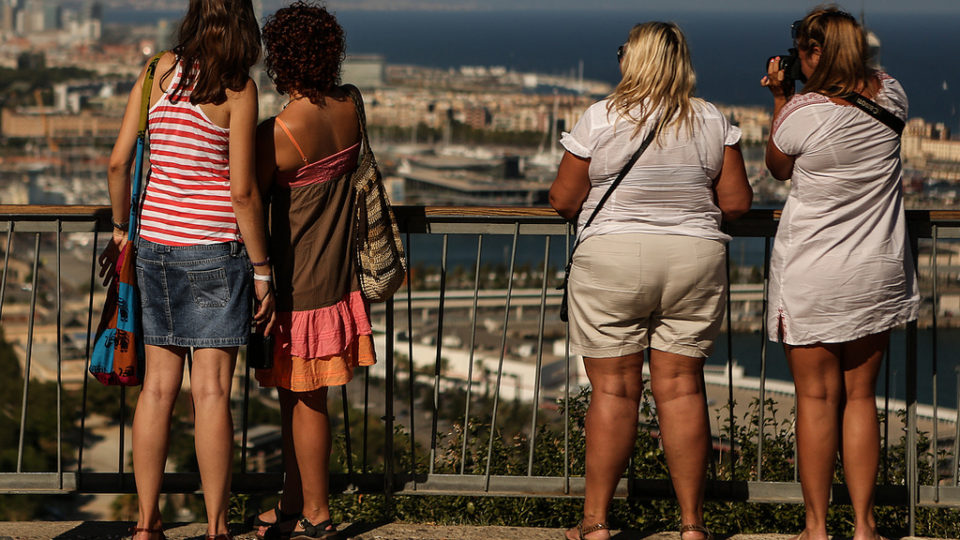
Tourism is a significant contributor to global gross domestic product.  Furthermore, it is growing at an annual rate of 4%, more than many other economic sectors.  There are many places around the world where it is the largest industry.  But until recently, there really wasn’t very good information about its carbon footprint.

[Read more…] about Tourism And Greenhouse Gas Emissions

Drowning Atolls

June 15, 2018 By EarthWise Leave a Comment

https://earthwiseradio.org/wp-content/uploads/2018/06/EW-06-15-18-Drowning-Atolls.mp3

The rising seas represent an existential threat to low-lying atoll islands and that threat now appears to the more imminent than previously thought.

[Read more…] about Drowning Atolls

Could Coral Reefs Be Wiped Out?

August 8, 2017 By EarthWise

https://earthwiseradio.org/wp-content/uploads/2017/08/EW-08-08-17-Could-Coral-Reefs-Disappear.mp3

A new study warns that coral reefs are in danger of disappearing forever.  According to U.N. research, the world’s coral reefs could die out completely by mid-century unless carbon emissions are reduced enough to slow ocean warming.

[Read more…] about Could Coral Reefs Be Wiped Out?

Primary Sidebar

Recent Episodes

  • An uninsurable future
  • Clean energy and jobs
  • Insect declines in remote regions
  • Fossil fuel producing nations ignoring climate goals
  • Trouble for clownfishes

WAMC Northeast Public Radio

WAMC/Northeast Public Radio is a regional public radio network serving parts of seven northeastern states (more...)

Copyright © 2026 ·