• Skip to primary navigation
  • Skip to main content
  • Skip to primary sidebar

Earth Wise

A look at our changing environment.

  • Home
  • About Earth Wise
  • Where to Listen
  • All Articles
  • Show Search
Hide Search
You are here: Home / Archives for sequoia trees

sequoia trees

Saving The Giant Sequoia | Earth Wise

April 22, 2021 By EarthWise Leave a Comment

Forest managers working to save the sequoias

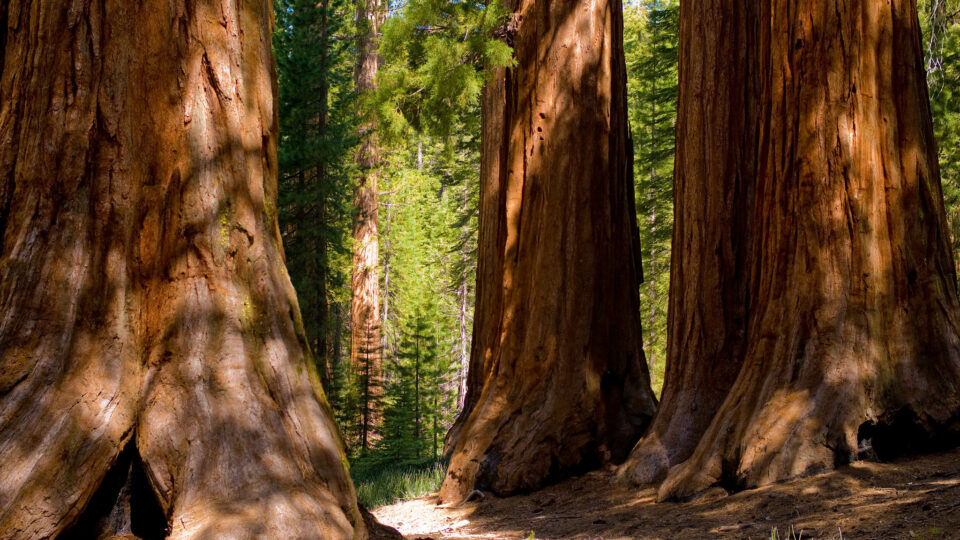
Giant sequoia trees are some of the most remarkable living things on earth.  They can live up to 3,000 years.  The tallest specimens tower over 300 feet, but it is their girth that really sets them apart.  They are usually 20 feet in diameter, and some are up to 35 feet across at the widest.  The largest tree in the world by volume is the General Sherman tree, which has a volume of 52,508 cubic feet. At 2,100 years old, it weighs 2.7 million pounds and is not only the largest living tree, but also the largest living organism by volume on the planet.

Giant sequoias are incredibly hardy.  To have survived thousands of years, the oldest of these trees have endured hungry animals, diseases, fires, snowstorms, El Niño events, years-long droughts, and the efforts of loggers during the 19th and 20th centuries.

In February, unusually high winds knocked down 15 giant sequoias in Yosemite National Park.  While sequoias are amazingly adapted to their narrow range in California’s Western Sierras, it appears as though climate change is altering their habitat faster than the species can migrate or adapt.  Shorter cold seasons have meant more rain instead of snow, leading to floods and mudslides in the winter.  Fires are more likely with less snowpack.  Hotter, drier summers put sequoias under greater stress.

Forest managers work to preserve existing groves through fire mitigation, supplementary water, and careful stewardship of young trees in existing groves.  If these efforts are successful through the ensuing decades, climate change may be just one more thing the sequoias outlasted.  But at least some conservationists are now considering planting a new generation of sequoias in colder, nearby habitats. 

**********

Web Links

To Save Giant Sequoia Trees, Maybe It’s Time to Plant Backups

Photo, posted June 8, 2008, courtesy of Joi Ito via Flickr.

Earth Wise is a production of WAMC Northeast Public Radio.
Recovering Condors | Earth Wise

August 12, 2020 By EarthWise Leave a Comment

The recovery of condors

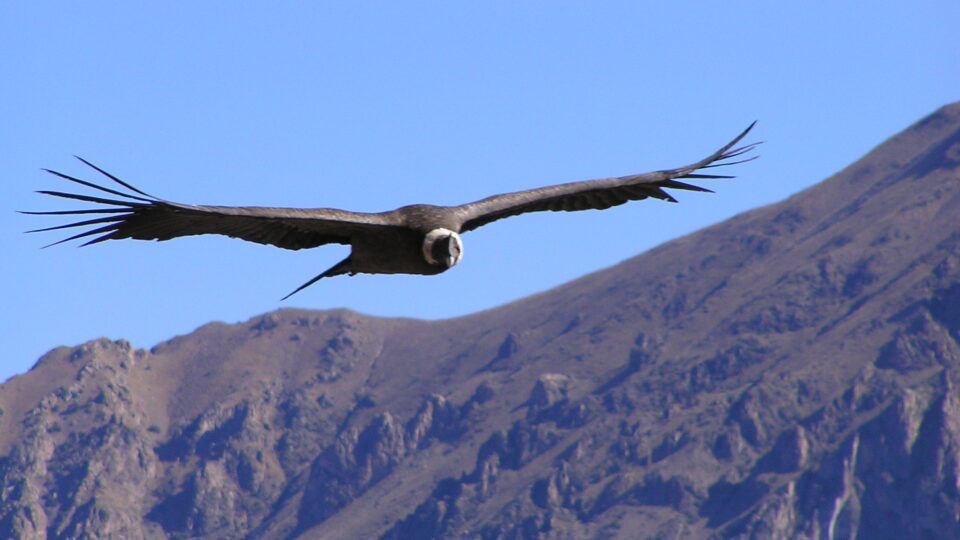
The California condor is the largest North American land bird.  Its wingspan is nearly 10 feet and its weight of up to 26 pounds nearly equals that of the trumpet swan, the heaviest native North American bird.  California condors can live up to 60 years, making them among the world’s longest-living birds as well.  But California condors became extinct in the wild in 1987.

Lead poisoning is the primary threat to condors.  The birds are scavengers and feeding on the carcasses of dead animals that contain fragments of lead rifle ammunition is responsible for half of all condor deaths.

Condors historically occupied California’s Sierra Nevada mountains and were known to nest in the cavities of giant sequoia trees.  By 1982, the wild population was reduced to just 22 birds, and all of those were eventually trapped and brought into captivity to prevent extinction of the species.

A captive breeding program was undertaken at the Los Angeles Zoo and the San Diego Wild Animal Park.  With the success of that program, in 1992 the U.S. Fish and Wildlife Service began releasing condors back into the wild in the mountains of Los Padres National Forest in Southern California.  That flock has grown to about 100 birds through both wild reproduction and additional release of captive-bred birds.

The Southern California flock continues to expand its range with birds in 8 California counties and even in Arizona, Utah, and Baja California in Mexico.  The total wild population of condors is now estimated to be about 340 birds.  Recently, condors have been spotted in Sequoia National Park, a part of its historic range where the birds have been absent for nearly 50 years.

**********

Web Links

California Condors Spotted in Sequoia National Park, First Time in Nearly Half a Century

Photo, posted May 20, 2005, courtesy of Flickr.

Earth Wise is a production of WAMC Northeast Public Radio.

Primary Sidebar

Recent Episodes

  • An uninsurable future
  • Clean energy and jobs
  • Insect declines in remote regions
  • Fossil fuel producing nations ignoring climate goals
  • Trouble for clownfishes

WAMC Northeast Public Radio

WAMC/Northeast Public Radio is a regional public radio network serving parts of seven northeastern states (more...)

Copyright © 2026 ·