• Skip to primary navigation
  • Skip to main content
  • Skip to primary sidebar

Earth Wise

A look at our changing environment.

  • Home
  • About Earth Wise
  • Where to Listen
  • All Articles
  • Show Search
Hide Search
You are here: Home / Archives for rodents

rodents

Tick-Borne Pathogens In Canada | Earth Wise

December 27, 2022 By EarthWise Leave a Comment

Ticks spreading disease in Central Canada

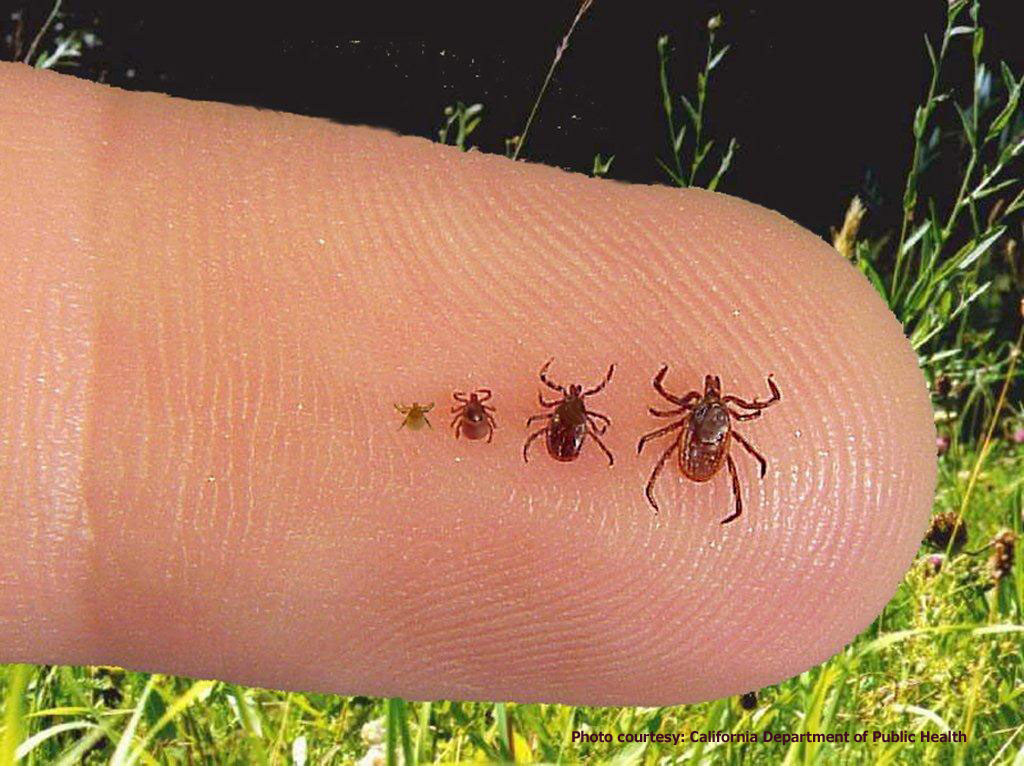
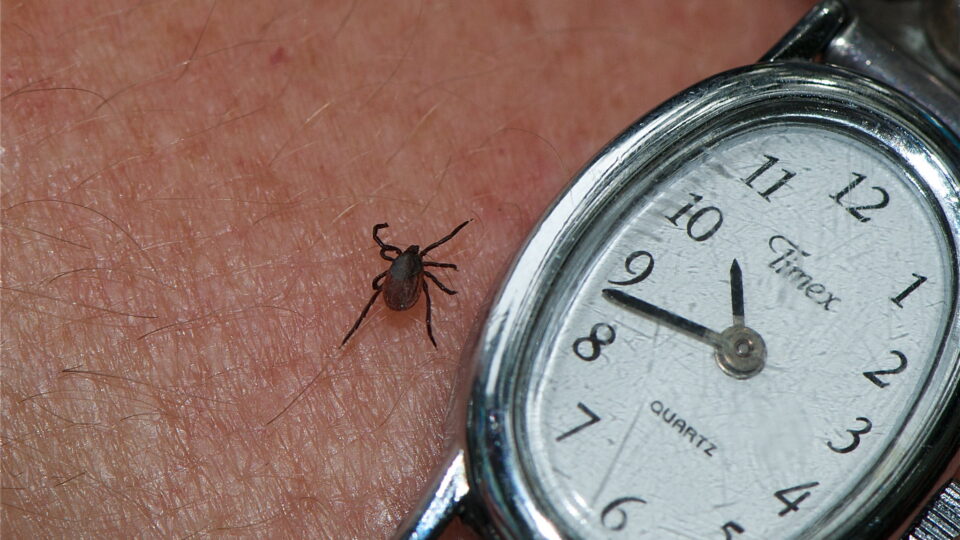
Measuring only three to five millimeters in size, tiny ticks are a big problem.  They are widely distributed in many parts of the world, especially in warm and humid climates.  Ticks are arachnids – not insects – meaning they’re more closely related to spiders than to flies or mosquitos.  They are external parasites that feast on the blood of birds, reptiles, amphibians, and mammals – including humans.

In the United States, ticks are responsible for spreading potentially life-threatening infectious diseases.  According to estimates from the Centers for Disease Control and Prevention, ticks infect more than 300,000 people with Lyme disease in the U.S. every year, and the numbers continue to rise.  Other common tick-borne diseases include anaplasmosis, babesiosis, Rocky Mountain Spotted Fever, and powassan encephalitis.

Ticks are becoming a problem in Canada as well.  According to a new study by researchers from McGill University and the University of Ottawa, tick-borne pathogens are on the rise in Central Canada – a region where ticks were never previously detected. 

In the study, the researchers collected ticks across Ontario and Quebec.  They found that five emerging pathogens were present across their study sites, including the pathogens that cause Lyme disease and babesiosis.  The researchers also found that pathogens can transmit in different ways.  Typically, pathogens are transmitted to a tick after feeding from the blood of an infected host, like a small mammal.  But the research team found evidence of pathogens that could be directly transmitted from adult female ticks to larval ticks.

According to the researchers, more comprehensive testing and tracking is needed to detect the spread and risks of tick-borne pathogens to humans and wildlife in Canada.

**********

Web Links

Tick-borne pathogens increasingly widespread in Central Canada

Photo, posted May 4, 2009, courtesy of Jerry Kirkhart via Flickr.

Earth Wise is a production of WAMC Northeast Public Radio
Coping With Climate Change | Earth Wise

October 11, 2022 By EarthWise Leave a Comment

Animals will cope with climate change differently

Extreme weather events including prolonged drought and heavy rainfall are becoming more common and more severe as global temperatures rise.  As the climate continues to change in the coming decades, how will animals respond? 

Researchers from the University of Southern Denmark have examined how different mammals react to climate change. They analyzed data on population fluctuations from 157 mammal species around the world.  They compared these fluctuations with weather and climate data from the same time period.  The research team had 10 or more years of data for each species studied. 

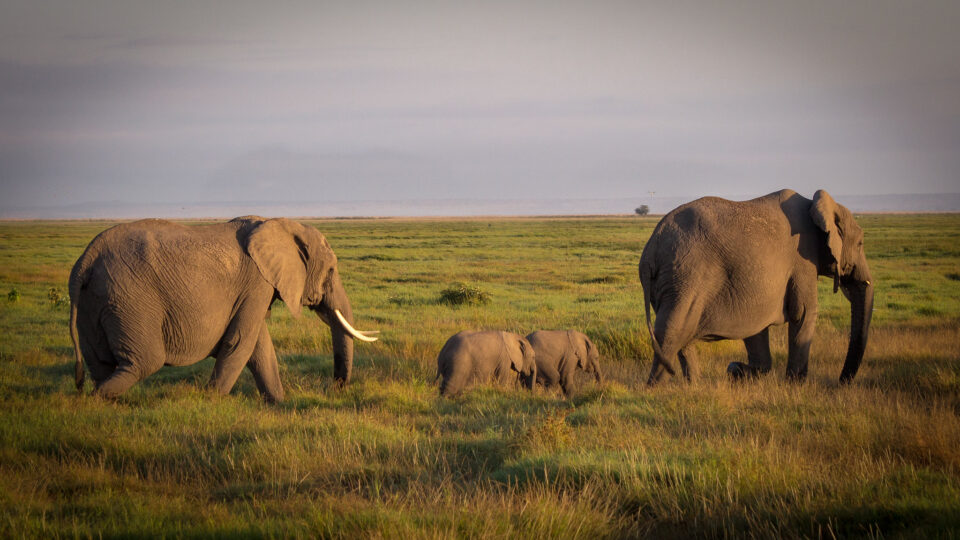
The researchers found that mammals that live for a long time and/or produce less offspring –  like llamas, elephants, bears, and bison – are more climate resilient than small mammals with short lives — like mice, possums, lemmings, and rare marsupials. 

For example, large, long-lived mammals can invest their energy into one offspring, or simply wait for better times if conditions become challenging.  On the other hand, small, short-lived mammals like rodents have more extreme population changes in the short term. In the event of a prolonged drought, large portions of their food base may rapidly disappear, and they are left to starve because they have limited fat reserves.

However, the research team notes that the ability of a species to withstand climate change must not be the only factor when assessing a species’ vulnerability.  In fact, in many cases, habitat destruction, poaching, pollution, and invasive species pose a larger threat to animal species than climate change. 

While the study only examined 157 species, the findings enable researchers to also predict how animals they know less about will react to climate change.

********** 

Web Links

Which animals can best withstand climate change?

Photo, posted July 8, 2018, courtesy of Ray via Flickr.

Earth Wise is a production of WAMC Northeast Public Radio

Artificial Light And Nature | Earth Wise

December 4, 2020 By EarthWise Leave a Comment

Light pollution has far reaching consequences

Most of us are familiar with air pollution, water pollution, soil pollution, and noise pollution.  But it turns out that light can also be a pollutant as well. 

Light pollution is a consequence of industrial civilization.  Sources of light pollution include building interior and exterior lighting, advertising billboards, factories, commercial properties, streetlights, and sporting venues.      

According to findings in a new report from the University of Exeter, artificial nighttime lighting has a wide range of effects across the natural world and should be limited wherever possible.  The research team analyzed more than 100 studies and found that artificial lighting has widespread impacts on both animals and plants. 

In the study, which was funded by the Natural Environment Research Council in the U.K., researchers consistently found changes to animals’ bodies and behavior as a result of artificial lighting.  In particular, levels of the sleep cycle-regulating hormone melatonin were reduced by exposure to artificial lighting at night in all animal species studied. 

Exposure to artificial nighttime lighting also affected the timing of animals’ activities.  For rodents, which are largely nocturnal, the duration of activity was often reduced by exposure to nighttime lighting.  On the other hand, for diurnal birds, exposure to nighttime lighting led to an extension of the duration of their activities.  

Previous studies have found other wide-ranging impacts of nighttime lighting, from reducing pollination by insects to trees budding earlier in spring.  

Artificial nighttime lighting is human driven and very disruptive to the natural world.  While there’s no off switch for the planet, we could reduce the amount of light pollution drastically with no impact on our lives. 

**********

Web Links

Artificial night lighting has widespread impacts on nature

Photo, posted July 29, 2017, courtesy of spacedust2019 via Flickr.

Earth Wise is a production of WAMC Northeast Public Radio.

Beavers And Biodiversity

October 10, 2019 By EarthWise Leave a Comment

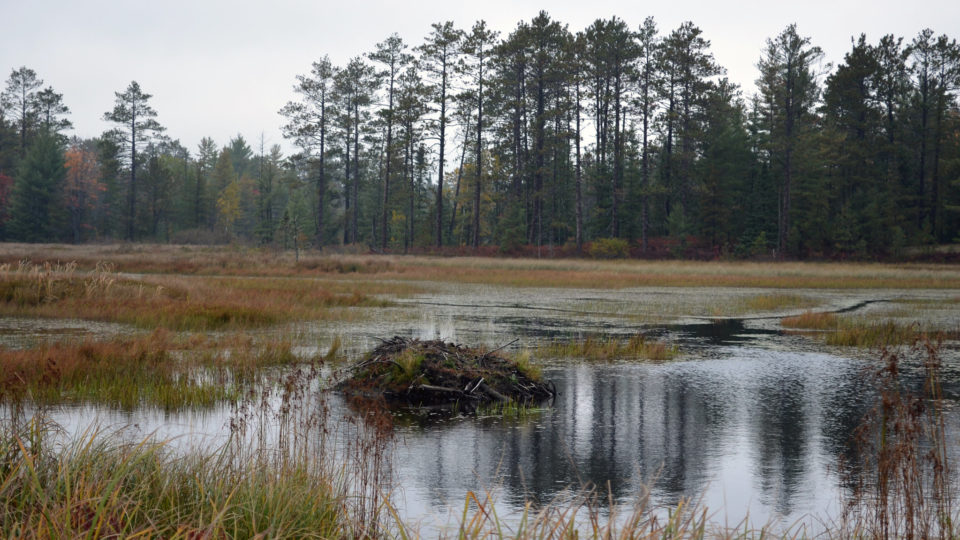
Beavers are large, semi-aquatic rodents known best for their ability to construct dams, canals, and lodges (their homes).  They are among the largest rodents in the world.  With powerful jaws and strong teeth, beavers fell trees to use as building materials, often changing their environment in ways few other animals can. But in a good way.  As it turns out, beavers are important for biodiversity. 

According to new research from the Faculty of Natural Sciences at the University of Stirling in Scotland, reintroducing beavers to their native habitats is an important step towards solving the freshwater biodiversity crisis. 

Researchers surveyed water plants and beetles in 20 wetlands in Sweden – 10 created by beavers and 10 that were not – in order to understand what impact beavers might have on the variety of plant and animal life around them. 

The research team’s findings build on previous work that has shown that beavers have an important impact on biodiversity.  This latest study discovered that the number of species found only in beaver-built ponds was 50% higher than in other non beaver-built wetlands in the same region. 

Beavers are known to be profound engineers of the environment. They use wood to build dams across rivers in order to form ponds behind them.  They do this to raise the water level in order to avoid predators, like bears and wolves. But it turns out many other plants and animals, like water plants and beetles, also benefit from their work.

According to the research team, reintroducing beavers to their native habitats should benefit the wider biodiversity and be seen as an important step towards solving the freshwater biodiversity crisis. 

**********

Web Links

Beaver reintroduction key to solving freshwater biodiversity crisis

Photo, posted October 2, 2014, courtesy of USFWS Midwest Region via Flickr.

Earth Wise is a production of WAMC Northeast Public Radio.

The Future Of Animals

June 12, 2019 By EarthWise Leave a Comment

Researchers at the University of Southampton have forecast a global shift towards smaller birds and mammals over the next century.   

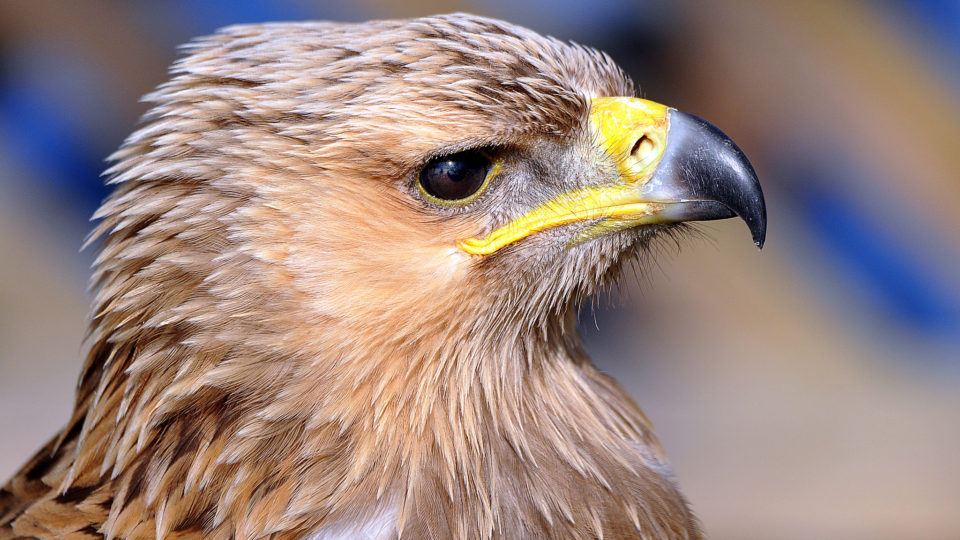
According to the research team, small, fast-lived, highly fertile, and insect-eating animals, which can thrive in all sorts of habitats, will predominate in the future.  Rodents and songbirds are examples of the so-called ‘winners.’  Less adaptable, slow-lived species, requiring specialist habitats, will be more likely to face extinction.  Among the so-called ‘losers’ are the black rhino and the tawny eagle. 

The researchers focused on more than 15,000 living mammals and birds and considered the following five characteristics: body mass, breadth of habitat, diet, litter or clutch size, and length of time between generations.  Using this data and data from the IUCN’s Red List of Threatened Species, the researchers used modern statistical tools to project and evaluate the loss of biodiversity.  

The study, which was recently published in the journal Nature Communications, predicts that the average body mass of mammals will collectively decline by 25% over just the next 100 years.  Over the past 130,000 years, the average body size of mammals only declined 14%.

This substantial downsizing of animals is forecasted to occur due to the effects of ecological change. But, according to the study’s lead author, the loss of these species, which perform unique functions within the global ecosystem, may ironically wind up being a driver of change as well.       

The researchers hope future studies will further explore the long-term effects of species extinction on habitats and ecosystems. 

**********

Web Links

Study predicts shift to smaller animals over next century

Photo, posted April 6, 2013, courtesy of Nic Trott via Flickr.

Earth Wise is a production of WAMC Northeast Public Radio.

Mapping Emerging Infectious Diseases

July 12, 2016 By WAMC WEB

https://earthwiseradio.org/wp-content/uploads/2016/07/EW-07-12-16-Mammal-Map-Disease-.mp3

Ebola. Hantavirus. Lyme disease. What do they have in common? Like most emerging infectious diseases, they originated in mammals. So many debilitating pathogens make the jump from wildlife and livestock to humans, yet at the global scale little is known about where people are most at risk of outbreaks.

[Read more…] about Mapping Emerging Infectious Diseases

Acorns And Lyme Disease

November 20, 2015 By WAMC WEB

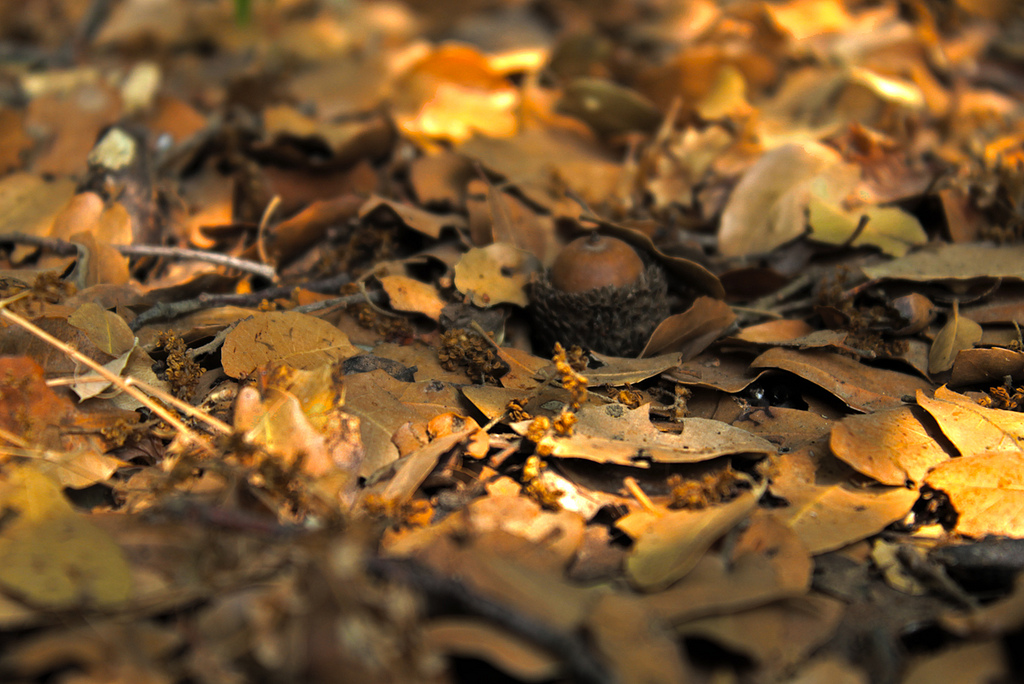
In New York’s Hudson Valley, it’s hard to go outside without stepping on an acorn. Oaks have ‘boom and bust’ acorn production cycles. In lean years, trees produce a handful of nuts. In boom years, acorns seem to rain down from the sky. We are currently experiencing an acorn bumper-crop, or what ecologists call a ‘mast’ year.

In some forests, there can be more than 100 acorns per square meter.  This is welcome news to animals like mice, chipmunks, and squirrels. They can gorge on the bounty and stock their larders. Acorn caches help wildlife avoid predators and survive the lean months of winter. They even give well-fed rodents a jump-start on the breeding season.

For this reason, acorn “mast” years are also harbingers of future Lyme disease risk. In the summer following acorn booms, white-footed mouse numbers explode. In New York’s Hudson Valley, these mice play a major role in infecting blacklegged ticks with the agents that cause Lyme disease, Babesiosis, and Anaplasmosis.

Cary Institute disease ecologist Rick Ostfeld explains.

“The ticks that are emerging as larvae in August  – just as the mice and chipmunks are reaching their population peaks – they have tons of excellent hosts to feed from.  They survive well and they get infected with tick-borne pathogens.  And that means that two years following a good acorn crop we see high abundance of infected ticks, which represents a risk of human exposure to tick borne disease.”

Predictions are based on 20 years of field studies that have confirmed the relationship among acorn mast years, mouse outbreaks, and the prevalence of infected ticks. Mark your calendars – 2017 will likely be a bad year for Lyme disease.

**********


Web Extra

Full interview with Rick Ostfeld, a disease ecologist at the Cary Institute of Ecosystem Studies 

https://earthwiseradio.org/wp-content/uploads/2015/11/Ostfeld_full_web.mp3


Web Links

The acorn connections, with Dr. Rick Ostfeld: ticks, gypsy moths, songbirds and more

Photo, posted August 16, 2012, courtesy of Rabiem22 via Flickr.

EW Extra: Interview With Rick Ostfeld

XXXXXXXXX

California Mountain Lions

November 9, 2015 By WAMC WEB

https://earthwiseradio.org/wp-content/uploads/2015/10/EW-11-09-15-California-Mountain-Lions.mp3

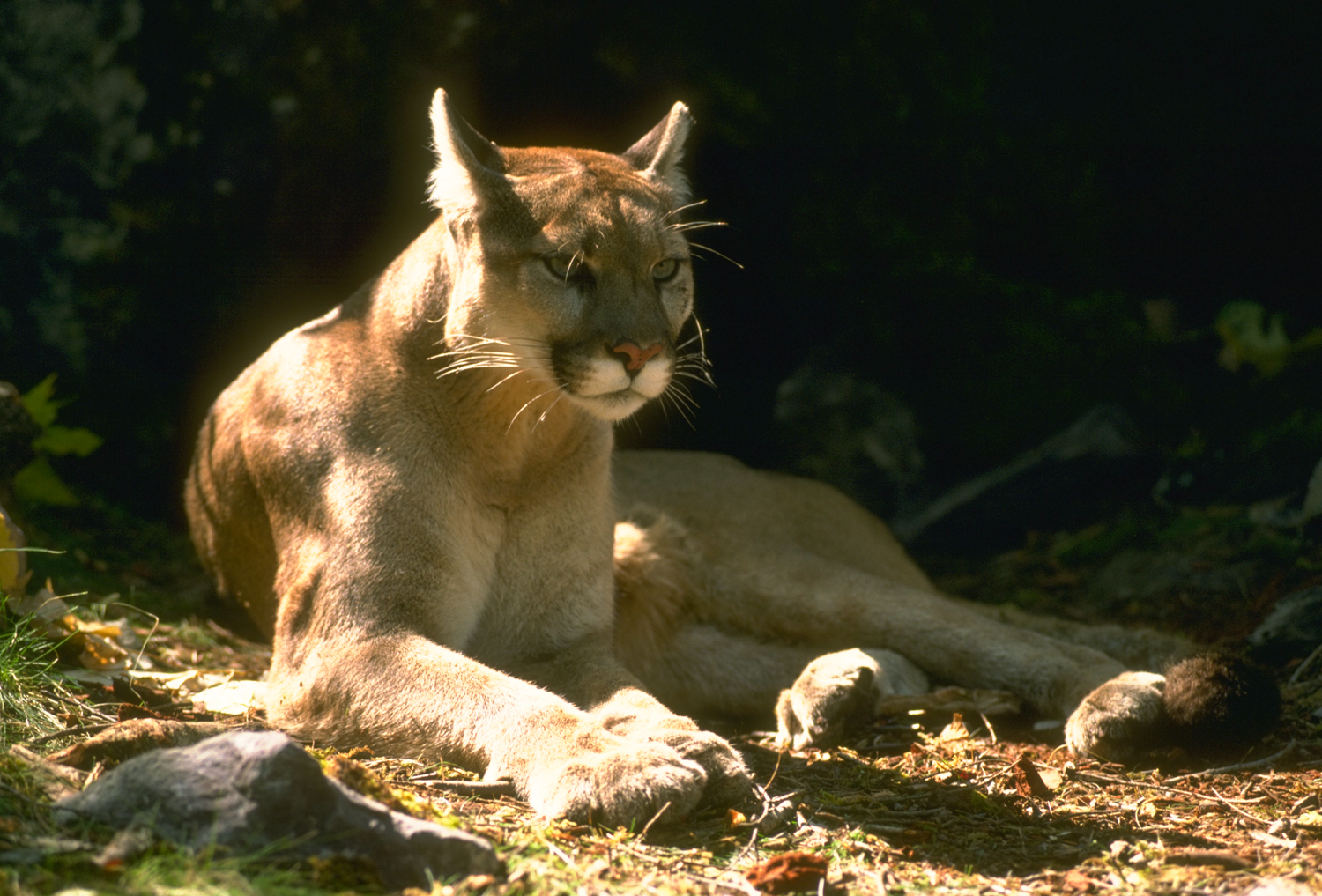
The mountain lions in the Santa Monica Mountains of California aren’t faring well these days.  Three more have been found dead recently, highlighting just how difficult it is for the big cats to survive in an urban park.  Although the Santa Monica Mountains recreational area is rugged, it’s hemmed in by several busy freeways and lots of homes.  Officials now believe there are just 10 to 15 mountain lions left roaming the park.  

[Read more…] about California Mountain Lions

What Would Our Planet’s Sixth Mass Extinction Mean For Us? 

August 12, 2015 By EarthWise

Hustle and Bustle

https://earthwiseradio.org/wp-content/uploads/2015/07/EW-08-12-15-Mass-Extinction-2.mp3

A new study by researchers from three U.S. universities echoes an earlier report out of Duke University indicating that earth is in what appears to be the beginning of its sixth mass extinction – the first in some 65 million years.  Large animals face the highest rate of decline, and their losses could affect other species, including us.

[Read more…] about What Would Our Planet’s Sixth Mass Extinction Mean For Us? 

Primary Sidebar

Recent Episodes

  • An uninsurable future
  • Clean energy and jobs
  • Insect declines in remote regions
  • Fossil fuel producing nations ignoring climate goals
  • Trouble for clownfishes

WAMC Northeast Public Radio

WAMC/Northeast Public Radio is a regional public radio network serving parts of seven northeastern states (more...)

Copyright © 2026 ·