• Skip to primary navigation
  • Skip to main content
  • Skip to primary sidebar

Earth Wise

A look at our changing environment.

  • Home
  • About Earth Wise
  • Where to Listen
  • All Articles
  • Show Search
Hide Search
You are here: Home / Archives for rocky mountains

rocky mountains

The Colorado River crisis

May 15, 2024 By EarthWise Leave a Comment

The Colorado River serves nearly 40 million people in seven U.S. states and Mexico.  It provides water for 5 million acres of farmland.  Increasing demand from growing populations, damming, diversion, and drought have been draining the Colorado at alarming rates.  This critical resource supports countless economies, communities, and ecologies stretching from the Rocky Mountains to the Gulf of California.  The Colorado River essentially has made the cities of Las Vegas, Los Angeles, Denver, and Phoenix possible.

How the water of the Colorado is distributed is determined by an agreement that is over 100 years old:  the Colorado River Compact.  It was made at a time when people thought there was more water than really was there.  And at the time, no one thought that the seven states would need to use the water they were allocated down to the last drop.

There have been various measures over the years to conserve water from the Colorado River, including the Colorado River Interim Guidelines in 2007.  Those guidelines will expire in 2026 and negotiations are beginning to take place among the many stakeholders scrambling for water rights.  Apart from the seven U.S. states and Mexico, there are 30 tribal nations involved.  Collaborative governance is complicated when it crosses multiple jurisdictions with their own laws and legal precedents.  The goal is to put in place a new agreement to protect the Colorado River.

Rapidly-growing populations in major cities, a 20-year megadrought, and historically low water levels in America’s two largest reservoirs have put enormous pressure on the Colorado River.  Creating a plan to protect the lifeblood of the American West is essential.

**********

Web Links

Addressing the Colorado River crisis

Photo, posted June 18, 2022, courtesy of Jeff Hollett via Flickr.

Earth Wise is a production of WAMC Northeast Public Radio
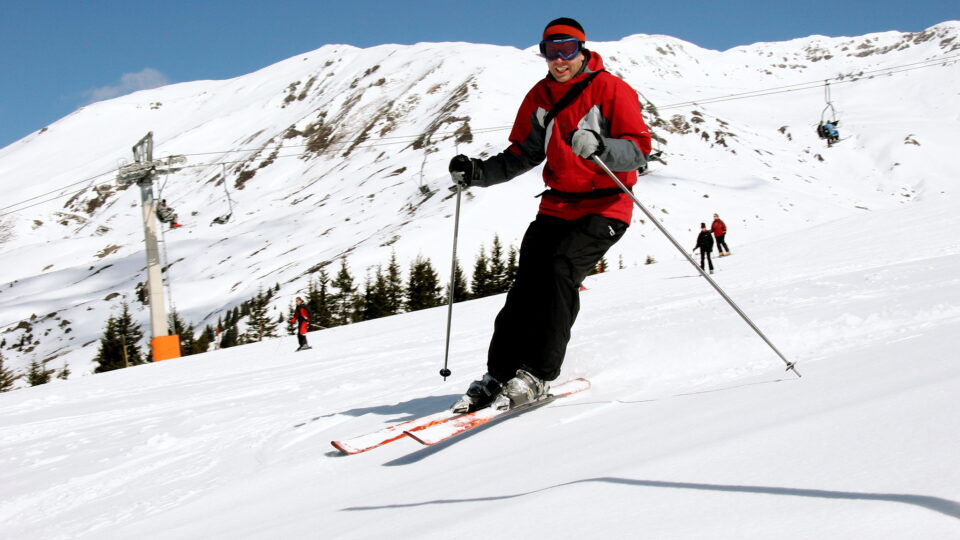
Skiing and climate change

April 12, 2024 By EarthWise Leave a Comment

Climate change threatens the future of skiing

According to the National Oceanic and Atmospheric Administration, anthropogenic climate change resulting in higher average temperatures has caused a global decline in snowfall.  Less snow threatens to reinforce global warming, and to disrupt food, water, and livelihoods for billions of people.  

According to a new study recently published in the journal PLOS ONE, annual snow cover days in all major skiing regions are projected to decrease dramatically as a result of climate change.  In the study, the research team from the University of Bayreuth in Germany examined the impact of climate change on annual natural snow cover in seven major skiing regions.  Using the public climate database CHELSA, the researchers predicted annual snow cover days for each ski area for 2011-2040, 2041-2070, and 2071-2100 under low, high, and very high carbon emissions scenarios.

Under the high emissions scenario, 13% of ski areas are predicted to lose all natural snow cover by 2071-2100 relative to their historic baselines.  By 2071-2100, average annual snow cover days were predicted to decline by 78% in the Australian Alps, 51% in the Southern Alps, 50% in the Japanese Alps, 43% in the Andes, 42% in the European Alps, 37% in the Appalachians, and 23% in the the Rocky Mountains – all declines relative to their historic baselines.

The future losses of natural snow cover in ski areas around the world will be significant if global emissions continue unchecked.

**********

Web Links

The future is likely less skiable, thanks to climate change

New maps show where snowfall is disappearing

Photo, posted April 14, 2006, courtesy of Kallu via Flickr.

Earth Wise is a production of WAMC Northeast Public Radio
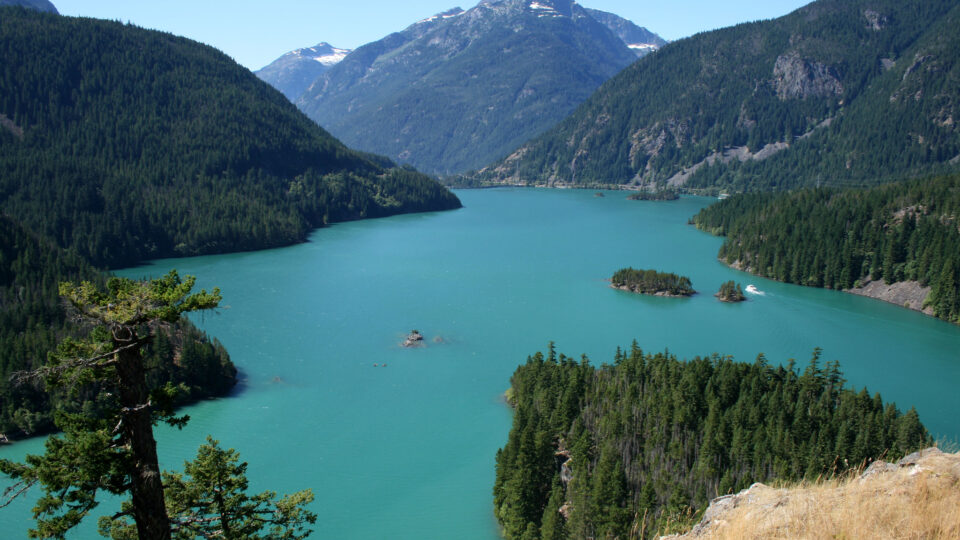
Climate Change And The Color Of Lakes | Earth Wise

October 19, 2022 By EarthWise Leave a Comment

According to a new study recently published in the journal Geophysical Research Letters, blue lakes around the world are at risk of turning green-brown if climate change continues unabated. 

For the study, the research team used over five million satellite images of more than 85,000 lakes and reservoirs around the globe between 2013 and 2020 in order to determine each lake’s most common water color.  Since lake color can change seasonally, the researchers assessed the most frequent lake color during those seven years. 

Algae and sediments affect the color of lakes.  But the study found that precipitation, air temperature, lake depth, and elevation also play major roles in determining a lake’s most common water color. 

The research team found that blue lakes account for less than one-third of lakes worldwide.  Blue lakes tend to be deeper and are often found in cool, high latitude regions with high precipitation and winter ice cover.  Meanwhile, green-brown lakes, which account for 69% of all lakes, are found in drier regions, continental interiors, and along coastlines. 

As global temperatures rise, lakes will warm, and warmer water produces more algal blooms.  As a result, the researchers expect the changing climate to decrease the percentage of blue lakes, many of which are found in the Rocky Mountains, northeastern Canada, northern Europe and New Zealand. 

Water color is a simple but viable way to measure water quality that can be done on a global scale using satellites.  This approach provides researchers with a way to study how lakes – even the remote ones – are changing.  

**********

Web Links

Climate change is making lakes turn green-brown

Photo, posted August 27, 2011, courtesy of Paul Schultz via Flickr.

Earth Wise is a production of WAMC Northeast Public Radio
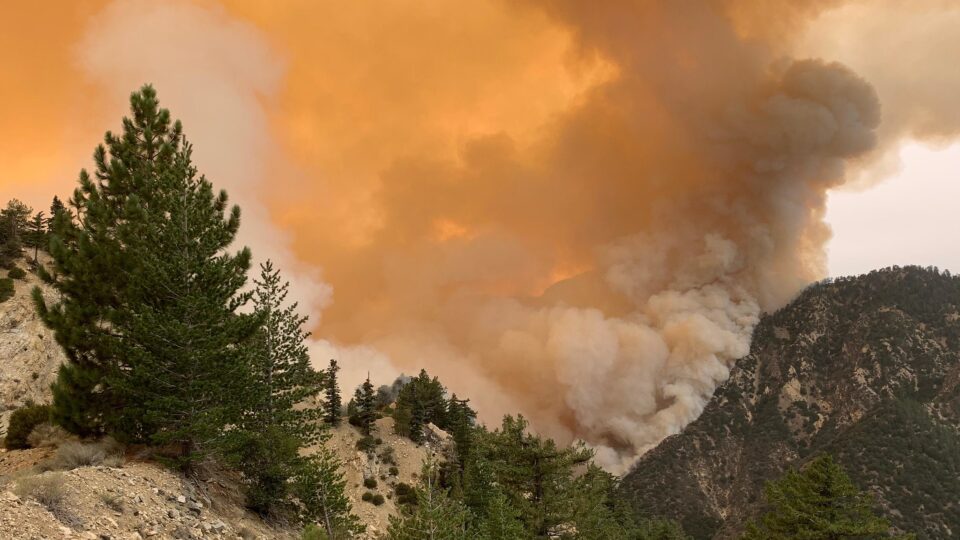
A Dangerous Fire Season | Earth Wise

June 9, 2021 By EarthWise Leave a Comment

Drought conditions expected to cause worse fire season

The western United States is entering the fire season under much worse drought conditions than last year.  Last year, 15,800 square miles burned in the U.S., mostly in the West.

The western U.S. is in the midst of a 20-year mega-drought.  Rainfall in the Rocky Mountains and farther west was the second lowest on record this April.  The soil in the western half of the country is the driest it has been since 1895.

The situation is particularly bad in California and the Southwest.  In March, less than a third of California was experiencing extreme or exceptional drought.  Now, 73% of the state is.  A year ago, a record-breaking fire season burned 4% of the state and, at that time, only 3% of California was in a state of extreme drought.

A year ago, no parts of Arizona, Nevada, or Utah were in extreme or exceptional drought.  Now, more than 90% of Utah, 86% of Arizona, and 75% of Nevada face severe drought conditions.  At this time last year, only 4% of New Mexico faced extreme drought but 77% does now.

These extreme drought conditions, which are believed to be linked to climate change, are causing increased tree mortality among many species, ranging from junipers in the Southwest even to drought-tolerant blue oaks in the San Francisco Bay Area.

Conditions are extremely ripe for a lot of forest fire this year.  Last year was a terrible year for wildfires in the West and we are heading into a fire season with much drier fuels than there were last year.  The risks of great damage from wildfires are higher than ever.

**********

Web Links

US West Enters Fire Season Facing Extremely Dry Conditions

Photo, posted September 18, 2020, courtesy of USFS/National Interagency Fire Center via Flickr.

Earth Wise is a production of WAMC Northeast Public Radio.

Climbing To Escape The Heat | Earth Wise

March 18, 2021 By EarthWise Leave a Comment

Many mammals are climbing to escape the heat

Colorado has warmed by nearly 3.5 degrees Fahrenheit since the 1980s because of human-caused climate change.   As a result, many mammal species have shifted uphill to escape the heat.

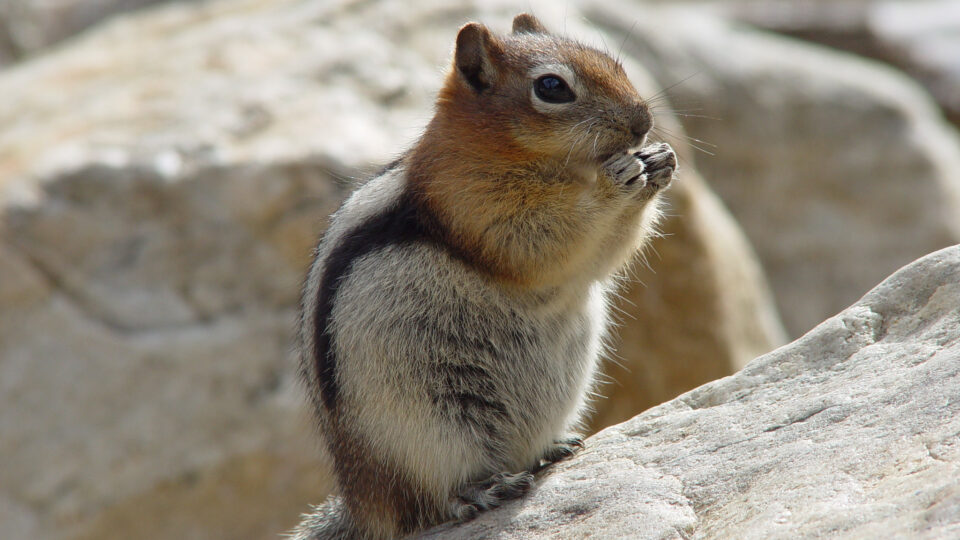
The golden-mantled ground squirrel is a popular sight among tourists in the Rocky Mountains.  It is one of the most photographed animals there as they pose on rocks near roadsides and in campgrounds.  According to University of Colorado research recently published in the journal Ecology, these squirrels have shifted their range upward by 659 feet.  The new study looked at the ground squirrels along with 46 other small mammals.  On average, these animals have shifted their range upward by more than 400 feet since the 1980s.

The researchers visited multiple sites in Colorado’s Front Range and San Juan mountains over the course of several years to collect records of the current ranges of these 47 animals. They then compared the findings from their surveys to over 4,000 historic records from collections dating back to the 1980s.

The researchers expected to see some changes, but not of the magnitude they observed.  For example, before 1980, the pygmy shrew was never detected above about 9,800 feet in elevation.  Today, its maximum extent is more than 11,800 feet.

Montane mammals – which are those who already live at higher elevations – have moved up an additional 1,100 feet on average.  If this trend continues, some animals and even entire communities may be pushed to the tops of mountains with nowhere else to go.  According to the researchers, the study paints a stark picture of a mountain range in crisis.

**********

Web Links

Small mammals climb higher to flee warming temperatures in the Rockies

Photo, posted September 6, 2002, courtesy of Franco Folini via Flickr.

Earth Wise is a production of WAMC Northeast Public Radio.

Trouble On The Colorado

April 4, 2019 By EarthWise Leave a Comment

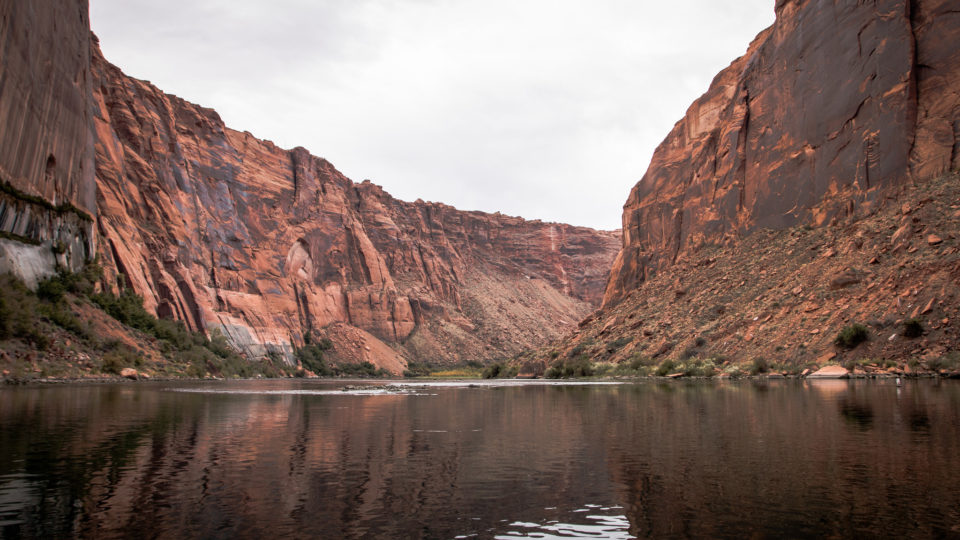
The 1450-mile-long Colorado River begins in the Rocky Mountains and wends its way to the Gulf of California, creating the Grand Canyon along the way, and providing water to some 40 million people.  The amount of Colorado River water promised to users is far more than actually flows between its banks, and that amount is dropping.

An unrelenting drought since 2000 has resulted in the water levels of the two largest reservoirs of Colorado River water – Lake Mead and Lake Powell – being at all-time lows.

Lake Mead, just outside of Las Vegas, is the reservoir of Hoover Dam, which provides power for millions of people in Southern California, Nevada, and Arizona.  The last time Lake Mead was full was in 1983.  It has slowly declined and now is 40% full.

If the lake level drops another 7 feet to 1075 feet above sea level, it will trigger a Tier 1 declaration, mandating cuts to water allocations to Arizona and other states.  If the level drops to 1050 feet, it would reach Tier 2 at which point Hoover Dam would have to stop generating electricity because water levels would be too low to flow through it.  If the lake level drops all the way to 895 feet, it would be below the level at which water can be piped out of it.  This is known as the “dead pool”.

These scenarios are no longer doomsday fantasies.  Water managers in the Southwest see the writing on the wall and are busy making contingency plans and developing ways to use less water from the Colorado River.  The booming city of Phoenix in particular is hard at work finding alternative ways to provide water for its millions of citizens.  On the Colorado, drought in the new normal.

**********

Web Links

On the Water-Starved Colorado River, Drought Is the New Normal

Photo, posted October 24, 2016, courtesy of Sharon Mollerus via Flickr.

Earth Wise is a production of WAMC Northeast Public Radio.

The Ecology Of Dust

January 19, 2018 By EarthWise Leave a Comment

https://earthwiseradio.org/wp-content/uploads/2017/12/EW-01-19-18-The-Ecology-of-Dust.mp3

It isn’t something we think about very often, but dust is a connector of ecosystems around the world.  Dust carries various minerals and nutrients to places where such things are in very scarce supply.  This includes the oceans of the world as well as many forests and other ecosystems.  For example, phosphorus-bearing dust carried from the Gobi Desert is essential to the growth of giant redwoods in California’s Sierra Mountains.

[Read more…] about The Ecology Of Dust

Snowpack Loss

December 2, 2015 By WAMC WEB

https://earthwiseradio.org/wp-content/uploads/2015/12/EW-12-02-15-Snowpack-Loss.mp3

A recent study showed that this year the snowpack in California, which is suffering an ongoing drought as well as long-term warming, reached its lowest point in 500 years.   Snowmelt from the Sierra Nevada mountains fills reservoirs that provide a third of all of the drinking water for the state of California, as well as water used to fight fires and generate electricity.

[Read more…] about Snowpack Loss

Primary Sidebar

Recent Episodes

  • An uninsurable future
  • Clean energy and jobs
  • Insect declines in remote regions
  • Fossil fuel producing nations ignoring climate goals
  • Trouble for clownfishes

WAMC Northeast Public Radio

WAMC/Northeast Public Radio is a regional public radio network serving parts of seven northeastern states (more...)

Copyright © 2026 ·