• Skip to primary navigation
  • Skip to main content
  • Skip to primary sidebar

Earth Wise

A look at our changing environment.

  • Home
  • About Earth Wise
  • Where to Listen
  • All Articles
  • Show Search
Hide Search
You are here: Home / Archives for rate

rate

The world is warming and it’s happening faster

July 29, 2025 By EarthWise Leave a Comment

This summer has already seen unprecedented heat in many places.  It started with a record-breaking heat dome in June in the United States.  Alaska had its first-ever heat advisory that month.  Europe has seen triple-digit temperatures in cities like Paris, Madrid, and Rome and even in places like Austria, Sarjevo, Bulgaria, Croatia, and Serbia.  On June 28th, a temperature of 96.8 degrees was measured in Biasca, Switzerland.

According to the latest report by the Intergovernmental Panel on Climate Change, the world is getting hotter, faster.  Human-caused global warming is now increasing by 0.27 degrees Celsius per decade.  That rate was recorded at 0.2 degrees in the 1970s and has been increasing ever since.

Climate scientists have long predicted that the rate of warming in the atmosphere would speed up, which has been evident from measurements for quite a while.  But now, these trends that have mostly been seen in charts and graphs are playing a growing role in people’s lives.

Each increase in the global mean temperature brings about a relatively larger increase in atmospheric extremes that include powerful downpours and severe droughts and wildfires.  According to climate models, extreme rainfall intensifies by 7% with each degree Celsius of atmospheric warming.  But recent data indicates that such record-shattering events are increasing at double that rate.

The current US administration may not accept the reality of the changing climate, but the planet really doesn’t care what it believes.

**********

Web Links

The World Is Warming Up. And It’s Happening Faster.

Photo, posted August 28, 2013, courtesy of Tadas Balčiūnas via Flickr.

Earth Wise is a production of WAMC Northeast Public Radio

A recycling lottery

July 18, 2025 By EarthWise Leave a Comment

Getting people to recycle isn’t always easy.  The bottled beverages we buy at the supermarket often require a small deposit that we can get back by recycling the bottle, but often, we just don’t.

Researchers from the University of British Columbia tested the idea of giving people returning bottles a small chance of winning a big cash prize instead of a 10-cent deposit return.  The result was that people recycled 47% more bottles.

Changing how we reward recycling made a big difference.  When given a choice between a guaranteed return and a possible large reward, many chose the lottery option.  When people were randomly assigned to one type of reward or the other, those in the lottery group brought in almost three bottles for every two returned by the other group.

This isn’t a new idea.  Norway has a recycling lottery, and their bottle return rate is close to 100 percent.  The way it works there is there are reverse vending machines in grocery stores all over the country.  The revenues generated by the machines is split in four ways:  34.5% of the gross revenue goes to the Red Cross; 35% goes to the people who bring in their bottles in the form of winnings in the lottery; 9.75% goes to the stores for managing the machines and the lottery; and 10.75% goes to the operating company of the Recycling Lottery.

The Canadian experiments demonstrate that a recycling lottery could be effective in more places than Norway.  However, it shouldn’t completely replace the guaranteed refund option, since some people depend on it for income.

**********

Web Links

How lottery-style bottle returns could transform recycling

Photo, posted July 9, 2011, courtesy of Mr.TinMD via Flickr.

Earth Wise is a production of WAMC Northeast Public Radio

The oceans are warming faster

May 21, 2025 By EarthWise Leave a Comment

A new study has shown that the rate of ocean warming has more than quadrupled over the past 40 years.  The study, by researchers at the University of Reading in the UK, helps to explain why there have been unprecedented ocean temperatures in 2023 and 2024.

Global ocean temperatures hit record highs for 450 days straight in 2023 and early 2024.  Some of this unusual warmth came from the El Niño that was taking place at the time, but the rest of the increased temperature came from the sea surface warming up more quickly over the past 10 years than in previous decades.  In the late 1980s, ocean temperatures were rising at a rate of 0.06 degrees Celsius per decade.  According to the recent research, they are now increasing at 0.27 degrees per decade.

The acceleration of ocean warming is driven by growth in the Earth’s energy imbalance, meaning that more energy from the sun is being absorbed by the Earth than is escaping back into space.  This energy imbalance has roughly doubled since 2010 as a result of two factors:  increasing greenhouse gas concentrations in the atmosphere and reductions in the Earth’s albedo.

Earth’s albedo, the measure of how much sunlight is reflected back into space, has been declining since the 1970s, primarily due to the decrease in snow and ice cover, especially in the Arctic. 

The overall rate of ocean warming observed over recent decade is likely to only increase.  This underscores the urgency of reducing fossil fuel burning to avoid even more rapid temperature increases in the future.

**********

Web Links

Ocean-surface warming four times faster now than late-1980s

Photo, posted January 18, 2007, courtesy of Alexey Krasavin via Flickr.

Earth Wise is a production of WAMC Northeast Public Radio
Giant batteries in the Earth

December 23, 2024 By EarthWise 1 Comment

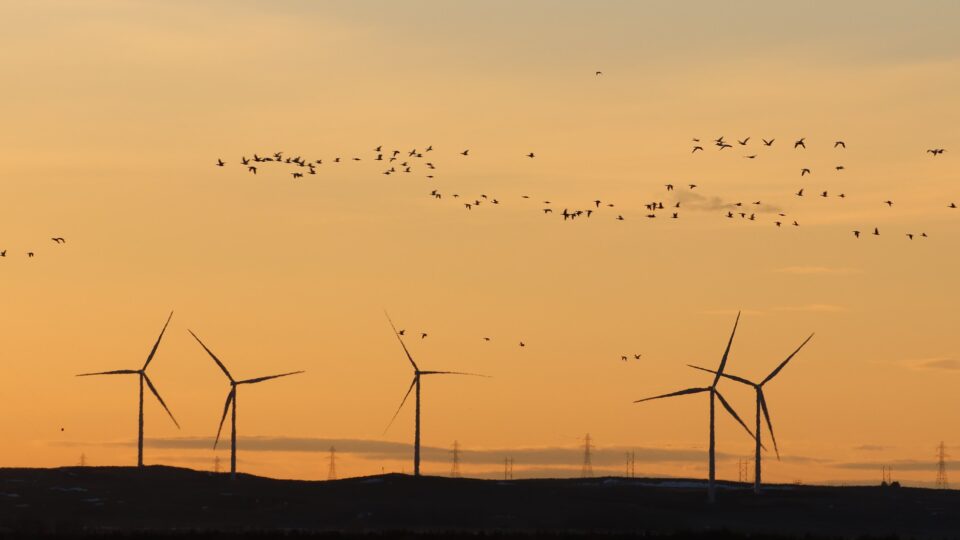
The wind and the sun are inexhaustible sources of energy, and we are tapping into them to produce electricity at a growing rate around the world.  But neither of them is always available when we need them.  When the sun isn’t shining and the wind isn’t blowing, they don’t work.

An opposite problem also exists.  When our energy needs are low, but it is sunny or windy, solar and wind power are all dressed up with nowhere to go.  Energy storage is the answer to both of these problems.   When there is excess generation, store the energy for later use.  When there is need for energy and not enough is being generated, tap into the energy that is stored.

Giant banks of lithium-ion batteries are the rapidly growing form of energy storage, and they are increasingly providing resilience in the electric grid.  But battery storage is short-term energy storage.  Even the largest battery banks can only provide a few hours of electricity. 

So, there is a real need for “long-duration energy storage” – systems that provide at least 10 hours of backup power and sometimes much more – for the grid to be fully reliable.

Pumped hydro storage, which uses water from elevated reservoirs to drive turbines, has been around for a long time.  Historically, this is the largest form of energy storage in the world.  Other methods include pumping compressed air into underground caverns or lifting massive blocks into elevated positions.  All of these techniques use excess electricity to place things like water, air, or cement into a position where they can be used to drive electrical generators.

The grid of tomorrow will store energy in giant battery banks, but also in the ground, in reservoirs, and in large structures.

**********

Web Links

How giant ‘batteries’ in the Earth could slash your electricity bills

Photo, posted March 21, 2024, courtesy of Sandra Uecker/USFWS via Flickr.

Earth Wise is a production of WAMC Northeast Public Radio
How much energy storage is needed?

November 11, 2024 By EarthWise Leave a Comment

Exploring how much energy storage is needed

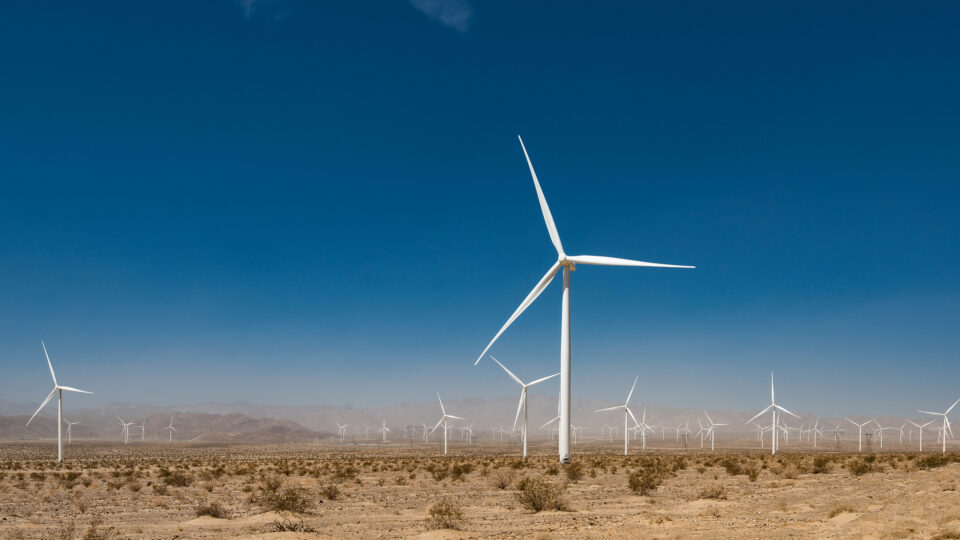
Energy storage is a critical aspect of modern energy systems as they move towards heavy dependence on renewable sources such as solar and wind that don’t produce energy at the same rate all the time.  Excess energy generated by solar power needs to be stored for when the sun isn’t shining; excess wind energy needs to be stored for when the wind isn’t blowing.  But how much storage capacity does the energy system need to have?

Researchers at North Carolina State University have developed a model that can be used to project what a system’s storage needs would be if it were to shift entirely to renewable sources.

The model accounts for how energy production from renewable sources would change during different times of day and different times of the year.  For example, there is much more solar energy generation in the summer when the days are longer, and it is sunny more often.

There is also the issue of short-term vs. long-term energy storage.  Short-term energy storage does not refer to how long a storage device can store the energy.  It refers to how long it can provide power at its rated level.

The study focused on Italy’s energy system, which has suffered in recent years because it had difficulties in obtaining natural gas from Russia due to the invasion of Ukraine.

As the world moves increasingly towards renewable power sources, energy systems need to be able to account for the variability of those sources.  The new model offers policymakers critical information for use in energy system planning.

**********

Web Links

Model Projects Energy Storage Needs for Fossil Fuel-Free Energy System

Photo, posted October 28, 2016, courtesy of Daxis via Flickr.

Earth Wise is a production of WAMC Northeast Public Radio
Solar-powered desalination

November 7, 2024 By EarthWise Leave a Comment

People in remote, low-income regions far from the ocean often need to meet their water needs from groundwater and groundwater is becoming increasingly saline due to climate change.  Desalination of brackish groundwater is a huge and largely untapped source of drinking water, but there are challenges in making the process efficient and reliable.

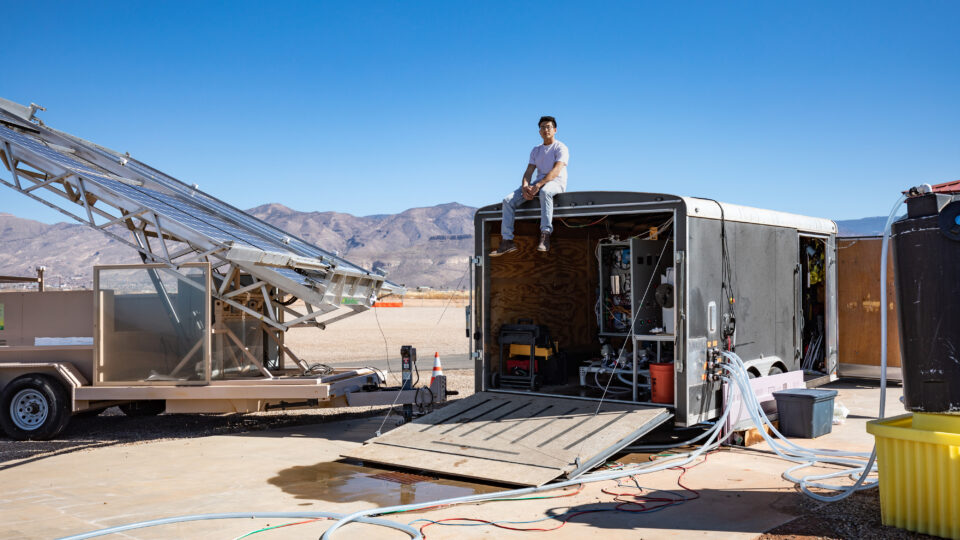
Engineers at MIT have developed a solar-powered desalination system that requires no batteries or external power sources and is capable of producing large quantities of clean water despite the variations of sunshine throughout the day.

The system is based on the process of electrodialysis and consists of water pumps, an ion-exchange membrane stack, and a solar panel array.  What is unique about it is that it makes use of sensors and a control system that predicts the optimal rate at which to pump water through the system based on the output of the solar panels.  As a result, it uses nearly all of the electricity generated to produce clean water and does not need stored or grid-based energy.

The MIT engineers tested a community-scale prototype on groundwater wells in New Mexico over a six-month period.  The system harnessed on average over 94% of the electricity generated by its solar panels and produced as much as 5,000 liters of water per day despite large variations in weather and sunlight.

The new renewable-powered, battery-free system could provide much-needed drinking water at low cost, especially for communities where access to seawater and to grid power are limited.  The team plans to further test and scale up the system so it can supply larger communities and even whole municipalities with low-cost drinking water.

**********

Web Links

Solar-powered desalination system requires no extra batteries

Photo courtesy of Shane Pratt.

Earth Wise is a production of WAMC Northeast Public Radio

Threats to the Amazon Rainforest

August 1, 2024 By EarthWise Leave a Comment

Brazil has made great progress in reducing deforestation in its Amazon Rainforest.  In 2023, the rate of deforestation in Brazil dropped by 50% over the previous year. This was the result of the efforts by conservation-minded President Luiz da Silva, who replaced Jair Bolsonaro, a big proponent of deforestation.  Da Silva’s government has cracked down on land clearing by farmers and ranchers.

In the first quarter of this year, deforestation decreased by 40% over the previous year’s quarter.   Deforestation levels are the lowest they’ve been in six years, although the amount of forest cleared in the period was still nearly 200 square miles.

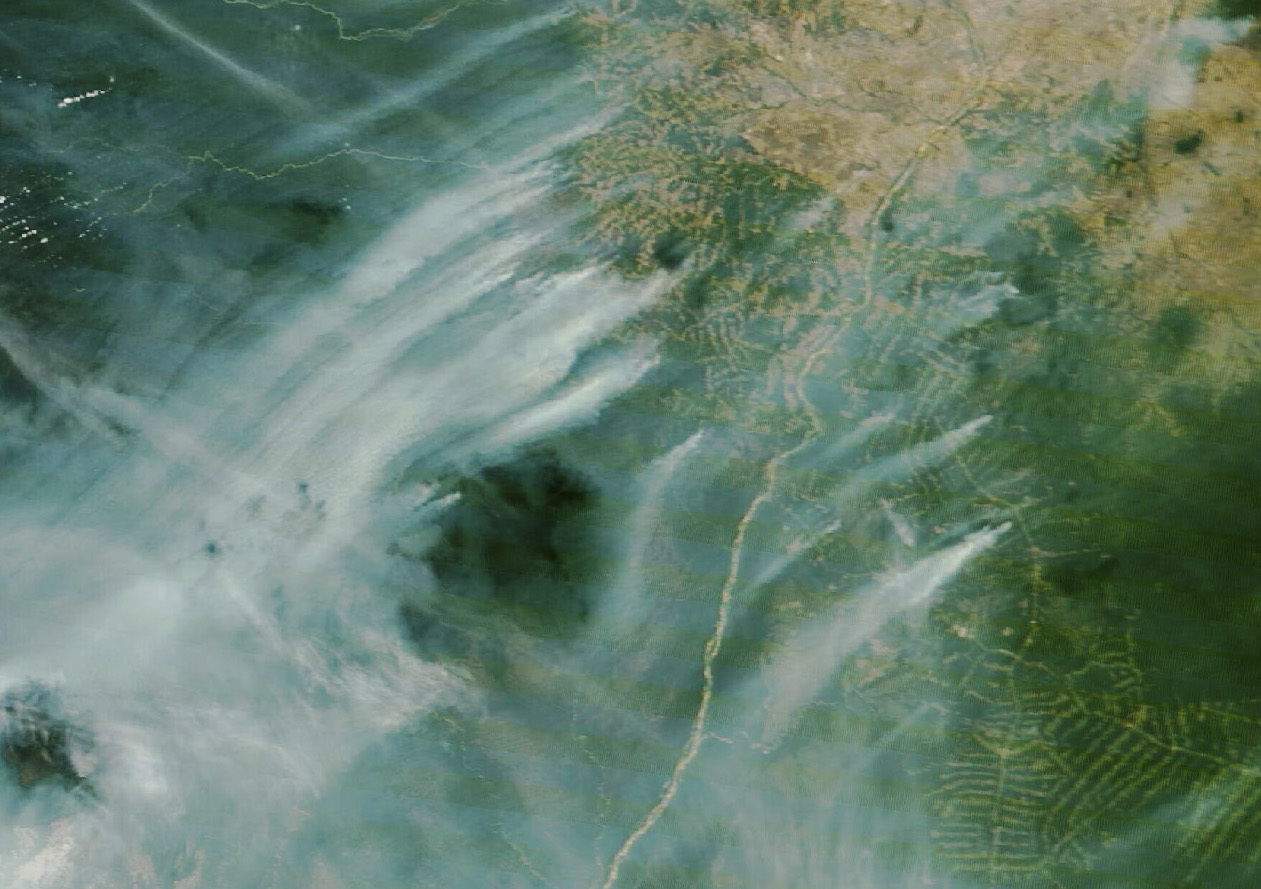
Unfortunately, the Amazon Rainforest is facing another growing threat:  climate change.  Because of pervasive drought and increasing temperatures, the number of wildfires in the region have hit a 20-year high.

According to satellite data from the national space agency, from January through June, Brazil recorded 13,489 wildfires in the Amazon.  That is 61% more fires than during the same period last year.  And the wildfire season has yet to reach its peak, which usually is in August or September.

Many of these fires begin in pastures or recently cleared rainforest, but then spread into the surrounding rainforest areas.  Many are huge fires.  Hundreds of square miles of rainforest have been consumed by fire, comparable in size to the areas deforested by farmers and ranchers.

Going forward, worsening wildfires could reverse the gains being made by the government’s deforestation policies.  This could not only threaten forest protection, but also weaken public support for the government’s commitment to protecting the region.

**********

Web Links

Brazil Is Seeing a Record Number of Wildfires This Year

Photo, posted January 26, 2018, courtesy of Chris Parker via Flickr.

Earth Wise is a production of WAMC Northeast Public Radio
Groundwater and climate change

February 22, 2024 By EarthWise Leave a Comment

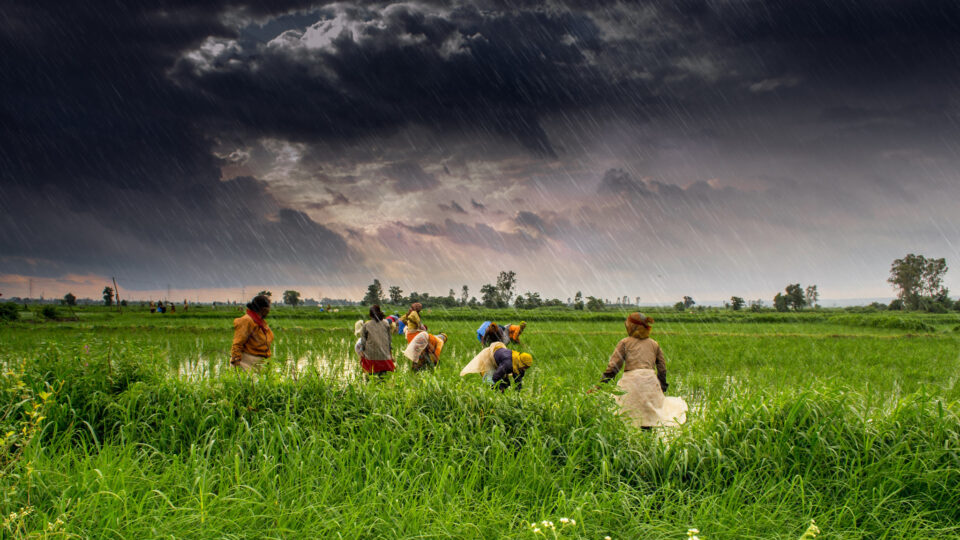
Groundwater is the vast reserve of water beneath Earth’s surface.  It’s an essential resource for humans, plants, animals, and other living organisms.  According to the United States Geological Survey, about 30% of all readily available freshwater in the world is groundwater.  In areas lacking sufficient surface water supply from rivers and reservoirs,  groundwater is critical for meeting the region’s drinking water and food production needs.

But climate change, as well as global population growth, is stressing groundwater resources.  As precipitation becomes less reliable due to climate change, surface water bodies can drop too low to provide the needed water.  As a result, people turn to groundwater. Depletion of groundwater is already a significant problem, and over-pumping will only increase further as climate change makes traditional sources of water less reliable.

According to a new study led by researchers from the University of Michigan, farmers in India have adapted to warming temperatures by intensifying the withdrawal of groundwater used for irrigation.  The study, which was published in the journal Science Advances, found that the rate of groundwater loss could triple by 2080 if this trend continues, further threatening India’s food and water security. 

India is the second-largest global producer of common cereal grains such as rice and wheat, and recently passed China as the world’s most populous nation. Without interventions to conserve groundwater, the research team finds that warming temperatures will likely amplify India’s groundwater depletion problem, further threatening the country’s food and water security.  

********** 

Web Links

Groundwater depletion rates in India could triple in coming decades as climate warms, study shows

Where is Earth’s Water?

Photo, posted August 2, 2013, courtesy of Rajarshi MITRA via Flickr.

Earth Wise is a production of WAMC Northeast Public Radio
An Accelerating Rate Of Mountain Forest Loss | Earth Wise

April 27, 2023 By EarthWise Leave a Comment

Recent study demonstrates how mountain forest loss is accelerating

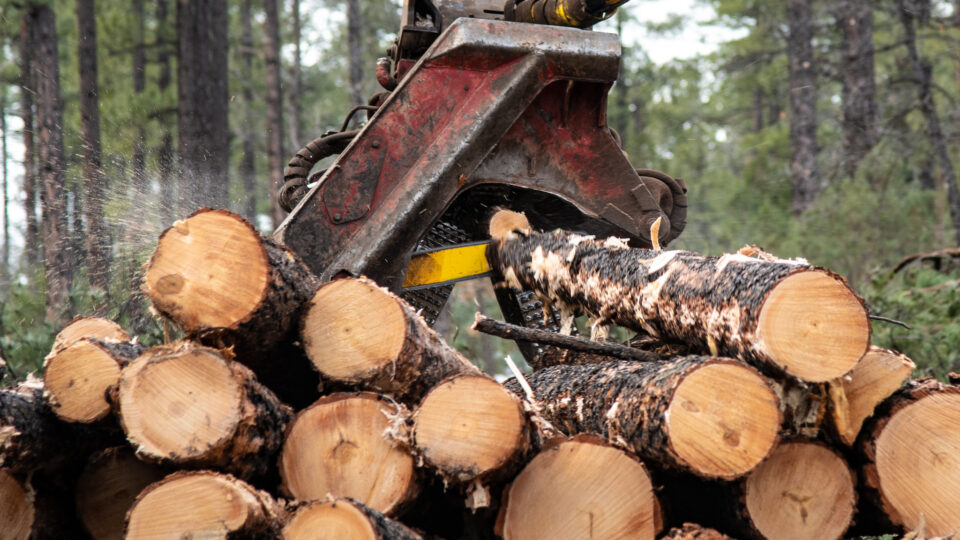
Mountains contribute disproportionately to the Earth’s diversity of life.  While mountains account for about 25% of the land area on Earth, they are home to more than 85% of the mammal, bird, and amphibian species.  But alarmingly, forested mountain habitats in which these species live are disappearing, and they appear to be disappearing at an accelerating rate.

According to a new study recently published in the journal One Earth, more than 300,000 square miles of mountain forest has been lost globally since 2000, which is an area larger than the state of Texas. 

A research team led by scientists from Leeds University in the United Kingdom and the Southern University of Science and Technology in China tracked changes in mountain forests on an annual basis from 2001 to 2018.  The researchers found logging to be the biggest driver of mountain forest loss, responsible for 42% of the overall decline.  This is followed by wildfires at 29%, so-called “slash-and-burn” cultivation at 15%, and permanent or semi-permanent agriculture at 10%.  Significant losses occurred in Asia, Africa, Europe, Australia, and South America, but not in Oceania or North America.

The research team also found that the rate of mountain forest loss seems to be accelerating: in fact, the annual rate of loss increased 50% from 2010-2018 when compared with 2001-2009.

While developing additional forest protection strategies and interventions is critical, the researchers emphasize the importance of also considering food production, livelihoods, and human wellbeing in any new measures.

**********

Web Links

Mountain forests are being lost at an accelerating rate, putting biodiversity at risk

Photo, posted December 6, 2018, courtesy of Lance Cheung / USDA via Flickr.

Earth Wise is a production of WAMC Northeast Public Radio
Trees Are Growing Bigger | Earth Wise

November 3, 2022 By EarthWise Leave a Comment

The alarming rate of carbon dioxide flowing into the atmosphere is having a real and actually positive effect on plant life. Higher concentrations of carbon dioxide make plants more productive because photosynthesis makes use of the sun’s energy to synthesize sugar out of carbon dioxide and water.  Plants make use of the sugar both as a source of energy and as the basic building block for growth.  When carbon dioxide levels go up, plants can take it up faster, supercharging the rate of photosynthesis.

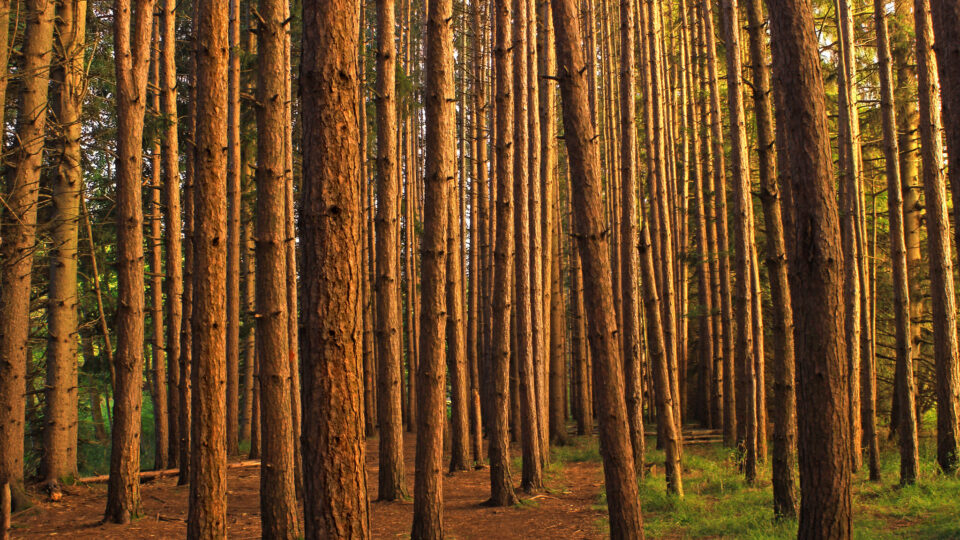
In a new study published in the journal Nature Communications, scientists at Ohio State University found that trees are feasting on decades of carbon dioxide emissions and are growing bigger as a result. 

The researchers tracked wood volume in 10 different tree groups from 1997 to 2017 and found that all of them except aspens and birches grew larger.  Over that time period, carbon dioxide levels climbed from 363 parts per million to 405 parts per million.  According to the study, each 1% increase in lifetime CO2 exposure for trees has led to more than a 1% increase in wood volume.

In the big picture, the news isn’t so positive.  The global warming caused by increasing carbon dioxide levels increasingly threatens the forests of the world.  It has led to worsening droughts, insect infestations, and wildfires.  So overall, increasing levels of carbon dioxide are by no means a good thing for the world’s trees.  However, since trees are growing bigger more quickly, it means that planting them is an increasingly cost-effective method for fighting climate change because the same number of trees can sequester more carbon.

**********

Web Links

As Carbon Dioxide Grows More Abundant, Trees Are Growing Bigger, Study Finds

Photo, posted September 12, 2015, courtesy of Nicholas A. Tonelli via Flickr.

Earth Wise is a production of WAMC Northeast Public Radio

The Caspian Sea And Climate Change | Earth Wise

January 22, 2021 By EarthWise Leave a Comment

Climate change will lower water levels in the Caspian Sea

According to the National Oceanic and Atmospheric Administration, global sea levels have been rising over the past century, and the rate has increased in recent decades.  Sea levels are currently rising about one-eighth of an inch every year.

Sea level rise is caused primarily by two factors related to climate change:  the added water from melting glaciers and ice sheets, and the expansion of seawater as it warms.  While climate change is causing global sea levels to rise, higher temperatures in other regions are having exactly the opposite effect.  The water levels are falling.

According to researchers from the University of Bremen in Germany, the Caspian Sea is a perfect example of how a body of water will change.  While it is named a sea due to its size and high salinity, the Caspian Sea is actually a lake.  In fact, it’s the largest lake in the world.  Its largest inflow is the Volga River and it has no natural connection to the ocean.  Its water level is determined by the proportional influences of inflow, precipitation, and evaporation.  Climate change is causing increased evaporation, which leads to a declining water level. 

According to the research team, the water level of the Caspian Sea could fall by 29 to 59 feet during this century.

The Caspian Sea is surrounded by Kazakhstan, Turkmenistan, Iran, Azerbaijan and Russia.  It’s an important regional water reservoir, and a biological and commercial center. 

The researchers hope the Caspian Sea will be used as an example in scientific research to assess the vulnerability of other regions to falling water levels.

********** 

Web Links

Climate crisis is causing lakes to shrink

Photo, posted October 31, 2016, courtesy of Amanderson2 via Flickr.

Earth Wise is a production of WAMC Northeast Public Radio.

Why The Arctic Is Warming So Fast | Earth Wise

April 7, 2020 By EarthWise Leave a Comment

rapid arctic warming

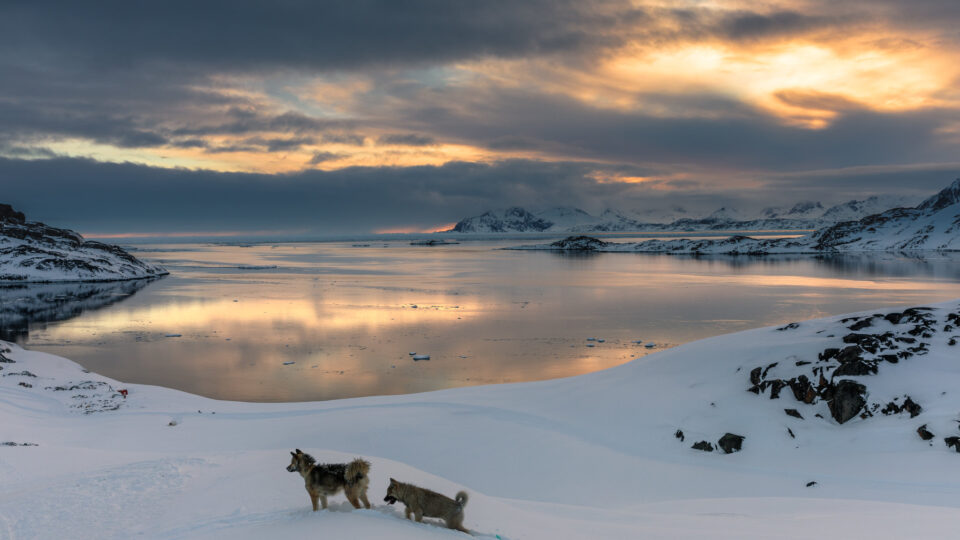
The Arctic has been warming at the fastest rate of any place on Earth.  There have long been observations of amplification of Arctic warming, meaning that its temperature increases have been well above what would be expected from the global temperature rise.

Many climate models have attributed this warming to the melting of sea ice.  As the bright white ice disappears for longer periods of the year, the dark surface waters that are exposed absorb sunlight rather than reflecting it back into space the way the ice does.  This is known as the ice-albedo feedback.  But it does not entirely explain the amount of warming in the Arctic.

Researchers at the Scripps Institution of Oceanography have developed a new theory that helps to explain what is going on.

In the areas of the Arctic Ocean where there is sea ice, the water is actually warmer at depth and colder near the surface.  The deeper waters are fed by the relatively warm Pacific and Atlantic Oceans while the surface water is cooled by the ice.  The increasing temperature difference between surface and deeper water causes a greater upward flow of heat.  This was first observed in research cruises that revealed evidence that the Arctic Ocean water was becoming more turbulent over time.

According to computer modeling, this phenomenon is responsible for about 20% of the amplification of global warming that occurs in the Arctic.

There are multiple ongoing studies looking at the Arctic warming trend.  Other factors that have contributed over time are the presence of chlorfluorocarbons in the atmosphere.   That contribution is waning since the use of CFCs has been phasing out over time.

**********

Web Links

Researchers Find New Reason Why Arctic is Warming So Fast

Photo, posted April 19, 2017, courtesy of Markus Trienke via Flickr.

Earth Wise is a production of WAMC Northeast Public Radio.

Another Bad Year For Bees

August 6, 2019 By EarthWise Leave a Comment

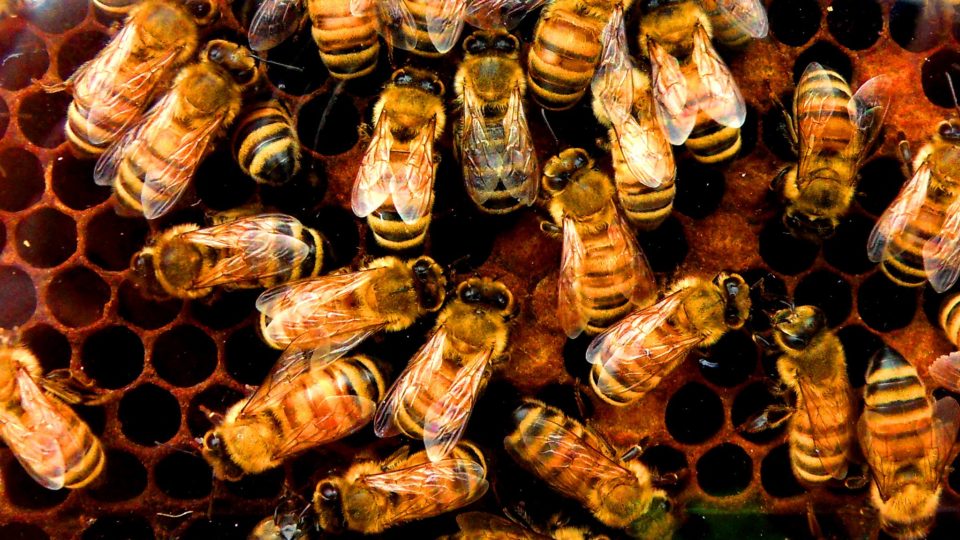
The latest annual nationwide survey of beekeepers in the US revealed that honeybees are still dying off at an alarming rate.  According to the survey, beekeepers across the country lost 40.7% of their honey bee colonies from April 2018 to April 2019. 

This annual loss represents a slight increase over the average annual loss of 38.7%.  Of greater concern is that winter losses of 37.7% were the highest reported since these annual surveys began 13 years ago and are almost 9% higher than the survey average.

These results are very troubling considering that the elevated losses are continuing even after a decade of intense work trying to understand and reduce colony loss.  Evidently, there has not been much progress.

The number one concern among beekeepers is varroa mites, which are lethal parasites that can readily spread from colony to colony.  These mites have been decimating bee colonies for years.  Products developed to remove mites seem to be getting less and less effective.

But mites are not the only problem for bees.  Land use changes have resulted in reduced availability of pollen sources for bees.  Add to that pesticide exposures, environmental factors, and even problems with beekeeping practices.   In addition, extreme weather conditions such as wildfires and floods are only adding to the problems facing bees.

The tools that used to work for beekeepers seem to be failing and they are already stretched to their limits trying to keep their bees alive. Honey bees pollinate $15 billion worth of food crops in the United States each year. The problems facing bees are a problem for all of us.

**********

Web Links

U.S. Beekeepers Suffered Higher than Average Colony Loss Last Year, with Winter Losses the Highest Recorded, According to UMD-Led Annual Survey

Photo, posted June 3, 2009, courtesy of Jennifer C via Flickr.

Earth Wise is a production of WAMC Northeast Public Radio.

Coal Isn’t Even Cheap Anymore

May 15, 2019 By EarthWise Leave a Comment

Coal has historically been very cheap compared with many other energy sources and the reason is that it is so plentiful.  The United States has especially abundant quantities of the stuff – perhaps a quarter of the world’s estimated recoverable reserves.  Estimates are that at the rate at which we are currently using coal here, the remaining reserves would last about 325 years. 

That would be great, of course, if the use of coal was not relentlessly destructive to the environment, hazardous to human health, and a major driver for global warming.  Despite all of that, the Trump administration is a big booster of coal.

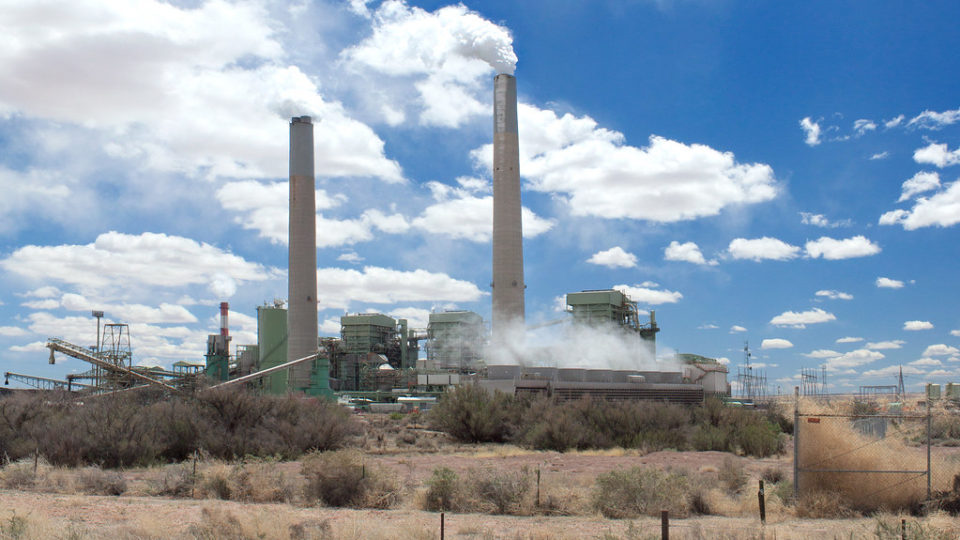
But coal has little chance of holding on to its current status, much less having some kind of renaissance.  According to a new report from renewables analysis firm Energy Innovation, nearly 75% of coal-fired power plants in the United States generate electricity that is more expensive than local wind and solar resources.   Wind power, in particular, can at times provide electricity at half the cost of coal.

Wind and solar power are growing by leaps and bounds.  The Guardian reported that by 2025, enough wind and solar power will be generated at low enough prices in the U.S. that it could replace 86% of the entire U.S. coal fleet with lower-cost electricity.

It has been known for some time that there are places where the so-called coal crossover has already taken place.   But this is actually far more widespread than previously thought.  Substantial coal capacity is currently at risk in North Carolina, Florida, Georgia and Texas.  By 2025, Indiana, Michigan, Ohio, and Wisconsin will join their ranks.

The biggest threat to coal is not regulators or environmentalists; it is economics.

**********

Web Links

Renewables Cheaper Than 75 Percent of U.S. Coal Fleet, Report Finds

Photo, posted May 1, 2011, courtesy of Alan Stark via Flickr.

Earth Wise is a production of WAMC Northeast Public Radio.

The Global Vertebrate Population Is Struggling

December 6, 2018 By EarthWise Leave a Comment

https://earthwiseradio.org/wp-content/uploads/2018/12/EW-12-06-18-The-Global-Vertebrate-Population.mp3

According to a new report by the World Wildlife Fund, the planet’s populations of vertebrates have dropped an average of 60% since 1970.

[Read more…] about The Global Vertebrate Population Is Struggling

Antarctica Is Getting Greener

June 29, 2017 By EarthWise

https://earthwiseradio.org/wp-content/uploads/2017/06/EW-06-29-17-Antarctica-is-Getting-Greener-1.mp3

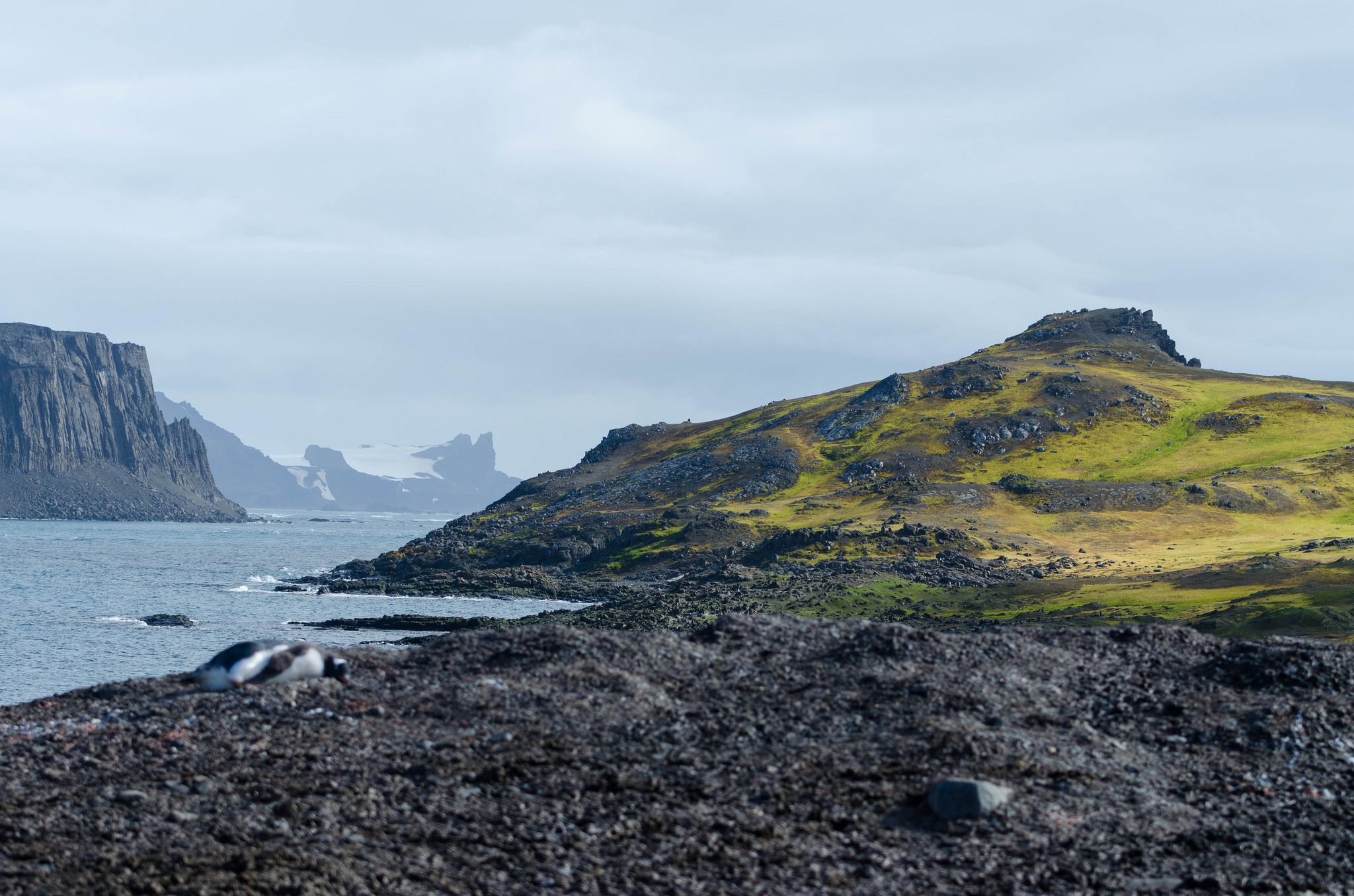
The frozen landscape of Antarctica is getting greener.  Researchers drilling into layers of moss that have been accumulating in Antarctica over the last 150 years have found that the growth rate of the moss has been speeding up over the past 50 years.

[Read more…] about Antarctica Is Getting Greener

Primary Sidebar

Recent Episodes

  • An uninsurable future
  • Clean energy and jobs
  • Insect declines in remote regions
  • Fossil fuel producing nations ignoring climate goals
  • Trouble for clownfishes

WAMC Northeast Public Radio
WAMC/Northeast Public Radio is a regional public radio network serving parts of seven northeastern states (more...)

Copyright © 2026 ·