
• Skip to primary navigation
  • Skip to main content
  • Skip to primary sidebar

Earth Wise

A look at our changing environment.

  • Home
  • About Earth Wise
  • Where to Listen
  • All Articles
  • Show Search
Hide Search
You are here: Home / Archives for pollution

pollution

Air pollution in India

February 19, 2024 By EarthWise Leave a Comment

India is one of the world’s most polluted countries.  In fact, of the 30 cities with the worst air pollution around the globe, 21 of them can be found in India. 

India’s capital city, New Delhi, is the most polluted city in the world.  Concentrations of fine particulate matter (known as PM2.5) in Delhi, which is the name of the larger city that includes the capital New Delhi, are nearly 10 times greater than the World Health Organization guidelines. 

To reduce air pollution in Delhi, officials have focused on measures within the city limits, including boosting public transportation and regulating pollution from industry. 

But according to a review carried out by the University of Surrey and regional government officials in Delhi, the city will also need the help of its neighbors to tackle its killer smog problem.  Some of the pollution plaguing Delhi comes from rural areas in the region –  from things like crop burning, wood stoves, and power plants.  The review, which was part of a paper recently published in the journal Sustainable Horizons, also recommends drafting regional air quality plans, producing smog forecasts, and creating airshed councils to help improve coordination. 

Exposure to air pollution can cause all sorts of major health problems, including asthma, respiratory inflammation, as well as  jeopardize lung function, and even promote cancer.  Long-term exposure to PM2.5 is linked to premature death.  In fact, air pollution causes an estimated 670,000 deaths every year in India. 

Since air pollution doesn’t respect boundaries or borders, solutions require collaboration and the need to focus efforts more broadly in order to achieve emissions reduction goals. 

**********

Web Links

Delhi smog: India’s cities must look beyond their limits to clean up air pollution

Photo, posted December 27, 2019, courtesy of Ninara via Flickr.

Earth Wise is a production of WAMC Northeast Public Radio
Adirondack lakes becoming inhospitable for trout

February 15, 2024 By EarthWise Leave a Comment

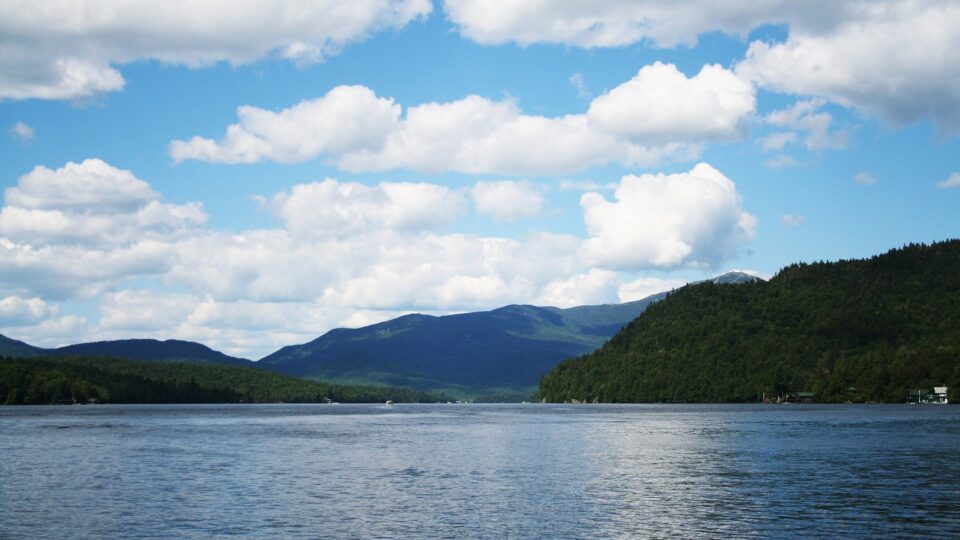
Trout and other fish struggling in New York's Adirondack lakes

A combination of the warming climate and the phenomenon of lake browning are making the bottom of most lakes in New York’s Adirondack Mountains unlivable for cold water fish – such as trout, salmon, and whitefish – in the summer.

Lake browning occurs when dissolved organic matter from forests turns the water tea-brown.  Browning is the legacy of a century of acid rain and subsequently the fact that forest soils have suffered reduced capacity to absorb weak organic acids, leading to more dissolved plant matter flowing into lakes.  Climate change has increased the frequency of extreme precipitation events and the length of growing seasons, leading to more runoff of organic matter.

Browner water traps more of the sun’s heat at the top of the lake and blocks the sun’s rays from reaching deeper.  The result of the browning is lakes that are either too warm or too deoxygenated to support trout populations.

A study of 1,467 Adirondack lakes by Cornell University researchers found that only about 5% of them may continue to maintain water that is cold and oxygenated enough to support cold-water fish.

Deeper lakes fare much better because they have so much water that their oxygen is hard to deplete, but only 1% of all Adirondack lakes are deeper than 30 meters.  Another 4% are very clear because the influx of cold water outpaces the expansion of low-oxygen zones and limits the effects of browning.

The study urges the protection of as many lakes as possible from species invasions, nutrient and salt pollution, and other forms of environmental degradation. 

**********

Web Links

Most Adirondack lakes will likely become unsuitable for trout

Photo, posted July 17, 2011, courtesy of Lida via Flickr.

Earth Wise is a production of WAMC Northeast Public Radio

Why was 2023 so hot?

February 2, 2024 By EarthWise Leave a Comment

Explaining what factors led to 2023 being so hot

Five separate weather-tracking organizations have proclaimed 2023 as the hottest year on record. They all agreed that 2023 beat the previous record-holder – 2016 – by a wide margin.  Organizations that use a pre-industrial baseline of 1850-1900 found that 2023 was 1.45 to 1.48 degrees Celsius above the baseline.  But what caused 2023 – especially the second half of it – to be so hot?

Scientists believe that there were multiple factors that contributed to the record-breaking heat.

First and foremost is the long-term rise in greenhouse gases.  Over 100 years of burning fossil fuels along with major changes in land use (particularly deforestation) have led to a significant rise in the heat-trapping blanket of the gases in the atmosphere.

On top of this long-term trend, the return of the El Niño condition in the Pacific in May helped temperatures rise further.

At the same time, the tropical Pacific was not the only ocean that was hotter than normal.  The global sea surface temperature set new records in 2023 and there were multiple marine heat waves.  Heat trapped by the atmosphere is absorbed by the oceans, raising their temperatures.

Another factor is the quantity of aerosols in the atmosphere.  Many of these aerosols actually cool the atmosphere by reflecting the sun’s light back into space.  Society’s efforts to reduce air pollution and improve air quality have led to decreasing levels of aerosols.

2024 started with some seriously cold weather in some places but predictions are that this year will be roughly as warm as 2023 and possibly warmer given that the dynamics driving last year’s weather are all still in place.

*********

Web Links

Five Factors to Explain the Record Heat in 2023

Photo, posted February 22, 2016, courtesy of Jasmin Toubi via Flickr.

Earth Wise is a production of WAMC Northeast Public Radio
How to reduce pollution from food production

January 17, 2024 By EarthWise Leave a Comment

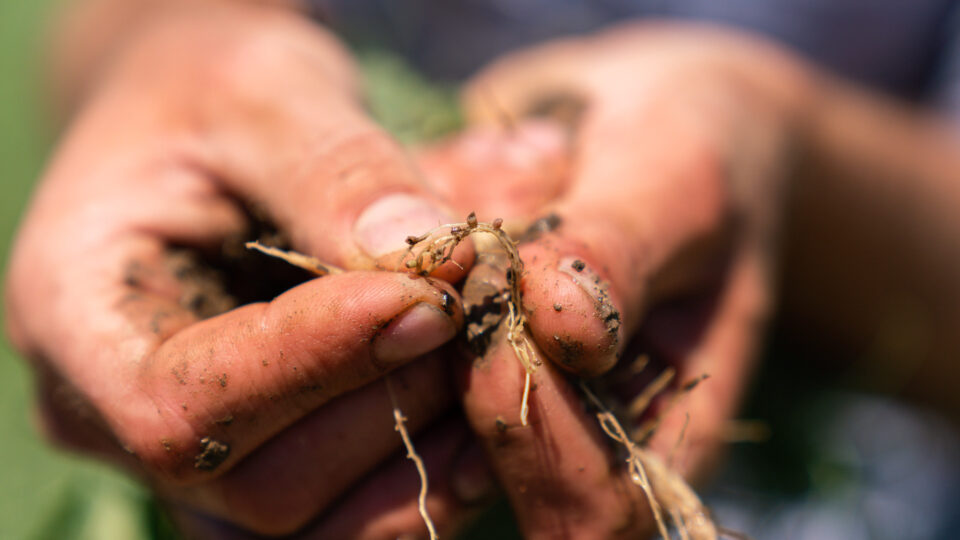
Present in animal manure and synthetic fertilizers, nitrogen is an essential nutrient for plant growth and is a critical input to enhance agricultural productivity on farms around the world.  But excessive and inefficient use of this nutrient is widespread.  In fact, up to 80% of it leaks into the environment, mostly in various polluting forms of nitrogen: ammonia and nitrogen oxides (which are harmful air pollutants), nitrous oxide (a potent greenhouse gas), and nitrate (which affects water quality).

A new report prepared for the United Nations has put forth some solutions to greatly reduce nitrogen pollution from agriculture in Europe.  A group of researchers coordinated by the U.K. Centre for Ecology & Hydrology, the European Commission, the Copenhagen Business School, and the National Institute for Public Health and the Environment of The Netherlands produced the report.

In it, the research team puts forth its recipe to reduce nitrogen pollution in Europe.  The report’s ingredients include:

  • Reducing by 50% the average European meat and dairy consumption
  • More efficient fertilizer application and manure storage
  • Reducing food production demand by reducing food waste by retailers and consumers
  • Better wastewater treatment to capture nitrogen from sewage
  • Adopting policies addressing food production and consumption to transition them towards more sustainable systems

Taking action to reduce nitrogen pollution will require a holistic approach involving farmers, policymakers, retailers, water companies, and individuals. 

Do Europeans have an appetite for change?

**********

Web Links

Scientists provide recipe to halve pollution from food production

Photo, posted March 10, 2022, courtesy of USDA NRCS Montana via Flickr.

Earth Wise is a production of WAMC Northeast Public Radio

Food and the climate crisis

December 18, 2023 By EarthWise Leave a Comment

Farm-free food could help mitigate climate warming

Agriculture is a major part of the climate problem and remains one of the hardest human activities to decarbonize.  It’s responsible for approximately 25% of global greenhouse gas emissions. 

Many experts contend that alternative food sources – like insect farming and seaweed aquaculture – are part of the solution.  Additionally, expanding production of climate resilient food crops, including quinoa, kernza, amaranth, and millet, likely also have a role to play. 

But according to a new study led by researchers from the University of California – Irvine, another solution to this problem may be to eliminate farms altogether.  In the study, which was recently published in the journal Nature Sustainability, the research team explored the potential for wide scale synthetic production of dietary fats through chemical and biological processes.  The materials needed for this method are the same as those used naturally by plants: hydrogen (in water) and carbon dioxide (in the air).   

The research team highlighted some of the potential benefits of farm-free food, including reduced water use, less pollution, localized food production, and less risk to food production from weather. 

Cookies, crackers, chips, and many other grocery products are made with palm oil, a dietary fat that continues to be a major driver of deforestation around the world.  However, it remains to be seen how consumers would react if the oil used to bake their cookies came from a food refinery up the road instead of a palm plantation in Indonesia.     

According to the researchers, depending on food refineries instead of tropical plantations for dietary fats could mitigate lots of climate-warming emissions while also protecting land and biodiversity.

**********

Web Links

UC Irvine-led science team shows how to eat our way out of the climate crisis

Photo, posted July 15, 2008, courtesy of Quinn Dombrowski via Flickr.

Earth Wise is a production of WAMC Northeast Public Radio
Plastics and agriculture 

November 14, 2023 By EarthWise Leave a Comment

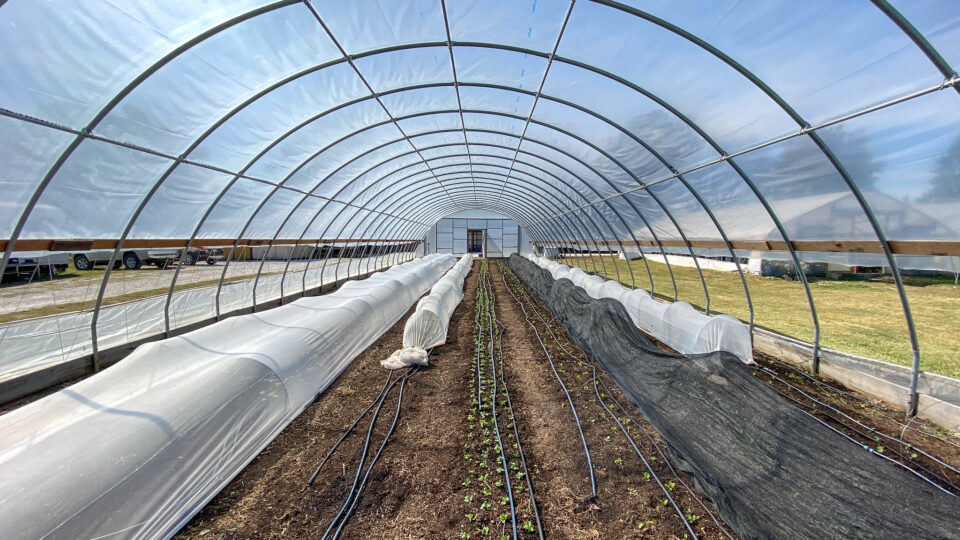
Once celebrated as a symbol of modern innovation, plastic is now both a blessing and a curse of our time.  Since the 1950s, more than nine billion tons of plastic have been produced, and 50% of that has been during the past 15 years.  Plastic is ubiquitous in every sector, and agriculture is no different.

Modern agriculture is responsible for almost a third of global greenhouse gas emissions and is a major drain on the planet’s resources.  Modern agriculture is also inextricably linked to plastic. In fact, more than 13 million tons of plastic are used in agriculture every year.  It’s nearly impossible to imagine modern agriculture without plastics. 

But according to a new study led by researchers from Rutgers University, plastic use in agriculture must be reduced in order to mitigate pollution, and prevent toxic chemicals from leaching into the soil and adversely affecting human health. 

In the study, which was recently published in Nature Communications Earth & Environment, the researchers found that it is essential to adopt a strategic approach to mitigate plastic pollution in agriculture, including responsible usage, reduction, efficient collection, reuse, and the implementation of innovative recycling methods. 

According to the researchers, when these sustainable approaches aren’t possible, biodegradable and nontoxic bioplastics should be used.  The research team insists that environmentally benign additives should be mandated in order to reduce plastic toxicity. 

Plastic pollution is a problem that needs to be addressed in every sector. 

**********

Web Links

Plastic Use in Agriculture Must be Reduced, According to New Research

How can the use of plastics in agriculture become more sustainable?

Photo, posted November 12, 2022, courtesy of Kevin Dooley via Flickr.

Earth Wise is a production of WAMC Northeast Public Radio
Wildfires And Air Quality | Earth Wise

October 26, 2023 By EarthWise Leave a Comment

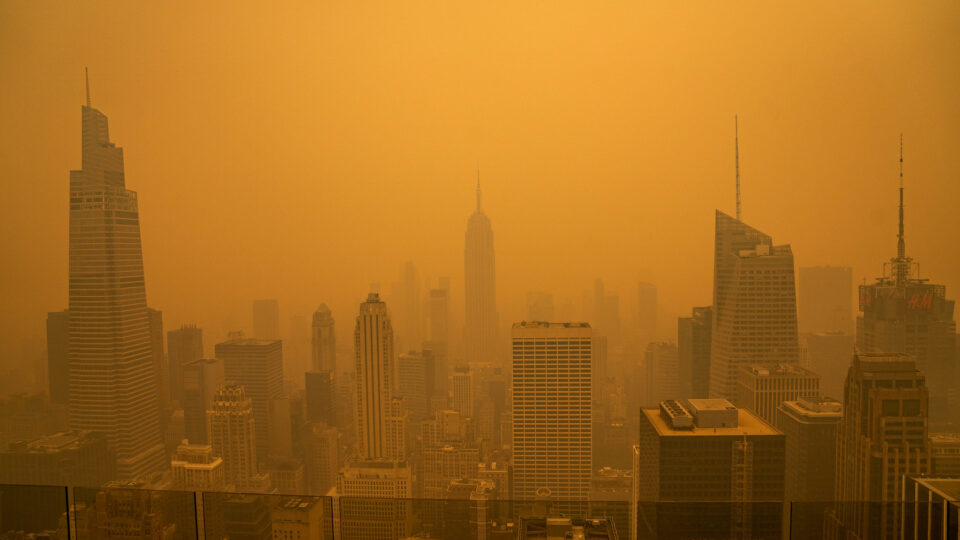
People in the Northeast have been dealing with unhealthy air quality in recent times because of smoke from hundreds of wildfires in Canada.  Canada has experienced a much higher than average incidence of blazes this year with nearly 500 fires burning uncontrolled at times.

It turns out that states far away from Canada aren’t necessarily free from the impact of the fires.  Early in October, smoke from a wildfire burning in Quebec made its way south all the way down to Florida and created unhealthy air quality and reduced visibility across much of the state.  Smoke from the same fire had created hazy air in Boston, New York City, and parts of Connecticut before heading south.

It took a rather unusual set of atmospheric conditions to make this happen.  The smoke drifted from Canada into the western Atlantic.  From there, it got trapped behind a cold front and was then pushed south along the east coast until it finally moved inland across Florida. 

Wildfires produce a variety of particles and gases from the burning of vegetation such as organic carbon, black carbon, nitrogen oxides, carbon monoxide and hazardous air pollutants.  The mixture of particles and gases in wildfire smoke is associated with respiratory symptoms like shortness of breath and reduced lung function, as well as dangerous cardiovascular effects.

Smoke from increasingly frequent and increasingly large fires has started to undo decades of gains in air quality brought about by air pollution policies.  According to researchers, wildfires in the United States in recent years have undone about 25% of past progress in cleaning up air pollution in states from coast to coast.

**********

Web Links

Wildfire Smoke From Canada Creates Unhealthy Air Quality in Florida

Photo, posted June 8, 2023, courtesy of Anthony Quintano via Flickr.

Earth Wise is a production of WAMC Northeast Public Radio

Plastics In The Air | Earth Wise

October 25, 2023 By EarthWise Leave a Comment

Plastic pollution is a growing problem

Plastic pollution is a big deal.  There are plastics clogging up landfills and waterways and accumulating in the oceans, choking turtles and seabirds.  Annual production of plastics has grown from 2 million tons a year in 1950 to more than 450 million tons today.

As if plastic problems weren’t already big enough, it is becoming increasingly clear that there are growing amounts of microplastic particles in the air. Bits of plastic are lofted into the sky from seafoam bubbles and from spinning tires on highways.  The particles are so light that they can travel for thousands of miles, far from where they originate.

Studies in recent years documented the presence of plastic particles even in places like the Pyrenees in Europe and in federally protected areas of the US.  Other studies have measured the quantity of plastic in the air of various locations and have looked at the origins of the particles.

In the western US, over 80% of microplastics came from roads where vehicles kick up particles from tires and brakes.   In remote areas of the Pacific, there is less than a single particle of plastic per cubic meter of air.  In cities like London and Beijing, on the other hand, there can be several thousand particles per cubic meter.

Microplastics can act as airborne aerosols, like dust, salt, soot, volcanic ash, and other particles.  Aerosols play an important role in the formation of clouds and in temperature regulation on the earth.  At low concentrations, such as exist in most places, microplastic aerosols don’t have much of an effect.  But there are more in the atmosphere all the time and, at this point, scientists don’t really know what effect they will have.

**********

Web Links

Microplastics Are Filling the Skies. Will They Affect the Climate?

Photo, posted August 28, 2014, courtesy of Alan Levine via Flickr.

Earth Wise is a production of WAMC Northeast Public Radio
Pollution From Tires | Earth Wise

October 16, 2023 By EarthWise Leave a Comment

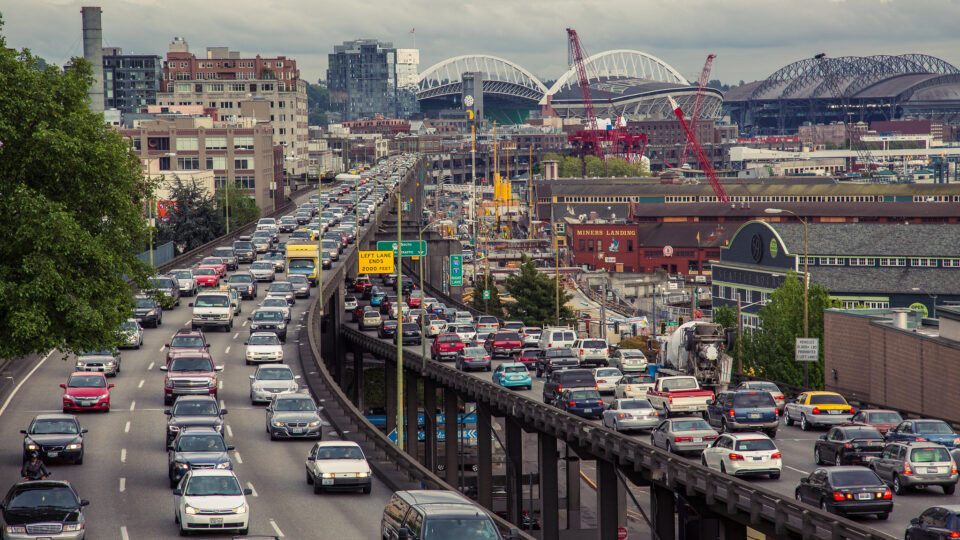
A few years ago, researchers investigating massive deaths of coho salmon in West Coast streams discovered that the water contained particles from vehicle tires.  The cause of the fish mortality turned out to be a chemical called 6PPD that is added to tires to prevent cracking and degradation.  The mystery was solved, but so far, the chemical continues to be used by all major tire manufacturers and is found on roads and in waterways around the world.

Worse still, the acute toxicity of 6PPD and the chemicals that it transforms into when exposed to ground-level ozone is only the tip of the tire pollution iceberg.  Tire rubber contains more than 400 chemicals and compounds, many of which are carcinogenic. 

About 2 billion tires are sold across the globe each year and that number is expected to reach 3.4 billion by 2030.  Tires are made from about 20% natural rubber and 24% synthetic rubber, which requires about 4 gallons of petroleum per tire.  Hundreds of other ingredients – including steel, fillers, heavy metals like copper, cadmium, lead, and zinc – make up the rest.

Tire wear particles are emitted continually as vehicles travel.  They range in size from visible pieces of rubber or plastic to microparticles.  Research has shown that a car’s four tires collectively emit half a trillion ultrafine particles per mile driven.  These particles are small enough to be breathed into the lungs and can travel throughout the body and even cross the blood-brain barrier.  Particle pollution from tires exceeds that from tailpipes.

Tire pollution is a huge problem that is just starting to receive the attention it deserves.

**********

Web Links

Road Hazard: Evidence Mounts on Toxic Pollution from Tires

Photo, posted June 22, 2018, courtesy of Tony Webster via Flickr.

Earth Wise is a production of WAMC Northeast Public Radio

Lampshades And Indoor Air Pollution | Earth Wise

September 26, 2023 By EarthWise Leave a Comment

Converting indoor air pollution into harmless compounds

We mostly think of air pollution as an outdoor problem.  Common sources of air pollution include emissions from vehicles, byproducts of manufacturing and power generation, and smoke from wildfires.  What we don’t often spend a lot of time thinking about is indoor air quality. 

Indoor air pollution refers to harmful pollutants within buildings and structures, which can lead to a myriad of health issues.  Sources of indoor air pollution include smoke from tobacco products, as well as volatile organic compounds (VOCs), including acetaldehyde and formaldehyde, emitted from things such as paints, cleaning products, plastics, and cooking. 

A team of scientists from South Korea’s Yonsei University has developed a special coating that when applied to lampshades can convert pollutants into harmless compounds.  Composed of titanium dioxide and a small amount of platinum, this thermocatalyst can be applied to the inside surface of a lampshade and is triggered to break down VOCs when warmed by the lamp’s existing incandescent or halogen bulb.

In lab tests, the coating was applied to the inside of an aluminum lampshade, warmed by a halogen bulb, and then placed into a sealed chamber containing air and acetaldehyde gas.  The researchers found that the material quickly converted the gas into acetic acid, then into formic acid, and finally into carbon dioxide and water. The scientists are now looking for ways to extend the pollutant-destroying-lampshade concept to LED lightbulbs. 

The findings offer a promising and eco-friendly solution to improve indoor air quality and reduce the health risks associated with prolonged exposure to VOCs. 

**********

Web Links

Clever coating turns lampshades into indoor air purifiers

Photo, posted March 21, 2009, courtesy of Levent Ali via Flickr.

Earth Wise is a production of WAMC Northeast Public Radio
Air Pollution And Insects | Earth Wise

September 7, 2023 By EarthWise Leave a Comment

Air pollution may be causing global decline in insects

Insects can be found in every environment on Earth and play critical roles in the planet’s ecosystems.  Insects pollinate more than 80% of plants, including those that we eat and those that provide food and habitat for other species.  Without insects, we wouldn’t have the rich biodiversity that supports life on earth today.

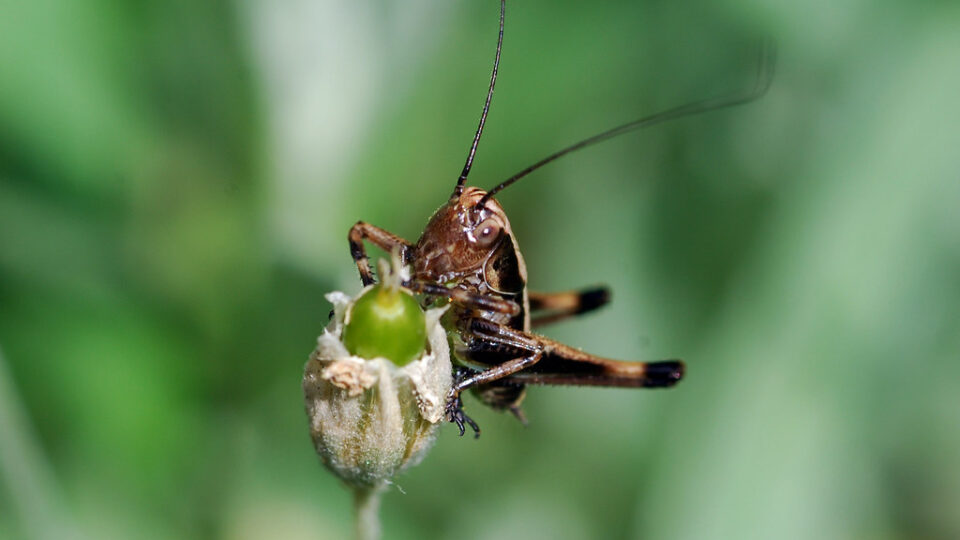
But the world is experiencing a decline in overall insect populations as well as a collapse in insect diversity.  According to researchers from the University of Melbourne in Australia, Beijing Forestry University in China, and the University of California – Davis, air pollution particles may be the cause of the dramatic decline.  They found that an insect’s ability to find food and a mate is reduced when their antennae are contaminated by particulate matter. 

In the study, which was recently published in the journal Nature Communications, the research team exposed houseflies to varying levels of air pollution for just 12 hours and then placed the flies in a Y-shaped tube ‘maze’. Uncontaminated flies typically chose the arm of the Y-maze leading to a smell of food or sex pheromones, while contaminated flies selected an arm at random, with 50:50 probability.

Using a scanning electron microscope, the researchers also found that as air pollution increases, more particulate material collects on the sensitive antennae of houseflies. 

Insect antennae have olfactory receptors that detect odor molecules emanating from a food source, a potential mate, or a good place to lay eggs.  If an insect’s antennae are covered in particulate matter, a physical barrier is created between the smell receptors and air-borne odor molecules.

Air pollution poses a significant threat to insect populations around the world.   

**********

Web Links

Air pollution particles may be cause of dramatic drop in global insect numbers

Photo, posted June 13, 2008, courtesy of Allen Watkin via Flickr.

Earth Wise is a production of WAMC Northeast Public Radio
Global Aquaculture And Environmental Change | Earth Wise

August 9, 2023 By EarthWise Leave a Comment

Climate change threatens viability of aquaculture

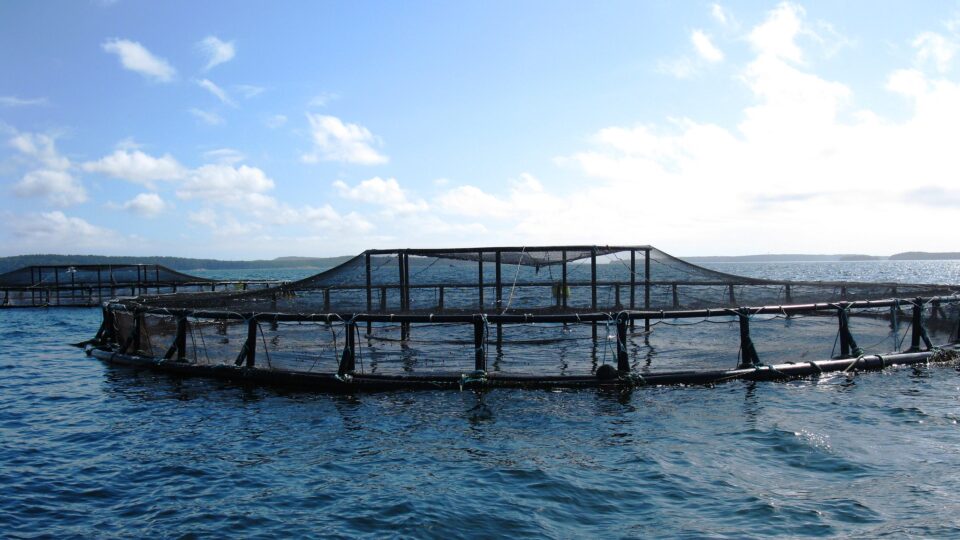
Blue foods are fish, invertebrates, algae, and aquatic plants that are captured or cultured in freshwater and marine ecosystems.  They include approximately 2,200 species of fish, shellfish, plants and algae as well as more than 500 species farmed in freshwater.  Blue foods play a central role in food and nutrition security for billions of people, and are a cornerstone of the livelihoods, economies, and cultures of many communities around the world.

But many of the world’s largest aquatic food producers are highly vulnerable to human-induced environmental change.  According to a new paper recently published in the journal Nature Sustainability, more than 90% of global blue food production is at risk from environmental changes, with top producers like the United States, Norway, and China facing the biggest threat.  Alarmingly, the research also found that some of the highest-risk countries in Asia, Latin America and Africa demonstrate the lowest capacity for adaptation. 

The paper is the first-ever global analysis of environmental stressors impacting the production quantity and safety of blue foods. A total of 17 anthropogenic stressors were surveyed, including rising seas and temperatures, ocean acidification, changes in rainfall, algal blooms, pollution, and pesticides. 

The research is one of seven scientific papers published by the Blue Food Assessment as part of a global effort to inform future aquatic food sustainability. 

The report calls for more transboundary collaboration and for a diversification of blue food production in high-risk countries to cope with the impact of environmental change. 

**********

Web Links

Vulnerability of blue foods to human-induced environmental change

New research finds that more than 90% of global aquaculture faces substantial risk from environmental change

Photo, posted December 30, 2014, courtesy of NOAA’s National Ocean Service via Flickr.

Earth Wise is a production of WAMC Northeast Public Radio
A Below-Average Dead Zone In The Gulf of Mexico | Earth Wise

July 20, 2023 By EarthWise Leave a Comment

The Gulf of Mexico dead zone, or hypoxic area, is an area of low oxygen content that can kill fish and other marine life.  It occurs every summer and is mostly a result of excess nutrient pollution from human activities in cities and farms throughout the Mississippi River watershed.  The nutrients carried by the river into the gulf stimulate an overgrowth of algae, which eventually die and decompose, which depletes oxygen in the water as the algae sink to the bottom.

The resultant low oxygen levels near the bottom of the gulf cannot support most marine life.  Fish and shrimp often leave the area seeking better places to be.  Animals that can’t swim away – like mussels and crabs – can be stressed by the low oxygen level or even killed.

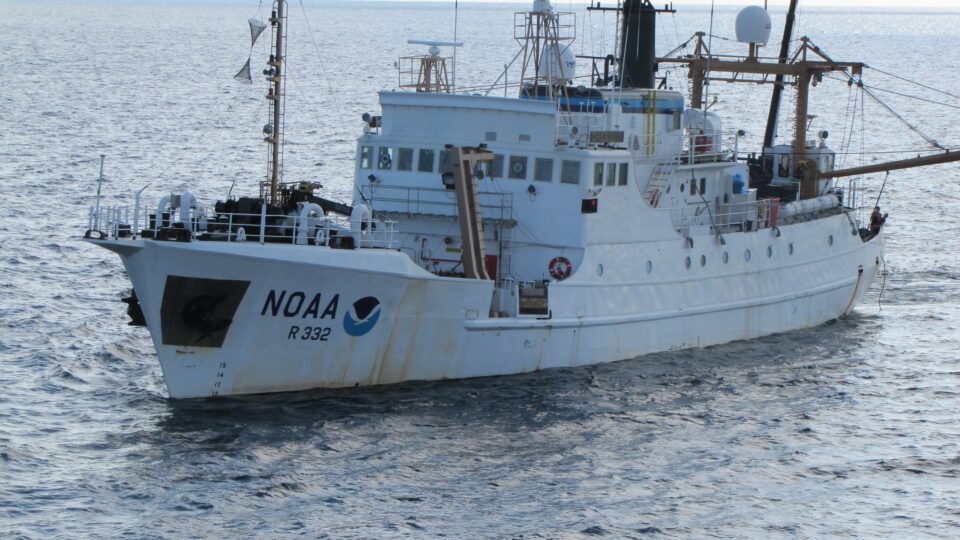
The National Oceanic and Atmospheric Administration produces a dead zone forecast each year based on a suite of models developed by NOAA and partners at multiple universities. 

The latest forecast, completed in May, found that the discharge of nutrients in the rivers was about one-third below the long-term average between 1980 and 2022.  Nitrate loads were down 42% and phosphorous levels down 5%.

Based on these measurements, the scientists forecast a summer dead zone that will cover an estimated 4,155 square miles, which is 22% lower than the 36-year average of 5,364 square miles.  Ongoing efforts by the Interagency Mississippi River and Gulf of Mexico Hypoxia Task Force to reduce nutrient levels seem to be paying off.

**********

Web Links

NOAA forecasts below-average summer ‘dead zone’ in Gulf of Mexico

Photo, posted September 6, 2013, courtesy of NOAA Photo Library via Flickr.

Earth Wise is a production of WAMC Northeast Public Radio

Rain Gardens And Residential Pollution | Earth Wise

July 12, 2023 By EarthWise Leave a Comment

Rain gardens are a solution to residential pollution of waterways

Stormwater runoff has become the largest source of residential pollution for waterways.  As rainwater runs down roofs, over driveways and patios, and off other hard surfaces, it can pick up pollutants as it flows directly into streams, wetlands, lakes, and groundwater aquifers.  That water is typically routed directly through stormwater pipes and ditches with little filtering or treatment.  The main emphasis is on getting the water off of people‘s property as quickly and efficiently as possible to avoid flooding.

Many municipalities are dealing with the problem by installing rain gardens, which are a type of green infrastructure in commercial spaces that slow down and treat water before it enters streams, wetlands, and other bodies of waters.  When designed and installed properly with appropriate plants, rain gardens are like miniature water treatment facilities   Water gathers in the rain garden, soaks into the soil, and is taken up by plants.  The plants filter nutrients, sediments, and toxic materials from the runoff before excess water ever gets to waterways.

Homeowners are being encouraged to build their own rain gardens.  They need to familiarize themselves with how runoff from their roof, driveway, sidewalk, and roads is currently being routed and treated.  The idea is to try to incorporate that runoff into a rain garden design with sufficient area and infiltration rates.  The runoff would ultimately flow out from a safe, designated location into storm drains at a slower rate than from the previous impervious surfaces.  Homeowners would need to work with their local jurisdictions to find out the requirements for re-routing water in their area and make sure any modifications prevent erosion and protect nearby homes, roads, and other infrastructure.

**********

Web Links

Rain gardens help keep pollutants out of waterways

Photo, posted March 3, 2017, courtesy of Jeremy Jeziorski / Oregon Convention Center via Flickr.

Earth Wise is a production of WAMC Northeast Public Radio
Can All Plant Species Survive? | Earth Wise 

June 9, 2023 By EarthWise Leave a Comment

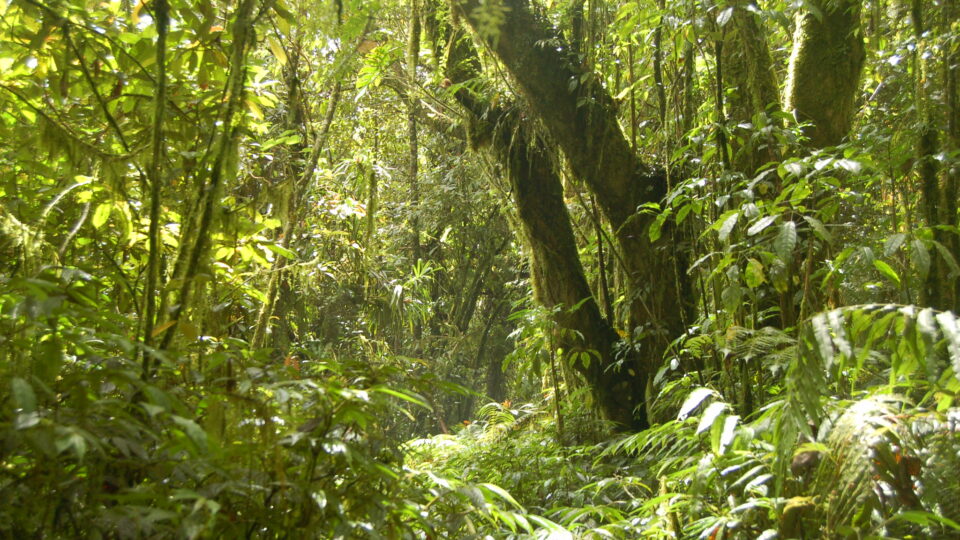
Many animal populations around the world are struggling and people are mostly to blame.  Species are declining because of all sorts of things including changes in land and sea use, pollution, invasive species, and climate change.

Like many animal species, plants are also struggling to adapt to a human-dominated world.  Plants provide the planet with food, oxygen, and energy, and are used to produce fibers, building materials, and medicines.  Even though plants are easier and cheaper to protect, they are often overlooked in conservation efforts. 

According to a paper recently published in the journal Trends in Plant Science, preventing all future land plant extinctions across the globe is possible with the right approaches.  The author of the paper, Richard Corlett of the Xishuangbanna Tropical Botanical Garden in China, writes that “if zero extinction is potentially achievable for plants, a less ambitious target would be inexcusable.” 

According to the paper, one big barrier in plant conservation is the lack of trained specialists, especially in tropical areas where there is a backlog of unidentified species.  It’s likely that many “dark extinctions,” which is when species slip away without us knowing they existed, have already occurred.

Another roadblock in preventing plant extinctions is information access, which can be solved by building an online “metaherbarium.”  This collaborative database would link digitized records from herbarium specimens with photographs, status assessments, and recovery plans.

Finally, the creation of “microreserves” – which are tiny pieces of protected land designed to get around space constraints – would further contribute to effective conservation of targeted plant species. 

Zero plant extinctions should be the goal.   

**********

Web Links

‘Zero plant extinction’ is possible, says plant ecologist

Photo, posted May 16, 2008, courtesy of Andrew Otto via Flickr.

Earth Wise is a production of WAMC Northeast Public Radio

Abandoned Oil Wells In The Gulf Of Mexico | Earth Wise

June 7, 2023 By EarthWise Leave a Comment

Abandoned and unplugged oil wells pose a major risk to the environment

There have been offshore oil platforms in the Gulf of Mexico for 85 years.  After all those decades of drilling, there are now more than 14,000 old, unplugged wells out in the water, and they are at risk of springing dangerous leaks and spills.  There are now more unplugged, non-producing wells than active wells in the gulf.   According to a new study, plugging all those abandoned wells could cost more than $30 billion.

Most of these wells are in federal waters and nearly 90% of them were owned at some point by one of the so-called supermajor oil companies:  BP, Shell, Chevron, and Exxon.  Under federal law, those companies would still be responsible for cleanup costs, even if they might have sold the wells in the past.

Oil and gas companies are legally responsible for plugging wells that are no longer in service, but such companies often go bankrupt, leaving wells orphaned and unplugged and taxpayers end up footing the bill.  The 2021 trillion-dollar infrastructure bill sets aside $4.7 billion to plug orphaned wells, but that is nowhere near enough.  

It may be possible to go after the supermajors to get them to pay for plugging wells in federal waters, but it will undoubtedly be a battle.   In state waters, whose wells are generally in shallower locations, it is even more urgent to act because any pollution from the wells is more likely to reach shore and wreak environmental havoc.

As the world starts to transition away from fossil fuels, decades of mining and drilling in almost every corner of the world, including the oceans, has left behind the need for an immense plugging and cleanup effort.

**********

Web Links

Price to Plug Old Wells in Gulf of Mexico? $30 Billion, Study Says

Photo, posted July 8, 2010, courtesy of John Masson / Coast Guard via Flickr.

Earth Wise is a production of WAMC Northeast Public Radio
Plastic Eating Fungus | Earth Wise

May 26, 2023 By EarthWise Leave a Comment

Researchers exploring the use of fungi to break down plastic

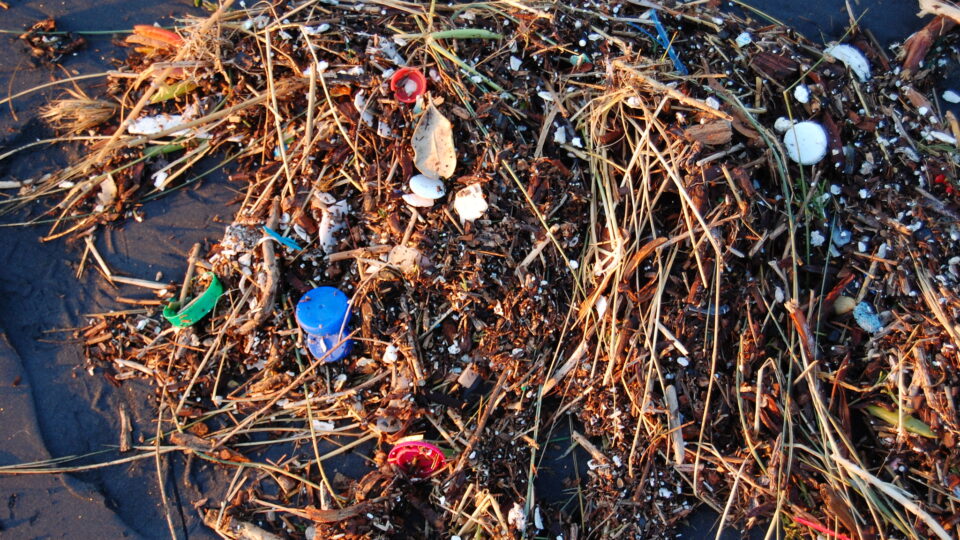
More than five billion tons of plastic have accumulated on land and sea including the most remote regions of the planet as well as in the bodies of animals and humans.  There is a compelling need to recycle as much plastic as possible but doing so is a major challenge. Plastic comes in many varieties and breaking it down for reuse requires different methods for each.

Polypropylene is one of the biggest challenges for recycling.  It is a very common plastic used for all sorts of products including food containers, coat hangers, plastic wrap, toys, and much more. It accounts for roughly 28% of the world’s plastic waste, but only 1% of it is recycled.

Polypropylene is seldom recycled because it generally has a short life as a packaging material, and it often becomes contaminated by other materials and plastics.  Thus, it generally ends up in landfills.

Researchers at the University of Sydney in Australia have discovered that two common strains of fungi were able to successfully biodegrade polypropylene.  The fungi species – with unavoidable Latin names of Aspergillus terreus and Engyodontium album – are typically found in soil and plants.

The researchers found that the fungi were able to break down polypropylene after it had been pre-treated with either UV light or heat, by 21% over 30 days, and by 25-27% over 90 days.  This seems rather slow but compared with the nearly endless life of polypropylene in landfills, it is a major improvement.

The hope is that methods like this could ultimately reduce the amount of plastic polluting the environment by encouraging plastic to biodegrade naturally under the appropriate conditions.

**********

Web Links

Fungi makes meal of hard to recycle plastic

Photo, posted March 5, 2010, courtesy of Kevin Krejci via Flickr.

Earth Wise is a production of WAMC Northeast Public Radio
Caterpillars And Light Pollution | Earth Wise

May 3, 2023 By EarthWise Leave a Comment

Most of us are familiar with air pollution, water pollution, soil pollution, and even noise pollution.  But it turns out that light can be a pollutant as well, and it’s a consequence of industrial civilization.  In fact, nighttime light pollution now covers approximately 23% of the globe and over 80% of inhabited regions. 

Light pollution affects more than just our view of the stars.  For example, light pollution can alter our circadian rhythm, disrupting our sleep cycle.  In nature, light pollution can kill baby turtles by causing them to head inland instead of into the ocean, can cause birds to migrate during the wrong season, and can deter nighttime pollinators like bats.  And those are just a few of the examples.    

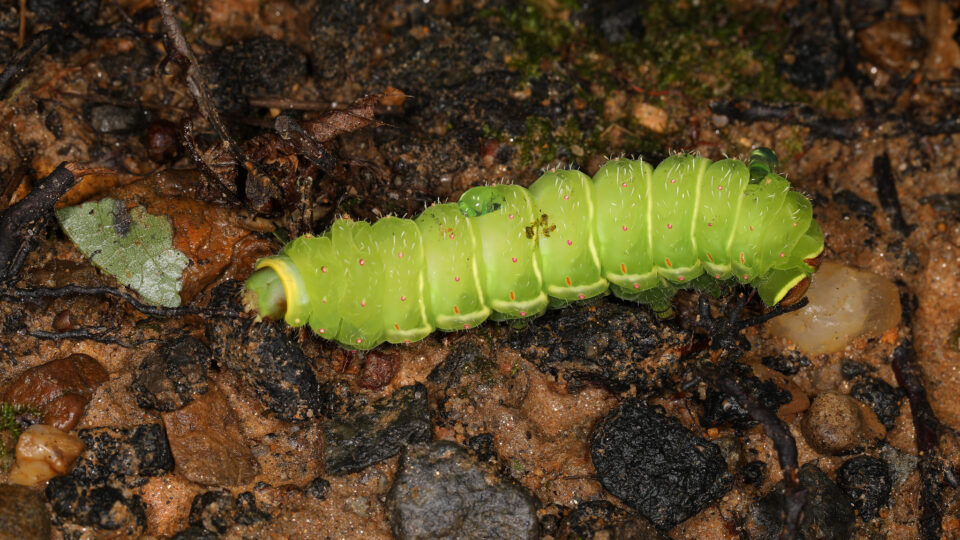
According to new research from scientists at Cornell University, moderate levels of artificial light at night – like a porch light – attract caterpillar predators and reduce the chance that caterpillars grow up to become moths. 

In the study, which was recently published in the journal Proceedings of the Royal Society B: Biological Sciences, the researchers placed 552 lifelike caterpillar replicas made of soft clay in a forest to measure predation rates compared to a control group.  They found that predation rates on clay caterpillars and the abundance of arthropod predators were significantly higher on the artificial light at night treatment plots.  In fact, of the 552 clay caterpillars deployed and glued to leaves to look authentic, 521 models were recovered and 249 of them- or 47.8% – showed predatory marks from arthropods during the summer-long nighttime study.

In addition to light pollution, caterpillars also face major threats from habitat loss, pollution, invasive species, and climate change.

**********

Web Links

Artificial light at night aids caterpillar predators

Photo, posted July 23, 2020, courtesy of Judy Gallagher via Flickr.

Earth Wise is a production of WAMC Northeast Public Radio

Ocean-based Climate Intervention And Deep-sea Ecosystems | Earth Wise

May 2, 2023 By EarthWise Leave a Comment

Climate interventions could jeopardize deep sea ecosystems

Deep-sea ecosystems cover more than 40% of the Earth.  These regions are some of the least well-known and understood areas of our planet but are home to numerous ecosystems.  The deep seas are already directly exposed to the effects of human-induced climate change but could potentially be greatly threatened by efforts to artificially counteract climate change.

A class of geoengineering solutions called ocean-based climate interventions are increasingly being claimed as promising ways to mitigate climate change.  Such interventions would remove carbon dioxide from the atmosphere and sequester it in the deep sea.  There is very little known about the impact of such efforts on ocean biogeochemistry and the biodiversity of ocean ecosystems.

One approach is direct CO2 injection into the deep ocean, which would sequester large amounts of it and reduce the concentration in the atmosphere.  However, too much carbon dioxide in the water is called hypercapnia, which can have serious consequences on marine life.

Other approaches include ocean fertilization – which is enhancing phytoplankton production at the surface, leading to their eventual deposition on the deep-sea floor – and crop waste deposition – which is deep-sea disposal of terrestrial crop waste. 

A multinational study led by the Scripps Institution of Oceanography warns that there needs to be much more research and governance before any such interventions ever take place.  The deep sea faces unprecedented threats from industrial fisheries, pollution, warming, deoxygenation, acidification, and other climate-related problems.  Ocean-based climate intervention represents yet another serious threat to the functioning of these essential ecosystems.

**********

Web Links

HKU Marine Scientist contributes to research assessing the potential risks of ocean-based climate intervention technologies on deep-sea ecosystems

Photo, posted January 6, 2010, courtesy of Emrys Roberts via Flickr.

Earth Wise is a production of WAMC Northeast Public Radio
Spiders And Pest Control | Earth Wise

April 5, 2023 By EarthWise Leave a Comment

Using spiders as pest control in agriculture

Climate change facilitates the spread of invasive pest species by expanding their habitable environment ranges.  In conventional agriculture, farmers depend on chemical pesticides to control agricultural pests.  But 99% of all synthetic chemicals, including pesticides, are made from fossil fuels, and turning petrochemicals into pesticides requires massive amounts of energy.  These chemical pesticides also pollute the air and water, and destroy biodiversity by killing many non-target species as well.  

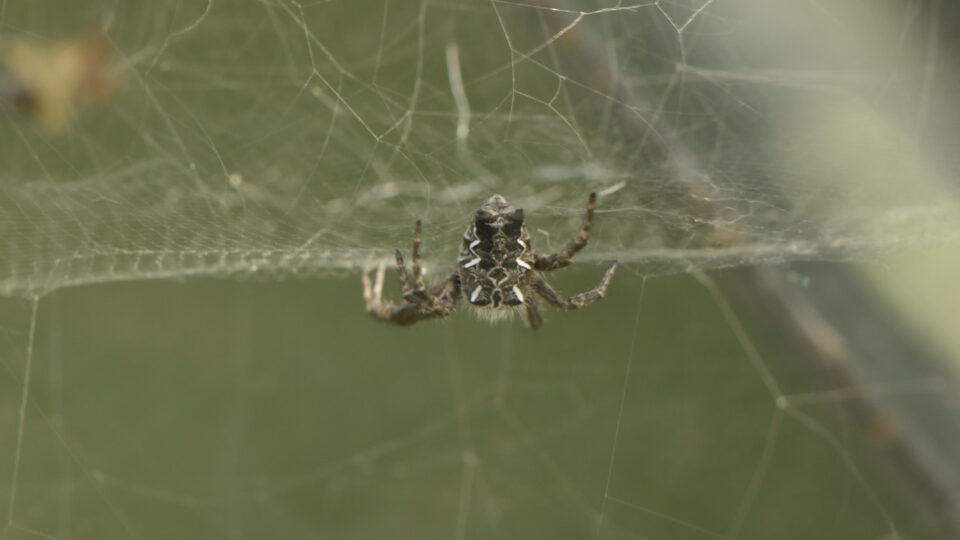
According to new research led by scientists from the University of Portsmouth in the U.K., groups of spiders could be used as an environmentally-friendly way to protect crops against agricultural pests.  The study, which was recently published in the journal Insects, suggests that web-building groups of spiders can be used to control populations of the tomato leafminer moth, a devastating pest of commercially important crops like tomatoes and potatoes.

The research team explored the use of tropical tent spiders for this pest control.  They are found in colonies around the world, and their range overlaps with regions of moth infestations, including Mediterranean Europe, Africa, Asia, and the Middle East.

In lab settings, different types of prey were introduced to colonies of spiders of varying body sizes.  The research team found that the larger spiders built larger webs and caught more prey, including tomato leafminer moths and fruit flies.   

Tropical tent spiders could be an effective and climate-friendly way to control flying insect pests.  However, more research is needed to ensure that these spiders don’t negatively impact crop pollination by also catching pollinators.

**********

Web Links

Using spiders as environmentally-friendly pest control

Photo, posted June 10, 2018, courtesy of Lies Van Rompaey via Flickr.

Earth Wise is a production of WAMC Northeast Public Radio

  • « Go to Previous Page
  • Page 1
  • Page 2
  • Page 3
  • Page 4
  • Page 5
  • Interim pages omitted …
  • Page 13
  • Go to Next Page »

Primary Sidebar

Recent Episodes

  • An uninsurable future
  • Clean energy and jobs
  • Insect declines in remote regions
  • Fossil fuel producing nations ignoring climate goals
  • Trouble for clownfishes

WAMC Northeast Public Radio

WAMC/Northeast Public Radio is a regional public radio network serving parts of seven northeastern states (more...)

Copyright © 2026 ·