• Skip to primary navigation
  • Skip to main content
  • Skip to primary sidebar

Earth Wise

A look at our changing environment.

  • Home
  • About Earth Wise
  • Where to Listen
  • All Articles
  • Show Search
Hide Search
You are here: Home / Archives for pollution

pollution

Manatees are not Florida natives

December 20, 2024 By EarthWise 1 Comment

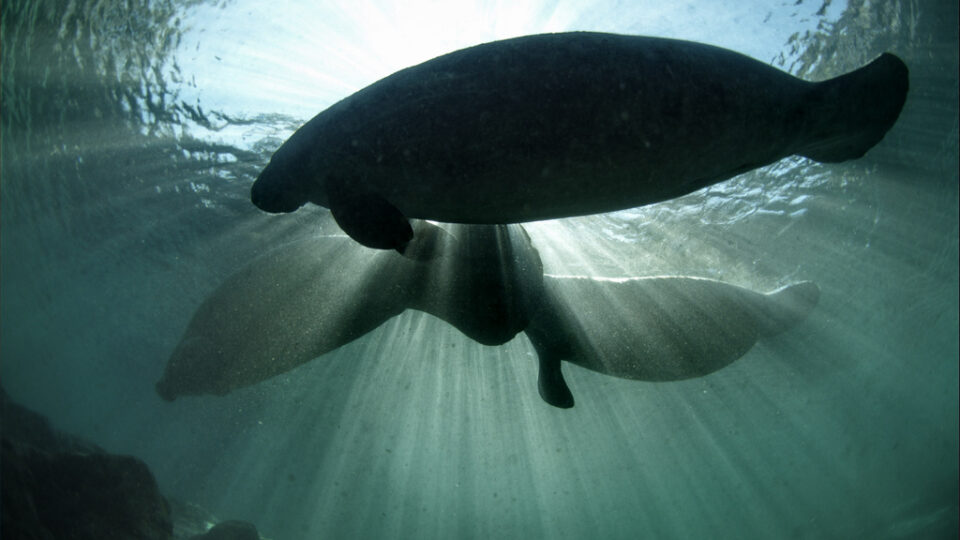
Manatees might not be native to Florida

Florida is very proud of its manatees.  It has a county named after them and has pictures of them on license plates.  These gentle creatures are part of Florida culture.  But recent research indicates that manatees – also known as sea cows – might only be relatively recent residents of the Sunshine State.

Manatees have been spotted in Florida waters for several centuries but might have only been tourists visiting briefly before returning to their home waters in the Caribbean in places like Cuba.

The new research suggests that manatees might not have actually taken up residence in Florida until after Europeans colonized the area in the 1500s.  There is a rarity of manatee bones on archaeological sites that date back further.  It was particularly striking that Crystal River, which is an epicenter for modern manatee populations, had little evidence of their presence in earlier times.

Even into the early 1900s, Florida newspaper reports treated manatee sightings as a spectacle rather than a common occurrence.  In the 1920s and 1930s, there started to be more routine sightings in places like yacht basins and canal harbors.  In the 1950s, manatees became more plentiful in Tampa Bay and Crystal River. The warming waters and human activities creating shallow warm water refuges increased manatee populations, particularly near places like power plants.

The current Florida manatee population is between 8,000 and 12,000 and is classified as threatened under the Endangered Species Act, an improvement over its previous endangered status.  But pollution is killing a lot of the seagrass that they eat, and their safety is by no means assured.

**********

Web Links

Why manatees are likely not Florida natives

Photo, posted March 25, 2012, courtesy of David Hinkel / USFWS via Flickr.

Earth Wise is a production of WAMC Northeast Public Radio
Politics and plastic

December 19, 2024 By EarthWise Leave a Comment

Political differences are blocking plastic reforms

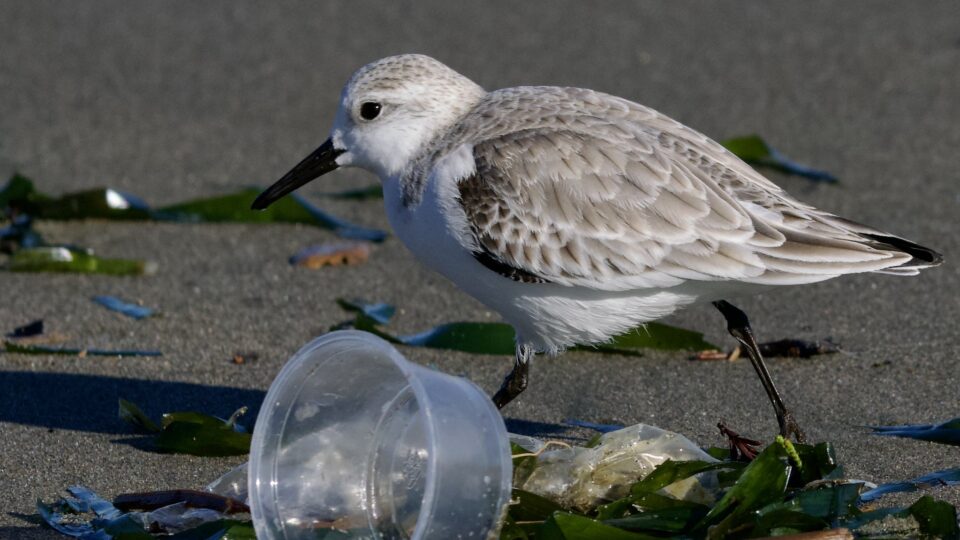
The world currently produces nearly half a billion tons of plastic each year.  This is more than twice the amount it produced 20 years ago.  Half of all plastics ever manufactured have been made in the past 20 years.  Plastic waste is everywhere.  About eight million tons of plastic waste escapes into the ocean each year.

Environmental groups have urged nations to adopt a legally binding treaty to address the ever-growing problem of plastic pollution. The United Nations climate conference in South Korea last month took up the issue of reaching agreement on such a treaty.  At what was supposed to be the final round of talks on the topic, delegates could not bridge wide differences on what such a treaty should contain.

The main bone of contention was whether the treaty should include limits on plastic production itself.  Saudi Arabia, Russia, Kuwait, and other oil-producing countries opposed any curbs on plastic production.   They also opposed the phase-out of harmful chemicals used in the production of plastic.

The Saudi delegation claimed that if the issue of plastic pollution is addressed, there should be no problem with producing plastics.  They said the problem is pollution itself, not plastics.  They proposed a focus on improving recycling and waste management.

Of course, preventing plastic pollution from occurring is an extremely challenging thing to do.  Delegates from countries pushing for a wide-ranging treaty – led by Rwanda – were unwilling to accept a toothless theory lacking real constraints on the plastics industry.

As the conference ended, delegates said that they would reconvene in future months to try again to produce a treaty.  No date or place has been announced.

**********

Web Links

Nations Fail to Reach an Agreement on Plastic Pollution

Photo, posted February 4, 2023, courtesy of Ingrid Taylar via Flickr.

Earth Wise is a production of WAMC Northeast Public Radio

Reducing farm nutrient pollution

December 11, 2024 By EarthWise Leave a Comment

Researchers developing new method to reduce nutrient pollution from farms

When farmers add nutrients to their fields in excess of their crops’ ability to utilize them, these excess nutrients can enter the surrounding environments and create environmental problems.  The primary culprits are nitrogen and phosphorous.  These fertilizer components emerge from fields and enter local waterways in surface runoff.

Researchers at the University of Illinois Urbana-Champaign have developed a form of designer biochar that can provide phosphorous in a time-released fashion and reduce the amount that escapes into the environment.

The researchers used sawdust and lime sludge, which are byproducts from milling and water treatment plants, respectively.  They mixed the two ingredients and formed pellets which were then slow-burned in low-oxygen conditions to create phosphorous-laden designer biochar.  Once the pellets bind all the phosphorous they can hold, they can be spread onto fields where the nutrient is slowly released over time.

They tested the pellets in working field conditions.  The pellets are used to remove phosphorous from drainage water and then can be reused in the field to provide the nutrient to the plants.   

The results were very encouraging.  The biochar proved to be a very effective way to provide phosphorous to crops and then reduce how much phosphorous enters the environment.  The cost of producing the biochar pellets was less than half that of alternative substances for phosphorous removal. 

There is currently no regulation that requires farmers to remove phosphorous from drainage water but there are a growing number of conservation-minded farmers who want to reduce nitrogen and phosphorous losses from their fields.  The idea that the recyclable pellets can both provide and control phosphorous is an attractive one.

**********

Web Links

Scientists tackle farm nutrient pollution with sustainable, affordable designer biochar pellets

Photo, posted July 16, 2016, courtesy of Rick Obst via Flickr.

Earth Wise is a production of WAMC Northeast Public Radio

Tourism and climate action

October 11, 2024 By EarthWise Leave a Comment

Australia’s Great Barrier Reef is one of the foremost natural wonders of the world and is a major tourist attraction.  It is well-known that the changing climate is threatening the survival of the Great Barrier Reef as well as other coral reefs around the world.  A recent study by researchers at the University of Queensland looked at the reactions of tourists to being informed about the impact of the changing climate on the reef.

The Great Barrier Reef faces many challenges.  Unprecedented marine heatwaves have triggered repeated mass coral bleaching events over the past decade. These climate driven disturbances are compounding the cumulative effects of chronic problems such as unsustainable fishing, pollution, and sedimentation as well as acute disturbances such as tropical cyclones and outbreaks of crown-of-thorns starfish.

Operators of five reef tourism boats assisted in the study.  As part of their boat trips, tourists were given climate information via a marine biology presentation and there were also posters around the vessel as well as regular mentions of climate change impacts and actions throughout the trip.

The tourism industry often has the idea that providing information on climate change might be detrimental to people’s enjoyment – basically a buzzkill.  But based on surveys conducted at the end of the trips, the researchers found that informing tourists about climate impact didn’t negatively affect their experience.  In fact, most tourists actually wanted more information, particularly about how they can take meaningful actions of their own.

The researchers believe that their study provides further opportunity to improve climate communication and effectively promote climate change engagement among tourists.

**********

Web Links

Reef tourism encourages climate action

Photo, posted October 7, 2008, courtesy of eGuide Travel via Flickr.

Earth Wise is a production of WAMC Northeast Public Radio

Removing nanoplastics from water

September 26, 2024 By EarthWise Leave a Comment

Plastic pollution is a growing problem for people and for the environment in multiple ways.  When plastics break down over time, they can form small particles called microplastics – bits smaller than sesame seeds – and these, in turn, can break down into even smaller pieces called nanoplastics.  They are too small to be seen with the naked eye and can enter the body’s cells and tissues.

Recent studies have shown that nanoplastics are increasingly showing up in bottled water.  In fact, measurements on several popular brands of bottled water found an average of nearly a quarter million tiny pieces of plastic in a single liter of bottled water.

The health effects of ingesting all of this plastic are not really known, but they are unlikely to be anything good.  Finding a way of avoiding this contamination of the beverages we drink is a pressing need.

Researchers at the University of Missouri have created a new liquid-based solution that eliminates more than 98% of microscopic plastic particles from water.  The method makes use of water-repelling solvents made from safe, non-toxic natural ingredients. A small amount of this designer solvent absorbs plastic particles from a large volume of water.

The solvent sits on the water’s surface.  When mixed with the water, it absorbs the plastic and eventually comes back to the surface carrying the plastic leaving behind clean, plastic -free water.

Ultimately, the hope is to scale up the process so it can be applied to increasingly large amounts of water – even lakes and, eventually, oceans.  There is work to be done, but it is a potential way to address an increasingly worrisome and pervasive form of pollution.

**********

Web Links

Mizzou scientists achieve more than 98% efficiency removing nanoplastics from water

Photo, posted August 9, 2012, courtesy of Enid Martindale via Flickr.

Earth Wise is a production of WAMC Northeast Public Radio

Cities and rainwater

September 24, 2024 By EarthWise Leave a Comment

Cities across the country are grappling with the problem that bigger, more frequent rainstorms occurring as a result of climate change are overtaxing the systems put in place to handle stormwater.  Cities use a combination of so-called green infrastructure – such as rain gardens and porous pavements – and traditional gray infrastructure, such as pipes, tunnels, and pump stations.

In 2011, Philadelphia drew national attention for its Green City, Clean Waters program that was designed to manage the increasing amount of storm water using mostly green infrastructure.  Thirteen years later, the city is experiencing billions of gallons of polluted stormwater overflowing its sewage outfall pipes each year.  Green infrastructure is cheaper and faster to build, but it is not coping with increasing rainfall.

About 700 U.S. municipalities, mostly in the Northeast and around the Great Lakes, rely on these combined sewer systems.  Based on updated climate projections, many are having to greatly increase gray infrastructure projects that include concrete holding tanks, tunnels, and pipes that can divert and hold onto flows until the rain stops, and water treatment plants can recover.  These projects can take decades to implement and cost billions of dollars.

All across the country, cities are going to need to bite the bullet and make large-scale investments in conventional sewage infrastructure and repairs to stop billions of gallons of raw sewage from running into rivers.  The increased storms present a daunting challenge for America’s cities.

**********

Web Links

Faced With Heavier Rains, Cities Scramble to Control Polluted Runoff

Photo, posted August 29, 2011, courtesy of Reggie via Flickr.

Earth Wise is a production of WAMC Northeast Public Radio
Pollution in downwind states

August 26, 2024 By EarthWise Leave a Comment

Pollution in downwind states

Air pollution is a serious health threat.  It is associated with asthma and can lead to chronic disease, cancer, and premature death.  Globally, air pollution kills 7 to 9 million people, and 200,000 Americans die from it each year.

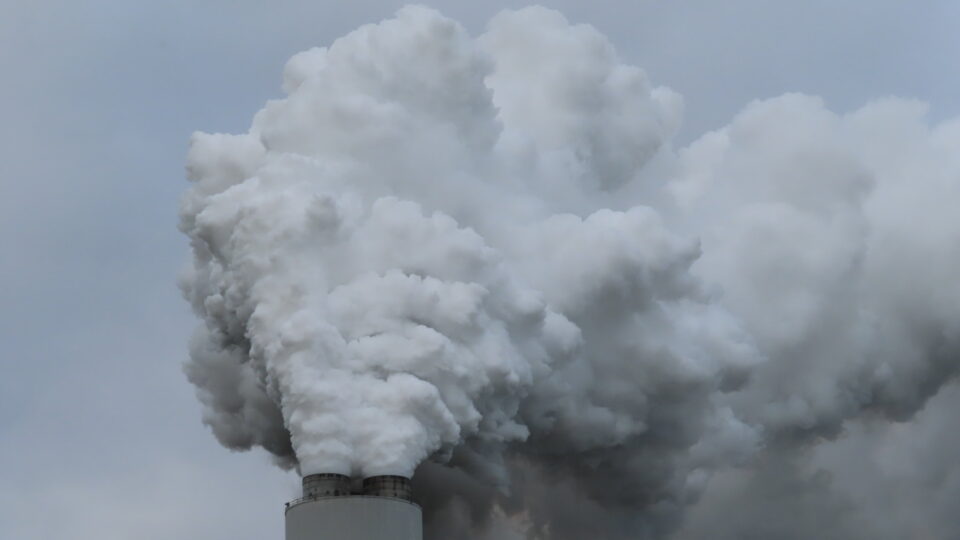
There are multiple sources of air pollution including automobiles, power plants, and other industrial activities.  Exposure to pollutants such as nitrogen oxide, sulfur dioxide, and particulate matter does not require living or working near their sources.  Winds can carry pollution great distances including across state lines.  

The Clean Air Act included the EPA’s “Good Neighbor Plan”, which requires “upwind” states to implement plans to reduce emissions from power plants and other industrial sources.  However, three states – Indiana, Ohio, and West Virginia – along with various industrial companies and trade organizations sued the EPA when it tried to enforce these plans.  A recent Supreme Court decision to block a federal rule curbing interstate air pollution further complicates efforts to reduce emissions.

As a result, there is a disproportionate burden on downwind states.  They face major challenges in demonstrating and attributing air pollution to sources across state lines and pursuing legal actions to get the EPA to address their problems.

A recent study by the University of Notre Dame looking at all the complex issues related to interstate pollution underscored how the regulatory system continues to be hamstrung when attempting to address a serious threat to human health and the environment.

**********

Web Links

Downwind states face disproportionate burden of air pollution

Photo, posted February 19, 2021, courtesy of David Wilson via Flickr.

Earth Wise is a production of WAMC Northeast Public Radio
China and carbon emissions

August 22, 2024 By EarthWise Leave a Comment

China has been the biggest source of greenhouse emissions for nearly 20 years.  Its emissions surpassed those of the United States in 2006 and its fraction of the world’s emissions is now nearly a third.  Therefore, unless China’s emissions stop growing, the world’s emissions won’t either.

Recent data from China’s government and by energy analysts provides some reasons for optimism.  What is happening is that how China produces its electricity is changing.  Renewable sources are gradually replacing coal.

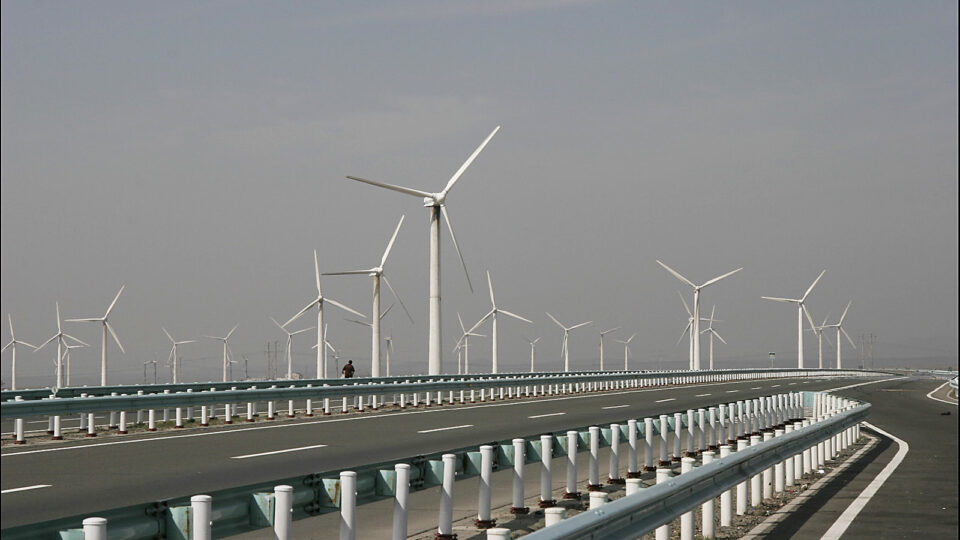
Last year alone, China installed more solar panels than the United States has in its entire history.  Nearly two-thirds of utility-scale wind and solar plants under construction are in China.  According to a report from Global Energy Monitor, China is developing more than eight times the wind and solar capacity currently being planned for the US.

Despite all this progress, China still generates 53% of its electricity from coal.  While this is the lowest share reported since its government began publishing energy data decades ago, it is still a major source of carbon emissions.  China is responsible for two-thirds of the world’s newly operating coal plants and still plans to build many more.  China accounts for about 60% of the world’s coal use.

China is investing heavily in pumped-storage hydropower along with its massive efforts in solar and wind power.  But if it is to meet existing and proposed new commitments to reduce emissions, it will need to be much more aggressive in reducing its dependence on coal.  Current predictions are that China’s emissions may soon no longer be increasing.  But what is needed is for them to start dropping and the sooner the better.

**********

Web Links

Why the Era of China’s Soaring Carbon Emissions Might Be Ending

Photo courtesy of Mike Locke via Flickr.

Earth Wise is a production of WAMC Northeast Public Radio
The end of the Chevron deference

August 6, 2024 By EarthWise Leave a Comment

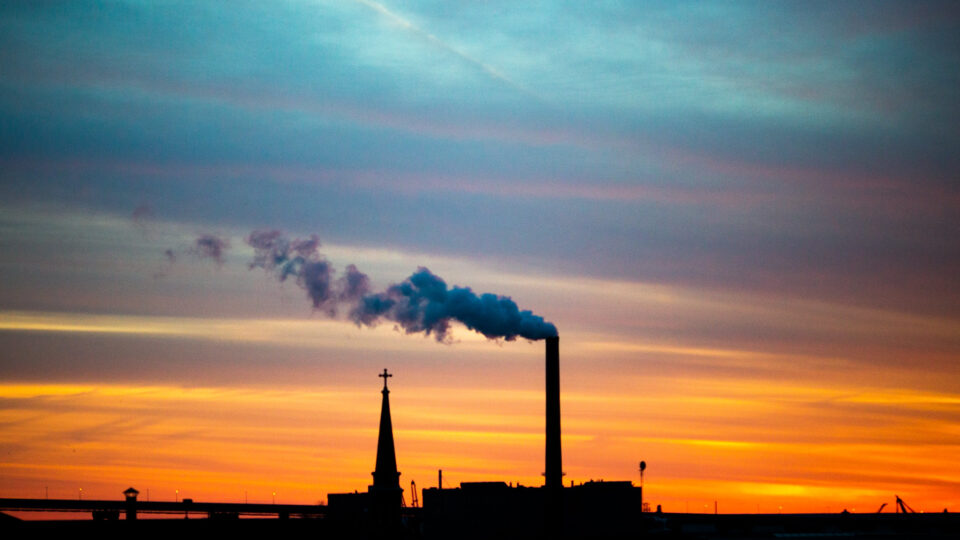
 At the end of June, the US Supreme Court upended 40 years of legal precedent in a ruling that sharply limited the regulatory authority of federal agencies.  The so-called Chevron Deference doctrine stated that when a legislative delegation to an administrative agency on a particular issue or question was not explicit but rather implicit, a court may not substitute its own interpretation of the statue for a reasonable interpretation made by the administrative agency.

Under the new ruling, courts will have more power to interpret these statutes.  Environmentalists fear that this decision could lead to hundreds of rules being weakened or even eliminated, particularly Environmental Protection Agency limits on air and water pollution, regulations on toxic chemicals, and policies to tackle climate change.

Conservative political organizations have been pushing for decades to roll back the government’s regulatory powers.  The new ruling creates a massive opportunity for environmental regulations to be challenged, considering the proliferation of increasingly activist, right-leaning courts.  In particular, climate regulations under the Clean Air Act are more susceptible to judicial reversal.  The ruling shifts the power from the agencies to the courts.

The danger of this decision is that more Americans will suffer from the worse effects of climate change, air pollution, and other environmental harms that current government regulation protect against.  Any time that the Court makes it harder for the government to regulate and easier for businesses to challenge regulations, it makes it more likely that industries will injure the public and the planet in search of profits.  This is basic economics in action.

**********

Web Links

A Seismic Supreme Court Decision

Photo, posted September 17, 2020, courtesy of Thomas Hawk via Flickr.

Earth Wise is a production of WAMC Northeast Public Radio
Biofuel refineries and toxic pollution

July 5, 2024 By EarthWise Leave a Comment

Toxic pollution from biofuel refineries.

There have been decades of government support for renewable, crop-based fuels – primarily corn ethanol.  In fact, it is a required component of gasoline sold in this country.  The biofuels industry has long claimed ethanol to be a clean, greener alternative to petroleum. 

There have been arguments all along that the environmental benefits of corn ethanol are dubious at best because of the energy required to produce the stuff.  There are also issues related to burning a food crop instead of feeding it to people and that the conversion of grasslands and forests to produce it releases massive amounts of carbon.

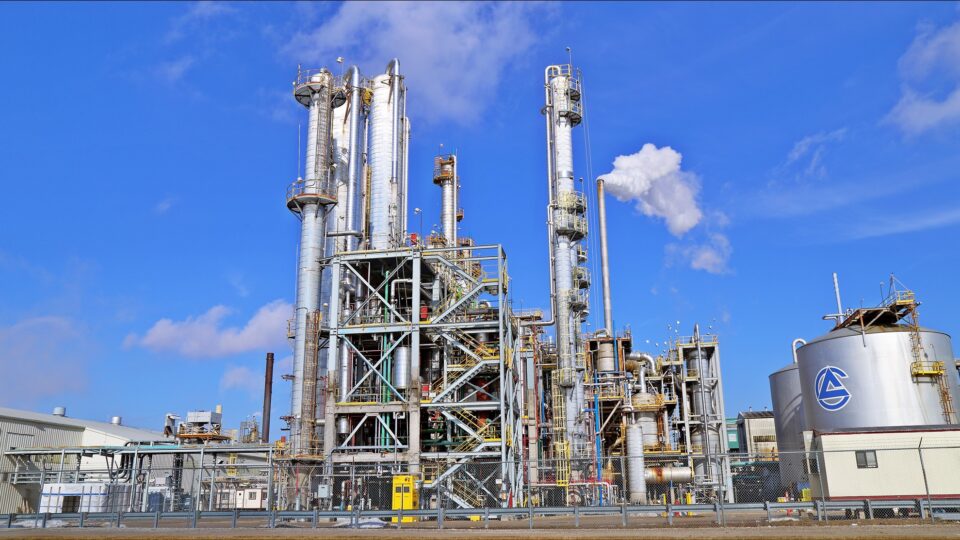
Recently, another serious concern has emerged.  A new review of industry data has found that the country’s biofuel refineries, mostly located in the Midwest, produce large amounts of toxic air pollutants, in some cases ever more than from their petroleum counterparts.

Emissions data from the country’s 275 ethanol, biodiesel, and renewable diesel plants revealed that they release carcinogenic formaldehyde as well as other potentially dangerous substances including acetaldehyde, hexane, and acrolein.  In 2022, biofuel refineries released 12.9 million pounds of hazardous air pollutants, compared to 14.9 million pounds emitted by oil refineries, and the biofuel plants actually emitted more of the four chemicals just mentioned than petroleum refineries did.

The broad use of crop ethanol is the result of intensive industry lobbying.  Ethanol plants are even exempt from some air pollution permitting requirements.  Perhaps the time has come to revisit its pervasive and mandated use.

**********

Web Links

Biofuel Refineries Are Releasing Toxic Air Pollutants in Farm Communities Across the US

Photo, posted February 27, 2021, courtesy of Sue Thompson via Flickr.

Earth Wise is a production of WAMC Northeast Public Radio

A brief bout of bad air in Scotland

July 3, 2024 By EarthWise Leave a Comment

Explaining a brief period of poor air in Scotland

Scotland, and the UK in general, used to suffer from sulfur dioxide pollution.  Industrial and domestic emissions, especially from burning coal, contributed heavily to urban air leading to the London smog of the 1950s and the acid rain of the 1980s.  But national air pollution agreements and various international measures have been highly successful in reducing sulfur dioxide emissions.  Desulfurization of coal-fired powerplants and the introduction of ultralow sulfur fuels among other measures have decreased sulfur dioxide emission by 98% since 1970. 

As a result, it came as quite a surprise on May 31st when Edinburgh saw sulfur dioxide levels higher than had been observed in over 30 years.  The levels greatly exceeded air quality objectives for 10 hours with concentrations even creeping towards workplace exposure limits.

What happened?  For once, it was nothing that people did.  Two days earlier, a volcanic fissure eruption took place in the Reykjanes Peninsula in Iceland, some 850 miles from Edinburgh.  Because of an unusual meteorological configuration, the prevailing winds sent the plume of volcanic gases southward towards Scotland.  Had the eruption taken place 60 miles further north or happened a few hours later, the plume of gases would have missed the UK entirely and would have traveled north to the Arctic region.

Icelandic volcanic eruptions have impacted air travel in Europe on a number of occasions.  This non-explosive eruption had little impact outside of its local region, but it turned out to briefly wreak havoc in Scotland.  Fortunately, this pollution event was short-lived.

**********

Web Links

Atmospheric sulphur dioxide levels reach historic high in Scotland following Icelandic volcano eruption

Photo, posted November 17, 2021, courtesy of Catherine Poh Huay Tan via Flickr.

Earth Wise is a production of WAMC Northeast Public Radio
Car tires in your salad

June 26, 2024 By EarthWise Leave a Comment

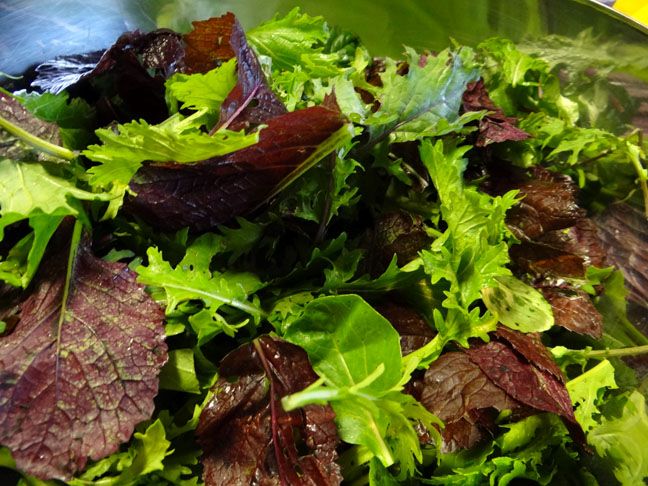
Leafy green vegetables may contain tire particles

There seems to be no end to the types of pollution we have introduced into the environment.  One that has only recently started to gain attention is pollution caused by vehicle tires. 

Through normal wear and tear, as vehicles drive along roadways, their tires cast off countless bits of rubber.  These particles can linger in the atmosphere or can be washed down sewage drains and into waterways.  In the water, these particles leach compounds that are toxic to wildlife.

Tires contain various chemical additives that prevent them from cracking and degrading along with various metals and other materials added to rubber and artificial rubber.  Some of these additives are acutely toxic or even carcinogenic.

A recent study by researchers at the University of Vienna tested leafy vegetables that were grown in Switzerland, Spain, and Italy, and were sold in Swiss supermarkets.  The study also tested vegetables harvested directly from Israeli farmlands.

Tire ingredients were found in 11 out of 15 samples gathered from Swiss supermarkets and 9 out of 13 samples collected from Israeli fields.  Among these are 6PPD, a tire additive that has been identified as the cause of the extensive deaths of coho salmon on the US West Coast.

The researchers say that farmers may be introducing tire additives by irrigating crops with treated wastewater or by using sewage sludge as fertilizer.  Airborne tire particles may also be settling on farm soil.

The concentration of tire particles found in the leafy vegetables are relatively low, but it is troubling that we are eating dangerous chemicals used to improve the quality of tires.

**********

Web Links

Leafy Vegetables Found to Contain Tire Additives

Photo, posted October 14, 2014, courtesy of Green Mountain Girls Farm via Flickr.

Earth Wise is a production of WAMC Northeast Public Radio
Beware of the blob

June 20, 2024 By EarthWise Leave a Comment

For the past 10 years, there have been several occurrences of a vast expanse of ocean stretching from Alaska to California in which water temperatures are as much as 7 degrees Fahrenheit warmer than normal.  Known jocularly as “the Blob,” the phenomenon can last for several years and decimates fish stocks, starves seabirds, creates blooms of toxic algae, prevents salmon from returning to rivers, and displaces sea lions and whales.

Until recently, there was no accepted explanation for this abrupt ocean heating.  Climate change, even combined with natural cycles like El Niños, is not enough to account for it.

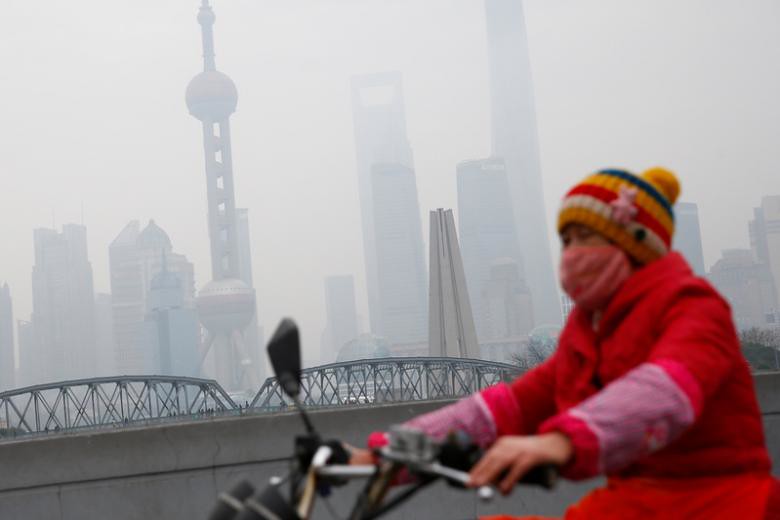
In depth analysis by an international team of researchers has found that the extraordinary heating is the result of a dramatic cleanup of Chinese air pollution.  The decline of smog particles, which to some extent shield the planet from the sun’s rays, has accelerated warming and set off a chain of atmospheric events across the Pacific, essentially cooking the ocean.

This is an example of what can be called the pollution paradox in which global warming is actually increased when air pollution is reduced.  Reduced air pollution on the US West Coast has even been identified as a factor contributing to increased wildfires.  However, air pollution causes more than 4 million premature deaths from cancers and respiratory and cardiovascular diseases each year. 

Nobody thinks that we should stop cleaning up the air to slow down global warming.  The only viable solution is to reduce greenhouse gas emissions as rapidly as possible.

**********

Web Links

Pollution Paradox: How Cleaning Up Smog Drives Ocean Warming

Photo, posted December 18, 2017, courtesy of SGUP via Flickr.

Earth Wise is a production of WAMC Northeast Public Radio
Balloon release laws

May 27, 2024 By EarthWise Leave a Comment

Banning the release of balloons

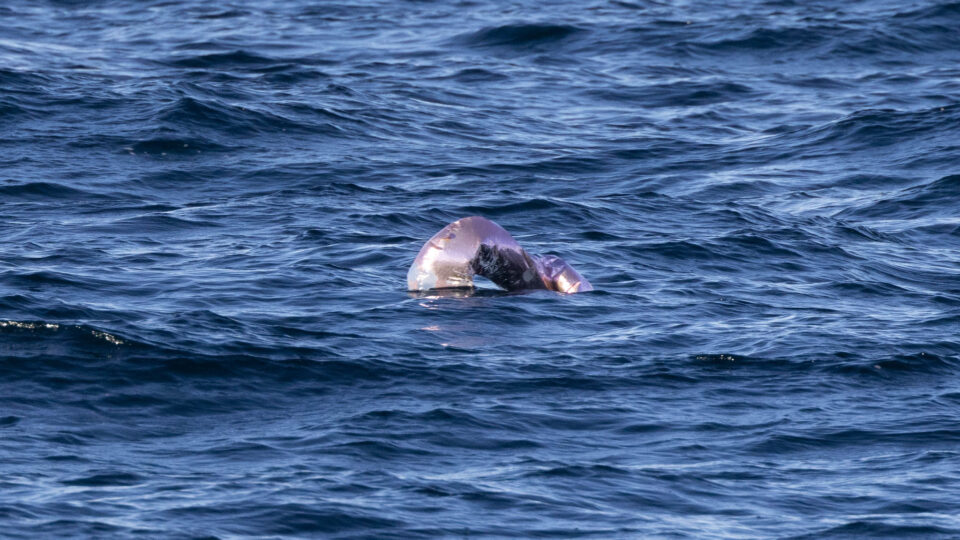
The Florida state legislature has recently passed a law that bans the intentional release of helium balloons outdoors.  It is a rare example of a bipartisan piece of legislation.  Florida is joining six other states that have already enacted balloon restricting laws.

Balloons released into the sky don’t just disappear into the ether.  They often end up in oceans and waterways and the thin material that remains is 32 times more likely to kill seabirds than other types of plastic debris.  Aquatic animals often mistake balloons for jellyfish and fill up on them.   Balloons tied up with ribbons entangle turtles and manatees.  Even grazing cows have died from ingesting balloons.  Balloons contribute to microplastic pollution, which is a growing problem for all living things, including humans.

Other states with balloon release laws are Connecticut, Tennessee, New York, Texas, California, and Virginia.  Details of the laws vary.  They carve out exceptions for specific applications.  They exempt small children.  Some limit the quantity of balloon release.  Others require balloons to be weighted down to prevent them from rising too high.  California’s legislation is aimed at the metallized mylar balloons that have shorted out high-tension electrical wires and triggered wildfires.

The Florida law equates intentionally releasing a lighter-than-air balloon with littering.  It’s a non-criminal offense that carries a fine of $150.

People enjoy releasing helium balloons, particularly en masse.  The spectacle has become part of weddings, gender reveal parties, and even funerals.  But the practice has serious environmental repercussions, and its restriction is being pursued by more and more states and municipalities.

**********

Web Links

Up, Up and Not OK: Letting Go of Balloons Could Soon Be Illegal in Florida

Photo, posted August 16, 2022, courtesy of Ryan Mandelbaum via Flickr.

Earth Wise is a production of WAMC Northeast Public Radio

Plastic food packaging

May 9, 2024 By EarthWise Leave a Comment

Reducing the use of plastic is an important environmental goal.  Plastic is made from fossil fuels and plastic pollutes the land and the oceans.  It is estimated that 40% of plastic waste comes from packaging.  Plastic packaging is extremely common in the supermarket and there is a growing desire to reduce its use.  But it isn’t that easy.

Plastic packaging works well to slow the decay of vegetables and fruit.  Its use results in less produce being tossed into the garbage, where it creates almost 60% of landfill methane emissions.  In fact, food is the most common material in landfills.  The average American family of four spends $1,500 a year on food that ends up uneaten and nearly half of all household food waste is fruits and vegetables.

Products like bagged salads, berries in plastic clamshells, and plastic sealed potatoes and cucumbers are popular with shoppers because they stay fresh longer.  They are popular with grocers because the items don’t have to be weighed.  But all these things result in plastic waste.  It is a tradeoff that is difficult to make between food quality and safety vs. the environmental harm caused by plastic.

There are a variety of alternatives to plastic packaging of food that are being explored.  They range from biodegradable, organic coatings that can take the place of plastic films, to cardboard and paper produce packaging. 

But practically, there is yet no affordable and biodegradable plastic alternative that keeps fruits and vegetables safe and fresh.  Solving the food packaging problem is not easy.

**********

Web Links

So Much Produce Comes in Plastic. Is There a Better Way?

Photo, posted July 1, 2007, courtesy of Brian via Flickr.

Earth Wise is a production of WAMC Northeast Public Radio
The end of coal in New England

May 3, 2024 By EarthWise Leave a Comment

Photo, posted October 14, 2015, courtesy of Eversource NH via Flickr.

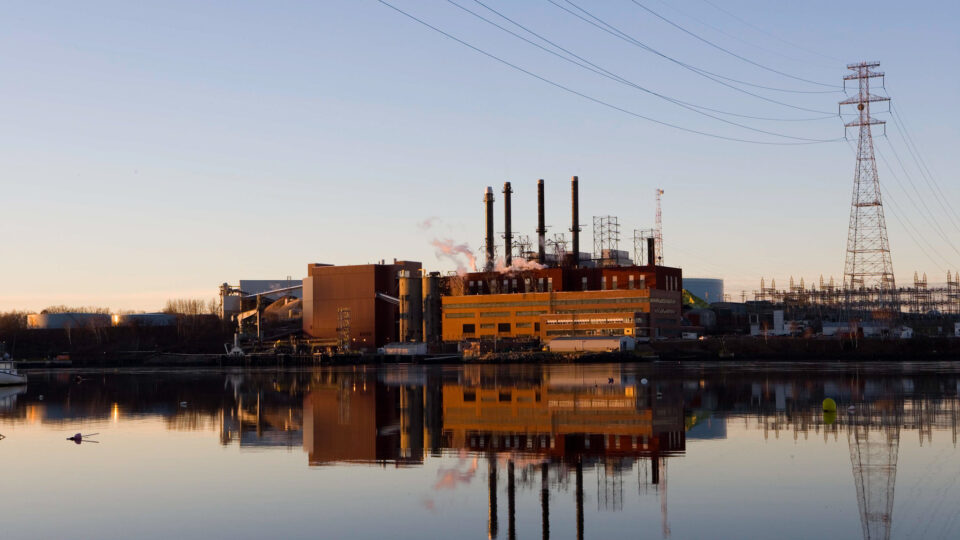
The last two coal-fired power plants in New England are scheduled to close by 2025 and 2028.  The New Hampshire-based plants are operated by Granite Shore Power.  The Schiller Station plant began operations in 1949 and the Merrimack Station was built in the 1960s.

Granite Shore Power has come to an agreement with the Environmental Protection Agency as part of a settlement of lawsuits by the Conservation Law Foundation and the Sierra Club.  The two power plants were the subject of a five-year legal battle waged by clean energy advocates

Granite Shore Power intends to turn both of the sites into renewable energy parks.  The plants will be converted into solar farms and battery units that can be used to store electricity generated by offshore wind turbines along the Atlantic Coast.  Granite Shore Power bought the two power plants in 2018 with the intention of transitioning the coal generation systems into less polluting operations.

The battery storage system at the Schiller Station site in Portsmouth will be named the Jacona II in honor of a self-propelled floating power barge that brought power to parts of Maine and New Hampshire between 1919 and 1930.

Coal use has dropped dramatically in the United States in recent years as natural gas and renewable sources like wind and solar have become less expensive.  As of last year, coal only produced about 17% of American electricity and its use continues to decline. 

Coal is the dirtiest fossil fuel.  In 2021, when it generated less than a quarter of the electricity produced in the US, it accounted for 59% of carbon emissions from electricity generation.

**********

Web Links

The Last Coal-Fired Power Plants in New England Are to Close

Photo, posted October 14, 2015, courtesy of Eversource NH via Flickr.

Earth Wise is a production of WAMC Northeast Public Radio
Rising fossil fuel emissions

April 22, 2024 By EarthWise Leave a Comment

Fossil fuel emissions are rising globally

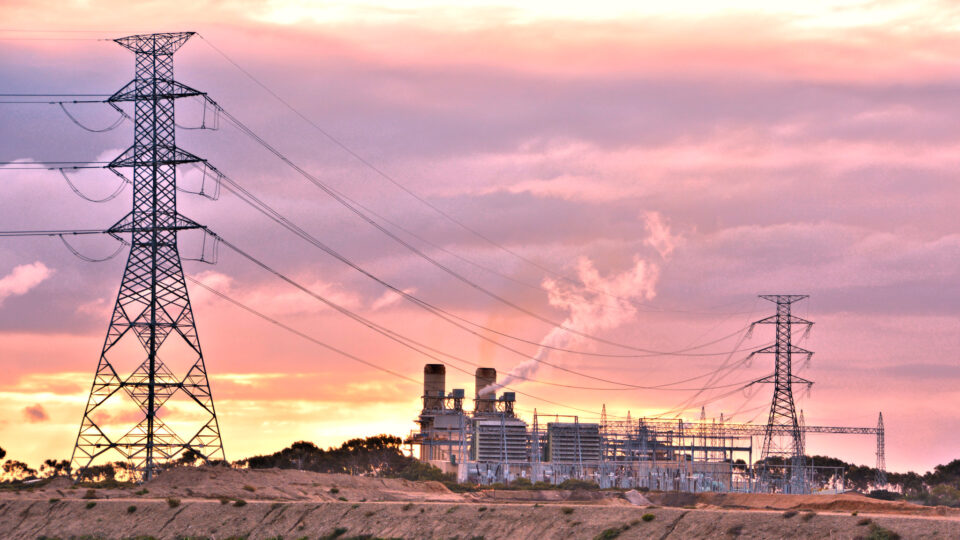
Almost every nation in the world has pledged to reduce carbon dioxide emissions.  There is expanding use of renewable energy sources and growing numbers of electric cars.  But despite all this, carbon dioxide emissions from fossil fuels rose again in 2023, reaching record levels.

The world’s population continues to grow and nations with large, rapidly growing populations are becoming increasingly industrialized and are embracing more and more of the trappings of modern life.  As a result, the global burning of oil, coal, and natural gas is increasing.

Analysis of 2023 date shows that emissions from fossil fuels rose 1.1 percent compared to 2022 levels.  The total fossil fuel emissions in 2023 was 40 billion tons of carbon dioxide. 

Clearly, the world continues to head in the wrong direction in order to limit global warming.  The concentration of carbon dioxide in the atmosphere has increased from about 278 parts per million in 1750 – considered to be the start of the industrial era – to 420 parts per million in 2023.

The rise in heat-trapping carbon dioxide along with other greenhouse gases such as methane is the primary reason that the planet’s temperature is continuing to rise.  The average global surface temperature in 2023 was 1.2 degrees Celsius – or 2.1 degrees Fahrenheit – higher than it was in the NASA baseline period of 1951-1980.  Last year was the hottest year on record.  Unfortunately, the rise in global ocean temperature was even larger, compounding the effects of global warming.

**********

Web Links

Emissions from Fossil Fuels Continue to Rise

Photo, posted June 22, 2020, courtesy of John Morton via Flickr.

Earth Wise is a production of WAMC Northeast Public Radio
Biodegradable microplastics

April 10, 2024 By EarthWise Leave a Comment

Researchers are developing biodegradable microplastics

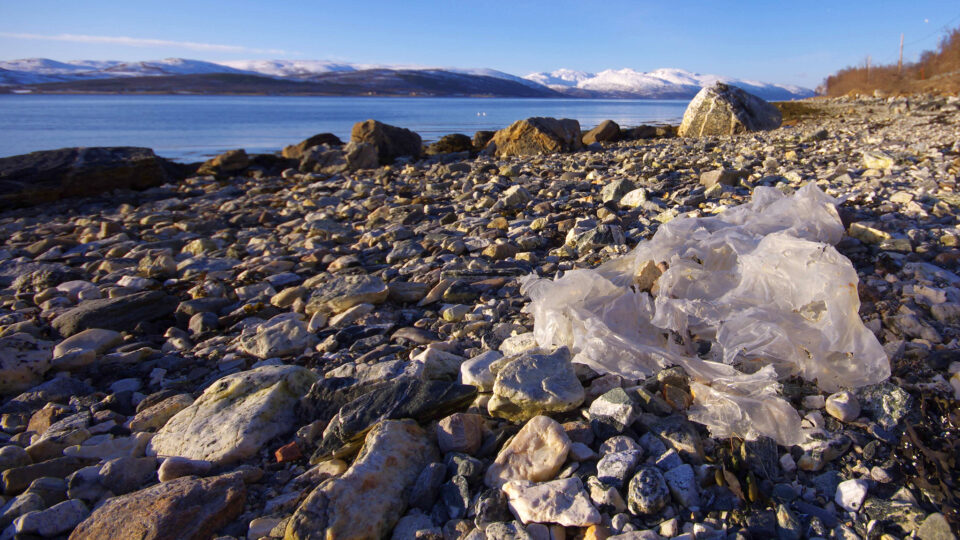
Ordinary plastics are not biodegradable, but they are also not indestructible.  Plastics in the environment can break down into tiny fragments – microplastics – and those, unfortunately, are nearly indestructible.  Microplastics have been documented in the oceans and in soil virtually everywhere on Earth including remote frozen wastelands and on top of high mountains.  More recently, they have been found in our own arteries, lungs, and even in placentas.  Microplastic pollution is a very serious problem.

There is considerable ongoing effort to develop biodegradable plastics from non-petroleum sources.  There has been progress but it has not necessarily been aimed at creating bioplastics that do not create microplastic when they break down.

Researchers at the University of California San Diego have developed algae-based polymers that they have shown to degrade when composted.  Recently, in work published in the journal Nature Scientific Reports, they have shown that even fine microparticles of their bioplastic are digested by microbes when placed in a compost.  What remains are the starting plant materials from which the plastic was made.  Products made from this sort of plastic would not only be sustainable beyond their useful lifetime but would also not represent a potential danger to human life.

Creating this eco-friendly alternative to petroleum-based plastic is only the first step toward creating a viable replacement for existing plastics.  It is necessary to be able to use the new material on existing manufacturing equipment and for it to have the same mechanical and thermal properties as the materials it is replacing.  But the researchers are optimistic that this could be a potential solution to an increasingly serious problem.

**********

Web Links

Say Hello to Biodegradable Microplastics

Photo, posted January 17, 2018, courtesy of Bo Eide via Flickr.

Earth Wise is a production of WAMC Northeast Public Radio
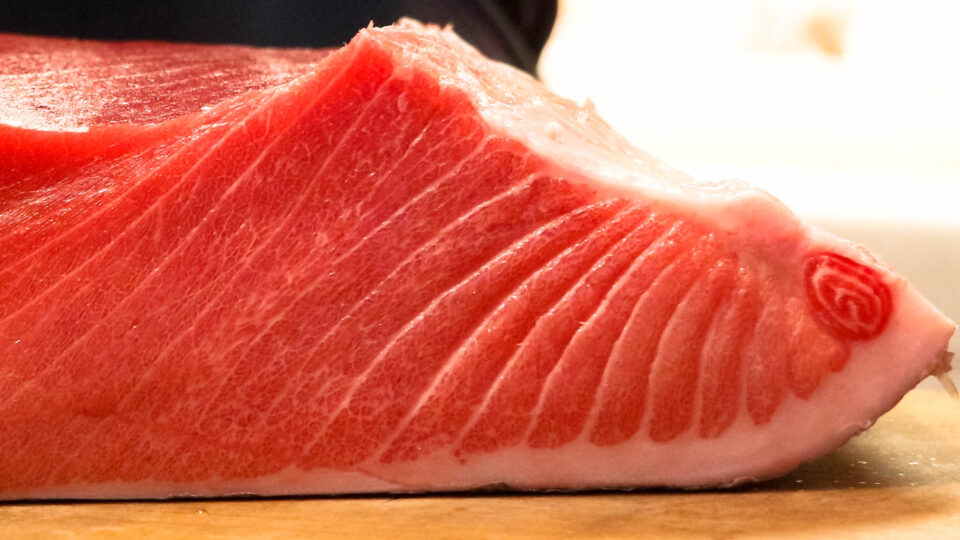
Mercury in tuna

March 25, 2024 By EarthWise Leave a Comment

Mercury in tuna still a lingering issue

Mercury is found throughout the ocean, and there is at least some of it in any fish one might eat. It is an element found naturally in the environment, but it is also a byproduct of manmade pollution. Generally speaking, bigger fish tend to have higher mercury levels than smaller ones, because they are higher up in the food chain. The more small fish those big fish eat, the more mercury builds up in their bodies.  Tuna aren’t the biggest fish in the ocean, but they are very common in many people’s diets.

Increased mercury levels are a result of human activities like burning coal and mining which release methylmercury into the air.  It then finds its way into the oceans in rainwater.  Methylmercury is a particularly toxic chemical that affects the nervous system.  Environmental protection policies in recent decades have helped to reduce mercury pollution.

However, a recent study by French researchers looked at the mercury levels in tuna over the past 50 years.  They found that the levels have basically not changed since 1971.  As a result, they are calling for more restrictive environmental policies to further lower mercury pollution levels.

The researchers explained that the lowering of mercury airborne levels to date has not necessarily been ineffective.  They theorized that the static levels in tuna may be caused by the upward mixing of “legacy” mercury from deeper ocean water into the shallower depths where tropical tuna swim and feed.  It could very well take decades to dramatically reduce ocean mercury levels. 

Meanwhile, mercury content in tuna varies considerably by tuna type and source and there are both better and worse choices out there.  Consumers should learn the facts.

**********

Web Links

Mercury levels in tuna remain nearly unchanged since 1971, study says

Photo, posted November 7, 2015, courtesy of Mussi Katz via Flickr.

Earth Wise is a production of WAMC Northeast Public Radio
Sponging up a river

March 20, 2024 By EarthWise Leave a Comment

During the first week of February, an atmospheric river dumped enormous amounts of rain on Southern California.  Over the course of four days, Los Angeles received 9 inches of rain.  The average annual rainfall in the city is only 14 inches.

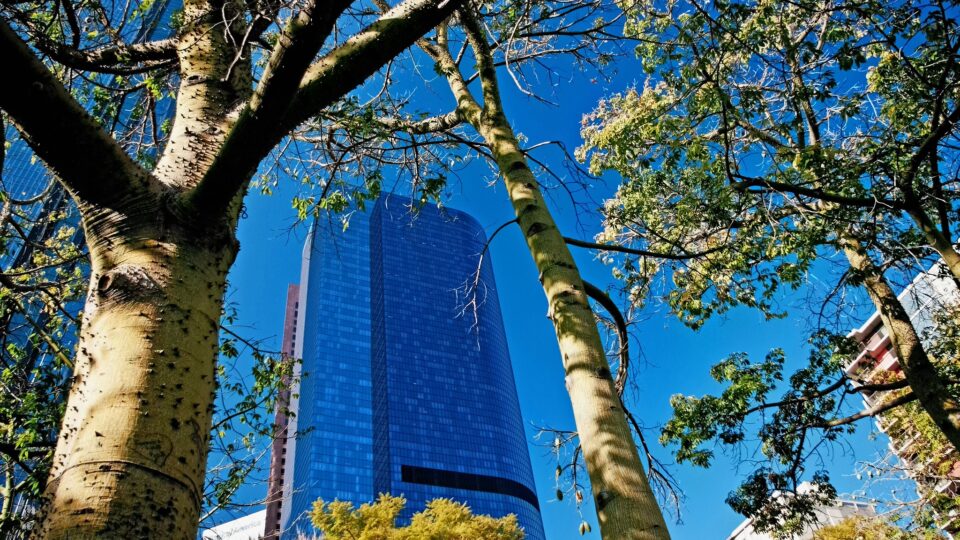
But Los Angeles was not the site of a flooding disaster because the city has spent years preparing for this type of deluge by becoming a “sponge city.”   By installing lots of green spaces and shallow basins with porous soil, Los Angeles was able to soak up 8.6 billion gallons of water during the storm, enough to meet the water needs of 100,000 people for a year.

Cities covered with impermeable concrete sidewalks and paved areas make storm-related flooding worse because they are unable to absorb water.  Instead, the water flows into drains and overwhelms infrastructure.

Natural materials like dirt and plants take in water from storms and can filter it into underground aquifer that cities can then tap into, especially during droughts.  Adding green spaces to cities has many other benefits beyond the ability to absorb large amounts of rainwater.

The so-called sponge-city movement is catching on in many other places.  Philadelphia is revamping its water systems in a 25-year project that includes green spaces to absorb stormwater runoff.  In China, the government has spent more than a decade adding spongy elements to dozens of cities around the country.

Sponge cities are part of a broader effort to combine modern engineering techniques with natural systems.  This is known as green-gray infrastructure.  Nature knows what it is doing when it comes to flood control as well as to pollution control.

**********

Web Links

‘Spongy’ LA Soaked Up Tons of Water From Atmospheric River

Photo, posted December 28, 2011, courtesy of Ron Reiring via Flickr.

Earth Wise is a production of WAMC Northeast Public Radio

  • « Go to Previous Page
  • Page 1
  • Page 2
  • Page 3
  • Page 4
  • Interim pages omitted …
  • Page 13
  • Go to Next Page »

Primary Sidebar

Recent Episodes

  • An uninsurable future
  • Clean energy and jobs
  • Insect declines in remote regions
  • Fossil fuel producing nations ignoring climate goals
  • Trouble for clownfishes

WAMC Northeast Public Radio

WAMC/Northeast Public Radio is a regional public radio network serving parts of seven northeastern states (more...)

Copyright © 2026 ·