• Skip to primary navigation
  • Skip to main content
  • Skip to primary sidebar

Earth Wise

A look at our changing environment.

  • Home
  • About Earth Wise
  • Where to Listen
  • All Articles
  • Show Search
Hide Search
You are here: Home / Archives for paris agreement

paris agreement

Approaching critical global temperature thresholds

January 21, 2025 By EarthWise Leave a Comment

The globe is approaching critical temperature thresholds

The Paris Climate Agreement is a global treaty adopted in 2015 to combat climate change by limiting global warming to well below 2°C above pre-industrial levels, while striving to keep it below 1.5°C.  But according to recent research, the planet is quickly approaching these critical thresholds. 

An international research team led by scientists from Colorado State University, Stanford University, and ETH-Zurich in Switzerland combined insights from 10 global climate models, and – with the help of artificial intelligence – found that regional warming thresholds are likely to be reached faster than previously thought.

In fact, the researchers found that most land regions will likely surpass the critical 1.5°C threshold by 2040 or even earlier.  Additionally, several regions are on track to exceed the 3.0°C threshold by 2060.  Regions including Central Europe, the Mediterranean, South Asia, and parts of sub-Saharan Africa are expected to reach these thresholds faster. 

The research team relied on transfer learning, a cutting-edge machine learning technique that leverages pre-trained models to tackle new, related tasks.

The research, which was recently published in the journal Environmental Research Letters, found that 34 regions are likely to exceed 1.5°C of warming by 2040.  Of those 34 regions, 31 of them are expected to reach 2°C of warming by 2040, and 26 of these 34 regions are projected to surpass 3°C of warming by 2060.

**********

Web Links

AI predicts that most of the world will see temperatures rise to 3C much faster than previously expected

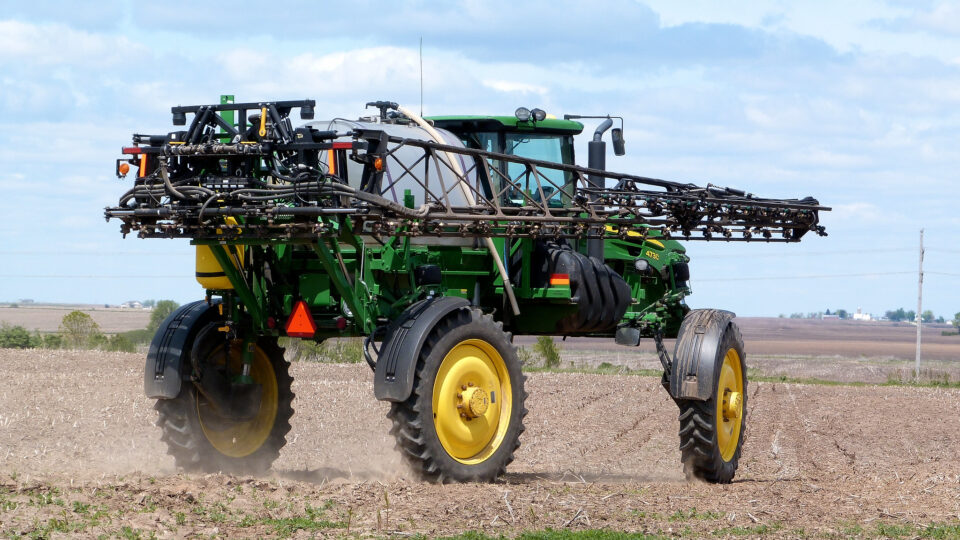
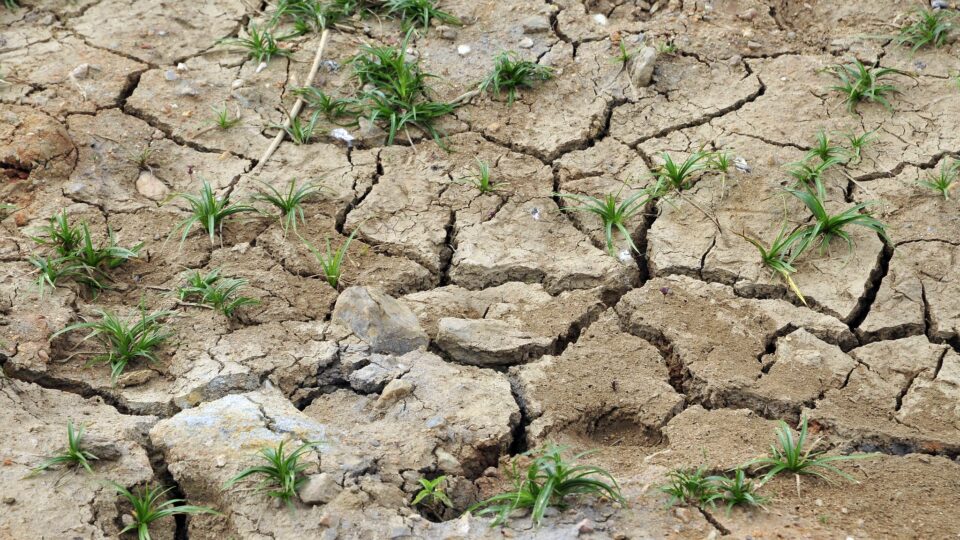
Photo, posted February 23, 2011, courtesy of 2011 CIAT / Neil Palmer via Flickr.

Earth Wise is a production of WAMC Northeast Public Radio
Corals and climate change

December 24, 2024 By EarthWise Leave a Comment

Climate change is a major threat to coral reefs around the world.  Ocean warming triggers coral bleaching – a stress response where corals expel the symbiotic algae essential for their survival.  If coral bleaching is severe, it can lead to coral death.

A new study led by scientists from Newcastle University in England suggests that corals are unlikely to adapt to ocean warming quickly enough to keep pace with global warming, unless there are rapid reductions in global greenhouse gas emissions.

The study, which was recently published in the journal Science, found that coral heat tolerance adaptation via natural selection could keep pace with ocean warming, but only if the climate goals of the Paris Agreement are realized.  In the Paris Agreement, countries agreed to limit global warming by the end of the century to two degrees Celsius above pre-industrial levels.  

However, current climate policies around the world have the globe on track to warm by three degrees Celsius.  According to the research team, this could lead to significant reductions in reef health, elevated risks of local coral extinctions, and considerable uncertainty in the so-called “evolvability” of corals. 

Coral reefs are among the most biologically diverse ecosystems on Earth.  They are often referred to as the “rainforests of the sea” because they support an incredible variety of marine life.  They provide essential ecosystem services, such as protecting coastlines from erosion and storm surges, supporting fisheries, and serving as a source of income through tourism. Coral reef health is vital for the health of the planet.

**********

Web Links

Coral adaptation unlikely to keep pace with global warming

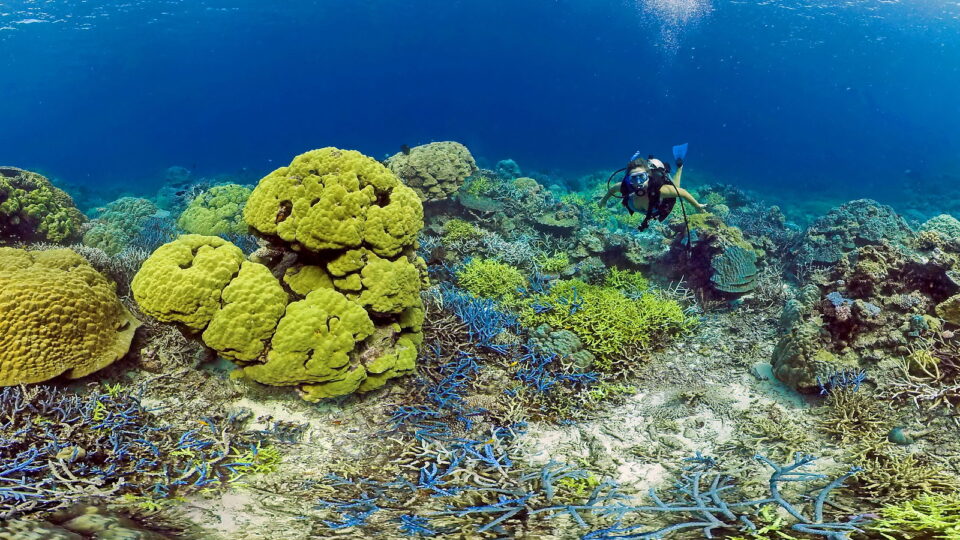
Photo, posted June 9, 2012, courtesy of Bokissa Private Island Resort via Flickr.

Earth Wise is a production of WAMC Northeast Public Radio

Global climate progress is too slow

December 28, 2023 By EarthWise Leave a Comment

According to a new report by the World Resources Institute, the world is making progress on climate, but the progress is not fast enough.  The report looked at 37 indicators of climate progress towards the goals set forth by the Paris Agreement.  In some areas, the progress has been substantial, but in six areas, the world has been moving in the wrong direction entirely.

The rapid growth of clean energy has brought the world to the brink of peak fossil fuels, but to avoid the catastrophic effects of warming, countries need to build out wind and solar power nearly twice as fast and shut down coal plants seven times faster.  There has been progress in curbing deforestation, but the world needs to stem forest loss four times more quickly.  More work is needed to clean up heavy industry and the consumption of meat needs to be limited more than the present level.

Areas where things are getting worse rather than better include the use of public funds and subsidies for preserving the use of fossil fuels.  Because of wars and supply shocks affecting energy markets, countries have actually ramped up fossil fuel subsidies to combat rising prices.

One area where the world is moving at the pace required to meet climate goals is in the sales of electric vehicles.  EVs accounted for 10% of car sales globally last year and if trends continue, they are predicted to account for more than 75% of cars sold by 2030.

The faster-than-predicted progress on electric cars demonstrates that transformative change is possible and could happen in other areas.

**********

Web Links

World Making Too Little Progress on Climate — Except on EV Sales, Report Finds

Photo, posted May 24, 2022, courtesy of Ivan Radic via Flickr.

Earth Wise is a production of WAMC Northeast Public Radio
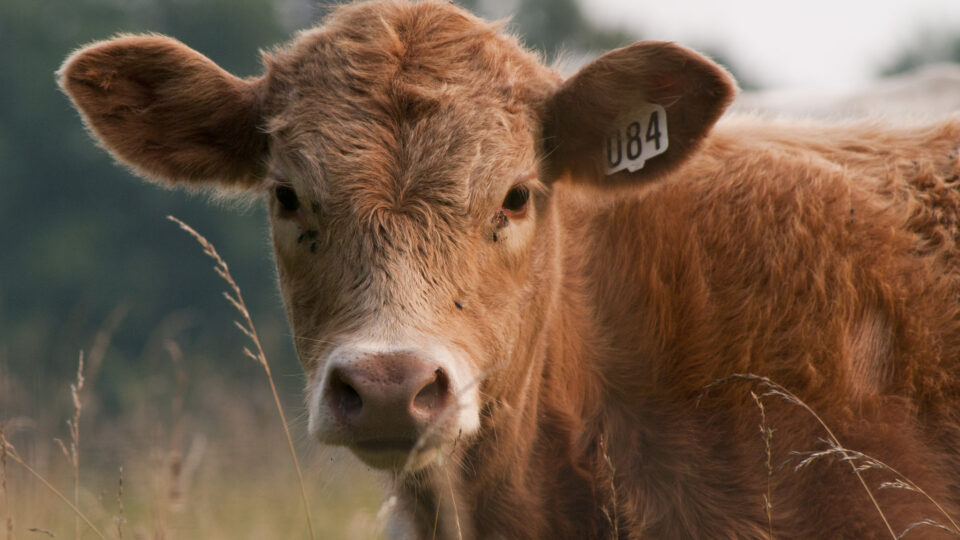
Methane Emissions And The Paris Agreement | Earth Wise

August 21, 2023 By EarthWise Leave a Comment

The Paris Agreement is a legally binding international treaty on climate change adopted at the UN Climate Change Conference in 2015.  Its goal is to strengthen the global response to climate change by committing to limit the rise in global average temperature to well below 2°C above pre-industrial levels, and pursue efforts to limit that increase to just 1.5°C. 

Achieving the goals of the Paris Agreement requires reaching net-zero carbon dioxide emissions by or around 2050, as well as deep reductions in methane and other emissions. 

According to a new study by researchers from Simon Fraser University in Canada, reductions in methane emissions are needed urgently  if we are to meet the goals of the Paris Agreement.  The study, which was recently published in the journal Nature’s Communications Earth & Environment, suggests that global warming levels could be kept below 2°C if methane mitigation efforts are initiated globally before 2030.  However, delaying methane mitigation to the year 2040 or beyond would increase the risk of exceeding 2°C, even if net-zero carbon dioxide emissions were achieved.

Methane is a potent greenhouse gas, second only to carbon dioxide in contributing to global temperature increases over the last two centuries.  However, methane is known to warm the planet 86 times more effectively than carbon dioxide over a 20-year period.

During the past 40 years, more than 60% of global methane emissions have been produced as a result of human activities, such as fossil fuel exploitation, livestock production, and waste from landfills.

**********

Web Links

Delaying methane mitigation increases risk of breaching Paris Agreement climate goal, study finds

Photo, posted July 22, 2011, courtesy of Steven W. via Flickr.

Earth Wise is a production of WAMC Northeast Public Radio
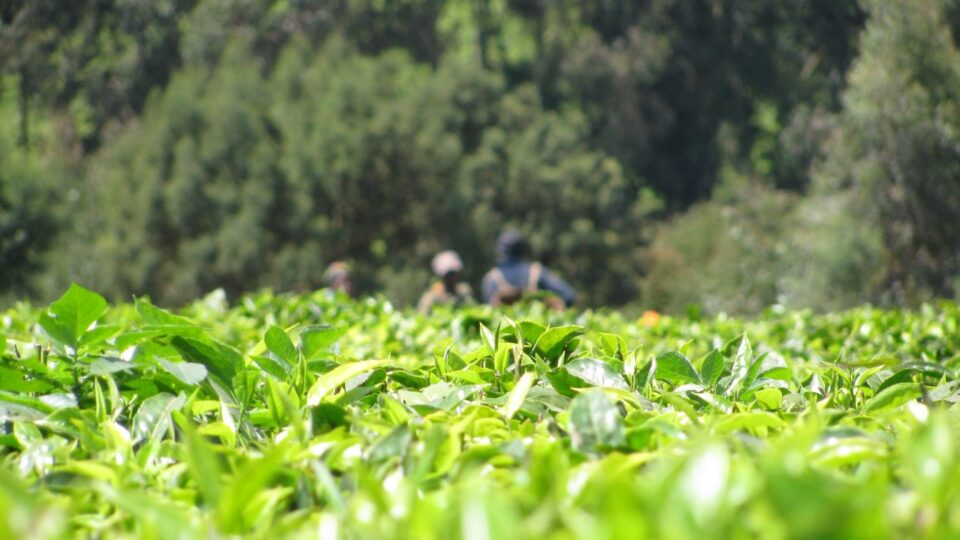
Climate Change And Kenya’s Tana River Basin | Earth Wise

September 6, 2021 By EarthWise Leave a Comment

Climate change threatens biodiversity within the Tana River Basin

The Tana River is the longest river and most important waterway in Kenya.  It flows 620 miles from its headwaters in the Abderdare mountain range and Mount Kenya to the Indian Ocean.  The Tana River produces approximately half of the country’s electricity, and supplies Nairobi, the capital of Kenya, with 80% of its water.   

According to the United Nations Environment Programme, eight million people live along the Tana River, where coffee, tea, corn and other crops are grown for export, and fishing and cattle grazing help produce food for large portions of the country’s population. 

But the long-term ability of the river to provide these and other essential services is increasingly under threat due to many factors, including pollution, soil erosion, deforestation, and poor land use practices.   

Climate change is also complicating matters.  According to new research from the University of East Anglia, many species within the Tana River Basin will be unable to survive if global temperatures continue to rise at the current pace.  However, the study, which was recently published in the journal PLOS ONE, also found that many of these species could be saved if the world could meet the climate goals of the Paris Agreement. 

Globally, climate and land use changes are the two biggest threats to biodiversity.  According to researchers, 36% of the Tana River Basin has already been converted to agriculture. 

The research team says stronger commitments on climate change are needed from global leaders.  The climate and biodiversity crises can only be solved with urgent action to reduce global greenhouse gas emissions. 

**********

Web Links

The impact of climate change on Kenya’s Tana river basin

Economics of Ecosystem Services of the Tana River Basin

Photo, posted August 19, 2010, courtesy of Luigi Guarino via Flickr.

Earth Wise is a production of WAMC Northeast Public Radio.

Nitrous Oxide Is No Laughing Matter | Earth Wise

November 10, 2020 By EarthWise Leave a Comment

nitrous oxide is a big climate problem

Carbon dioxide is the most well-known of greenhouse gases.  But there are others deserving of their own spotlight.  Nitrous oxide is one of them.  It turns out that the same “laughing gas” once used by dentists as an anesthetic is pretty bad for the environment.  In fact, it’s more than 300 times more potent as a greenhouse gas than carbon dioxide, and it can remain in the atmosphere for more than 100 years.

According to a new study by a team of international scientists, rising nitrous oxide emissions around the world are jeopardizing the climate goals of the Paris Agreement.  The growing use of nitrogen fertilizers in global food production is increasing atmospheric concentrations of nitrous oxide.

The study, which was led by Auburn University and recently published in the journal Nature, finds that nitrous oxide emissions are increasing faster than any emission scenario developed by the Intergovernmental Panel on Climate Change.  The current trajectory would lead to global mean temperature increases well above 3°C from pre-industrial levels.  The Paris Agreement aims to limit global warming to less than 2°C.    

According to the study, nitrous oxide levels have risen 20% from pre-industrial levels, with the fastest growth observed in the last 50 years due to emissions from human activities.  The largest contributors to nitrous oxide emissions come from East Asia, South Asia, South America, and Africa.  The United States, China, and India dominate nitrous oxide emissions from synthetic fertilizers, while Africa and South America dominate releases of nitrous oxide from natural sources, like livestock manure. 

Nitrous oxide emissions pose an increasing threat to the climate.  

**********

Web Links

Nitrous oxide emissions pose an increasing climate threat, study finds

Photo, posted April 22, 2012, courtesy of Bill Meier via Flickr.

Earth Wise is a production of WAMC Northeast Public Radio.

Family Forests And Climate Change | Earth Wise

July 13, 2020 By EarthWise Leave a Comment

family forests can help meet the climate challenge

Climate experts consider sequestration and storage of carbon in trees to be among the most affordable and scalable natural climate solutions.  If implemented globally, trees could provide a third of the near-term climate change mitigation needed to meet the terms of the Paris Agreement.

Small family-owned forests make up 38% of U.S. forests, a total area 1.5 times the size of Texas and more than any other ownership type.  Most small landowners want to do right by their land, but they rarely have access to the expertise or resources needed to optimize their forests for carbon sequestration.

This spring, the Nature Conservancy, the American Forest Foundation, and the Vermont Land Trust announced two new programs, funded in part by a $10 million grant by Amazon, that will provide funds to small landowners to grow larger, healthier forests.

Few forests are managed for carbon sequestration.  Practices like fast logging rotations, so-called high-grading that strips out the largest, most valuable trees, and rampant invasive species all compromise the ability of a forest to lock away carbon.  It turns out that most small landowners would like to do better, but they don’t have the expertise or the financial resources to implement sustainable management.

Existing carbon markets are not geared towards small forest owners.  Their payments are tiny and the required contract terms are onerous.  The Family Forest Carbon Program commits landowners for only 10 to 20 years.  Typical landowners won’t get a windfall.  A 100-acre landholding would stand to earn around $24,500 over 20 years. 

If these programs can sign up 20% of U.S. forest landowners, it could offset the emissions from 6 million cars.

**********

Web Links

How Small Family Forests Can Help Meet the Climate Challenge

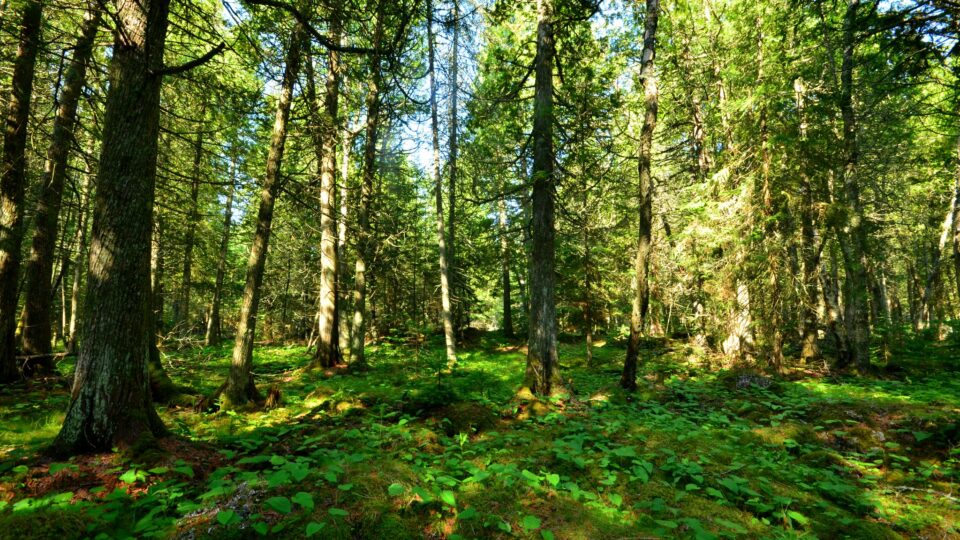
Photo, posted July 14, 2013, courtesy of Joshua Mayer via Flickr.

Earth Wise is a production of WAMC Northeast Public Radio.

Primary Sidebar

Recent Episodes

  • An uninsurable future
  • Clean energy and jobs
  • Insect declines in remote regions
  • Fossil fuel producing nations ignoring climate goals
  • Trouble for clownfishes

WAMC Northeast Public Radio

WAMC/Northeast Public Radio is a regional public radio network serving parts of seven northeastern states (more...)

Copyright © 2026 ·