• Skip to primary navigation
  • Skip to main content
  • Skip to primary sidebar

Earth Wise

A look at our changing environment.

  • Home
  • About Earth Wise
  • Where to Listen
  • All Articles
  • Show Search
Hide Search
You are here: Home / Archives for outdoors

outdoors

Summers are getting hotter

November 7, 2023 By EarthWise Leave a Comment

Summers are getting increasingly hotter around the globe

Climate scientists have warned for decades that a seemingly small change in the global average temperature can lead to large changes in extreme heat.  So far, the world has warmed by 1.2 degrees Celsius (or 2.2 degrees Fahrenheit) and that has been enough to cause big changes in summer heat.

This past summer was the hottest on record.  The heat fueled deadly wildfires across the Mediterranean.  Record highs caused Chinese cities to suspend outdoor work.  Weeks of triple-digit temperatures in the U.S. southwest led to heat-related hospitalizations and deaths.

But not every recent summer has been hotter everywhere.  Even this summer saw average or even colder than average temperatures in some places.  But the distribution of summer temperatures across the Northern Hemisphere has shifted dramatically in recent decades.

Less than 1% of summers in the middle of the 20th century were extremely hot for their location.  Over the past decade, more than a quarter of summers were extremely hot for their location.

Between 1950 and 1980, about a third of summers across the hemisphere were near average in temperature; a third were considered cold; a third were hot.  Only a few summers in a few places were either extremely cold or extremely hot.  Over the past decade, the vast majority of summers have either been hot or extremely hot.

We experience summer weather in the location where we spend our time, and it is entirely possible that our own experience may have been unremarkable.  We may even have had a cool, rainy summer.  But on a global scale, summers are getting hotter and hotter and making it harder to ignore what is happening to our planet.

*********

Web Links

It’s Not Your Imagination. Summers Are Getting Hotter.

Photo, posted August 21, 2022, courtesy of Bonnie Moreland via Flickr.

Earth Wise is a production of WAMC Northeast Public Radio
Mosquito Magnets | Earth Wise

November 30, 2022 By EarthWise Leave a Comment

Some people are mosquito magnets

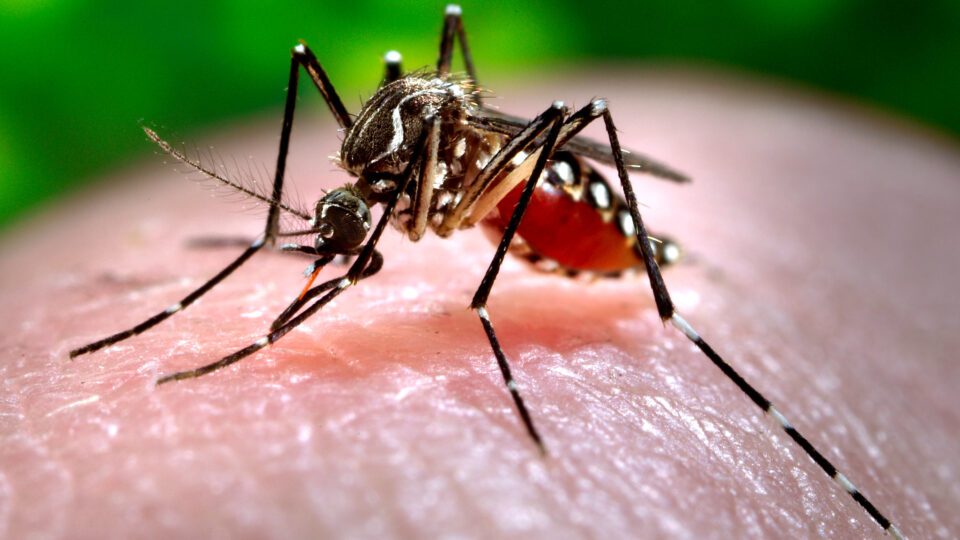
We’ve all probably had the experience of being in the great outdoors with other people and having some of them being nearly devoured by mosquitoes while others didn’t get bitten at all.  It seemed like some people are mosquito magnets while others just aren’t the insects’ cup of tea, so to speak.

There have been various theories proposed over the years including such things as it being a question of blood type, or it having to do with how close one’s blood vessels are to their skin surface.

A new study by the Howard Hughes Medical Institute and the Rockefeller University has uncovered what appears to be the real explanation.  According to the paper published in the journal Cell, certain body odors are the deciding factor.  Every person has a unique scent profile associated with different chemicals present on their skin.  The researchers found that people whose skin produces high levels of carboxylic acids are the most attractive to mosquitos.

The researchers collected scent samples from participants by having them wear silk stockings on their arms for six hours.  The nylons were then cut into pieces and the pieces exposed to mosquitos.  After several months of head-to-head battles between various nylon samples, the study clearly demonstrated that the samples from subjects with higher levels of carboxylic acids in the skin were far more attractive to mosquitos.

Humans produce the substance at much higher levels than other animals.  There is little one can do about their own levels.  Changing one’s diet or what soap they use doesn’t seem to make a difference. 

Perhaps researchers can come up with some method of breaking down carboxylic acids in the skin in the future.  Until such time, there are really people who are mosquito magnets.

**********

Web Links

Some People Really Are Mosquito Magnets, and They’re Stuck That Way

Photo, posted September 4, 2014, courtesy of James Gathany / Centers for Disease Control via Flickr.

Earth Wise is a production of WAMC Northeast Public Radio
Marine Debris | Earth Wise

July 8, 2021 By EarthWise Leave a Comment

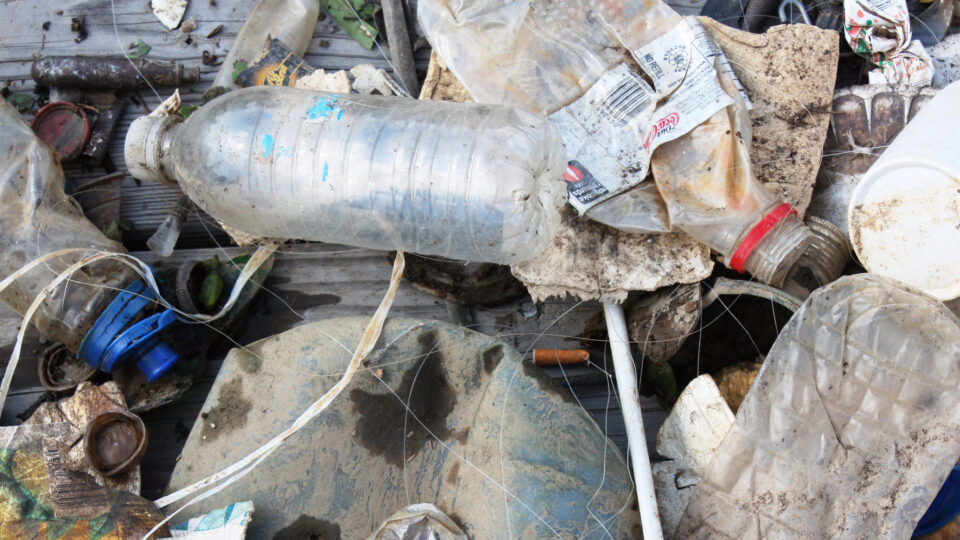
Marine debris poses a perilous threat to communities all around the world

Marine debris is a troubling issue around the world.  For most people, it is unsightly and perhaps inconvenient, but for many it is a critical problem that has serious impacts on many aspects of life.  This is especially the case for indigenous communities for whom the natural environment around the ocean is central to subsistence, recreation, culture, and economic opportunities.

The National Oceanic and Atmospheric Administration sponsors a Marine Debris Program that supports multiple projects.  In Alaska’s Pribilof Islands, the indigenous communities of St. George and St. Paul Islands conduct regular cleanups to protect and steward the natural resources that they depend on.  They make use of unmanned aircraft system surveys to target removal and monitoring efforts.

Another NOAA-sponsored program works to clean up the Maybeso Estuary in Alaska’s Prince of Wales Islands.  The project has removed 35,000 pounds of debris, freeing the flow of the salmon stream and restoring the area as a prime hotspot for fishing, boating, and outdoor recreation.

In Washington State’s Olympic Coast, the Makah Tribe has a project to locate and remove derelict crab pots and fishing lines from 80 miles of fishing area and marine sanctuary.  Derelict fishing gear can trap and entangle animals, degrade habitat, imperil navigation, and interfere with fishing.  The project team is working with tribal stakeholders on promoting marine debris awareness.

All of these communities have cared for the environment for generations, but marine debris poses perilous threats to their territories and community action is needed to preserve and protect these remarkable places.

**********

Web Links

Lives and Livelihoods Disrupted by Marine Debris

Photo, posted September 11, 2015, courtesy of NOAA’s National Ocean Service via Flickr.

Earth Wise is a production of WAMC Northeast Public Radio.

Using CO2 To Convert Seawater Into Drinking Water | Earth Wise

October 27, 2020 By EarthWise Leave a Comment

Converting Seawater into Drinking Water

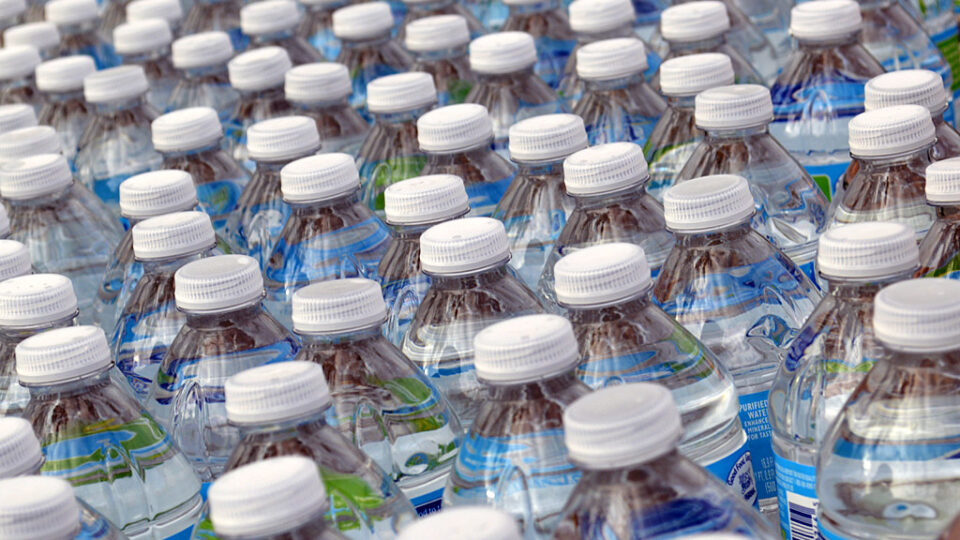
A chemist at the University of Copenhagen has invented a technology that uses carbon dioxide to convert seawater into drinking water within minutes.  This desalination technology has the potential to replace electricity with CO2 and be used in survival gear and in large-scale industrial plants in places where people don’t have clean drinking water.

Over 800 million people worldwide lack access to clean drinking water and that number is growing rapidly.  Seawater is a vital source of drinking water in many parts of the world, but desalination faces the major challenge of being highly energy intensive.  Desalination plants use huge amounts of fossil fuel-generated electricity and therefore contribute to climate change.

The Copenhagen technology is reminiscent of a SodaStream machine.  Carbon dioxide is added to water, initiating a chemical reaction.  But instead of using it for bubbly carbonation, it is used to separate salt from water.  It works by adding a chemical called CO2-responsive diamine to saltwater.  The diamine compound binds with the added CO2 and acts as a sponge to absorb the salt, which can then be separated.  The entire process takes one to ten minutes.  Once the CO2 is removed, the salt is released again, allowing the diamine to be reused for several more rounds of desalination.

In the laboratory, the method removed 99.6% of the salt in seawater.  The technology is still being developed to lower its price and optimize the recycling process.  It is also being tested on a small scale in the form of water bottles fitted with special filters that can be used in lifeboats or in other outdoor settings.  Ultimately, it could be used to greatly reduce the energy consumption of desalination plants.

**********

Web Links

Chemist uses CO2 to convert seawater into drinking water

Photo, posted January 10, 2015, courtesy of Daniel Orth via Flickr.

Earth Wise is a production of WAMC Northeast Public Radio.

Increasing Air Pollution | Earth Wise

July 27, 2020 By EarthWise Leave a Comment

Half of the global population is exposed to increasing air pollution

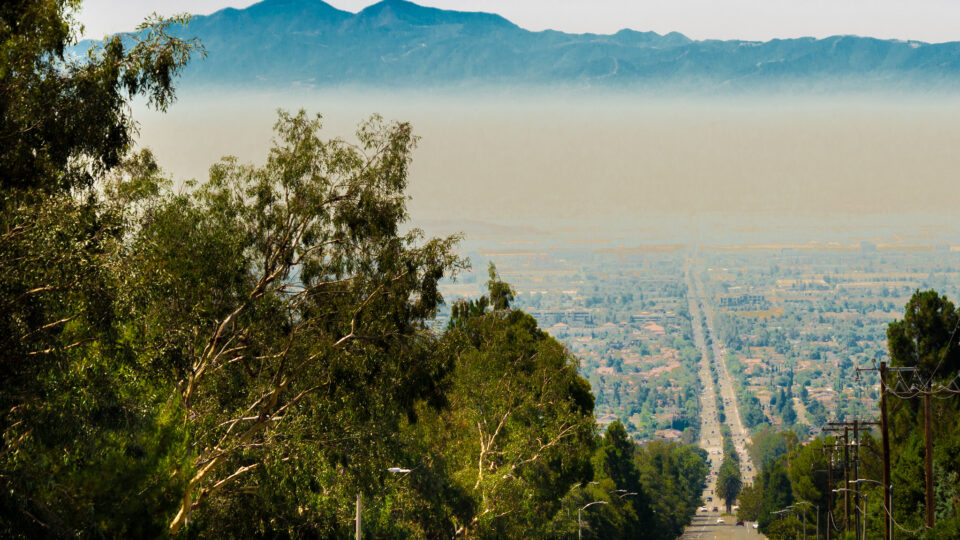
According to researchers from the University of Exeter, half of the world’s population is exposed to increasing air pollution despite global efforts to improve air quality.  The study, which was completed in conjunction with the World Health Organization, suggests that air pollution represents a major and growing threat to human health. 

For the study, which was recently published in the journal Climate and Atmospheric Science, the researchers reviewed global air quality trends between 2010 and 2016.  The research team examined those findings against a backdrop of global policies to reduce air pollution.  The researchers used ground monitoring data and satellite data to develop yearly air quality profiles for individual countries and regions. 

The scientists focused on fine particulate matter, which is a mixture of solid particles and liquid droplets found in the air.  Some of the particles, like dust, soot, or smoke, are large enough to be seen by the naked eye.  Others are so small that they can only be seen using a microscope.  Inhaling fine particulate matter can cause all sorts of health issues, including asthma, respiratory inflammation, and even promote cancer. 

For much of the world’s population, the consequences of polluted air are more deadly than war, violence, and many diseases.  According to the World Health Organization, more than four million deaths every year can be attributed to outdoor air pollution.  Some of the major sources of air pollution include coal-fired power plants, agriculture, transportation, and deforestation. 

The study found that low and middle income countries experience the highest burden of air pollution around the world, with the largest concentrations found in central and southeastern Asia.

More long term policies are needed to curb this growing threat to public health. 

***********

Web Links

Half of the world’s population exposed to increasing air pollution

Photo, posted August 2, 2019, courtesy of Ron Reiring via Flickr.

Earth Wise is a production of WAMC Northeast Public Radio.

Immersion In Nature Is Good for You | Earth Wise

February 20, 2020 By EarthWise Leave a Comment

Nature immersion has health benefits

There is a growing body of research that shows that getting outdoors in nature can be good for people’s health and well-being. There are so many studies supporting this idea that policymakers, employers, and healthcare providers are increasingly considering this need for nature in how they plan and operate.

A new study of 20,000 people by researchers at the University of Exeter in the UK actually looked at how much exposure to nature was enough to make people say they feel healthy and have a sense of well-being.   The answer turned out to be 2 hours a week.  And the correlation was strong.  People who didn’t meet that threshold did not report the benefits.

Studies have shown that time in nature – as long as people feel safe where they are – is an antidote for stress.  It can lower blood pressure and stress hormone levels, reduce nervous system arousal, enhance immune system function, increase self-esteem, reduce anxiety, and improve mood.  Most of these studies are correlational rather than causal, but the results tend to be robust.

Given all this, cities are adding or enhancing parks, and schools and other institutions are being designed with large windows and access to trees and green space.  The Scandinavian tradition of “forest schools” – where learning takes place in natural settings outdoors -.is finding a home in the US.   Japanese researchers study the effects of “forest bathing”, a poetic term for walking in the woods.

With two-thirds of humanity projected to be living in cities by 2050, we are awakening to the idea that we need to be able to spend time in nature for our own wellbeing, even if it’s just a walk in a park.

**********

Web Links

Ecopsychology: How Immersion in Nature Benefits Your Health

Photo, posted November 6, 2011, courtesy of Flickr.

Earth Wise is a production of WAMC Northeast Public Radio.

Indoor Pollution

July 26, 2019 By EarthWise 1 Comment

We mostly think of air pollution as an outdoor problem.   The primary culprits are vehicle and factory exhaust as well as occasional wildfire smoke.  What we don’t think about is the air quality inside our own homes.

Researchers at Washington State University have found that indoor pollution levels can be surprisingly high and that they vary throughout the day and increase as temperatures rise.

Indoor air pollution comes from a variety of sources, including building materials, furniture, household chemical products, and from activities like cooking.  One of the most serious pollutants is formaldehyde, which often is emitted from gypsum wallboard.  About half of the gypsum used in homes as drywall is made from waste products from the coal industry.  When the material is heated, formaldehyde and possibly even mercury can be emitted.

Pollutant levels rise in homes as temperatures increase.  Thus, the highest levels of pollution occur in the afternoon and the lowest are in the early morning.  Before this research, manufacturers and builders assumed that pollution levels were pretty much constant over time.

Building laws require that homes are structurally sound, and that people are comfortable, but there is little regulation of air quality in people’s homes.  One of the best ways to clear out harmful chemicals is with ventilation to the outdoors.  But with increased concern about reducing energy use, builders are making homes more airtight, which may inadvertently be worsening the problem.

We need to balance making more energy efficient homes with protecting our health by being aware of the dangers that lurk in the air in our homes.  Running the air conditioning or opening windows are good things to do.

**********

Web Links

Researchers uncover indoor pollution hazards

Photo, posted October 14, 2010, courtesy of Flickr.

Earth Wise is a production of WAMC Northeast Public Radio.

We Need More Free-Range Kids  

September 4, 2015 By EarthWise

children outdoors

https://earthwiseradio.org/wp-content/uploads/2015/09/EW-09-04-15-Free-Range-Kids.mp3

Once-upon-a-time, kids were expected to amuse themselves outdoors. Today, fears of shady neighbors and bodily harm have led to a nation of parents who appear content to keep their kids inside, playing computer games, surfing the web, texting, and watching TV.

[Read more…] about We Need More Free-Range Kids  

Primary Sidebar

Recent Episodes

  • An uninsurable future
  • Clean energy and jobs
  • Insect declines in remote regions
  • Fossil fuel producing nations ignoring climate goals
  • Trouble for clownfishes

WAMC Northeast Public Radio

WAMC/Northeast Public Radio is a regional public radio network serving parts of seven northeastern states (more...)

Copyright © 2026 ·