• Skip to primary navigation
  • Skip to main content
  • Skip to primary sidebar

Earth Wise

A look at our changing environment.

  • Home
  • About Earth Wise
  • Where to Listen
  • All Articles
  • Show Search
Hide Search
You are here: Home / Archives for oases

oases

Oases and desertification

May 21, 2024 By EarthWise Leave a Comment

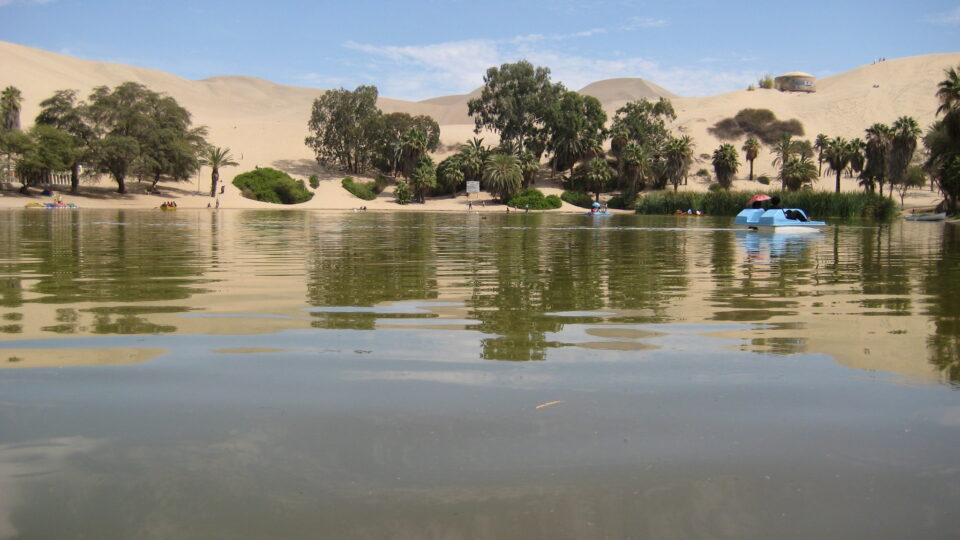
Oases are important sources of water for people, plants, and animals in the world’s desert areas.  In fact, oases sustain 10% of the world’s population despite taking up only about 1.5% of land area.  They form when groundwater flows and settles into low-lying areas or when surface meltwater flows down from nearby mountains and pools.

New research from the Chinese Academy of Sciences has found that oases added 85,000 square miles of new area from 1995 to 2020, mostly from artificial expansion projects, but over the same period lost 52,000 square miles from desertification and water scarcity.  The net gain of 33,000 square miles is not considered to be sustainable given that it was mostly due to artificial causes.  The oasis expansion projects were in Asia but losses due to desertification were also mostly in Asia.

Today, oases are found in 37 countries.  Increases in oases mostly come from people intentionally converting desert land into oases using runoff water and groundwater pumping, creating grasslands and croplands. This mostly has taken place in China.

Human over-exploitation of dwindling groundwater can limit the sustainability of oases as can the long-term loss of glaciers.

The study highlighted ways to sustain healthy oases, including suggestions for improving water resource management, promoting sustainable land use and management, and encouraging water conservation and efficient water use.  As the climate continues to change, these efforts will be increasingly important for a significant portion of the world’s population.

**********

Web Links

World’s Oases Threatened By Desertification, Even As Humans Expand Them

Photo, posted August 3, 2008, courtesy of Paul Williams via Flickr.

Earth Wise is a production of WAMC Northeast Public Radio
Megafires and ecosystems

November 15, 2023 By EarthWise Leave a Comment

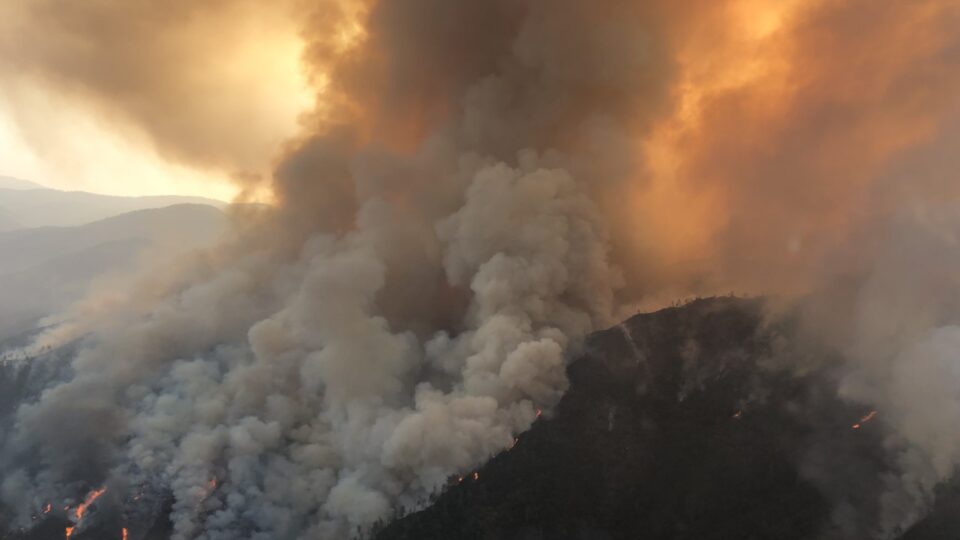
Wildfires are a natural phenomenon.  They have occurred long before there were people around.  Ecosystems adapt to fires and some species can benefit from them or even depend upon them.  But in recent times, fires have been intensifying and increasing in frequency and they are beginning to outstrip nature’s ability to bounce back from them.

So-called megafires – ones that dwarf typical wildfires in size – have an immediate ecological toll.  They kill individual plants and animals that might have survived smaller fires. 

Over millennia, many species of plants and animals have evolved to adapt to periodic fires.  They are especially sensitive to smoke and take protective action in a timely fashion. Others take advantage of food sources that arise when trees burn.

But even species that capitalize on burned-out areas of forests require oases of healthy woodland for at least part of their activities.  When fires are too widespread, such oases are too few and far between.

Animals that survive fires must find food, water, and shelter in the aftermath.  And all air-breathing animals are going to be impacted by smoke exposure because the chemicals in smoke are toxic to them as well as to people.

In places like Canada’s Northwest Territories, repeated fires have transformed some forests, eliminating dominant tree species and replacing them with others whose light seeds were carried on the wind.

Scientists have estimated that increased global fire activity could push more than 1,000 threatened plant and animal species closer to extinction.  Changing fire patterns are transforming landscapes and utterly remaking ecosystems.

**********

Web Links

How Megafires Are Remaking the World

Photo, posted December 19, 2022, courtesy of Brian Pippin/USFWS via Flickr.

Earth Wise is a production of WAMC Northeast Public Radio
The Cockroaches Of The Ocean

December 14, 2018 By EarthWise Leave a Comment

https://earthwiseradio.org/wp-content/uploads/2018/12/EW-12-14-18-The-Cockroaches-of-the-Ocean.mp3

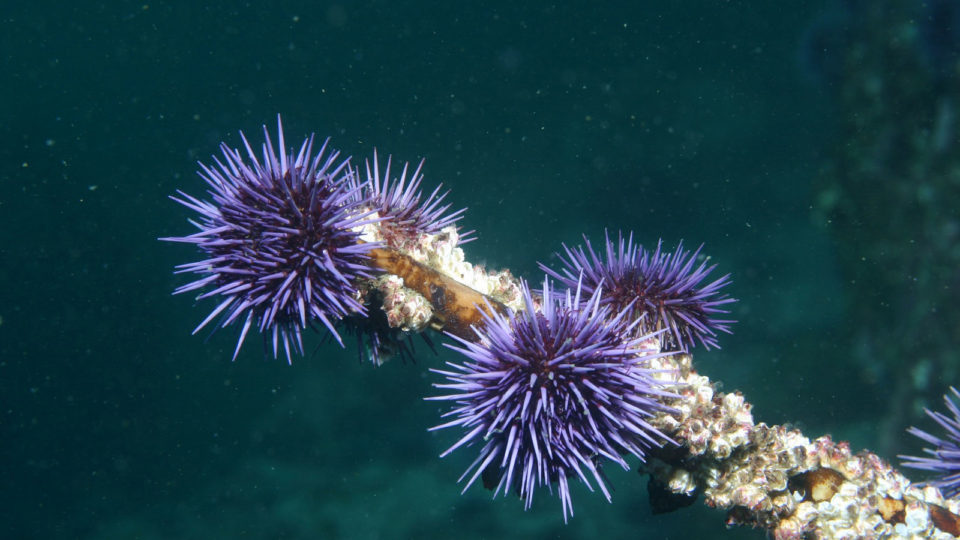
The coast of Northern California is home to underwater forests – huge, sprawling tangles of brown seaweed.  Kelp forests play a similar role in the oceans as the one that ordinary tree forests play on land.  Like trees, kelp absorbs carbon emissions and provides critical habitat and food for a wide range of species.

[Read more…] about The Cockroaches Of The Ocean

Saving Saharan Oases

February 6, 2017 By EarthWise

https://earthwiseradio.org/wp-content/uploads/2017/02/EW-02-06-17-Saving-Saharan-Oases.mp3

An oasis is an isolated area of vegetation in a desert, typically surrounding a spring or similar water source such as a pond or a small lake.  Oases can provide habitat for animals as well as people.   Oases have long been essential for trade and transportation routes in desert areas; caravans typically travel via oases so that supplies of water and food can be replenished.

[Read more…] about Saving Saharan Oases

Primary Sidebar

Recent Episodes

  • An uninsurable future
  • Clean energy and jobs
  • Insect declines in remote regions
  • Fossil fuel producing nations ignoring climate goals
  • Trouble for clownfishes

WAMC Northeast Public Radio

WAMC/Northeast Public Radio is a regional public radio network serving parts of seven northeastern states (more...)

Copyright © 2026 ·