• Skip to primary navigation
  • Skip to main content
  • Skip to primary sidebar

Earth Wise

A look at our changing environment.

  • Home
  • About Earth Wise
  • Where to Listen
  • All Articles
  • Show Search
Hide Search
You are here: Home / Archives for new mexico

new mexico

Volcano monitoring

May 16, 2025 By EarthWise Leave a Comment

Researchers develop a new method to monitor volcanoes

Researchers at the University of Alaska Fairbanks and the U.S. Geological Survey have developed a radar-based volcano monitoring system.  The purpose is to provide situational awareness of volcano behavior and identify volcanoes that are becoming restless before other more obvious indications like earthquake activity occur.

The system is called VolcSARvatory and makes use of interferometric synthetic aperture radar to detect ground movement changes as small as one centimeter.  It utilizes two or more radar images from satellites taken at different times.  The images are used to create a time series of data from a single location.

The system has been in operation since early 2022 and proved to be valuable in studying the unexpected activity at the long-quiet Mount Edgecumbe volcano near Sitka, Alaska where conventional monitoring was not taking place.

According to the researchers, the technology has evolved to the point where it can be operational at a national level.  The goal is to provide a consistent approach to monitoring active volcanoes.

Volcanoes are not a rare and unlikely source of potential danger in this country.  The volcanoes of Hawaii are the best-known active volcanoes in the United States, but Alaska has about 140 volcanoes that are technically classified as active, with more than 50 that have been active within the past 300 years.  In total, 169 U.S. volcanoes are classified as active including ones in Arizona, California, Colorado, Idaho, Nevada, New Mexico, Oregon, Utah, Washington and Wyoming.

**********

Web Links

Alaska-developed volcano monitoring system will expand across U.S.

Photo, posted March 18, 2013, courtesy of Jeffrey Wickett / USFS via Flickr.

Earth Wise is a production of WAMC Northeast Public Radio
Solar-powered desalination

November 7, 2024 By EarthWise Leave a Comment

People in remote, low-income regions far from the ocean often need to meet their water needs from groundwater and groundwater is becoming increasingly saline due to climate change.  Desalination of brackish groundwater is a huge and largely untapped source of drinking water, but there are challenges in making the process efficient and reliable.

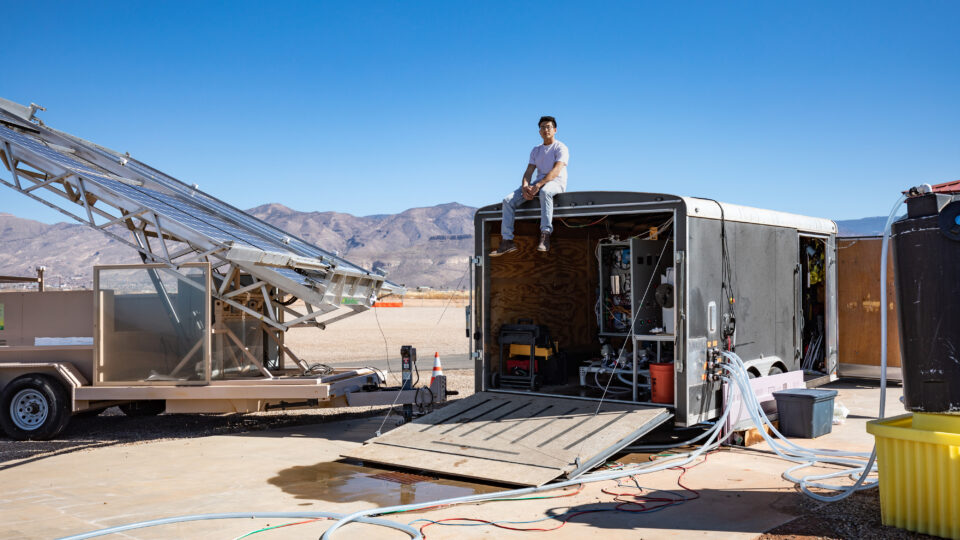
Engineers at MIT have developed a solar-powered desalination system that requires no batteries or external power sources and is capable of producing large quantities of clean water despite the variations of sunshine throughout the day.

The system is based on the process of electrodialysis and consists of water pumps, an ion-exchange membrane stack, and a solar panel array.  What is unique about it is that it makes use of sensors and a control system that predicts the optimal rate at which to pump water through the system based on the output of the solar panels.  As a result, it uses nearly all of the electricity generated to produce clean water and does not need stored or grid-based energy.

The MIT engineers tested a community-scale prototype on groundwater wells in New Mexico over a six-month period.  The system harnessed on average over 94% of the electricity generated by its solar panels and produced as much as 5,000 liters of water per day despite large variations in weather and sunlight.

The new renewable-powered, battery-free system could provide much-needed drinking water at low cost, especially for communities where access to seawater and to grid power are limited.  The team plans to further test and scale up the system so it can supply larger communities and even whole municipalities with low-cost drinking water.

**********

Web Links

Solar-powered desalination system requires no extra batteries

Photo courtesy of Shane Pratt.

Earth Wise is a production of WAMC Northeast Public Radio
Solar energy on federal land

October 15, 2024 By EarthWise Leave a Comment

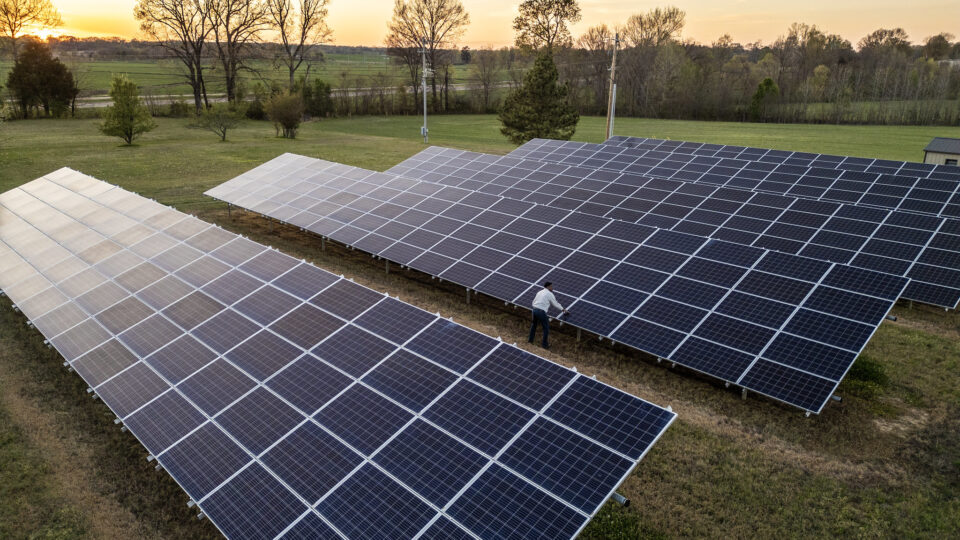
Officials at the federal Bureau of Land Management announced late in August that they had finalized a plan to add Oregon, Idaho, Montana, Washington, and Wyoming to the Western Solar Plan, which started during the Obama era.   The plan, created in 2012, provides permitting for solar projects on federal land.  The original plan included Arizona, California, Colorado, Nevada, New Mexico, and Utah.

The Western Solar Plan is a major expansion for clean energy production in the Bureau of Land Management’s land leasing portfolio.  For decades, the BLM has leased tens of millions of acres of federal land to fossil fuel companies for oil, coal, and natural gas exploration and production.

The new addition includes 1.1 million acres of land in Oregon, an area larger than the entire state of Rhode Island.  The land selected is deemed to be of low risk for any adverse environmental effects from solar installation, and the plots of land are all within 15 miles of existing or planned electrical transmission lines.  A little over 50% of Oregon’s land is owned by the federal government and is managed primarily by the Bureau of Land Management and the U.S. Forest Service.

The publication of the finalized plan at the end of August initiated a 30-day period for any participants in the initial planning to voice objections.  The governors of the 5 new states are reviewing the plan.  Final approval and adoption are expected later this year.

Western states need to expand solar and other clean energy production to meet their climate goals and federal lands will have to play an important role.

**********

Web Links

Plan would make 1 million acres of federal land in Oregon available for solar energy projects

Photo, posted May 20, 2024, courtesy of the U.S. Department of Agriculture via Flickr.

Earth Wise is a production of WAMC Northeast Public Radio
The cost of methane emissions

April 26, 2024 By EarthWise Leave a Comment

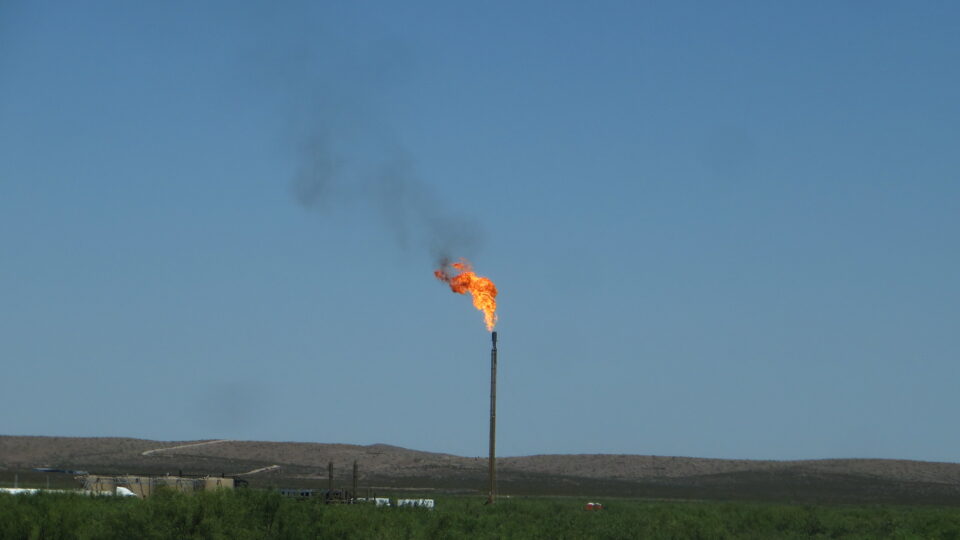
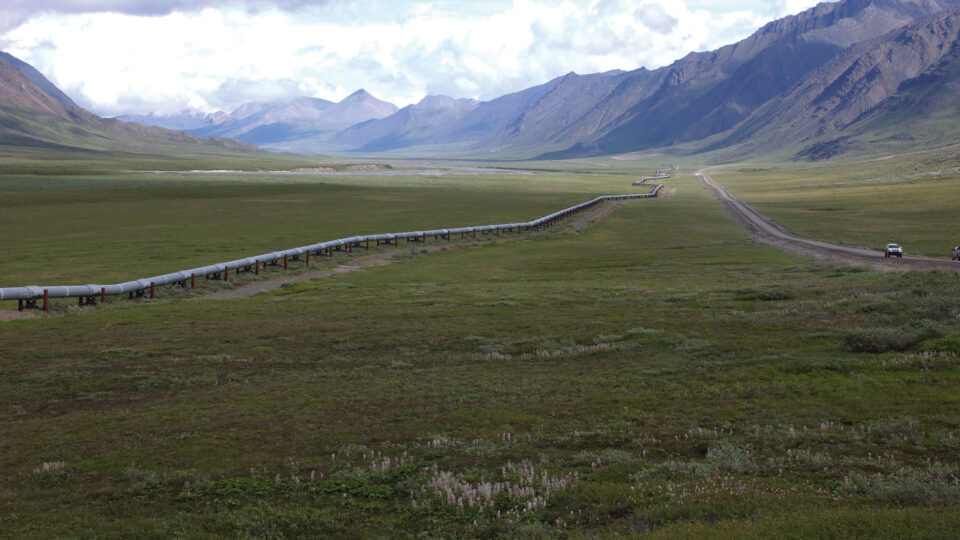
Stanford University-led research has determined that American oil and gas operations are emitting more than 6 million tons of methane each year.  The emissions come from both intentional vents and unintentional leaks. 

Methane is the main component of natural gas and losing that much of it through leakage is costing the industry a billion dollars a year just in lost revenue.  Adding in the harm to the economy and human well-being caused by adding this much potent greenhouse gas to the atmosphere is estimated to increase the cost of these emissions to $10 billion a year.

These emission and cost estimates are roughly three times the level predicted by the U.S. government.  The Stanford numbers are based on roughly a million aerial measurements of wells, pipelines, storage, and transmission facilities in six of the nation’s most productive oil and gas regions located in Texas, New Mexico, California, Colorado, Pennsylvania, and Utah.  These areas account for 52% of U.S. onshore oil production and 29% of gas production.

The survey also found that fewer than 2% of the methane emitters are responsible for 50-80% of emissions in four of the regions.  It also found that midstream infrastructure – which includes gathering and transmission pipelines, compressor stations, and gas processing plants – is responsible for about half of total emissions.

While the federal government estimates that methane leakage averages about 1% of gas production, the new survey puts the number at 3%, and some regions lose almost 10% to leakage.

Better tracking and fixing these leaks – especially the larger ones –  is essential for climate change mitigation.

**********

Web Links

Methane emissions from U.S. oil and gas operations cost the nation $10 billion per year

Photo, posted June 5, 2015, courtesy of Dave Houseknecht / USGS via Flickr.

Earth Wise is a production of WAMC Northeast Public Radio
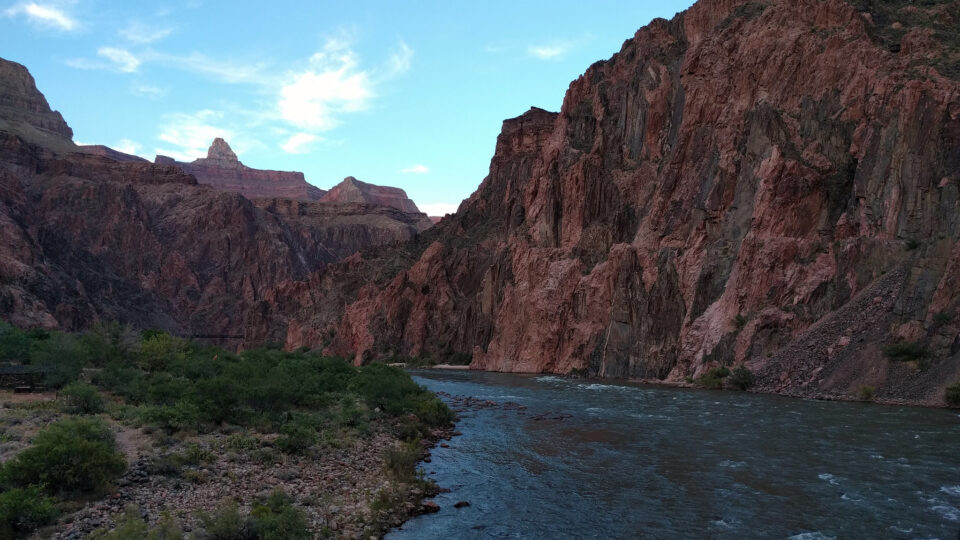
Keeping The Colorado River Flowing | Earth Wise

July 5, 2023 By EarthWise Leave a Comment

The Colorado River supplies drinking water to 40 million Americans in seven states as well as to many Mexicans and provides irrigation to 5.5 million acres of farmland.  Electricity generated by dams on the Colorado powers millions of homes and businesses in the West.

A combination of drought, population growth, and climate change has reduced the river’s flows by a third in recent years compared with historical averages.  Further reductions could trigger a water and power catastrophe across the Western states.

California, Arizona, and Nevada all get water from Lake Mead, the reservoir formed by the Colorado at Hoover Dam.  The Interior Department determines how much water each of these three states receives.  The other states that use Colorado River water get it directly from the river and its tributaries.  Last summer, water levels in Lake Mead and Lake Powell fell enough that officials feared that the hydroelectric turbines at the Colorado’s dams would soon cease functioning.

The three states have recently struck an agreement with the federal government to take less water from the Colorado.  The reductions amount to about 13% of the total water use in the lower Colorado.  The government will pay about $1.2 billion to irrigation districts, cities, and Native American tribes for temporarily using less water.  The states have also agreed to make additional cuts to generate the total reductions needed to prevent the collapse of the river.

The agreement runs only through the end of 2026.  At that point, all seven states that rely on the river – which includes Colorado, New Mexico, Utah, and Wyoming – may well be facing a deeper reckoning.  The forces driving the decline of the Colorado are not going away.

**********

Web Links

A Breakthrough Deal to Keep the Colorado River From Going Dry, for Now

Photo, posted June 16, 2017, courtesy Karen and Brad Emerson via Flickr.

Earth Wise is a production of WAMC Northeast Public Radio
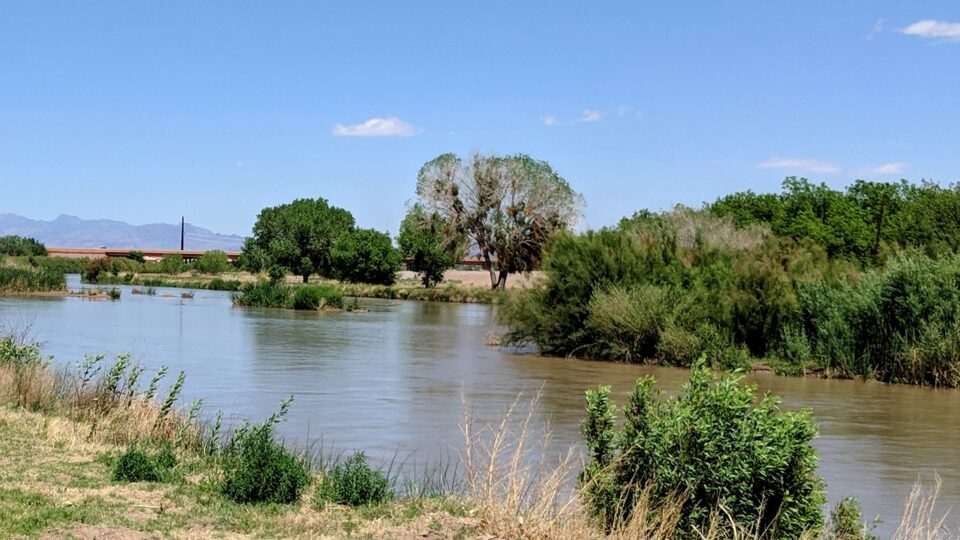
El Paso’s Water Future | Earth Wise

November 21, 2022 By EarthWise Leave a Comment

The water future of El Paso uncertain as the Rio Grande river dries up

El Paso, Texas is part of the Paso del Norte region, which includes Ciudad Juarez in Mexico and Las Cruces, New Mexico.  The population on both sides of the border is booming, approaching 3 million people.  The region’s primary water source is the Rio Grande River.  But that river is declining.

Rising temperatures and decreasing rainfall have led to diminishing flow in the river.  Eighty percent of the river’s flow has historically been diverted to agriculture, but the reduced flow of the Rio Grande has forced many farmers to reduce planting or change to less water-hungry crops.  The river is expected to continue to decrease its flow as time goes by.

The city of El Paso gets 40% of its water supply directly from the Rio Grande.  Urban water authorities in the region are scrambling to find ways to provide cities with alternative supplies of water.

El Paso now gets some of its water from a desalination plant, which is the world’s largest inland municipal desalination plant.  The water comes from brackish groundwater rather than from the sea.  The briny waste from the plant is piped to an injection well many miles way and is permanently stored 4,000 feet underground.

El Paso continues to seek new water sources and reduce its water use.  It gets much of its water from wells drilled in nearby aquifers.  It is working to make this use of groundwater more sustainable.  The city recycles used residential water through its so-called purple pipe system, which cleans up waste water and delivers it for non-potable use on golf courses and park lawns. 

Like many places in the increasingly dry west, El Paso’s water future is uncertain. 

**********

Web Links

As Rio Grande Shrinks, El Paso Plans for Uncertain Water Future

Photo, posted April 29, 2018, courtesy of R. Baire via Flickr.

Earth Wise is a production of WAMC Northeast Public Radio
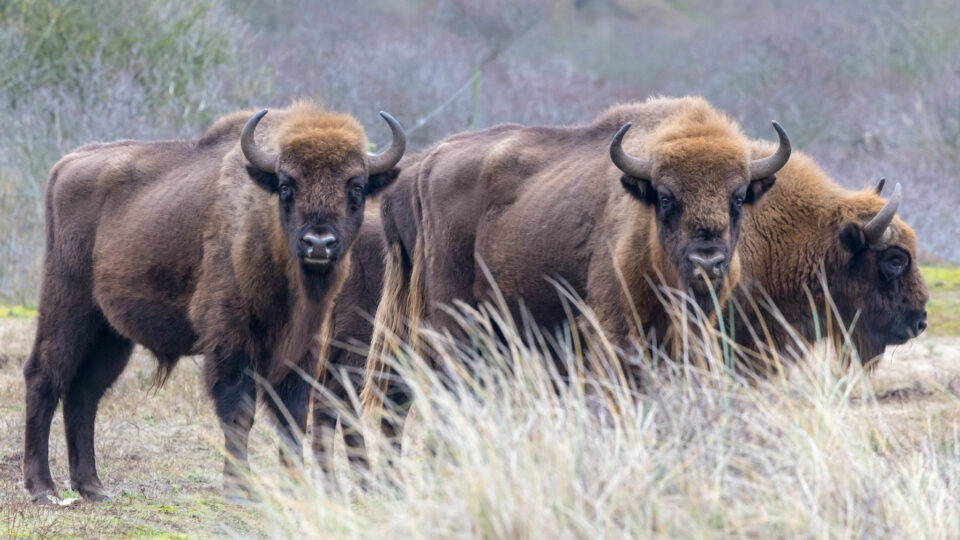
Bringing Back Bison | Earth Wise

August 23, 2022 By EarthWise Leave a Comment

Over the past few decades, research has identified the importance of large mammals like bison as ecosystem engineers.  These animals shape and maintain various natural processes and, in the process, are responsible for the sequestering of large amounts of carbon.  But large mammals – both herbivores and predators – have seen their numbers dwindle over time.  At this point, nearly two-thirds of large carnivores are threatened with extinction.   Overall, less than 6% of worldwide ecosystems have the extensive, intact large-mammal communities that were dominant 500 years ago.

Conservationists around the world have embarked on programs of “rewilding”- reintroducing large mammals into ecosystems.  Some of the animals involved in these programs include brown bears, wild horses, jaguars, reindeer, Eurasian beavers, elk, moose, wolverines, tigers, hippos, and bison.

A group of bison raised in South Dakota have recently been transplanted to the Chihuhuan Desert at the US-Mexico border across Arizona, New Mexico, and Texas.  There used to be huge bison herds in that region, but it has been largely bison-free for 150 years.

Perhaps more remarkably, wild bison are also being reintroduced into a forest near Canterbury, England.  There haven’t been bison in the United Kingdom for thousands of years.  But conservationists are introducing European bison into the British forest to knock down trees, trample shrubs, and create space for a greater diversity of flora and fauna. 

Apart from the ecosystem goals of the British project, people in the UK, for the first time in over a thousand years, will be able to experience bison in the wild.

**********

Web Links

Gone for Thousands of Years, Wild Bison Return to the UK

Photo, posted December 31, 2018, courtesy of Marco Verch via Flickr.

Earth Wise is a production of WAMC Northeast Public Radio.

Methane Leaks Are Worse Than We Thought | Earth Wise

May 4, 2022 By EarthWise Leave a Comment

Methane leaks are worse than was previously thought

Methane leaking from oil and gas wells is a real problem for the environment because methane is far more potent at trapping heat than carbon dioxide.   The EPA has estimated that about 1.4% of the methane produced by wells nationally leaks into the atmosphere.   However, environmental experts and energy industry engineers have been concerned that leaks from mines, wells, refineries, storage facilities, and pipelines are vastly underreported.  But until recently, there really wasn’t a good way to find out.

Researchers at Stanford University have developed a technique based on the use of hyperspectral cameras mounted to airplanes.  The cameras measure sunlight reflected off of chemicals in the air that are invisible to the human eye.  Each chemical, including methane, has a unique fingerprint.  Using these sensors, methane is easy to spot and the technique can measure the output of individual wells.

The researchers performed a study of almost every oil and gas asset in the New Mexico Permian Basin, one of the largest and highest-producing oil and gas regions in the world.  They surveyed the sites for an entire year.  They estimate that more than 9% of all methane produced in the region is being leaked into the skies, far more than EPA estimates.

The positive outcome of the survey is that the researchers found that fewer than 4% of the 26,000 sites studied produced half of all the methane emissions observed.  Being able to identify the so-called super-emitter sites and dealing with them could lead to a major improvement in the situation.

The new technique is more accurate, faster, and more cost-effective than current ways to monitor emissions.

**********

Web Links

Stanford-led study: Methane leaks are far worse than estimates, at least in New Mexico, but there’s hope

Photo, posted July 10, 2016, courtesy of Ken Lund via Flickr.

Earth Wise is a production of WAMC Northeast Public Radio.

A Dangerous Fire Season | Earth Wise

June 9, 2021 By EarthWise Leave a Comment

Drought conditions expected to cause worse fire season

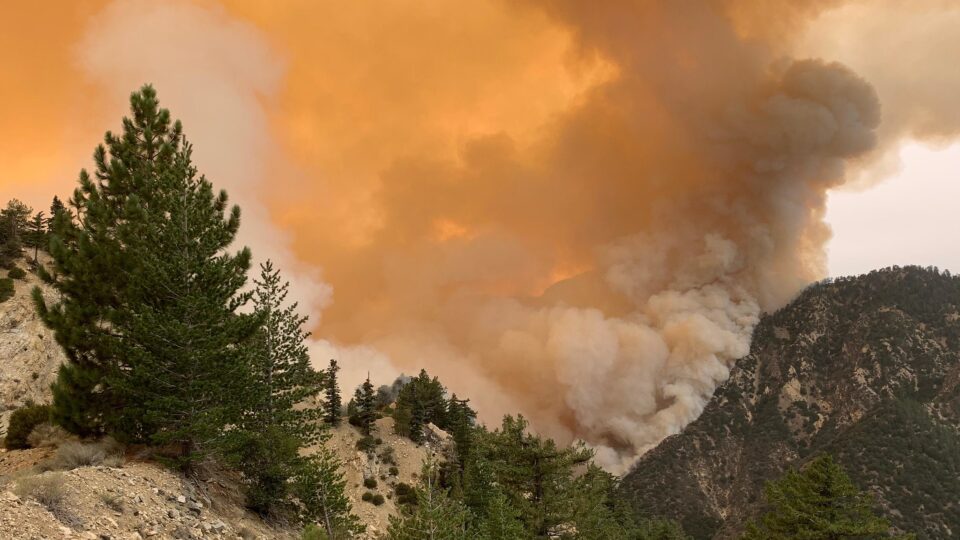
The western United States is entering the fire season under much worse drought conditions than last year.  Last year, 15,800 square miles burned in the U.S., mostly in the West.

The western U.S. is in the midst of a 20-year mega-drought.  Rainfall in the Rocky Mountains and farther west was the second lowest on record this April.  The soil in the western half of the country is the driest it has been since 1895.

The situation is particularly bad in California and the Southwest.  In March, less than a third of California was experiencing extreme or exceptional drought.  Now, 73% of the state is.  A year ago, a record-breaking fire season burned 4% of the state and, at that time, only 3% of California was in a state of extreme drought.

A year ago, no parts of Arizona, Nevada, or Utah were in extreme or exceptional drought.  Now, more than 90% of Utah, 86% of Arizona, and 75% of Nevada face severe drought conditions.  At this time last year, only 4% of New Mexico faced extreme drought but 77% does now.

These extreme drought conditions, which are believed to be linked to climate change, are causing increased tree mortality among many species, ranging from junipers in the Southwest even to drought-tolerant blue oaks in the San Francisco Bay Area.

Conditions are extremely ripe for a lot of forest fire this year.  Last year was a terrible year for wildfires in the West and we are heading into a fire season with much drier fuels than there were last year.  The risks of great damage from wildfires are higher than ever.

**********

Web Links

US West Enters Fire Season Facing Extremely Dry Conditions

Photo, posted September 18, 2020, courtesy of USFS/National Interagency Fire Center via Flickr.

Earth Wise is a production of WAMC Northeast Public Radio.

Widespread Drought | Earth Wise

September 7, 2020 By EarthWise Leave a Comment

united states drought

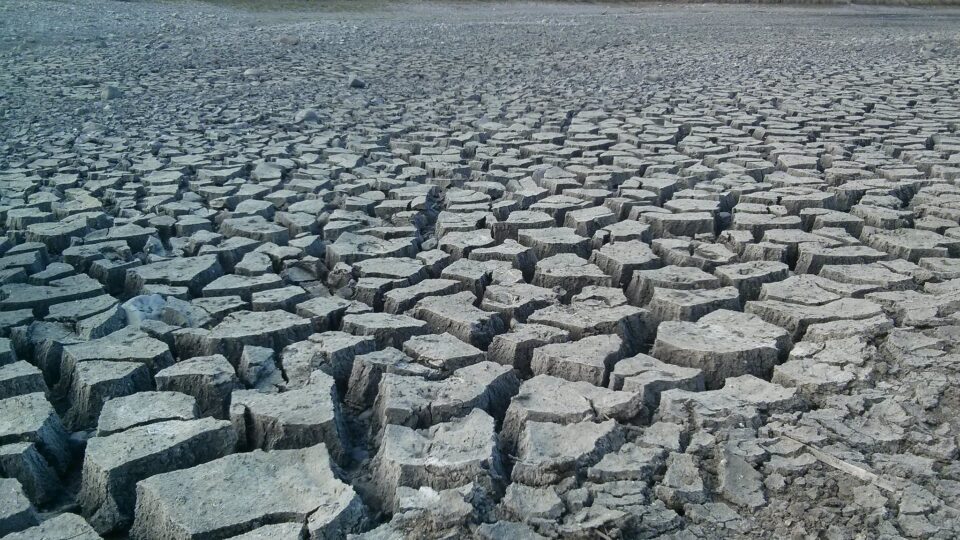
As the U.S. enters the last part of the summer, fully one-third of the country is experiencing at least a moderate level of drought.   Much of the West is reaching severe drought conditions and New England has been unusually dry and hot.  In total, over 50 million Americans are living in drought-affected areas.

According to the U.S. Drought Monitor program, more than 93% of Utah, Colorado, Nevada, and New Mexico are experiencing drought to some degree.  More than 60% of both Utah and Colorado are in severe drought.   More than three-quarters of Oregon, Arizona, and Wyoming are also in drought.  And most of these areas had no sign of drought this time last year.

Severe drought conditions result in stunted and browning crops, limited pasture yields, dust storms, reduced well water levels, and an increase in the number and severity of wildfires.

Warm air temperatures and minimal snowfall in spring set the stage for this summer’s drought conditions.  A ridge of high pressure over the northeastern Pacific Ocean pushed the jet stream farther north than usual.  And, once again, there has been a failure of the southwestern monsoon in Arizona and New Mexico and the Four Corners region.  Monsoon rains provide half of the year’s precipitation in many of those areas. 

Instead, there has been extreme heat in the region.  Phoenix has already smashed the record for the most days over 110oF in a calendar year (42 as of August 18), with five months to go.  Las Vegas hasn’t seen measurable rainfall since April, and Cedar City, Utah has recorded a record low of 0.05 inches of rain this summer.

Conditions are not expected to get better for a couple of months.

**********

Web Links

A Third of the U.S. Faces Drought

Photo, posted May 7, 2014, courtesy of Tyler Bell via Flickr.

Earth Wise is a production of WAMC Northeast Public Radio.

A Quiet Clean Energy Revolution

March 5, 2019 By EarthWise Leave a Comment

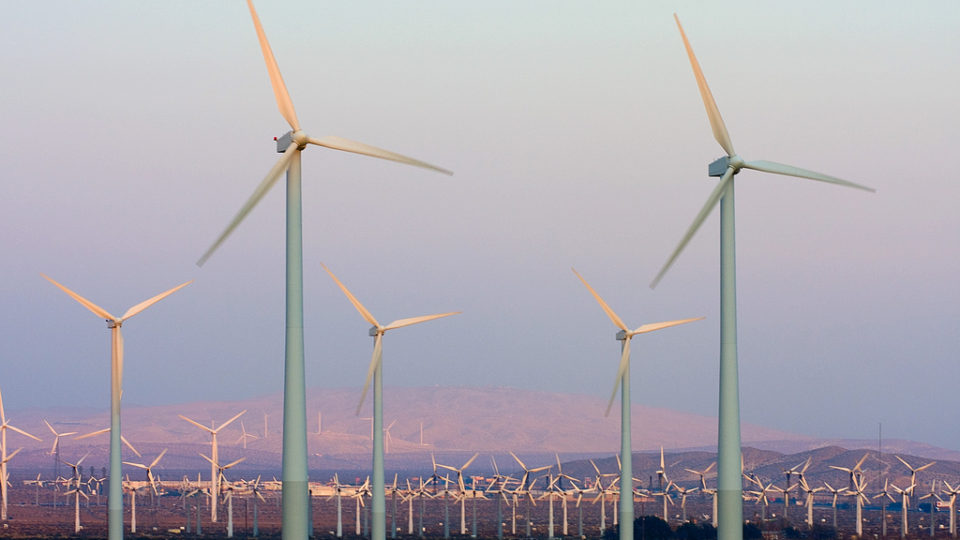
While the Trump administration seeks to prop up and promote use of fossil fuels, the country continues to move in the opposite direction.  Last year was actually a pretty positive year for clean energy in the U.S.

In terms of public opinion, 70% of Americans surveyed believe the country should produce 100% of its electricity from renewable energy sources and more than half of survey respondents think renewables are a good idea even if they raise energy bills.

Companies in the U.S. purchased a record 6.43 gigawatts of renewable power, enough to power 1.5 million homes.  The number of corporations entering into renewable energy deals doubled last year.

More than 300 U.S. cities, towns or counties have made commitments to climate action and, as of November, 99 cities have committed to 100% renewable energy, doubling the total from a year ago.

A number of gubernatorial candidates running on ambitious renewable energy platforms were elected in November including those in Illinois, Colorado, New Mexico, Maine and Nevada.

Utilities are responding to the growing demand for clean energy.  Consumers Energy in Michigan plans to cut carbon emissions by 80% and stop using coal.  Iowa-based MidAmerican Energy will become the first U.S. utility to source 100% of its electricity from renewable sources next year.  Xcel Energy, one of the biggest utilities in the country, has committed to be 80% carbon-free by 2030 and go completely carbon-free by 2050.

The fossil fuel industry with its supporters in high places is still kicking and screaming, but there is no doubt that the U.S. energy system is changing, and the quiet clean energy revolution will only pick up more steam in 2019.

**********

Web Links

The US Underwent a Quiet Clean Energy Revolution Last Year

Photo, posted August 15, 2009, courtesy of Ken via Flickr.

Earth Wise is a production of WAMC Northeast Public Radio.

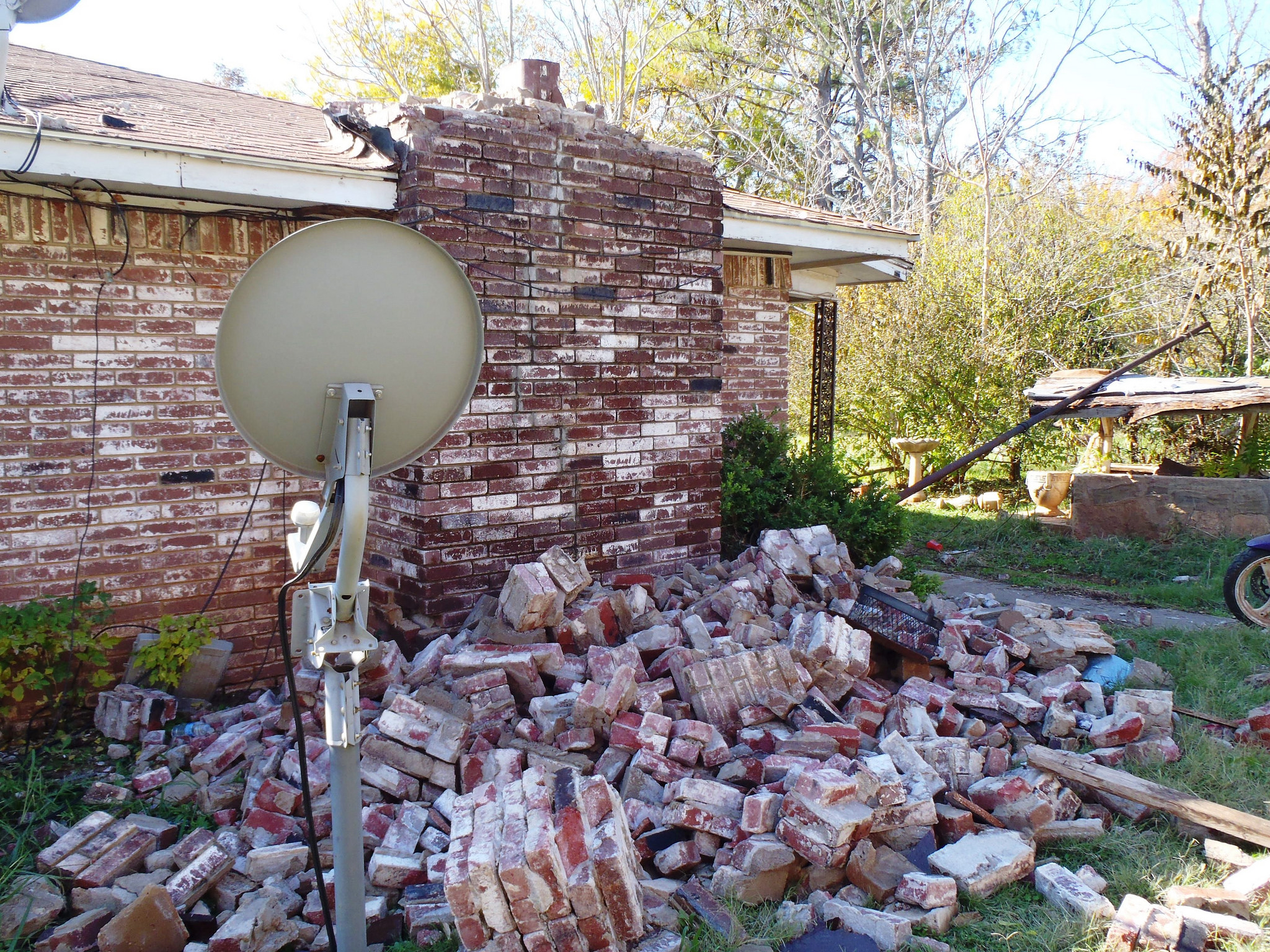
Human-Caused Earthquakes

May 10, 2016 By WAMC WEB

https://earthwiseradio.org/wp-content/uploads/2016/05/EW-05-10-16-Human-Caused-Earthquakes.mp3

Oklahoma has had its share of disasters over the years.  It has seen tornado outbreaks, massive wildfires, huge dust storms and even onslaughts of tumbleweeds.  But one thing it was not known for is earthquakes.

[Read more…] about Human-Caused Earthquakes

Primary Sidebar

Recent Episodes

  • An uninsurable future
  • Clean energy and jobs
  • Insect declines in remote regions
  • Fossil fuel producing nations ignoring climate goals
  • Trouble for clownfishes

WAMC Northeast Public Radio

WAMC/Northeast Public Radio is a regional public radio network serving parts of seven northeastern states (more...)

Copyright © 2026 ·