• Skip to primary navigation
  • Skip to main content
  • Skip to primary sidebar

Earth Wise

A look at our changing environment.

  • Home
  • About Earth Wise
  • Where to Listen
  • All Articles
  • Show Search
Hide Search
You are here: Home / Archives for moss

moss

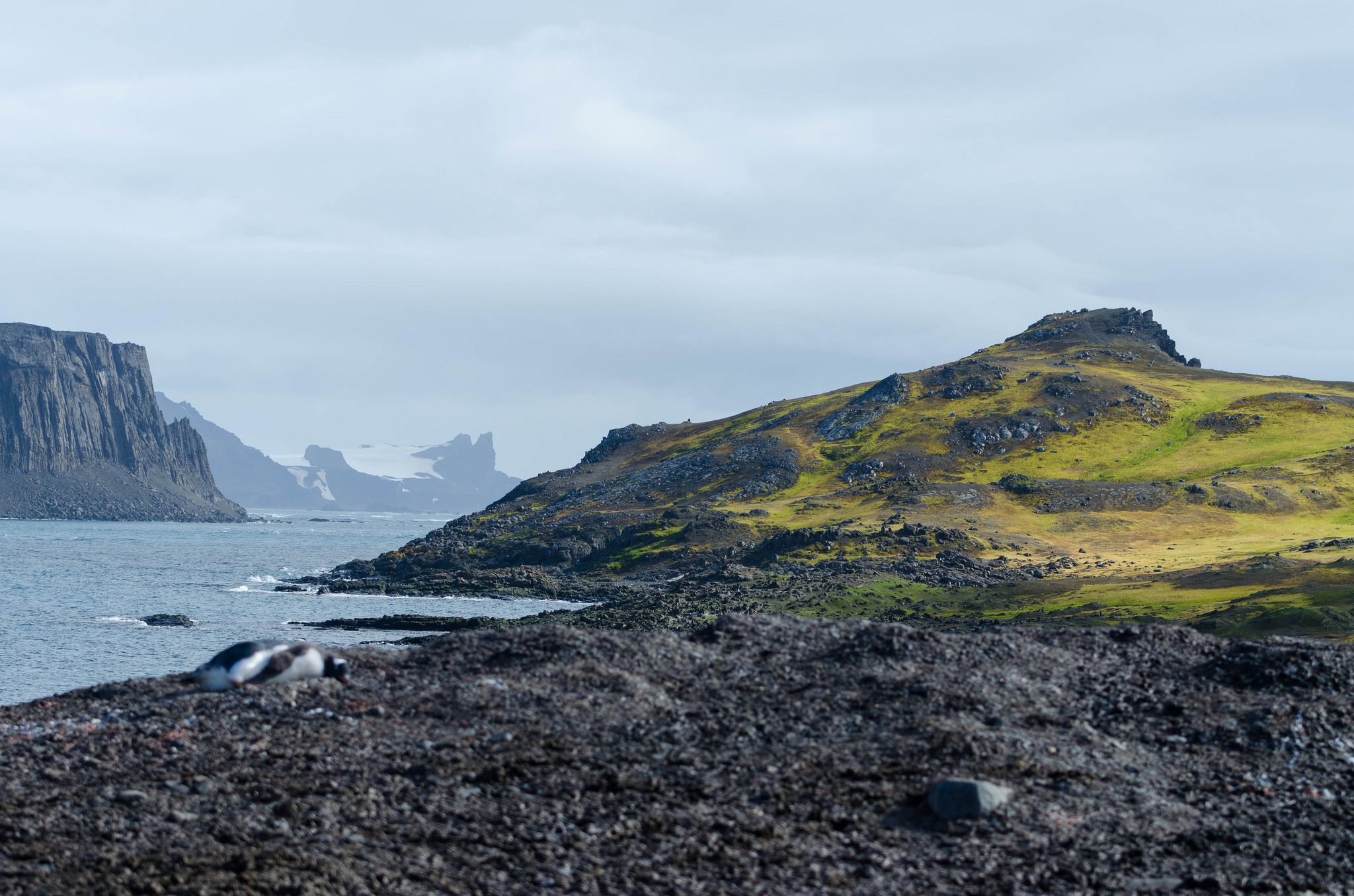
Antarctic greening

November 6, 2024 By EarthWise Leave a Comment

Antarctica is warming faster than the rest of the world

The Antarctic Peninsula, like other polar regions, is warming faster than the rest of the world.  Ocean heatwaves and ice loss are becoming more common and more severe.

New research by the universities of Exeter and Hertfordshire in the UK along with the British Antarctic Survey used satellite data to assess how much the Antarctic Peninsula has been greening in response to climate change.  The Antarctic Peninsula is an 800-mile extension of Antarctica toward the southern tip of South America.

The study found that the area of vegetation cover across the Peninsula increased from less than one square kilometer in 1986 to almost 12 square kilometers in 2021.  This greening trend accelerated by more than 30% in the period 2016-2021 relative to the entire 1986-2021 period.

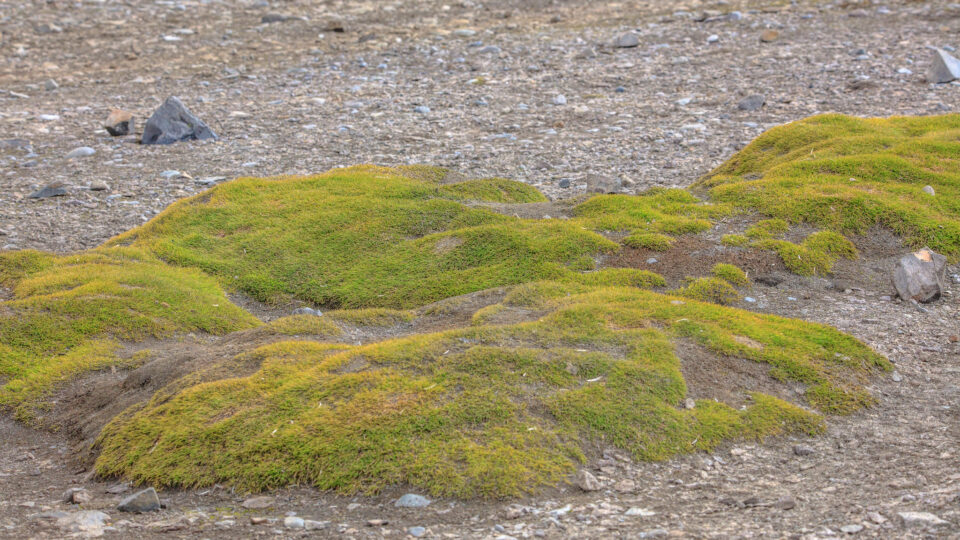
An earlier study also showed that the rates of plant growth on the Antarctic Peninsula has increased dramatically in recent decades.  The landscape is almost entirely dominated by snow, ice, and rock, with only a tiny fraction supporting plant life.  The plants found on the Peninsula – mostly mosses – grow in some of the harshest conditions on earth.  But that tiny fraction has greatly increased, showing that this isolated wilderness is being altered by climate change. 

The sensitivity of the Antarctic Peninsula’s vegetation to the changing climate is evident and as warming continues, there could be fundamental changes to the biology and landscape of this unique and vulnerable region.

**********

Web Links

Antarctic ‘greening’ at dramatic rate

Photo, posted June 2, 2018, courtesy of Murray Foubister via Flickr.

Earth Wise is a production of WAMC Northeast Public Radio
Canadian zombie fires

April 8, 2024 By EarthWise Leave a Comment

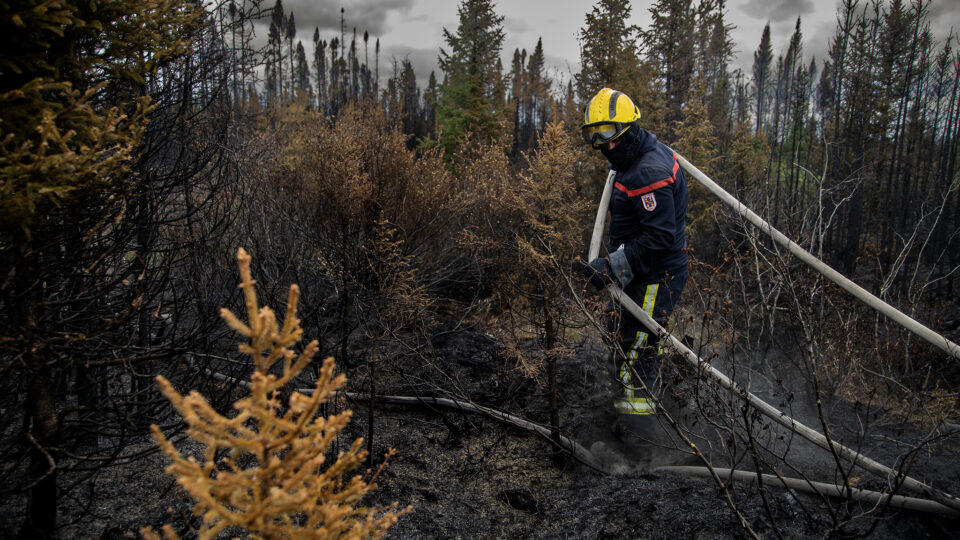
Canada’s 2023 wildfire season was the most destructive ever recorded.  Over 6,000 fires burned nearly 71,000 square miles of land from the West Coast to the Atlantic provinces.  The burned areas are roughly the size of the entire country of Finland and represent almost triple the amount burned in the previous year, which itself was a lot. Smoke from Canadian fires, particularly those in Quebec, blanketed many cities in the United States and made its way as far south as Florida.

An alarming aspect of the Canadian fire season is that it didn’t ever really end.  Late in the winter, 149 active wildfires are still burning across Canada.  92 are in British Columbia, 56 in Alberta, and one in New Brunswick.  In these places, the wildfire season is yearlong.

These overwintering fires have come to be known as zombie fires.  They burn slowly below the surface during the winter.  Many areas in the north contain porous peat and moss ground cover and these act as underground fuel for smoldering fires.

Wildfires have become more prevalent in Canada because the changing climate has brought about increases in the hot, dry, and gusty conditions that lead to drought.

Many of the zombie fires don’t pose an increased threat of triggering wildfires in the spring because they are in places that are already so charred that there is nothing left to burn.  But others are in drought areas that are basically tinder boxes ready to burst into flame once spring arrives.

Overall, Canadian government officials are warning that this year’s wildfire season is likely to be even worse than last year’s, particularly in the Western provinces of British Columbia and Alberta.

**********

Web Links

As ‘Zombie Fires’ Smolder, Canada Braces for Another Season of Flames

Photo, posted June 30, 2023, courtesy of P. McCabe / EU via Flickr.

Earth Wise is a production of WAMC Northeast Public Radio
Moss And Carbon Storage | Earth Wise

July 18, 2023 By EarthWise 1 Comment

All plants, including algae and cyanobacteria, carry out photosynthesis. During the process of photosynthesis, plants remove carbon dioxide from the air and release oxygen to the air.  As a result, plants play a crucial role in the fight against climate change. 

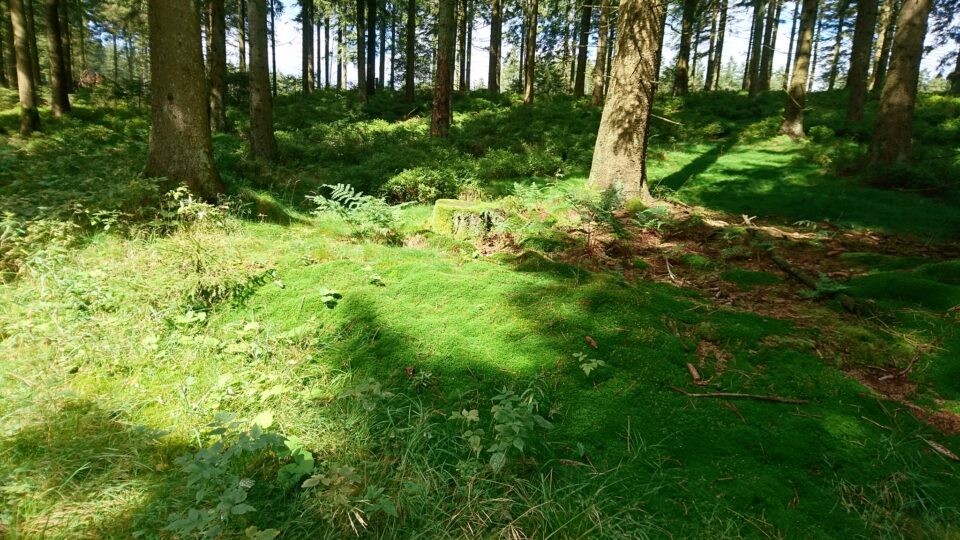
According to a new study recently published in the journal Nature Geoscience, mosses – those tiny plants often found on the ground or rocks – might be important antidotes to climate change.  The study, which was led by scientists from the University of New South Wales in Australia and the Institute of Natural Resources and Agrobiology in Spain, uncovered evidence that mosses have the potential to store a massive amount of carbon in the soil beneath them.

The researchers found that mosses sequester around seven billion tons more carbon in the soil than is stored in the bare patches of soil typically found near them.  To put that figure in perspective, that is six times the annual global carbon emissions caused by global land use change, which includes things like deforestation, urbanization, and mining.  The researchers also found that moss-covered soil possessed heightened levels of vital nutrients and fewer instances of soil-borne plant pathogens on average compared to moss-less soil.

Mosses cover an area of more than 3.6 million square miles, which is similar in size to Canada, and can thrive in challenging environments.  The widespread presence and hardiness of mosses is why they can have such a significant impact on soil biodiversity and carbon sequestration. 

The research team hopes future work will focus on understanding the role of all types of vegetation, not just mosses and trees, in capturing carbon.

**********

Web Links

Study: Modest moss supports billions of tons of carbon storage

Photo, posted August 23, 2017, courtesy of Peter Handke via Flickr.

Earth Wise is a production of WAMC Northeast Public Radio
 Restoring Biocrusts | Earth Wise

June 8, 2023 By EarthWise Leave a Comment

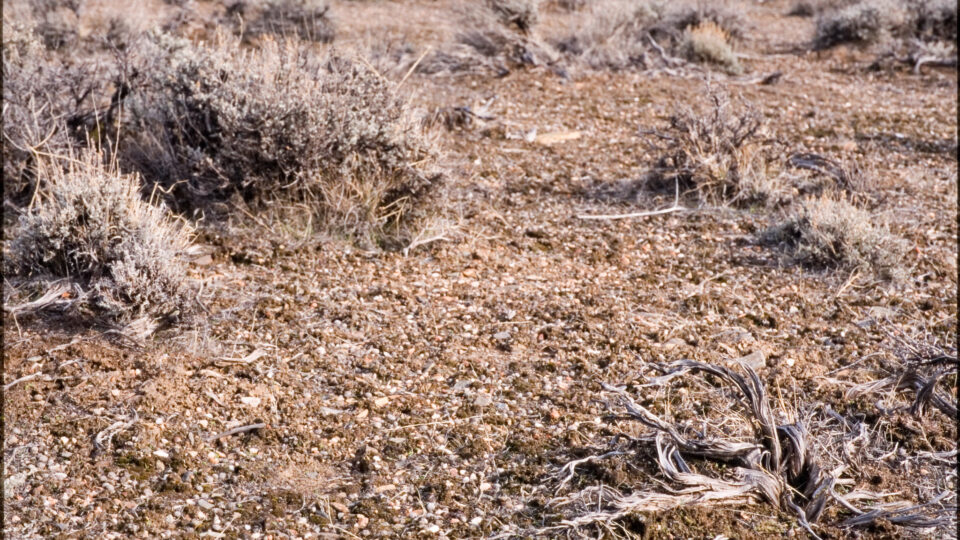
Biocrusts are complex ecosystems that form a thin layer on the surface of soils in arid and semiarid environments.  They are composed of variety of microbes including cyanobacteria, green algae, fungi, lichens, and mosses.  Biocrusts play a crucial role in maintaining soil health and ecosystem sustainability.

Biocrusts are under assault from human activities including agriculture, urbanization, and off-road vehicle use. Climate change is also placing stress on biocrusts, which are struggling to adapt to increasing temperatures.

Researchers at Arizona State University have proposed a novel approach to restoring healthy biocrusts.  Their idea is to make use of solar energy farms as nurseries for generating fresh biocrust.  The arrays of solar panels serve as shields from excessive heat and allow biocrusts to flourish and develop.  The newly generated biocrusts can then be used to replenish arid lands where the existing biocrusts have been damaged or destroyed.

When such biocrusts are harvested, the natural recovery process is rather slow, taking around six or eight years to fully recuperate.  But the researchers found that when harvested areas are reinoculated with the microbes, the biocrust cover can reach near-original levels within a year.

The ASU researchers demonstrated the viability of the approach in a three-year study at a solar farm in Arizona’s lower Sonoran Desert.  Based on their results, they conclude that the use of large solar farms for this purpose could provide a low-cost, low-impact, and high-capacity method to regenerate biocrusts and enable soil restoration on a regional scale.  They have dubbed their new approach as “crustivoltaics.”

**********

Web Links

Using solar farms to generate fresh desert soil crust

Photo, posted March 12, 2023, courtesy of Eric Peterson via Flickr.

Earth Wise is a production of WAMC Northeast Public Radio
Antarctica’s Hot Summer | Earth Wise

May 1, 2020 By EarthWise Leave a Comment

Extreme heat in Antarctica

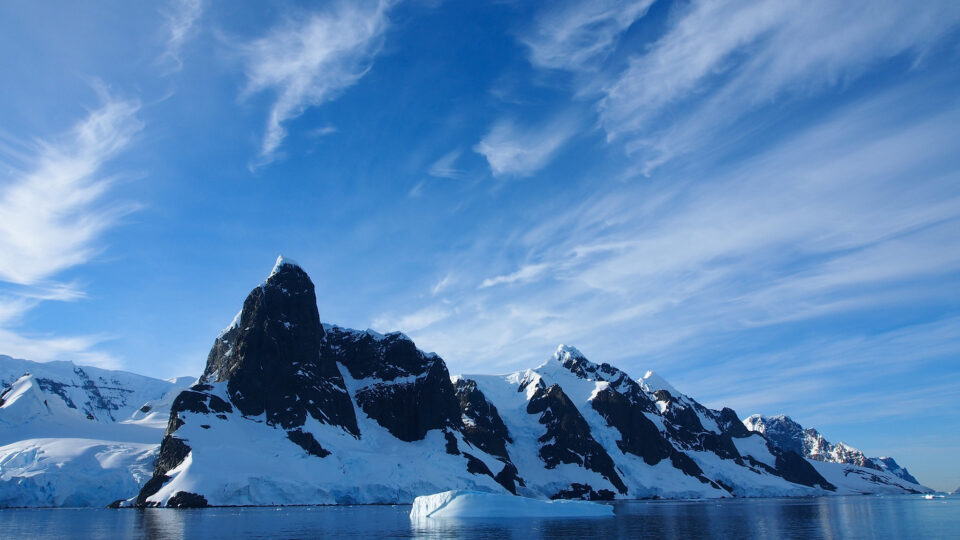
The Southern Hemisphere’s recent summer brought drought, heatwaves and bush-fires that ravaged Australia.  At the same time, Antarctica experienced a summer of extreme weather.

In East Antarctica, the Casey research station in the Australian Antarctic Territory had its first heatwave event, recording extreme maximum and minimum temperatures over three consecutive days in January.  Record high temperatures were also reported at bases on the Antarctic Peninsula.

The Casey station recorded a record high maximum temperature of 49 degrees Fahrenheit and a record overnight low of 36 degrees.  In February, Brazilian scientists reported a high temperature of 69 degrees at Marambio, an all-time record for Antarctica.

Ecologists say that the hot summer would most likely lead to long-term disruption of local populations, communities, and the broader ecosystem.  That disruption could be both positive and negative.

Most life in Antarctica exists in small ice-free oases and depends on melting snow and ice for a water supply.  Melt water from the warming temperatures will lead to increased growth and reproduction of mosses, lichens, microbes and invertebrates.

However, excessive flooding can dislodge plants and alter the composition of communities of invertebrates and microbial mats. If the ice completely melts early in the season, then ecosystems will suffer drought for the rest of the season.

Extreme events often have impacts for years after the event.  There will be long-term studies of the areas affected by the recent Antarctic heat wave. Such extreme events associated with global climate change are predicted to increase in frequency and impact, and even the most remote areas of the planet are not immune to them.

**********

Web Links

Antarctica’s summer of extreme heat

Photo, posted January 30, 2014, courtesy of Andreas Kambanis via Flickr

Earth Wise is a production of WAMC Northeast Public Radio.

Antarctica Is Getting Greener

June 29, 2017 By EarthWise

https://earthwiseradio.org/wp-content/uploads/2017/06/EW-06-29-17-Antarctica-is-Getting-Greener-1.mp3

The frozen landscape of Antarctica is getting greener.  Researchers drilling into layers of moss that have been accumulating in Antarctica over the last 150 years have found that the growth rate of the moss has been speeding up over the past 50 years.

[Read more…] about Antarctica Is Getting Greener

Primary Sidebar

Recent Episodes

  • An uninsurable future
  • Clean energy and jobs
  • Insect declines in remote regions
  • Fossil fuel producing nations ignoring climate goals
  • Trouble for clownfishes

WAMC Northeast Public Radio

WAMC/Northeast Public Radio is a regional public radio network serving parts of seven northeastern states (more...)

Copyright © 2026 ·