• Skip to primary navigation
  • Skip to main content
  • Skip to primary sidebar

Earth Wise

A look at our changing environment.

  • Home
  • About Earth Wise
  • Where to Listen
  • All Articles
  • Show Search
Hide Search
You are here: Home / Archives for monarch

monarch

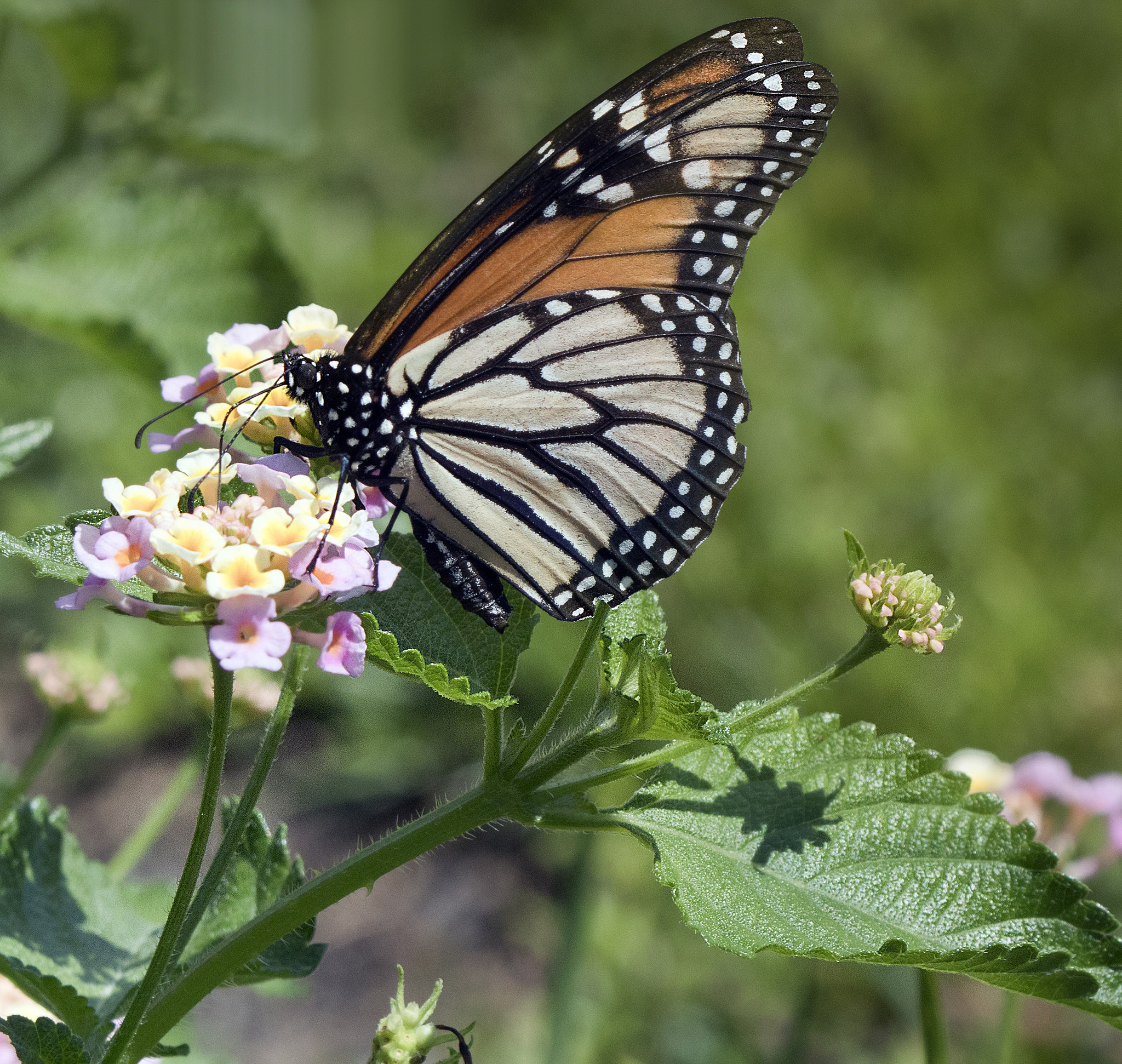
Confusion about monarch butterflies

February 9, 2024 By EarthWise Leave a Comment

For years, we have heard that the iconic monarch butterfly is in great peril.  Monarchs east of the Rocky Mountains undertake a 4-generation, 3,000-mile migration in late summer to their winter home in central Mexico.  Since the 1990s, the overwintering monarch colonies began a steep decline causing scientists to fear for the sustainability of the species.  Trying to help, ordinary citizens have been planting milkweed – the food for the caterpillars – and have been rearing eggs and caterpillars on their porches and releasing adult butterflies.

A number of recent studies have rocked the world of monarch science.  A growing group of scientists now believe that monarchs are not in fact imperiled and that the home rearing and commercial breeding of monarchs is actually a major threat to the butterfly.

According to a comprehensive 2022 study, there has been no sharp decline in Eastern monarch populations across their summer breeding range.  The long-term declines in winter colony sizes are real but do not appear to be affecting the collective breeding population of Eastern monarchs. 

An undisputed major threat to monarchs is a parasite known as OE, which weakens butterflies and also makes it unlikely for them to complete migrations.  It turns out that overcrowding of butterflies resulting from the efforts of backyard and commercial breeders is increasing the spread of the disease.  The butterflies are in need of social distancing.

Monarch scientists are split into two camps.  One group calls for the protection of the butterfly under the Endangered Species Act.  The other says that what monarchs most need is for us to leave them alone.  It is a confusing situation.

**********

Web Links

Rethinking Monarchs: Does the Beloved Butterfly Need Our Help?

Photo, posted October 1, 2021, courtesy of Renee Grayson via Flickr.

Earth Wise is a production of WAMC Northeast Public Radio
Aphids And Monarchs | Earth Wise

September 15, 2023 By EarthWise Leave a Comment

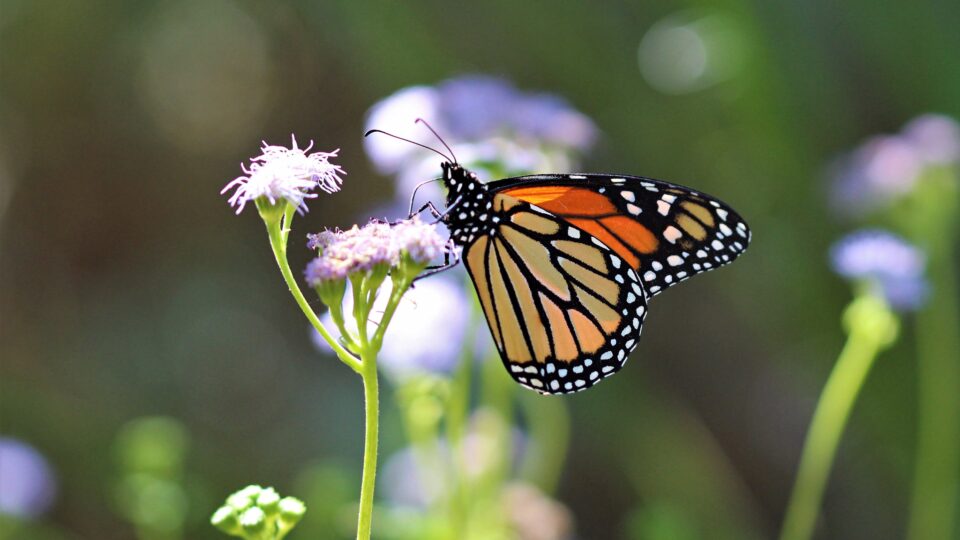
Aphids are negatively impacting monarch butterfly populations

Last year, the monarch butterfly was officially designated as endangered by the International Union for Conservation of Nature.  Estimates are that the overall population of the species has dropped between 20% and 90% over the past several decades. 

The migratory western population of monarchs is at the greatest risk of extinction, having declined by as much as 99.9% between the 1980s and 2021.  Legal and illegal logging and deforestation to make space for agriculture and urban development has destroyed much of the butterflies’ winter shelter in Mexico and California and pesticides and herbicides throughout the butterflies’ range kills both the butterflies and the milkweed that their larvae feed on.

A new study by the University of Florida has found that aphids feeding on the milkweed that grows across the southern portions of the US causes the butterflies to lay fewer eggs on the plants and the caterpillars developing on those plants were slower to mature.  The study showed that monarch laid three times as many eggs on aphid-free plants as they did on aphid-infested plants.

For years, there have been efforts to plant milkweed in urban areas to support monarch populations.  However, aphids and other insect pests often reach high densities on plants in urban settings. 

The researchers are advising home gardeners in the southern U.S. who want to conserve monarch butterflies to make use of safe techniques to limit aphid populations such as insecticidal soap.  This may not always be an option and the researchers are investigating other options to keep aphids at low levels that aren’t harmful to monarchs.

**********

Web Links

Aphids make tropical milkweed less inviting to monarch butterflies, study finds

Photo, posted October 12, 2018, courtesy of Renee Grayson via Flickr.

Earth Wise is a production of WAMC Northeast Public Radio
The Plight Of Monarch Butterflies | Earth Wise

April 20, 2022 By EarthWise Leave a Comment

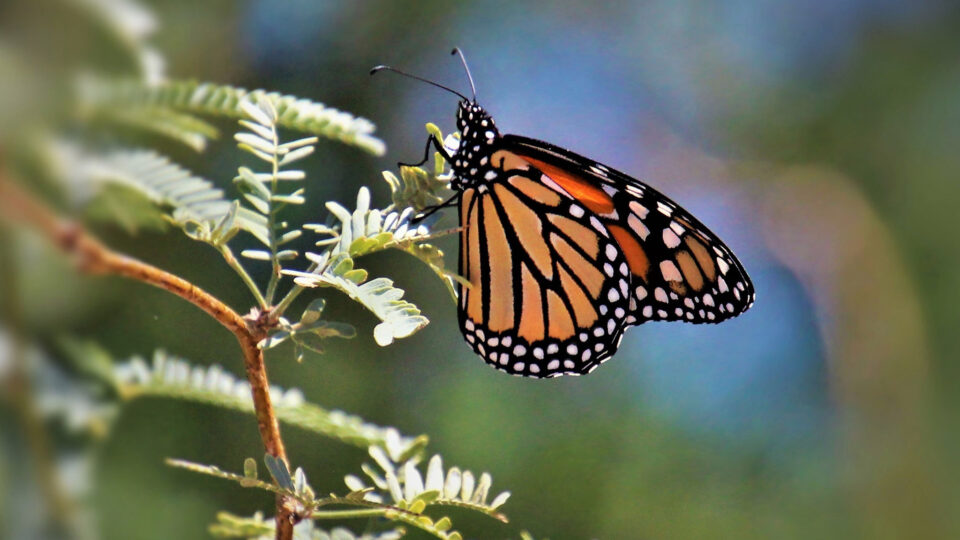
The monarch butterfly is one of the world’s best-known butterflies and has become the symbol for a whole class of imperiled pollinators.  Populations of the iconic orange-and-black insects have declined dramatically in recent decades. 

According to the U.S. Fish and Wildlife Service, the eastern monarch population has dropped 88% between 1996 and 2020.  Habitat loss, pesticide use, and global climate change are some of the factors driving monarch butterfly population declines. 

According to a new study led by scientists at Emory University, monarch butterflies are also increasingly plagued by a debilitating parasite.  The study, which was recently published in The Journal of Animal Ecology, reviewed 50 years of data on the infection rate of wild monarch butterflies by the protozoan Ophryocystis elektrosirrha (or O.E.).  The research team found that the O.E. infection rate had increased from less than 1% of the eastern monarch population in 1968 to as much as 10% today.

The O.E. parasite invades the gut of monarch caterpillars.  If the adult butterfly leaves the pupal stage with a severe parasitic infection, it begins oozing fluids from its body and dies. If the infection is lighter and the butterfly survives, it will not fly as well or live as long as uninfected butterflies.  

The study found that one of the contributors to the rise in parasitism is the increased density of monarchs in places where they lay their eggs.  The increased density may be due to several factors, including the loss of habitat, the widespread planting of non-native milkweed, and by people raising large numbers of monarchs in confined spaces. 

If the infection rate continues to increase, monarch butterfly populations will likely continue to plummet. 

**********

Web Links

Monarch butterflies increasingly plagued by parasites

Plight of the Monarch

Saving The Monarch Butterfly

Photo, posted September 18, 2008, courtesy of Roy Niswanger via Flickr.

Earth Wise is a production of WAMC Northeast Public Radio.

The Monarch Highway

August 24, 2017 By EarthWise

https://earthwiseradio.org/wp-content/uploads/2017/08/EW-08-24-17-The-Monarch-Highway.mp3

We have talked about the monarch butterfly on a number of occasions.  The population of these iconic orange and black butterflies in North America has plummeted from 1 billion to 33 million over the past 20 years.  People have undertaken a variety of efforts to try to save the species but now a major project to restore the dwindling habitat of the monarch is underway.

[Read more…] about The Monarch Highway

Primary Sidebar

Recent Episodes

  • An uninsurable future
  • Clean energy and jobs
  • Insect declines in remote regions
  • Fossil fuel producing nations ignoring climate goals
  • Trouble for clownfishes

WAMC Northeast Public Radio

WAMC/Northeast Public Radio is a regional public radio network serving parts of seven northeastern states (more...)

Copyright © 2026 ·