• Skip to primary navigation
  • Skip to main content
  • Skip to primary sidebar

Earth Wise

A look at our changing environment.

  • Home
  • About Earth Wise
  • Where to Listen
  • All Articles
  • Show Search
Hide Search
You are here: Home / Archives for medicines

medicines

The Captive Lion Problem | Earth Wise

September 25, 2023 By EarthWise Leave a Comment

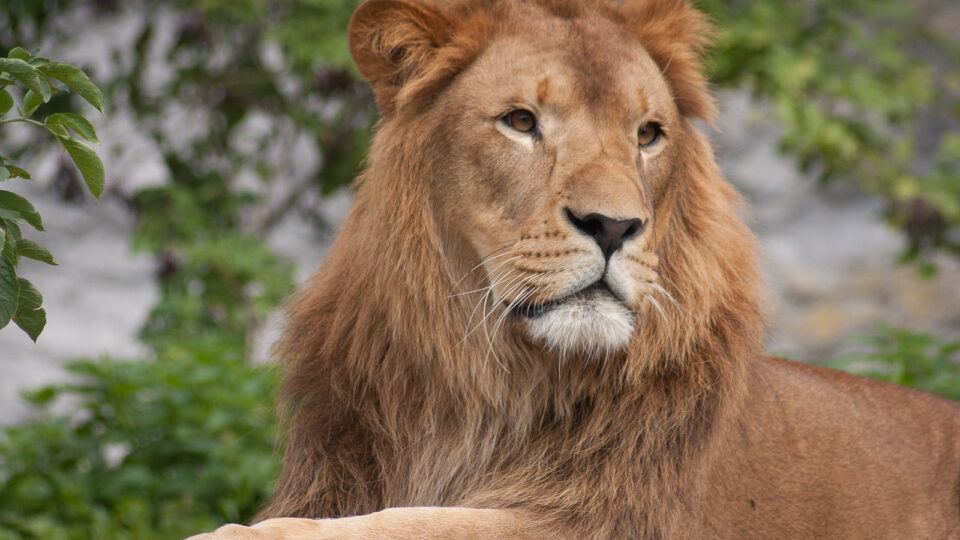
In the 1990s, there was rapid growth in South Africa of the private wildlife industry.  Large numbers of cattle, sheep, and goat ranchers replaced their domestic livestock with wild animals that wealthy hunters would pay lots of money to shoot.  Lions were among the most prized targets for these people.  Over time, hundreds of ranchers became involved in the business of breeding large numbers of the big cats in cages or small enclosures.  Wealthy clients paid $25,000 to $40,000 to shoot a captive-bred lion – cheaper than the cost of a true wild lion hunt and much easier too.  The animals were not afraid of humans and were easy to find.

By 2015, about 200 ranches held at least 8,000 captive-bred lions.  Over 600 were trophy-hunted that year, generating about $16 million in trophy fees, mostly from Americans.

Journalists and conservationists exposed poor conditions on many lion farms and many other abuses.  Over time, the South African government cracked down on the export of lion bones and other body parts for taxidermy, traditional Chinese medicine, and other uses.  The days of captive lion breeding seemed numbered but shutting down the lucrative industry is not easy.

Wild lions in South Africa are not endangered.  In fact, existing sanctuaries and preserves have as many lions as they can sustain.  What to do with thousands of captive lions is a real problem.  Some have suggested mass euthanasia, but that appalling idea has garnered very little support.  The future of these animals still hangs in the balance and so far, there are really no truly desirable solutions in the offing.

**********

Web Links

If South Africa Ends Lion Breeding, What to Do With Captive Cats?

Photo, posted August 21, 2011, courtesy of Leszek Leszczynski via Flickr.

Earth Wise is a production of WAMC Northeast Public Radio

Can All Plant Species Survive? | Earth Wise 

June 9, 2023 By EarthWise Leave a Comment

Many animal populations around the world are struggling and people are mostly to blame.  Species are declining because of all sorts of things including changes in land and sea use, pollution, invasive species, and climate change.

Like many animal species, plants are also struggling to adapt to a human-dominated world.  Plants provide the planet with food, oxygen, and energy, and are used to produce fibers, building materials, and medicines.  Even though plants are easier and cheaper to protect, they are often overlooked in conservation efforts. 

According to a paper recently published in the journal Trends in Plant Science, preventing all future land plant extinctions across the globe is possible with the right approaches.  The author of the paper, Richard Corlett of the Xishuangbanna Tropical Botanical Garden in China, writes that “if zero extinction is potentially achievable for plants, a less ambitious target would be inexcusable.” 

According to the paper, one big barrier in plant conservation is the lack of trained specialists, especially in tropical areas where there is a backlog of unidentified species.  It’s likely that many “dark extinctions,” which is when species slip away without us knowing they existed, have already occurred.

Another roadblock in preventing plant extinctions is information access, which can be solved by building an online “metaherbarium.”  This collaborative database would link digitized records from herbarium specimens with photographs, status assessments, and recovery plans.

Finally, the creation of “microreserves” – which are tiny pieces of protected land designed to get around space constraints – would further contribute to effective conservation of targeted plant species. 

Zero plant extinctions should be the goal.   

**********

Web Links

‘Zero plant extinction’ is possible, says plant ecologist

Photo, posted May 16, 2008, courtesy of Andrew Otto via Flickr.

Earth Wise is a production of WAMC Northeast Public Radio
Antibiotics In Animal Agriculture | Earth Wise

April 13, 2023 By EarthWise Leave a Comment

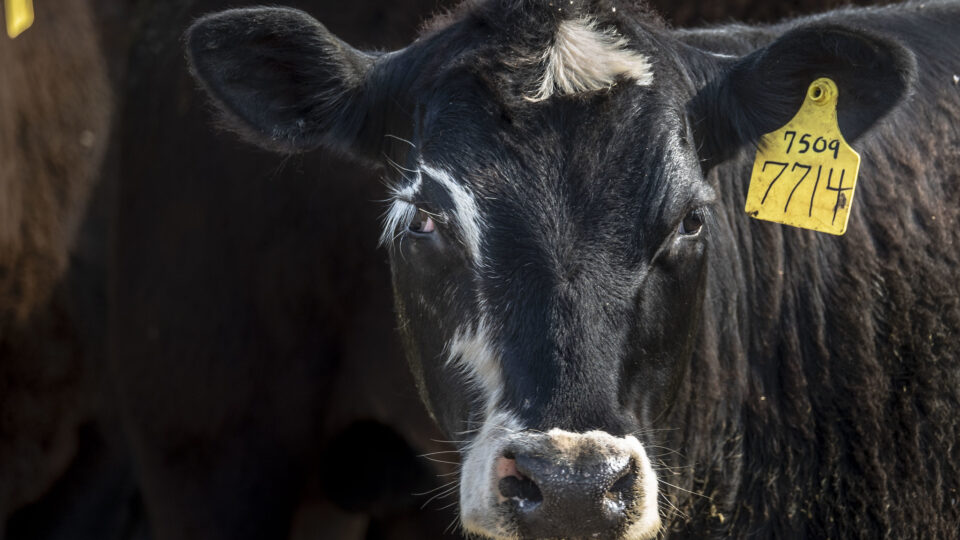
In animal agriculture, farmers use antibiotics to treat, prevent, and control animal diseases, and to increase the productivity of their operations.  According to the FDA, approximately 80% of all antibiotics sold in the U.S. are purchased for use in food-producing animals. 

The routine administration of antibiotics to farm animals for non-therapeutic purposes promotes the development of antibiotic-resistant bacteria, with repercussions for human and animal health.  As antibiotic-resistant bacteria spreads, medicines used to treat human diseases can become less effective. 

According to a new study led by researchers from the University of Washington, a California policy restricting the use of antibiotics in farm animals is associated with a reduction in one type of antibiotic-resistant infection in people in the state.  The findings, recently published in the journal Environmental Health Perspectives, suggest that regulations limiting the use of antibiotics in livestock can significantly impact human health. 

In 2018, California Senate Bill 27 banned routine preventive use of antibiotics in food-animal production and any antibiotic use without a veterinarian’s prescription.  Last year, the European Union passed a law restricting antibiotic use to only sick animals on farms.  And coming this June, most antibiotics – those that are medically important to humans and animals – will be by prescription only in the United States.  

Despite these changes, antibiotic resistance is projected to remain one of the biggest threats to human health over the next 50 years because resistance continues to grow and few new antibiotics are coming online. 

**********

Web Links

Restricting antibiotics for livestock could limit spread of antibiotic-resistant infections in people

Ranchers should prepare now for 2023 animal antibiotic guidelines

Photo, posted May 8, 2018, courtesy of Preston Keres / USDA via Flickr.

Earth Wise is a production of WAMC Northeast Public Radio

Agroforestry

December 27, 2018 By EarthWise 2 Comments

https://earthwiseradio.org/wp-content/uploads/2018/12/EW-12-27-18-Agroforestry.mp3

It has become increasingly evident that reducing carbon dioxide emissions is not happening quickly enough to prevent runaway climate change and that negative emission techniques will need to be utilized as well.  Negative emissions means removing carbon dioxide that is already in the atmosphere.

[Read more…] about Agroforestry

Whale Sharks

September 9, 2016 By WAMC WEB

https://earthwiseradio.org/wp-content/uploads/2016/08/EW-09-09-16-Whale-Sharks.mp3

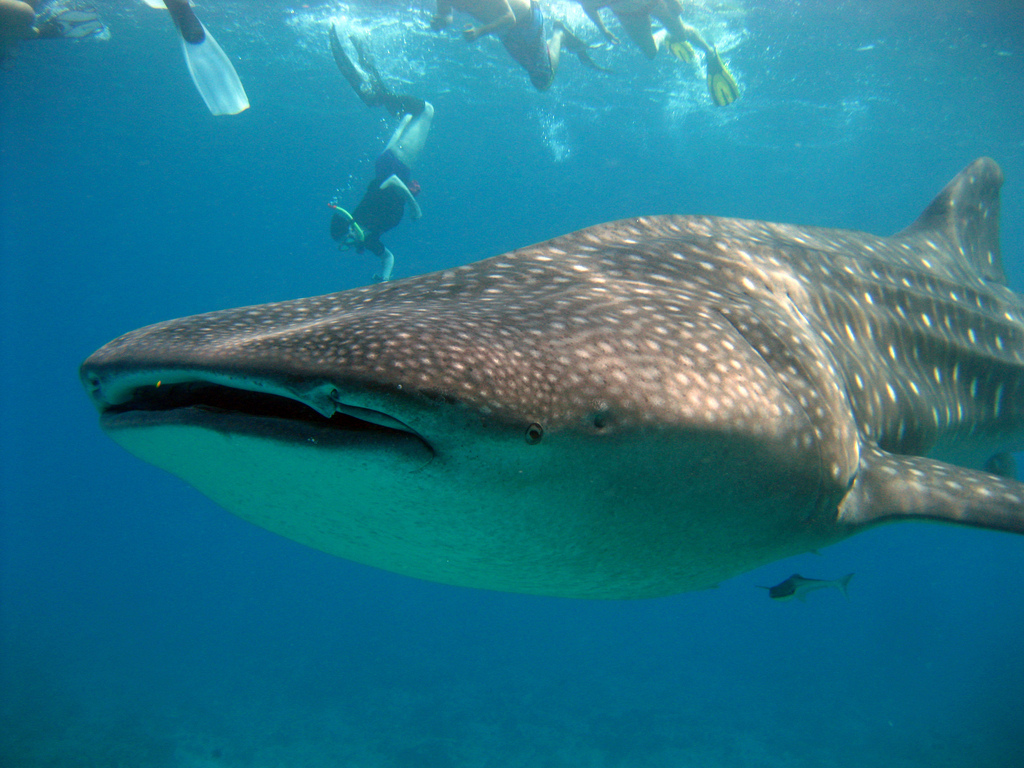
Whale sharks are the largest fish in the sea.  They can grow more than 40 feet in length, weigh up to 47,000 lbs, and have a lifespan of about 70 years.  They can be found cruising in the open waters of tropical oceans.  But despite being enormous, whale sharks are no threat to humans.  The docile beasts, which feed almost exclusively on plankton, have often been referred to as “gentle giants.”

[Read more…] about Whale Sharks

Primary Sidebar

Recent Episodes

  • An uninsurable future
  • Clean energy and jobs
  • Insect declines in remote regions
  • Fossil fuel producing nations ignoring climate goals
  • Trouble for clownfishes

WAMC Northeast Public Radio

WAMC/Northeast Public Radio is a regional public radio network serving parts of seven northeastern states (more...)

Copyright © 2026 ·