• Skip to primary navigation
  • Skip to main content
  • Skip to primary sidebar

Earth Wise

A look at our changing environment.

  • Home
  • About Earth Wise
  • Where to Listen
  • All Articles
  • Show Search
Hide Search
You are here: Home / Archives for maps

maps

Artificial intelligence and lost oil wells

January 2, 2025 By EarthWise Leave a Comment

Using artificial intelligence to find lost and abandoned oil wells

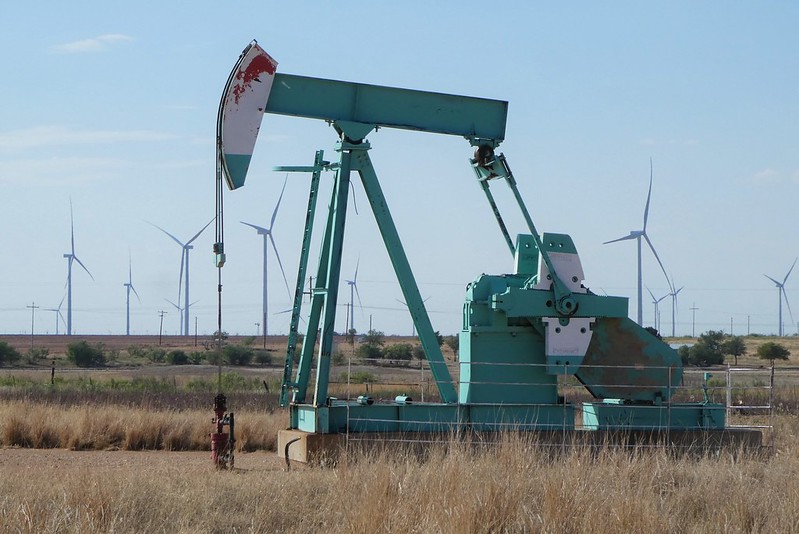
There have been commercial oil and gas wells across the United States for 170 years.  Researchers estimate that there are between two and three million wells that have been abandoned.  There are hundreds of thousands of them, across 27 states, that are “orphaned,” meaning that they are uncapped, unproductive, and nobody is responsible to manage their leakage or pollution.

Many are undocumented orphaned wells – UOWs – that are not listed in formal records and are basically out of sight and out of mind.  Besides having nobody responsible for them, nobody even knows where they are.  But they are potential sources of oil and chemical leaks into nearby water sources and can send toxic substances like benzene and hydrogen sulfide into the air. 

Researchers are using modern tools like drones, laser imaging, and advanced sensors to try to locate UOWs.  But these wells are scattered over an area of more than three million square miles.

To better predict where to look for undocumented wells, researchers are combining historical topographic maps with artificial intelligence. The US Geological Survey has scanned 190,000 topographic maps made between 1884 and 2006.  AI is being used to find the symbols for oil and gas wells on the maps.  People can recognize these symbols easily, but there are just too many maps to look at.  The problem is equivalent to finding a needle in a haystack; there is just an awful lot of hay to look through.

Abandoned wells are a big problem and it will take lots of modern technology to try to solve it.

**********

Web Links

AI Helps Researchers Dig Through Old Maps to Find Lost Oil and Gas Wells

Photo, posted August 16, 2022, courtesy of Larry Syverson via Flickr.

Earth Wise is a production of WAMC Northeast Public Radio
Tracking Global Forest Changes | Earth Wise

January 30, 2023 By EarthWise Leave a Comment

Using deep learning to track global forest changes

India is one of the most biodiverse countries in the world.  An estimated 47,000 plant species and 89,000 animal species can be found in India, with more than 10% of each thought to be on the list of threatened species.

India is also one of the 10 most forest-rich countries in the world.  Trees cover approximately 25% of the nation.  But this is still a significant decline from years past.  In fact, between the 1890s and 1990s, a combination of rapid development and resource overexploitation caused India to lose nearly 80% of its native forest area.  Today, as India’s forests continue to disappear, researchers are trying to help preserve what forest remains. 

Using satellite-monitoring data, researchers from The Ohio State University have developed a deep learning algorithm that could provide real-time land use and land cover maps for parts of India. 

The land use monitoring system was trained using satellite data from Norway’s International Climate and Forests Initiative.  By combining this data with a global land cover map produced by Tsinghua University in China, the researcher team’s deep learning model was able to acquire a more detailed type of base map of the area.  Using their model, the researchers were able to process 10 monthly maps.  Their research was recently  presented at the annual meeting of the American Geophysical Union.   

Using these maps, the researchers were able to detect seasonal shifts across india.  These include changes to barren land, how crop land was affected by monsoons, and the distribution of forests in mountainous regions. 

Understanding the impact of these seasonal changes will help scientists better predict the effects of climate change on forests.

**********

Web Links

Using deep learning to monitor India’s disappearing forest cover

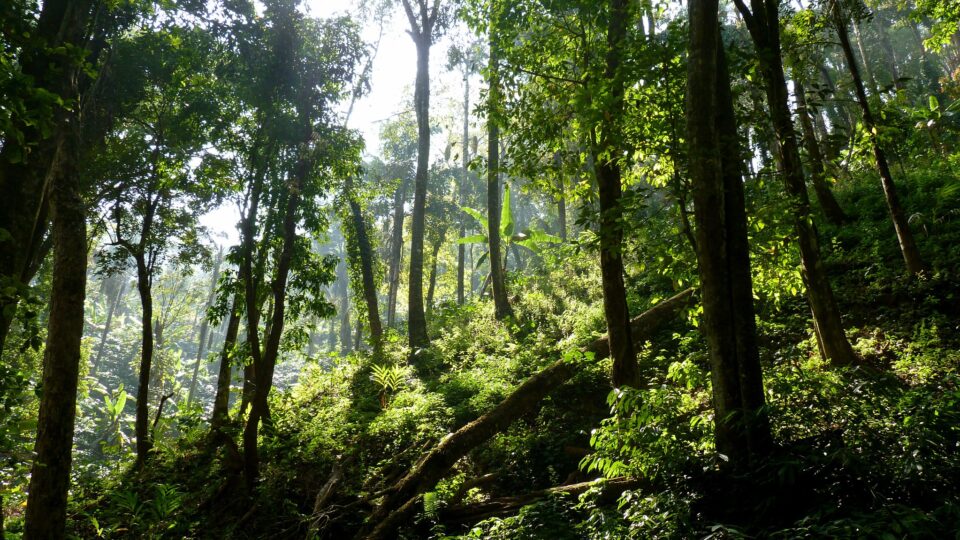
Photo, posted January 20, 2013, courtesy of Frontier Official via Flickr.

Earth Wise is a production of WAMC Northeast Public Radio

Mapping Emerging Infectious Diseases

July 12, 2016 By WAMC WEB

https://earthwiseradio.org/wp-content/uploads/2016/07/EW-07-12-16-Mammal-Map-Disease-.mp3

Ebola. Hantavirus. Lyme disease. What do they have in common? Like most emerging infectious diseases, they originated in mammals. So many debilitating pathogens make the jump from wildlife and livestock to humans, yet at the global scale little is known about where people are most at risk of outbreaks.

[Read more…] about Mapping Emerging Infectious Diseases

Human-Caused Earthquakes

May 10, 2016 By WAMC WEB

https://earthwiseradio.org/wp-content/uploads/2016/05/EW-05-10-16-Human-Caused-Earthquakes.mp3

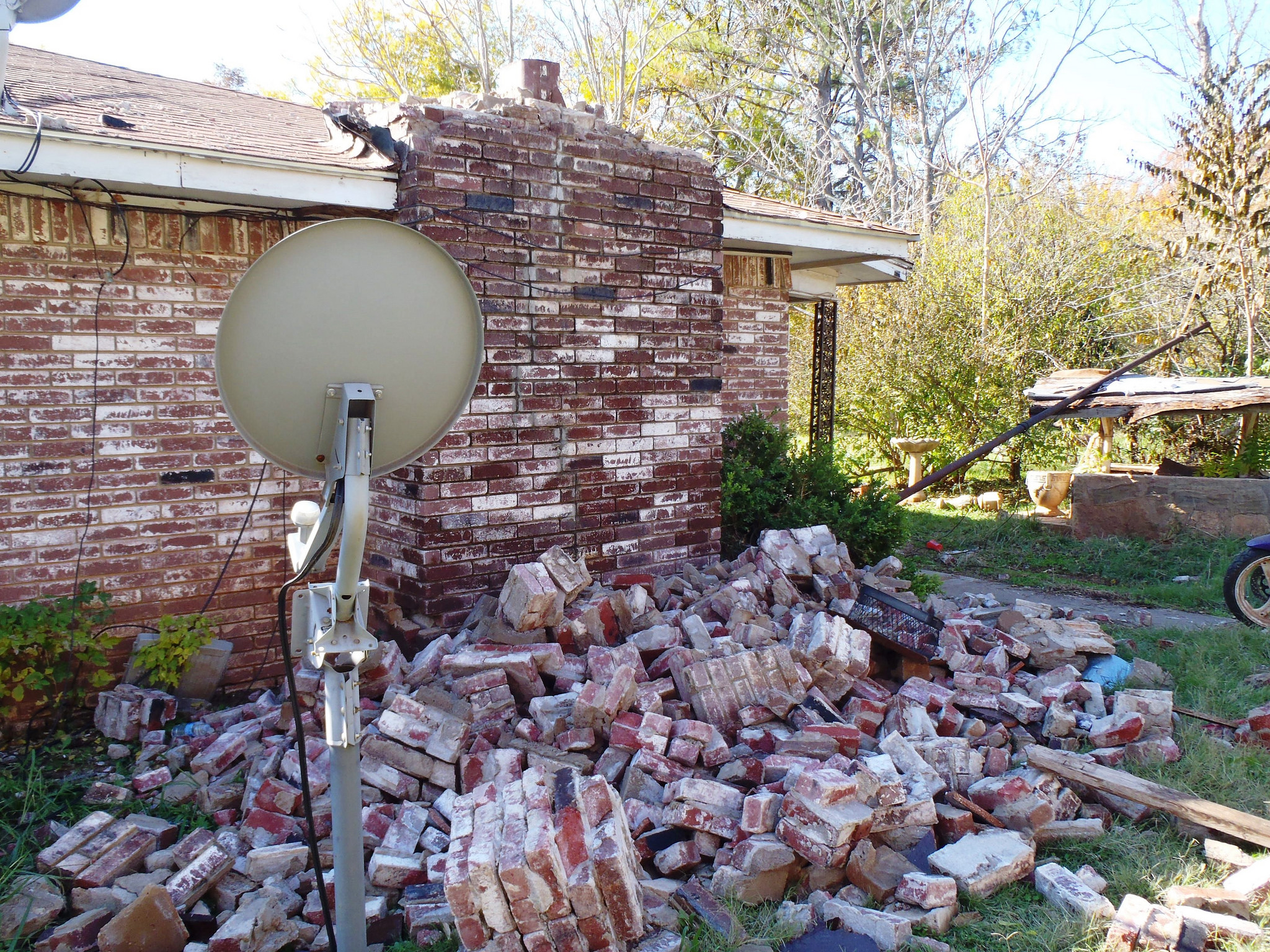
Oklahoma has had its share of disasters over the years.  It has seen tornado outbreaks, massive wildfires, huge dust storms and even onslaughts of tumbleweeds.  But one thing it was not known for is earthquakes.

[Read more…] about Human-Caused Earthquakes

Primary Sidebar

Recent Episodes

  • An uninsurable future
  • Clean energy and jobs
  • Insect declines in remote regions
  • Fossil fuel producing nations ignoring climate goals
  • Trouble for clownfishes

WAMC Northeast Public Radio

WAMC/Northeast Public Radio is a regional public radio network serving parts of seven northeastern states (more...)

Copyright © 2026 ·