• Skip to primary navigation
  • Skip to main content
  • Skip to primary sidebar

Earth Wise

A look at our changing environment.

  • Home
  • About Earth Wise
  • Where to Listen
  • All Articles
  • Show Search
Hide Search
You are here: Home / Archives for manatee

manatee

Manatees are not Florida natives

December 20, 2024 By EarthWise 1 Comment

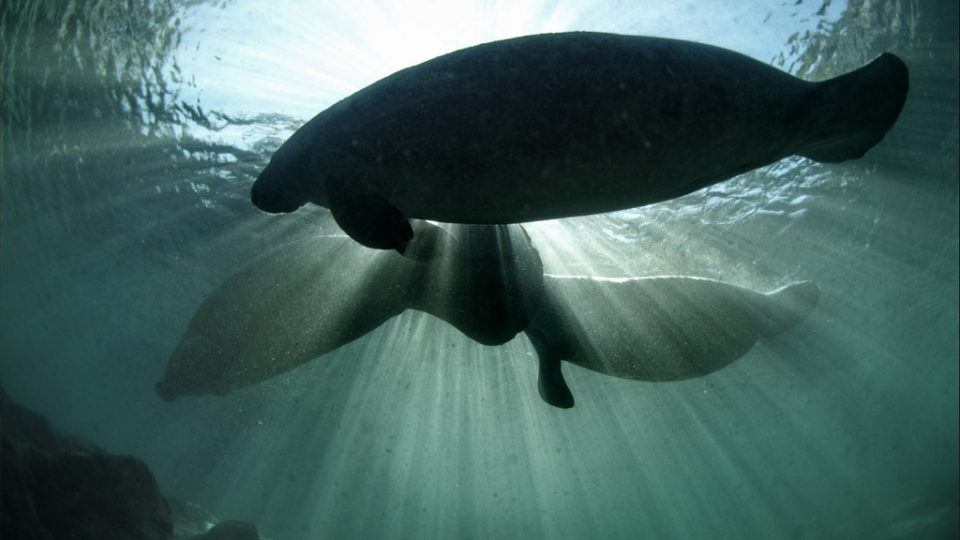
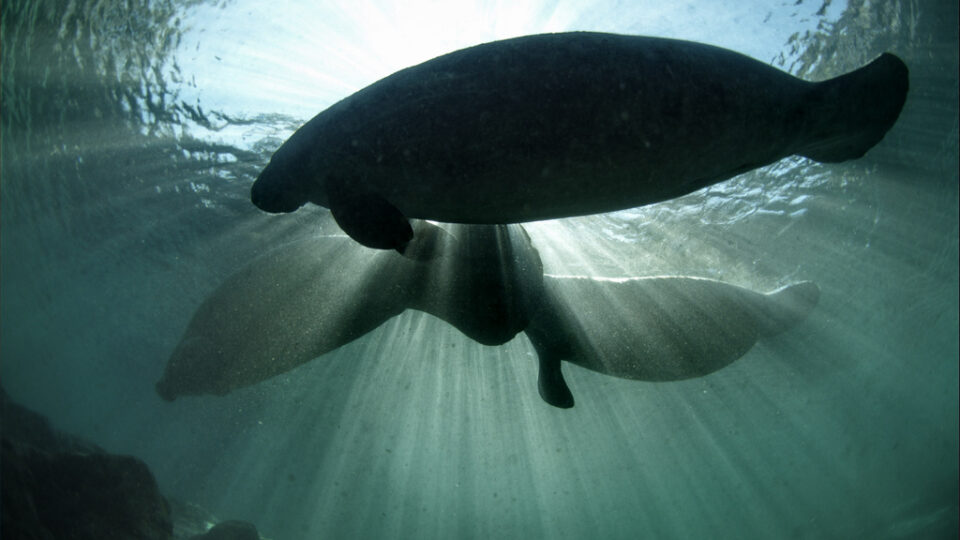
Manatees might not be native to Florida

Florida is very proud of its manatees.  It has a county named after them and has pictures of them on license plates.  These gentle creatures are part of Florida culture.  But recent research indicates that manatees – also known as sea cows – might only be relatively recent residents of the Sunshine State.

Manatees have been spotted in Florida waters for several centuries but might have only been tourists visiting briefly before returning to their home waters in the Caribbean in places like Cuba.

The new research suggests that manatees might not have actually taken up residence in Florida until after Europeans colonized the area in the 1500s.  There is a rarity of manatee bones on archaeological sites that date back further.  It was particularly striking that Crystal River, which is an epicenter for modern manatee populations, had little evidence of their presence in earlier times.

Even into the early 1900s, Florida newspaper reports treated manatee sightings as a spectacle rather than a common occurrence.  In the 1920s and 1930s, there started to be more routine sightings in places like yacht basins and canal harbors.  In the 1950s, manatees became more plentiful in Tampa Bay and Crystal River. The warming waters and human activities creating shallow warm water refuges increased manatee populations, particularly near places like power plants.

The current Florida manatee population is between 8,000 and 12,000 and is classified as threatened under the Endangered Species Act, an improvement over its previous endangered status.  But pollution is killing a lot of the seagrass that they eat, and their safety is by no means assured.

**********

Web Links

Why manatees are likely not Florida natives

Photo, posted March 25, 2012, courtesy of David Hinkel / USFWS via Flickr.

Earth Wise is a production of WAMC Northeast Public Radio
Tropical Species Moving North | Earth Wise

April 19, 2021 By EarthWise Leave a Comment

Tropical species heading north as the climate changes

Climate change is leading to warmer winter weather throughout the southern U.S., providing opportunities for many tropical plants and animals to move north.  A new study by scientists at UC Berkeley looked at the changing distribution of tropical species driven by the warming climate.

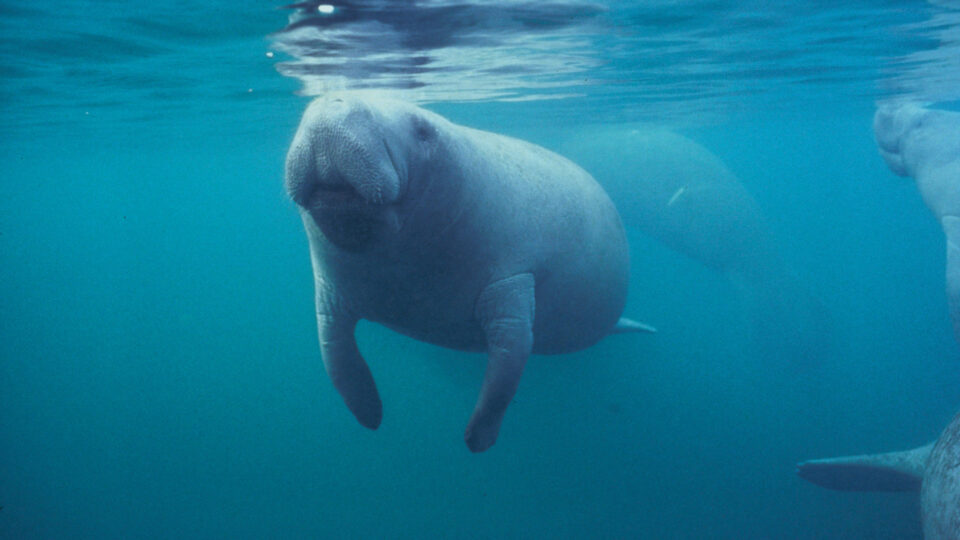
Some species are appreciated in their new locations, such as sea turtles and the Florida manatee, which are gradually moving northward along the Atlantic Coast.  Others, like the invasive Burmese python are not so welcome.  That goes double for many insects, such as the mosquitoes that carry diseases like the West Nile virus, Zika, dengue, and yellow fever, as well as beetles that destroy native trees.

The transition zone, northward of which experiences freezes every winter, has always been a barrier to species native to more temperate places.  For most organisms in such places, if they freeze, they die.  Cold snaps like the recent one in Texas usually don’t happen for decades and are now likely to be less and less frequent.  In the meantime, tropical species can get more and more of a foothold and maybe even develop populations that can tolerate more cold extremes in the future.

The warming climate is leading many plant species to expand their ranges, in some cases pushing out native species.  The general story is that the species that do really well are the more generalist species whose host plants or food sources are quite varied or widely distributed and can tolerate a wide range of conditions.  By definition, they tend to be the pest species.

We need to prepare for widespread shifts in the distribution of biodiversity as climate, including winter climate, changes.

**********

Web Links

Tropical species are moving northward as winters warm

Photo, posted May 7, 2010, courtesy of Jim Reid / USFWS via Flickr.

Earth Wise is a production of WAMC Northeast Public Radio.

The Decline Of Earth’s Largest Freshwater Creatures

September 23, 2019 By EarthWise Leave a Comment

While nearly 70% of the globe is covered by water, only 2.5% of it is freshwater.  The rest is saline and ocean-based.  And only 1% of our freshwater is easily accessible, with much of it locked away in snowfields and glaciers.  

Despite freshwater only making up a small fraction of all water on the planet, it’s home to one third of all vertebrate species.  Some have survived hundreds of millions of years, but many of the world’s largest freshwater creatures – including fish, reptiles, amphibians, and mammals – may soon find themselves on the brink of extinction.

According to a study recently published in the journal Global Change Biology, scientists from the Leibniz-Institute of Freshwater Ecology and Inland Fisheries and international colleagues have quantified the global decline of freshwater megafauna for the first time.  In four decades since 1970, the global populations of these freshwater giants have declined 88% – twice as much as the loss of vertebrate populations on land or in the oceans. 

Freshwater megafauna include all freshwater animals that weigh 30 kilograms (about 66 pounds) or more, such as certain dolphins, beavers, crocodiles, turtles and sturgeons.

Overexploitation is one of the main threats to freshwater megafauna.  (These animals are often targeted for their meat, eggs, and skin).  The other main threat is the loss of free-flowing rivers. Many of the world’s large rivers are already highly fragmented, which impacts access to spawning and feeding grounds.  The research team says another 3700 large dams are planned or under construction, including 800 in habitats rich with freshwater megafauna, including the Amazon, Congo, and Ganges river basins.

Current conservation measures are clearly failing our freshwater creatures. 

********** 

Web Links

88 percent decline of big freshwater animals

Earth’s largest freshwater creatures at risk of extinction

Photo, posted March 25, 2012, courtesy of the U.S. Fish and Wildlife Service via Flickr.

Earth Wise is a production of WAMC Northeast Public Radio.

Primary Sidebar

Recent Episodes

  • An uninsurable future
  • Clean energy and jobs
  • Insect declines in remote regions
  • Fossil fuel producing nations ignoring climate goals
  • Trouble for clownfishes

WAMC Northeast Public Radio

WAMC/Northeast Public Radio is a regional public radio network serving parts of seven northeastern states (more...)

Copyright © 2026 ·