• Skip to primary navigation
  • Skip to main content
  • Skip to primary sidebar

Earth Wise

A look at our changing environment.

  • Home
  • About Earth Wise
  • Where to Listen
  • All Articles
  • Show Search
Hide Search
You are here: Home / Archives for january

january

A record warm January

March 4, 2025 By EarthWise Leave a Comment

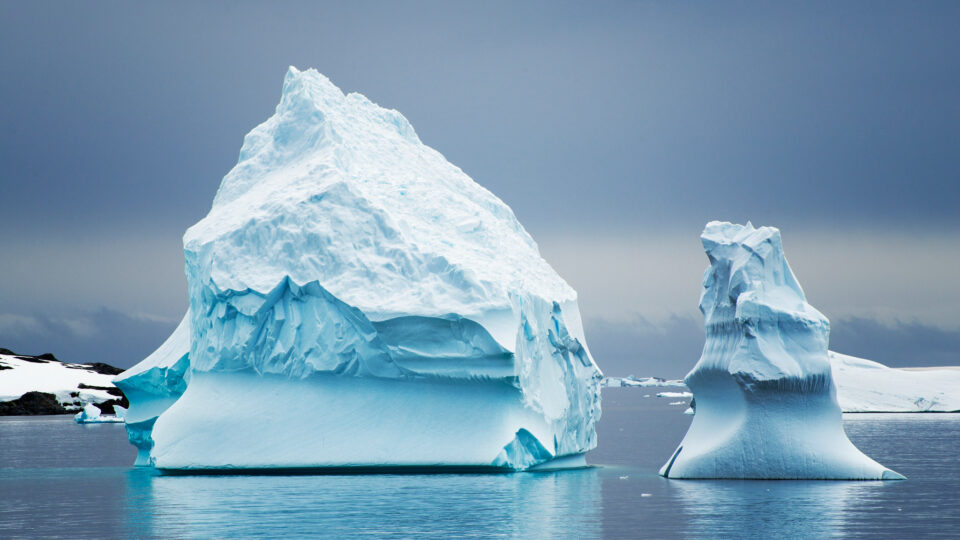
January saw record warm temperatures around the world

Americans experienced unusually cold and wintery weather in January.  Places like southern Louisiana and Florida saw appreciable amounts of snow.  For those who experienced January’s Arctic blast, it was a cold January.  But despite that, January was the world’s warmest on record, extending a run of extraordinary heat in which 18 out of the last 19 months saw an average global temperature more than 1.5 degrees Celsius above pre-industrial times.  In fact, the global average temperature in January was 1.75 degrees above the pre-industrial average.

The exceptional warmth was surprising to climate researchers.  It happened despite the emergence of La Niña conditions in the Pacific Ocean, which tend to lower global temperatures, at least for a while.

Researchers are investigating whether there is something beyond the effects of greenhouse gas emissions that is boosting temperatures to an unexpected degree.  It is true that emissions, associated with the burning of coal, gas, and oil, reached record levels in both 2023 and 2024.  But January’s warmth was still something of a surprise.

One prevalent theory is that cutting dangerous pollution is playing a role in causing global warming to accelerate.  As regulators have curbed sulfate pollution to protect people’s lungs, the cooling effect of these particles that help form more and brighter clouds has diminished.

January demonstrates that the global climate system is complex and the weather in any particular region does not necessarily reflect what is happening to the planet as a whole.

**********

Web Links

Global Temperatures Shattered Records in January

Photo, posted December 22, 2013, courtesy of SD Anderson via Flickr.

Earth Wise is a production of WAMC Northeast Public Radio
Cold spells and global warming

February 10, 2025 By EarthWise Leave a Comment

Global warming and cold spells

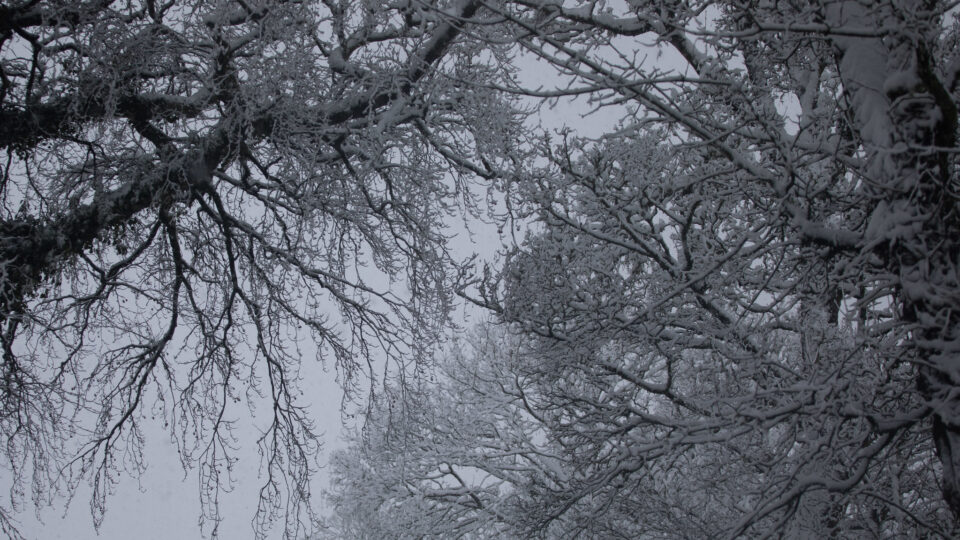
January saw some major bouts of subfreezing temperatures across much of North America and significant snowfall in places like Pensacola, Florida and New Orleans.  This spate of frigid weather undoubtedly prompted many people to question whether global warming is really happening.  But such cold spells quite likely are not happening in spite of global warming, but actually as a result of it.

The polar jet stream is a slim band of westerly winds that circles the Arctic.  It is formed where cold air from the north meets warmer air to the south.  As the planet warms, the Arctic has been heating up nearly four times faster than the rest of the planet, which narrows the difference in temperature between the northern air and southern air.  The result is that the jet stream is weaker and more meandering, which allows frigid air to reach further south.

The polar vortex is a whirling mass of cold air that extends across the Arctic.  It is stronger in the winter when the Northern Hemisphere leans away from the sun.  The polar jet stream normally holds on to the vortex and keeps it far to the north.  But when the jet stream gets wobbly, this mass of cold air can break out and travel south, even to places like Florida, Louisiana, and Texas.

The planet as a whole is warming, and the Arctic is warming even faster.  But there will still be plenty of ice, snow, and frigid air in the Arctic winter for decades to come.  As the behavior of the polar jet stream gets increasingly erratic, there may well be more frequent episodes of plunging temperatures in areas unaccustomed to them.

**********

Web Links

Severe Cold Spells May Persist Because of Warming, Not in Spite of It

Photo, posted January 5, 2025, courtesy of Dermot O’Halloran via Flickr.

Earth Wise is a production of WAMC Northeast Public Radio
A wet January

March 6, 2024 By EarthWise Leave a Comment

For the first time in a while, the monthly report on the US climate did not feature record-setting heat.  The average January temperature across the contiguous U.S. was 1.6 degrees above the average, but that only ranked it in the middle third of the climate record.  The diminishing El Niño probably helped.  On the other hand, the global average temperature in January was again the warmest on record – the 8th consecutive record-setting month.

But January still managed to be atypical weatherwise in the U.S. in that the nation’s average precipitation across the country was 3.18 inches – nearly an inch above average – which made it the 10th wettest January in NOAA’s 130-year climate record.  Thirteen states experienced top-ten rainfall amounts.  In late January, record rainfall and flooding hit the southern plains, especially in parts of Texas and Louisiana.  Meanwhile, early February brought historic rainfall and mountain snow to California with a second round later in the month.

All of the rainfall in January has made some difference to drought conditions across the country.  On January 30th, about 23.5% of the contiguous U.S. was In drought, which was 9.5% lower than the beginning of the month.  However, drought conditions expanded or intensified across northern parts of the Rockies and Plains among a few other places.

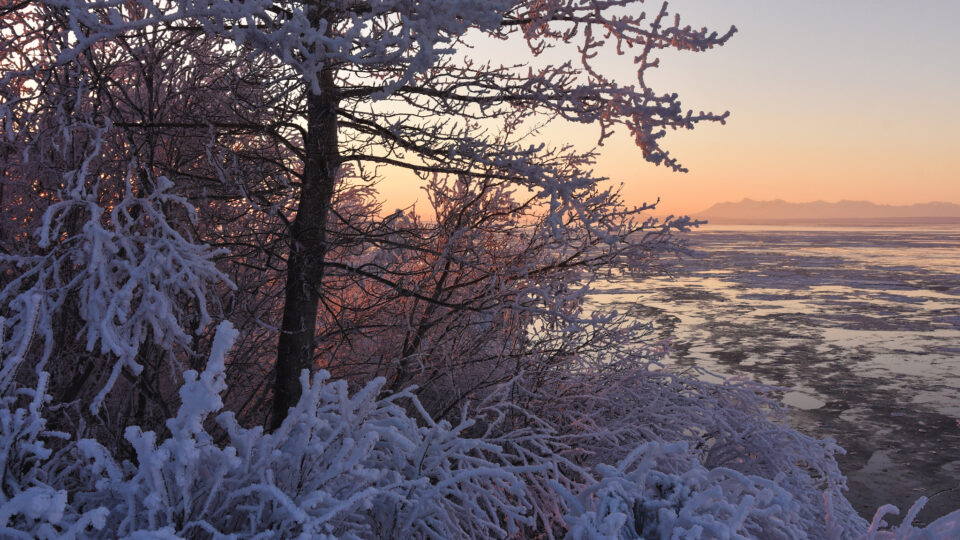
Outside of the lower-48, Alaska continued to experience historic snowfall conditions.  Between October and the end of January, Anchorage had over 100 inches of snow.

We are living in an era of weather extremes.

**********

Web Links

The nation just saw its 10th-wettest January on record

Photo, posted February 8, 2017, courtesy of Paxson Woelber via Flickr.

Earth Wise is a production of WAMC Northeast Public Radio
Record European Heat | Earth Wise

February 13, 2023 By EarthWise Leave a Comment

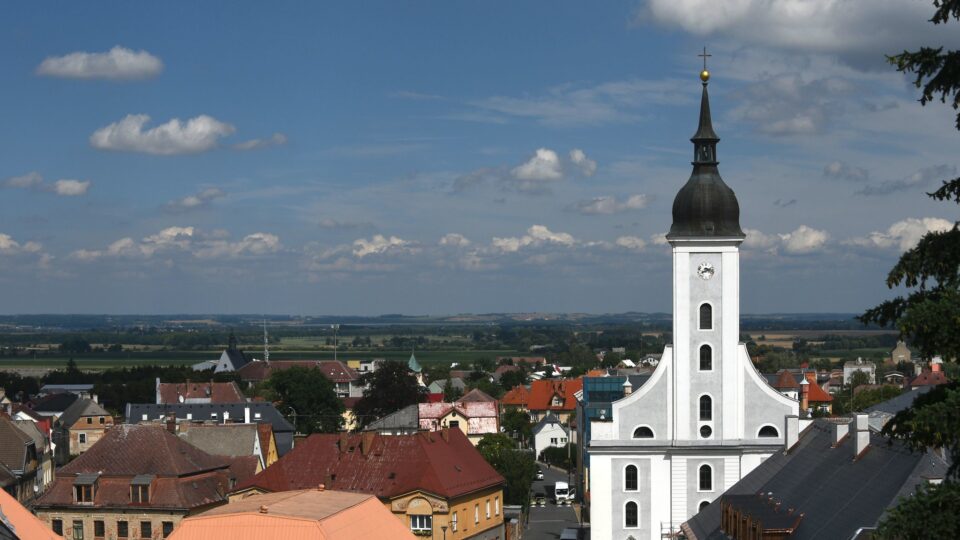
The new year began with record-breaking heat across Europe.  In fact, on December 31 and January 1, about 5,000 all-time high temperature records for those dates were broken, in some cases by margins of more than 9 degrees Fahrenheit.

On New Year’s Day, eight European countries recorded their warmest January day ever. These were Liechtenstein, the Czech Republic, Poland, the Netherlands, Belarus, Lithuania, Denmark, and Latvia.

Many of the European cities affected by the heat wave would ordinarily be covered in snow at that time of year.  For example, Vaduz, the capital of Liechtenstein, the Czech town of Javornik, and the Polish village of Jodlownik, all recorded peak temperatures between 66 and 68 degrees Fahrenheit.

By the measure of how far above normal temperatures rose, it was the most extreme heat wave in European history.  Last summer saw record-breaking heat waves across much of Europe, but the actual temperature increases over normal were smaller than what just occurred at the beginning of the year.

The source of the exceptional heat was a warm mass of air from the west coast of Africa moving across Europe.  As is the case for any individual weather event, one cannot definitively attribute this one to climate change.  However, it is abundantly clear that because of climate change, extreme weather events of all types are becoming more frequent and more intense.

The unprecedented European weather does have the effect of helping to ease the energy crisis that has gripped the European continent.   The Russian invasion of Ukraine has led to soaring natural gas prices.  The warm weather has meant a lower demand for gas, causing gas prices to drop to their lowest level since the start of the war.

**********

Web Links

‘Uncharted territory’: January heat records smashed across Europe

Photo, posted August 13, 2019, courtesy of Herbert Frank via Flickr.

Earth Wise is a production of WAMC Northeast Public Radio
Record Levels Of Deforestation In The Amazon | Earth Wise

March 25, 2022 By EarthWise Leave a Comment

Record levels of deforestation in the Amazon Rainforest

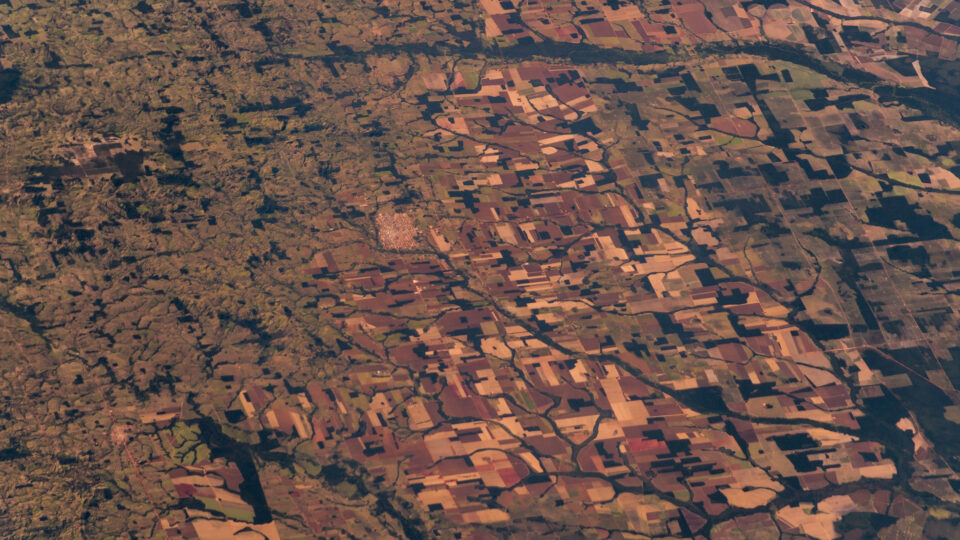
The Amazon rainforest is the largest rainforest in the world, covering more than 2.5 million square miles.  It’s home to 10% of all known species in the world.  The Amazon rainforest’s biodiversity is so rich that scientists are still discovering new plant and animal species today.  

The Amazon rainforest absorbs huge amounts of carbon dioxide from Earth’s atmosphere, making it a key part of mitigating climate change.  The vast rainforest acts as what’s known as a carbon sink.  Simply put, a carbon sink is anything that absorbs more carbon from the atmosphere than it releases.  But as trees in the Amazon disappear, so does the ability of the rainforest to absorb carbon dioxide.

Deforestation of the Amazon rainforest remains a major problem.  According to satellite data from the Brazilian government, the number of trees cut down in the Brazilian Amazon in January far exceeded deforestation figures for the same month last year.  Approximately 166 square miles of land was deforested in January alone, which is five times greater than what was lost in January, 2021.

Cattle ranching – both for beef and for leather – remains the leading cause of deforestation in the Amazon rainforest.  Trees in the Amazon are also cut down for their wood, as well as to clear the land in order to grow food crops, such as soy, sugar, and oil palm. 

Many companies have pledged to achieve “net zero” deforestation in their supply chains over the years, but most have not lived up to the commitment. 

Deforestation is not only a major driver of climate change, but it’s also the leading cause of species extinction.  Preserving the Amazon rainforest is vital. 

**********

Web Links

Amazon deforestation: Record high destruction of trees in January

Greenpeace calls on fast food giants to take a stand against Bolsonaro’s Amazon destruction

Hundreds of Companies Promised to Help Save Forests. Did They?

Photo, posted July 14, 2018, courtesy of Alexander Gerst via Flickr.

Earth Wise is a production of WAMC Northeast Public Radio.

January Climate Report Card | Earth Wise

March 9, 2022 By EarthWise Leave a Comment

A report card on the climate

The global climate is a complicated thing.  While overall trends are relatively straightforward to understand, the details can seem confusing.

January was the sixth-warmest January in the 143 years of global climate record keeping.  The global land and ocean surface temperature was 1.6 degrees Fahrenheit above the 20th century average.

Meanwhile, the United States had its coolest January since 2014, although the month still ranked nearly a degree above the long-term average across the nation.  This January was also the driest January in eight years and was one of the top- 15 driest Januarys on record.  That being said, there was the so-called Bomb Cyclone late in the month that dumped 1-2 feet of snow and brought blizzard conditions along the eastern seaboard and set a one-day snowfall record in Boston.

Global conditions and regional and local conditions can be very different.  In the big picture, January was the 46th consecutive January and the 445th consecutive month with temperatures above the 20th century average.

And while the US had a fairly cool January, South America saw its second-warmest January on record, Asia had its fourth warmest, and Oceania had its seventh warmest.

Apart from temperatures, Antarctic sea ice coverage was the second smallest January extent in 44 years.  Arctic ice was 208,000 square miles below the 1981-2010 average, although it was the largest since 2009.

Even as the global climate warms, local and regional climate conditions will continue to have unique and variable characteristics over the course of time.  Every time there’s a bout of cold weather, it isn’t time to stop being concerned about climate change.

**********

Web Links

January 2022 was Earth’s 6th warmest on record

Photo, posted January 6, 2013, courtesy of Christopher Michel via Flickr.

Earth Wise is a production of WAMC Northeast Public Radio.

A Record Antarctic Temperature | Earth Wise

March 5, 2020 By EarthWise Leave a Comment

warmest temperatures ever recorded

It is still early in the year, but extreme weather events are already piling up.  January was the warmest month on record globally and there have been many records shattered in Europe and Asia.  A number of places in Eastern Europe, including parts of Russia, have seen temperatures 12 to 13 degrees above average.

While the warming of the Arctic has been in the news with increasing frequency, the Antarctic is also seeing rising temperatures and is one of the fastest-warming regions in the world. 

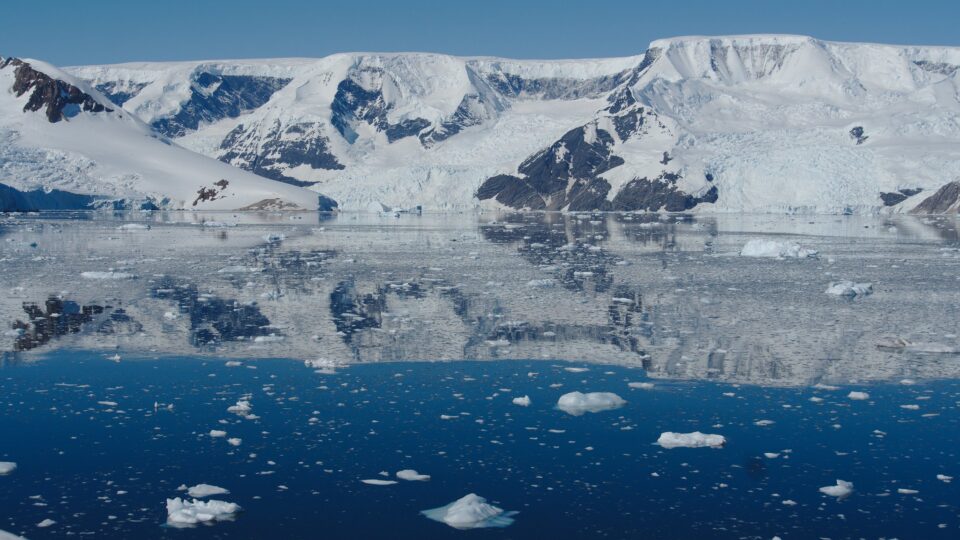
On February 6th, Esperanza Base along Antarctica’s Trinity Peninsula measured a temperature of 65 degrees Fahrenheit, which is the highest temperature ever recorded on that continent.   This rather balmy temperature narrowly beat out the previous record of 63.5 degrees, which occurred in March of 2015.

This one-time reading is certainly anomalous, and scientists say it is associated with a ridge of high pressure that was lingering over the region for several days.  Local wind conditions led to additional warming.

However, the conditions leading to record-breaking high temperatures are not one-time anomalous events. Over the past 50 years, temperatures in the Antarctic have surged by an extraordinary 5 degrees in response to the Earth’s rapidly warming climate.  A rise of five degrees in day-to-day weather is no big deal. A five-degree rise in a region’s average temperature is enormous.

About 87% of the glaciers along the west coast of Antarctica’s Trinity Peninsula have retreated over that 50-year period, most of which doing so during just the past 12 years.

Some researchers claim that the new temperature record is an extreme event that doesn’t tell us anything about the changing climate.  Many others are convinced that there will be many more high temperature records to follow.

**********

Web Links

Antarctica just hit 65 degrees, its warmest temperature ever recorded

Photo, posted February 24, 2019, courtesy of Mike via Flickr.

Earth Wise is a production of WAMC Northeast Public Radio.

Primary Sidebar

Recent Episodes

  • An uninsurable future
  • Clean energy and jobs
  • Insect declines in remote regions
  • Fossil fuel producing nations ignoring climate goals
  • Trouble for clownfishes

WAMC Northeast Public Radio

WAMC/Northeast Public Radio is a regional public radio network serving parts of seven northeastern states (more...)

Copyright © 2026 ·