• Skip to primary navigation
  • Skip to main content
  • Skip to primary sidebar

Earth Wise

A look at our changing environment.

  • Home
  • About Earth Wise
  • Where to Listen
  • All Articles
  • Show Search
Hide Search
You are here: Home / Archives for hunters

hunters

The Captive Lion Problem | Earth Wise

September 25, 2023 By EarthWise Leave a Comment

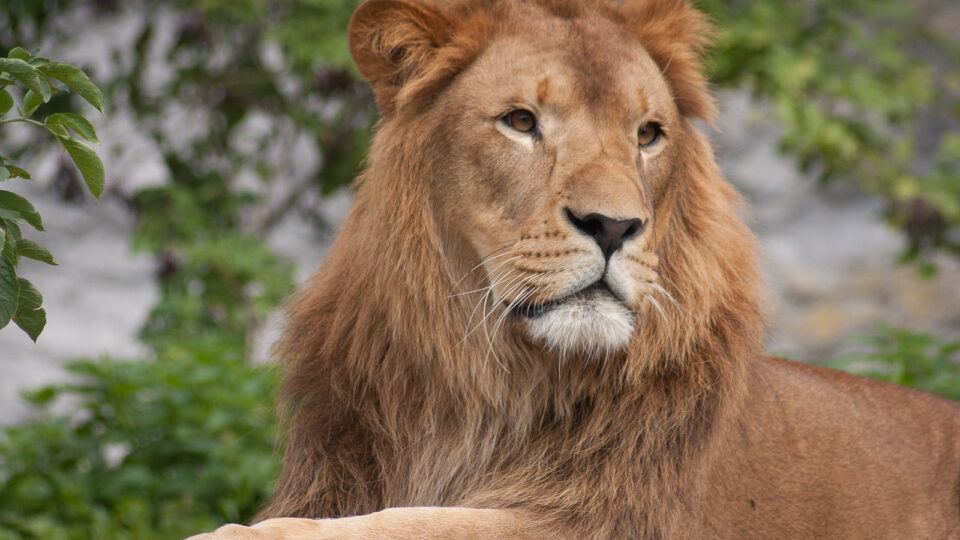
In the 1990s, there was rapid growth in South Africa of the private wildlife industry.  Large numbers of cattle, sheep, and goat ranchers replaced their domestic livestock with wild animals that wealthy hunters would pay lots of money to shoot.  Lions were among the most prized targets for these people.  Over time, hundreds of ranchers became involved in the business of breeding large numbers of the big cats in cages or small enclosures.  Wealthy clients paid $25,000 to $40,000 to shoot a captive-bred lion – cheaper than the cost of a true wild lion hunt and much easier too.  The animals were not afraid of humans and were easy to find.

By 2015, about 200 ranches held at least 8,000 captive-bred lions.  Over 600 were trophy-hunted that year, generating about $16 million in trophy fees, mostly from Americans.

Journalists and conservationists exposed poor conditions on many lion farms and many other abuses.  Over time, the South African government cracked down on the export of lion bones and other body parts for taxidermy, traditional Chinese medicine, and other uses.  The days of captive lion breeding seemed numbered but shutting down the lucrative industry is not easy.

Wild lions in South Africa are not endangered.  In fact, existing sanctuaries and preserves have as many lions as they can sustain.  What to do with thousands of captive lions is a real problem.  Some have suggested mass euthanasia, but that appalling idea has garnered very little support.  The future of these animals still hangs in the balance and so far, there are really no truly desirable solutions in the offing.

**********

Web Links

If South Africa Ends Lion Breeding, What to Do With Captive Cats?

Photo, posted August 21, 2011, courtesy of Leszek Leszczynski via Flickr.

Earth Wise is a production of WAMC Northeast Public Radio
Bald Eagles And Lead Poisoning | Earth Wise

February 21, 2022 By EarthWise Leave a Comment

Ammunition threatens bald eagles

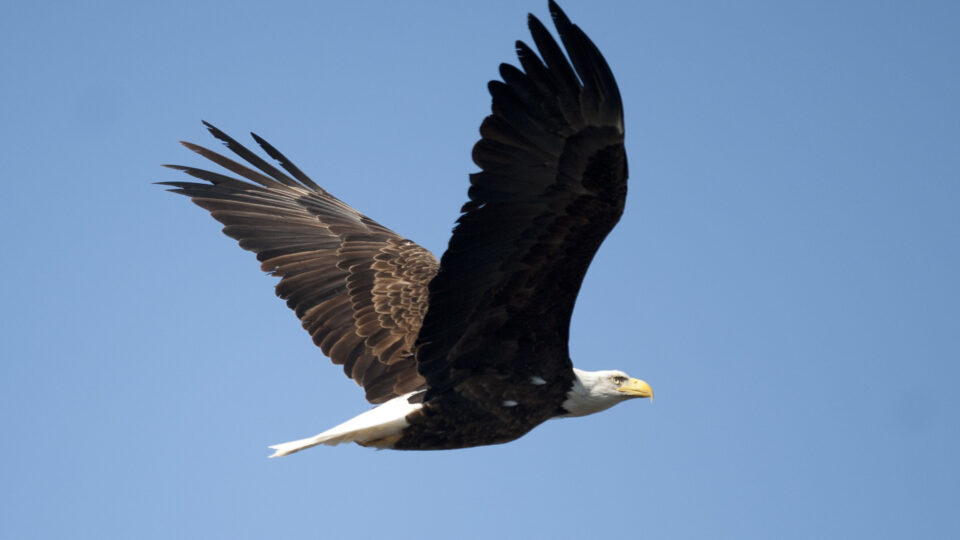
The bald eagle is the national bird of the United States.  It was once a common sight over much of the continent but was severely affected in the mid-20th century by a variety of factors, particularly the use of the pesticide DDT, which caused thinning of its eggshells and sterility.  In the 18th century, the bald eagle population was 300,000 – 500,000.  By the 1950s, there were only 412 nesting pairs in the 48 contiguous states.

The bald eagle was declared an endangered species in the US in 1967 and additional regulations strengthened protections for the bird.  The banning of DDT in 1972 was a major factor in the recovery of the species.

Bald eagle populations have been rebounding for decades but another issue is weakening that rebound – lead poisoning from gunshot ammunition.  According to a new study published in the Journal of Wildlife Management, poisoning from eating dead carcasses or parts contaminated by lead shot has reduced population growth by 4% to 6% annually in the Northeast.

Bald eagle numbers in the lower 48 states quadrupled between 2009 and 2021 to more than 316,000, according to a report by the U.S. Fish and Wildlife Service.  But even though the population has seemingly recovered, some combination of factors such as habitat loss, climate change, infectious disease, and lead poisoning could reverse the trends and lead to population declines.

The hope is that the study could help educate and inform policy on ammunition choices for hunters.  There are alternatives such as copper-based ammunition.  Human health can also be affected when bullets fragment inside game species and are then consumed.

**********

Web Links

Bald eagle rebound stunted by poisoning from lead ammunition

Photo, posted March 28, 2013, courtesy of Ben Johnson via Flickr.

Earth Wise is a production of WAMC Northeast Public Radio.

Roads And Chimpanzees | Earth Wise

November 8, 2021 By EarthWise Leave a Comment

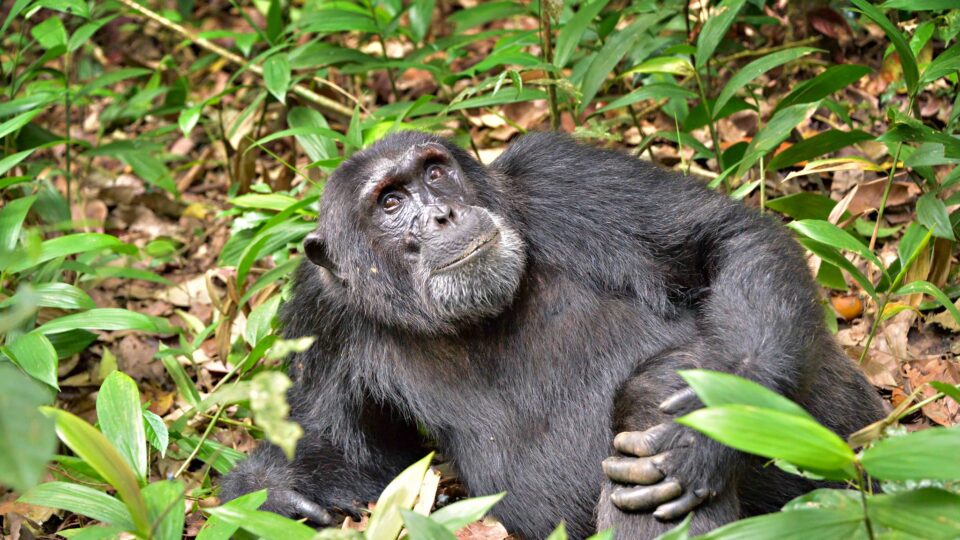
Roads have a major negative impact on chimpanzee populations

The chimpanzee is a species of great ape native to tropical regions of Central and West Africa.  Chimpanzees are highly social animals and can live to be over 50 years old.  In fact, chimpanzees are our closest cousins.  We share about 98% of our genes with chimpanzees. 

According to the African Wildlife Federation, it’s estimated that at most only 300,000 chimpanzees remain in the wild today.  They face a myriad of challenges, including habitat degradation and hunting. 

According to new research from the University of Exeter in the U.K., roads have a negative impact on chimpanzee populations that can extend for several miles.  In the study, which was recently published in the journal Conservation Letters, the researchers analyzed the impact of major and minor roads on wild western chimpanzee numbers in the eight African countries in which they live.  They found that negative impacts extended an average of 10.7 miles from major roads, and 3.4 miles from minor roads.  The researchers found that the density of chimpanzee populations dropped steadily from the edges of these areas to the lowest value alongside the roads.  Only 4.3% of the chimpanzees’ range remains unaffected by roads. 

While the study did not investigate why roads affect chimpanzee numbers, the research team did offer some clues.  In addition to noise and roadkill, roads provide access to unexploited areas for industries that often reduce or remove chimpanzee habitats.  Roads can also restrict chimpanzee movements, and provide easier access for hunters. 

The researchers hope their findings will bring about more effective guidelines to mitigate the impact of roads on wildlife.   

**********

Web Links

Roads have far-reaching impact on chimpanzees

Photo, posted August 12, 2014, courtesy of Rod Waddington via Flickr.

Earth Wise is a production of WAMC Northeast Public Radio.

Endangered Orangutans

March 20, 2018 By EarthWise 1 Comment

https://earthwiseradio.org/wp-content/uploads/2018/03/EW-03-20-18-Endangered-Orangutans.mp3

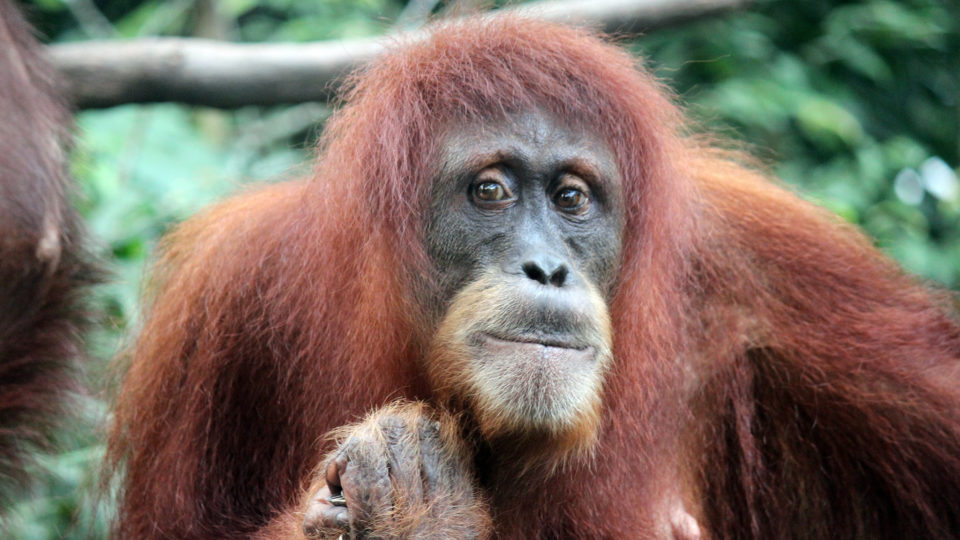
Orangutans are some of the planet’s most intelligent animals.  In fact, orangutans and human beings share 97% of their DNA sequence.  Orangutans can only be found in the wild in Southeast Asia on the Indonesian island of Sumatra and the island of Borneo, which is a landmass shared by Indonesia, Malaysia, and Brunei.  And while all orangutans are endangered, the critically-endangered Bornean orangutans are under exceptional duress. 

[Read more…] about Endangered Orangutans

Yellowstone Grizzlies

July 27, 2017 By EarthWise

https://earthwiseradio.org/wp-content/uploads/2017/07/EW-07-27-17-Yellowstone-Grizzlies.mp3

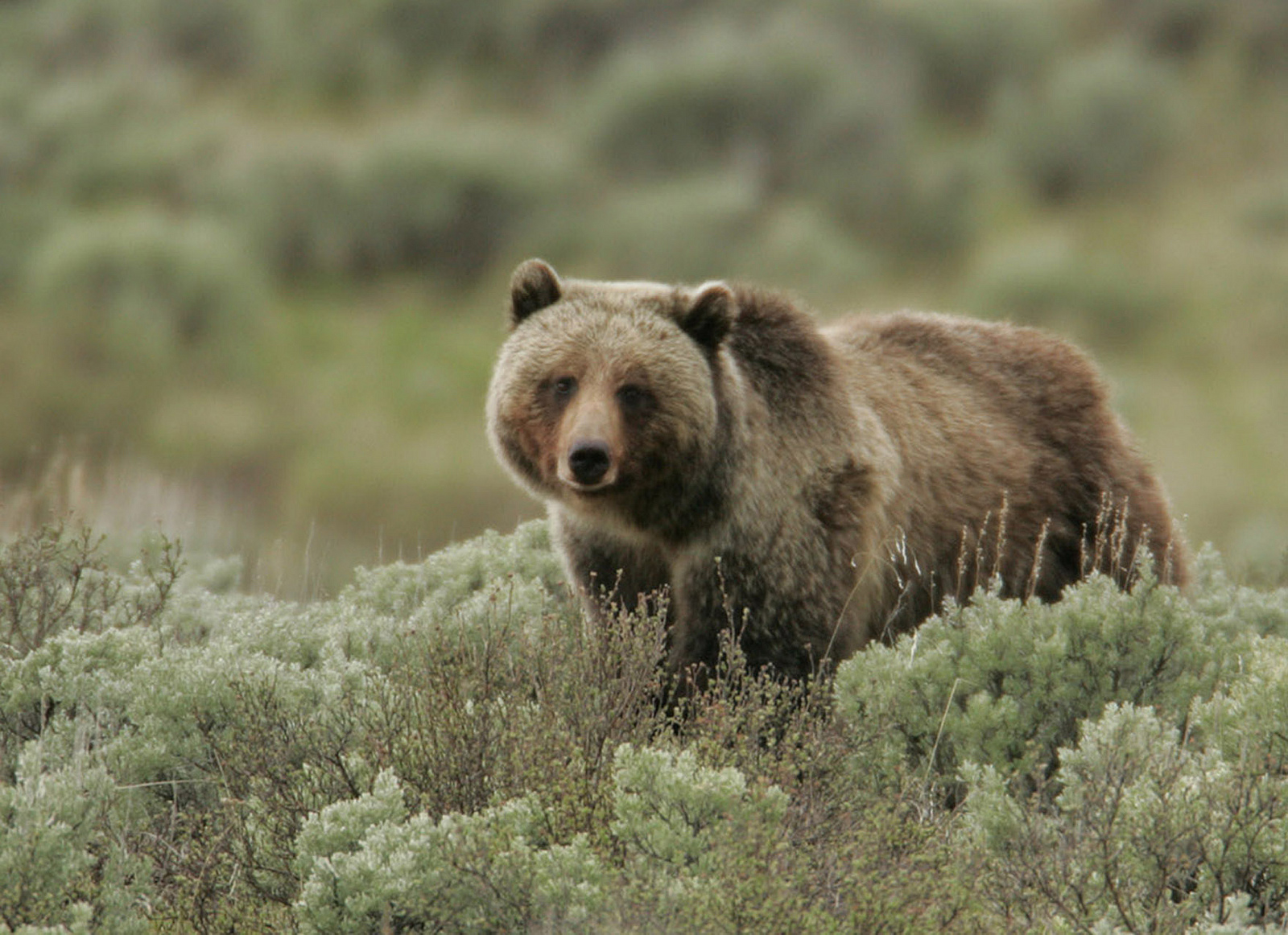
Grizzly bears once roamed much of North America and symbolized the continent’s untamed wilderness.  But hunters and trappers nearly wiped them out across most of the Lower 48 states by the late 1800s.

[Read more…] about Yellowstone Grizzlies

More Bears In New York

June 13, 2017 By EarthWise

https://earthwiseradio.org/wp-content/uploads/2017/06/EW-06-13-17-More-Bears-in-New-York.mp3

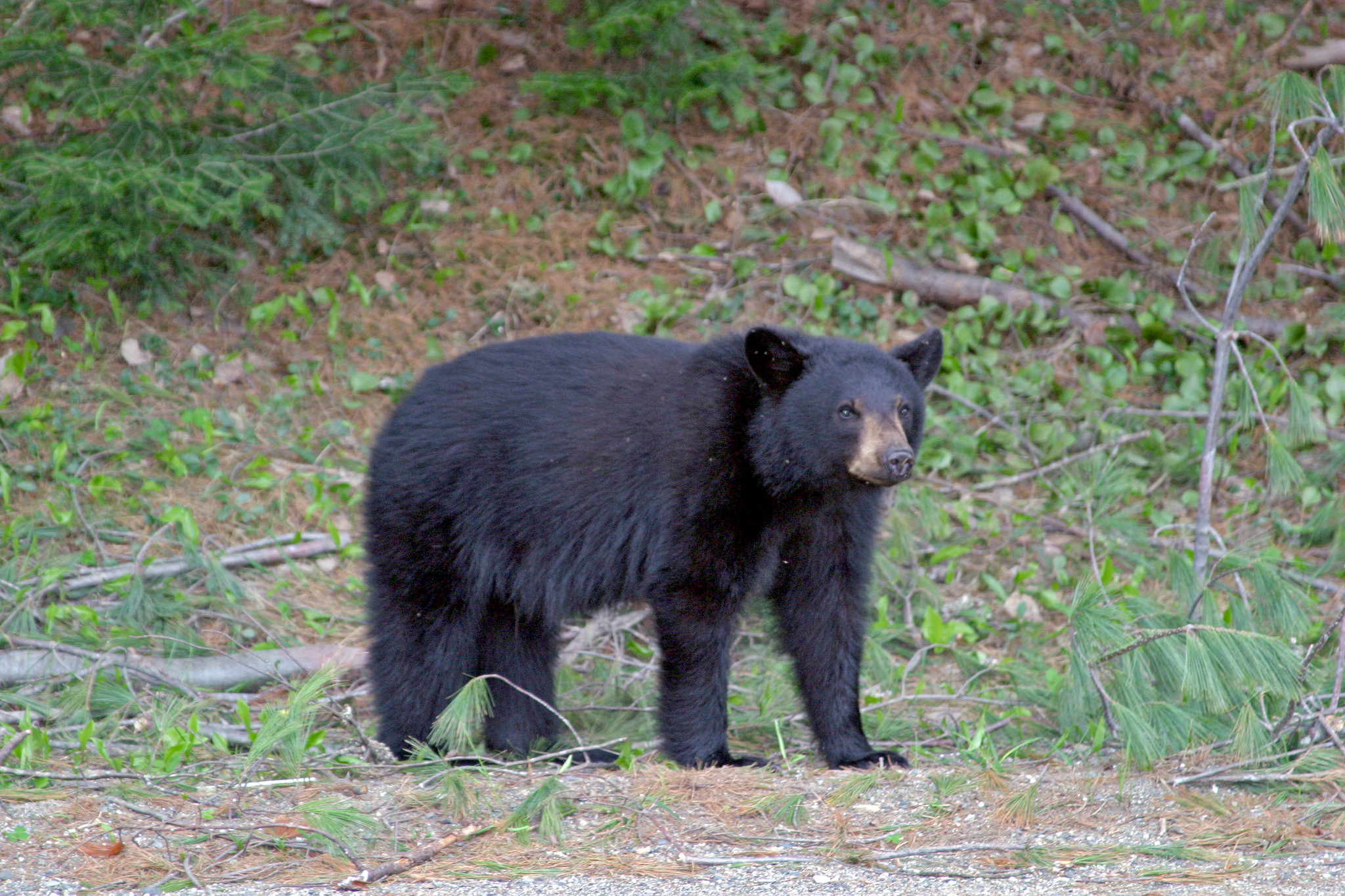
The population of black bears in southern New York has grown and expanded its range over the past 20 years, which has led to increased encounters with people.   Until recently, a detailed knowledge of bear populations in the state has been lacking.

[Read more…] about More Bears In New York

Duping Poachers

March 31, 2016 By WAMC WEB

https://earthwiseradio.org/wp-content/uploads/2016/03/EW-03-31-16-Duping-Poachers.mp3

According to the Humane Society of the United States, hunters legally kill tens of millions of animals every year.  But hunters also illegally kill just as many animals – if not more – often either on closed lands or out of season.  Few perpetrators of this deadly crime against wildlife are ever caught or punished.

[Read more…] about Duping Poachers

Primary Sidebar

Recent Episodes

  • An uninsurable future
  • Clean energy and jobs
  • Insect declines in remote regions
  • Fossil fuel producing nations ignoring climate goals
  • Trouble for clownfishes

WAMC Northeast Public Radio

WAMC/Northeast Public Radio is a regional public radio network serving parts of seven northeastern states (more...)

Copyright © 2026 ·