• Skip to primary navigation
  • Skip to main content
  • Skip to primary sidebar

Earth Wise

A look at our changing environment.

  • Home
  • About Earth Wise
  • Where to Listen
  • All Articles
  • Show Search
Hide Search
You are here: Home / Archives for healthy soil

healthy soil

What Is Healthy Soil? | Earth Wise

August 30, 2022 By EarthWise Leave a Comment

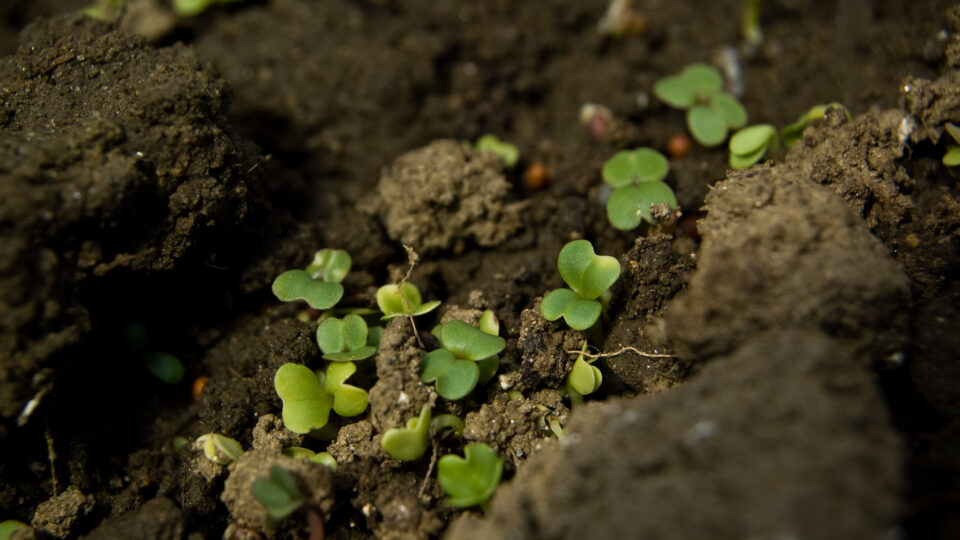
Defining what constitutes healthy soil

Soil supports life by providing many critical ecosystem services.  For example, soil acts as a water filter, a growing medium, and provides habitat for billions of organisms.  Soil is also the foundation of our cities and towns, and the basis of global agroecosystems, which provide humans with feed, fiber, food, and fuel.

For all of these reasons and many more, having healthy soil is vital.  But what does soil health mean? And how should it be measured?

According to new analysis by researchers from Cranfield University and Nottingham University in the U.K., how we think about, measure, and study soil must change in order to better understand how to manage this resource effectively. 

While the term ‘soil health’ is widely used, it means different things to different people.  There is no single agreed upon way to gauge the overall health of soil. 

Current approaches to assess soil health measure individual soil properties and use findings  to assign a single number giving an overall score.  But according to the research team, this does not reflect the wider system perspective that’s needed to fully evaluate the health of soil over time.

Instead, the researchers propose a new system to assess soil health based on a hierarchical framework that takes in several measures, including signs of life, signs of function, signs of complexity, and signs of emergence, which is the extent to which soils recover from multiple stressors. 

This new approach, which can be applied to all soils, moves us closer to an interdisciplinary understanding of the whole picture of soil health.  After all, healthy soil is fundamental to our survival.

**********

Web Links

We need to change how we think about soil

Photo, posted April 8, 2008, courtesy of Brian Boucheron via Flickr.

Earth Wise is a production of WAMC Northeast Public Radio.
Healthy Soil Is Healthy For People | Earth Wise

March 30, 2022 By EarthWise Leave a Comment

Regenerative agriculture is better for people and the planet

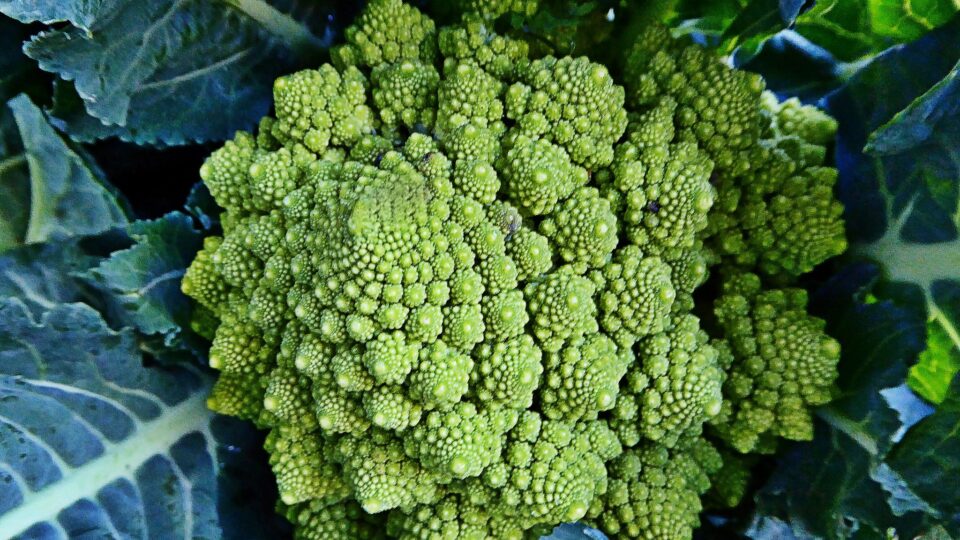
A new study by researchers at the University of Washington looked at the impact of regenerative farming practices on the nutritional content of the food that is grown. 

Regenerative agriculture involves farming practices that not only “do not harm” to the land but actually improve it by regenerating and revitalizing the soil.  The practices focus on topsoil regeneration, increasing biodiversity, improving the water cycle, and enhancing ecosystem services.  Examples are soil-building techniques that minimize plowing, the use of cover crops, and the planting of diverse crops rather than monocultures.

The study included 10 farms across the U.S. that followed soil-friendly practices for at least five years. The results were that the crops from those farms had a healthier nutritional profile than the same crops grown on neighboring, conventional farms.  In particular, there was a boost in certain minerals, vitamins and phytochemicals that are beneficial to human health.  Across the board, regenerative practices resulted in crops with more anti-inflammatory compounds and antioxidants.

The participating farms grew one acre of a test crop – peas, sorghum, corn, or soybeans – for comparison with the same crop grown on a neighboring farm using conventional agriculture.  Analysis showed that the farms practicing regenerative agriculture had healthier soils, as measured by their organic matter – or carbon – content and by other tests. 

Organic farms avoid chemical pesticides, but they operate with a variety of farming processes.  Nonetheless, they have also been found to produce crops with higher levels of beneficial nutrients.  The biology of the soil in which crops are grown is an important factor for human health.  It isn’t just what we eat that matters; it is how we grow it.

**********

Web Links

Farms following soil-friendly practices grow healthier food, study suggests

Photo, posted January 10, 2020, courtesy of Les via Flickr.

Earth Wise is a production of WAMC Northeast Public Radio.
The Benefits Of No-Till Farming | Earth Wise

October 5, 2021 By EarthWise Leave a Comment

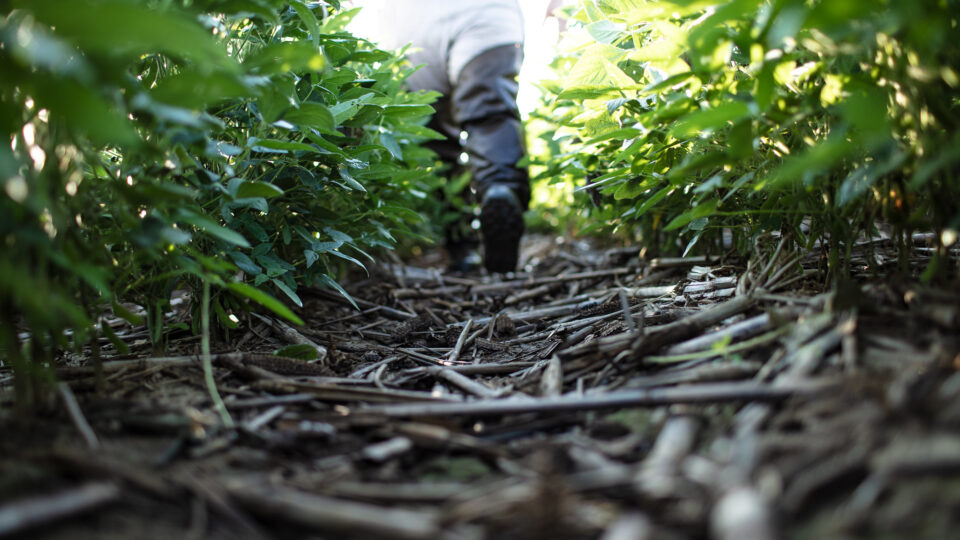
No-till farming is not new.  In fact, it was used as far back as 10,000 years ago.  But during the 18th and 19th centuries, tilling became popular because it allowed farmers to plant seeds more efficiently.

Tilling (or ploughing) is the process of preparing the soil for the cultivation of seeds by overturning the soil.  The practice works animal manure, weeds, and other surface residues deep into the soil.  While this all sounds like a good thing, it’s not. 

Tilling removes plant matter and loosens the soil, leaving the soil bare and vulnerable to erosion.  Tilling also displaces the millions of microbes and insects that form healthy soil biology.  The long-term use of tilling can turn healthy soils into lifeless growing mediums dependent on chemical inputs.  

But no-till farming also tends to rely on chemical inputs like glyphosate for weed control.  According to a new study recently published in Agronomy Journal, researchers at Penn State have found that farmers using no-till farming can reduce herbicide use and still maintain crop yields by implementing integrated weed-management methods.   

The research team conducted a nine-year experiment using herbicide-reduction practices in a crop rotation, which included soybean, corn, alfalfa, and canola.  Some of the practices used to reduce herbicide inputs included seeding small-grain companion crops with perennials, and plowing once in six years to terminate the perennial forage rather than killing it with an herbicide. 

While there was more weed biomass in the reduced herbicide treatment, the researchers found that the added weed pressure did not substantially affect crop yields. 

It is possible to make agriculture more environmentally-friendly and sustainable without sacrificing productivity.

**********

Web Links

No-till production farmers can cut herbicide use, control weeds, protect profits

Photo, posted February 11, 2019, courtesy of the United Soybean Board via Flickr.

Earth Wise is a production of WAMC Northeast Public Radio.

Primary Sidebar

Recent Episodes

  • An uninsurable future
  • Clean energy and jobs
  • Insect declines in remote regions
  • Fossil fuel producing nations ignoring climate goals
  • Trouble for clownfishes

WAMC Northeast Public Radio

WAMC/Northeast Public Radio is a regional public radio network serving parts of seven northeastern states (more...)

Copyright © 2026 ·