• Skip to primary navigation
  • Skip to main content
  • Skip to primary sidebar

Earth Wise

A look at our changing environment.

  • Home
  • About Earth Wise
  • Where to Listen
  • All Articles
  • Show Search
Hide Search
You are here: Home / Archives for habitat destruction

habitat destruction

Sand mining and the environment

March 18, 2025 By EarthWise Leave a Comment

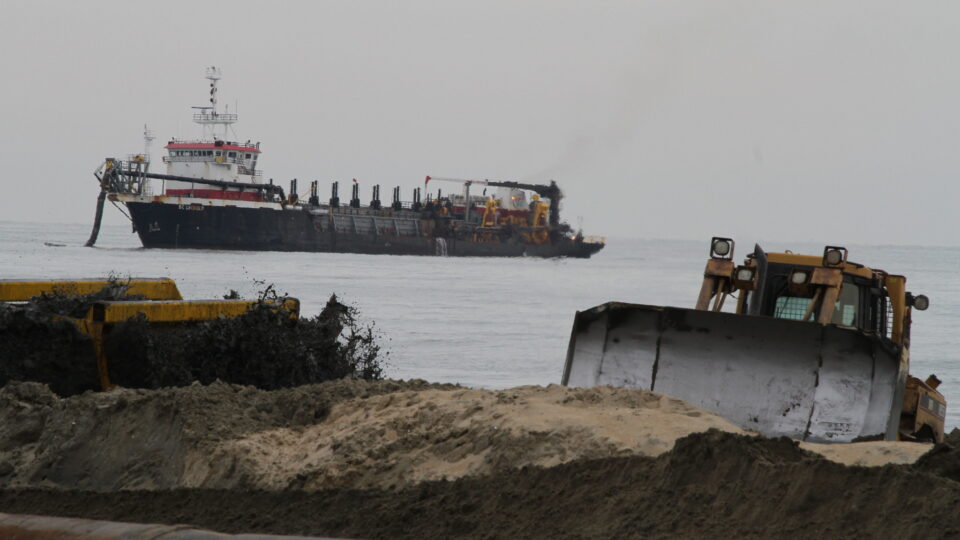
Sand mining is the world’s largest mining endeavor.  It is responsible for 85% of all mineral extraction.  It is also the least regulated, possibly the most corrupt, and likely the most environmentally destructive.  Sand is the second-most exploited natural resource in the world after water.  Its global use has tripled in the past two decades.  More than 50 billion tons of sand is extracted from the environment each year.

Sand plays a critical role in much of human development around the world.  It is a key ingredient of concrete, asphalt, glass, and electronics.  It is relatively cheap and relatively easy to extract.  But we use enormous amounts of it.

Sand mining is a major threat to rivers and marine ecosystems.  It is linked to coastal erosion, habitat destruction, the spread of invasive species, and damage to fisheries. 

The harm from sand mining is only beginning to attract widespread attention.  A recent study by an international group of scientists published in the journal One Earth identifies        threats posed by sand mining.  Sand extraction in marine environments remains largely overlooked, despite sand and sediment dredging being the second most widespread human activity in coastal areas after fishing.

Sand is generally seen as an inert, abundant material, but it is an essential resource that shapes coastal and marine ecosystems, protects shorelines, and sustains both ecosystems and coastal communities.  Sand extraction near populated coastlines is particularly problematic as climate change makes coastlines increasingly fragile.

Like all other resources on our planet, even sand cannot be taken for granted.  It must be responsibly managed.

**********

Web Links

The rising tide of sand mining: a growing threat to marine life

Photo, posted February 7, 2013, courtesy of Pamela Spaugy / U.S. Army Corps of Engineers via Flickr.

Earth Wise is a production of WAMC Northeast Public Radio
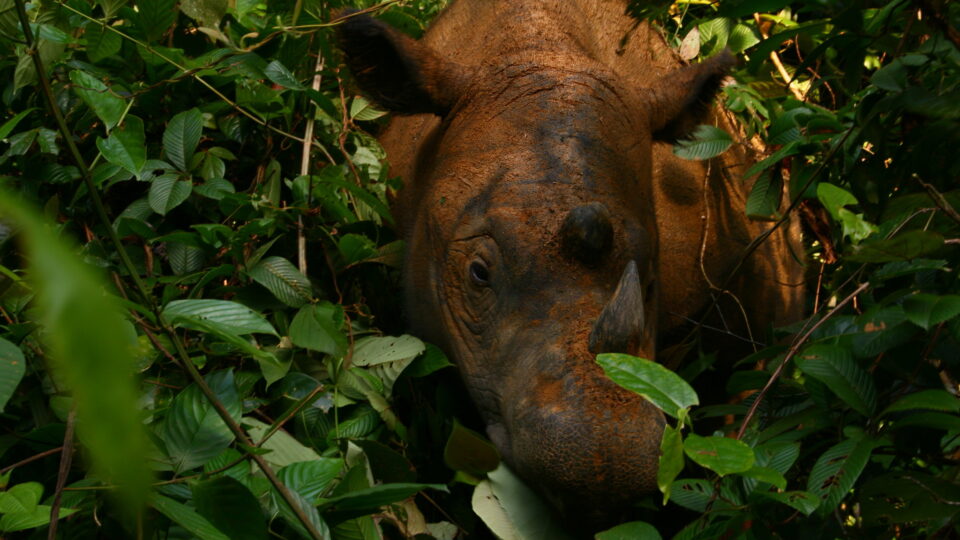
Saving The Sumatran Rhino | Earth Wise

January 2, 2023 By EarthWise Leave a Comment

The Sumatran rhinoceros is the smallest and most ancient rhino species and is the only surviving species with hair.  It is critically endangered.  Because of poaching and habitat destruction, there are fewer than 50 of them left in the wild and those are scattered in the rainforests of Sumatra and the Indonesian part of Borneo.  Mating encounters between surviving males and females are increasingly rare.

The last male Sumatran rhino in Malaysia died in 2019 but cell samples from that individual are the basis of an ambitious effort in bioengineering.

Researchers from the Max Delbruck Center in Germany are taking skin cells from the deceased rhino and turning them into stem cells.  The hope is to use these stem cells to derive egg and sperm cells to be the basis of assisted reproduction.  Fertilization would take place in a petri dish.  The resultant embryos would then be carried to term by surrogate rhino mothers.

The researchers have reported success generating induced pluripotent stem cells or IPS cells from the rhino skin samples.  IPS cells are able to divide indefinitely and can transform into any cell type in the body.

The next step is to try to cultivate primordial germ cells – the precursors of eggs and sperm.

This work is going on because it is increasingly difficult to preserve the Sumatran rhino population by gathering together remaining individuals in wildlife Reserves.  Females that have not been pregnant for a long time often become infertile because of cyst growth on their reproductive organs, and some are just too old to bear young.

It may take extraordinary efforts like these to save these animals from extinction.

**********

Web Links

A second chance for the Sumatran rhino

Photo, posted April 30, 2008, courtesy of Willem V. Strien via Flickr.

Earth Wise is a production of WAMC Northeast Public Radio
Coping With Climate Change | Earth Wise

October 11, 2022 By EarthWise Leave a Comment

Animals will cope with climate change differently

Extreme weather events including prolonged drought and heavy rainfall are becoming more common and more severe as global temperatures rise.  As the climate continues to change in the coming decades, how will animals respond? 

Researchers from the University of Southern Denmark have examined how different mammals react to climate change. They analyzed data on population fluctuations from 157 mammal species around the world.  They compared these fluctuations with weather and climate data from the same time period.  The research team had 10 or more years of data for each species studied. 

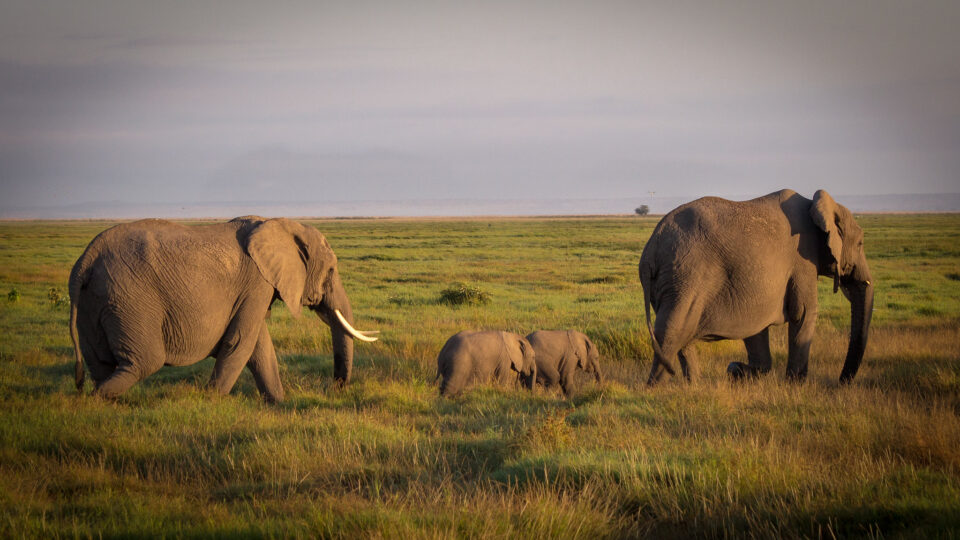
The researchers found that mammals that live for a long time and/or produce less offspring –  like llamas, elephants, bears, and bison – are more climate resilient than small mammals with short lives — like mice, possums, lemmings, and rare marsupials. 

For example, large, long-lived mammals can invest their energy into one offspring, or simply wait for better times if conditions become challenging.  On the other hand, small, short-lived mammals like rodents have more extreme population changes in the short term. In the event of a prolonged drought, large portions of their food base may rapidly disappear, and they are left to starve because they have limited fat reserves.

However, the research team notes that the ability of a species to withstand climate change must not be the only factor when assessing a species’ vulnerability.  In fact, in many cases, habitat destruction, poaching, pollution, and invasive species pose a larger threat to animal species than climate change. 

While the study only examined 157 species, the findings enable researchers to also predict how animals they know less about will react to climate change.

********** 

Web Links

Which animals can best withstand climate change?

Photo, posted July 8, 2018, courtesy of Ray via Flickr.

Earth Wise is a production of WAMC Northeast Public Radio
Coral Reefs And Ecosystem Services

October 18, 2021 By EarthWise Leave a Comment

The ecosystem services of coral reefs

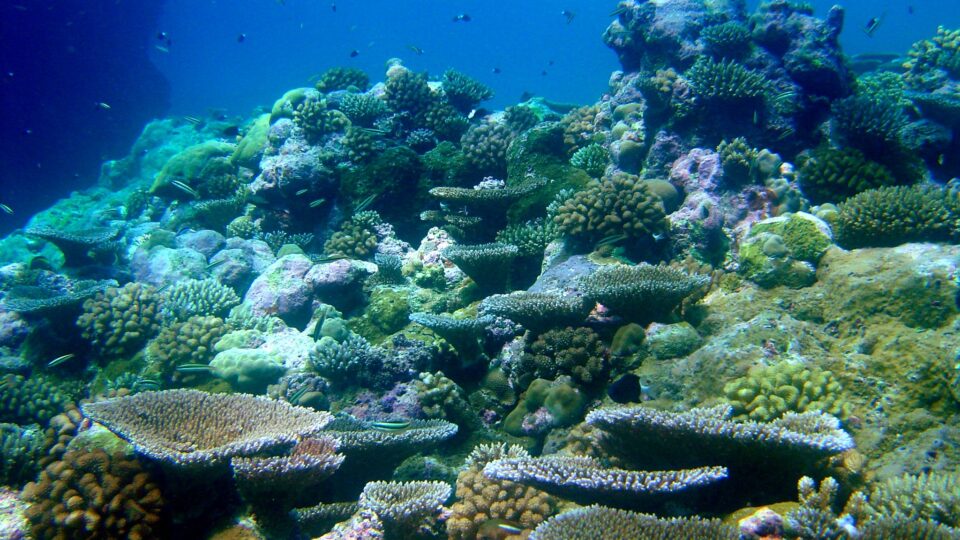
A new study led by the University of British Columbia provides the first comprehensive look at what climate change, overfishing, and habitat destruction of coral reefs mean for their ecosystem services.  For humans, this means how the global decline in coral reefs has affected their ability to provide essential benefits including food, livelihoods, and protection from storms.

The study found that global coverage of living corals has declined by about half since the 1950s and the diversity of reef species has declined by more than 60%.  So, it is no surprise that there has been a significant loss in the ability of reefs to provide ecosystem services.

The study analyzed data from coral reef surveys around the world, fisheries catches, indigenous consumption, and more.  Apart from the declines in reef coverage and biodiversity, the study found that fish catches on coral reefs peaked in 2002 and has steadily declined since then, despite increased fishing efforts.

The findings of the study led the researchers to conclude that continued degradation of coral reefs in the years to come threaten the well-being and sustainable development of millions of people in communities on the coast that depend on coral reefs.  Fish and fisheries provide essential nutrients in places with few alternative sources of nutrition.  Coral reef biodiversity and fisheries have added importance for indigenous communities, where important cultural relationships exist with reefs.

The study’s authors say that the results are a call to action.  The level of destruction happening all over the world’s coral reefs is threatening people’s culture, their daily food, and their history.  It is not just an environmental issue; it is a human rights issue.

**********

Web Links

Photo, posted September 22, 2010, courtesy of David Burdick / NOAA Photo Library via Flickr.

XXXXXXXXXXX

Protecting The Ocean Has Multiple Benefits | Earth Wise

June 21, 2021 By EarthWise Leave a Comment

The benefits of protecting the ocean

An international team of authors from 18 institutions has recently published a paper in the journal Nature that offers a solution that addresses several of humanity’s most pressing problems at the same time.  The paper provides a comprehensive assessment of where strict ocean protection can contribute to a more abundant supply of healthy seafood, help address climate change, and protect embattled species and habitats.

The study identified specific areas of the ocean that could provide all of these benefits if they were protected.  Currently, only about 7% of the ocean is under any kind of protection.  According to the study, if the appropriate 30% of the ocean was protected by the actions of the relevant countries by 2030, the cited benefits would be realized.

Safeguarding these regions would protect nearly 80% of marine species while increasing fishing catches by almost 9 million tons a year. It would also prevent the release of more than 1 billion tons of carbon dioxide by protecting the seafloor from bottom trawling, which is a widespread and destructive fishing practice.

Ocean life has been declining worldwide because of overfishing, habitat destruction, and climate change.  The study pioneers a new way to identify the places that – if protected – will boost food production and safeguard marine life, while at the same time reducing carbon emissions.  The study finds that countries with large national waters and large industrial trawl fisheries have the highest potential to contribute to climate change mitigation by protecting the carbon stored on the ocean floor.  The ocean covers 70% of the Earth and its importance in solving the challenges of our time must not be underestimated.

**********

Web Links

Three Times the Gains

Photo, posted January 10, 2016, courtesy of Hafsteinn Robertsson via Flickr.

Earth Wise is a production of WAMC Northeast Public Radio.

Non-Native Plants And Insect Decline | Earth Wise

January 15, 2021 By EarthWise Leave a Comment

The impact of non-native plants on insect decline

Global insect populations have been in decline since the beginning of the 20th century.  The decline accelerated during the 1950s and 1960s, and it has reached alarming levels during the past 20 years.

The causes of plummeting insect populations include habitat destruction, deforestation, climate change, light pollution, and the rise of industrial agriculture.  This so-called insect apocalypse is being mirrored by a bird Armageddon because so many bird species depend on insects for their diets.

A still controversial, but increasingly likely factor in the decline of insect populations is the spread of non-native plants in agriculture, agroforestry, and horticulture.  A recent study published in the journal Ecological Entomology presents recent data supporting the proposition that the widespread displacement of native plants is a key cause of insect declines. 

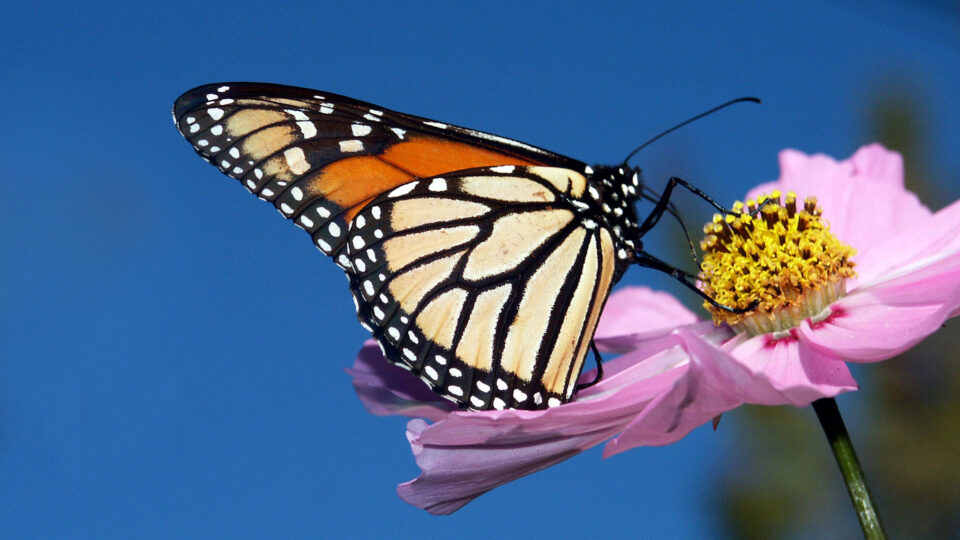
Many insects depend on a limited number of plants for survival.  In many cases, insects’ diets are restricted to a single plant family.  When native host plants dwindle or disappear from an area, the population of insects that depend on those plants shrinks.

There are examples of insects that adopt introduced plants as food sources, such as silver-spotted skipper butterfly larvae feeding on invasive kudzu in the eastern U.S.  But generally, the widespread incursion of non-native plants is harmful to native insect populations.

Non-native plants are especially popular for horticulture.  Millions of acres of potential insect habitat have been transformed into food deserts for native insects.  The authors of the recent study recommend that Americans should extensively include native plants in their yards to help preserve insect diversity.

**********

Web Links

How Non-Native Plants Are Contributing to a Global Insect Decline

Photo, posted May 2, 2004, courtesy of Bernard Spragg via Flickr.

Earth Wise is a production of WAMC Northeast Public Radio.

The Spread Of Bark Beetles

November 9, 2017 By EarthWise Leave a Comment

https://earthwiseradio.org/wp-content/uploads/2017/10/EW-11-09-17-The-Spread-of-Bark-Beetles.mp3

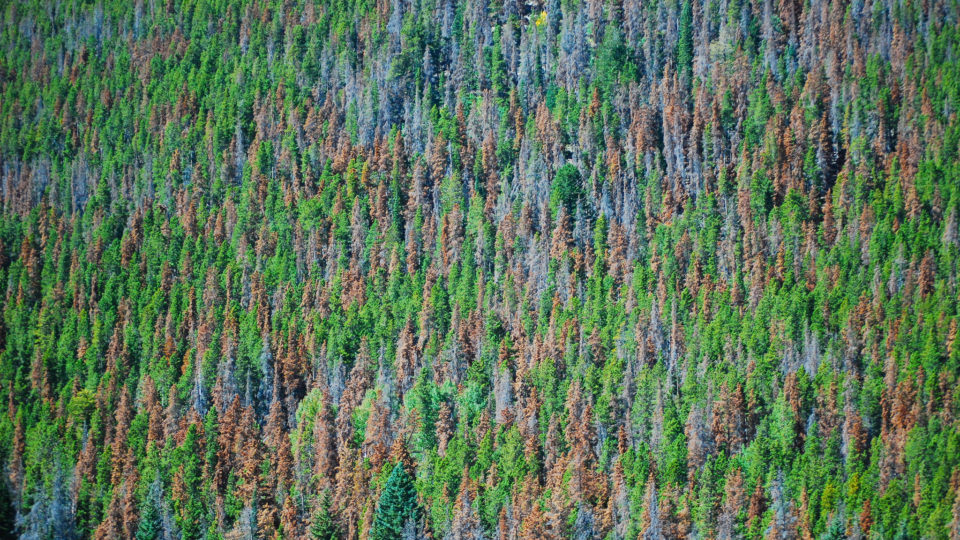
Bark beetles are a global scourge of evergreen forests.  Mountain pine beetles have destroyed pine trees across western North America.  Spruce beetles decimated spruce trees from New Mexico into Colorado and beyond.  Altogether, bark beetles have ravaged 85,000 square miles of forest in the western U.S, an area the size of Utah, since 2000.  They have killed trees across an additional 65,000 square miles of British Columbian forests and have caused millions of dollars of damage to the lumber industry in states like Alabama and Mississippi.

[Read more…] about The Spread Of Bark Beetles

Wiping Out Our Relatives

September 20, 2016 By WAMC WEB

https://earthwiseradio.org/wp-content/uploads/2016/09/EW-09-20-16-Eastern-Gorillas.mp3

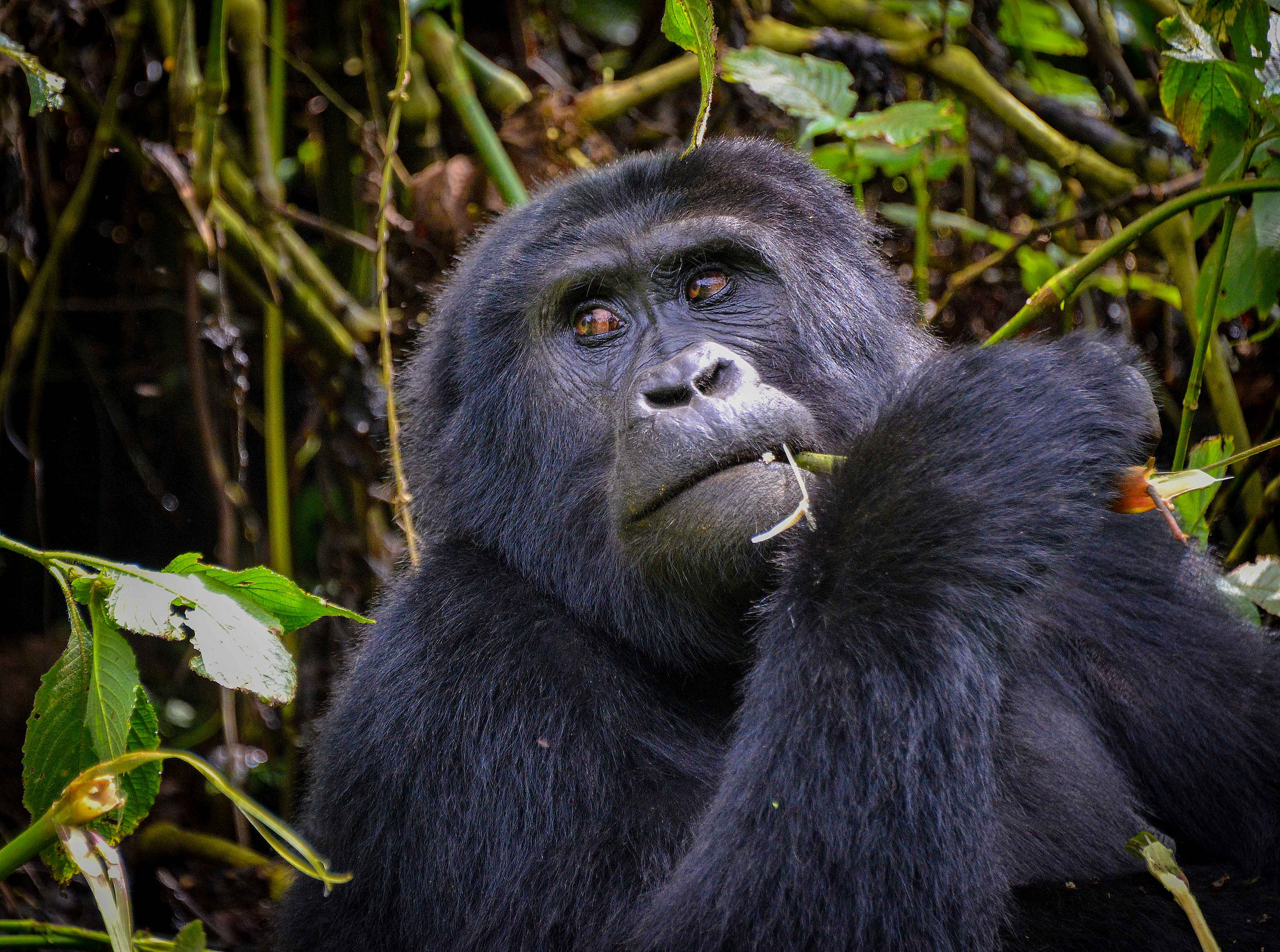
We recently highlighted the plight of orangutans.  Following years of failed conservation measures, all orangutans are now listed as critically endangered by the International Union for the Conservation of Nature.  The Sumatran orangutan had been listed as critically endangered for nearly two decades, but the Bornean orangutan was a recent addition.  According to the IUCN, all orangutans have an “extremely high risk of extinction in the wild.”  

[Read more…] about Wiping Out Our Relatives

Primary Sidebar

Recent Episodes

  • An uninsurable future
  • Clean energy and jobs
  • Insect declines in remote regions
  • Fossil fuel producing nations ignoring climate goals
  • Trouble for clownfishes

WAMC Northeast Public Radio

WAMC/Northeast Public Radio is a regional public radio network serving parts of seven northeastern states (more...)

Copyright © 2026 ·