• Skip to primary navigation
  • Skip to main content
  • Skip to primary sidebar

Earth Wise

A look at our changing environment.

  • Home
  • About Earth Wise
  • Where to Listen
  • All Articles
  • Show Search
Hide Search
You are here: Home / Archives for gulf of maine

gulf of maine

The demise of American offshore wind

August 18, 2025 By EarthWise Leave a Comment

The demise of offshore wind power in the United States

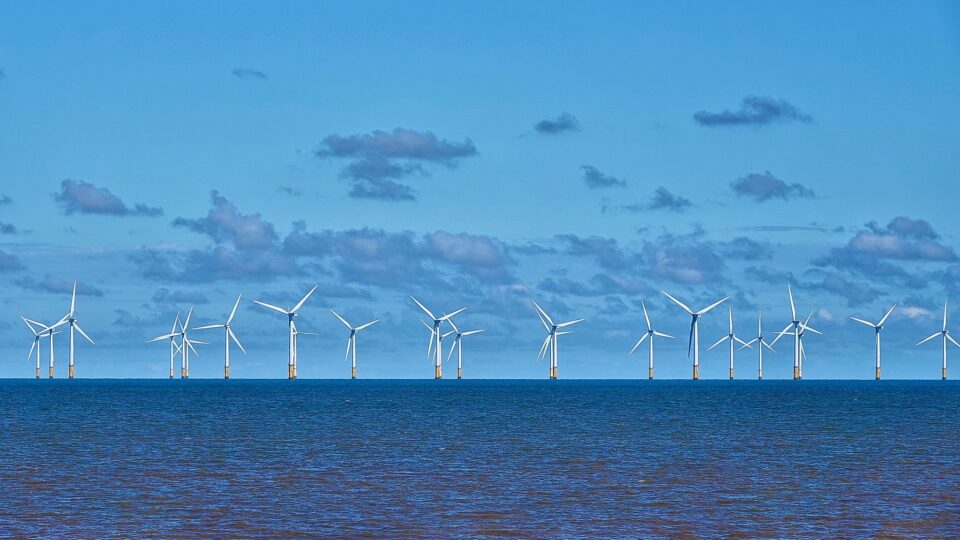
Europe has 37 gigawatts of offshore wind capacity. China is catching up rapidly.  Across the globe, offshore wind is an increasingly important source of clean, renewable power.  The United States had previously set ambitious goals to join the international effort.  But in the aftermath of the 2024 election, offshore wind in the US is basically dead in the water, pun intended.

The Bureau of Ocean Energy Management announced at the end of July that it is rescinding all designated Wind Energy Areas on the U.S. Outer Continental Shelf, effectively ending all offshore wind development across the Gulf of Mexico, the Gulf of Maine, the New York Bight, California, Oregon, and the Central Atlantic.  Additional policy measures announced by the Department of the Interior ended special treatment for what it called “unreliable energy sources, such as wind.” 

The two significant offshore wind projects underway in the US are both under serious attack by the administration and by newly emboldened special interests.  Vineyard Wind in Massachusetts, with 17 turbines already in operation, is under assault by tourist town forces and fishing groups.  Empire Wind, in New York, which resumed construction after efforts by Governor Kathy Hochul, is under pressure by various special interest groups that are urging President Trump to halt the project.

The current administration has very public and very pronounced antipathy towards wind power in general and towards offshore wind in particular.  And this has brought to a rapid halt billions of dollars in investments and will eliminate tens of thousands of jobs.

**********

Web Links

US offshore wind, long ‘dead,’ now really dead

Photo, posted September 15, 2016, courtesy of Lars Plougmann via Flickr.

Earth Wise is a production of WAMC Northeast Public Radio
Offshore Wind In Maine | Earth Wise

June 15, 2023 By EarthWise Leave a Comment

Offshore wind is coming to Maine

There are currently only two small offshore wind farms operating in the United States, but there are now several more under construction or in the permitting process.  Substantial wind farms are expected to come online over the next five years off the coasts of Virginia, New Jersey, Massachusetts. North Carolina, Delaware, Rhode Island, and New York.   There has been a recent auction for offshore wind sites off the California coast as well.

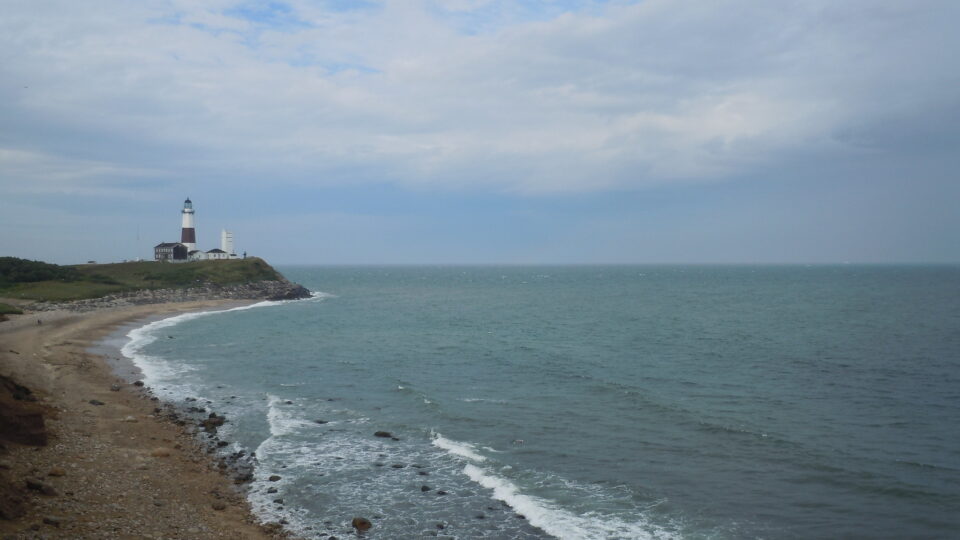
In April, the Bureau of Ocean Energy Management issued its Gulf of Maine Call for Information and Nominations, inviting public comment and assessing the interest in areas offshore of Maine, New Hampshire, and Massachusetts.  This is the first official step in the lengthy process that leads to offshore wind development in new areas.  Last year, the Department of the Interior defined an area of about 13.7 million acres in the Gulf of Maine that could end up providing energy leases for windfarm development.

The Biden administration has set a goal of deploying 30 gigawatts of offshore wind electricity generation by 2030, which is enough to power more than 10 million homes. It would also create thousands of jobs across manufacturing, shipbuilding, port operations, construction, and other industrial sectors.  Existing offshore wind projects have been structured to develop American-based supply chains for the offshore wind industry.

The European Union currently has over 15 gigawatts of installed offshore wind, has a target of 60 gigawatts by 2030, and 300 gigawatts by 2050.  The EU has five substantial sea basins which have tremendous potential for wind energy generation.  As a result, offshore wind is the centerpiece of the ambitious European Green Deal.

**********

Web Links

U.S. moves to develop offshore wind in the Gulf of Maine

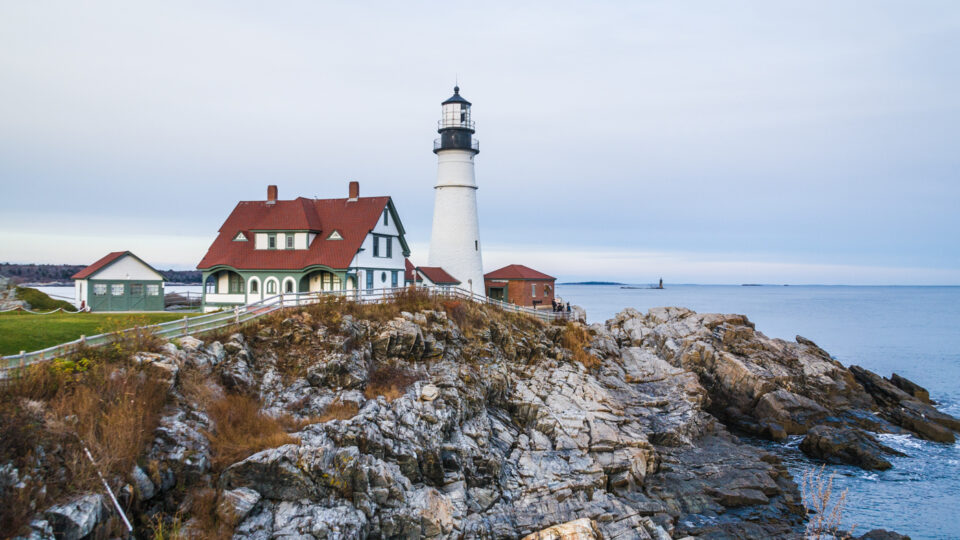
Photo, posted August 31, 2022, courtesy of Nina Ali via Flickr.

Earth Wise is a production of WAMC Northeast Public Radio
Less Phytoplankton In The Gulf Of Maine | Earth Wise

July 20, 2022 By EarthWise Leave a Comment

The Gulf of Maine is changing

Phytoplankton, also known as microalgae, are the base of the marine food web and also play a key role in removing carbon dioxide from the air.  They are eaten by primary consumers like zooplankton, small fish, and crustaceans. 

Phytoplankton, like land plants, absorb carbon dioxide from the atmosphere and use photosynthesis to grow.  Then they become a food source for other organisms and ultimately for people who depend upon marine ecosystems.   If phytoplankton productivity is disrupted, there can be adverse effects on regional fisheries and the communities that depend on them.

The Gulf of Maine is becoming warmer and saltier, because of ocean currents pushing warm water into the gulf from the Northwest Atlantic.  These temperature and salinity changes have led to a significant decrease in the productivity of phytoplankton.   According to a new paper from scientists at Bigelow Laboratory of Ocean Sciences in Maine, phytoplankton are about 65% less productive in the gulf than they were 20 years ago.

The study’s results come from the analysis of the Gulf of Maine North Atlantic Time Series, a 23-year sampling program of the temperature, salinity, chemical, biological, and optical measurements of the gulf.  The scientists refer to what they describe as a giant windmill effect happening in the North Atlantic, which is changing the circulation of water coming into the Gulf of Maine.  In the past, inflows from the North Atlantic brought water from the Labrador Current, which made the gulf cooler and fresher.  The new circulation is making the water warmer and saltier.

These changes have significant implications for higher marine species, fisheries, the lobster industry, and other activities in the states that border the Gulf of Maine.

**********

Web Links

NASA-funded Study: Gulf of Maine’s Phytoplankton Productivity Down 65%

Photo, posted November 15, 2015, courtesy of Paul VanDerWerf via Flickr.

Earth Wise is a production of WAMC Northeast Public Radio.

New York Bight Offshore Wind | Earth Wise

May 2, 2022 By EarthWise Leave a Comment

Late in February, the U.S. completed the most successful offshore wind lease auction in history.  The auction for rights to develop offshore wind in the New York Bight brought in a record $4.37 billion from the companies bidding for them.

The New York Bight is an area of ocean off the coasts of New York and New Jersey that the Bureau of Ocean Energy Management has divided into six lease areas for offshore wind development.  It covers a total of 480,000 acres.  The more than $4 billion secured in the auction is more than three times the revenue received from all U.S. offshore oil and gas lease auctions over the past five years.

Five out of the six winning bids have European connections in the form of various partnerships.  Europe has a far more advanced offshore wind market than the U.S. with a total of 25 GW of installations as of 2020.  Winning bidders included participation by RWE from Germany, British-owned National Grid, and Copenhagen Infrastructure Partners, among others.  Chicago-based Invenergy was the only American company without a European partner to have a winning bid.

The expected installed capacity for the 6 leased areas in the New York Bight is expected to be between 5.6 and 7 GW, enough to power 2 million homes.  The Bureau of Ocean Energy Management said capacity could be even higher.

The successful action has set the tone and expectations for auctions to come.  BOEM has six more offshore wind auctions planned over the next three years.  Forthcoming auctions are for areas of the Carolinas, Northern and Central California, the Gulf of Mexico, the Central Atlantic, Oregon, and the Gulf of Maine.

**********

Web Links

New York Bight: 5 takeaways from the record-breaking offshore wind auction

Photo, posted August 13, 2013, courtesy of Larry via Flickr.

Earth Wise is a production of WAMC Northeast Public Radio.

Right Whales And The Warming Atlantic | Earth Wise

October 25, 2021 By EarthWise Leave a Comment

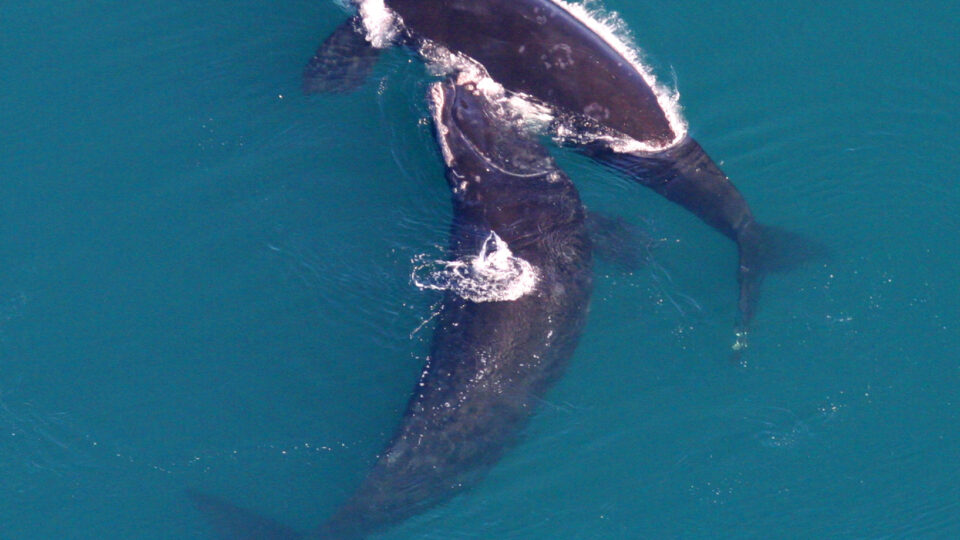
The warming of the Atlantic Ocean has driven the critically endangered North Atlantic right whale population from its traditional and protected habitat.  This has exposed the whales to more lethal ship collisions, increased entanglements with commercial fishing gear, and greatly reduced calving rates.

Since 2010, the calving rate has declined, and the right whale population has dropped by an estimated 26%.  Ten years ago, there were about 500 North Atlantic right whales; now there are an estimated 356.

These are some of the best studied whales in the oceans; scientists basically recognize each individual whale and when they are the victims of ship collisions or fishing entanglements, it is easy to identify which animal was killed.

Because of the warming climate, the Atlantic Meridian Overturning Circulation – an important system of surface and deep currents – has slowed down, causing the Gulf Stream to move north.  This has injected warmer and saltier water into the Gulf of Maine.  The warming Gulf of Maine has reduced the abundance of copepods, tiny crustations that are the favorite snack of right whales.   This has reduced whale calving rates and forced the whales to move north to the cooler waters of the Gulf of St. Lawrence.

For the past 6 years, more and more right whales have been observed feeding in the Gulf of St. Lawrence, where there were no protections in place to prevent ship strikes and fishing gear entanglement.  In 2017 alone, 17 right whale deaths were confirmed.

According to a recent report from Cornell University and the University of South Carolina, unless its management is improved, right whale populations will decline and potentially become extinct in the coming decades.

**********

Web Links

Warming Atlantic forces whales into new habitats, danger

Photo, posted December 8, 2016, courtesy of Sea to Shore Alliance/NOAA via Flickr.

Earth Wise is a production of WAMC Northeast Public Radio.

Fewer Snowbird Sharks

April 23, 2018 By EarthWise Leave a Comment

https://earthwiseradio.org/wp-content/uploads/2018/03/EW-04-23-18-Fewer-Snowbird-Sharks.mp3

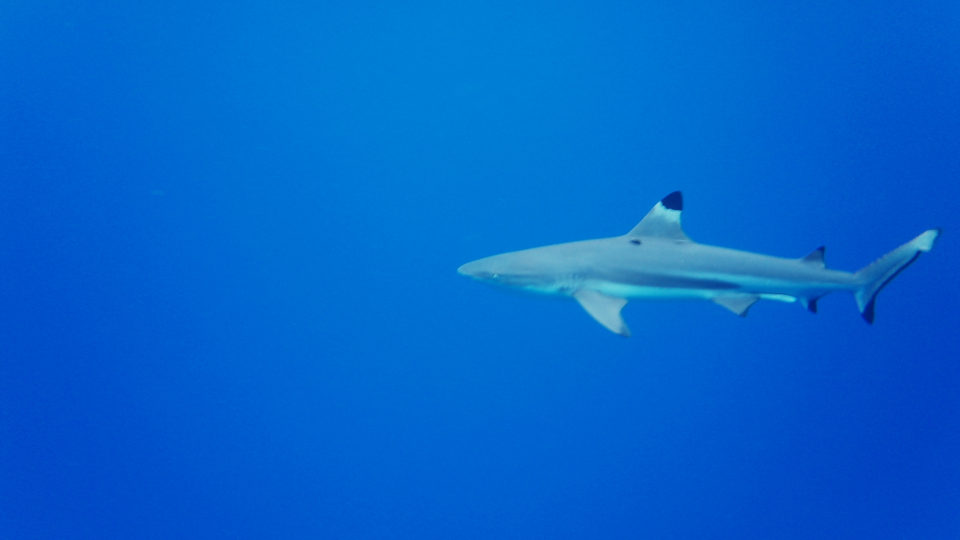
Blacktip sharks are snowbirds, to use a cross-species metaphor.   At least, they usually are.  The males of the species swim south to southern Florida during the coldest months of the year and head back north to North Carolina in the spring to mate with females.

[Read more…] about Fewer Snowbird Sharks

Cod And Global Warming

December 3, 2015 By WAMC WEB

https://earthwiseradio.org/wp-content/uploads/2015/11/EW-12-03-15-Cod-and-Global-Warming.mp3

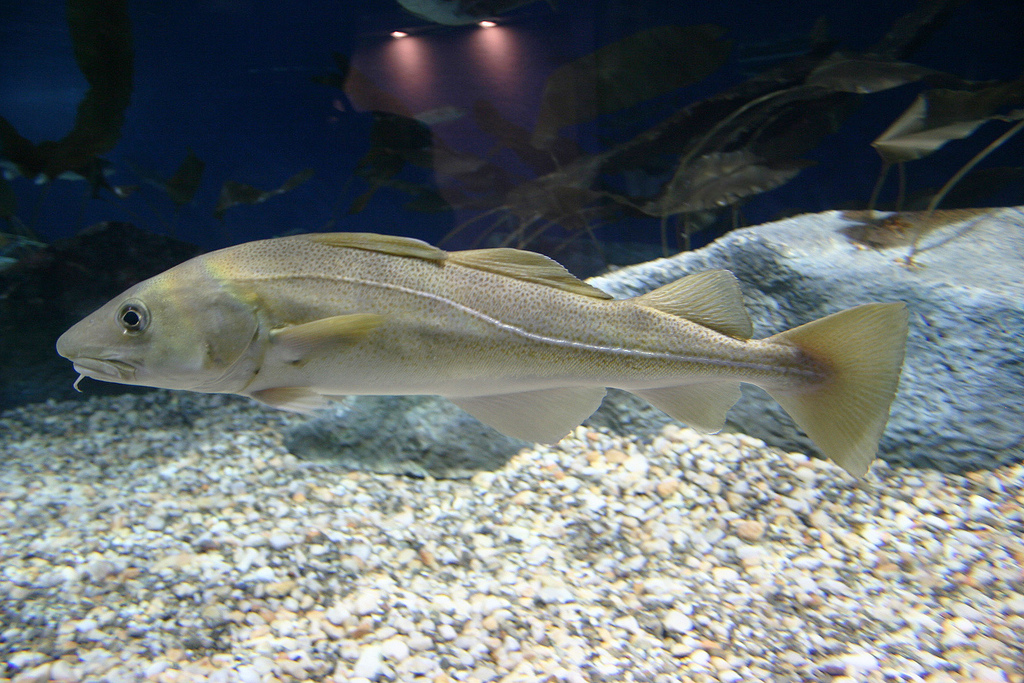
Atlantic cod has been the basis of a major fishing industry in the Gulf of Maine for centuries and is a key species in the local ecosystem.  Overfishing decimated the population of cod and in 2010, fisheries managers imposed a series of restrictions on harvesting the fish in order to try to help the species to rebound.

[Read more…] about Cod And Global Warming

Primary Sidebar

Recent Episodes

  • An uninsurable future
  • Clean energy and jobs
  • Insect declines in remote regions
  • Fossil fuel producing nations ignoring climate goals
  • Trouble for clownfishes

WAMC Northeast Public Radio

WAMC/Northeast Public Radio is a regional public radio network serving parts of seven northeastern states (more...)

Copyright © 2025 ·