• Skip to primary navigation
  • Skip to main content
  • Skip to primary sidebar

Earth Wise

A look at our changing environment.

  • Home
  • About Earth Wise
  • Where to Listen
  • All Articles
  • Show Search
Hide Search
You are here: Home / Archives for green roofs

green roofs

Living in a warming world

June 13, 2025 By EarthWise Leave a Comment

As global temperatures rise due to increased greenhouse gas emissions, communities around the world face more frequent and intense heatwaves, droughts, and extreme weather events. These growing climate pressures not only strain infrastructure and natural resources, but also play a critical role in shaping where people live. 

Recent projections from the First Street Foundation, which analyzes climate risks across the United States, highlight just how significant these shifts could be. In Sacramento County, California, rising flood risks, declining air quality, and soaring insurance costs could lead to a population decline of up to 28% by 2055. The risk assessment also projects that Monmouth and Ocean counties in New Jersey could each lose more than 30% of their populations. And Fresno County, California, could see nearly half of its residents relocate due to mounting climate-related pressures.

Urban areas like cities, towns, and suburbs are particularly vulnerable to the impacts of climate change.  Cities become significantly hotter due to the abundance of heat-absorbing surfaces and lack of green spaces, which intensifies heatwaves, worsens conditions for vulnerable populations, and may ultimately force some people to move.

Addressing these challenges requires a combination of climate solutions focused on both mitigation and adaptation. Solutions like expanding green infrastructure with urban parks and green roofs, and promoting sustainable development through energy-efficient buildings and transit-friendly design could all play a vital role in strengthening climate resilience.

As the planet warms, where we live – and how we live there – is rapidly being redefined.

**********

Web Links

The 12th National Risk Assessment

Solar on farmland

Photo, posted May 15, 2013, courtesy of Germán Poo-Caamaño via Flickr.

Earth Wise is a production of WAMC Northeast Public Radio
Cooling cities

September 2, 2024 By EarthWise Leave a Comment

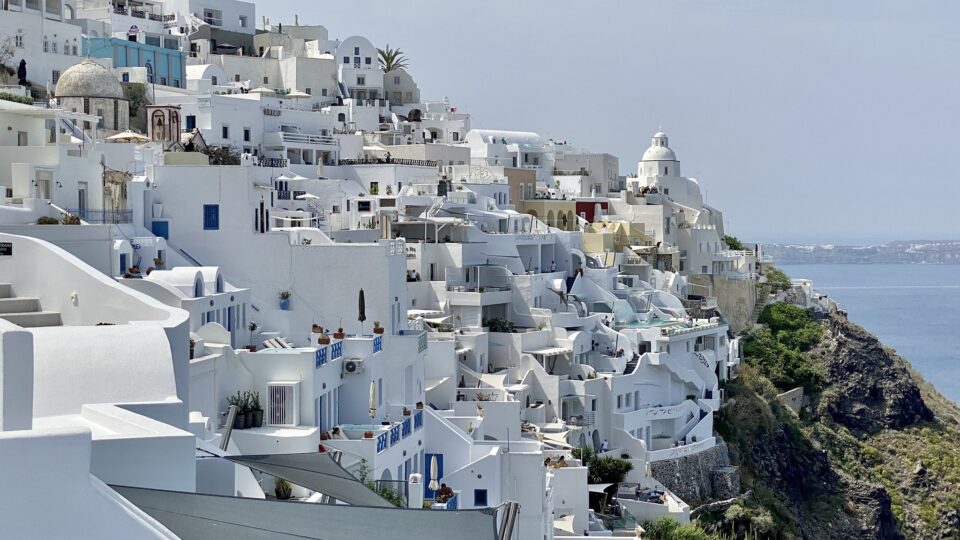
Cooling cities with white roofs

As the climate warms, city dwellers tend to suffer from extreme heat more than people in rural areas because of the urban heat island effect. Extensive surfaces of man-made materials like concrete, asphalt, and brick absorb the sun’s energy and lead to temperatures well above those in the surrounding countryside.

Cities can take countermeasures that include creating urban green spaces full of plants that cool the surrounding air and the use of cool roofs that reflect the sun’s energy back into space.  Local governments in many cities provide incentives for planting more trees.  But more could be accomplished by encouraging the use of cool roofs.

The heat island effect has been well-known for a long time, but scientists are only recently learning what interventions are most effective. A recent study modeled two days of extreme heat in London in 2018 and compared the potential effects of cool roofs, green roofs, roof-top solar panels, and ground level vegetation. They found that cool roofs are the most effective way to lower temperatures and would have reduced London temperatures by 2 degrees on average and as much as 3.6 degrees in some places.

Cool roofs are created by swapping out dark, heat-absorbing roofing materials with reflective materials or simply by painting roofs white. Los Angeles is the first major city to require that all new residential construction includes a cool roof. 

Apart from the effectiveness of passive cooling techniques, using them also reduces the reliance upon air conditioning to protect people from heat.  Air conditioners themselves contribute considerable amounts of heat to urban environments.

**********

Web Links

The surprisingly simple way cities could save people from extreme heat

Photo, posted February 21, 2024, courtesy of Warren LeMay via Flickr.

Earth Wise is a production of WAMC Northeast Public Radio
How to make cities cooler

March 26, 2024 By EarthWise Leave a Comment

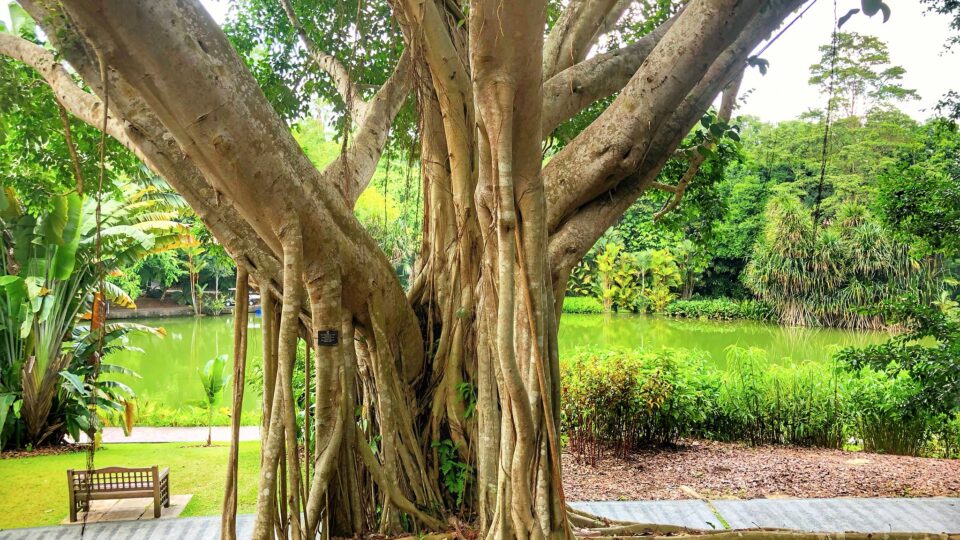
Green spaces and waterways help keep cities cool

In cities, the air, surface, and soil temperatures are almost always warmer than in rural areas. This is known as the urban heat island effect.  Urban heat islands occur when cities replace natural land cover with dense concentrations of pavement, buildings, and other surfaces that absorb and retain heat.

Urban planners around the world have been researching ways to reduce the effects of heat in cities.  For example, trees, green roofs, and vegetation can help reduce urban heat island effects by shading building surfaces, deflecting radiation from the sun, and releasing moisture into the atmosphere.

A new study led by researchers from the University of Surrey in the U.K. has analyzed how well various green spaces and waterways are able to cool down cities.  The study, which was recently published in the journal The Innovation, found that wetlands, parks, and even botanical gardens are among the best ways to keep cities cool.   

In fact, the researchers found that botanical gardens can cool city air by a whopping 9°F during heatwaves on average.  Wetlands can cool city air by 8.5°F on average, followed by rain gardens at 8.1°F, green walls at 7.4°F, street trees at 6.8°F, city farms at 6.3°F, city parks at 5.8°F, and reservoirs and playgrounds at 5.2°F. 

The researchers also found that cities can unlock even greater benefits by connecting green spaces into green corridors.  Greening projects can also help remove carbon emissions and prevent flooding.

The research team hopes its findings will help urban planners design more resilient cities. 

**********

Web Links

Wetlands, parks and even botanical gardens among the best ways to cool cities during heatwaves

Photo, posted April 25, 2022, courtesy of Catherine Poh Huay Tan via Flickr.

Earth Wise is a production of WAMC Northeast Public Radio
Living Walls | Earth Wise

December 28, 2021 By EarthWise 1 Comment

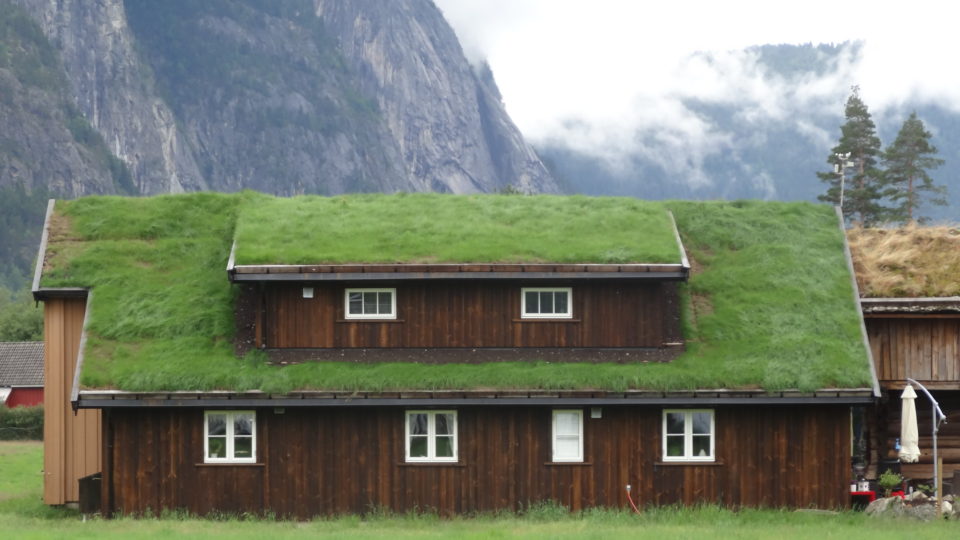
Green roofs are popular in many European countries.  A green roof is a layer of vegetation planted over a waterproofing system installed on a flat or slightly sloped roof.  Such roofs provide shade, remove heat from the air, and reduce temperatures of the roof surface, reducing energy use in the building and diminishing the urban heat-island effect.

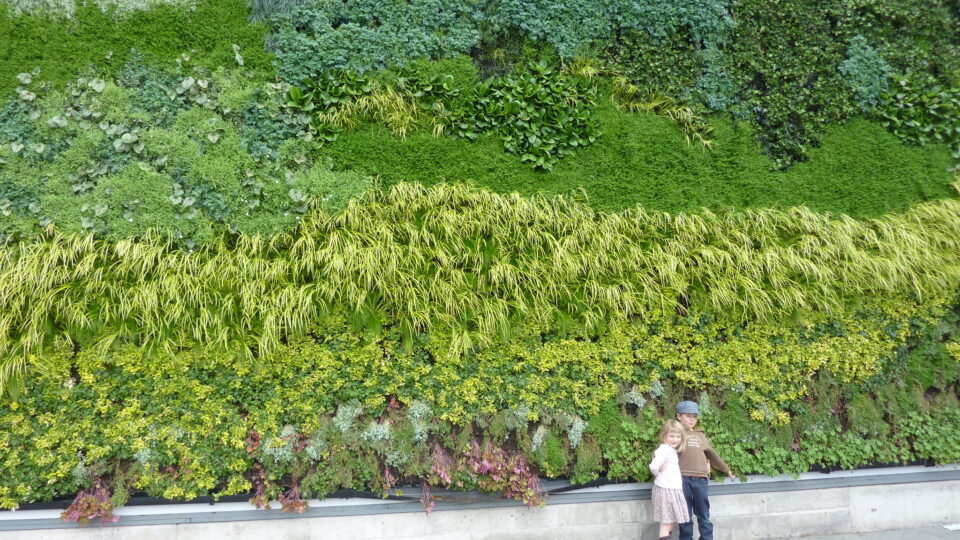
A recent study by the University of Plymouth in the UK looked at the effectiveness of living walls – essentially the equivalent of a green roof located on the wall of a building.

The study looked at the effect of retrofitting an existing masonry wall with an exterior living wall façade consisting of a flexible felt fabric sheet system with pockets holding soil in which plants could grow.

Five weeks of measurements demonstrated that the amount of heat lost through the retrofitted wall was 31.4% lower than that of the original structure.  They also found that daytime temperatures within the newly covered section remained more stable than the area with exposed masonry, so that less energy was required to heat that area.

The concept of living walls is fairly new but could be valuable in temperate climates such as Great Britain.  Buildings in the UK account for 17% of greenhouse gas emissions and space heating accounts for 60% of all the energy used in buildings.  So, improving the thermal performance of buildings would have a significant effect on reducing energy use and therefore emissions.

So-called green infrastructure, including green roofs and living walls, provides a nature-based solution that can help tackle climate change, air pollution, and other modern urban problems.

**********

Web Links

Living walls can reduce heat lost from buildings by over 30%, study shows

Photo, posted June 19, 2011, courtesy of Linda Hartley via Flickr.

Earth Wise is a production of WAMC Northeast Public Radio.

Roofs Going Green

November 21, 2019 By EarthWise Leave a Comment

Green roofs are roofs on buildings that are partially or completely covered with vegetation and a growing medium, generally planted over a waterproofing membrane.  The modern version of these roofs began in Germany in the 1960s and spread to many other European countries over time.  With concerns about climate change and shrinking natural resources rising, green roofs are becoming increasingly popular across North America.  The Toronto-based organization Green Roofs for Healthy Cities estimates that the number in North America has increased by about 15% since 2013.

Replacing black asphalt and shingles with plants can lower the surrounding air temperature, filter dirty storm water, and reduce building energy use.  The National Research Council of Canada estimates that a green roof can reduce air conditioning use in a building by as much as 75%.  The roofs also help to reduce air pollution and greenhouse gas emissions according to the EPA.

As the benefits of green roofs become more widely known, cities around the world are passing green roof legislation.  Copenhagen passed a law in 2010 requiring all new commercial buildings to have green roofs if their roofs are not sloped too much.  Toronto was the first city in North America to pass a green roof law in 2009.  Over 640 green roofs covering more than five million square feet have since been constructed in Toronto.

Apart from the environmental benefits, green roofs are providing pleasant spaces in the urban environment that may include flower beds, trees, herb gardens, gazebos and picnic tables.  As for the economics, studies show that over the course of a roof’s lifetime, green roofs are actually considerably cheaper than conventional roofs taking into account energy savings.

**********

Web Links

The Green Revolution Spreading Across Our Rooftops

Photo, posted July 15, 2014, courtesy of Flickr.

Earth Wise is a production of WAMC Northeast Public Radio.

Bee Friendly Amsterdam

February 11, 2019 By EarthWise Leave a Comment

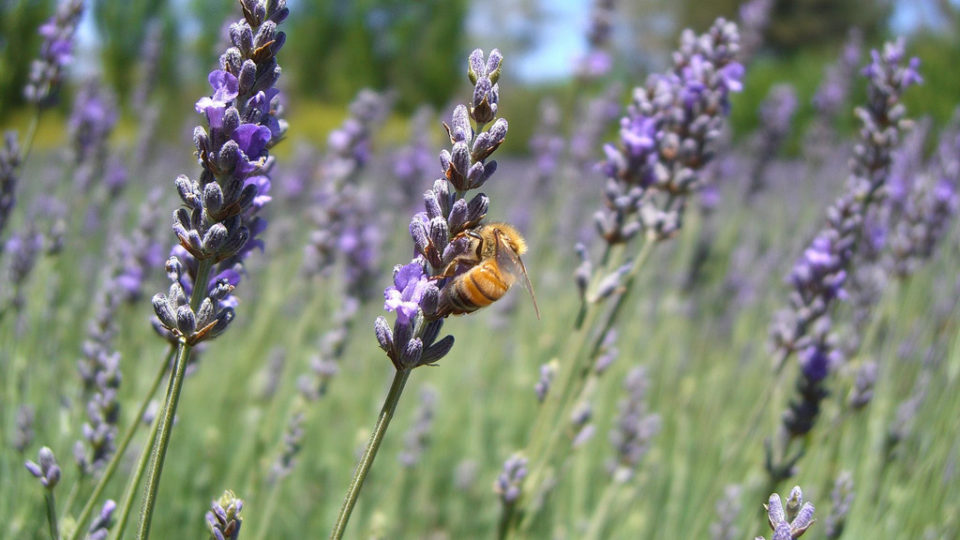
Scientists around the world have been sounding the alarm for years about the decline of bees and other pollinators that are crucial to the growth of crops.   One place where this trend has been bucked is in Amsterdam.  The diversity of wild bee and honeybee species in the Dutch capital has actually increased by 45% since 2000.

The city attributes this success to creating bee-friendly environments including the installation of so-called insect hotels.  There has also been a ban on the use of chemical pesticides on public land.

Four years ago, Amsterdam set a goal to convert half of all public green spaces to native plants including species that produce flowers and fruits that provide nourishment for bees.  Developers in Amsterdam are encouraged to install green roofs on new buildings which reduce reliance on heating and cooling systems and also create habitat for wildlife.

Residents can request to have a 16-inch strip of pavement adjacent to their homes removed in order to plant shrubs, flowers or climbing vines.  When a new highway was built in the area in 2015, local activists planted wildflowers along the sides of the road that otherwise would have been left with only gravel or grass.  This practice has spread to other major routes and along dikes and railways and is referred to as the Honey Highway.

All of these efforts seem to be having a positive effect.  An initial survey was conducted in 2000 to establish a baseline.  A 2015 survey of pollinators found 21 bee species not previously documented in the city.  The rest of the Netherlands has not done as well, and the Dutch government has recently introduced a pollinator strategy to revive bees, butterflies and other insects crucial to the country’s food crop.

**********

Web Links

Bees are dying at an alarming rate. Amsterdam may have the answer.

Photo, posted December 28, 2006, courtesy of Flickr.

Earth Wise is a production of WAMC Northeast Public Radio.

Green Solutions To Storm Water Runoff

July 5, 2018 By EarthWise Leave a Comment

https://earthwiseradio.org/wp-content/uploads/2018/07/EW-07-05-18-Green-Storm-Water-Solutions.mp3

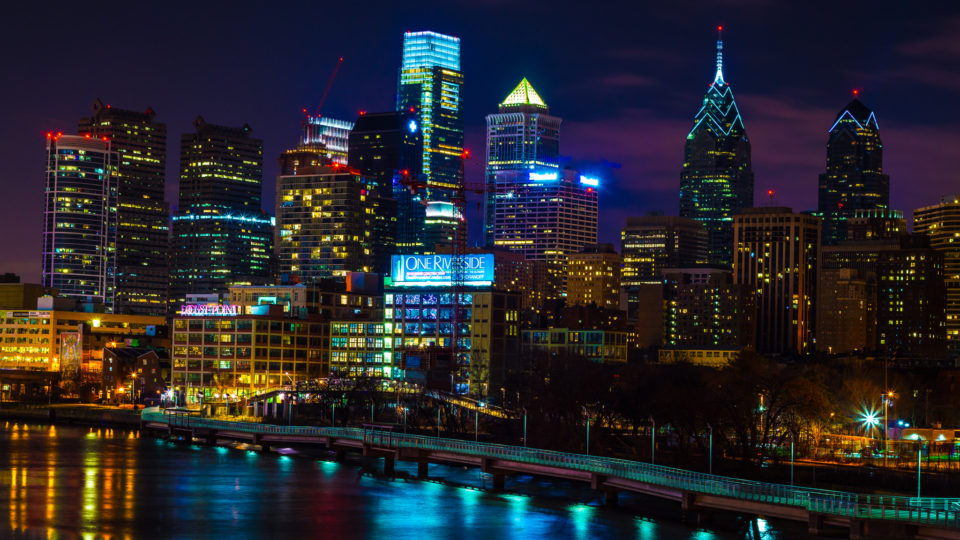
Philadelphia, America’s fifth largest city, has struggled with storm water runoff problems since the days of Benjamin Franklin.  The city’s numerous streams that run into the Schuylkill and Delaware Rivers were eventually covered with brick arches or cemented into underground sewers.  The network of underground-to-riverfront outfalls through increasingly-larger pipes is pretty much how all U.S. cities have been coping with storm water for over 200 years.

[Read more…] about Green Solutions To Storm Water Runoff

Primary Sidebar

Recent Episodes

  • An uninsurable future
  • Clean energy and jobs
  • Insect declines in remote regions
  • Fossil fuel producing nations ignoring climate goals
  • Trouble for clownfishes

WAMC Northeast Public Radio

WAMC/Northeast Public Radio is a regional public radio network serving parts of seven northeastern states (more...)

Copyright © 2026 ·