• Skip to primary navigation
  • Skip to main content
  • Skip to primary sidebar

Earth Wise

A look at our changing environment.

  • Home
  • About Earth Wise
  • Where to Listen
  • All Articles
  • Show Search
Hide Search
You are here: Home / Archives for forest loss

forest loss

Global climate progress is too slow

December 28, 2023 By EarthWise Leave a Comment

According to a new report by the World Resources Institute, the world is making progress on climate, but the progress is not fast enough.  The report looked at 37 indicators of climate progress towards the goals set forth by the Paris Agreement.  In some areas, the progress has been substantial, but in six areas, the world has been moving in the wrong direction entirely.

The rapid growth of clean energy has brought the world to the brink of peak fossil fuels, but to avoid the catastrophic effects of warming, countries need to build out wind and solar power nearly twice as fast and shut down coal plants seven times faster.  There has been progress in curbing deforestation, but the world needs to stem forest loss four times more quickly.  More work is needed to clean up heavy industry and the consumption of meat needs to be limited more than the present level.

Areas where things are getting worse rather than better include the use of public funds and subsidies for preserving the use of fossil fuels.  Because of wars and supply shocks affecting energy markets, countries have actually ramped up fossil fuel subsidies to combat rising prices.

One area where the world is moving at the pace required to meet climate goals is in the sales of electric vehicles.  EVs accounted for 10% of car sales globally last year and if trends continue, they are predicted to account for more than 75% of cars sold by 2030.

The faster-than-predicted progress on electric cars demonstrates that transformative change is possible and could happen in other areas.

**********

Web Links

World Making Too Little Progress on Climate — Except on EV Sales, Report Finds

Photo, posted May 24, 2022, courtesy of Ivan Radic via Flickr.

Earth Wise is a production of WAMC Northeast Public Radio
Cutting Deforestation | Earth Wise

August 10, 2023 By EarthWise Leave a Comment

Reducing deforestation

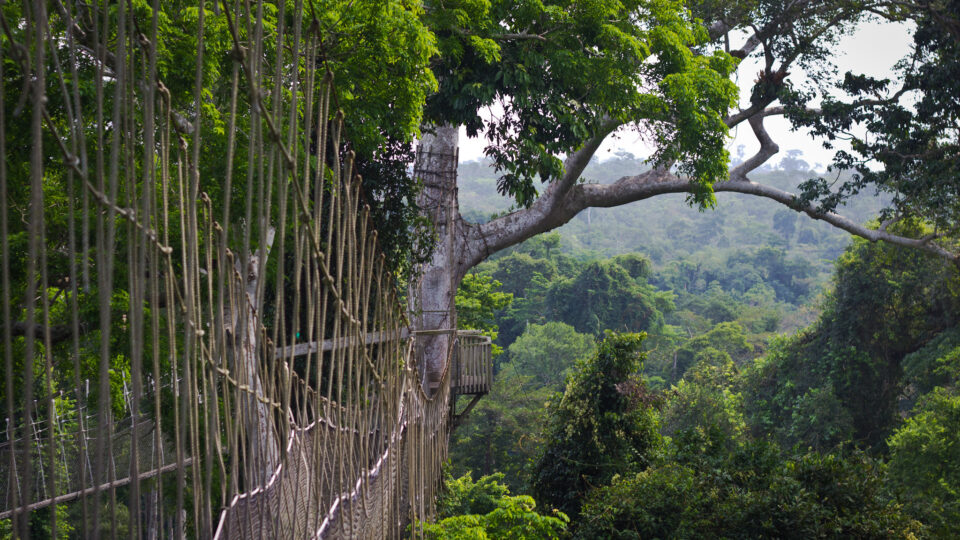
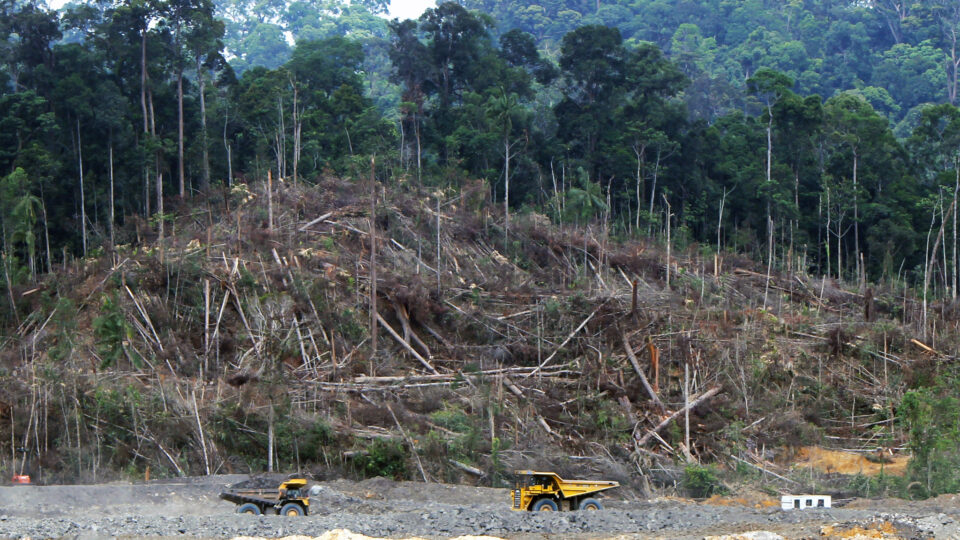
Deforestation is a major contributor to climate change because the destruction of tropical rainforests worldwide eliminates a crucial natural sink for carbon.  Between 2015 and 2020, roughly 39,000 square miles of forest were cut down, an area about 70% the size of the entire state of New York.  In many places, such as the Amazon and Congo Basins, deforestation continues to accelerate.  In Bolivia, deforestation rose 59% over the past five years; in Ghana, the rise was 71%.

A new report from the World Resources Institute revealed one bright spot in the deforestation story:  both Indonesia and Malaysia have cut deforestation by more than half in recent years.  The two countries have managed to keep rates of primary forest loss to near record-low levels.

Over the past five years, Indonesia saw a 64% decline and Malaysia a 57% decline in deforestation.  Indonesia is the second largest source of deforestation with only Brazil removing more trees.

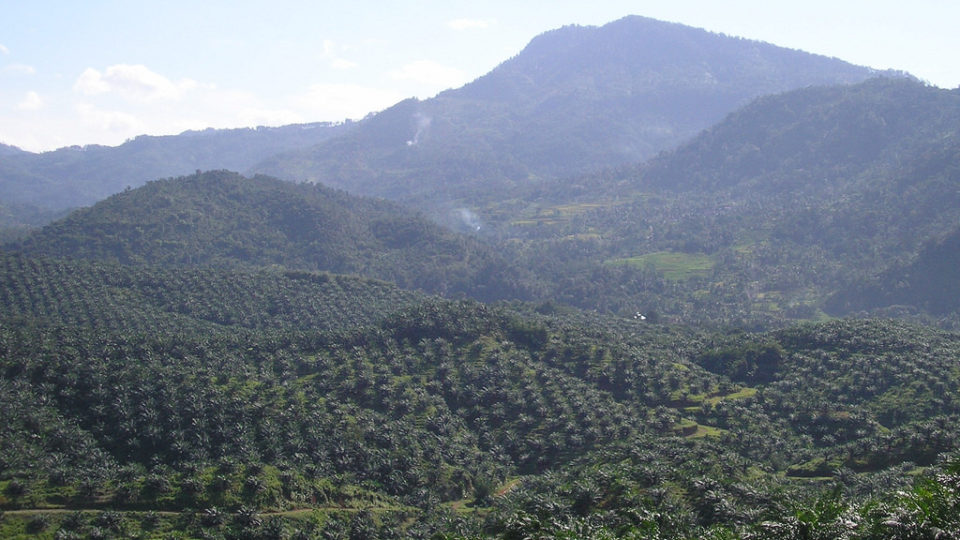
Indonesia has a national goal of having its forests absorb more carbon than they release by 2030.  They have moved to curb logging and limit the clearing of land for palm oil plantations.  They have also ramped up efforts to suppress forest fires.

It is good that Indonesia and Malaysia and some other countries have shown progress in reducing forest loss.  However, too many other countries have seen continued activities and policies that are causing acceleration of deforestation in critical areas.  Protecting forests is an important part of the effort to mitigate the effects of climate change.  Preserving forests also is essential for protecting the people and the biodiversity that depend on them.

**********

Web Links

Indonesia, Malaysia Have Cut Deforestation in Half in Last Half-Decade

Photo, posted March 22, 2021, courtesy EPJT Tours via of Flickr.

Earth Wise is a production of WAMC Northeast Public Radio
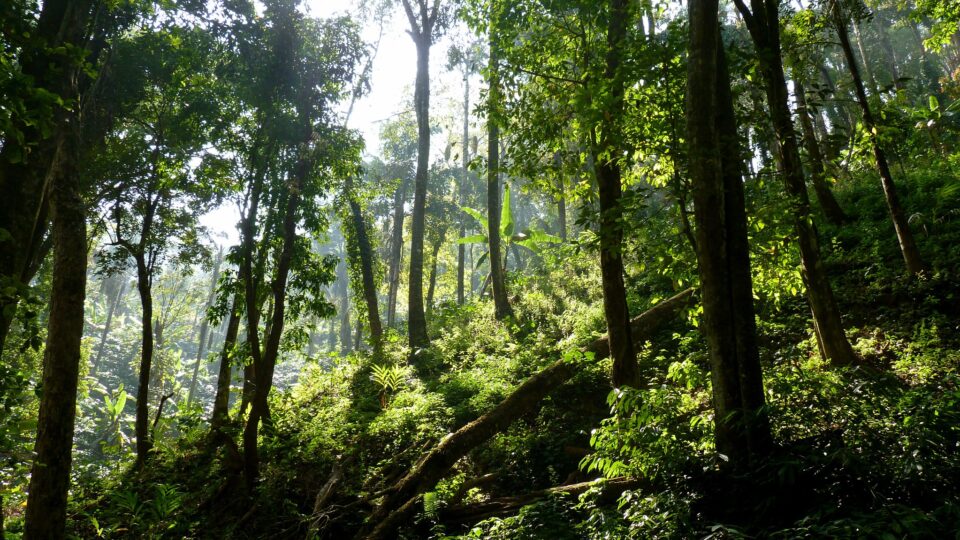
Climate Change And Forest Loss | Earth Wise

May 23, 2022 By EarthWise Leave a Comment

India is one of the most biodiverse countries in the world.  An estimated 47,000 plant species and 89,000 animal species can be found in India, with more than 10% of each thought to be on the list of threatened species. 

India is also among the top ten countries in the world in terms of total forest coverage.  According to Indian government data, the total forest and tree cover in India is 312,000 square miles, which is 24.62% of the geographical area of the country.

However, forest loss in India has been a problem for many decades driven largely (researchers thought) by land use change.  But it turns out that climate change may also have been contributing to forest loss, and its impact is projected to become an even bigger problem in the coming years. 

In the first ever national-scale study of the relationship between forest loss and rainfall and temperature trends in India, researchers from the University of Reading in the U.K. found that climate change may have contributed to large declines in forest since the turn of the century.

The study, which was recently published in the journal Global Change Biology, found far greater forest losses were observed where and when the climate was changing most rapidly.  Decreases in rainfall had the strongest impact on forest loss. 

These findings exacerbate concerns about the already-worrying levels of deforestation in the country, and contradict official reports that have shown relatively small decreases in forest coverage in recent years. 

The research team warns that rapid changes to the climate in some regions will require targeted preservation action to reduce the risk to biodiversity in India. 

*********

Web Links

Indian forest loss ‘worse than feared’ due to climate change

Photo, posted January 20, 2013, courtesy of Dicky Broadhurst / Frontier Official via Flickr.

Earth Wise is a production of WAMC Northeast Public Radio.

Not All Trees Cool The Planet | Earth Wise

March 24, 2021 By EarthWise Leave a Comment

Planting certain trees can actually lead to a warmer planet

A new study from Clark University has found that deforestation does not always contribute to planetary warming, as is generally assumed.  The researchers have found that there can be places where removing trees actually cools the planet.

Forests soak up carbon dioxide from the air and store it in the trees themselves and in the soil.   This process is important for slowing the accumulation of greenhouse gases in the atmosphere.

The new research focuses on a different effect that forests have on climate.  They are darker than other surfaces, which causes them to absorb more sunlight and retain heat.  This is known as the albedo effect.

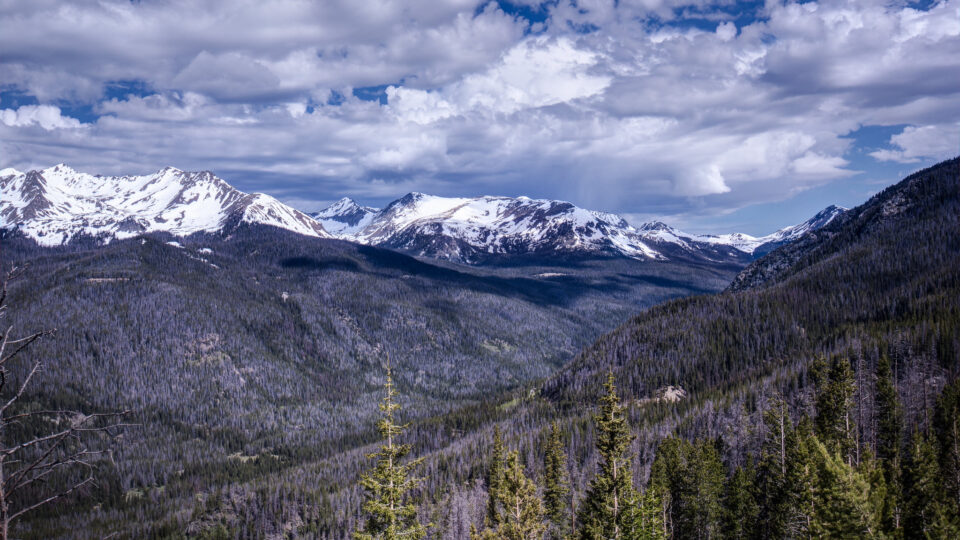
In most places, the absorption of carbon outweighs the albedo effect and forests help cool the planet.  But there are some locations, including the Intermountain and Rocky Mountain West, where more forest actually leads to a hotter planet when both processes are taken into account.  State-of-the-art satellite remote sensing allowed the researchers to quantify the effects of forest loss in the United States.

The upshot of this research is that large-scale tree-planting initiatives, such as Canada’s 2Billion Trees Initiative and the Nature Conservancy’s Plant a Billion Trees campaign need to make sure to put the right trees in the right places.

Every year, about a million acres of forest are being converted to non-forest across the lower 48 states as a result of suburban and exurban expansion and development.   It is important to take into account the albedo effect in trying to replace the climate-cooling capabilities of these disappearing forests by planting more trees.

**********

Web Links

Clark geographer Christopher Williams: More trees do not always create a cooler planet

Photo, posted June 5, 2017, courtesy of Todd Petrie via Flickr.

Earth Wise is a production of WAMC Northeast Public Radio.

Disappearing Rainforests | Earth Wise

July 2, 2020 By EarthWise Leave a Comment

rainforests continue to disappear

Forest loss is a major contributor to climate change, and it is continuing at a rapid pace.  The tropics lost about 30 million acres of tree cover in 2019, a third of which was within humid tropical primary forests, which are especially important for biodiversity and carbon storage.  To put that loss in a human-scale perspective, it is the equivalent of losing a football field of primary forest every six seconds for the entire year.

The losses last year were 2.8% higher than in the previous year, and these losses have continued over the past 20 years despite worldwide efforts to halt deforestation.  

Brazil single-handedly accounted for over a third of all global loss of humid tropical primary forests. Bolivia experienced record-breaking tree cover loss due to fires.  The losses in its forests were 80% greater than in any previous year.  The fires were often started by people who were trying to clear land for agriculture but had the fires go out of control. Several countries in Africa’s Congo Basin also experienced sustained or worsening forest loss. 

Indonesia, often the focus of the world’s attention for its deforestation activities, actually saw a 5% reduction in primary forest loss in 2019.  It was the third year in a row for lower losses.  The now-permanent moratorium on clearing forests for oil palm plantations and logging seems to be working.

Going forward, the coronavirus pandemic poses additional threats to the world’s forests in the near future.  There may be a tendency to sacrifice forests in pursuit of economic recovery, which will only lead to future complications for the health and livelihoods of millions of people around the world.

**********

Web Links

We Lost a Football Pitch of Primary Rainforest Every 6 Seconds in 2019

Photo, posted February 7, 2011, courtesy of Chad Skeers via Flickr.

Earth Wise is a production of WAMC Northeast Public Radio.

Unleash the power of Uniswap Exchange and elevate your crypto trading experience with its revolutionary decentralized exchange platform.

Indonesian Deforestation

February 28, 2019 By EarthWise Leave a Comment

Deforestation is defined as the intentional destruction of trees and other vegetation without reforesting or allowing the forest to regenerate itself. 

In Indonesia, industrial agriculture, primarily for the production of palm oil, is a major driver of deforestation.  But, according to researchers at Duke University, its impact has diminished  proportionately in recent years as other natural and human causes have emerged. Their peer-reviewed findings were recently published in the journal Environmental Research Letters.

According to the study’s lead author, large-scale plantations were responsible for more than half of Indonesia’s deforestation in the late 2000s, peaking between 2008-2010 when an average of 1.5 million acres of forest was lost annually.  The expansion of the massive plantations was responsible for 57% of the forest loss. Between 2014-2016, an average of more than 2 million acres of forest was lost annually, but plantation expansion only accounted for 25% of this figure.  While the overall rate of deforestation continued to grow, other factors were responsible for most of it.

Conversions of forests to grasslands rose sharply in 2015 and 2016 when El Nino caused severe droughts and forest fires. Small-scale farming, often overshadowed by industrial agriculture, was also found to play a bigger role, accounting for 25% of all forest loss. 

Indonesia has experienced some of the highest rates of deforestation.  Its forests absorb and store vast amounts of climate-warming carbon dioxide, help prevent erosion and flooding, and provide habitat to thousands of species.  Understanding the varied causes of Indonesian deforestation should help conservationists and policymakers better address the problem.

************

Web Links

Palm oil not the only driver of forest loss in Indonesia

Photo, posted March 26, 2018, courtesy of Achmad Rabin Taim via Flickr.

Earth Wise is a production of WAMC Northeast Public Radio.

Primary Sidebar

Recent Episodes

  • An uninsurable future
  • Clean energy and jobs
  • Insect declines in remote regions
  • Fossil fuel producing nations ignoring climate goals
  • Trouble for clownfishes

WAMC Northeast Public Radio

WAMC/Northeast Public Radio is a regional public radio network serving parts of seven northeastern states (more...)

Copyright © 2026 ·