• Skip to primary navigation
  • Skip to main content
  • Skip to primary sidebar

Earth Wise

A look at our changing environment.

  • Home
  • About Earth Wise
  • Where to Listen
  • All Articles
  • Show Search
Hide Search
You are here: Home / Archives for fat

fat

Hybrid beef rice

March 19, 2024 By EarthWise Leave a Comment

There is growing interest in innovative and more environmentally friendly ways to provide protein in our diets.  We’ve heard a great deal about lab-grown or cultured meats and about protein derived from insects. Whether either of these things achieves mainstream acceptance remains to be seen.

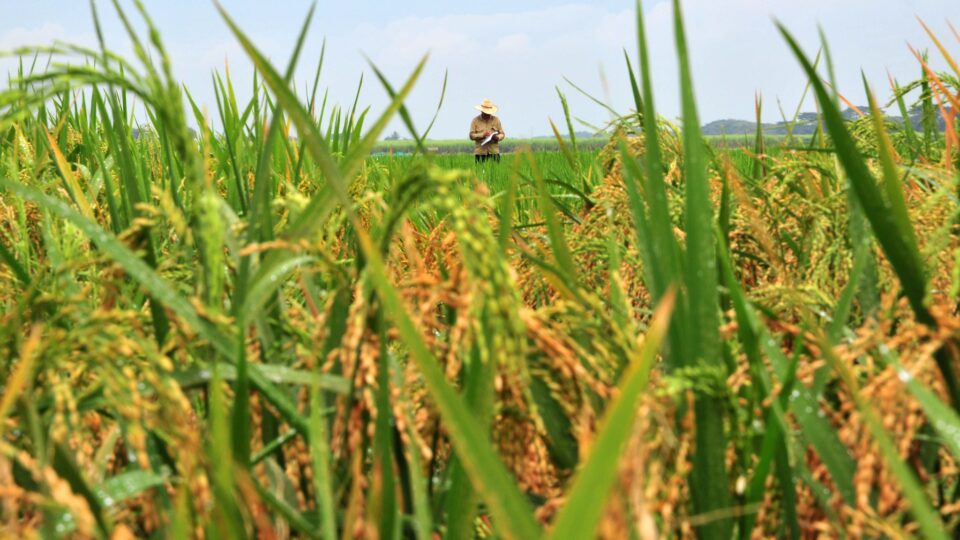
Scientists at Yonsei University in South Korea have developed a method for creating cultured beef rice – truly a hybrid food.  The method, described in the journal Matter, results in a nutritious and flavorful food that could be more affordable and have a smaller carbon footprint than current protein sources.

The researchers took rice grains – which are porous and have organized structures – and seeded them with beef muscle and stem cells and allowed them to culture for 9 to 11 days.  The harvested final product is a cell-cultured beef rice.

The hybrid beef rice was steamed and subjected to various food industry analyses, including nutritional value, odor, and texture.  The hybrid rice has 8% more protein and 7% more fat than regular rice.  It was somewhat firmer and more brittle than ordinary rice.  Hybrid rice with higher muscle content had beef- and almond-related odor compounds, while those with higher fat content had compounds corresponding to cream, butter, and coconut oil.

The hybrid rice has low food safety risks and a relatively easy production process.  If commercialized, the hybrid rice would be far less expensive than beef.  The researchers are optimistic that it can be commercialized.  They are continuing to work on the processing, hoping to further boost the nutritional value.  Like other unconventional foods under development, the biggest question is ultimately whether people will want to eat it.

**********

Web Links

By growing animal cells in rice grains, scientists dish up hybrid food

Photo, posted January 26, 2010, courtesy of CIAT / Neil Palmer via Flickr.

Earth Wise is a production of WAMC Northeast Public Radio
Polar bears and the changing climate

March 7, 2024 By EarthWise Leave a Comment

Polar bears struggling as the climate warms

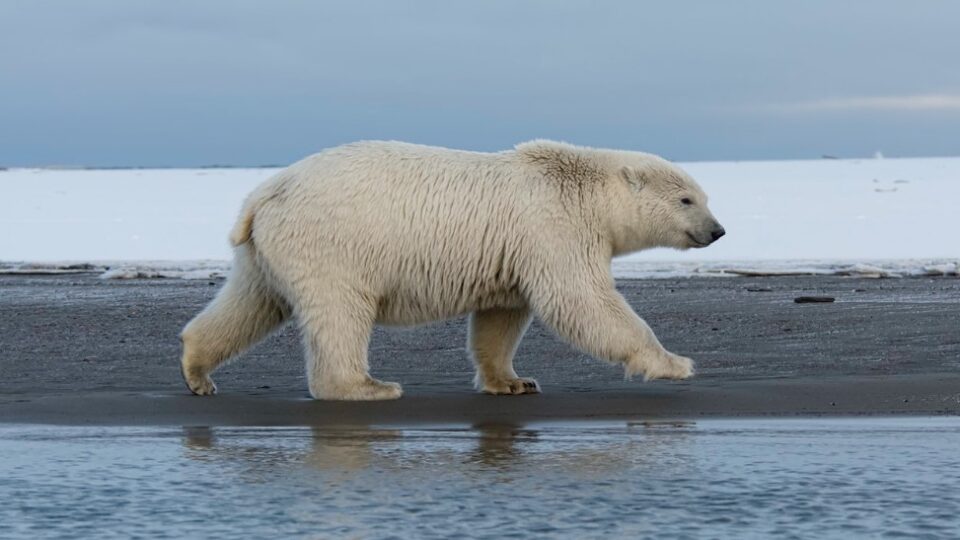
The changing climate poses a major threat to polar bear survival.  Polar bears, whose native range lies largely within the Arctic Circle, depend on sea ice for nearly all of their lifecycle functions.  Rising global temperatures are causing this sea ice to disappear.

With less sea ice, polar bears are forced to stay longer on land.  However, according to a new study led by researchers from Washington State University, more time stranded on land leads to a greater risk of polar bear starvation. 

During three summer weeks in Manitoba, Canada, 20 polar bears observed by researchers tried different strategies to maintain energy reserves.  But the research team found that nearly all of them lost weight – losing about 2.2 pounds per day on average.     

Some scientists have speculated that polar bears might be able to adapt to the changing climate by acting more like grizzly bears by either resting or eating terrestrial food.  But the polar bears tried versions of both strategies – with little success.

Polar bears can weigh nearly twice as much as grizzly bears.  To maintain this size, polar bears rely on the energy-rich fat of seals, which they best catch on ice.

In the study, which was recently published in Nature Communications, the researchers found that some polar bears laid down to conserve energy, while others searched on land for food.  But neither the activity nor the lack thereof paid off.  In fact, only one bear out of the 20 gained weight after stumbling across a dead marine mammal on land.

Polar bears across the Arctic are at risk of starvation as the ice-free period continues to grow.

**********

Web Links

Polar bears unlikely to adapt to longer summers

Photo, posted November 16, 2015, courtesy of Anita Ritenour via Flickr.

Earth Wise is a production of WAMC Northeast Public Radio

Paper Cups Are Not So Great | Earth Wise

October 4, 2023 By EarthWise Leave a Comment

Paper cups are not as innocent as they seem

The environmental cost of plastic waste is a highly visible global issue.  The response has been a growing effort to replace plastic items with alternative materials.  One very visible change of this sort has been the replacement of plastic cups with paper cups at coffee shops.  But a new study at the University of Gothenburg in Sweden has found that this solution has problems of its own.

Researchers studied the effects of disposable cups in the environment on the larvae of the butterfly mosquito.  They placed disposable cups made from different materials in wet sediment and water for a few days and observed how the chemicals leached from the cups affected the growth of the larvae.  It turned out that all of the different kinds of cups had negative effects.  The concern is not specifically about mosquito larvae; it is the fact that more environmentally friendly drinking cups are still potentially harmful to living things.

Paper is neither fat nor water resistant, so paper cups need to be treated with a surface coating.  The most common coating is polylactide, which is a type of bioplastic.  It is generally considered to be biodegradable, but the study shows that it can still be toxic.  Bioplastics still contain many different chemicals and the potential toxicity of each of them is not well known.

The UN is trying to develop a binding agreement by the world’s countries to end the spread of plastics in society and nature.  For such an agreement to be effective, the plastics industry will need to clearly report what chemicals all products contain, including such mostly invisible products as the coating on paper drinking cups.

**********

Web Links

Paper cups are just as toxic as plastic cups

Photo, posted October 23, 2016, courtesy of Flickr.

Earth Wise is a production of WAMC Northeast Public Radio
Coping With Climate Change | Earth Wise

October 11, 2022 By EarthWise Leave a Comment

Animals will cope with climate change differently

Extreme weather events including prolonged drought and heavy rainfall are becoming more common and more severe as global temperatures rise.  As the climate continues to change in the coming decades, how will animals respond? 

Researchers from the University of Southern Denmark have examined how different mammals react to climate change. They analyzed data on population fluctuations from 157 mammal species around the world.  They compared these fluctuations with weather and climate data from the same time period.  The research team had 10 or more years of data for each species studied. 

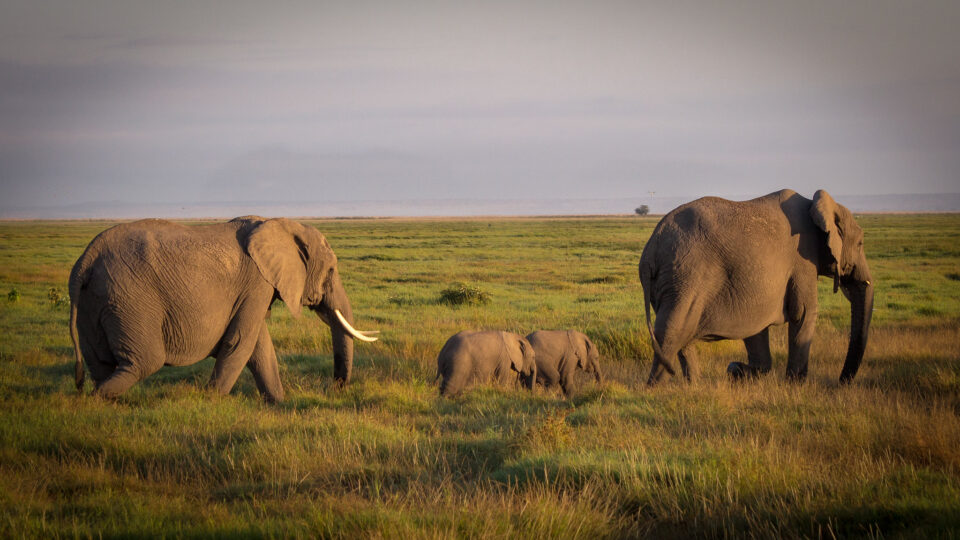
The researchers found that mammals that live for a long time and/or produce less offspring –  like llamas, elephants, bears, and bison – are more climate resilient than small mammals with short lives — like mice, possums, lemmings, and rare marsupials. 

For example, large, long-lived mammals can invest their energy into one offspring, or simply wait for better times if conditions become challenging.  On the other hand, small, short-lived mammals like rodents have more extreme population changes in the short term. In the event of a prolonged drought, large portions of their food base may rapidly disappear, and they are left to starve because they have limited fat reserves.

However, the research team notes that the ability of a species to withstand climate change must not be the only factor when assessing a species’ vulnerability.  In fact, in many cases, habitat destruction, poaching, pollution, and invasive species pose a larger threat to animal species than climate change. 

While the study only examined 157 species, the findings enable researchers to also predict how animals they know less about will react to climate change.

********** 

Web Links

Which animals can best withstand climate change?

Photo, posted July 8, 2018, courtesy of Ray via Flickr.

Earth Wise is a production of WAMC Northeast Public Radio
Cell-Based Meat And Seafood | Earth Wise

February 8, 2021 By EarthWise Leave a Comment

Reimagining meats and seafood

We have heard about laboratory meat for a number of years, generally in terms of something that may happen at some point in the indeterminate future. But at least for a couple of California companies, that future is now.

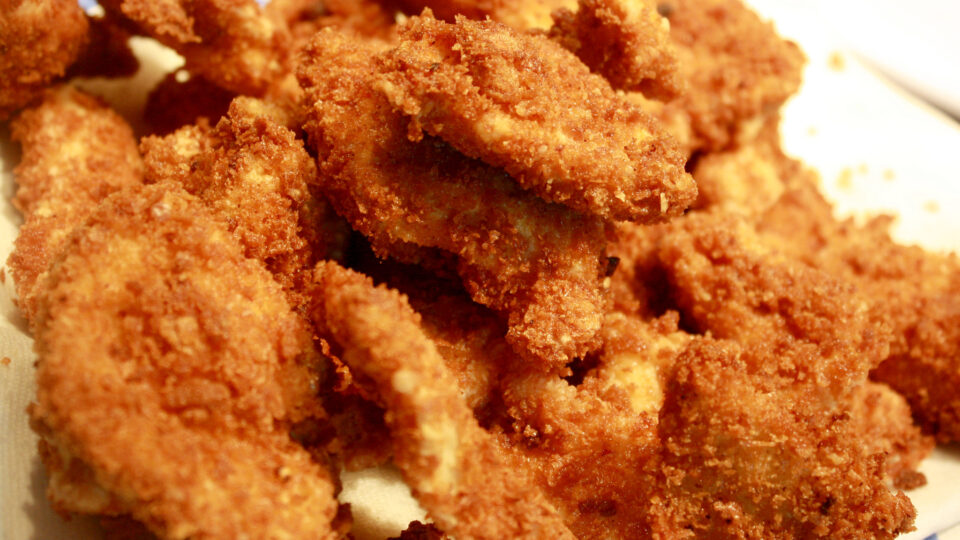
These high-tech companies are producing products – real meat and seafood – that are originally cultured from animal cells but are made without the actual animal.

San Francisco-based Eat Just makes chicken nuggets that have recently gained regulatory approval in Singapore and are now available to order at a downtown restaurant.  San Diego’s BlueNalu creates cell-based seafood fillets including yellowtail, mahi-mahi, red snapper, and tuna.

The companies use stem cells obtained from actual animals and cultivate them in steel tanks with the same nutrients that living animals consume.  The original cell donor is not sacrificed.  The harvested cells multiply and are eventually shaped to form meat or fish that cooks, looks, and tastes just like its natural counterpart.

The “mouth feel” of conventional meat or fish can be mimicked by recreating the same proportions of muscle, fat, and connective tissue in the cell-based product.  Eat Just says their product cooks, looks, and tastes like chicken because it is chicken.  BlueNalu says their product has all the same characteristics as fish because it is fish.

These products have major environmental, safety, and ethical advantages.  The big question is whether people will eat them.  Is there an “ick factor” to overcome?  Ultimately, the key thing is how they taste.  If they pass muster on that score and cell-based meats and seafood are scaled up and accepted, we can have the nutritional and sensory advantages of meat proteins without the environmental, ethical and safety disadvantages.

**********

Web Links

Can We Enjoy Meat and Seafood and Save the Planet?

Photo, posted February 1, 2012, courtesy of Andrea Parrish-Geyer via Flickr.

Earth Wise is a production of WAMC Northeast Public Radio.

Chocolate Is Good For The Heart | Earth Wise

August 27, 2020 By EarthWise Leave a Comment

chocolate is healthy

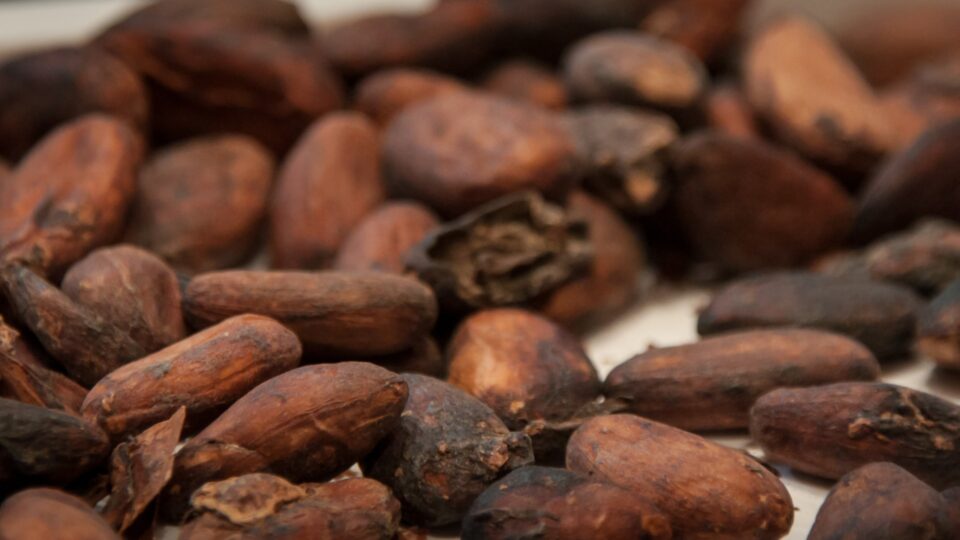
At last a good news story about what we eat, or more specifically, about what we like to eat.   According to research published recently in the European Journal of Preventive Cardiology, eating chocolate at least once a week is linked with a reduced risk of heart disease.

In the past, clinical studies have shown that chocolate is beneficial for both blood pressure and the lining of blood vessels.   The new study suggests that chocolate helps to keep the heart’s blood vessels healthy.

The researchers conducted a combined analysis of studies from the past five decades examining the association between chocolate consumption and coronary artery disease.  The analysis included data from over 300,000 participants who reported their chocolate consumption.  About 14,000 participants in the study ultimately developed coronary heart disease.  Compared with consuming chocolate less than once a week, eating chocolate more than once a week was associated with an 8% decreased risk of coronary heart disease.

Chocolate contains heart-healthy nutrients such as flavonoids, methylxanthines, polyphenols, and steric acid.  These substances may reduce inflammation and increase good (HDL) cholesterol.

The study did not examine whether any particular type of chocolate is more beneficial or whether there is an ideal portion size.  So, while chocolate appears to be promising for reducing the occurrence of coronary heart disease, it will require more research to determine how much and what kind of chocolate could be recommended.

Not to be spoilsports, but the doctors who conducted the study warned against overeating.  Eating large quantities of chocolate products laden with calories, sugar, milk and fat, is not a recommended path to improved health.

**********

Web Links

Chocolate is good for the heart

Photo, posted February 22, 2014, courtesy of Jan David Hanrath via Flickr.

Earth Wise is a production of WAMC Northeast Public Radio.

A Powerful Case For Protecting Whales

October 24, 2019 By EarthWise Leave a Comment

Efforts to mitigate climate change typically face two major challenges.  One is to find effective ways to reduce the amount of atmospheric carbon dioxide.  The other is how to raise enough money to implement climate mitigation strategies. 

Many proposed solutions to climate change, like carbon capture and storage, are complex, expensive, and in some cases, untested.  What if there was a low-tech solution that was effective and economical?

Well, it turns out there is one, and it comes from a surprisingly simple, “no-tech” strategy to capture CO2: increase global whale populations. 

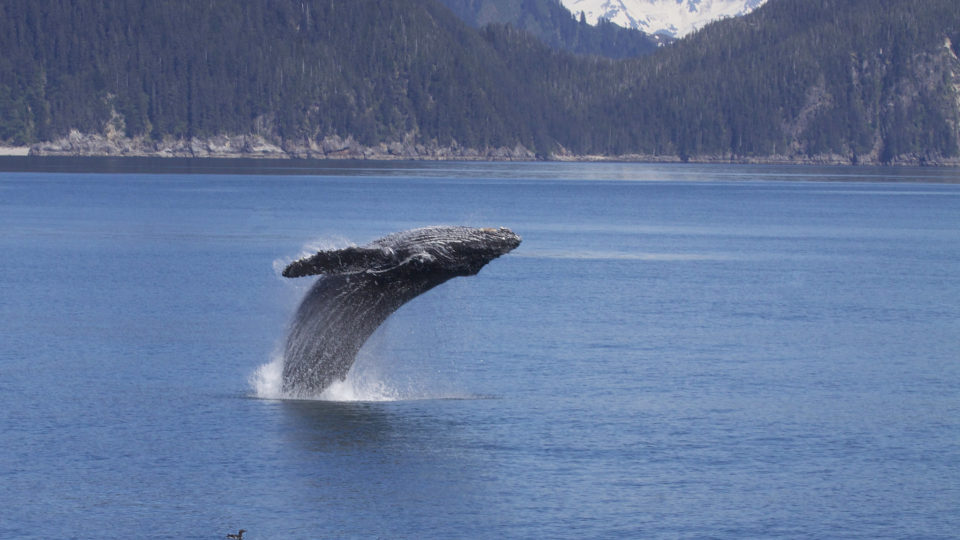
According to a recent analysis by economists with the International Monetary Fund, whales help fight climate change by sequestering CO2 in the ocean. 

Whales sequester carbon in a few ways.  They hoard it in their fat and protein-rich bodies, stockpiling tons of carbon apiece.  When whales die, they turn into literal carbon sinks on the ocean floor.  While alive, whales dive to feed on tiny marine organisms like krill and plankton before surfacing to breathe and excrete. Those latter activities release an enormous plume of nutrients, including nitrogen, iron, and phosphorous, into the water.  These so-called “poo-namis” stimulate the growth of phytoplankton, microscopic marine algae that pull CO2 out of the air and return oxygen to the air via photosynthesis.  Phytoplankton are responsible for every other breath we take, contributing at least 50% of all oxygen to the atmosphere and capturing approximately 40% of all CO2 produced. 

With other economic benefits like ecotourism factored in, economists estimate that each whale is worth $2 million over its lifetime, making the entire global population possibly a one trillion dollar asset to humanity.

*********

Web Links

How much is a whale worth?

Photo, posted June 12, 2013, courtesy of Gregory Smith via Flickr.

XXXXXXXXXXXXXXXXXX

Mistaking Plastic For Food

September 27, 2019 By EarthWise Leave a Comment

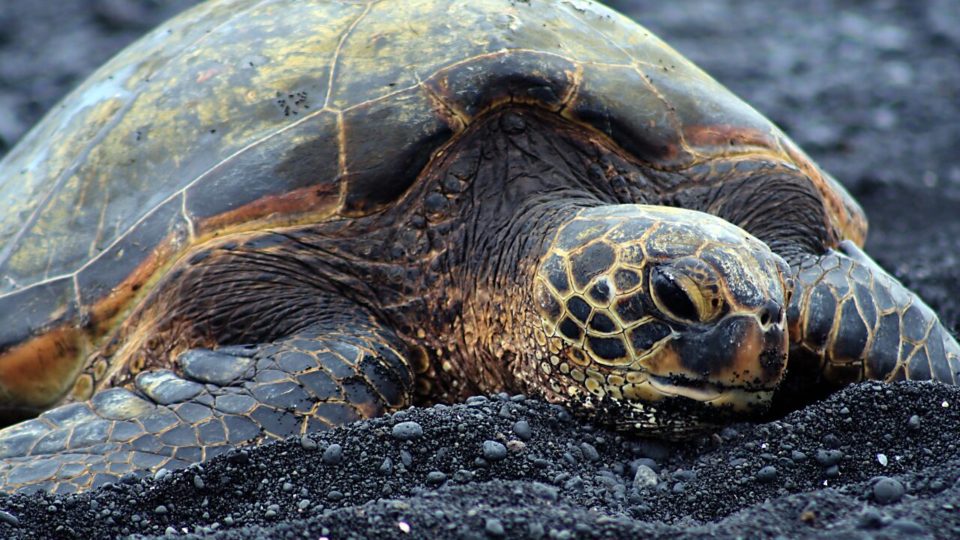
Green sea turtles are one of the world’s largest species of turtle, with some measuring close to four feet long and weighing up to nearly 300 pounds.  Their range extends throughout tropical and subtropical seas around the world, with the largest nesting populations found in Costa Rica and Australia. 

Green sea turtles get their name from the green layer of fat under their shell, as opposed to their shell itself, which can be brown, green, yellow, and/or black.  Scientists believe the green coloring of their fat is a result of their diet.  Unlike most other sea turtles, green sea turtles eat marine plants such as seaweed and seagrass.

But new research suggests that green sea turtles are also more likely to swallow plastic because it resembles their natural diet. The scientists from the University of Exeter and the Society for the Protection of Turtles who examined green sea turtles that washed up on beaches in Cyprus found they favored narrow lengths of plastic in natural colors (like green and black) as opposed to debris of other shapes and colors. 

Researchers were able to examine the full gastrointestinal tract of 19 green sea turtles.  They found pieces of plastic inside every one of them, with the number of pieces ranging from three to 183.  Smaller turtles tended to contain more plastic, possibly because they are less experienced or because diet choices change with age and size. 

Previous research has suggested that leatherback sea turtles also eat plastic that resembles their food: jellyfish. 

Researchers hope these findings will help motivate us to continue to work on reducing our overall plastic consumption and pollution.

***********

Web Links

Green turtles eat plastic that looks like their food

Photo, posted September, 2007, courtesy of Brock Roseberry via Flickr.

Earth Wise is a production of WAMC Northeast Public Radio.

Whopping Change

April 10, 2019 By EarthWise Leave a Comment

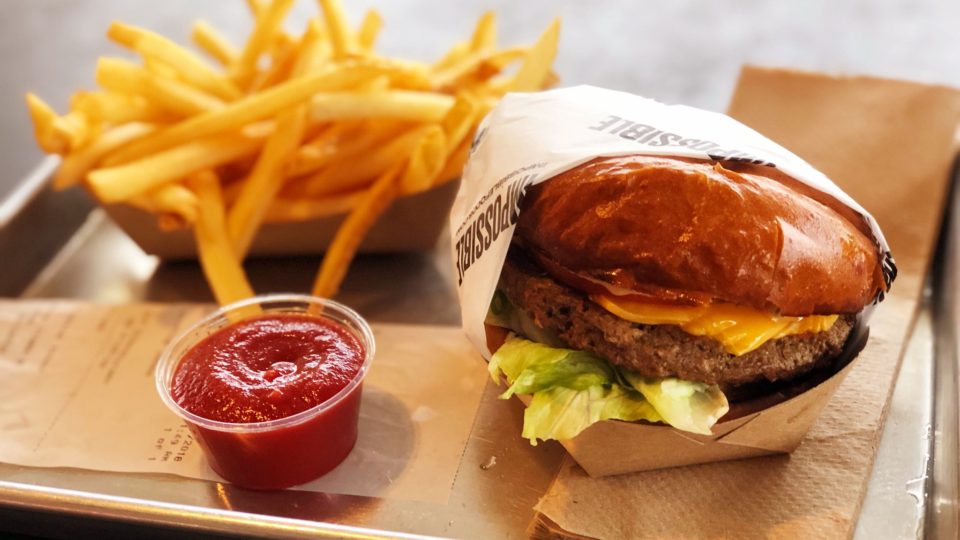
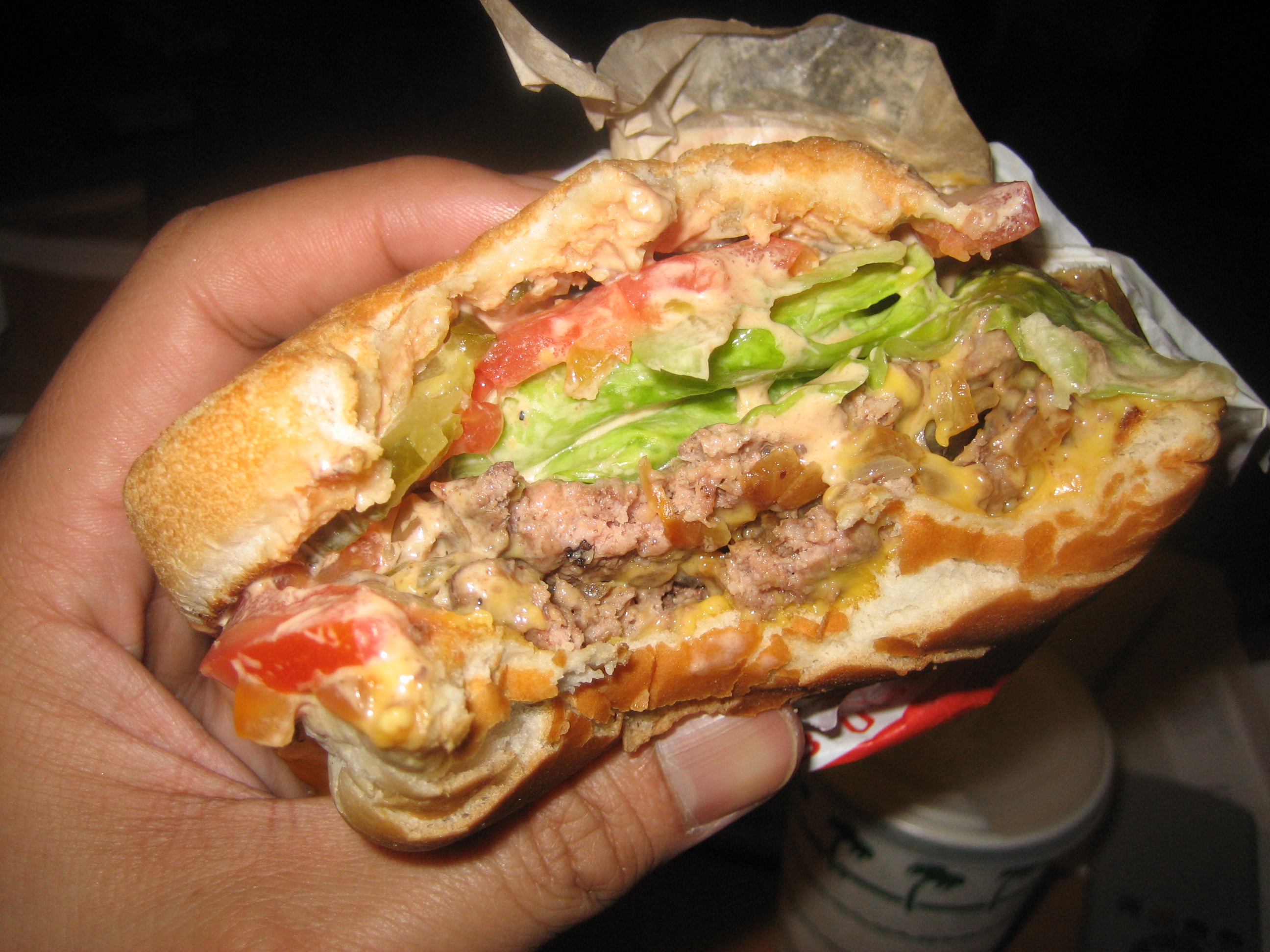
Burger King, the global hamburger fast food giant, recently made a huge announcement:  Customers will soon have the option to select either a beef patty or a plant-based patty when ordering the iconic Whopper sandwich. 

Burger King’s plant-based patty will be made by Impossible Foods, a California startup founded in 2011 with the explicit goal of decreasing the world’s reliance on animal agriculture.  Impossible Foods signature product, the Impossible burger, has already debuted as a slider in White Castle’s 380 or so stores.  It’s also being added to the menu at all 570 Red Robin locations.  Other plant-based innovators, such as Beyond Meat, have also found some mainstream success.  But the Impossible Whopper and the planned national roll-out at Burger King’s 7,200 locations is the biggest deal to date.

Impossible Foods’ major innovation comes from its use of heme, which is an iron-rich protein that in essence is what makes meat taste like meat.  Impossible Foods cultivates heme directly from plants – soybean plant roots to be exact – and then mass produces it using yeast.  This is then mixed with other plant-based ingredients to achieve the nutty texture of ground beef.

Meat production is one of the biggest single contributors to climate change.  The Impossible burger represents a better choice for the environment.  It requires 87% less water, 96% less land, and produces 89% fewer greenhouse gas emissions when compared with beef burgers.  At Burger King, the Impossible Whopper will have the same amount of protein as the regular Whopper, but 15% less fat and 90% less cholesterol. 

Meatless continues to push into the mainstream.

**********

Web Links

Behold the Beefless ‘Impossible Whopper’

Photo, posted November 27, 2018, courtesy of Sarah Stierch via Flickr.

Earth Wise is a production of WAMC Northeast Public Radio.

Fast Food Packaging

April 6, 2017 By EarthWise

https://earthwiseradio.org/wp-content/uploads/2017/03/EW-04-06-17-Dangers-of-Fast-Food-Packaging.mp3

Much has been made of the dangers of eating fast food.  Certainly, its high fat, sodium, and calorie content calls for moderating its role in our diets.  But a recent study has found that even the packaging that the food comes in might present health hazards.

[Read more…] about Fast Food Packaging

Feast Before The Famine

December 7, 2015 By WAMC WEB

https://earthwiseradio.org/wp-content/uploads/2015/12/EW-12-07-15-Feast-Before-Famine.mp3

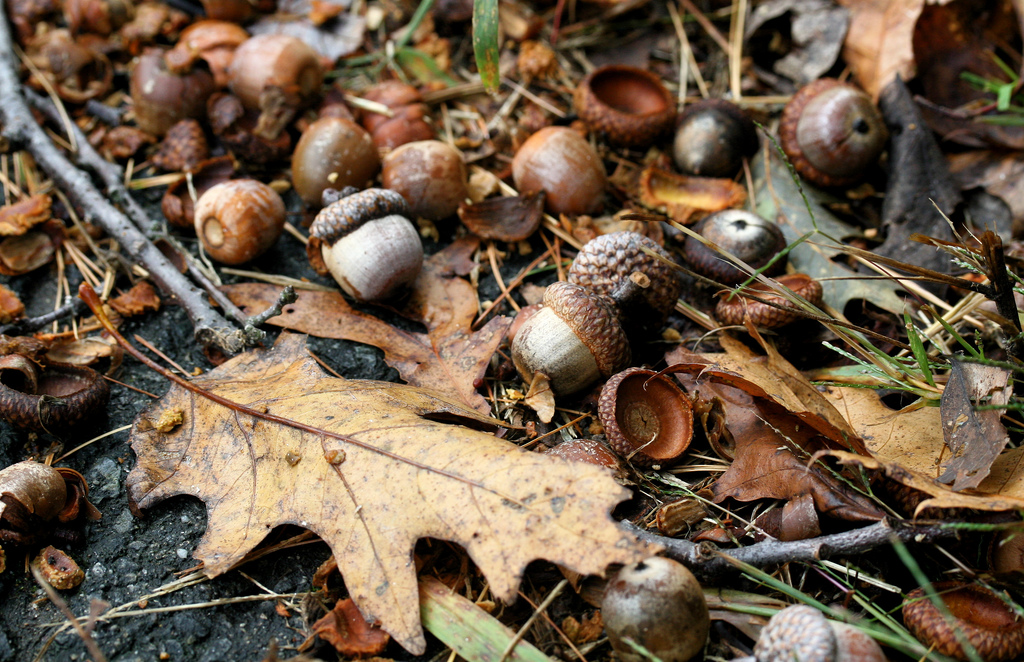
New York’s Hudson Valley is experiencing a “mast year.” Mast refers to the seeds of woody plants that are eaten by wildlife. “Soft mast” has seeds surrounded by fleshy pulp, and includes berries and fruits. “Hard mast” has seeds protected by an outer coat, such as acorns and hickory nuts.

[Read more…] about Feast Before The Famine

Primary Sidebar

Recent Episodes

  • An uninsurable future
  • Clean energy and jobs
  • Insect declines in remote regions
  • Fossil fuel producing nations ignoring climate goals
  • Trouble for clownfishes

WAMC Northeast Public Radio

WAMC/Northeast Public Radio is a regional public radio network serving parts of seven northeastern states (more...)

Copyright © 2026 ·