• Skip to primary navigation
  • Skip to main content
  • Skip to primary sidebar

Earth Wise

A look at our changing environment.

  • Home
  • About Earth Wise
  • Where to Listen
  • All Articles
  • Show Search
Hide Search
You are here: Home / Archives for facilities

facilities

Electricity demand from data centers

February 17, 2025 By EarthWise Leave a Comment

Data centers are dedicated facilities containing computers and their related hardware equipment such as servers, data storage drives, and network equipment; they are the physical facilities that store digital data.  Data centers are one of the most energy-intensive building types, consuming 10 to 50 times more energy per floor space than a typical commercial office building.  With the explosive growth of artificial intelligence technology, data center energy use is expanding rapidly.

A new report by the Department of Energy’s Lawrence Berkeley National Laboratory outlines the energy use of data centers from 2014 to 2028.  The report estimates that data center load growth has tripled over the past decade and is likely to double or triple again by 2028.

Data centers consumed about 4.4% of total U.S. electricity in 2023 and are projected to consume between 6.7% and 12% of total U.S. electricity by 2028. Most of the increased power demand of data centers is due to the growth in AI servers.  Artificial intelligence requires increasingly powerful chips and intense, power-hungry cooling systems.

There have been revolutionary changes in artificial intelligence technology in just the past couple of years and its role in society has dramatically expanded.  With that expansion has come a dramatic change in the energy usage by the data industry and innovative solutions are needed to allow data centers to meet their growing demand for energy.

**********

Web Links

Berkeley Lab Report Evaluates Increase in Electricity Demand from Data Centers

Photo, posted August 31, 2024, courtesy of Aileen Devlin / Jefferson Lab via Flickr.

Earth Wise is a production of WAMC Northeast Public Radio
A big year for battery storage

January 29, 2025 By EarthWise Leave a Comment

2024 was a big year for battery storage

A decade ago, the ability of utilities to store large amounts of electricity in batteries was basically nonexistent.  In the past several years, growth in battery storage systems has exploded.  As of the end of November, the US had about 24 gigawatt-hours of storage capacity in place.  This is 71% more than just a year ago.  Nearly half of the battery storage in the US is located in California.  Texas, Arizona, and Nevada are also leaders in deploying battery storage.

Battery storage allows solar and wind generating plants to keep operating when there is reduced demand for their output and have the electricity that they produce be available later when demand rises.  Storing this excess electricity essentially extends the hours of the day when clean energy can be used.

Equally important, the existence of battery storage reduces the need for peaker plants, the fossil-fueled power plants that only turn on at times of peak demand, such as during hot afternoons.

There are 1,000 peaker plants in the US and they are generally heavily polluting, inefficient, and expensive to operate.  Some 63 million people live within a three-mile radius of one of them and are exposed to harmful pollutants like nitrogen oxides and sulfur dioxide.  Peaker plants also release more greenhouse gases than other power plants do for every unit of electricity they generate.

Many battery storage facilities are co-located with, or otherwise support, solar energy plants.  The amount of solar energy in the US is growing rapidly and surpassed the 100-gigawatt mark in 2024.  As solar power continues to expand, so will battery energy storage.

**********

Web Links

Battery projects soared again in 2024

Photo, posted August 3, 2024, courtesy of the Bureau of Ocean Energy Management via Flickr.

Earth Wise is a production of WAMC Northeast Public Radio
California renewable energy

June 12, 2024 By EarthWise Leave a Comment

Renewable energy in California exceeding 100% of energy demand

California has aggressively pursued the use of renewable energy, particularly solar and wind power.  Last year, renewables supplied 54% of the state’s electricity needs.  This year, California has been achieving some remarkable milestones with its renewable energy.

As of May 26th, California had produced more than 100% of its electricity demand with wind, solar, and hydropower for parts of 51 straight days and 75 out of 81 days.  On May 25th, California’s grid ran entirely on renewable energy for 10.1 straight hours and renewables provided 83% of the state’s electricity for the entire 24-hour period.  California uses more electricity than any other state apart than Texas, which uses more than half its energy for operating refineries and petrochemical plants.

Excess power in California is either exported to other states or is used to charge up the state’s growing arrays of energy storage batteries.  California has the largest grid-connected battery storage facility in the world, located in Kern County.  The facility can store nearly 3,300 megawatt-hours of energy.

The ability to produce more power than the state needs occurs during the day when the sun is shining, and when many people are not at home.  At night, demand goes up and solar power is not available.  But as the quantity of energy storage available continues to grow along with additional solar installations, California will ultimately be able to wean off of the gas-fueled power plants it predominantly uses at night.

According to some experts, California may operate entirely on renewables and battery storage as soon as 2035. 

**********

Web Links

California exceeds 100% of energy demand with renewables over a record 30 days

Photo, posted January 11, 2016, courtesy of Jared Eberhardt via Flickr.

Earth Wise is a production of WAMC Northeast Public Radio

The cost of methane emissions

April 26, 2024 By EarthWise Leave a Comment

Stanford University-led research has determined that American oil and gas operations are emitting more than 6 million tons of methane each year.  The emissions come from both intentional vents and unintentional leaks. 

Methane is the main component of natural gas and losing that much of it through leakage is costing the industry a billion dollars a year just in lost revenue.  Adding in the harm to the economy and human well-being caused by adding this much potent greenhouse gas to the atmosphere is estimated to increase the cost of these emissions to $10 billion a year.

These emission and cost estimates are roughly three times the level predicted by the U.S. government.  The Stanford numbers are based on roughly a million aerial measurements of wells, pipelines, storage, and transmission facilities in six of the nation’s most productive oil and gas regions located in Texas, New Mexico, California, Colorado, Pennsylvania, and Utah.  These areas account for 52% of U.S. onshore oil production and 29% of gas production.

The survey also found that fewer than 2% of the methane emitters are responsible for 50-80% of emissions in four of the regions.  It also found that midstream infrastructure – which includes gathering and transmission pipelines, compressor stations, and gas processing plants – is responsible for about half of total emissions.

While the federal government estimates that methane leakage averages about 1% of gas production, the new survey puts the number at 3%, and some regions lose almost 10% to leakage.

Better tracking and fixing these leaks – especially the larger ones –  is essential for climate change mitigation.

**********

Web Links

Methane emissions from U.S. oil and gas operations cost the nation $10 billion per year

Photo, posted June 5, 2015, courtesy of Dave Houseknecht / USGS via Flickr.

Earth Wise is a production of WAMC Northeast Public Radio
Ending plastic separation anxiety

December 27, 2023 By EarthWise Leave a Comment

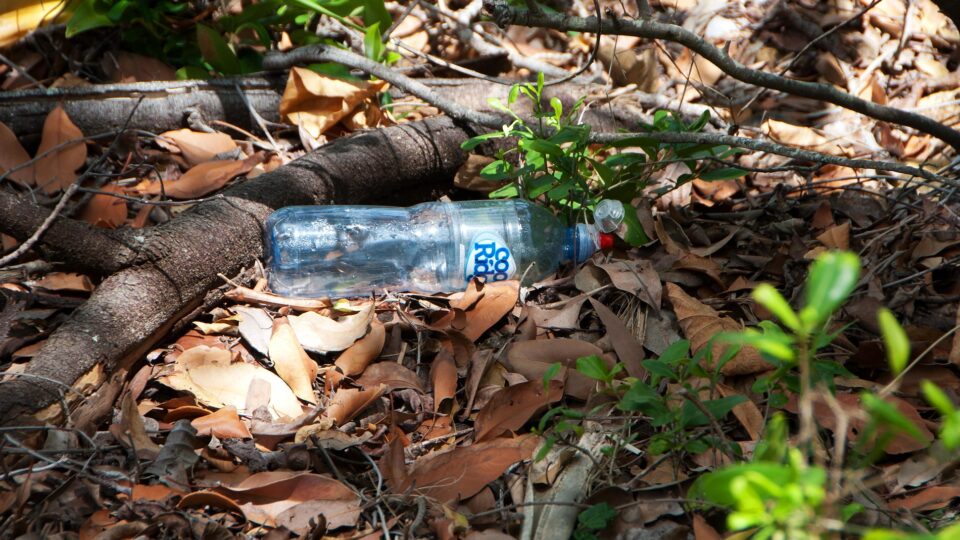
Petroleum-based plastics are one of the biggest environmental problems we face.  They mostly end up in landfills – or worse, in the oceans and elsewhere in the environment – and they basically don’t decompose over time.  Bio-based plastics were invented to help solve the plastic waste crisis.  These materials do break down in the environment providing a potential solution to the problem.  But it turns out that they can actually make plastic waste management even more challenging.

The problem is that bioplastics look and feel so similar to conventional plastics that they get mixed in with the petroleum-based plastics rather than ending up in composters, where they can break down as designed.

Mixtures of conventional and bioplastics end up in recycling streams where they get shredded and melted down, resulting in materials that are of very poor quality for making functional products.  The only solution is to try to separate the different plastics at recycling facilities, which is difficult and expensive to do.

Scientists at Lawrence Berkeley National Laboratory, the Joint BioEnergy Institute, and the incubator company X have invented a simple “one pot” process to break down mixtures of different types of plastic using naturally derived salt solutions and specialized microbes and then produce a new type of biodegradable polymer that can be made into fresh commodity products.

The team is experimenting with various catalysts to find the optimum way to break down polymers at the lowest cost and are modeling how their processes can work at the large scales of real-world recycling facilities. Chemical recycling of plastics is a hot topic but has been difficult to make happen economically at the commercial scale.

**********

Web Links

Putting an End to Plastic Separation Anxiety

Photo, posted November 28, 2016, courtesy of Leonard J Matthews via Flickr.

Earth Wise is a production of WAMC Northeast Public Radio
Актуальная ссылка на Мега сайт обеспечивает удобный и быстрый доступ к площадке.

Electric Cars And Apartments | Earth Wise

July 10, 2023 By EarthWise Leave a Comment

Lack of charging options for people who rent hinder wider electric vehicle adoption

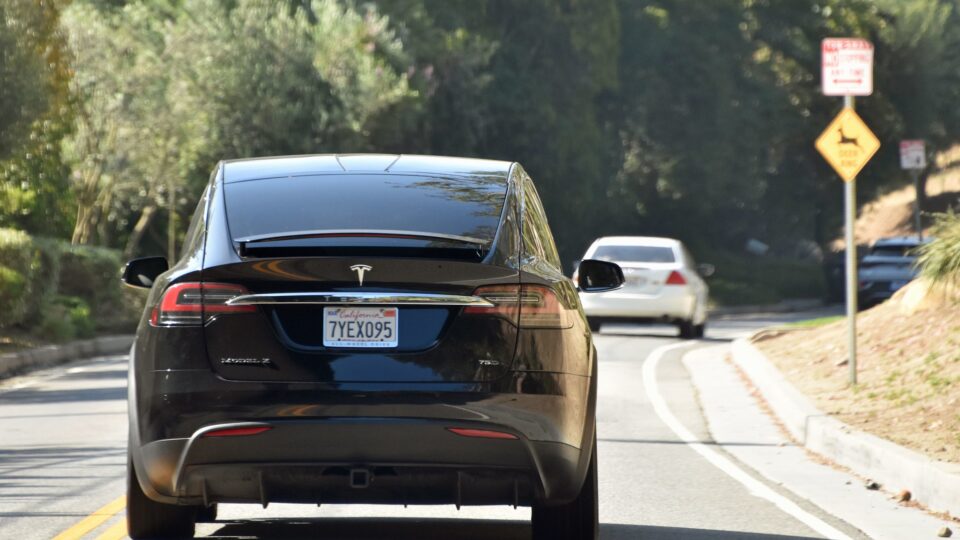
The transition to electric cars is underway.  People are increasingly buying them, carmakers are switching over to making them, and governments are providing incentives as well as legislating the changeover.  More and more consumers want to lower their carbon footprints and stop burning fossil fuels.  But one very large group of consumers faces an uphill battle in switching to electric cars:  people who rent their dwellings.

About one third of our country lives in rented apartments or houses.  These nearly 110 million Americans are more likely to be in the bottom half of income and net worth and are more likely to be people of color.  These people are less likely to have the spare cash to make upgrades to their property such as car chargers and may not be able to get permission from their landlords to do it anyway.

Renters face what is known as the “split-incentive problem” or the “landlord-tenant problem.”  Three-quarters of tenants in the US pay their own utility bills, so they have a strong incentive to conserve electricity, water, and gas.  Their landlords, on the other hand, have little incentive to upgrade appliances and systems to be more environmentally responsible.  Studies have shown that on average renters use 3% more energy than homeowners for this reason.

There are some landlords who are being proactive and installing facilities for charging cars on their properties.   This will undoubtedly become an increasingly sought-after feature for renters.  But in the meantime, millions of them have a more difficult time driving electric cars.  They can charge at public chargers or perhaps at work.  But at the moment, homeowners are three times more likely than renters to own an electric car.

**********

Web Links

The coming battle between Americans who want to go electric and their landlords

Photo, posted July 22, 2022, courtesy of Chris Yarzab via Flickr.

Earth Wise is a production of WAMC Northeast Public Radio

Electric Mail Trucks | Earth Wise

January 26, 2023 By EarthWise Leave a Comment

The USPS is electrifying its fleet

The US Postal Service recently announced that it plans to buy at least 66,000 electric vehicles by 2028.  With more than 231,000 total vehicles, the Postal Services operates one of the largest civilian vehicle fleets in the world.

Last February, the Postal Service announced a plan to replace up to 165,000 older mail trucks, many of which are as much as 30 years old.  The gas-powered trucks get an estimated 8.6 miles per gallon when air conditioning is running.  The plan was for only 10% of the new trucks to be electric, citing the high upfront costs of electric vehicles even though they generally make up the difference by saving on fuel and maintenance costs over time. 

Facing strong criticism from the Biden administration, the Postal Service shifted course and in July announced that 40% of the new trucks would be electric. With passage of the Inflation Reduction Act in August, the Postal Service received $3 billion for fleet electrification and has once again changed its plans.  It also announced that it intends to stop buying gas-powered delivery trucks altogether after 2026.

As part of the new plan, the Postal Service plans to upgrade hundreds of facilities across the country to accommodate electric vehicles.  This will include installing chargers and streamlining delivery operations to reduce unnecessary trips.

The Postal Service is no alone in working to clean up its fleets.  FedEx says it plans to completely electrify its pickup and delivery fleet by 2040.  Amazon has ordered 100,000 electric vans from the start-up company Rivian.

Electrifying the postal delivery system makes abundant sense.  Postal routes are predictable and there is ample charging time to meet the power needs of the fleet.

**********

Web Links

Your Mail Truck Is Going Electric

Photo, posted January 18, 2017, courtesy of Rusty Clark via Flickr.

Earth Wise is a production of WAMC Northeast Public Radio.

California Offshore Wind | Earth Wise

November 16, 2022 By EarthWise Leave a Comment

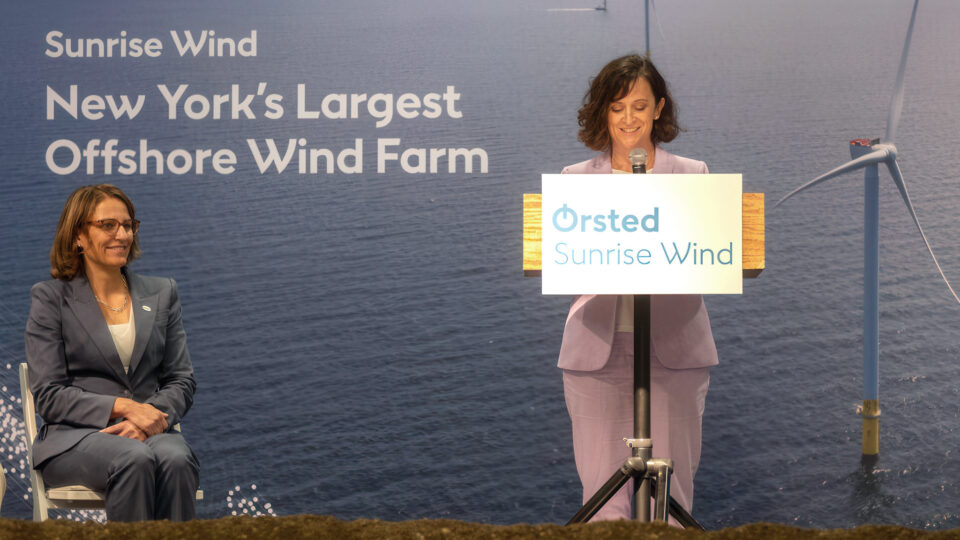
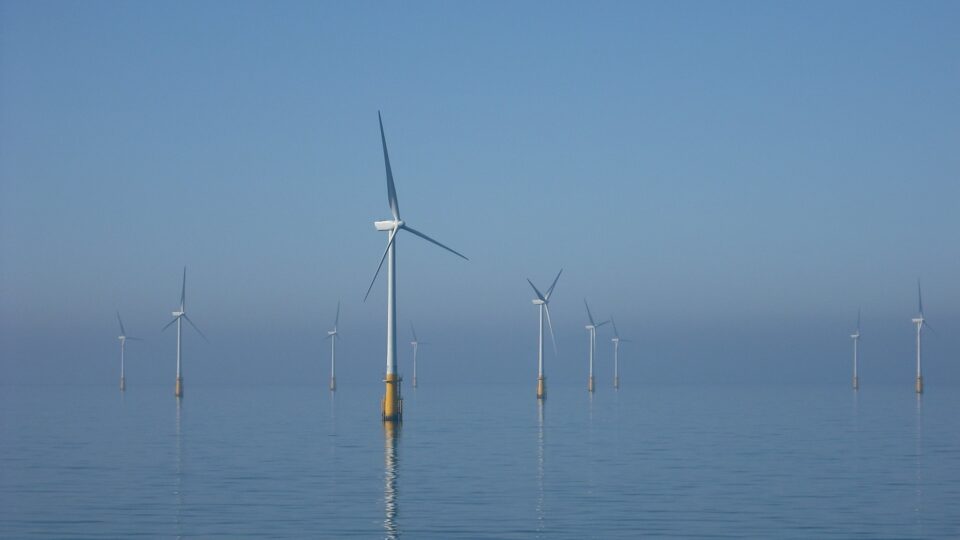
California has tremendous potential offshore wind resources.  The state set a preliminary target of 15 GW of offshore wind by 2045 earlier this year and may increase that number to 25 GW.  But installing offshore wind on the West Coast is much more challenging than it is on the East Coast.  The reason is that the ocean floor drops off rapidly on the Pacific Coast and it is simply not practical to attach wind turbines to the sea bottom.  Instead, floating turbine technology will be required.  That is more complicated and more expensive.

Despite the challenges, offshore wind in California is moving forward.  The federal Bureau of Ocean Energy Management announced that the auction for rights to develop waters off central and northern California will be held on December 6.  This will be the first wind auction ever along the U.S. Pacific Coast.

The auction will include three lease areas in the Morro Bay Wind Energy Area and two proposed areas in the Humboldt Wind Energy Area.  Combined, the two areas cover over 370,000 acres and could potentially host over 4.5 GW of wind generating capacity.  The projects developed in these areas are likely to become the first floating offshore wind projects in operation in the U.S.

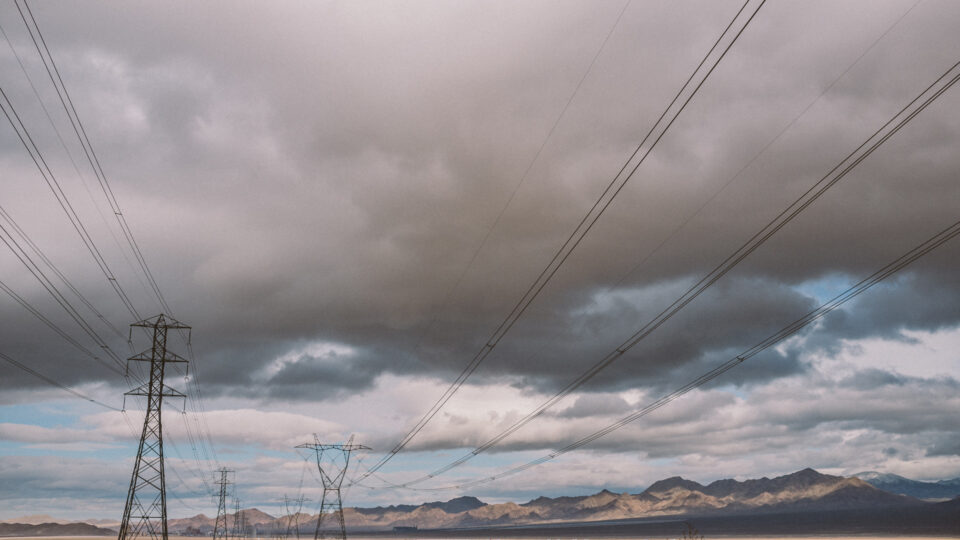
Apart from the challenges of building floating wind installations, there will be the issue of the electric grid in the proposed regions being able to support the added generation from the wind farms.  Substantial grid upgrades will be needed to accommodate all the power coming from the offshore facilities.  In addition, California offshore wind projects will need to jump-start new supply chains in the U.S.

**********

Web Links

Date is set for California offshore wind lease auction

Photo, posted March 24, 2016, courtesy of Andy Dingley / TEIA via Flickr.

Earth Wise is a production of WAMC Northeast Public Radio
Turning Pollution Into Cash | Earth Wise     

April 22, 2022 By EarthWise Leave a Comment

Developing ways to turn pollution into cash

Power plants and other industrial facilities are a major source of carbon emissions.  There are a variety of techniques under development to prevent those emissions by capturing them rather than releasing them into the atmosphere.  All of them add costs to the functioning of the facility.  A good way to offset those costs is to convert the emissions into useful products, ideally making it profitable to capture emissions.

Engineers at the University of Cincinnati have developed an electrochemical system that converts carbon dioxide into ethylene, which is a chemical used in a wide range of manufacturing.  Ethylene has sometimes been called “the world’s most important chemical”.  It is used in many kinds of plastics, textiles, and the rubber found in tires and insulation. It is also used in heavy industry such as steel and cement plants as well as in the oil and gas industry.

The Cincinnati process is a two-stage cascade reaction that converts carbon dioxide to carbon monoxide and then into ethylene.  It is based on the underlying principle of the plug-flow reactor that is used for variety of production applications.  The study, published in the journal Nature Catalysis, demonstrates that the process has high ethylene selectivity – meaning that it effectively isolates the desired compound – as well as high productivity – meaning that it makes a lot of it.  The system will take more time to become truly economical, but the researchers are continuing to make progress on that front with improved catalysts.

The researchers believe that this technique can reduce carbon emissions and make a profit doing it.  Power plants and other facilities emit a lot of carbon dioxide.  With this process, it may be possible to capture it and produce a valuable chemical.

**********

Web Links

Conversion process turns pollution into cash

Photo, posted February 27, 2018, courtesy of Cyprien Hauser via Flickr.

Earth Wise is a production of WAMC Northeast Public Radio.

Solar-Powered Desalination

October 4, 2019 By EarthWise Leave a Comment

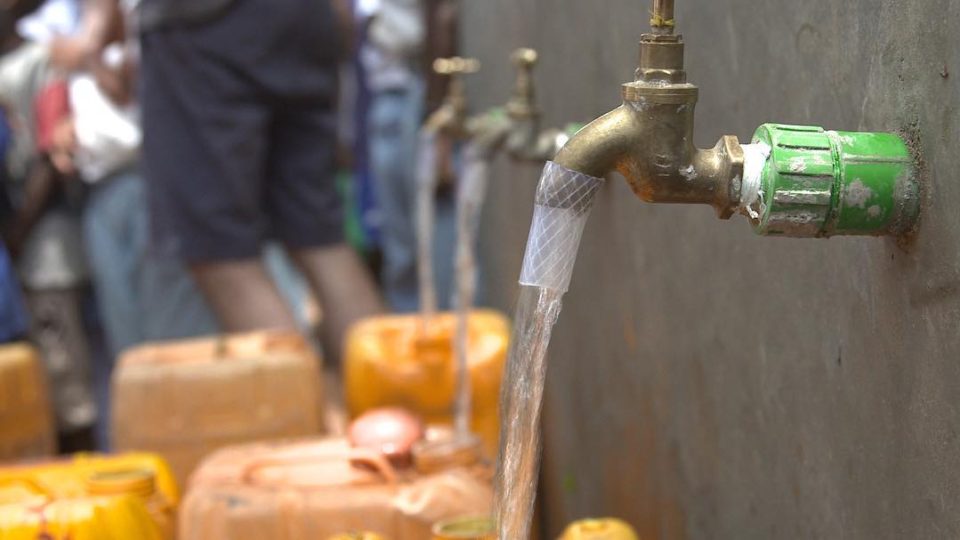
Turning seawater into drinking water is an energy-intensive process and is therefore pretty expensive.  Worldwide, one third of people don’t have reliable access to safe drinking water and they are the least able to afford expensive ways to get it.   By 2025, half of the world’s population is expected to live in water-stressed areas.

At a newly-constructed facility in Kenya, a nonprofit company called GivePower has built a desalination system that runs on solar power.  The system started operating in the coastal area of Kiunga in July 2018 and can create nearly 20,000 gallons of fresh drinking water each day – enough for 25,000 people.

GivePower started in 2013 as a nonprofit branch of SolarCity, the solar-panel company that ultimately merged with Tesla in 2016.  However, GivePower spun off as a separate enterprise shortly before that.

GivePower mostly focuses on building solar-energy systems to provide electricity across the developing world. 

Desalination technology is not new, but it is notoriously energy-intensive because it requires high-power pumps.  The GivePower system is integrated with a solar microgrid that makes use of Tesla batteries to store energy for when the sun is not shining. 

Local residents pay about a quarter of one cent for every quart of water from the system.  The Kiunga community has faced ongoing drought and before the GivePower system was installed, was forced to drink from salt water wells, which present serious health risks.

The GivePower system cost $500,000 to build and is expected to generate $100,000 a year, to be eventually used to fund similar facilities in other places.

**********

Web Links

A solar-powered system can turn salt water into fresh drinking water for 25,000 people per day. It could help address the world’s looming water crisis.

Photo courtesy of GivePower.

Earth Wise is a production of WAMC Northeast Public Radio.

Return Of An Old Threat

July 3, 2019 By EarthWise Leave a Comment

The 1987 signing of the Montreal Protocol was one of the biggest victories for global environmental stewardship. The 197 signatory nations banded together to address a planetary emergency:  the depletion of the ozone layer in the upper atmosphere resulting from the use of chlorofluorocarbons or CFCs.

Over the years, there were celebratory headlines like “The Earth’s Ozone Hole is Shrinking” and “Without the Ozone Treaty, You’d Get Sunburned in 5 Minutes”.  And indeed, the hole in the ozone layer has shrunk over time.

However, the presence of CFCs in the atmosphere is continually monitored and studies in recent years reported new emissions of about 13,000 tons of CFC-11 a year from somewhere in eastern Asia starting in 2012.  That was two years after the 2010 date for ending all CFC production under the terms of the Montreal Protocol.

A new study published in Nature has pinned down the source of more than half of the new CFC emissions to the provinces of Shandong and Hebei on the northeastern coast of China.  The bulk of these emissions are believed to come from small factories using the chemical to manufacture foam insulation used in refrigerators and buildings.

The Chinese government has already shut down two manufacturing locations, but undercover agents have found that 18 out of 21 manufacturers in the region are using the banned substance.  They appear to be quite adept at circumventing enforcement.

The new emissions aren’t large enough so far to be catastrophic, but the Chinese government needs to crack down on this illegal activity.  It is difficult to stop because these are small companies operating in meth lab-like facilities.  Saving the earth’s atmosphere from ourselves is a tricky business.

**********

Web Links

How an Illicit Chemical Is Jeopardizing Recovery of the Ozone Layer

Photo, posted July 28, 2012, courtesy of Beth Scupham via Flickr.

Earth Wise is a production of WAMC Northeast Public Radio.

Primary Sidebar

Recent Episodes

  • An uninsurable future
  • Clean energy and jobs
  • Insect declines in remote regions
  • Fossil fuel producing nations ignoring climate goals
  • Trouble for clownfishes

WAMC Northeast Public Radio

WAMC/Northeast Public Radio is a regional public radio network serving parts of seven northeastern states (more...)

Copyright © 2026 ·