• Skip to primary navigation
  • Skip to main content
  • Skip to primary sidebar

Earth Wise

A look at our changing environment.

  • Home
  • About Earth Wise
  • Where to Listen
  • All Articles
  • Show Search
Hide Search
You are here: Home / Archives for environmental

environmental

Green grout for stabilizing buildings

March 31, 2025 By EarthWise Leave a Comment

Developing a green grout for buildings

We are all familiar with the grout that is used for tiles in our homes. We are less familiar with grout that is used to stabilize the soil beneath buildings.  Grouting is a process of ground improvement by injecting materials that can fill voids and cracks, strengthen and increase the bearing capacity of soil, and reduce permeability.

Traditional grouting methods have environmental downsides.  Most often, silica-based chemical grouts are used, and they are produced through energy-intensive processes that contribute substantially to carbon dioxide emissions.  As is the case for all materials and practices of the construction industry, developing sustainable, low-emission alternatives to conventional grouting materials has become an important priority.

Researchers from the Shibaura Institute of Technology in Japan have developed an innovative new grout material called Colloidal Silica Recovered from Geothermal Fluids.  This grout material enhances soil stabilization and simultaneously reduces the environmental impact of geothermal energy harvesting.

Geothermal energy production generates large amounts of silica-rich waste fluids which creates challenges for its maintenance and disposal.  The new grout repurposes this waste material thereby transforming an industrial byproduct into a valuable construction material.

The new grout material is particularly valuable in earthquake-prone regions, where soil stabilization is essential in preventing structural damage during seismic events.  In addition, the grout’s superior water-sealing properties makes it ideal for underground construction projects like tunnels, subways, and basements.  The new grout in an important step for the construction industry’s efforts to achieve carbon neutrality.

**********

Web Links

From Waste to Wonder: Revolutionary Green Grout for Sustainable Construction Practices

Photo, posted July 8, 2011, courtesy of MTA Construction & Development Mega Projects via Flickr.

Earth Wise is a production of WAMC Northeast Public Radio
Fertilizers from wastewater sludge

July 30, 2024 By EarthWise Leave a Comment

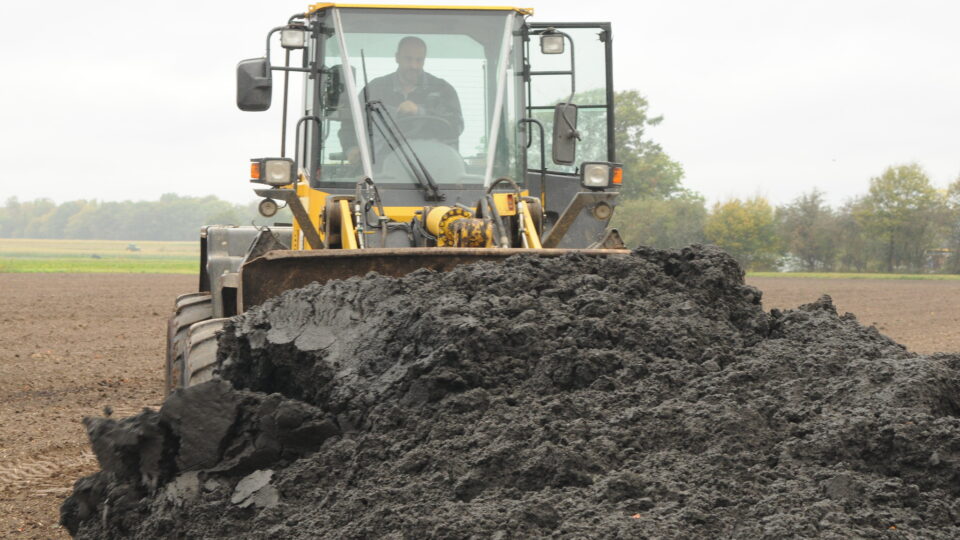
Sewage sludge is the mud-like residue that is produced as a byproduct during wastewater treatment.  In the U.S., sewage sludge is referred to as biosolids after it’s been treated.  The term is meant to distinguish the higher quality, treated sludge from raw sludge and from sludge that contains large quantities of environmental pollutants. 

However, according to a new study by researchers from Johns Hopkins University, fertilizers manufactured from the sludgy leftovers of wastewater treatment processes can still contain traces of potentially hazardous organic chemicals.

The research, which was recently published in the journal Environmental Science & Technology, provides one of the most comprehensive looks at the chemical composition of biosolids across the country. 

Biosolids do contain valuable organic matter and nutrients, including nitrogen and phosphorus.  According to the U.S. Environmental Protection Agency, more than half of the 3.76 million tons of biosolids produced in the U.S. in 2022 fertilized agricultural lands, golf courses, and other landscaped areas.

In the study, the research team screened 16 samples of biosolids from wastewater treatment facilities in nine U.S. and three Canadian cities. The researchers then created lists of the chemicals found in each sample.  They found 92 common compounds that were present in 80% or more of the samples.  The researchers cross-referenced those 92 compounds against the EPA’s CompTox Chemical Dashboard to identify which chemicals were most likely to pose threats to human health or the environment.

The findings could help the EPA identify which organic compounds to investigate further and which chemical contaminants may need government regulation. 

**********

Web Links

Team Aims to Improve Safety of Fertilizers Made from Wastewater Sludge

Photo, posted November 2, 2011, courtesy of Susana Secretariat via Flickr.

Earth Wise is a production of WAMC Northeast Public Radio
Protecting coastal areas with tidal range electricity generation

February 13, 2024 By EarthWise Leave a Comment

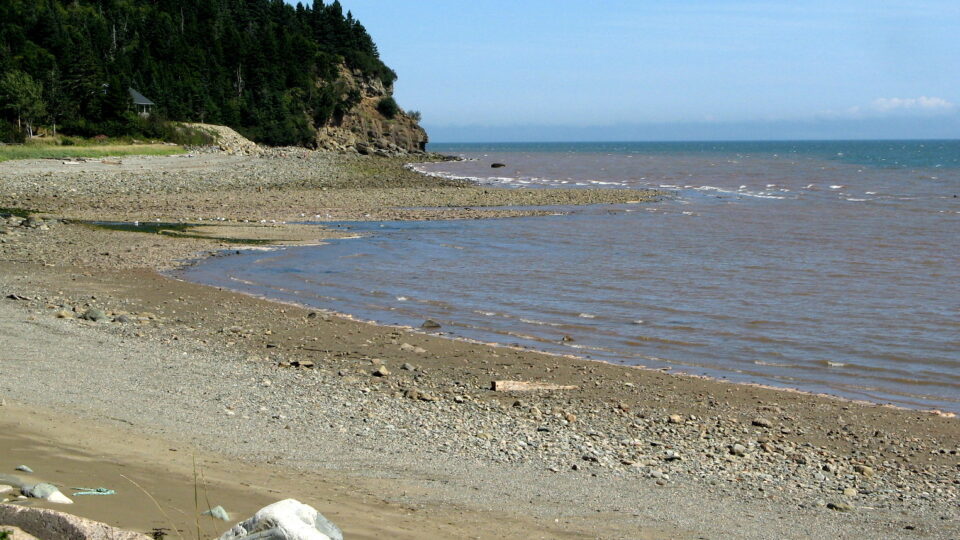
Tidal range electricity generation uses the water level difference between high and low tides to operate generator turbines.  The method requires the construction of barrages and sluices to capture water during high tides and then release it during generation at low tide.  Tidal range generation is predictable renewable energy driven by the gravitational pull of the moon and sun.

It is only a practical scheme in those places that have large tidal ranges.  The largest tidal range in the world is in the Bay of Fundy in Canada.  The second largest is the Severn Estuary, in the UK.  Tidal ranges are large in many places around Britain’s coasts. But they are also vulnerable to flooding and surges from rising seas.

A new study by Lancaster University in the UK has found that the environmental and economic benefits are huge because tidal range barrages can protect coastal areas from flooding and sea level rise. With two-way generation and pumping, the full range of existing tides can be maintained to protect and support low-lying intertidal areas such as saltmarshes and mudflats. High tides can be limited to existing levels simply by closing sluices and running turbines and low tide levels can be maintained by pumping.  The study determined that with modern technology and operating procedures, these so-called estuarine barrages may be the only practical way to protect vital coastal habitats.

Earlier work by the researchers found that tidal range projects under commercial consideration in the UK can produce about 5% of the country’s electricity use and additional projects are feasible for 4 or 5 times as much generation.

**********

Web Links

How tidal range electricity generation can protect coastal areas from flooding

Photo, posted August 17, 2014, courtesy of Andrea via Flickr.

Earth Wise is a production of WAMC Northeast Public Radio
Global Aquaculture And Environmental Change | Earth Wise

August 9, 2023 By EarthWise Leave a Comment

Climate change threatens viability of aquaculture

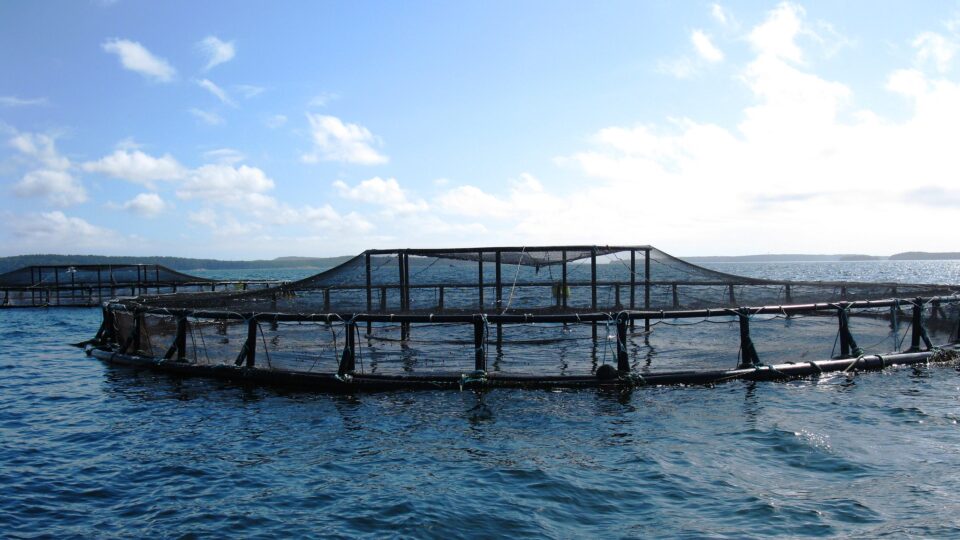
Blue foods are fish, invertebrates, algae, and aquatic plants that are captured or cultured in freshwater and marine ecosystems.  They include approximately 2,200 species of fish, shellfish, plants and algae as well as more than 500 species farmed in freshwater.  Blue foods play a central role in food and nutrition security for billions of people, and are a cornerstone of the livelihoods, economies, and cultures of many communities around the world.

But many of the world’s largest aquatic food producers are highly vulnerable to human-induced environmental change.  According to a new paper recently published in the journal Nature Sustainability, more than 90% of global blue food production is at risk from environmental changes, with top producers like the United States, Norway, and China facing the biggest threat.  Alarmingly, the research also found that some of the highest-risk countries in Asia, Latin America and Africa demonstrate the lowest capacity for adaptation. 

The paper is the first-ever global analysis of environmental stressors impacting the production quantity and safety of blue foods. A total of 17 anthropogenic stressors were surveyed, including rising seas and temperatures, ocean acidification, changes in rainfall, algal blooms, pollution, and pesticides. 

The research is one of seven scientific papers published by the Blue Food Assessment as part of a global effort to inform future aquatic food sustainability. 

The report calls for more transboundary collaboration and for a diversification of blue food production in high-risk countries to cope with the impact of environmental change. 

**********

Web Links

Vulnerability of blue foods to human-induced environmental change

New research finds that more than 90% of global aquaculture faces substantial risk from environmental change

Photo, posted December 30, 2014, courtesy of NOAA’s National Ocean Service via Flickr.

Earth Wise is a production of WAMC Northeast Public Radio

Planting Millions Of Trees Isn’t So Easy | Earth Wise

November 11, 2022 By EarthWise Leave a Comment

Mass tree plantings are not always effective

There are initiatives around the world to plant millions of trees as a way to fight climate change.  Unfortunately, scientists have observed that many of these projects are ill-conceived and poorly managed.  Some have failed to grow any forests at all.

One such project was an attempt to plant a million mangrove seedlings in coastal mud on the Filipino island of Luzon in 2012.  Ten years later, less than 2% of the trees have survived.  The other 98% have died or have washed away.  The problem was that the site of the project was ecologically unsuited to mangroves because it is too waterlogged and there is no oxygen available except in a few sheltered spots.

In 2019, the Turkish government managed the planting of 11 million trees in 2,000 sites across the country.  A later survey found that 90% had died, although the government denies that assertion.

Many other projects have also had dismal results.  The causes of failure vary but include planting single species of trees that become vulnerable to disease, competing demands for land, changing climate, planting in areas not previously forested, and lack of ongoing care for the saplings including watering them.

Nobody is opposed to mass tree planting.  There is no anti-tree lobby.  But tree planting is sometimes a form of greenwashing.  It is great for public relations but unless it is done properly with appropriate planning, it can be a waste of effort and money.  The result can be a phantom forest that does nothing for the climate.

Forest planting can work if the social and environmental conditions are right, and if planting is followed by long-term monitoring and care of the trees.

**********

Web Links

Phantom Forests: Why Ambitious Tree Planting Projects Are Failing

Photo, posted April 20, 2016, courtesy of the U.S. Navy / Mass Communication Specialist 2nd Class John Benson via Flickr.

Earth Wise is a production of WAMC Northeast Public Radio

Disposable Masks And The Environment | Earth Wise

August 12, 2021 By EarthWise Leave a Comment

Disposable masks have a huge financial and environmental cost

The Covid-19 pandemic has made face masks and other personal protective equipment essential for healthcare workers.  Disposable N95 masks became the key requirement to help prevent the spread of the coronavirus.  But the wide use of these masks has both financial and environmental costs.

The pandemic is estimated to generate over 7,000 tons of medical waste each day and much of that is in the form of disposable masks.  Even though the pandemic has slowed down in many places, health care workers are continuing to wear masks most of the time.

A new study at MIT has looked at the financial and environmental cost of several different mask usage scenarios with an eye on trying to reduce the toll created by the continued need for using them.

If every health care worker in the US used a new N95 mask for each patient they encountered during the first six months of the pandemic, the total number of masks required would be over 7 billion, at a cost of over $6 billion and would generate 92,000 tons of waste (the equivalent of 252 Boeing 747 jets.)

Decontaminating regular N95 masks so that health care workers can wear them for more than one day could drop costs and environmental waste by at least 75% compared with using a new mask for every patient encounter. 

Fully reusable N95 masks could offer an even greater reduction in waste, but such masks are not yet commercially available.  MIT researchers are developing a reusable N95 mask made of silicone rubber that contains an N95 filter than can either be discarded or sterilized after use.  They have started a new company with the goal of commercializing the masks.

**********

Web Links

The environmental toll of disposable masks

Photo, posted August 4, 2020, courtesy of the U.S. Navy / Mass Communication Specialist 3rd Class Jake Greenberg via Flickr.

Earth Wise is a production of WAMC Northeast Public Radio.

Lots Of Renewable Energy Jobs

August 16, 2019 By EarthWise Leave a Comment

According to the International Renewable Energy Agency, there were 11 million people employed in renewable energy worldwide in 2018.  This compares with 10.3 million in 2017.  So roughly three-quarters of a million new jobs were added last year.   As more and more countries manufacture, trade and install renewable energy technologies, renewables jobs continue to reach new high levels.

The geographic footprint of renewable energy jobs is changing.  Until now, renewable energy industries have remained relatively concentrated in a handful of major markets such as China, the US, and the European Union.  But more recently, East and Southeast Asian countries have emerged alongside China as key exporters of solar technology.  Malaysia, Thailand, and Vietnam were responsible for a greater share of growth in renewables last year.  Overall, Asia has a 60% share of renewable energy jobs worldwide.

Beyond climate goals, low-carbon economic growth has become a driver for renewables technology.  Renewables deliver on all the major elements of sustainable development:  environmental, economic and social.

The solar photovoltaic industry continues to be the most dynamic renewable enterprise.  It accounts for a third of the renewable energy workforce with more than three million jobs.  

Biofuel jobs were up by 6% to over 2 million.  Wind power supports 1.2 million jobs, with onshore projects predominant.  But the offshore wind segment is gaining traction.  Hydropower is still the largest installed capacity of all renewables but is now only expanding slowly.  The hydropower sector employs 2.1 million people directly, three-quarters in operations and maintenance.

**********

Web Links

Renewable energy market employs 11 million in 2018 – IRENA

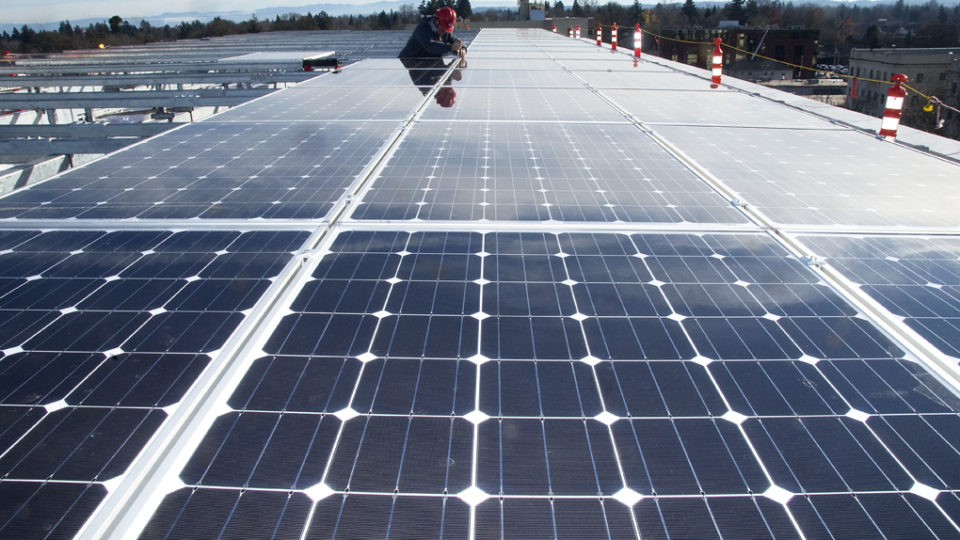
Photo, posted January 11, 2012, courtesy of the Oregon Department of Transportation via Flickr.

Earth Wise is a production of WAMC Northeast Public Radio.

Responsible Investing On The Rise

November 6, 2018 By EarthWise Leave a Comment

https://earthwiseradio.org/wp-content/uploads/2018/10/EW-11-06-18-Responsible-Investing-On-The-Rise.mp3

Investors in the US are starting to catch up with their European counterparts with respect to taking environmental, social and governance (ESG) principles into account.

[Read more…] about Responsible Investing On The Rise

Renewable Energy Jobs

June 26, 2018 By EarthWise Leave a Comment

https://earthwiseradio.org/wp-content/uploads/2018/05/EW-06-26-18-Renewable-Energy-Jobs.mp3

According to a new report by the International Renewable Energy Agency, more than half a million new jobs were generated by the renewable energy industry last year, an increase of 5.3% when compared with 2016.  The total number of people working in the renewables sector – which includes large hydropower facilities – has now exceeded 10 million people worldwide.

[Read more…] about Renewable Energy Jobs

Another Unconventional Fossil Fuel Source

October 16, 2017 By EarthWise Leave a Comment

https://earthwiseradio.org/wp-content/uploads/2017/10/EW-10-16-17-Another-Unconventional-Fossil-Fuel-Source.mp3

It has only been about 10 years that fracking has been a big deal in the energy world.   With it, a largely inaccessible source of fossil fuel became relatively easy pickings.   And both the economic benefits and the attendant environmental problems have been grabbing headlines ever since.

[Read more…] about Another Unconventional Fossil Fuel Source

Primary Sidebar

Recent Episodes

  • An uninsurable future
  • Clean energy and jobs
  • Insect declines in remote regions
  • Fossil fuel producing nations ignoring climate goals
  • Trouble for clownfishes

WAMC Northeast Public Radio

WAMC/Northeast Public Radio is a regional public radio network serving parts of seven northeastern states (more...)

Copyright © 2026 ·