• Skip to primary navigation
  • Skip to main content
  • Skip to primary sidebar

Earth Wise

A look at our changing environment.

  • Home
  • About Earth Wise
  • Where to Listen
  • All Articles
  • Show Search
Hide Search
You are here: Home / Archives for energy

energy

Less coal for making steel

September 5, 2024 By EarthWise Leave a Comment

Using less coal in steel production

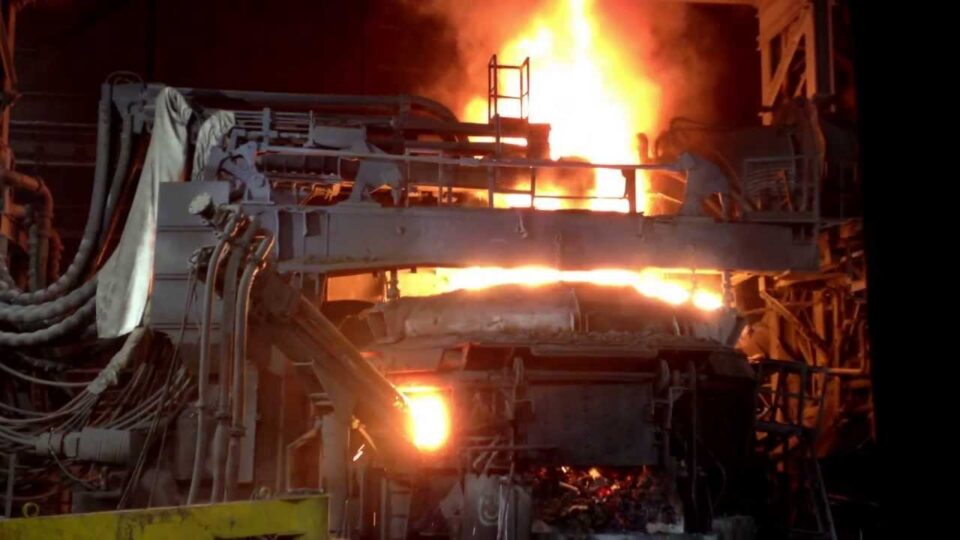
Steel is primarily produced using one of two methods:  blast furnaces or electric arc furnaces.  The first blast furnaces were built in the 14th century.  Making steel in a blast furnace starts by melting the raw materials of iron ore, limestone, and coal at very high temperatures.  The resultant reactions ultimately lead to two products:  iron saturated with carbon and carbon dioxide.  A second furnace reacts the liquid iron with oxygen to remove the carbon and results in steel along with even more carbon dioxide.

Making steel using an electric arc furnace is considerably less emissions-intensive and more sustainable.  So-called circular steel making powered by electric arc furnaces uses electricity to melt scrap and other input materials and turn them into high-quality steel.  Of course, to really minimize the emissions associated with steelmaking, the arc furnaces need to get their power from renewable energy sources. 

The global steel industry is turning away from polluting coal-fired blast furnaces and towards electric arc furnaces, which now account for roughly half of all planned new steelmaking capacity. This represents real progress towards a green steel transition.

By the end of this decade, electric arc furnaces will account for more than a third of steelmaking.  However, there are still plenty of new coal-based steel furnaces being built.  So even as electric arc furnaces account for a greater share of steelmaking, these new coal furnaces will still drive emissions upward.   Environmental advocates argue that what the steel industry needs is to make clean development a true priority and back away from coal-based developments.

**********

Web Links

Steelmakers Increasingly Forgoing Coal, Building Electric

Photo, posted July 16, 2018, courtesy of Daniel Steelman via Flickr.

Earth Wise is a production of WAMC Northeast Public Radio
Where do states get their electricity?

September 3, 2024 By EarthWise Leave a Comment

Exploring how states produce their electricity

How the United States produces its electricity has changed dramatically over the past few decades.  Coal used to be the dominant source of power in this country, but natural gas surpassed it in 2016, and coal’s share has been shrinking ever since.  Fossil fuel still generates the majority of America’s electricity, but renewable power is increasing its contribution all the time.

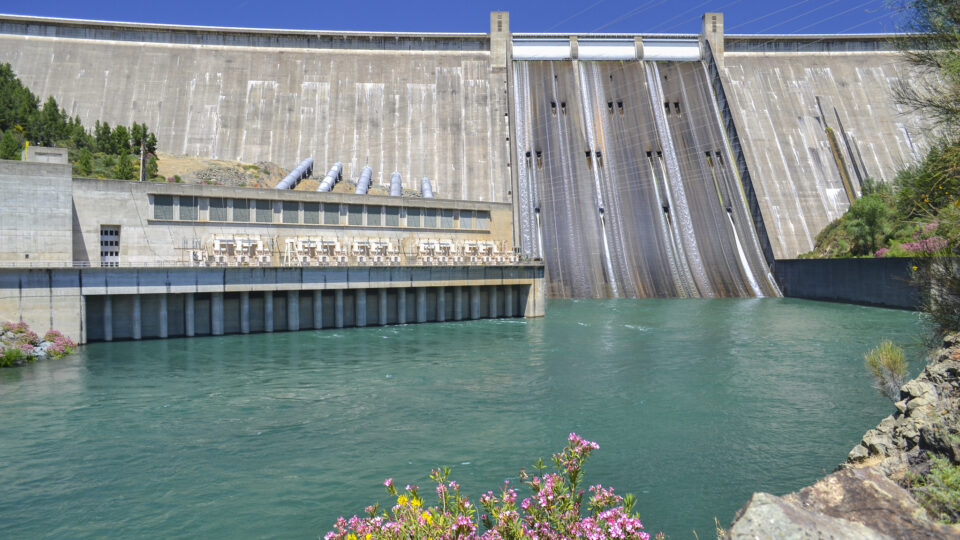
On a state-by-state basis, there are very large variations in the mix of power sources.  Ten states still get their largest amount of power from coal, but this is down from 32 states in 2001.  Four states have hydroelectric power as their largest source, including Vermont which gets more than half of its power that way. 

Texas produces more electricity than any other state by a wide margin.  It’s not just because it has a large population. It is because it uses huge amounts of power to refine petroleum products.  Coal produces only 13% of Texas’ electricity and the state is by far the country’s largest producer of wind power.

New York gets nearly half of its power from natural gas, 21% from hydroelectric power, and 21% from nuclear power.  Wind and solar power are still small, but both are growing in the state.

When people try to assess the climate impact of driving electric cars, based on the origins of the electricity they use to power the car, the results can vary dramatically based on what state they live in.  Nationwide, electricity is getting cleaner and greener, but the process is by no means uniform across the country.

**********

Web Links

How Does Your State Make Electricity?

Photo, posted March 17, 2021, courtesy of Bureau of Reclamation via Flickr.

Earth Wise is a production of WAMC Northeast Public Radio

Cooling cities

September 2, 2024 By EarthWise Leave a Comment

Cooling cities with white roofs

As the climate warms, city dwellers tend to suffer from extreme heat more than people in rural areas because of the urban heat island effect. Extensive surfaces of man-made materials like concrete, asphalt, and brick absorb the sun’s energy and lead to temperatures well above those in the surrounding countryside.

Cities can take countermeasures that include creating urban green spaces full of plants that cool the surrounding air and the use of cool roofs that reflect the sun’s energy back into space.  Local governments in many cities provide incentives for planting more trees.  But more could be accomplished by encouraging the use of cool roofs.

The heat island effect has been well-known for a long time, but scientists are only recently learning what interventions are most effective. A recent study modeled two days of extreme heat in London in 2018 and compared the potential effects of cool roofs, green roofs, roof-top solar panels, and ground level vegetation. They found that cool roofs are the most effective way to lower temperatures and would have reduced London temperatures by 2 degrees on average and as much as 3.6 degrees in some places.

Cool roofs are created by swapping out dark, heat-absorbing roofing materials with reflective materials or simply by painting roofs white. Los Angeles is the first major city to require that all new residential construction includes a cool roof. 

Apart from the effectiveness of passive cooling techniques, using them also reduces the reliance upon air conditioning to protect people from heat.  Air conditioners themselves contribute considerable amounts of heat to urban environments.

**********

Web Links

The surprisingly simple way cities could save people from extreme heat

Photo, posted February 21, 2024, courtesy of Warren LeMay via Flickr.

Earth Wise is a production of WAMC Northeast Public Radio
A giant solar plus storage facility

August 23, 2024 By EarthWise Leave a Comment

A massive solar and battery storage project is now operational

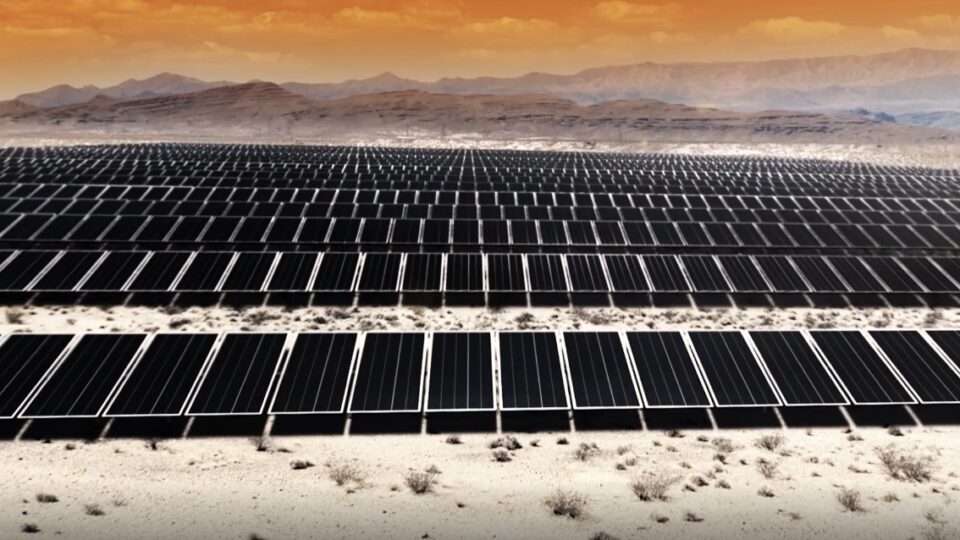
One of the country’s largest co-located solar and battery energy storage projects is now fully operational.  The Gemini Solar+Storage project is located in Clark County, Nevada, about 30 minutes outside of Las Vegas.

The project’s 1.8 million solar panels can generate up to 690 megawatts of electricity, which is enough to supply about 10% of Nevada’s peak demand.  The facility is co-located with 380 megawatts of 4-hour battery storage, which is enough to supply Nevadans with 1,400 MWh of power after sundown.

The project makes use of a unique storage configuration that allows the storage system to be charged directly from the solar panels, resulting in increased efficiency and maximizing the capture and storage of solar energy.

The project has minimized the environmental impacts to the nearly 5,000-acre site.  Primergy, the project developer, took measures to leave vegetation in place, installed solar panels to follow the ground’s natural contours, and reduced the overall footprint by more than 20% through careful design.  The project created 1,300 union and prevailing wage jobs and contributed $483 million to Nevada’s economy.

Solar facilities are increasingly co-located with battery storage plants.  There is a huge project in Kern County California that includes 1.9 million solar panels capable of generating 875 megawatts of solar power and storing 3,287 megawatt-hours of energy.  The deserts of the southwest are prime locations for such facilities.

**********

Web Links

The house always wins: Massive Gemini solar + storage outside of Las Vegas reaches commercial operations

Photo courtesy of Quinbrook Infrastructure Partners.

Earth Wise is a production of WAMC Northeast Public Radio
China and carbon emissions

August 22, 2024 By EarthWise Leave a Comment

China has been the biggest source of greenhouse emissions for nearly 20 years.  Its emissions surpassed those of the United States in 2006 and its fraction of the world’s emissions is now nearly a third.  Therefore, unless China’s emissions stop growing, the world’s emissions won’t either.

Recent data from China’s government and by energy analysts provides some reasons for optimism.  What is happening is that how China produces its electricity is changing.  Renewable sources are gradually replacing coal.

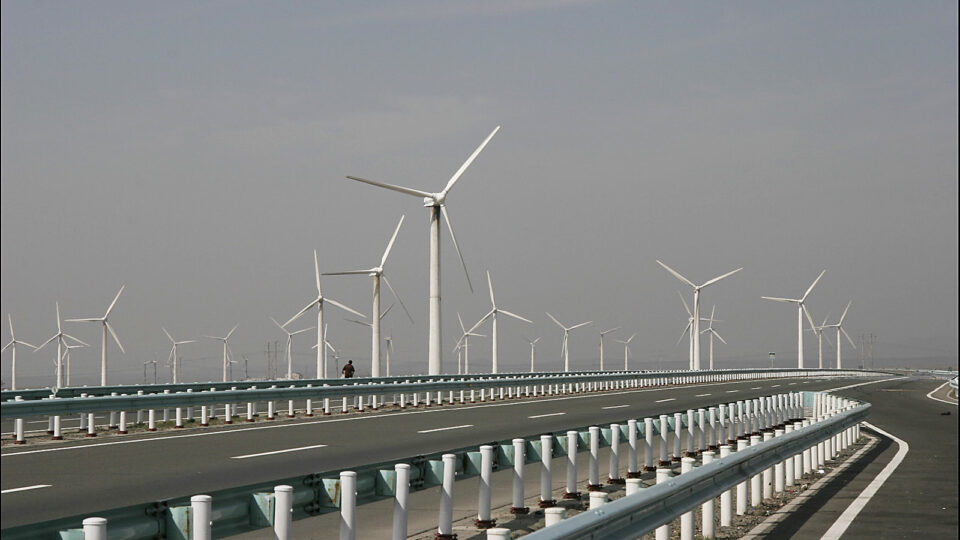
Last year alone, China installed more solar panels than the United States has in its entire history.  Nearly two-thirds of utility-scale wind and solar plants under construction are in China.  According to a report from Global Energy Monitor, China is developing more than eight times the wind and solar capacity currently being planned for the US.

Despite all this progress, China still generates 53% of its electricity from coal.  While this is the lowest share reported since its government began publishing energy data decades ago, it is still a major source of carbon emissions.  China is responsible for two-thirds of the world’s newly operating coal plants and still plans to build many more.  China accounts for about 60% of the world’s coal use.

China is investing heavily in pumped-storage hydropower along with its massive efforts in solar and wind power.  But if it is to meet existing and proposed new commitments to reduce emissions, it will need to be much more aggressive in reducing its dependence on coal.  Current predictions are that China’s emissions may soon no longer be increasing.  But what is needed is for them to start dropping and the sooner the better.

**********

Web Links

Why the Era of China’s Soaring Carbon Emissions Might Be Ending

Photo courtesy of Mike Locke via Flickr.

Earth Wise is a production of WAMC Northeast Public Radio

The hottest day on record

August 21, 2024 By EarthWise Leave a Comment

The hottest day on record

There have been numerous temperature records set in recent years.  Apart from record high temperatures for many places around the world, there were 13 consecutive monthly temperature records set for the planet since the previous summer.

According to NASA data, July 22, 2024, was the hottest day on record.  July 21st and 23rd also exceeded the previous daily record, which was set in July last year.  The new record was 17.16 degrees Celsius, or about 63 degrees Fahrenheit.

We are not used to thinking in terms of the global average temperature.  That is the number that keeps climbing and that climate goals seek to keep from getting too high.  The global average temperature is about 59 degrees Fahrenheit.  So, on July 22nd, the Earth was about 4 degrees warmer than usual.  That may not seem like much, but it takes an enormous amount of energy to raise the temperature of the planet by that amount.

The NASA report shows the global daily temperature throughout the year for the years 1980 to 2024.  It clearly shows how much warmer temperatures are now compared with the previous decades.

In many places, people experienced persistent hot weather during the month of July. New York’s Capital Region saw relentless hot and humid weather.  There were 9 days with high temperatures in the 90s.   July in Albany had a monthly mean temperature of 77.3 degrees, which was the highest in any current resident’s lifetime.  This is more than 4 degrees higher than the average over the past 30 years.  The last time the average temperature was over 77 was in 1887.  July was hot.

**********

Web Links

NASA Data Shows July 22 Was Earth’s Hottest Day on Record

Photo, posted October 22, 2016, courtesy of Susanne Nilsson via Flickr.

Earth Wise is a production of WAMC Northeast Public Radio
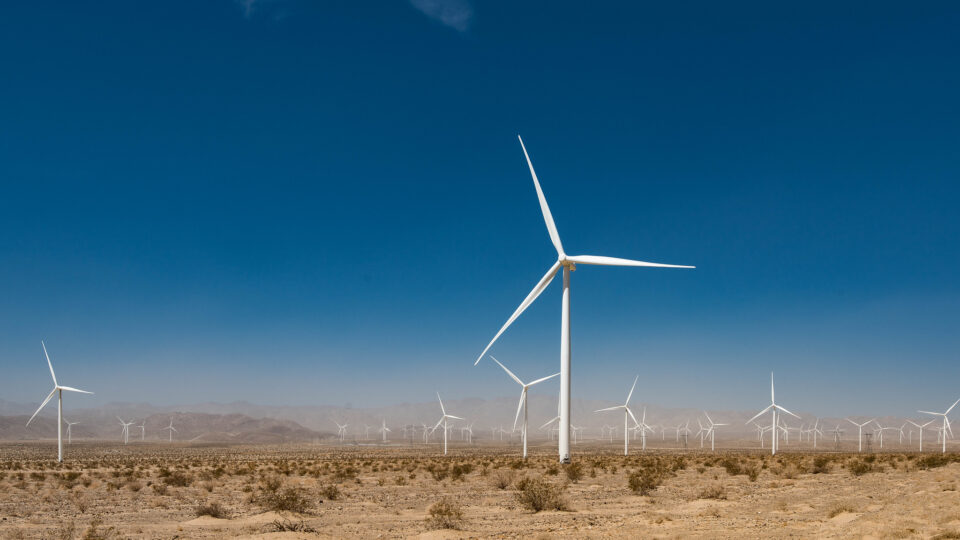
Expanding solar and wind in the U.S.

August 20, 2024 By EarthWise Leave a Comment

Solar and wind power are expanding in the United States

According to new data from the Federal Energy Regulatory Commission, solar and wind now make up more than 20% of the total US electrical generating capacity.  Adding up all renewable energy sources – which also include biomass, geothermal, and hydropower – renewable energy is now nearly 30% of the total electrical generating capacity in this country.

During the first five months of 2024, 10.669 gigawatts of solar and 2.095 gigawatts of wind power came online.  There were also 212 megawatts of hydropower and 3 megawatts of biomass added to generating capacity.  All told, renewables constituted 89.91% of new generating capacity added this year.  This does not include 1.1 gigawatts of nuclear power added at the Vogtle-4 reactor in Georgia. 

Solar power is booming.  The amount added this year was more than double the amount added over the same period last year.  Solar has been the largest source of new generating capacity for nine months straight.  Wind was the second largest.

About one-third of US solar capacity is in the form of small-scale – that is, rooftop – solar.  The statistics quoted in this report do not take that into account.  If it was included, solar plus wind would be closer to 25% of the US total.

Predictions are that over the next three years, nearly 90 gigawatts of additional solar power will be added to the grid as well as 23 gigawatts of wind power.  Over that period, coal, natural gas, and oil are projected to shrink by more than 20 gigawatts.

**********

Web Links

Solar and wind now make up more than 20% of US electrical generating capacity

Photo, posted October 28, 2016, courtesy of Daxis via Flickr.

Earth Wise is a production of WAMC Northeast Public Radio

Deep sea mining

August 19, 2024 By EarthWise Leave a Comment

Deep sea mining is a threat to the environment

Deep sea mining is the extraction of minerals from the ocean floor at depths greater than 660 feet and as much as 21,000 feet below the surface.  Active or extinct hydrothermal vents on the ocean floor create sulfide deposits which collect metals such as silver, gold, copper, manganese, cobalt, and zinc.  This forms polymetallic nodules – potato-sized rocklike deposits containing these valuable minerals.  There are literally trillions of these things scattered over wide areas of ocean floor.  The largest of these deposits are in the Pacific Ocean between Hawaii and Mexico in the Clarion Clipperton Fracture Zone.

Mining companies argue that land-based sources for valuable metals are running out and are critically needed for green technologies like batteries for electric vehicles and manufacturing solar panels and wind turbines.  They also claim that mining in the deep sea will be less environmentally damaging than land-based mining.

The deep sea is viewed by many as kind of a watery desert but there are actually diverse and rich ecosystems down there.  Most of the animals living in the depths are tiny, but that doesn’t make them any less important.  Many can live for a very long time.  Some invertebrates live for thousands of years.

There are currently no commercial deep sea mining operations underway.  Many countries have outlawed them.

The deep seas are the last mostly unexplored part of the Earth.  Deep sea mining will unquestionably be highly destructive to these environments.  We don’t really know what the impact of widespread deep sea mining might be, but the world continues to edge ever closer to allowing it to happen.

**********

Web Links

Can We Mine the World’s Deep Ocean Without Destroying It?

Photo, posted March 30, 2018, courtesy of the NOAA Office of Ocean Exploration and Research via Flickr.

Earth Wise is a production of WAMC Northeast Public Radio
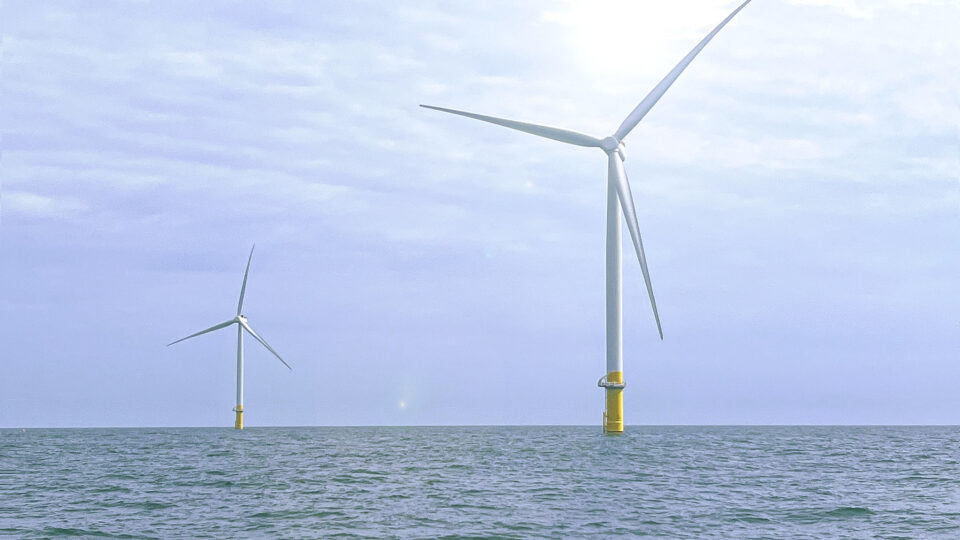
Sunrise Wind construction begins

August 9, 2024 By EarthWise Leave a Comment

In mid-July, construction started on New York’s largest offshore wind project.  Sunrise Wind is a 924-megawatt offshore wind farm located about 30 miles off the coast of Montauk Point on Long Island.  Sunrise Wind is expected to be operating in 2026 and will provide enough clean energy to power nearly 600,000 homes, making it the largest offshore wind farm in the United States.

The ongoing construction project will support more than 800 direct jobs.  It will be built under project labor agreements ensuring local union labor’s participation in all phases of construction.

Power from the wind farm will flow through an undersea cable coming ashore deep under the beach at Smith Point County Park.  From there, the power will travel primarily under roadways via a transmission line terminating at a power converter station in Holbrook, Suffolk County.

Sunrise Wind is being developed by Oersted, the largest energy company in Denmark and the world’s largest developer of offshore wind power by number of built offshore wind farms.

The second large offshore wind farm in New York, Empire Wind I, is being developed by Equinor.  These large wind farms are the result of New York’s fourth offshore wind solicitation.  The two projects, totaling over 1,700 megawatts, will be the largest power generation projects in New York State in more than 35 years once they enter operation in 2026.

New York has also launched a fifth offshore wind solicitation for which final proposals will be due in September.  Offshore wind is a major component of New York’s effort to expand the use of clean energy, grow its green economy, and combat climate change.

**********

Web Links

Construction begins on Sunrise Wind, New York’s largest offshore wind project

Photo, posted June 14, 2022, courtesy of Stephen Boutwell/BOEM via Flickr.

Earth Wise is a production of WAMC Northeast Public Radio

How warm is It?

August 8, 2024 By EarthWise Leave a Comment

The record-breaking heat continues

As of June, the world had seen 13 consecutive months of record-breaking heat.  The average global temperature over the last 12 of those months measured 1.5 degrees Celsius warmer than the preindustrial era. This means that the world has at least temporarily exceeded the temperature target set forth in the Paris Climate Agreement.

Does this mean that climate change has gotten to the point where keeping temperatures below that goal is no longer possible? Not necessarily. Temperatures could drop below the 1.5-degree level in the near future.

The world has certainly been warming as a result of climate change, but the spike in temperature for the past year has also been driven by an El Niño condition in the Pacific, which leads to warmer temperatures.  How much of the warming is a result of each factor is not known.

But scientists say that El Niño has ended in June and a La Niña condition is likely to take shape between August and October. This would lead to cooler temperatures in many places.

Despite the extensive and lingering heatwaves in the US in July, on a global scale, temperatures have actually started falling in July.  July may end up being the first month since June 2023 to not set a new monthly global temperature record.  Nevertheless, the long streak of record-high temperatures is no statistical anomaly.  It is indicative of a large and continuing shift in the climate.   Whether conditions in the Pacific produce an El Niño or a La Niña, the steady long-term warming will continue as long as human-generated carbon emissions continue.

**********

Web Links

How Bad Is Warming? La Niña May Reveal

Photo, posted September 19, 2022, courtesy of Paul Sableman via Flickr.

Earth Wise is a production of WAMC Northeast Public Radio
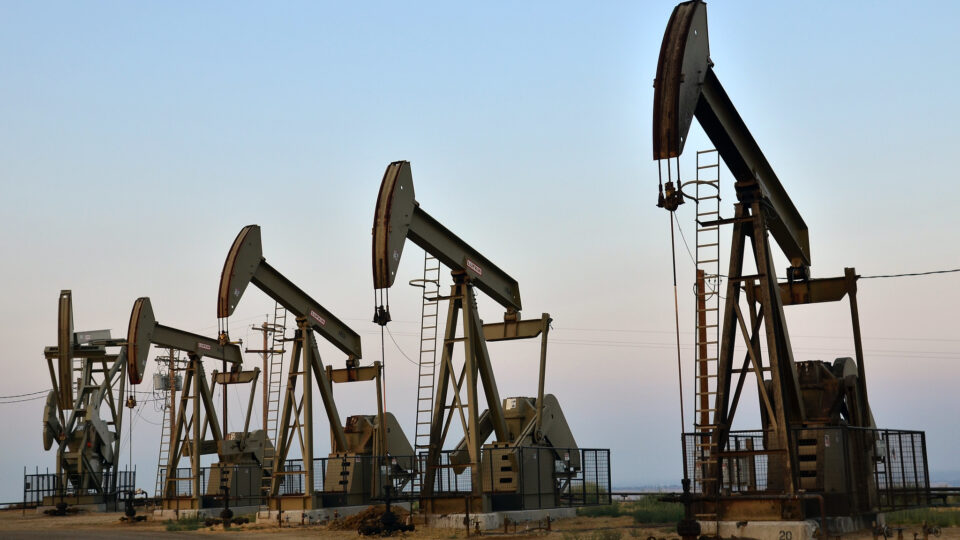
Geological thermal energy storage

August 7, 2024 By EarthWise Leave a Comment

The electricity grid is increasingly using solar and wind power.  Depending on those two sources requires the ability to store energy to have on hand when the sun isn’t shining and the wind isn’t blowing.   Energy needs to be stored away to be used hours, days, or even weeks after it is produced.

Energy storage is booming.  California has increased its energy storage capacity tenfold in recent times.  One day in April, storage batteries were the largest source of electricity in the state for a period of two hours.  But batteries are not the only way to store energy.  There are chemical, electrochemical, mechanical, and thermal methods that each has potential advantages and unique features.

A project in Kern County, California, is making use of an abandoned oil field to create a long-term energy storage installation.  The plan is to retrofit depleted oil wells to store concentrated solar energy in superheated groundwater for long periods of time.  The stored heat can then be used to drive turbines when electricity is needed.

Some 1,200 feet below the surface of the oil field are pockets of permeable sandstone that have been emptied of the oil they previously contained.   An array of parabolic mirrors will gather solar energy that will heat silicon oil in an underground loop to 700 degrees Fahrenheit.  The oil pipeline will heat up groundwater down below.  When electricity is needed, the heated groundwater will be brought to the surface to operate turbines.

There is no new technology involved.  The individual aspects have never all been combined before, but the likelihood of success is high.  There are lots of depleted oil fields that could be used this way in the future.

**********

Web Links

Can a California Oilfield Be Retrofitted to Store Solar Energy?

Photo, posted July 18, 2017, courtesy of John Ciccarelli / BLM via Flickr.

Earth Wise is a production of WAMC Northeast Public Radio
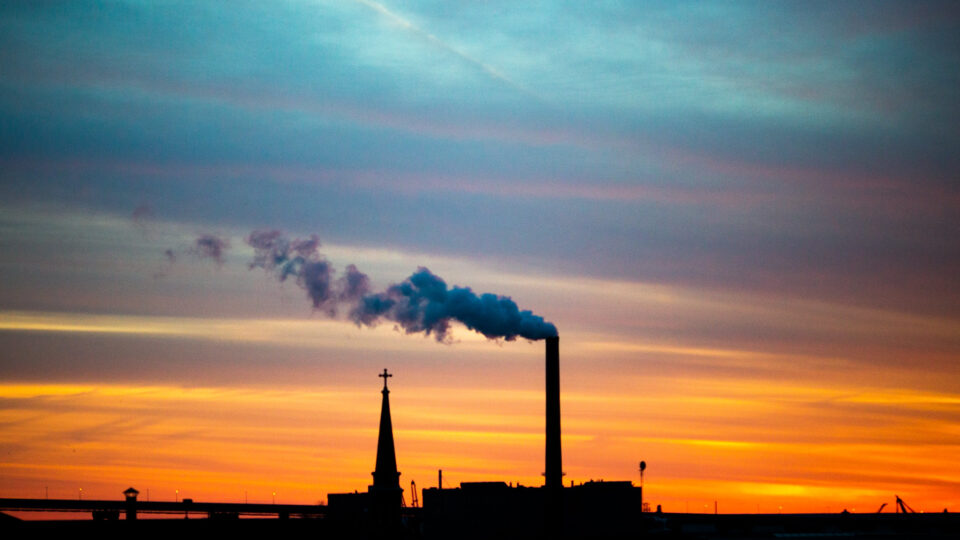
The end of the Chevron deference

August 6, 2024 By EarthWise Leave a Comment

 At the end of June, the US Supreme Court upended 40 years of legal precedent in a ruling that sharply limited the regulatory authority of federal agencies.  The so-called Chevron Deference doctrine stated that when a legislative delegation to an administrative agency on a particular issue or question was not explicit but rather implicit, a court may not substitute its own interpretation of the statue for a reasonable interpretation made by the administrative agency.

Under the new ruling, courts will have more power to interpret these statutes.  Environmentalists fear that this decision could lead to hundreds of rules being weakened or even eliminated, particularly Environmental Protection Agency limits on air and water pollution, regulations on toxic chemicals, and policies to tackle climate change.

Conservative political organizations have been pushing for decades to roll back the government’s regulatory powers.  The new ruling creates a massive opportunity for environmental regulations to be challenged, considering the proliferation of increasingly activist, right-leaning courts.  In particular, climate regulations under the Clean Air Act are more susceptible to judicial reversal.  The ruling shifts the power from the agencies to the courts.

The danger of this decision is that more Americans will suffer from the worse effects of climate change, air pollution, and other environmental harms that current government regulation protect against.  Any time that the Court makes it harder for the government to regulate and easier for businesses to challenge regulations, it makes it more likely that industries will injure the public and the planet in search of profits.  This is basic economics in action.

**********

Web Links

A Seismic Supreme Court Decision

Photo, posted September 17, 2020, courtesy of Thomas Hawk via Flickr.

Earth Wise is a production of WAMC Northeast Public Radio
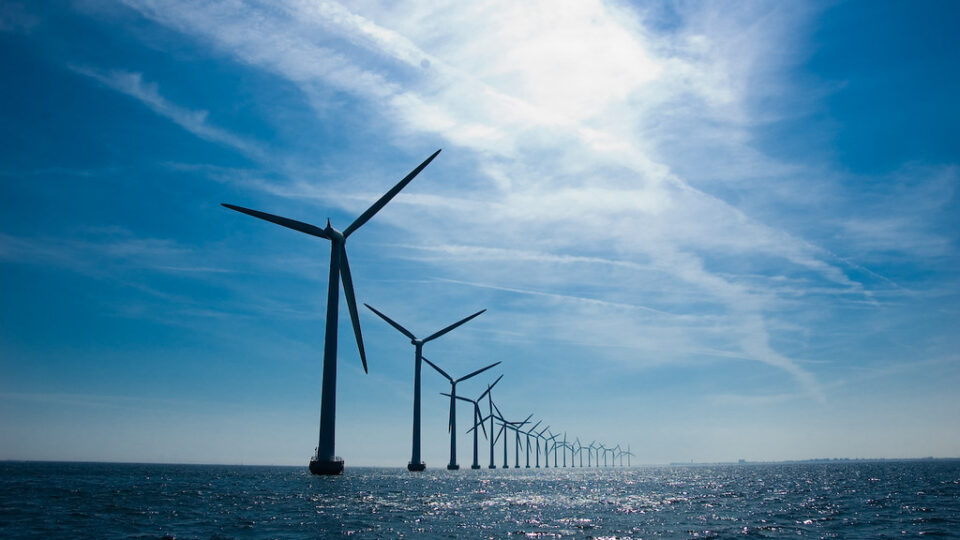
Wind farms and sea farms

August 5, 2024 By EarthWise Leave a Comment

There has been increasing use of agriculture coexisting with solar farms.  This dual use of land is a win-win situation.  Recently, Danish researchers have been investigating the potential for farming marine products at offshore wind farms.

Scandinavia’s largest wind farm, Kriegers Flak, is the site of a four-year-old project in which long lines are stretched between the wind farm’s pylons and are used to grow mussels and seaweed.  With the first harvest that has taken place after 18 months, it is showing signs of early success.

Seaweed and mussels are low trophic aquaculture crops.  That means that that they don’t need to be fed or fertilized.  They take up nutrients from the sea and produce healthy foods.

The 328-foot lines spread between the turbines can be used to grow substantial quantities of the underwater seafood.  According to modeling by Aarhus University – the institution conducting the study – using just a tenth of Denmark’s wind park area could produce tons of seafood annually while using only the naturally-available resources.  This form of aquaculture captures emissions instead of producing them.

Researchers say that it is time to develop guidelines to encourage companies to plan for multiple uses of the ocean because countries are ramping up production of clean energy from offshore wind farms.  Denmark was the first country in the world to install a commercial offshore wind park in 1991.  Over 30 years later, nearly half of the country’s electricity comes from wind turbines.

The benefits of such sea farms combined with offshore wind farms go beyond food production and clean energy production.  They also help improve water quality and capture carbon.  It is another win-win situation.

**********

Web Links

Beneath offshore wind turbines, researchers grow seafood and seaweed

Photo, posted August 5, 2007, courtesy of Andreas Klinke Johannsen via Flickr.

Earth Wise is a production of WAMC Northeast Public Radio
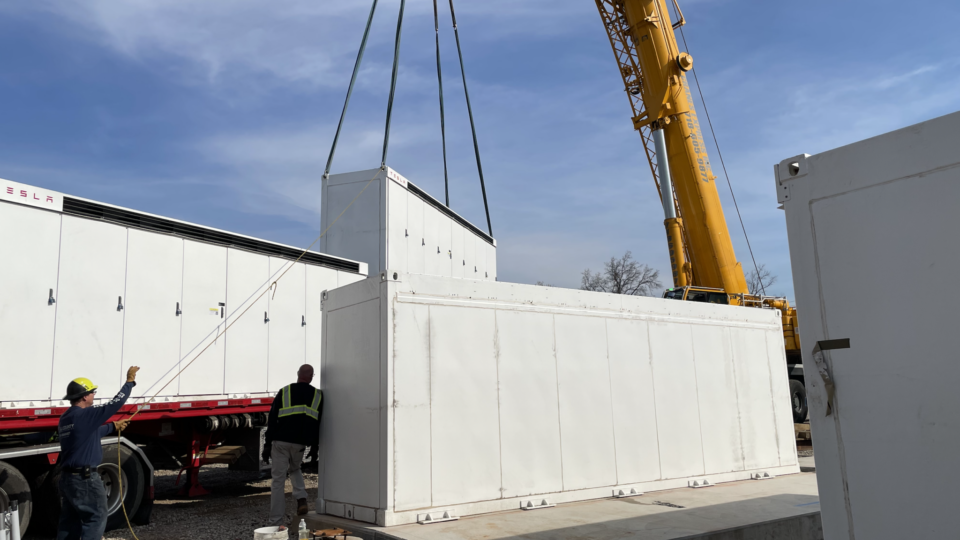
Much more energy storage for New York

August 2, 2024 By EarthWise Leave a Comment

As solar and wind power play an ever-growing role in the electricity grid, the need for energy storage also grows.  Even if sun and wind can provide more energy than is needed at a particular time, they can’t provide it at all times.  The ability to store excess energy waiting in reserve for when the sun and wind are not providing it is essential to avoid the need for burning fossil fuels to take up the slack.

The New York State Public Service Commission has announced that it has approved a new framework for the state to have in place a nation-leading six gigawatts of energy storage by 2030.  This represents at least 20% of the peak electricity load of New York State.

An extensive set of recommendations to expand New York’s energy storage programs describe cost-effective ways to unlock the rapid growth of renewable energy across the state as well as to bolster the reliability of the grid.  The buildout of storage deployment is estimated to reduce projected future statewide electric system costs by nearly $2 billion.  New York has previously established goals to generate 70% of its electricity from renewable sources by 2030 and 100% zero-emission electricity by 2040.

The new roadmap includes programs to procure an additional 4.7 gigawatts of new energy storage projects across large-scale, retail, and residential energy storage sectors across the state.  These future procurements, when combined with the 1.3 gigawatts already being procured or under contract, will allow the State to achieve the 6-gigawatt goal by 2030.

Energy storage plays a critical role in decarbonizing the grid, reducing electricity system costs, and improving the reliability of the electricity system.

**********

Web Links

New York approves plan to add six gigawatts of energy storage by 2030

Photo courtesy of NineDot Energy.

Earth Wise is a production of WAMC Northeast Public Radio
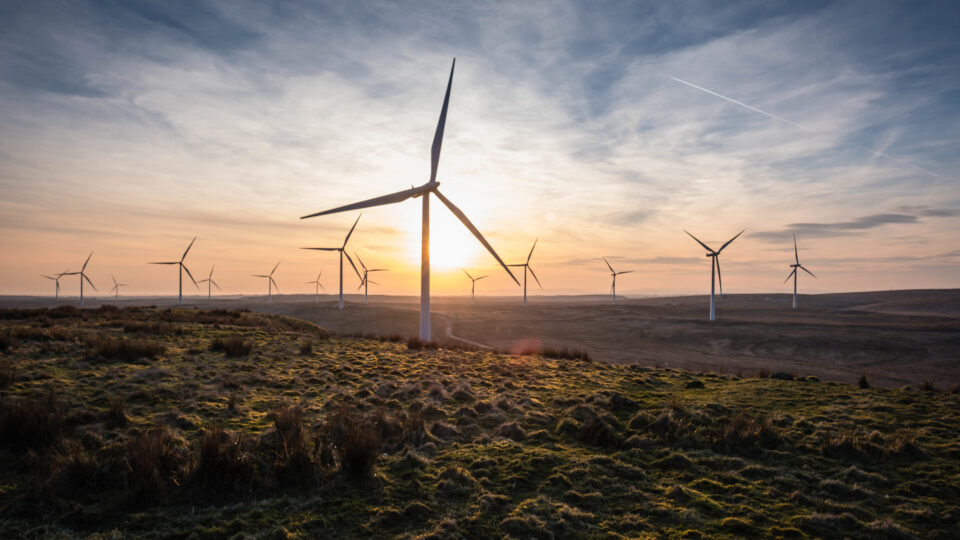
The carbon cost of wind farms

July 31, 2024 By EarthWise Leave a Comment

Reviewing the carbon cost of wind farms

Opponents of electric vehicles and renewable energy often try to make arguments to the effect that the carbon footprint associated with producing electric cars, solar panels, and wind turbines negates their advantages over legacy technologies that involve burning fossil fuels.  These arguments have been soundly refuted for the case of electric vehicles but there have been fewer studies related to other green technologies.

A new peer-reviewed study by engineers at the Te Herenga Waka Victoria University in Wellington, New Zealand, has analyzed the carbon emissions associated with wind farm operation.

The main result is that after operating for less than two years, a wind farm can offset the carbon emissions generated across its entire 30-year lifespan.   The study takes into account everything from the manufacturing of individual turbine parts, to transporting them and installing them into place, to decommissioning the entire wind farm at its life’s end.  The environmental impacts of the installation and transportation phases are important, accounting for about 10% of the overall emissions.

The decommissioning phase is also important.  The study recommended the development of a recycling process for end-of-life turbine blades.  Currently, such blades are disposed of in landfills, but a recycling process could reduce emissions.

The manufacturing of wind turbines is the primary contributor to the carbon and energy consumption footprints and continues to be the subject of efforts to be improved.

There are other aspects of wind farms that are subject to criticism including physical impacts on the local environment and various social, wildlife and economic impacts.  But with respect to carbon emissions, wind farms are a winning strategy.

**********

Web Links

Wind Farms can Offset Their Emissions Within Two Years, New Study Shows

Photo, posted April 2, 2017, courtesy of Ian Dick via Flickr.

Earth Wise is a production of WAMC Northeast Public Radio
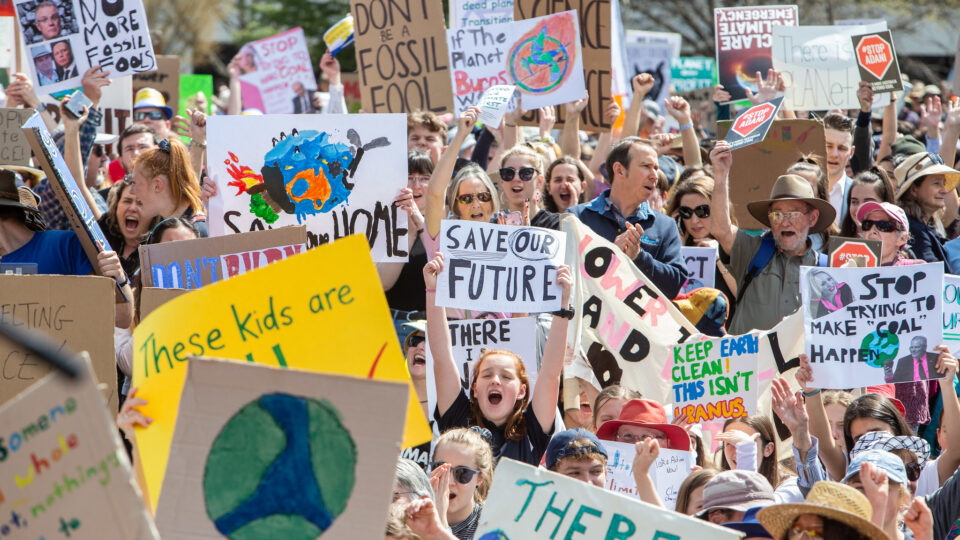
Nearly everyone wants climate action

July 29, 2024 By EarthWise Leave a Comment

Almost everyone wants more action on climate change

A global survey of 75,000 people revealed that 80% of participants want their governments’ climate action commitments to be stronger.  The poll, conducted by the United Nations Development Program, GeoPoll, and Oxford University, asked 15 questions in telephone calls to residents of 77 countries representing 87% of the global population.

According to the survey, 89% of poorer countries favored increasing efforts to curb global emission, while 76% of wealthy G20 nations supported tougher climate action.

The two biggest greenhouse emitters in the world were less enthusiastic:  Chinese participants were 73% in favor of stronger action and Americans were 66% in favor of greater efforts to combat global warming. 

Other demographic differences included that in the big emitting countries of Canada, France, Germany, Australia, and the U.S., women were 10 to 17% more in support of stronger climate action than men.

Overall, only 7% of those polled globally thought their government should not transition away from fossil fuels at all.  More than half of those polled said that they were more worried about climate change this year than last year.  A worldwide majority of 72% support a fast fossil fuel phaseout, including those in nations that are among the top ten coal, oil, and gas producers.

As is the case across the board with respect to climate issues, the more influential factor continues to be economic as opposed to scientific or humanitarian.  Those who stand to lose the most money from the transition away from fossil fuels continue to hold sway over those who will lose in many other ways.

**********

Web Links

Four Out of Five People Want Increased Climate Action, UN Poll Says

Photo, posted July 31, 2020, courtesy of School Strike 4 Climate via Flickr.

Earth Wise is a production of WAMC Northeast Public Radio
Clean energy investment at record levels

July 26, 2024 By EarthWise Leave a Comment

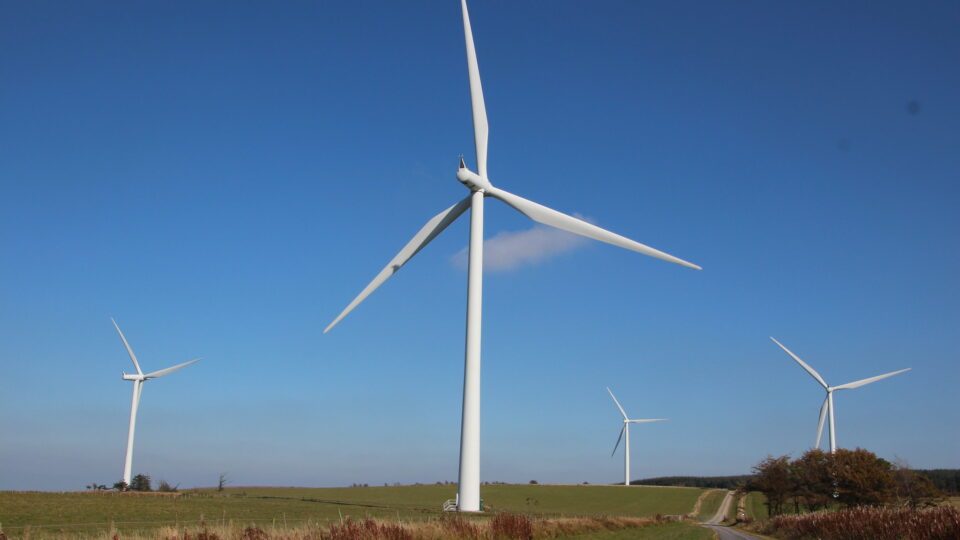
According to a new study by the International Energy Agency, global clean energy investment will be nearly twice that of fossil fuels this year.  The surging funding for clean energy is being driven by a combination of lower costs for renewable energy and by improving supply chains.

In 2024, the world’s investments in energy are expected to surpass $3 trillion dollars for the first time.  About $2 trillion of that will be directed at green technologies that include renewable power sources, grids, and energy storage; electric vehicles; low-emission fuels; nuclear power; and heat pumps and efficiency improvements.  The remaining amount of just over $1 trillion will fund oil, gas, and oil projects.

The record growth in clean energy investments is taking place in spite of challenging economic conditions related to high interest rates, which demonstrates the momentum behind the global energy transition.

The IEA report does caution that there are big imbalances and shortages in energy investment in various places around the world.  For example, there is a low amount of green energy spending in developing and emerging economies outside of China.  Countries like Brazil and India are leading the way for this sector by having investments in excess of $300 billion.

More money is currently going into solar power development than all other electricity generation technologies combined.  In 2024, solar photovoltaic power investment is set to grow to $500 billion as the falling price of solar modules spurs new investments.

The largest renewable investments will come from China at $675 billion, followed by Europe and the U.S. at $370 billion and $315 billion, respectively.

**********

Web Links

Global Clean Energy Investment Will Nearly Double That of Fossil Fuels in 2024: IEA Report

Photo, posted October 2, 2015, courtesy of John Englart via Flickr.

Earth Wise is a production of WAMC Northeast Public Radio
Potential for floating solar

July 16, 2024 By EarthWise Leave a Comment

As installations of utility-scale solar power continue to expand around the world, there is the issue of where to put them.  They do take up considerable amounts of space and, in many places, available land is at a premium.

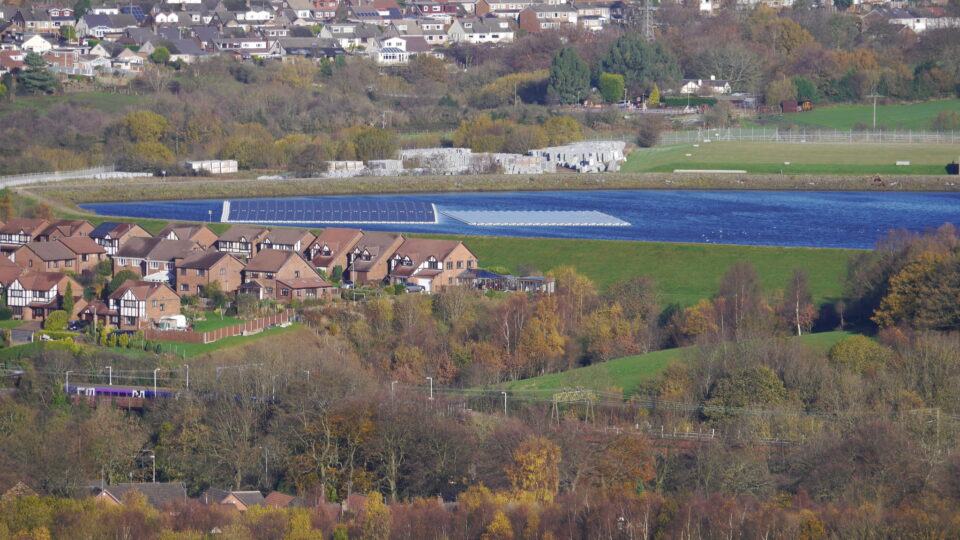
An alternative to taking up available land with solar panels is to deploy them on the surfaces of lakes and reservoirs.  A study by researchers at Bangor and Lancaster Universities in the UK calculated the potential electrical output for floating photovoltaic installation on nearly 68,000 lakes and reservoirs around the world.  The lakes and reservoirs selected were no more than 6 miles from a population center, were not in a protected area, and didn’t dry up and didn’t freeze for more than six months each year.  The calculations were based on covering just 10% of the surface area of the bodies of water.

The calculations were evaluated country-by-country.  Five countries could meet their entire electricity needs by floating installations including Papua New Guinea, Ethiopia, and Rwanda.  Many countries, mostly in Africa, South America, and Central Asia, could get between 40% and 70% of their electricity this way.  Most European countries could only meet a few percent of their electricity needs from floating solar, but even that could be significant. 

There are other benefits to floating solar apart from freeing up land.  The panels stay cooler, making them more efficient, and reservoirs lose less water through evaporation and the growth of algal blooms is reduced because there is less light reaching the water.

**********

Web Links

Some countries could meet their total electricity needs from floating solar panels, research shows

Photo, posted November 25, 2015, courtesy of Smabs Sputzer via Flickr.

Earth Wise is a production of WAMC Northeast Public Radio
Biofuel refineries and toxic pollution

July 5, 2024 By EarthWise Leave a Comment

Toxic pollution from biofuel refineries.

There have been decades of government support for renewable, crop-based fuels – primarily corn ethanol.  In fact, it is a required component of gasoline sold in this country.  The biofuels industry has long claimed ethanol to be a clean, greener alternative to petroleum. 

There have been arguments all along that the environmental benefits of corn ethanol are dubious at best because of the energy required to produce the stuff.  There are also issues related to burning a food crop instead of feeding it to people and that the conversion of grasslands and forests to produce it releases massive amounts of carbon.

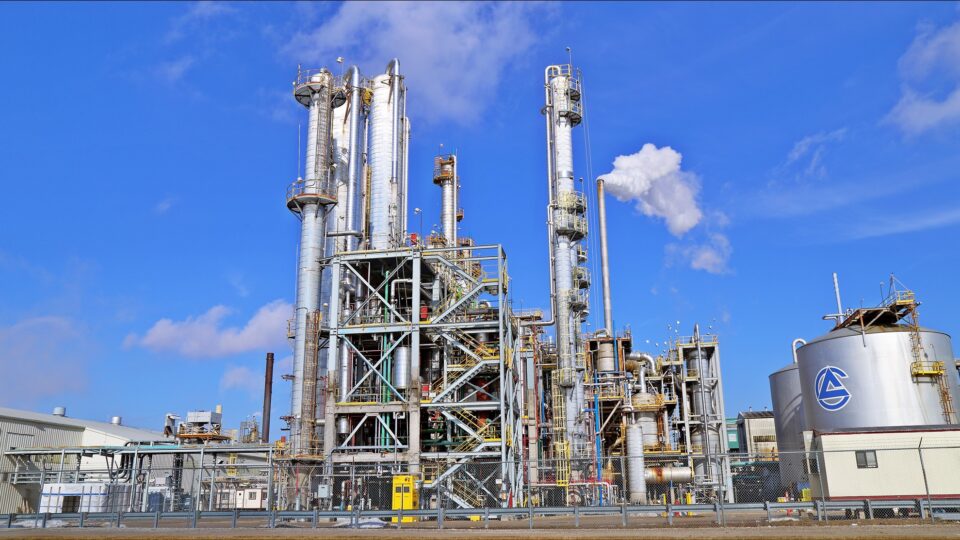
Recently, another serious concern has emerged.  A new review of industry data has found that the country’s biofuel refineries, mostly located in the Midwest, produce large amounts of toxic air pollutants, in some cases ever more than from their petroleum counterparts.

Emissions data from the country’s 275 ethanol, biodiesel, and renewable diesel plants revealed that they release carcinogenic formaldehyde as well as other potentially dangerous substances including acetaldehyde, hexane, and acrolein.  In 2022, biofuel refineries released 12.9 million pounds of hazardous air pollutants, compared to 14.9 million pounds emitted by oil refineries, and the biofuel plants actually emitted more of the four chemicals just mentioned than petroleum refineries did.

The broad use of crop ethanol is the result of intensive industry lobbying.  Ethanol plants are even exempt from some air pollution permitting requirements.  Perhaps the time has come to revisit its pervasive and mandated use.

**********

Web Links

Biofuel Refineries Are Releasing Toxic Air Pollutants in Farm Communities Across the US

Photo, posted February 27, 2021, courtesy of Sue Thompson via Flickr.

Earth Wise is a production of WAMC Northeast Public Radio

Industrial heat and solar power

July 2, 2024 By EarthWise Leave a Comment

Generating industrial heat and power from renewable energy

Many industrial processes require extremely high temperatures, typically more than 1,800 degrees Fahrenheit.  This heat is generally produced by burning fossil fuels – either coal or natural gas – which emits large amounts of greenhouse gases. This level of heat cannot be economically produced using renewable electricity.  As a consequence, decarbonizing these industrial processes is very difficult.

Researchers at ETH Zurich in Switzerland have recently demonstrated a new method of obtaining high-temperature heat based on solar radiation.  They have engineered a device called a thermal trap.  It consists of a quartz rod coupled to a ceramic absorber that can efficiently absorb sunlight and convert it to heat.

In laboratory-scale experiments, they exposed a foot-long quartz rod to artificial light 135 times more intensive than sunlight and were able to produce temperatures as high as 1,900 degrees.  The artificial light source was needed to mimic the effects of concentrated solar energy plants that typically make use of large numbers of mirrors to direct intense solar energy onto a small area.

There are already concentrated solar power plants that operate at temperatures as high as 1,100 degrees and use the heat to operate turbines to generate electricity.  These plants lose efficiency at higher temperatures because of radiative heat losses.  The Zurich thermal trap minimizes these losses and permits higher temperature operation.

The hope is that at a large scale, the new approach may make it possible to use solar energy to decarbonize energy-intensive industrial processes.

**********

Web Links

Using solar energy to generate heat at high temperatures

Photo courtesy of ETH Zurich / Emiliano Casati.

Earth Wise is a production of WAMC Northeast Public Radio
  • « Go to Previous Page
  • Page 1
  • Interim pages omitted …
  • Page 5
  • Page 6
  • Page 7
  • Page 8
  • Page 9
  • Interim pages omitted …
  • Page 36
  • Go to Next Page »

Primary Sidebar

Recent Episodes

  • An uninsurable future
  • Clean energy and jobs
  • Insect declines in remote regions
  • Fossil fuel producing nations ignoring climate goals
  • Trouble for clownfishes

WAMC Northeast Public Radio

WAMC/Northeast Public Radio is a regional public radio network serving parts of seven northeastern states (more...)

Copyright © 2026 ·