• Skip to primary navigation
  • Skip to main content
  • Skip to primary sidebar

Earth Wise

A look at our changing environment.

  • Home
  • About Earth Wise
  • Where to Listen
  • All Articles
  • Show Search
Hide Search
You are here: Home / Archives for energy security

energy security

A Complicated Year For Energy | Earth Wise

February 6, 2023 By EarthWise Leave a Comment

2022 was a complicated year for energy

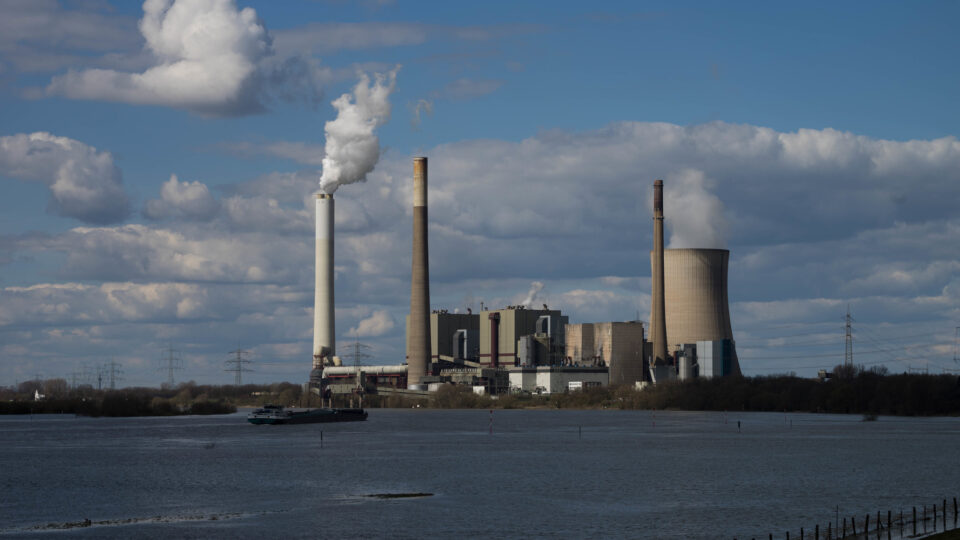
2022 was a complicated year for global energy.  Following its invasion of Ukraine, Russia curtailed natural gas exports to Europe.  This led to large increases in coal burning in many countries, but at the same time led to major new investments in renewable energy.  Projections are that the world will add as much renewable power in the next five years as it did over the previous 20.

In China, severe drought reduced the amount of available hydropower, which drove increased demand for coal in that country.  Between the war in Ukraine and the Chinese drought, coal burning reached an all-time high in 2022, albeit only a 1% uptick for the year.  This increased coal consumption is expected to be only temporary as the accelerating deployment of renewables, energy efficiency, and the use of heat pumps will inexorably reduce coal use.

Globally, governments have earmarked an additional $500 billion for clean energy just since March, bringing the total since the onset of the COVID pandemic to more than $1.2 trillion.  Nearly half of this total investment comes from the U.S. under the Inflation Reduction Act and the Infrastructure Investment and Jobs Act.

In light of these energy policies around the world, the International Energy Agency has revised its projections for renewable energy to substantially larger numbers.   Renewables are expected to surpass coal as the world’s largest source of electricity by early 2025. The global energy crisis triggered by the war in Ukraine has kicked off an extraordinary new phase of rapid renewables growth as countries around the world are seeking to obtain energy security as well as the other benefits of clean energy.

**********

Web Links

In 2022, Energy Shocks Spurred Both Unprecedented Coal Burning and Massive Renewable Investments

Photo, posted April 5, 2015, courtesy of Jan Remund via Flickr.

Earth Wise is a production of WAMC Northeast Public Radio
Decarbonizing Could Save Trillions | Earth Wise

October 18, 2022 By EarthWise Leave a Comment

Decarbonizing could save $12 trillion globally

Scientists have long been calling for a transition to clean energy to prevent catastrophic impacts of climate change.  For much of that time, many people and, specifically, many of those in power, were skeptical of the need to do something about the warming climate.  But even as the facts about the changing climate became increasingly undeniable, there continued to be fears that the transition to clean energy sources would be unacceptably expensive and harmful to the economy.

A recent study published by Oxford University shows that the opposite is true:  a concerted effort to convert to green energy technologies such as solar, wind, and batteries, will save the world enormous amounts of money.

The Oxford study shows that a transition to nearly 100% clean energy by 2050 results in a lower-cost energy system that provides energy access to more people around the world.  The energy transition is expected to save the world at least $12 trillion compared to continuing our current levels of fossil fuel use.

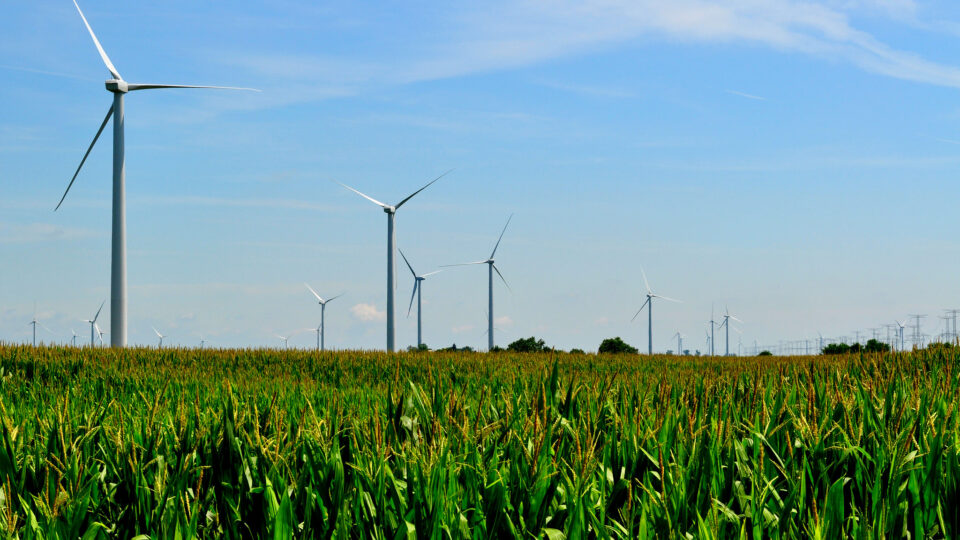
The cost of renewable energy sources has been going down for decades and they are already cheaper than fossil fuels in many situations.  It is expected that they will become cheaper than fossil fuels across almost all applications over time.  Accelerating the transition will allow renewables to become cheaper faster.

The study made use of probabilistic models to estimate the costs of various possible future energy systems based on past data.  Even the most pessimistic models showed that scaling up green technologies is likely to drive their costs down so far that they will generate net cost savings and that the faster the transition goes, the more will be saved.  The result will be a cleaner, cheaper, more energy secure future.

**********

Web Links

Decarbonising the energy system by 2050 could save trillions

Photo, posted July 12, 2010, courtesy of Tom Shockey via Flickr.

Earth Wise is a production of WAMC Northeast Public Radio
Peak Natural Gas Generation | Earth Wise

May 17, 2022 By EarthWise Leave a Comment

Peak natural gas generation is in the past

According to a new report from the Institute for Energy Economics and Finance (the IEEFA), the U.S. most likely hit its peak usage of natural gas to generate electricity in 2020.  Growth in wind and solar power are beginning to erode the use of natural gas.

At the moment, natural gas prices are unusually high as a result of supply chain issues and the war in Ukraine.  The U.S. is shipping record amounts of gas to Europe in order to help allies to wean off of Russian gas imports.  As a result, U.S. natural gas prices are at their highest level in more than 13 years.  Heating bills in the Northeast have been exceptionally high this past winter.

These high gas prices have also thrown a temporary lifeline to coal, which has seen a recent surge.  Despite this, coal in the U.S. is continuing its long-term decline.  Several of the largest power companies – including the Tennessee Valley Authority, Duke Energy, and Georgia Power – are planning to phase out coal entirely by 2035 and shift to renewable power.

The surging prices in fossil fuels – at the gas pump and in the home – along with multiple disruptions in energy security, are supercharging the already rapid pace of growth in solar, wind, and battery energy storage projects.

Wind, solar, and hydropower currently account for about 20% of U.S. power generation.  According to the IEEFA, these renewable sources could provide more than a third of our power by 2027.  Including both renewables and nuclear power plants, the U.S. could generate more than half of its electricity from carbon-free sources by that year, which represents a massive transition from just five years ago.

**********

Web Links

U.S. May Have Hit Peak Natural Gas Power Generation, Report Says

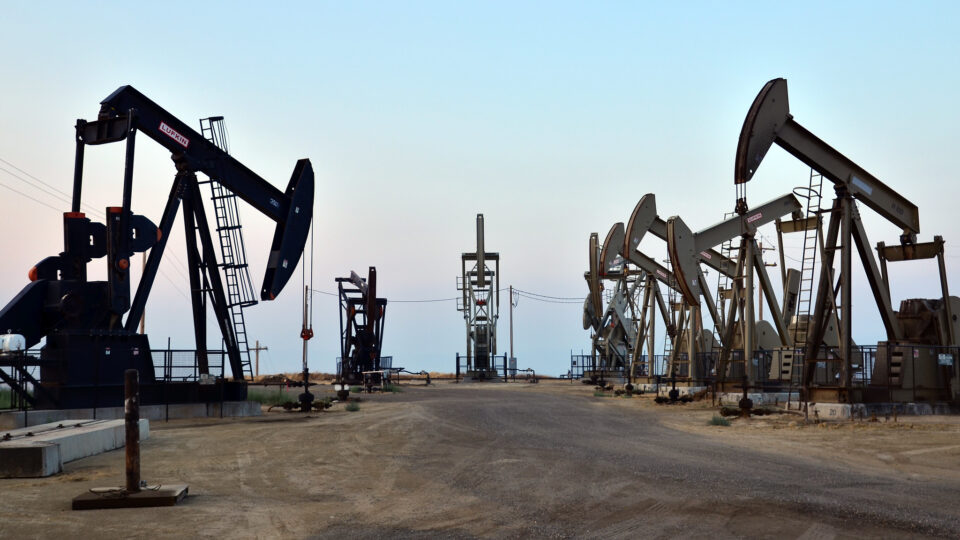
Photo, posted July 11, 2017, courtesy of John Ciccarelli / BLM via Flickr.

Earth Wise is a production of WAMC Northeast Public Radio.

Solar Power And African Food Security

January 2, 2017 By EarthWise

https://earthwiseradio.org/wp-content/uploads/2016/12/EW-01-02-17-Solar-Power-and-African-Food-Security.mp3

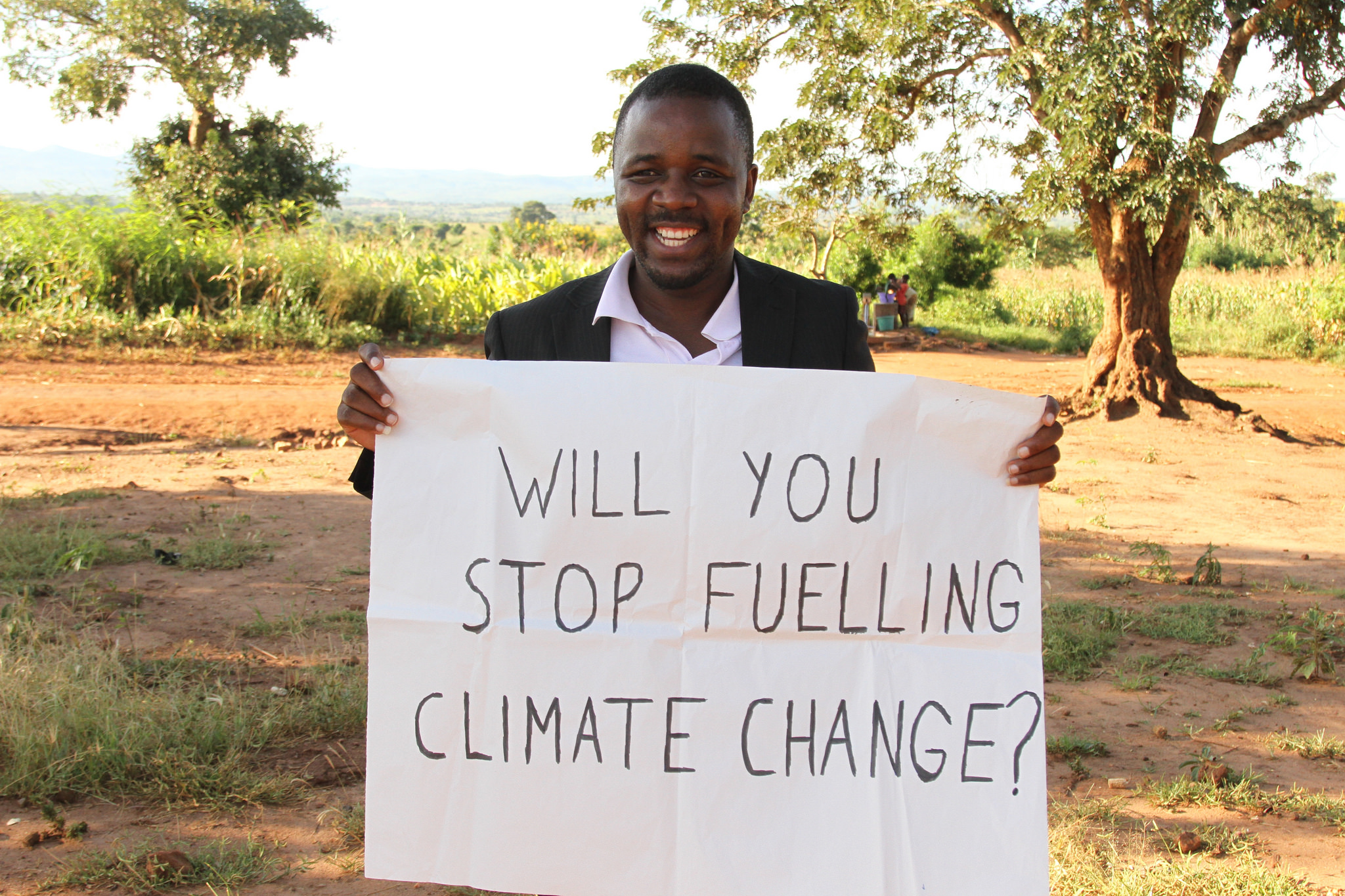
Some of the poorest countries in the world are unfortunately among the most vulnerable to the effects of climate change.   Malawi, for example, has 90% of its population in rural areas and 80% of its labor force is associated with agriculture.

[Read more…] about Solar Power And African Food Security

Primary Sidebar

Recent Episodes

  • An uninsurable future
  • Clean energy and jobs
  • Insect declines in remote regions
  • Fossil fuel producing nations ignoring climate goals
  • Trouble for clownfishes

WAMC Northeast Public Radio

WAMC/Northeast Public Radio is a regional public radio network serving parts of seven northeastern states (more...)

Copyright © 2026 ·