• Skip to primary navigation
  • Skip to main content
  • Skip to primary sidebar

Earth Wise

A look at our changing environment.

  • Home
  • About Earth Wise
  • Where to Listen
  • All Articles
  • Show Search
Hide Search
You are here: Home / Archives for electricity

electricity

Minimizing The Impact Of EVs On The Grid | Earth Wise

May 4, 2023 By EarthWise Leave a Comment

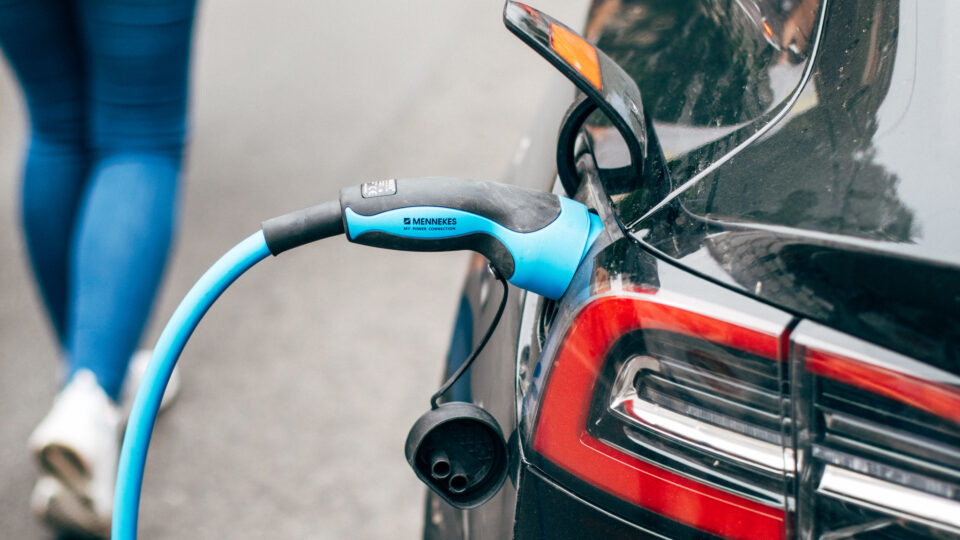
How to minimize the impact of EVs on the electricity grid

Two current trends are the increasing reliance on renewable sources in the electric grid and the increasing use of electric vehicles.  According to some projections, these trends could lead to the need for costly new power plants to meet peak loads in the evening when cars are plugged in to charge.  Overproduction of power from solar farms during the daytime would require expanded energy storage capacity so as not to waste all that generating capacity.

A new study by MIT researchers has found that it is possible to mitigate or eliminate these problems without the need for advanced technological systems and complex infrastructure.  The key elements of the strategy are the strategic placement of charging stations and the practice of delaying the onset of home charging.

Better availability of charging stations at workplaces could help to soak up peak power being produced at midday from solar power installations.  In general, placing of charging stations in strategic ways, rather than letting them spring up just anywhere, could make a big difference.

Delaying home charging to times when there is less electricity demand could be accomplished with the use of a simple app that would estimate the time to begin the charging cycle so that it finishes charging just before the car is needed the next day.  Since different people have different schedules and needs, by delaying the onset of charging appropriately, not everyone will be charging at the same time, and therefore the peak in demand would be smoothed out.

There are substantial government funds earmarked for charging infrastructure and creating that infrastructure in suitably strategic ways could make a big difference in supporting EV adoption and supporting the power grid.

**********

Web Links

Minimizing electric vehicles’ impact on the grid

Photo, posted July 2, 2020, courtesy of Ivan Radic via Flickr.

Earth Wise is a production of WAMC Northeast Public Radio

Falling Lithium Prices | Earth Wise

May 1, 2023 By EarthWise Leave a Comment

Producers still working out how to meet the surging demand for lithium

Lithium, the key element in the batteries that power electric cars, as well as smartphones, tablets, and laptop computers, is sometimes called white gold.  Over time, the price of the metal has gone up and up.  But recently, and surprisingly, the price of lithium has actually gone down, helping to make electric vehicles more affordable.

Over the first couple of months of this year, the price of lithium has dropped by nearly 20%.  The price of cobalt, another important component of vehicle batteries, has fallen by more than half.  Even copper, another battery material, has seen its price drop by 18%.

Many analysts predicted that prices of these commodities would stay high or even climb higher.  The reason for the decline, as well as whether it is likely to persist, is the subject of much debate.

Some experts believe that the price drops are a result of demand not being as high as expected, perhaps related to slowing sales growth of EVs in Europe and China after certain subsidies expired.  Other industry experts said that the drop was a result of new mines and processing plants providing additional supply sooner than was thought possible.

Despite the price drops, mining and processing lithium remains an extraordinarily profitable business.  It costs from $5,000 to $8,000 to produce a ton of lithium that sells for ten times that amount.  With such fat profit margins, there is no shortage of banks and investors eager to finance lithium mining and processing projects.  Such profit margins are probably not sustainable and that will likely result in more reasonable prices over time.

There is plenty of lithium in the world.  The huge demand for it is a recent phenomenon and the world is still working out how to meet that demand.

**********

Web Links

Falling Lithium Prices Are Making Electric Cars More Affordable

Photo, posted January 9, 2023, courtesy of Phillip Pessar via Flickr.

Earth Wise is a production of WAMC Northeast Public Radio
Community Solar On The Rise | Earth Wise

April 14, 2023 By EarthWise Leave a Comment

Community solar continues to grow

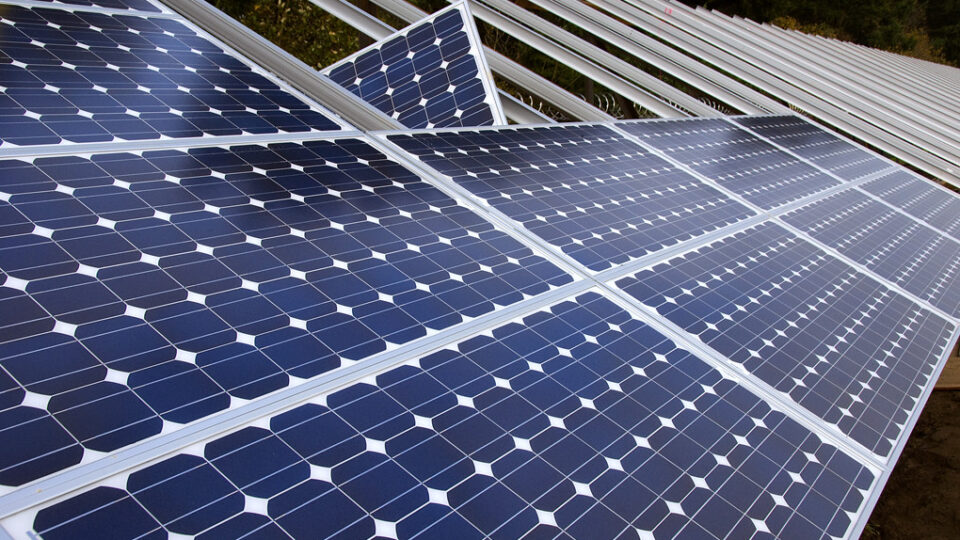
Community solar is a way for people who can’t put solar on their own roofs to still take advantage of its benefits.  Whether they can’t afford to install their own panels, have too much shade on their roof, or don’t even own a home, community solar is another way to participate in green energy.

Community solar – also called “shared solar” or “solar gardens” – is a kind of development in which consumers can subscribe to a large solar installation in their area and receive credits on their monthly utility bills for their share of the solar electricity produced.

The large majority of community solar installations are in six states:  Colorado, Illinois, Massachusetts, Minnesota, New Jersey, and New York.  After substantial growth in community solar in 2022, New York now is the national leader, thanks to initiatives by the state government and the nonprofit sector.  Some programs focus on giving low-income households access to solar.  As of last fall, New York had over 728 community solar projects online.

One should understand that electrons are indistinguishable.  The power generated by a community solar installation is not piped directly to subscribers’ homes.  It just goes into the grid.  Subscribers get credit for their share of the power, but that is essentially a matter of bookkeeping, not physics.

The federal government now has $7 billion that can be used for community solar as part of the Greenhouse Gas Reduction Fund within the Inflation Reduction Act enacted last August.  The EPA plans to award up to 60 grants to assist projects deploying residential and community solar.  Research firm Wood Mackenzie forecasts the community solar market will double by 2027.

**********

Web Links

Community Solar Is About to Get a Surge in Federal Funding. So What Is Community Solar?

Photo, posted November 18, 2008, courtesy of the Oregon Department of Transportation via Flickr.

Earth Wise is a production of WAMC Northeast Public Radio
Electric Cars Getting Cheaper | Earth Wise

April 12, 2023 By EarthWise Leave a Comment

Electric cars are getting cheaper

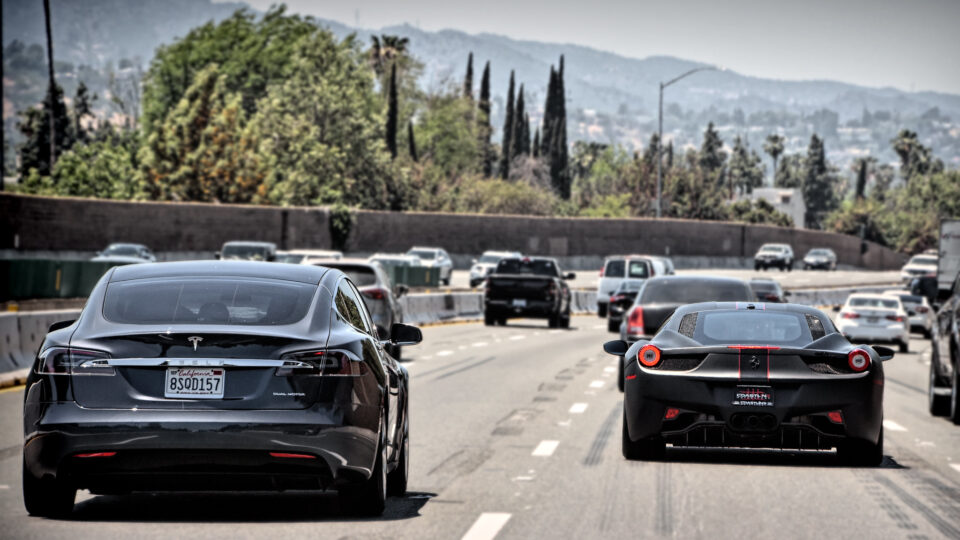
A sticking point for buying electric cars has always been that they are typically more expensive than equivalent gasoline-powered cars.  But increasing competition, government incentives, and falling prices for lithium and other battery materials is changing the equation.  In fact, the tipping point when electric cars are as cheap or even cheaper than internal combustion cars is likely to happen this year for many cars and, in fact, has already happened for some.

Battery production is ramping up for Tesla, General Motors, Ford, and others, creating cost savings from mass production. Companies manufacturing batteries in the United States are receiving government subsidies as part of a drive to establish a domestic supply chain and reduce dependence on China.  Before anyone cries foul, it should be noted that globally, oil companies received a trillion dollars in subsidies last year.  The Inflation Reduction Act is making it cheaper for automakers to build electric cars (provided they do it in the United States using US materials) and cheaper for consumers to buy them because of tax credits.

Multiple companies have lowered the price of their electric vehicles in recent months, including both the Tesla Model 3 and Model Y, which are the best-selling electric cars in the United States. GM’s electric Equinox crossover will start at about $30,000, which is still about $3,400 more than the gas-powered version.  But once the electric vehicle tax credit is figured in, it will actually be cheaper.

Electric cars are already cheaper to own and operate because of the much lower cost of powering with electricity instead of gas as well as the greatly reduced maintenance costs for the vehicles.  Once the purchase price of these cars is less than that of gas-powered cars, the economics becomes a no-brainer.

**********

Web Links

Electric Vehicles Could Match Gasoline Cars on Price This Year

Photo, posted May 11, 2021, courtesy of Chris Yarzab via Flickr.

Earth Wise is a production of WAMC Northeast Public Radio
Clean Energy From North Africa | Earth Wise

April 7, 2023 By EarthWise Leave a Comment

Europe turning to North Africa for its clean energy needs

Europe is hungry for clean energy.  The war in Ukraine has amplified Europe’s desire to end its reliance on Russian natural gas.  Increasingly, Europe is pushing to install giant solar energy farms in sunny North Africa and transport the energy through underwater cables.

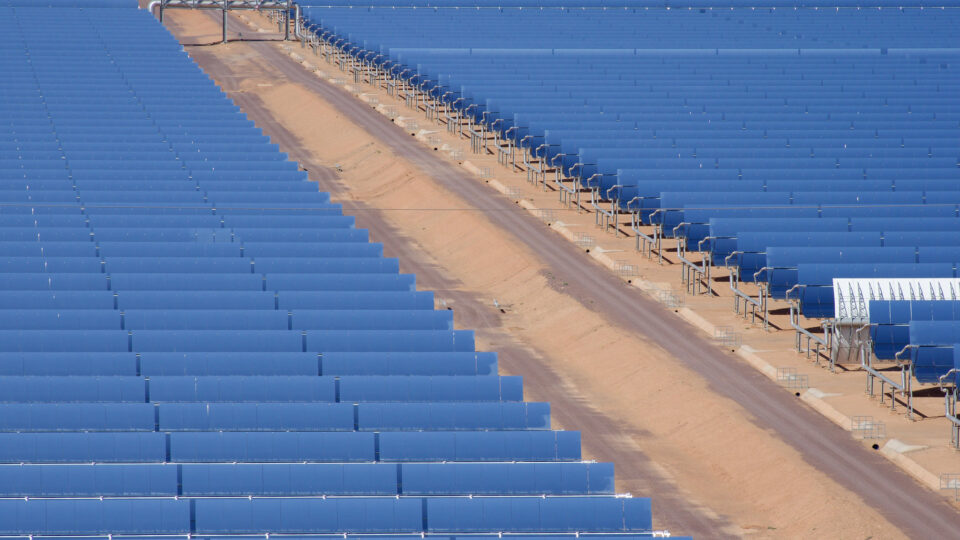
Solar panels in sunny North Africa generate up to three times more energy than those in Europe.  As a result, solar farms and wind farms as well are proliferating south of the Mediterranean Sea.  Morocco’s Noor and Egypt’s Benban solar farms are among the largest in the world.  Many of these farms were initially built to boost domestic power supplies and reduce dependence on coal.  But now these farms are increasingly supplying green energy to industrial neighbors in Europe.

Morocco has signed deals with the European Union to expand power exports.  Egypt is considering proposals for cables to link to Greece.  Another planned cable would link new solar farms in Tunisia to Italy’s grid.  These projects would certainly bring money and jobs to North African countries, but it isn’t all good news.

There are growing concerns about the environmental impacts of Europe outsourcing its energy needs.  Desert ecosystems could be greatly compromised.  And much of this development is likely to happen with only minimal community consultation or ecological assessment.  Half of Africa’s population does not have access to reliable power grids. Electricity becoming a major export is not likely to improve this situation.

Europe has long obtained many resources from the developing world.  Now it is tapping into the sunshine and wind in other lands.  It remains to be seen if North Africa’s countries will achieve the large potential gains those resources can offer them.

**********

Web Links

In Scramble for Clean Energy, Europe Is Turning to North Africa

Photo, posted October 17, 2019, courtesy of Richard Allaway via Flickr.

Earth Wise is a production of WAMC Northeast Public Radio
Offshore Wind In The Gulf Of Mexico | Earth Wise

April 4, 2023 By EarthWise Leave a Comment

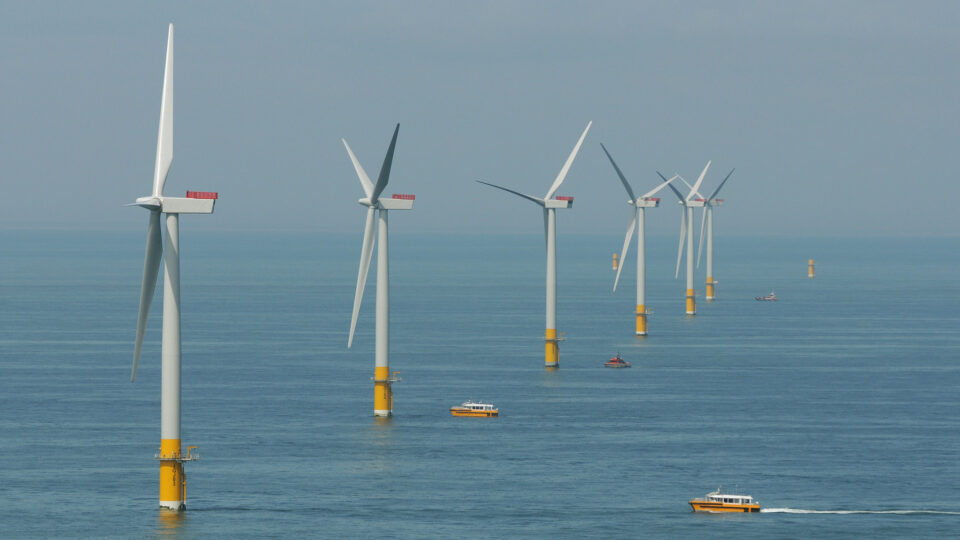
The U.S. pursuing offshore wind development in the Gulf of Mexico

The US has a goal of deploying 30 GW of offshore wind energy capacity by 2030.  This is an ambitious goal given that the current installed offshore wind capacity in the US is a total of seven turbines capable of generating just 42 megawatts of power.  So, there is a long way to go in a relatively short amount of time.

Since 2021, the Bureau of Ocean Energy Management, a division of the Department of the Interior, has held three offshore wind lease auctions, which grant rights to developers to install offshore wind in specific marine areas.  The first two auctions involve sites in the northeast, including areas in New York.  The third auction, held last December, offered sites off the California Coast – the first US sites in the Pacific.

In February, the Department of the Interior proposed a new offshore wind lease sale in the Gulf of Mexico.  It identified a 102,480-acre area off the coast of Louisiana, and two similar-sized areas offshore from Galveston, Texas.

The proposal is now in a 60-day period of seeking public comments before deciding whether to move ahead with the sale.  As was the case for the other lease auctions, there would stipulations associated with accepted bids including efforts to build up domestic industry for the supply chain and labor force.  There would also be requirements to establish and contribute to a fisheries compensatory mitigation fund to address any potential negative impacts to the fishing industry.

About two-thirds of offshore wind resources in the US are located in deep-water areas that will require floating platforms.  A federal program called Floating Offshore Wind Shot has the goal of developing cost-effective technology for this purpose.

**********

Web Links

Gulf of Mexico may be next up for offshore wind leases

Photo, posted May 13, 2011, courtesy of the Department of Energy and Climate Change via Flickr.

Earth Wise is a production of WAMC Northeast Public Radio
Offshore Wind Industry In New York | Earth Wise

March 27, 2023 By EarthWise Leave a Comment

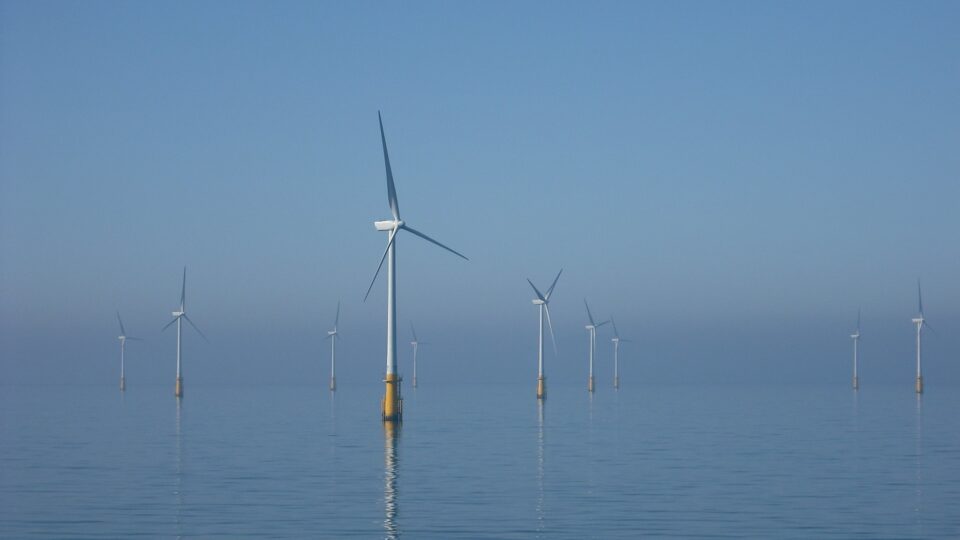
Last July, New York Governor Kathy Hochul announced the release of the state’s third competitive offshore wind solicitation, seeking to add generating capacity to power at least 1.5 million homes.  In response to the solicitation, the New York State Energy Research and Development Authority – NYSERDA -received more than 100 proposals for 8 new projects from six offshore wind developers.  An evaluation period is in progress and NYSERDA expects to announce awards sometime this spring.

Apart from the development and installation of offshore wind turbines and their associated infrastructure, participating in the program also involves supply chain investments to support the development of a strong, local supply chain that creates jobs for New Yorkers as well as bolstering the state’s standing as a regional hub for offshore wind manufacturing.

Siemens Gamesa Renewable Energy, a multi-billion-dollar Spanish-German wind engineering company, is one of the companies bidding to have its wind turbines used for the forthcoming New York offshore wind projects.   If Siemens Gamesa is selected for the project, the company has revealed that it will build a major offshore nacelle manufacturing facility at the Port of Coeymans, New York, some 15 miles from Albany.

The planned facility would create approximately 420 direct jobs and represent an investment of around $500 million in the region.  Siemens Gamesa said it would also commit to localizing several new component supplier facilities, including steel component fabrication, bearings, and composite components. 

Offshore wind will bring more than just electricity to New York; it will bring a whole new industry.

**********

Web Links

Siemens Gamesa reveals plans for New York offshore wind hub

Photo, posted March 24, 2016, courtesy of TEIA via Flickr.

Earth Wise is a production of WAMC Northeast Public Radio

Distributed Wind Energy | Earth Wise

March 17, 2023 By EarthWise 1 Comment

When we think about wind power, we are usually talking about increasingly giant windfarms – either on land or offshore – that produce power on a utility scale.  But there is also distributed wind energy, which refers to wind technologies in locations that directly support individuals, communities, and businesses.  

Distributed wind can be so-called behind-the-meter applications that directly offset retail electricity usage much as rooftop solar installations do.  It can also be front-of-the-meter applications where the wind turbines are connected to the electricity distribution system and supplies energy on a community scale.  Distributed wind installations can range from a several-hundred-watt little turbine that powers telecommunications equipment to a 10-megawatt community-scale energy facility. As of 2020, there were nearly 90,000 distributed wind turbines in the U.S. with a total capacity of about 1 GW.

A study by the National Renewable Energy Laboratory has estimated the potential for distributed wind energy in the U.S.   According to the new analysis, the country has the ability to profitably provide nearly 1,400 GW of distributed wind energy capacity. 

Entire regions of the country have abundant potential. The regions with the best economic prospects have a combination of high-quality wind, relatively high electricity rates, and good siting availability.  Overall, the Midwest and Heartland regions had the highest potential especially within agricultural land.

Realizing this outcome for distributed wind will require improved financing and performance to lower costs, relaxation of siting requirement to open up more land for wind development, and continued investment tax credits and the use of net metering.

**********

Web Links

U.S. has potential for 1,400 GW distributed wind energy, NREL finds

Photo, posted January 3, 2009, courtesy of skyseeker via Flickr.

Earth Wise is a production of WAMC Northeast Public Radio
Solar Power At Night | Earth Wise

March 16, 2023 By EarthWise Leave a Comment

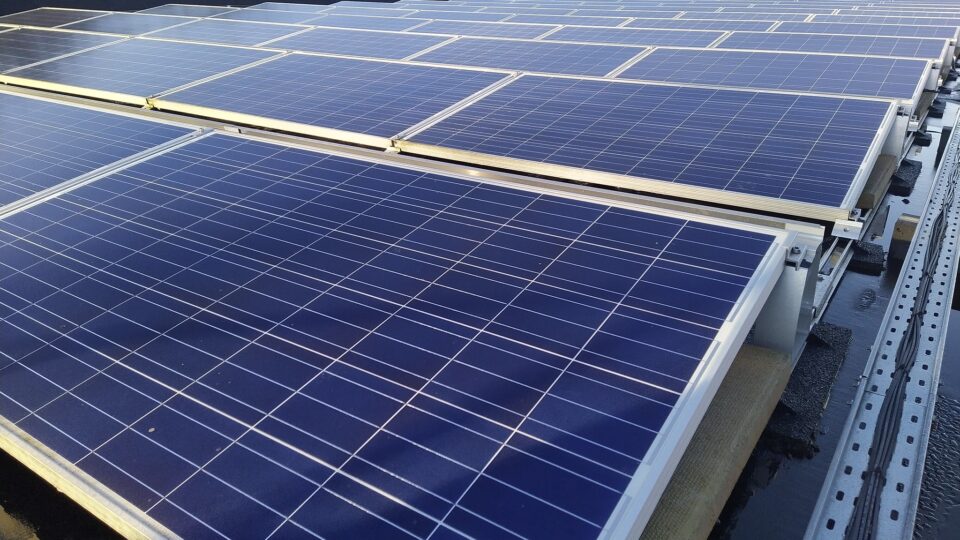
The use of solar power has grown tremendously in recent years as it has declined in price and become far more competitive with other forms of electricity generation.  Its fundamental drawback, of course, is that it only works when the sun is shining.  Solar panels don’t produce any power at night.  That is, until now, apparently.

A team of engineers at Stanford University have developed a new kind of solar cell that is capable of generating at least some electricity at night.  Published in the journal Applied Physics Letters, the research describes a device that can be a continuous renewable power source for both day and nighttime.

The device incorporates a thermoelectric generator that produces electricity from the small difference in temperature between the ambient air and the solar cell itself.  The amount of power produced is far less than the solar cell generates from sunlight, but the device can provide nighttime standby lighting and power in off-grid and mini-grid applications.

Mini-grid applications are independent electricity networks that are used for small populations that may be too isolated to be connected to the main power grid.  Nearly 600 million people in Africa currently live without access to electricity, primarily in rural areas.  A standalone solar system operating independently of any power grid can meet many electricity needs such as phone charging and lighting, but such systems may not be able to handle large electrical need such as powering machinery and agricultural equipment.  Mini-grids are larger installations that can provide power to a small rural community.

With innovations like the new Stanford device, a solar mini-grid may be able to keep running at some level even at night.

**********

Web Links

Solar panels that can generate electricity at night have been developed at Stanford

Photo, posted December 15, 2021, courtesy of Pete via Flickr.

Earth Wise is a production of WAMC Northeast Public Radio
Renewables’ Growing Share | Earth Wise

March 15, 2023 By EarthWise Leave a Comment

Not long ago, many states across the country were setting goals to obtain 20% of their electricity from renewable sources. For a few states, like New York and Washington, ample amounts of hydropower made 20% an easy target.  But for many others, 20% seemed like a very ambitious objective.

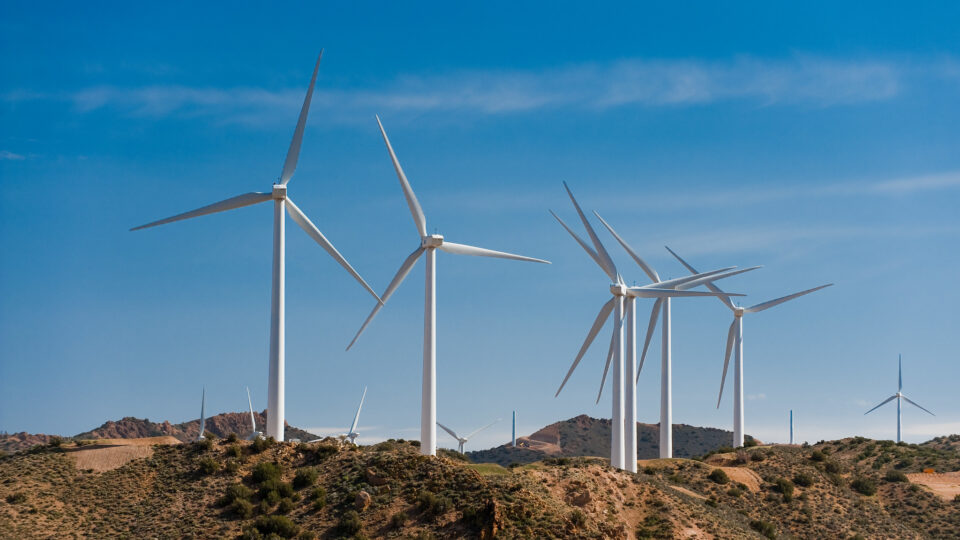
Things have certainly changed.  According to the latest monthly Short Term Energy Outlook, a report from the federal government, the combination of wind, solar, and other renewable sources will exceed one-quarter of the country’s generation by 2024.

Renewables are already at 24% of U.S. electricity generation and are expected to rise to 26% by next year.  Coal, which used to be the largest source of electricity, will continue to drop from its current 18% to 17% by next year.  Overall, renewables passed coal for the first full year in 2020.  Coal staged a bit of a comeback in 2021, but has once again resumed its decline.  Many coal-fired power plants continue to close, and there are not new ones being built because of diminishing economic benefits as well as concerns about emissions.

The largest source of electricity generation continues to be natural gas at 38%, but that number is also expected to slowly decrease over time. The growth in renewable energy is coming from wind and solar power.  Two-thirds of that growth is from solar and one-third is from wind. 

Together, wind and solar power will add up to 18% of the country’s electricity supply.  The government still tracks them lumped together as renewables, but both are so large and growing so quickly that the Energy Information Agency is likely to soon start tracking them as separate categories.

**********

Web Links

Renewables Projected to Soon Be One-Fourth of US Electricity Generation. Really Soon

Photo, posted April 18, 2011, courtesy of Allan Der via Flickr.

Earth Wise is a production of WAMC Northeast Public Radio

Plastic From Sunlight | Earth Wise

March 13, 2023 By EarthWise Leave a Comment

Photosynthesis is the process that plants use to turn water, carbon dioxide, and energy from sunlight into plant biomass.  It provides humans and much of animal life with food.  Photosynthesis is also nature’s way of reducing the amount of carbon dioxide in the atmosphere.  The CO2 is not directly stored in plants but rather is combined into organic compounds.

Researchers across the globe are trying to find effective ways to mimic photosynthesis.  One version of artificial photosynthesis seeks to take carbon dioxide and combine it into organic compounds that can be used as raw materials for various kinds of manufacturing. 

A research team in Japan has found a way to synthesize fumaric acid from carbon dioxide using sunlight to power the process.  Fumaric acid is a chemical typically synthesized from petroleum and is used as a raw material for making biodegradable plastics such as polybutylene succinate. 

Much of artificial photosynthesis research is aimed at using solar energy to convert carbon dioxide directly into a fuel rather than a raw material.  Such solar fuels can be produced by a variety of means including thermochemical (using the sun’s heat to drive chemical reactions), photochemical (using the sun’s light to drive chemical reactions), and electrochemical (using solar-generated electricity to drive chemical reactions.)   These approaches generally involve the use of specialized catalysts to drive the desired chemical reactions. 

One way or another, what techniques for artificial photosynthesis have in common is trying to imitate what plant life on Earth has been doing for millions of years. 

**********

Web Links

Artificial photosynthesis uses sunlight to make biodegradable plastic

Photo, posted June 14, 2017, courtesy of Alex Holyake via Flickr.

Earth Wise is a production of WAMC Northeast Public Radio
Peak Fossil Fuels | Earth Wise

March 3, 2023 By EarthWise Leave a Comment

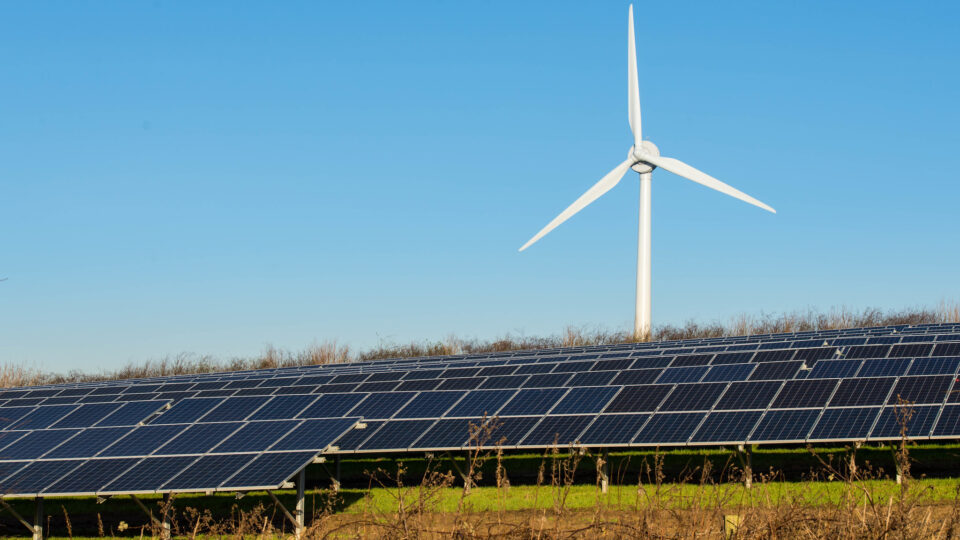
According to a new report from the Rocky Mountain Institute, a nonprofit that studies the energy transition, we have reached a pivot point in which fossil fuels have peaked in their use for producing electricity and are about to enter a period of decline.

The report makes the case that wind and solar power are going through a growth process that looks very much like the trend lines for the early stages of other transformative products and industries – things like automobiles and smartphones.  Such growth begins slowly for technology and products that are very expensive, but then shifts into high gear as costs shrink and efficiency rises.

The argument is that fossil fuel demand has peaked in the electricity market because the annual growth in global electricity demand is now less that the amount of electricity being generated by newly-built renewable energy plants (mostly solar and wind.)  This dynamic will squeeze out the most expensive and dirtiest energy sources over time.

Overall use of fossil fuels for electricity shifted in 2018 from a long-standing period of growth to a holding pattern in which the total amount of electricity produced has no clear trend.  According to the RMI report, this plateau in fossil fuel use is likely to continue until about 2025, and then will be followed by a long-term decline.

While the trends in fossil fuel use are quite evident, the end results are not inevitable.  There continues to be a battle between the forces trying to protect the fossil fuel status quo and those trying to change it. But strong economic forces are difficult to overcome.  Renewable energy is the lowest cost source of electricity in a growing number of locations and situations.

**********

Web Links

When Will We Hit Peak Fossil Fuels? Maybe We Already Have

Photo, posted December 27, 2015, courtesy of Gerry Machen via Flickr.

Earth Wise is a production of WAMC Northeast Public Radio

The Enormous Cost Of Steel Corrosion | Earth Wise

February 28, 2023 By EarthWise Leave a Comment

Global steel production has been rising for decades.  Because steel corrodes over time, part of the demand for more steel comes from the need to replace the steel used in construction materials – in everything from bridges to cars – that has become corroded over time.  Studies have estimated that the economic cost of corrosion is an astonishing 3 to 4% of a nation’s gross domestic product.  Globally, this means that steel corrosion costs the world trillions – yes, trillions with a T – of dollars each year.

On top of the staggering economic impact of corrosion, there is the fact that steel production is one of the largest greenhouse gas emitters of any industry, accounting for more than 25% of all manufacturing sector carbon emissions.  In fact, steel manufacturing causes over 10% of total global carbon emissions.  

As a result of regulations placed on the steel industry, technological advances in the steelmaking process have resulted in a 61% reduction in the industry’s energy consumption over the last 50 years.   There are continuing efforts to reduce the energy consumption of steel making and to move away from the use of fossil fuels to produce the needed energy.  But without significant improvements, just the emissions associated with replacing corroded steel could make the goals set by the Paris Climate Agreement unfeasible.

It’s hard to believe that something costing the world trillions of dollars and has a major negative impact on the climate is largely invisible.  Steel corrosion is an enormous societal challenge that has gone under the  radar for decades and therefore has not received anything like the attention it deserves.

**********

Web Links

Reducing steel corrosion vital to combating climate change

Photo, posted July 24, 2008, courtesy of Phil Whitehouse via Flickr.

Earth Wise is a production of WAMC Northeast Public Radio

Driving Electric Is Cheaper For Almost Everyone | Earth Wise

February 24, 2023 By EarthWise Leave a Comment

A study by University of Michigan researchers found that about 90% of U.S. households would save money on fuel costs by owning an electric car rather than a gas-powered car.  So apart from the environmental benefits of electric cars, there are real economic benefits as well.

Both the price of gasoline and the price of electricity vary considerably across the country, so there are differences by location.  The study found that 71% of U.S. drivers would see their fuel expenses cut at least in half by driving an electric car.


Drivers in California, Washington, and New York would see the largest fuel savings as well as the biggest emissions reductions from a new electric car.  Those states have cleaner electric grids and a bigger gap between the cost of electricity and the cost of gas.

The study, published in the journal Environmental Research Letters, only looked at fuel costs and did not take into account the purchase cost of new cars.  Generally speaking, plug-in cars have higher sticker prices than gas-powered cars but multiple studies have shown that over their lifetimes, electric vehicles end up being cheaper to own than comparable gas-powered vehicles because of lower maintenance costs on top of the fuel savings.  The price gap between equivalent gas and electric cars continues to narrow in any case as the cost of batteries continues to decline.  On top of that, the recent expansion of federal tax credits on electric cars is making the vehicles cost-competitive right at the point of purchase.

Gasoline prices have come down considerably from their peak a year ago, but for almost everyone, it is still much cheaper to drive on electricity.

**********

Web Links

Seven in 10 U.S. Drivers Could Halve Their Fuel Costs by Going Electric, Study Finds

Photo, posted April 23, 2022, courtesy of Pedrik via Flickr.

Earth Wise is a production of WAMC Northeast Public Radio

California Storms And The Megadrought | Earth Wise

February 22, 2023 By EarthWise Leave a Comment

California experienced its wettest 10-day period in 25 years as a result of a series of storms driven by atmospheric rivers in January.  The Rocky Mountains got buried in snow from the same weather pattern.   For the drought-stricken West, the storms were good news.  But they are not the cure for what’s been ailing the region.

In California, the snowpack in the Sierra Nevada mountains has been greatly enhanced, containing twice as much snow as is considered average for this time of year.  Without a doubt, it will reduce the impact of the drought that has plagued the state for 23 years.  But one big storm or even a series of them is not enough to undo years of minimal precipitation and rising temperatures.  Many of the states’ largest reservoirs remain well below historical averages despite the record-breaking rain.  It would take several wet years to really allow the state to recover from the drought.

The snowfall in the Rockies is crucial because it is the source of more than two-thirds of the water in the Colorado River.  The Colorado River is the water lifeline for 40 million people from Wyoming to Mexico.

The ongoing shrinking of the Colorado River is a crisis that has created massive problems for the multibillion-dollar agriculture industry and for many large cities, including Denver, Phoenix, Salt Lake City, Las Vegas, and Los Angeles.  Two of the nation’s largest reservoirs – Lake Mead and Lake Powell – are filled by the Colorado River.  The historic low levels of these reservoirs have threatened the functioning of hydropower facilities that provide electricity to millions of people.

The January storms were good news for the West, but its problems are not over.

**********

Web Links

This Winter’s Rain and Snow Won’t be Enough to Pull the West Out of Drought

Photo, posted September 18, 2022, courtesy of Sarah Stierch via Flickr.

Earth Wise is a production of WAMC Northeast Public Radio
Fuel From Wind And Water | Earth Wise

February 21, 2023 By EarthWise 1 Comment

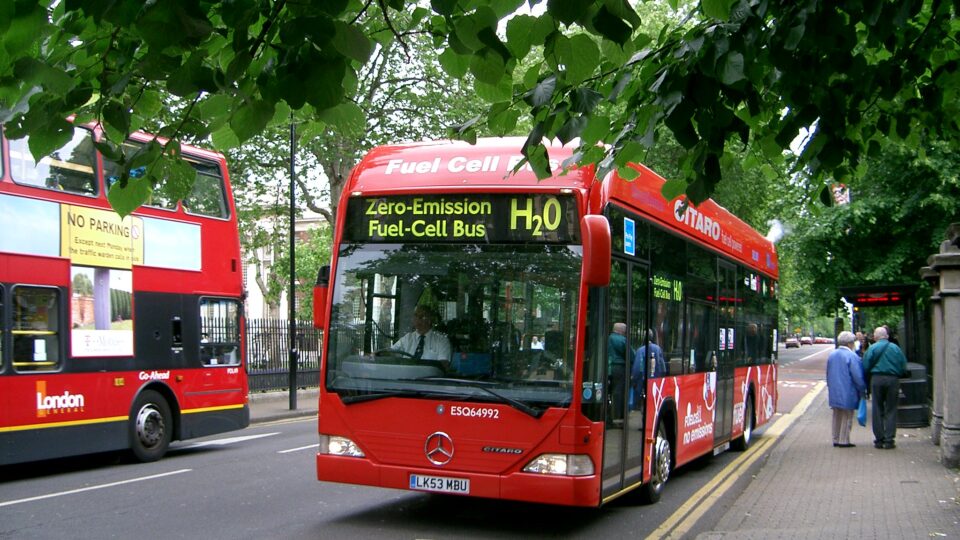
Hydrogen is the most common element in the universe and it can be used as a fuel to run cars, trains, and even airplanes.  Using it produces no harmful emissions.  However, to date, the way it is economically produced is not clean and green.  It is made from natural gas and leaves behind lots of carbon dioxide.

Around the world there are many projects working on so-called green hydrogen.  Producing hydrogen by splitting water into its component elements is called electrolysis and produces only oxygen as a waste product.  The problem with electrolysis is that it takes prodigious amounts of energy and therefore is very expensive.

A new project taking place in north Texas hopes to create the country’s first large-scale producer of green hydrogen.  The project is building a 900-megawatt wind farm along with a 500-megawatt solar farm.  The 1.4 gigawatts of total production capacity is more energy than the city of Austin consumes.  That energy will be used to produce 200,000 kilograms of hydrogen a day.

This project is among the largest proposed green hydrogen projects in the U.S.   There are green hydrogen proposals in Europe, Australia, Africa, and the Middle East that range from 10 GW to 67 GW. 

The Texas project, being developed in partnership by Air Products and AES, has been enabled by government support from the Inflation Reduction Act.    

There are a few thousand hydrogen-powered cars, boats, and trains but without substantial, cost-effective hydrogen infrastructure, the market is very limited.   Subsidizing the development of the necessary infrastructure is essential if there is any real chance to create the long-imagined hydrogen economy.

**********

Web Links

Texas Project Will Use Wind to Make Fuel Out of Water

Photo, posted June 5, 2005, courtesy of City Transport Info via Flickr.

Earth Wise is a production of WAMC Northeast Public Radio
Electric Vehicle Tax Credits | Earth Wise

February 17, 2023 By EarthWise Leave a Comment

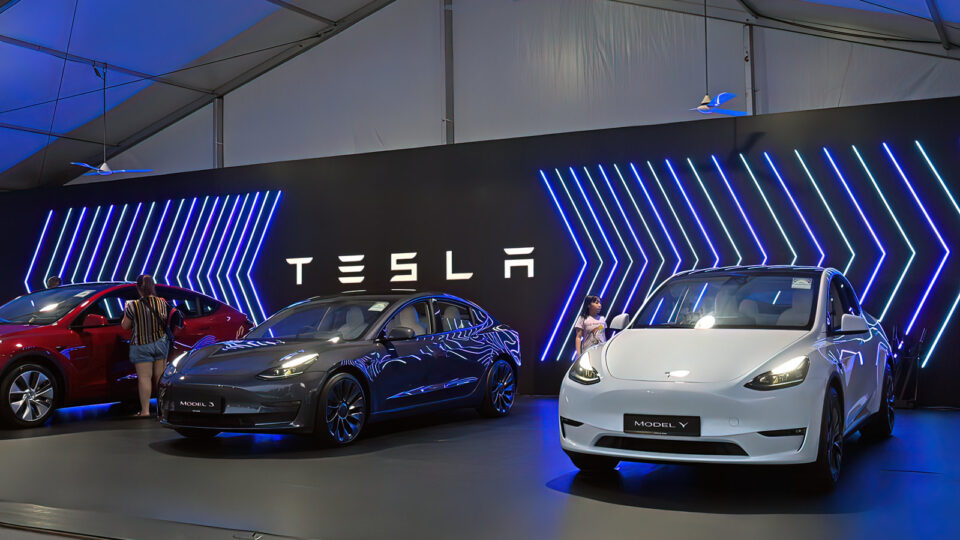
As of January 1, many Americans can qualify for a tax credit of up to $7,500 for buying an electric vehicle.  The credit is one of the changes enacted under last year’s Inflation Reduction Act.  The purpose is to encourage EV sales and thereby reduce greenhouse gas emissions and air pollution.

There has been a tax credit for EVs for more than a decade, but its provisions made cars from any manufacturer ineligible as soon as that manufacturer had sold more than 200,000 cars.  Notably, this eliminated the credit for purchasing cars from Tesla and General Motors.  Given that electric cars are now selling in the millions, the 200,000-unit cap on the tax credit essentially made it useless as a real force to grow the industry.

The new tax credit has a somewhat complex set of requirements for determining the applicability and amount of the credit.  There are price limits on eligible vehicles depending on vehicle type and there are requirements on where vehicles are manufactured, where batteries are manufactured, and where other components are made. The intent is to encourage American manufacturing of the cars and trucks to the greatest extent.  There are also income limitations on buyers who want to take advantage of the credit, but those are quite large.  The Department of the Treasury has online detailed information about the requirements for the credit and, of course, EV manufacturers can provide the specifics for their own vehicles.

For their part, automakers are adjusting prices, building domestic manufacturing plants and battery factories, and otherwise trying to position themselves for their customers to take advantage of the credit.

The new law also provides a smaller tax credit for the purchase of used electric vehicles.

**********

Web Links

Electric vehicle tax credits explained: What’s new in 2023?

Treasury Releases Additional Information on Clean Vehicle Provisions of Inflation Reduction Act

Photo, posted December 9, 2022, courtesy of Choo Yut Shing via Flickr.

Earth Wise is a production of WAMC Northeast Public Radio

City Greenery And Carbon Emissions | Earth Wise

February 15, 2023 By EarthWise Leave a Comment

According to the United Nations, more than half of the world’s population currently lives in cities.  Projections show that the combination of urbanization and global population growth could add another 2.5 billion people to cities by 2050. 

Unsurprisingly, cities are a major contributor to climate change.  According to U.N. estimates, cities are responsible for 75% of global carbon dioxide emissions, with transportation and buildings being among the largest contributors. 

According to a new study of vegetation across New York City and some adjoining urban areas, photosynthesis by trees and grasses on many summer days absorbs all the carbon emissions produced by cars, trucks and buses, and then some.  In fact, on many summer days, the total carbon uptake in the region equaled up to 40% of a summer afternoon’s total emissions from all sources in the City. The results, which were recently published in the journal Environmental Research Letters, further highlights the critical importance of urban greenery.

Most previous studies have analyzed the carbon uptake of vegetation by looking at the contiguous tracts of green spaces, but this only comprises about 10% of metro areas.  Using detailed aerial radar imagery of New York City that mapped vegetation in unprecedented 6-inch grids, the researchers were able to include the other 90% of the metro area typically left out in most models. 

Since carbon uptake by vegetation only occurs during the growing season, green spaces in cities situated in warmer climates likely play a larger role in carbon uptake. 

As city populations swell around the world, every bit of urban greenery is critical in the fight against climate change. 

**********

Web Links

New York City’s greenery absorbs a surprising amount of its carbon emissions

68% of the world population projected to live in urban areas by 2050, says UN

Photo, posted October 5, 2009, courtesy of David Orban via Flickr.

Earth Wise is a production of WAMC Northeast Public Radio

A New Method of Refrigeration | Earth Wise

February 10, 2023 By EarthWise Leave a Comment

A new method of refrigeration

Salting roads before winter storms is a familiar sight in the Northeast.  The purpose is to change the temperature at which ice can form on the road.  The underlying concept has formed the basis of a new method of refrigeration that has been dubbed “ionocaloric cooling.”

It is described in a paper published in the journal Science by researchers at the Lawrence Berkeley National Laboratory.  The method takes advantage of how energy in the form of heat is either stored or released when a material changes phase – such as water changing from ice to liquid and vice versa.  Melting absorbs heat from the surroundings while freezing releases heat.  An ionocaloric refrigerator makes use of this phase and temperature change using an electrical current to add or remove ions provided from a chemical salt.

The potential is to make use of this refrigeration cycle instead of the vapor compression systems in present-day refrigerators, which make use of refrigerant gases that are greenhouse gases, many of which very powerful ones.  The goal is to come up with a system that makes things cold, works efficiently, is safe, and doesn’t harm the environment. 

There are a number of alternative refrigeration systems under development that make use of a variety of mechanisms including magnetism, pressure, physical stretching, and electric fields.  Ionocaloric cooling uses ions to drive solid-to-liquid phase changes.

Apart from some very promising theoretical calculations of the system’s potential, the researchers have also demonstrated the technique experimentally.  They have received a provisional patent for the technology and are continuing to work on prototypes to demonstrate its capabilities and amenability to scaling up.

**********

Web Links

Berkeley Lab Scientists Develop a Cool New Method of Refrigeration

Photo, posted October 29, 2021, courtesy of Branden Frederick via Flickr.

Earth Wise is a production of WAMC Northeast Public Radio
An Iron-Air Battery Plant | Earth Wise

February 9, 2023 By EarthWise Leave a Comment

Form Energy is building a iron-air battery storage facility

Lithium-ion batteries are the standard energy source for electric vehicles, and they are also the dominant technology for storing energy in the electric grid.  However, they are not the only game in town.  There are other battery technologies that have various potential advantages over lithium-ion and some of them are getting the chance to show what they can do.

One is the iron-air battery.  Unlike lithium-ion batteries that require expensive and strategically challenging materials like lithium, cobalt, nickel, and graphite, iron-air batteries make use of one of the most common elements in the earth’s crust.

Iron-air batteries operate on a principle known as “reversible rusting”.  When discharging, the battery takes in oxygen from the air and converts iron into rust.  While charging, electrical current converts rust back into iron and the battery releases oxygen.  Batteries consist of a slab of iron, a water-based electrolyte, and a membrane that feeds a controlled stream of air into the battery. 

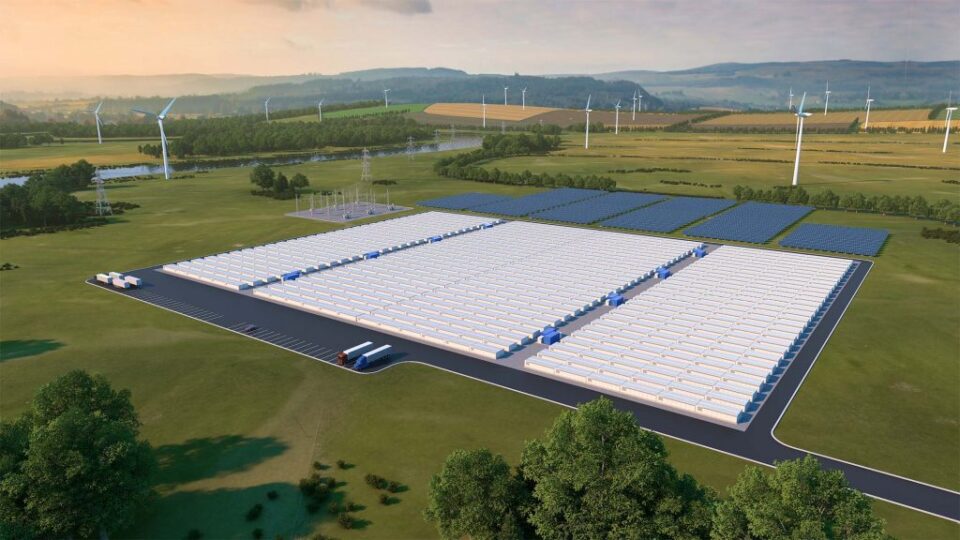
A Massachusetts-based company called Form Energy is building a $760 million iron-air battery storage facility in the city of Weirton in West Virginia.  Investment financing along with a $290 million government incentive package is paying for the facility. 

The facility is designed to address the need for long-duration energy storage and will be capable of storing electricity for 100 hours at competitive prices.  The battery modules will be about the size of a side-by-side washer/dryer and will contain a stack of 50 3-foot-tall cells.  Such batteries are too big and heavy for use in cars but will be cheaper and higher-capacity than equivalent lithium-ion battery systems.

**********

Web Links

Form Energy selects West Virginia for its first iron-air battery plant

Photo credit: Form Energy

Earth Wise is a production of WAMC Northeast Public Radio

  • « Go to Previous Page
  • Page 1
  • Interim pages omitted …
  • Page 9
  • Page 10
  • Page 11
  • Page 12
  • Page 13
  • Interim pages omitted …
  • Page 29
  • Go to Next Page »

Primary Sidebar

Recent Episodes

  • An uninsurable future
  • Clean energy and jobs
  • Insect declines in remote regions
  • Fossil fuel producing nations ignoring climate goals
  • Trouble for clownfishes

WAMC Northeast Public Radio

WAMC/Northeast Public Radio is a regional public radio network serving parts of seven northeastern states (more...)

Copyright © 2026 ·