• Skip to primary navigation
  • Skip to main content
  • Skip to primary sidebar

Earth Wise

A look at our changing environment.

  • Home
  • About Earth Wise
  • Where to Listen
  • All Articles
  • Show Search
Hide Search
You are here: Home / Archives for ecotourism

ecotourism

A Powerful Case For Protecting Whales

October 24, 2019 By EarthWise Leave a Comment

Efforts to mitigate climate change typically face two major challenges.  One is to find effective ways to reduce the amount of atmospheric carbon dioxide.  The other is how to raise enough money to implement climate mitigation strategies. 

Many proposed solutions to climate change, like carbon capture and storage, are complex, expensive, and in some cases, untested.  What if there was a low-tech solution that was effective and economical?

Well, it turns out there is one, and it comes from a surprisingly simple, “no-tech” strategy to capture CO2: increase global whale populations. 

According to a recent analysis by economists with the International Monetary Fund, whales help fight climate change by sequestering CO2 in the ocean. 

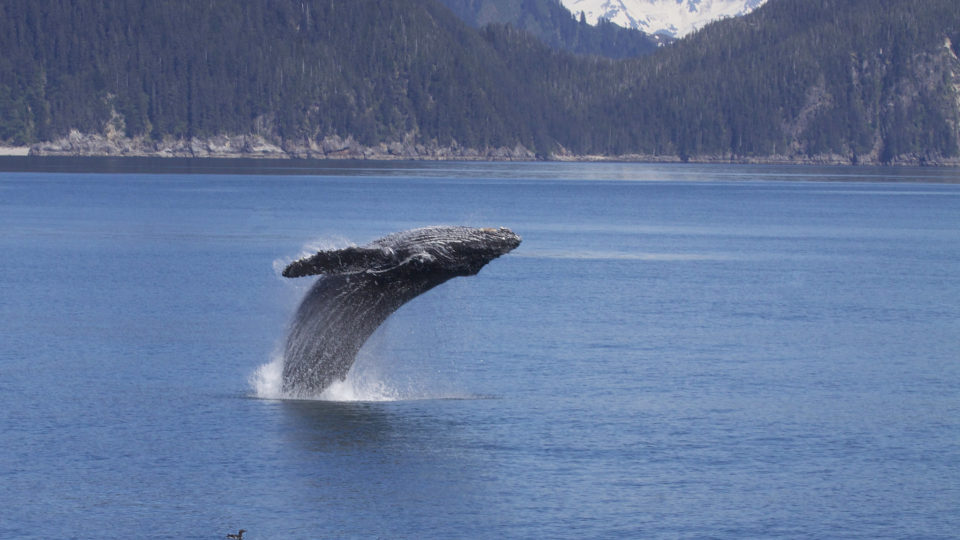
Whales sequester carbon in a few ways.  They hoard it in their fat and protein-rich bodies, stockpiling tons of carbon apiece.  When whales die, they turn into literal carbon sinks on the ocean floor.  While alive, whales dive to feed on tiny marine organisms like krill and plankton before surfacing to breathe and excrete. Those latter activities release an enormous plume of nutrients, including nitrogen, iron, and phosphorous, into the water.  These so-called “poo-namis” stimulate the growth of phytoplankton, microscopic marine algae that pull CO2 out of the air and return oxygen to the air via photosynthesis.  Phytoplankton are responsible for every other breath we take, contributing at least 50% of all oxygen to the atmosphere and capturing approximately 40% of all CO2 produced. 

With other economic benefits like ecotourism factored in, economists estimate that each whale is worth $2 million over its lifetime, making the entire global population possibly a one trillion dollar asset to humanity.

*********

Web Links

How much is a whale worth?

Photo, posted June 12, 2013, courtesy of Gregory Smith via Flickr.

XXXXXXXXXXXXXXXXXX
Wildlife And The Border Wall

February 14, 2019 By EarthWise Leave a Comment

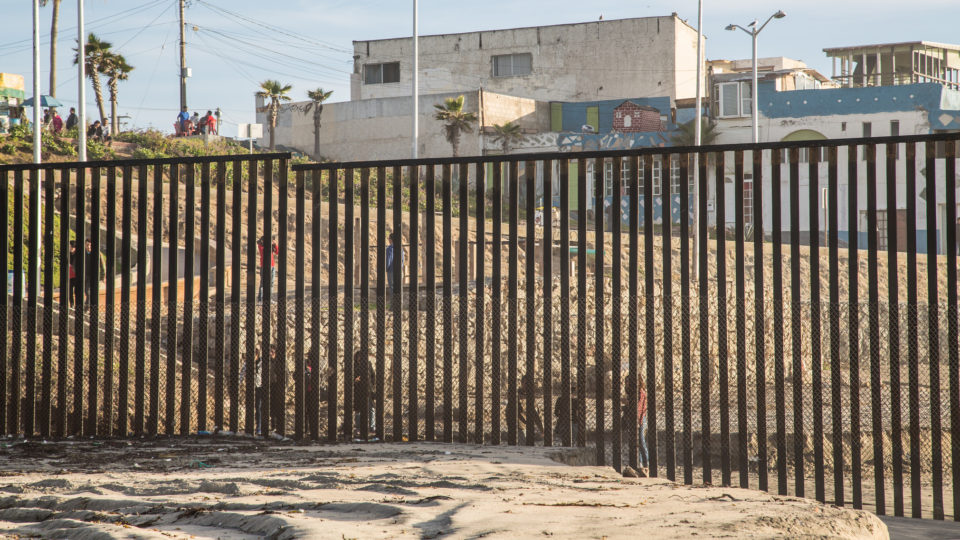
The border between the United States and Mexico is nearly 2,000 miles long, stretching from San Ysidro, California to Brownsville, Texas.  Discontinuous barriers currently cover approximately 650 miles of our southern border. As the particulars of how to better secure the remaining 1,350 miles of border are worked out, one thing is abundantly clear: extending physical barriers would negatively impact wildlife and the environment.

The Trump Administration has called for a 1,000-mile wall, which would cut across land that includes important habitats for wildlife.  According to an article signed by nearly 3,000 scientists, this plan would “threaten some of the continent’s most biologically diverse regions” by inhibiting species movement and triggering flooding. The paper, which was published in the journal Bioscience, highlights how more than 1,500 native animal and plant species would be affected by the wall, including 62 that are listed as endangered or vulnerable.

An extended border wall would not only impede movement of many wildlife species but it would also put pressure on creatures already in peril, such as the Mexican gray wolf and the Sonoran pronghorn.  Other at risk animals include the ocelot, black bear, and desert bighorn sheep. 

According to researchers, extending the border wall could cause problems for low-flying birds and insects. Even plants, including the endangered wildflower Zapata bladderpod and the threatened whiskerbush cactus, are particularly at risk.

According to a 2011 study, bird-watching and other forms of ecotourism in the Lower Rio Grande Valley brought in more than $344 million in economic activity and approximately 4,400 jobs. 

Preserving our natural heritage must be part of this national security discussion. 

**********

Web Links

Nature Divided, Scientists United: US–Mexico Border Wall Threatens Biodiversity and Binational Conservation

Photo, posted December 14, 2014, courtesy of Tony Webster via Flickr.

Earth Wise is a production of WAMC Northeast Public Radio.

Whale Sharks

September 9, 2016 By WAMC WEB

https://earthwiseradio.org/wp-content/uploads/2016/08/EW-09-09-16-Whale-Sharks.mp3

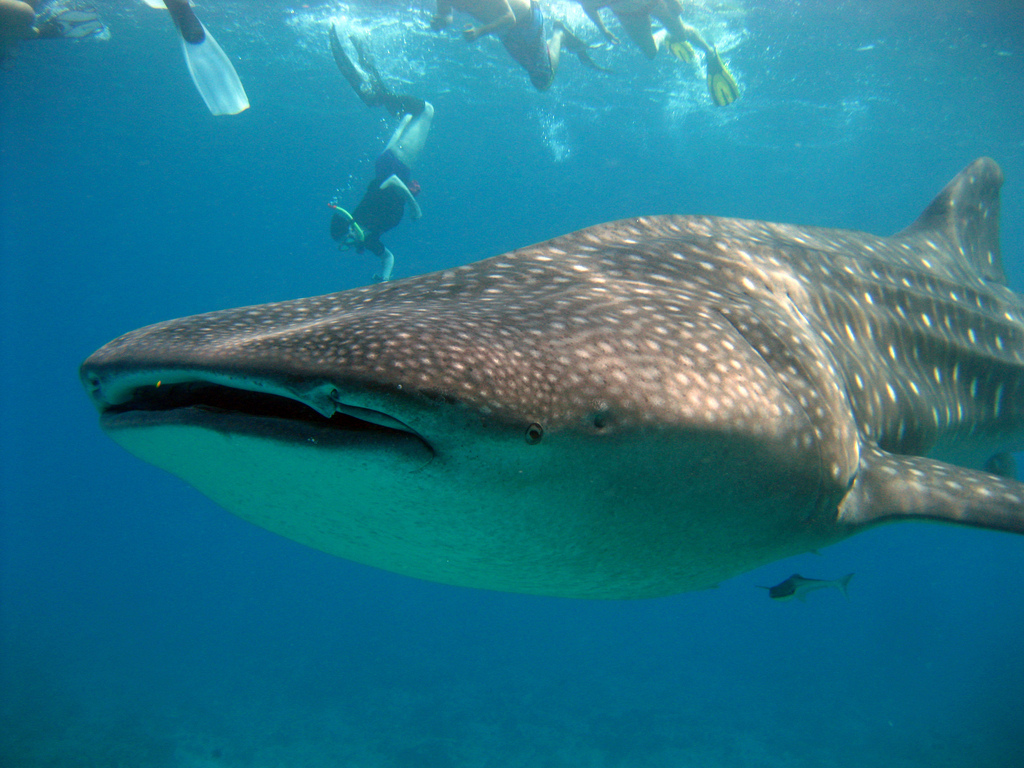
Whale sharks are the largest fish in the sea.  They can grow more than 40 feet in length, weigh up to 47,000 lbs, and have a lifespan of about 70 years.  They can be found cruising in the open waters of tropical oceans.  But despite being enormous, whale sharks are no threat to humans.  The docile beasts, which feed almost exclusively on plankton, have often been referred to as “gentle giants.”

[Read more…] about Whale Sharks

Ecotourism And Endangered Species

March 24, 2016 By WAMC WEB

https://earthwiseradio.org/wp-content/uploads/2016/03/EW-03-24-16-Ecotourism-and-Endangered-Species.mp3

Ecotourism is increasing on a global scale.   Ecotourism is generally defined as responsible travel to natural areas that conserves the environment, sustains the well-being of the local people, and involves interpretation and education.  Visitor numbers to many protected areas around the world are expanding every year.  Ecotourism provides rich experiences for the traveler and often has great benefits to local communities fighting poverty and seeking sustainable development.

[Read more…] about Ecotourism And Endangered Species

Primary Sidebar

Recent Episodes

  • An uninsurable future
  • Clean energy and jobs
  • Insect declines in remote regions
  • Fossil fuel producing nations ignoring climate goals
  • Trouble for clownfishes

WAMC Northeast Public Radio

WAMC/Northeast Public Radio is a regional public radio network serving parts of seven northeastern states (more...)

Copyright © 2026 ·