• Skip to primary navigation
  • Skip to main content
  • Skip to primary sidebar

Earth Wise

A look at our changing environment.

  • Home
  • About Earth Wise
  • Where to Listen
  • All Articles
  • Show Search
Hide Search
You are here: Home / Archives for dying

dying

Rainforests and thunderstorms

August 6, 2025 By EarthWise Leave a Comment

Thunderstorms have a surprising impact on tree mortality

Tropical forests are dying at an alarming rate, and not just from deforestation. Even intact forests are losing trees, threatening biodiversity, carbon storage, and the global climate. While drought and rising temperatures are often blamed, new research points to a surprising culprit: thunderstorms.

These intense, short-lived convective storms, common in the tropics, are increasing due to climate change. With strong winds and lightning, they can snap trees, strip canopies, and kill even the most robust tree specimens.

In a perspective paper recently published in the journal Ecology Letters, a research team led by the Cary Institute of Ecosystem Studies argues that thunderstorms, often overlooked in carbon storage research, may be the leading cause of tree death in tropical forests. The research team estimates that storms have caused 30 to 60% of tree mortality in the past, a number that is likely rising as storm activity increases 5 to 25% each decade.

Including storm data in forest carbon studies changes the picture significantly. Earlier models showed that carbon levels dropped sharply when temperatures rose beyond a certain point. But when storm impacts were added, that pattern disappeared, suggesting that storms – not just heat – may be a key factor in carbon loss.

Understanding which species are most vulnerable is critical for reforestation and conservation efforts. Mature trees store the most carbon, so if they’re lost to storms, future forests may fall short of their carbon storage potential.

As storm activity increases each decade, the stakes grow higher.  Accounting for storms could reshape how we protect, restore, and plan for the future of our forests. 

**********

Web Links

Are the Amazon’s biggest trees dying? Forest coroners investigate

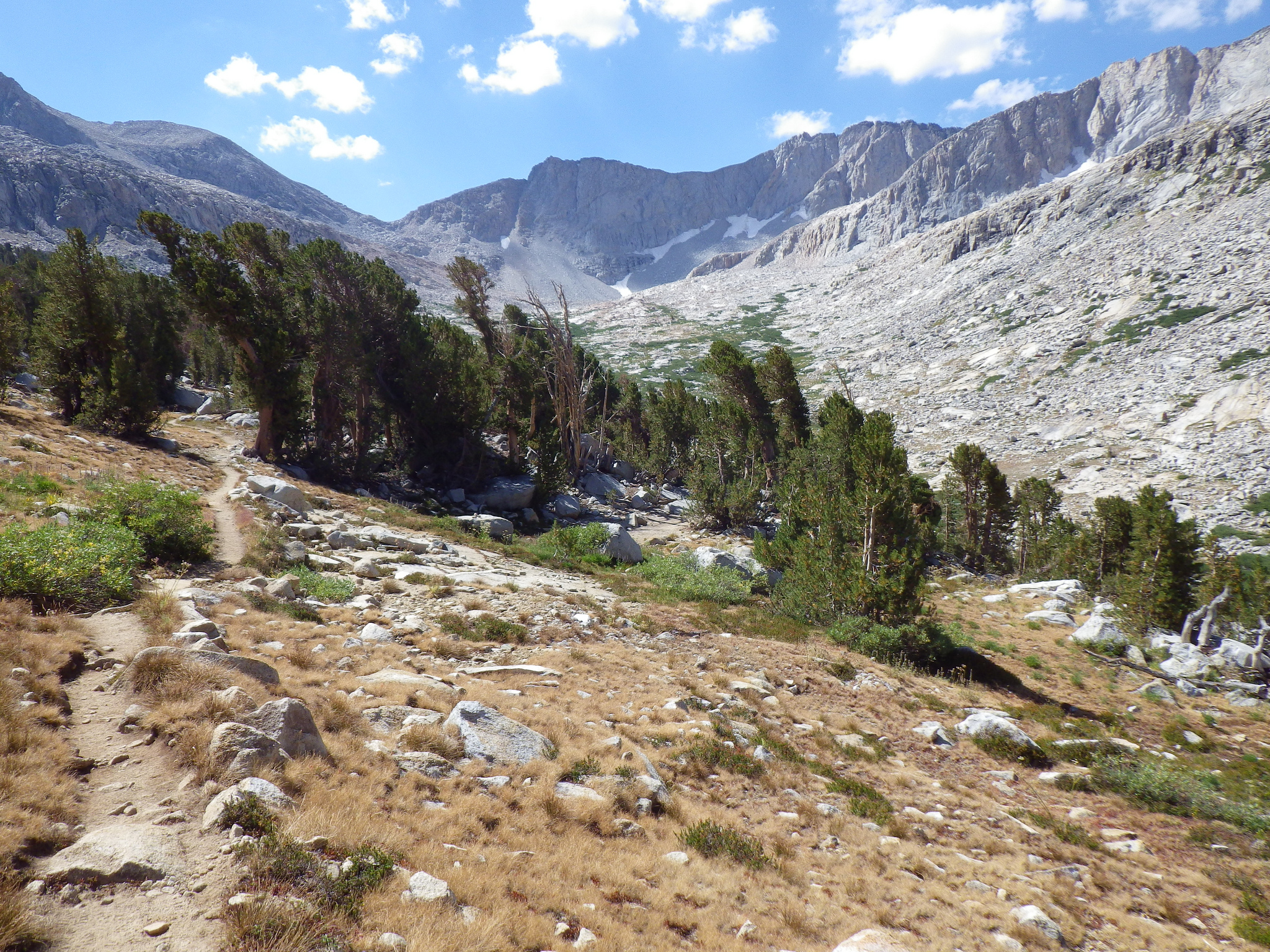
Photo, posted July 2, 2017, courtesy of Anna & Michal via Flickr.

Earth Wise is a production of WAMC Northeast Public Radio
California Trees Are Dying | Earth Wise

August 19, 2022 By EarthWise Leave a Comment

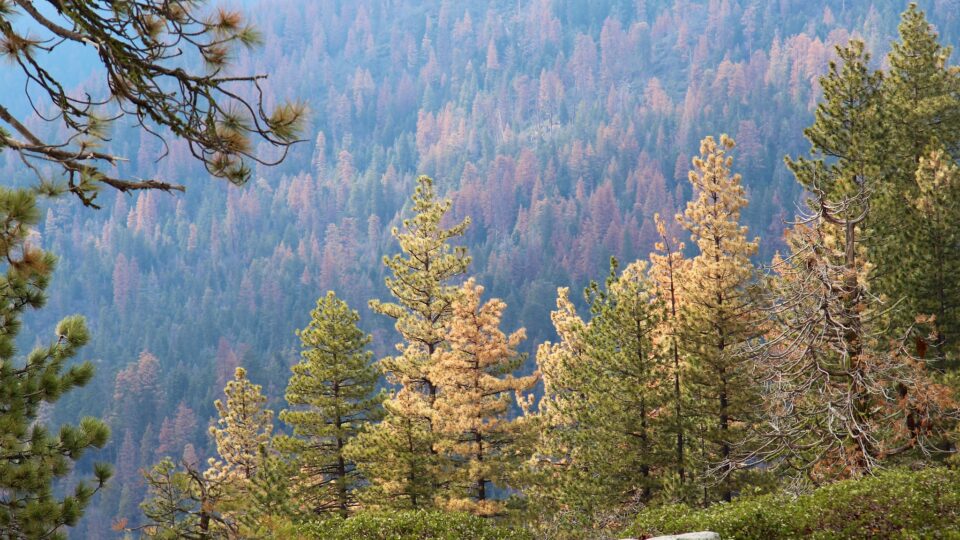
Climate change is killing California trees

California relies on extensive forests to help reduce the amount of carbon dioxide entering the atmosphere.  But extensive drought and increasingly frequent wildfires have been reducing the state’s tree population for the past three decades.

A comprehensive study by a team of scientists from the University of California Irvine used satellite data to study vegetation changes between 1985 and 2021.  Across the entire state, tree cover area has declined 6.7% over that time period.  The results varied from region to region across the state.

Southern California exhibited the sharpest decline, where 14% of the tree population in local mountain ranges vanished, potentially permanently.  In the Sierra Nevada mountains, tree populations were relatively stable until about 2010.  After that, a severe drought followed by historically large wildfires resulted in a 8.8% die-off of trees.  The northern parts of the state, with higher rainfall and cooler temperatures, fared better, being able to more easily recover from wildfires.

The study goes beyond measuring the tree population of the state and its effects on carbon storage.  The data is also important for understanding how changes in forest cover affects water resources and fire behavior in the state.

The decline of trees in California is affecting the carbon storage abilities of the state.  The satellite survey showed that as the tree populations have dropped, the state’s coverage of shrubs and grasses has risen, possibly indicating that permanent ecosystem shifts are occurring.  The forces contributing to the decline of trees in California are not going away any time soon.  As a result, the threat to California’s ability to mitigate the effects of climate change continues to grow.

**********

Web Links

UCI study: California’s trees are dying, and might not be coming back

Photo, posted March 24, 2016, courtesy of David Fulmer via Flickr.

Earth Wise is a production of WAMC Northeast Public Radio.

Another Bad Year For Bees

August 6, 2019 By EarthWise Leave a Comment

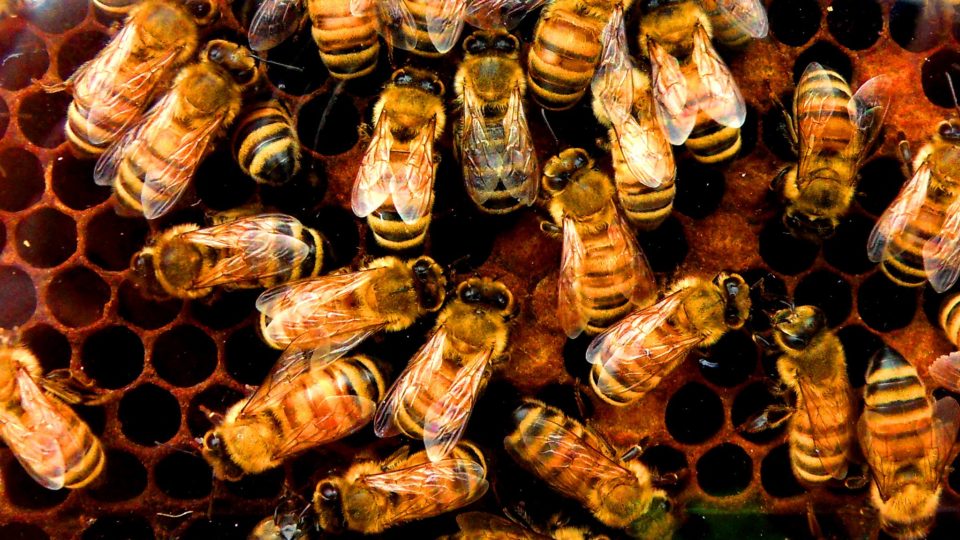
The latest annual nationwide survey of beekeepers in the US revealed that honeybees are still dying off at an alarming rate.  According to the survey, beekeepers across the country lost 40.7% of their honey bee colonies from April 2018 to April 2019. 

This annual loss represents a slight increase over the average annual loss of 38.7%.  Of greater concern is that winter losses of 37.7% were the highest reported since these annual surveys began 13 years ago and are almost 9% higher than the survey average.

These results are very troubling considering that the elevated losses are continuing even after a decade of intense work trying to understand and reduce colony loss.  Evidently, there has not been much progress.

The number one concern among beekeepers is varroa mites, which are lethal parasites that can readily spread from colony to colony.  These mites have been decimating bee colonies for years.  Products developed to remove mites seem to be getting less and less effective.

But mites are not the only problem for bees.  Land use changes have resulted in reduced availability of pollen sources for bees.  Add to that pesticide exposures, environmental factors, and even problems with beekeeping practices.   In addition, extreme weather conditions such as wildfires and floods are only adding to the problems facing bees.

The tools that used to work for beekeepers seem to be failing and they are already stretched to their limits trying to keep their bees alive. Honey bees pollinate $15 billion worth of food crops in the United States each year. The problems facing bees are a problem for all of us.

**********

Web Links

U.S. Beekeepers Suffered Higher than Average Colony Loss Last Year, with Winter Losses the Highest Recorded, According to UMD-Led Annual Survey

Photo, posted June 3, 2009, courtesy of Jennifer C via Flickr.

Earth Wise is a production of WAMC Northeast Public Radio.

Bleached And Dying

February 23, 2017 By EarthWise

https://earthwiseradio.org/wp-content/uploads/2017/02/EW-02-23-17-Coral-Reefs-Die-Off.mp3

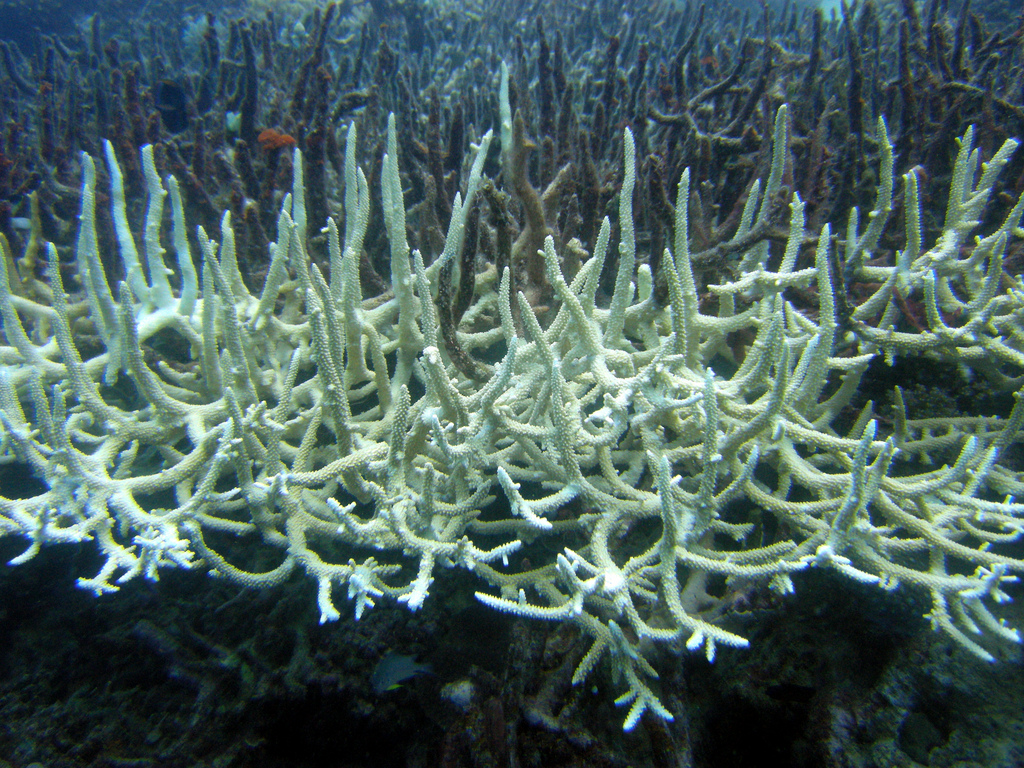
Climate change is posing a major threat to the future of coral reefs.  According to a recent United Nations-backed study, if swift action is not taken to curb greenhouse gas emissions, annual coral bleaching events will affect nearly all of the world’s coral reefs.  And coral bleaching can result in serious coral mortality – as Australia’s Great Barrier Reef has recently illustrated.  

[Read more…] about Bleached And Dying

Dying California Trees

December 16, 2016 By EarthWise

https://earthwiseradio.org/wp-content/uploads/2016/12/EW-12-16-16-Dying-California-Trees.mp3

California’s trees are dying.  According to the U.S. Forest Service, more than five years of drought in California has left 102 million dead trees across 7.7 million acres of forest.  In fact, 62 million trees have died this year alone – a 100% increase from 2015. 

[Read more…] about Dying California Trees

Primary Sidebar

Recent Episodes

  • An uninsurable future
  • Clean energy and jobs
  • Insect declines in remote regions
  • Fossil fuel producing nations ignoring climate goals
  • Trouble for clownfishes

WAMC Northeast Public Radio

WAMC/Northeast Public Radio is a regional public radio network serving parts of seven northeastern states (more...)

Copyright © 2026 ·